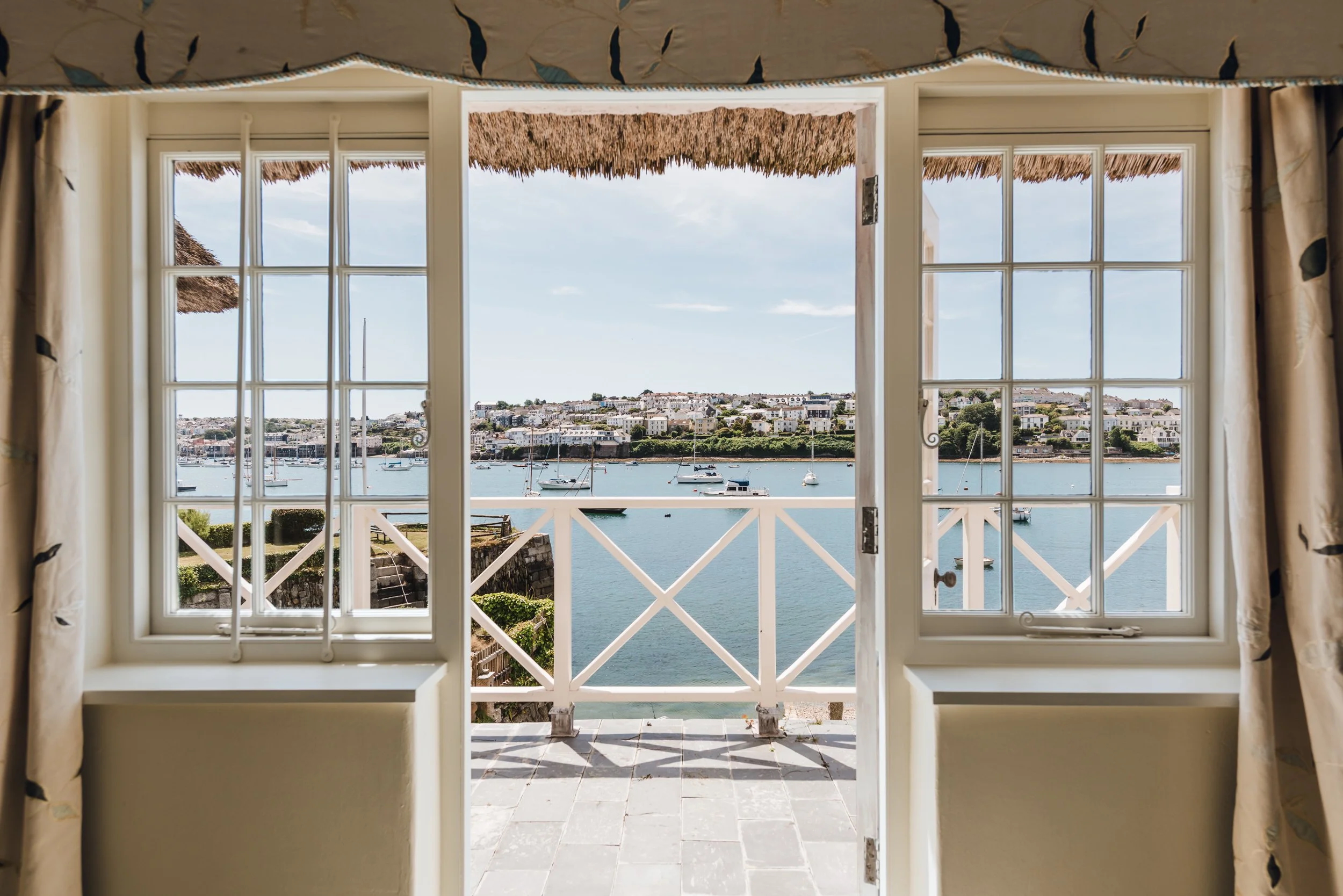
Shifting lifestyle preferences have fuelled popularity for kitchen-diners, breakfast bars and sofa suppers. But does that mean dedicated eating spaces are heading for extinction? While a report by Aviva released last month found that one in five homeowners has repurposed the dining room, it seems not everyone is clamouring to phase them out.
A new generation of designers is reimagining the dining room in a convivial, flexible way that’s neither stuffy nor formal — as a place not only for a special occasion but also for a random Tuesday, as a place to quietly gather away from the chaos of the kitchen. ‘If you do a dining room right and make it a space that’s not just for family Christmases, you’ll use it far more than an old-style stuffy space,’ says Anna Burles, cofounder of interiors studio Run For the Hills. ‘Make it cosy, casually glamorous and comfortable enough to feel right for regular, old family dinners — phones and devices left at the door. But also make it the perfect spot for laying out boardgames or a jigsaw or setting up a craft project that’s not in the main kitchen. In this space, you can leave it and shut the door, ready for you to pick up again in the morning.’
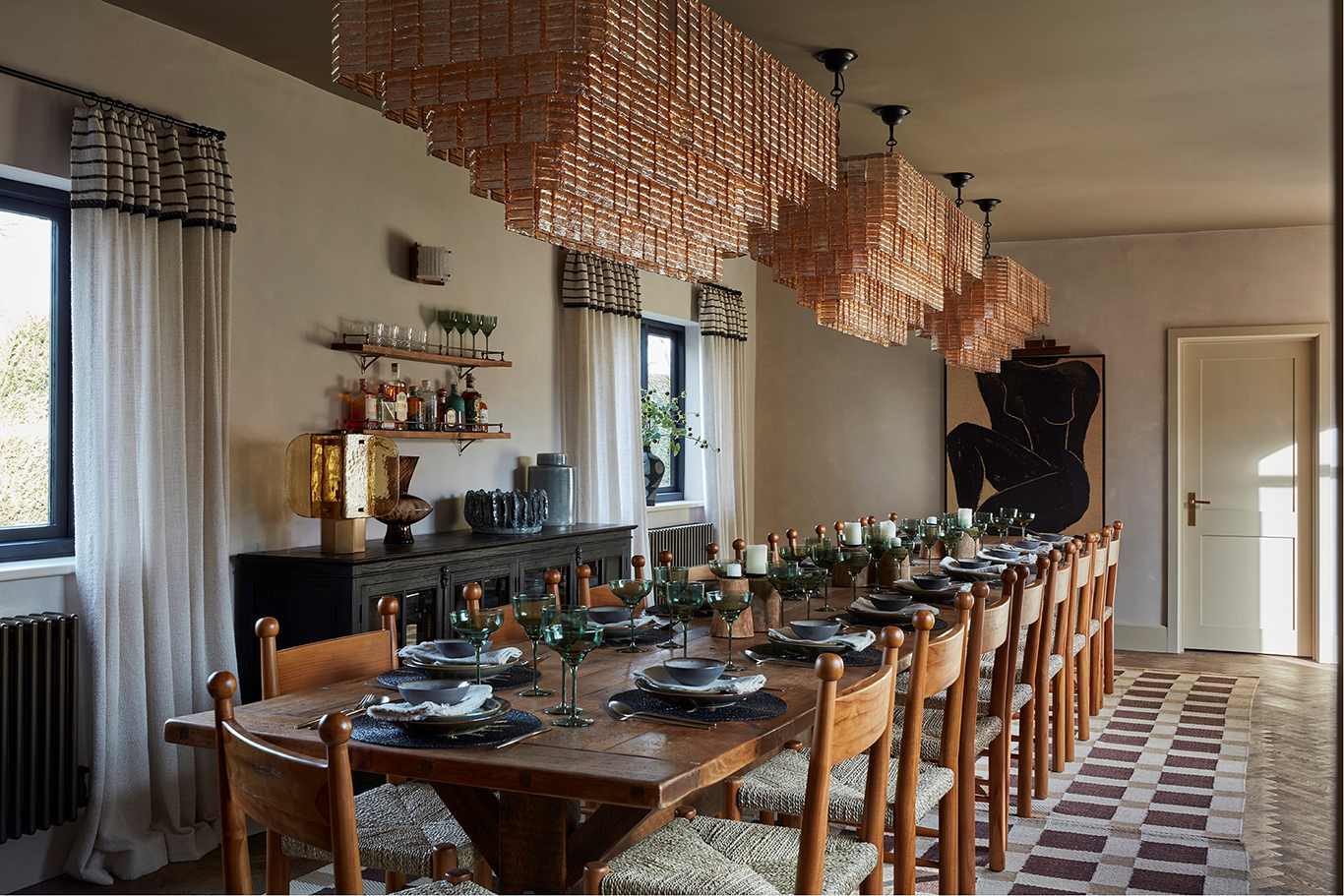
‘I don’t think dining rooms are disappearing. I think they’re changing,’ says Venetia Rudebeck, cofounder of design practice Studio Vero. ‘A comfortable room that’s used every day and gives people a reason to sit around a table together still feels incredibly relevant.’ So committed is Rudebeck to the idea of the standalone dining room, for a recent project in Notting Hill she removed the kitchen table altogether. ‘It might seem an unusual move at a time when so many homes revolve around kitchen islands,’ she says, ‘but we felt there was real value in giving dining its own place again.’
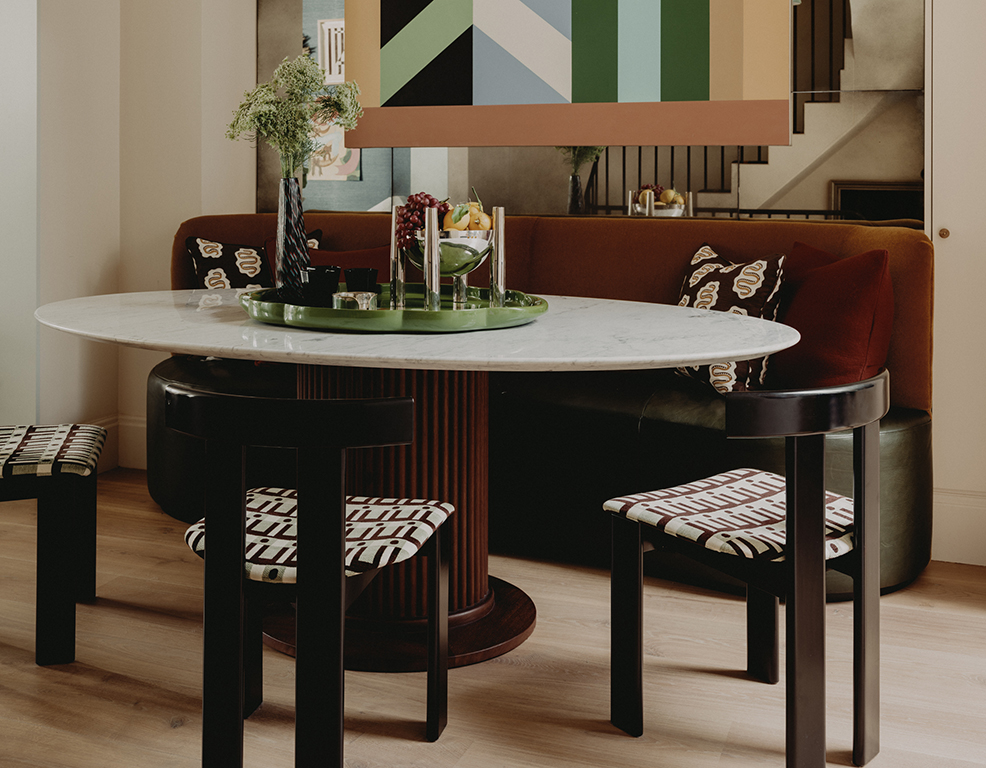
The result is a less formal dining room featuring a curved banquette that encourages the family to settle in. Antique mirror panels bounce light around the space and reflect the people sitting or mingling around the table.
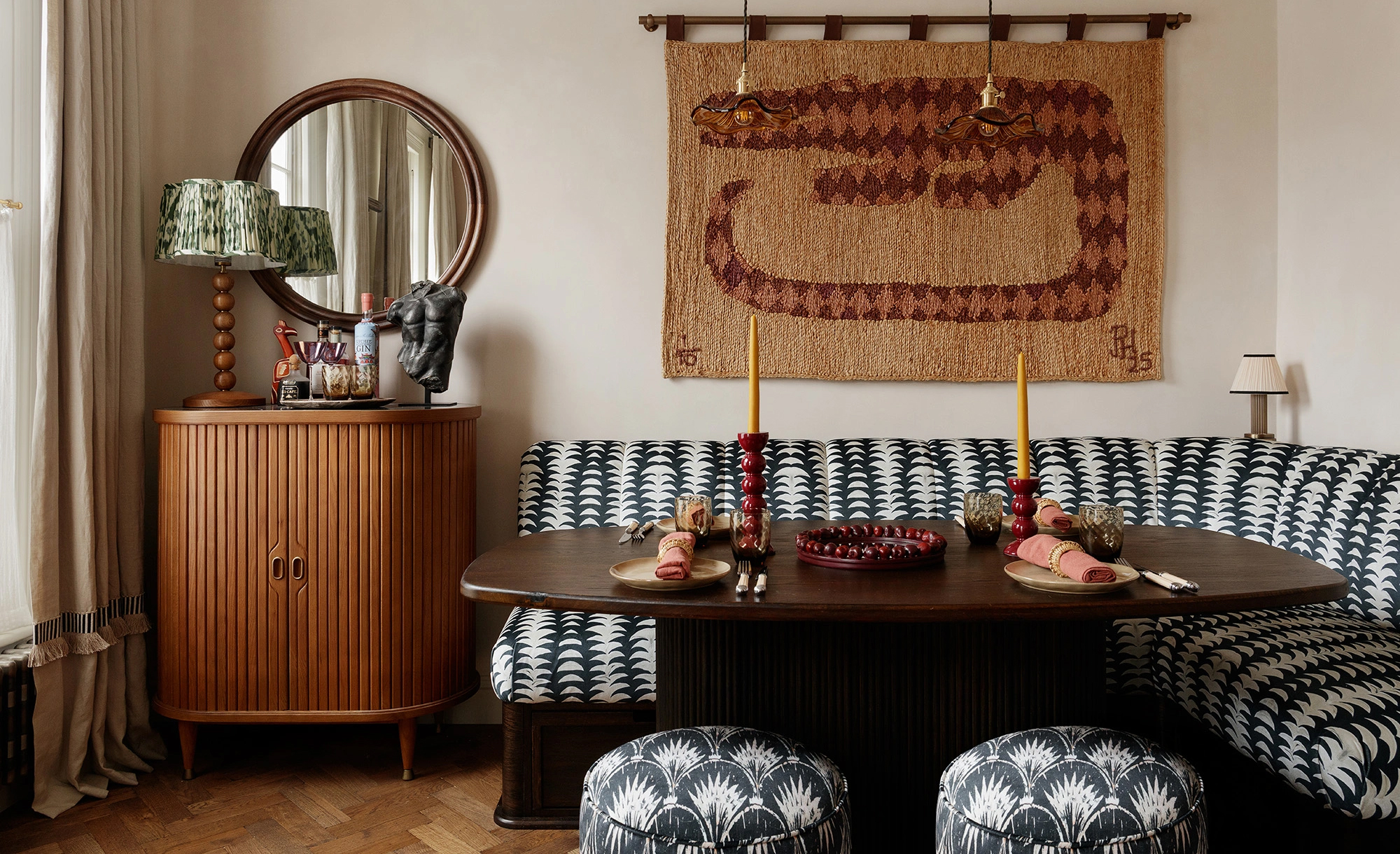
Relaxed interiors, and the pieces that furnish them, are responsible for the New Dining Room just as much as evolving lifestyles, says designer Max Dignam of Max Dignam Interiors. ‘People’s tastes have shifted towards softer, more tactile interiors and that’s had a huge influence on the way we design dining spaces,’ he says. ‘We’re using far more oval and softly rounded dining tables because they improve circulation and naturally encourage conversation. Fully upholstered dining chairs have become almost essential too. They bring a level of comfort that encourages people to linger long after the meal has finished, changing the way the room is used.’ Lacquered walls, polished plaster and natural timber add softness, texture and depth, he adds. And layered lighting means the atmosphere can be controlled and curated throughout the day, depending on how and when the room is being used.
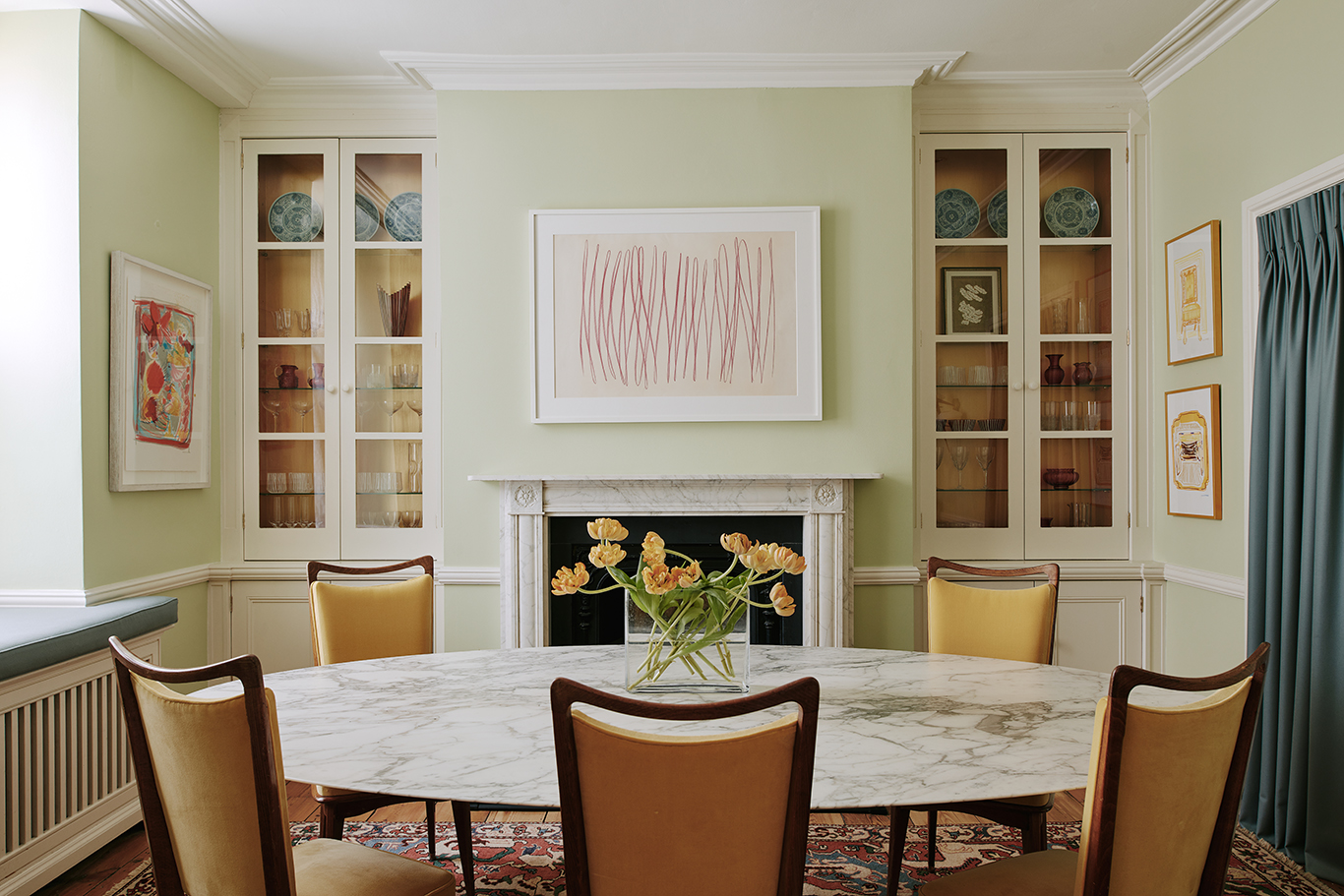
None of this is to say that contemporary dining room design needs to be muted. At One Palace Green, a Grade II-listed arts and crafts mansion designed by Martin Kemp near Kensington Palace in London, two dedicated dining spaces add character, atmosphere and a sense of grandeur. The main dining room, originally designed by William Morris and Edward Burne-Jones, has been updated with gold-stencilled poetry and brilliant green walls.
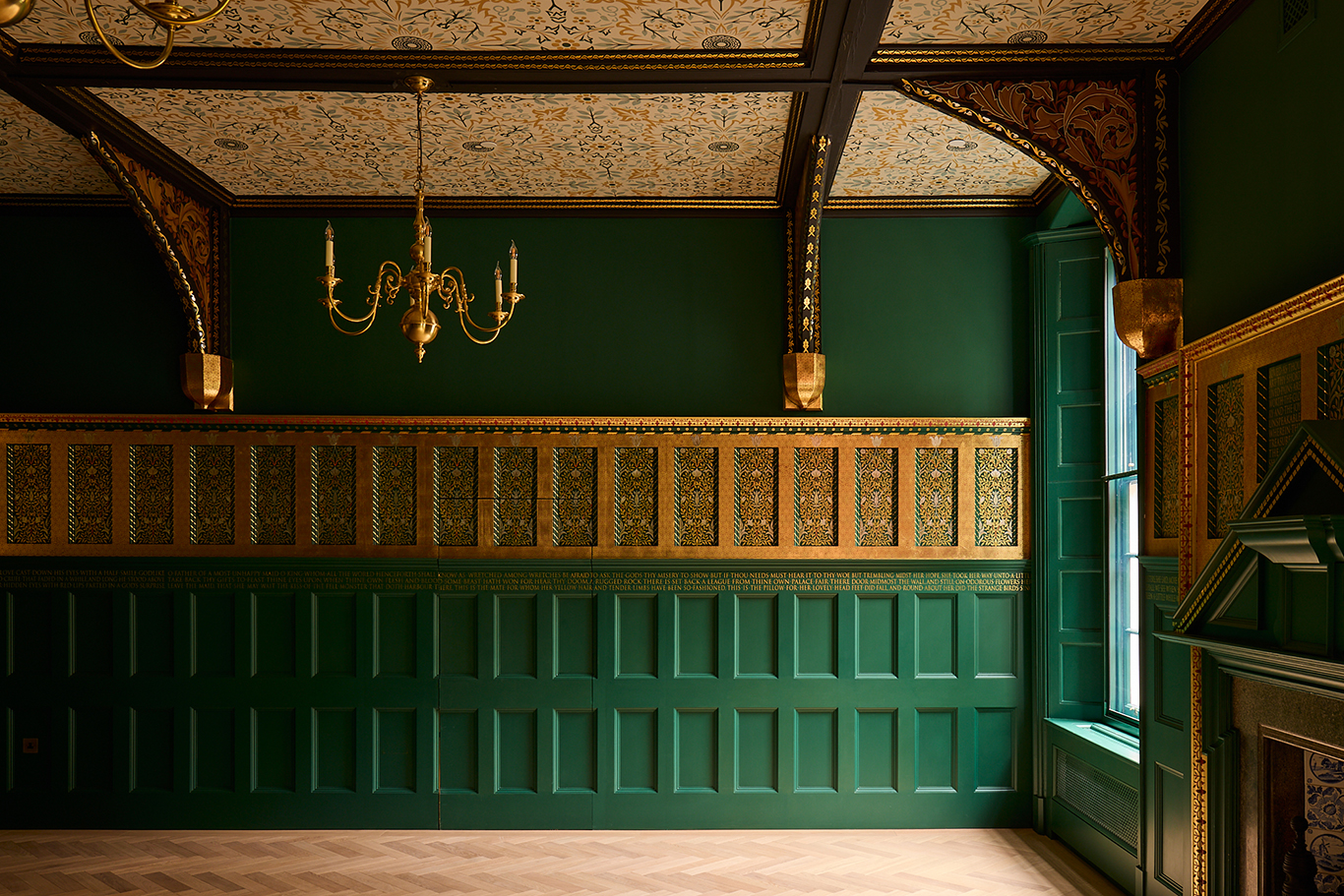
‘From a design perspective, the dining room offers an opportunity to be more expressive, whether through colour, pattern, statement lighting, artwork or bespoke detailing,’ says Russell Smithers, chief executive of REDD Real Estate, the developer behind One Palace Green’s restoration. ‘There is something valuable about a room that encourages us to sit down, slow down and spend time together. The dining room may be evolving, but we certainly don’t believe it is disappearing.’
Some designers are reporting from the front lines that standalone dining spaces are actually growing in popularity. After all, if any room has a place in the modern home, it’s a space intended first and foremost for feasting. ‘I actually love a separate space to eat and host guests,’ says Alexia Kyriazi, founder of curated tableware brand Voi Collective. ‘It adds a great sense of occasion.’
Interior designer Polly Ashman is currently installing dedicated eating areas in three separate projects. ‘If anything,’ she says, ‘dining rooms are making a comeback.’