In 1962, when Copenhagen’s top town planner unveiled the newly pedestrianised shopping avenue Strøget, some Danes were so incensed they sent him death threats. Closing a kilometre of the thoroughfare must have seemed a risky and herculean effort at a time when cars had transformed postwar life in metropolitan Europe. Instead it became a beacon for urban planners wanting to return life to their own dense, traffic-clogged quarters.

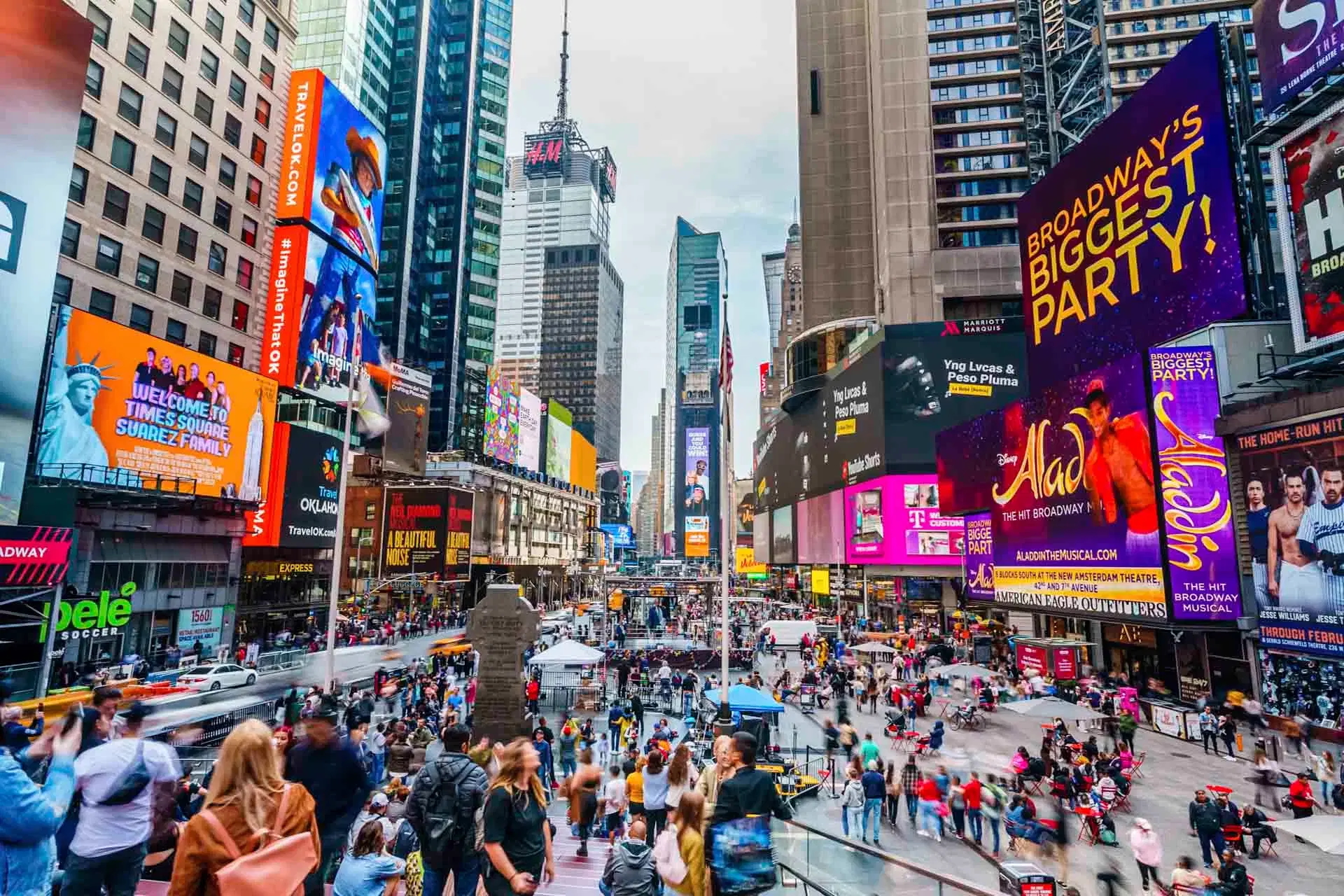
That was 65 years ago. In the interim, it seems the primacy of the car never really waned. The hurtling forward movement of ‘convenience culture’ has been even harder to reverse or even slow than in the wreckage of the Second World War — even though it tops every mayor’s agenda. When cities do manage to free up space for foot traffic — in New York’s Times Square, along Seoul’s Cheonggyecheon Stream — it becomes front page news. In Times Square, footfall increased by 11%, injuries decreased by 40% and local businesses reported higher sales after the transformation. The 5.8-kilometre linear park in Seoul has reduced air pollution and attracted 64,000 visitors daily. Still many people, especially in the Western hemisphere, grow up not even knowing what a pedestrian street is.
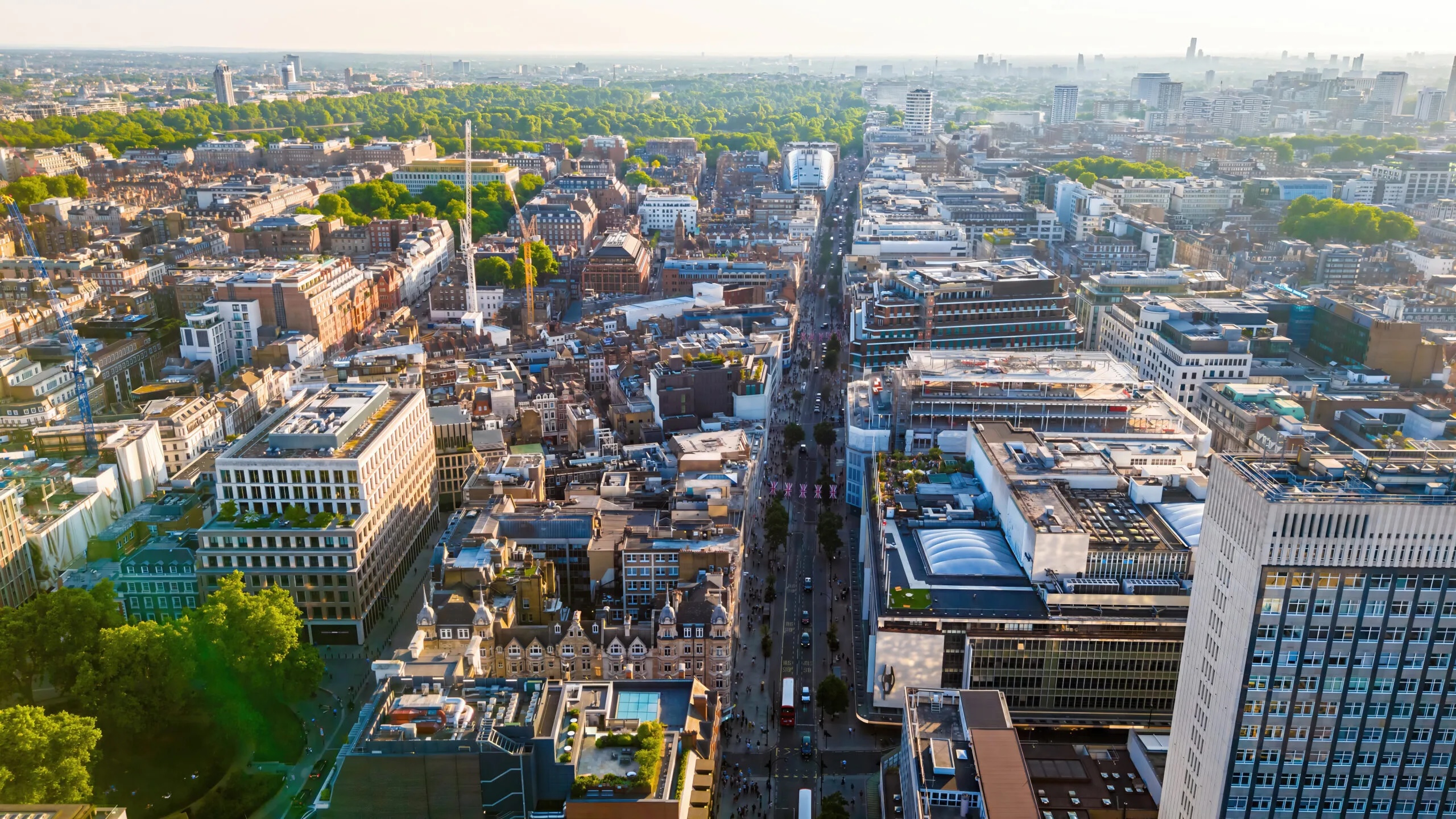
This month London takes a huge step in the right direction when it trials the pedestrianisation of a long swath of Oxford Street. It is being called London’s most significant urban transformation project in a generation and it will cut off cars, taxis and several long-established bus routes for more than half a mile between Great Portland Street in the east to Orchard Street in the west. Architects from Hawkins\Brown are working on the regeneration with architecture and urban design practice East and a dozen civic-design outfits, and plotting a future strategy to reclaim more tarmac for walkers. Specialists from the Times Square project are in consultation.
Considering the average pedestrian could walk Oxford Street faster than any vehicle could drive it, the people behind it must be doing us all a favour. And it couldn’t come at a better time for commerce in the area, which has suffered for years from evolving shopping habits. Transport for London’s ‘Healthy Streets for London’ evaluation showed pedestrian-friendly improvements can increase retail spending by 30% while reducing vacancy rates for commercial properties. Though perhaps shopping will not dominate the Oxford Street of the future. Perhaps it will become London’s Philosopher’s Path, its La Rambla, the ‘bright stream’ of Virginia Woolf’s Oxford Street Tide, where ‘Everything glitters and twinkles’.
A study published last year in Environment International by the Barcelona Institute for Global Health posited that ‘superblocks’ like the people-first schemes planned for the Spanish city could prevent 667 premature deaths annually — not only by reducing accidents but also air pollution and heat islands. Some would consider that forecast too good to be true — will anyone reading this now ever live to see such change? The numbers, however, are hard to argue against.
And yet consultations on pedestrian zones always come up against arguments. Not all of us can walk, cycle or swear off van deliveries. And decades of car-led planning have built up resistance to change. But councils have addressed concerns with innovative infrastructure like electronic bollards, landscaping, scheduled drive times and car-free days. Holistic, out-of-the-box thinking about these zones is exactly what city planners mean when they discuss ‘place-making’: designing environments that make traffic secondary to social interaction and walkability.
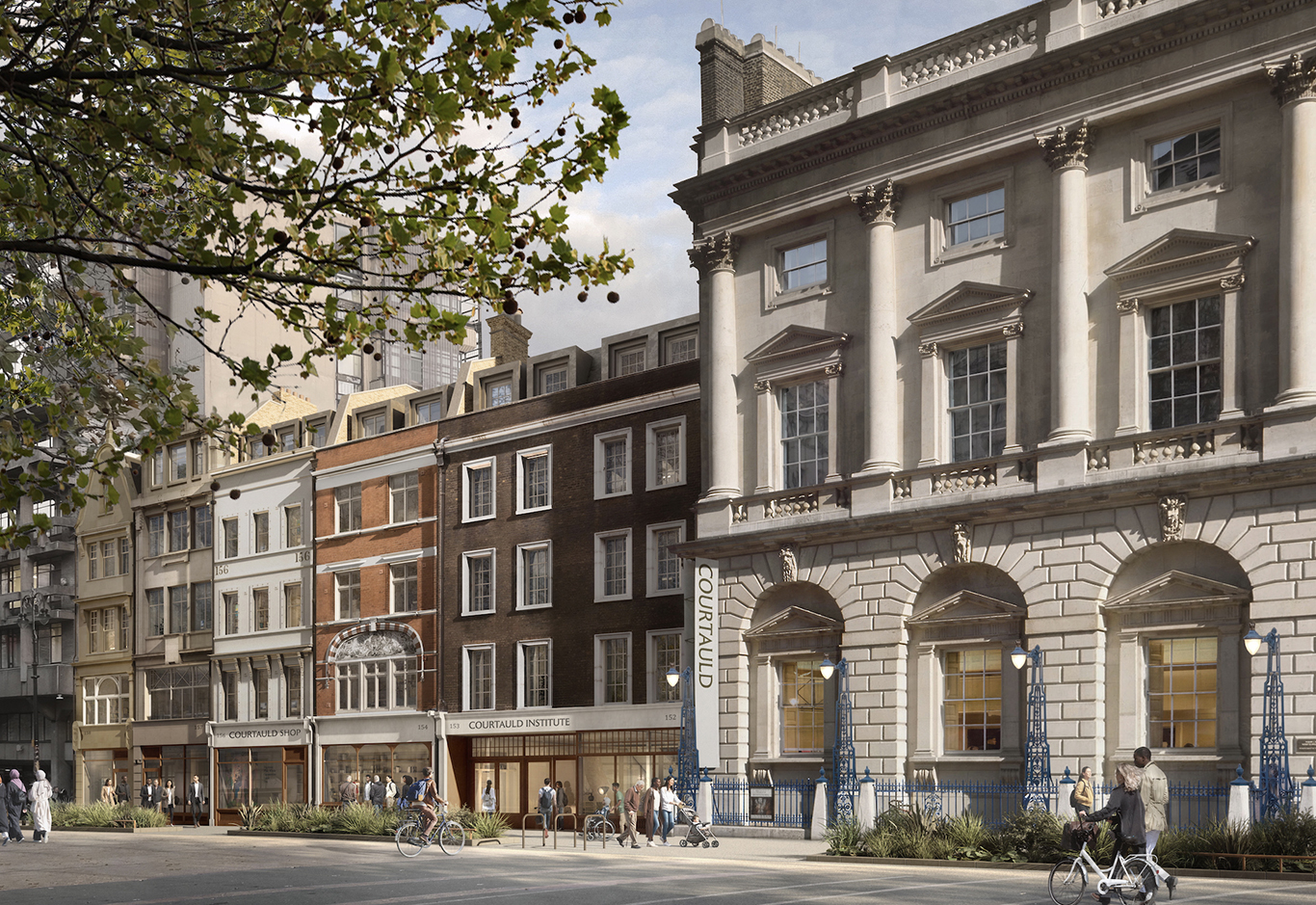
Since it was pedestrianised in 2022, the 200-metre stretch of Strand between Waterloo Bridge and Arundel Street has been so popular, there is now traffic of the walking kind. Students from King’s College and London School of Economics gather in the piazza between them, artists and designers exhibit installations, planters and trees have appeared, along with colourful street furniture, some of it ‘impact-rated’ to resist attack. Even the threat of speeding e-cyclists has been mitigated by police patrols. The Courtauld Institute of Art has been moved to restore and renovate the Georgian terrace fronting the scheme and integrating it into its lecture- room offering.
Streets like Oxford and the Strand are precisely where these closures should start, spoiled as they are for public transit, bikeable environs, green squares and leisure facilities. Not all neighbourhoods nor all cities have it this good. And no solution is one-size-fits-all. Low-traffic neighbourhoods (LTNs) cordoned off during the Covid ‘break’ were popular but also populist, in some cases helping politicians more than the communities they were designed to serve. What they proved was that drastic change is possible when the right people are behind it, when they work for the majority and when they play the long game. Meanwhile, these targeted pedestrianised streets are becoming major destinations in the making.