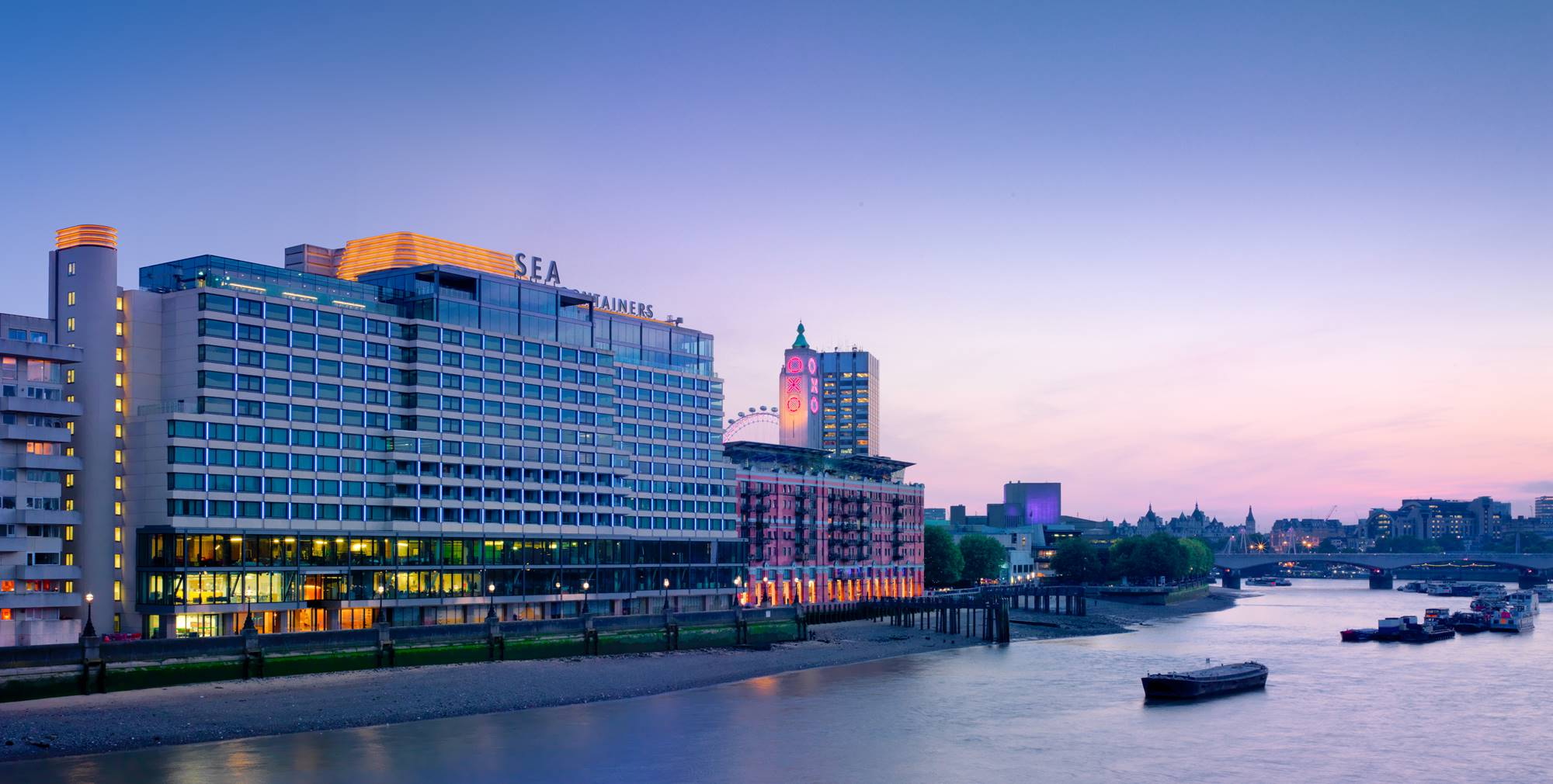
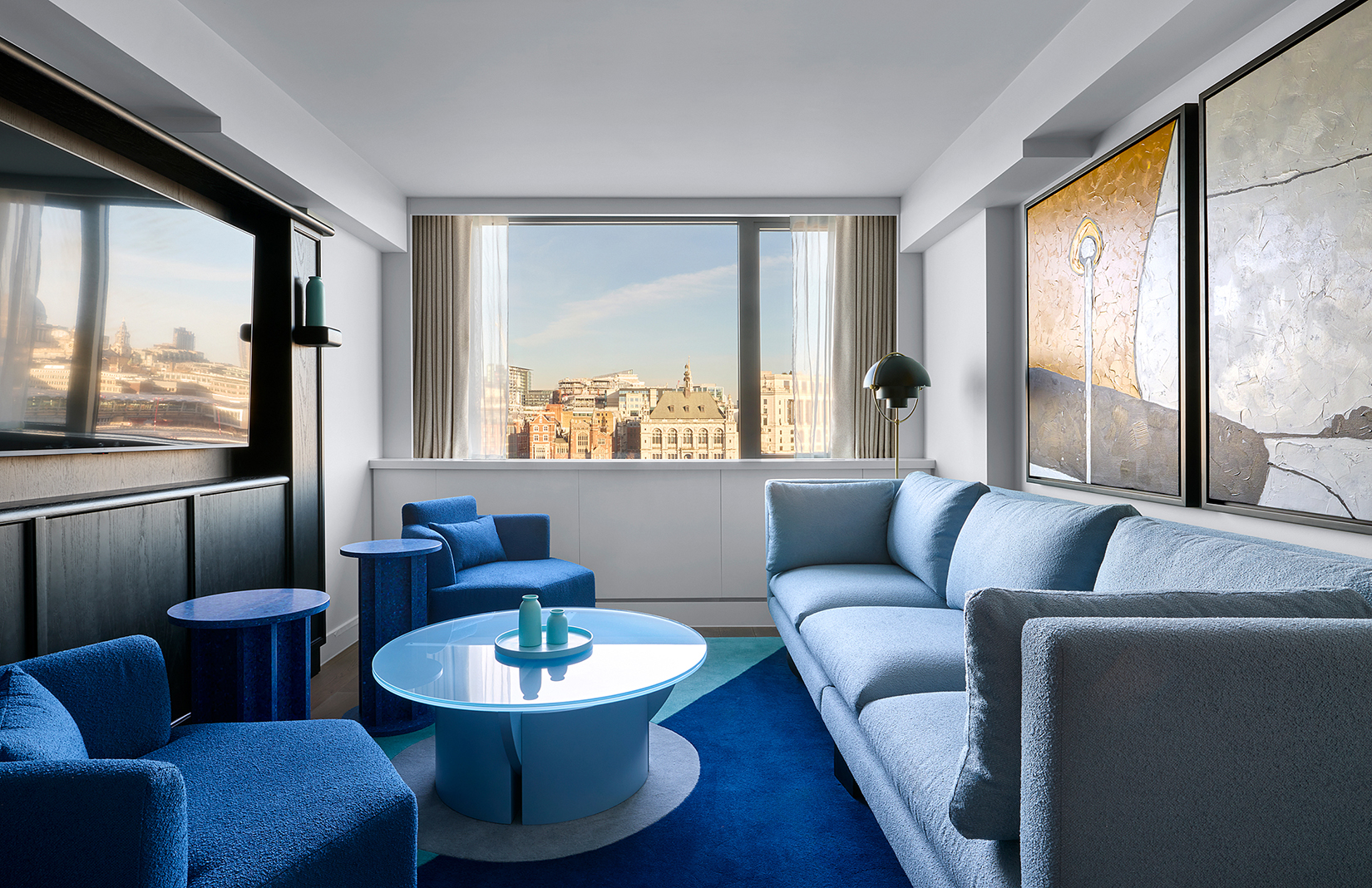
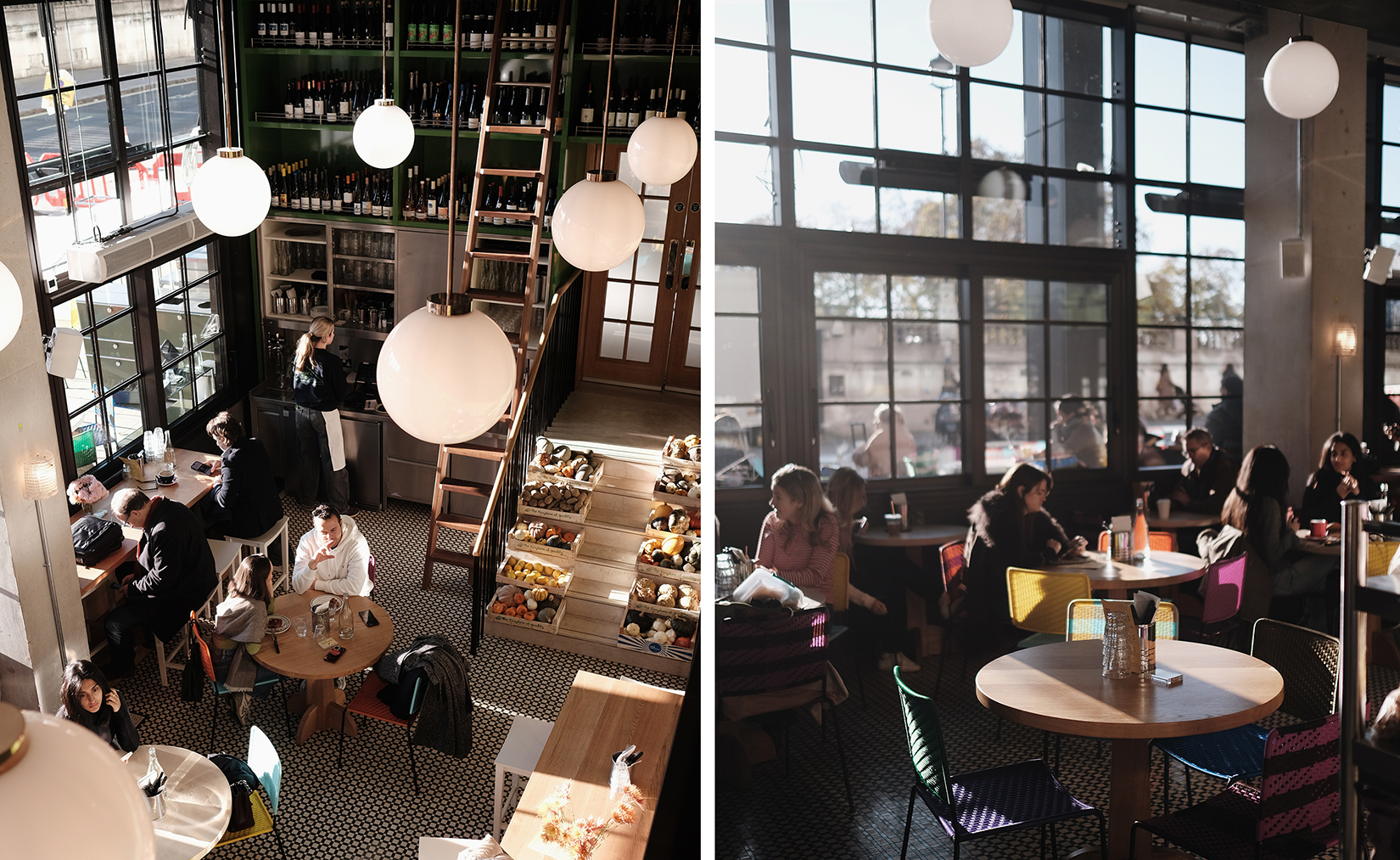
When the designer Jacu Strauss completed a raft of improvements at the Sea Containers London hotel on the River Thames earlier this year, it brought attention back to a nautical-themed Warren Platner design that millions recognise but few have ever experienced. In addition to overhauling the hotel’s 59 suites, Strauss completed a new Riverview Studio Suite, a veritable apartment. Around the rambling street level, he also unveiled new sculpture in collaboration with London makers Maya Laud and Jan Hendzel. Rooms here start at a reasonable £220 a night, though anyone could walk through the main spaces, which open to the Thames Path and Upper Ground.
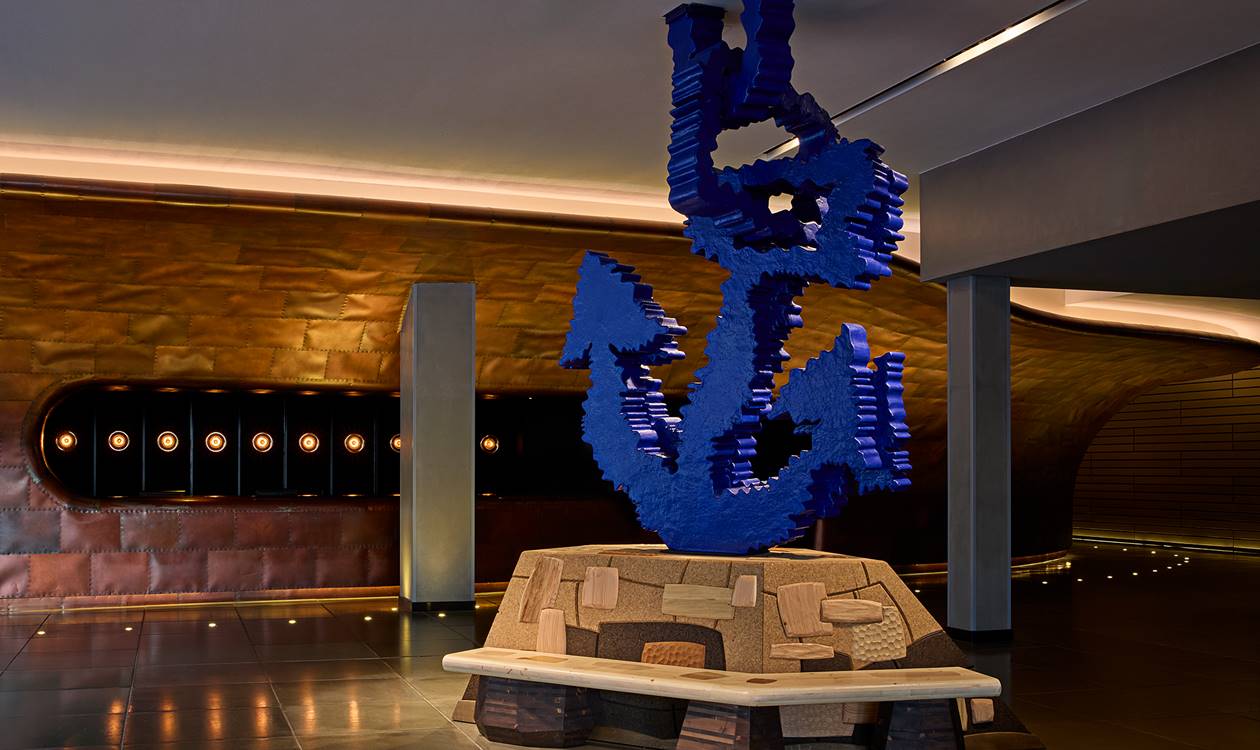
Having evolved from a shipping headquarters into a media agency, then into a hotel designed, initially, by Tom Dixon, this cruise ship of a building was finally attracting the attention it deserved, as a social fixture on a stretch of waterfront where social spaces can be hit or miss.
‘The South Bank always had a bit of stigma, perhaps,’ says Strauss. ‘It’s an incredible location, but 15 years ago it didn’t feel that way. It was the last area of central London to get a bit of a revival.’
Strauss is following a contemporary playbook for developing on the Thames: adaptive reuse; water motifs; storytelling. He doubled down on the building’s maritime theme with nautical flags, an antique diving helmet on a plinth and window focal points with immersive views of the Thames. ‘Starting from the inside out rather than the outside in, all these layers of storytelling go into it,’ he says.
The story for many Londoners is that the river has become a place to be, not just pass through.
In the 19th-century artists like Turner and Whistler romanticised the Thames in oils and ink. Claude Monet stayed for months in a room at the Savoy, painting the waterfront through London fog. But as the city splintered into neighbourhoods, the Thames sometimes felt like a neglected no-go area, the last ‘neighbourhood’ to enjoy a revival. With the exception of Sea Containers, says Strauss, South Bank architecture ‘doesn’t have the grandeur of North Bank’. Its glamour comes from postindustrial and brutalist monoliths kept alive by contemporary intervention. Lingering wasn’t always easy, particularly after dark. Even the scrappy Grand Union Canal upstaged it in places. Yet since the redevelopment of the Battersea Power Station in 2022, the tide has turned.
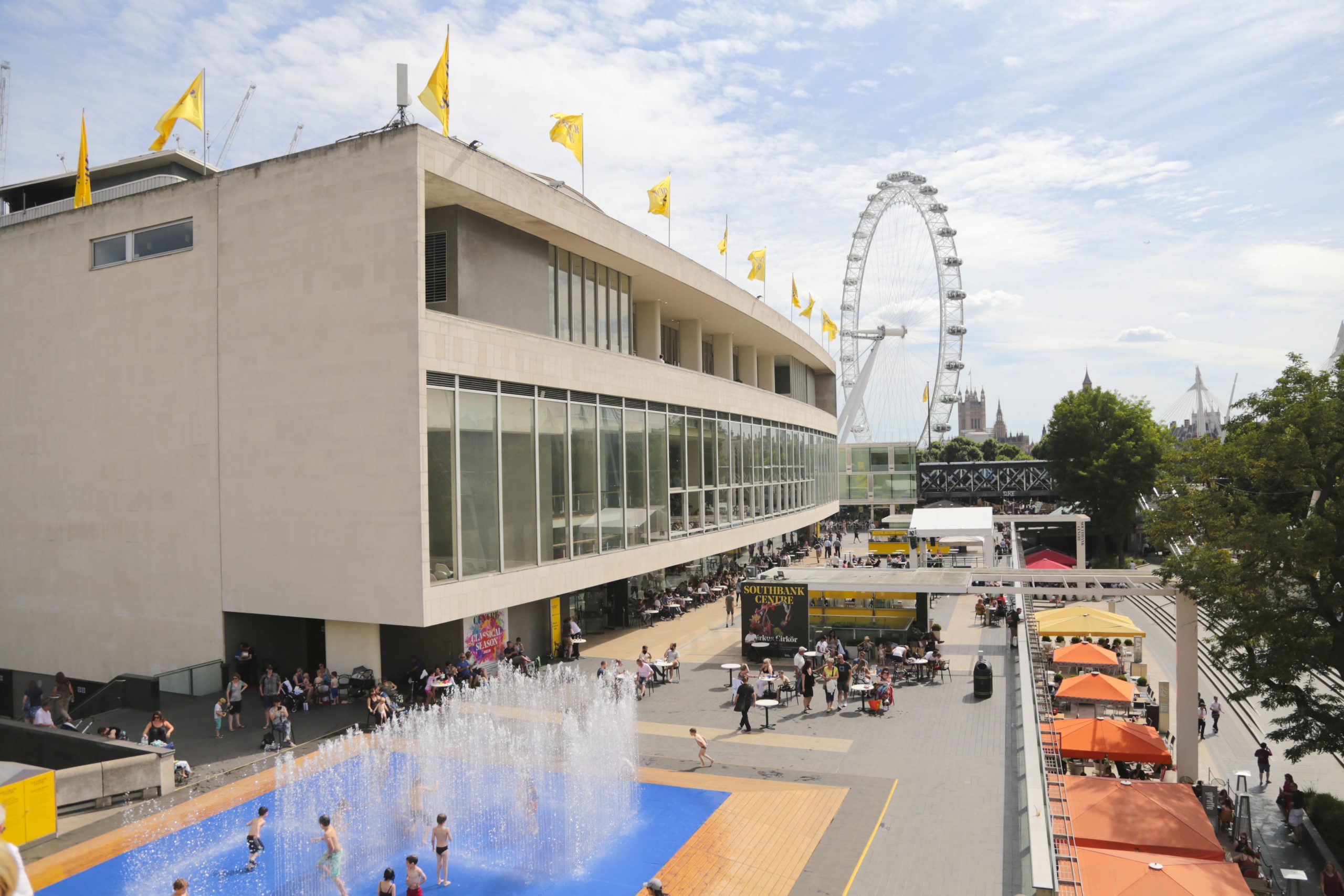
As the Southbank celebrates its 75th birthday, a handful of live-work developments are topping out. The tired, underused parks on either side of the brutalist Southbank strip are blossoming with new looks and new life. At Jubilee Gardens, landscape architects West 8 have transformed a glorified thoroughfare into a destination in Wimbledon-green and Dover cliff-white.
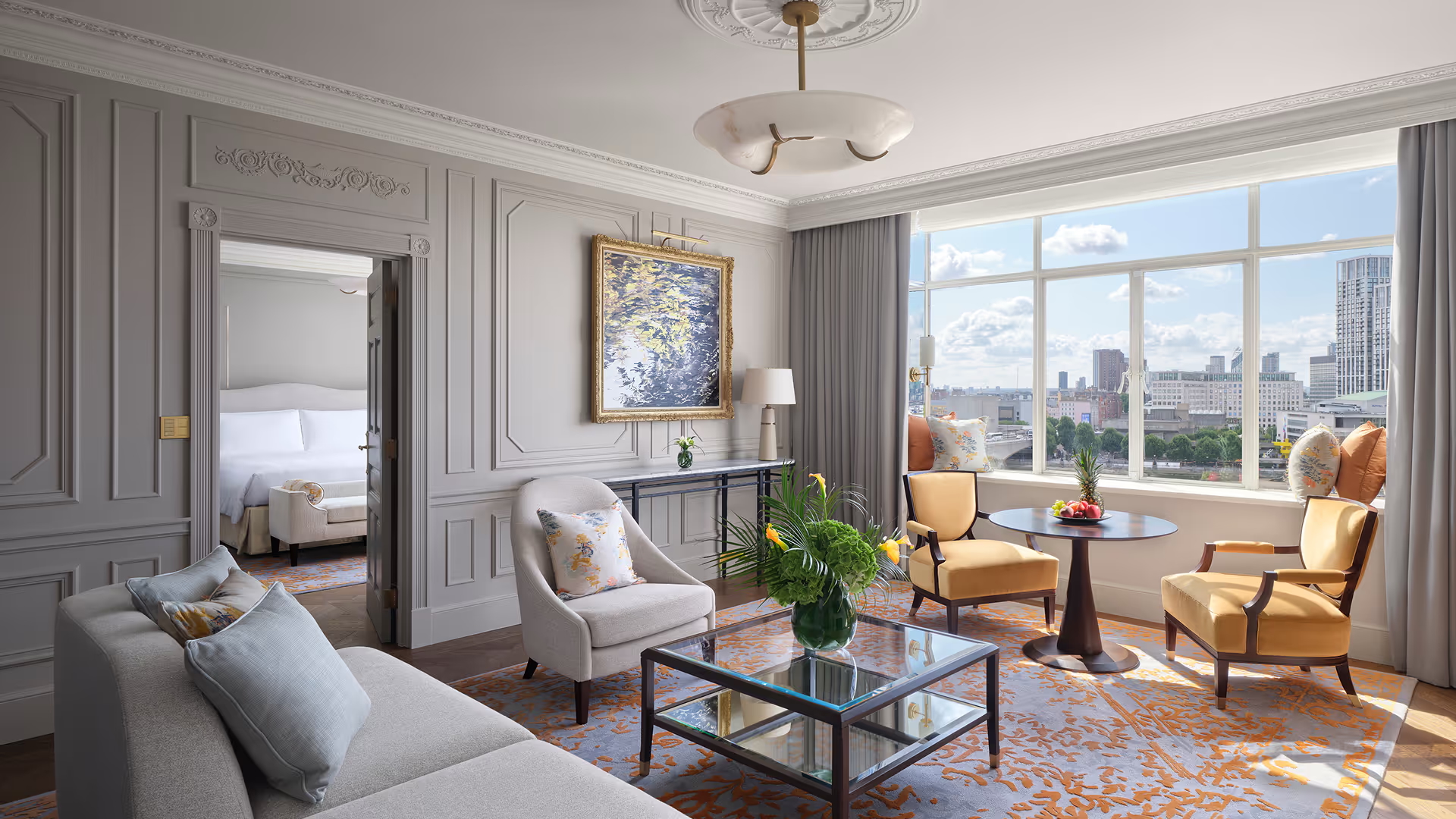
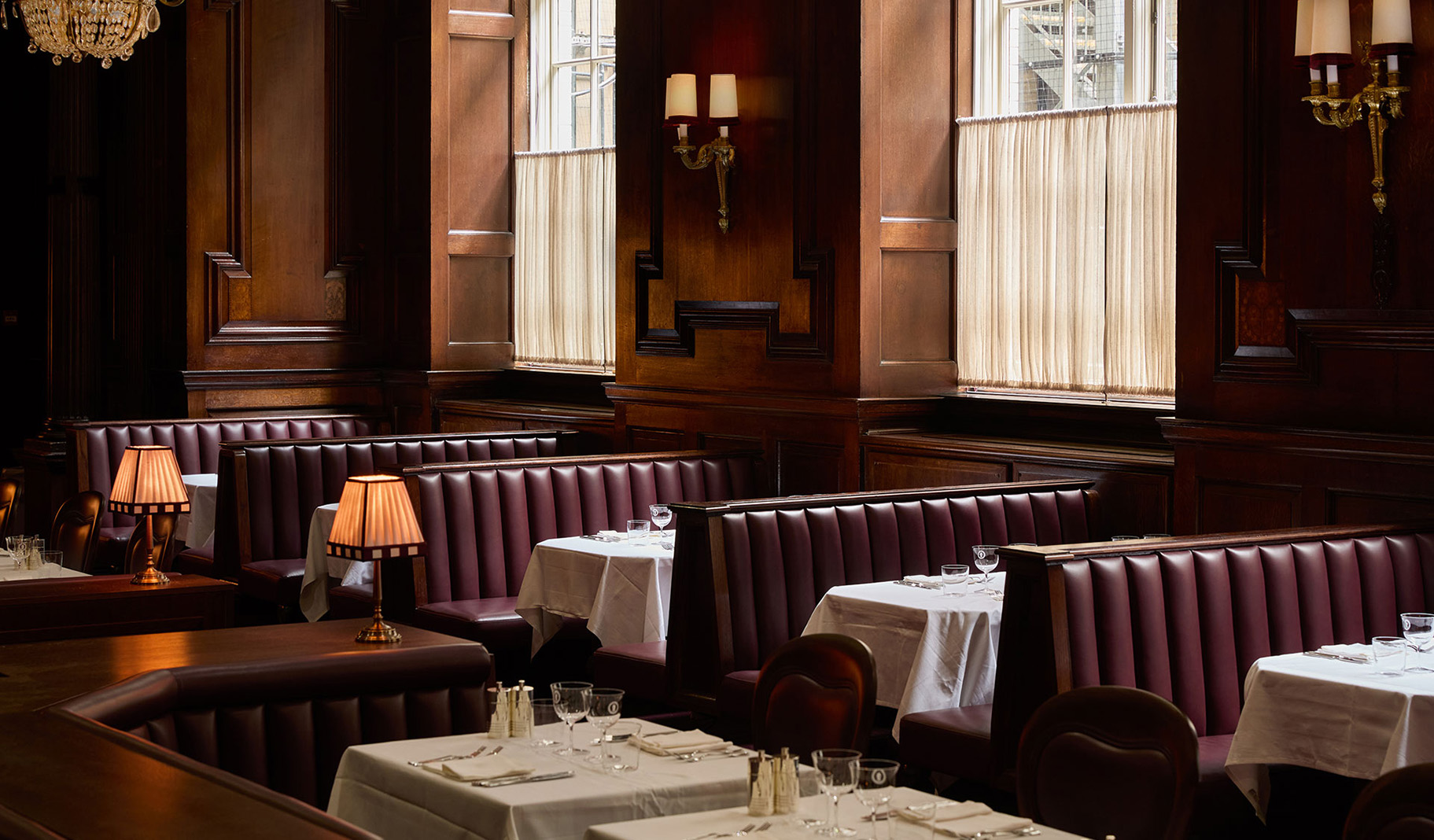
At the aforementioned Savoy, new renovations include a suite with a river-view terrace and the rapturously received revamp of Simpson’s restaurant and bar, by designer Shayne Brady. Next month the St Clement hotel opens at 180 Quarter, the brutalist address with a cultural programme that has expanded organically, from a few exclusive restaurants to a listening room, library, and bustling Thames-front café.
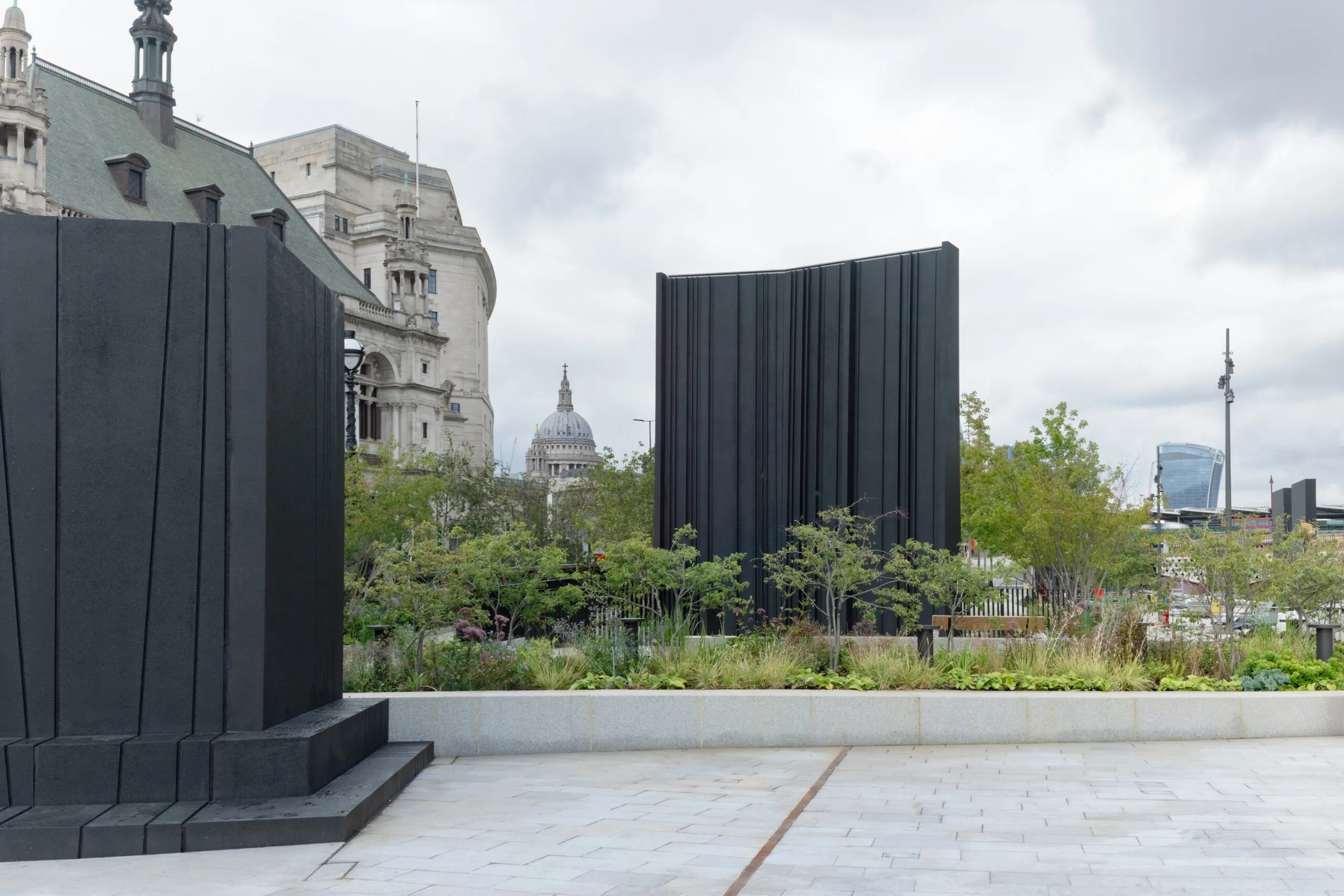
A few hundred metres east is the new Bazalgette Embankment, a landscaped riverfront flood defence reclaimed from the river as part of London’s Tideway ‘super sewer’ clean-up (the site intercepts spills into the Thames). Designed by architects at Hawkins\Brown, it incorporates sculpture by Nathan Coley into the terraced promenade.
Many Londoners don’t remember a time when life on the city and life on the Thames were one and the same. For decades, the river has seemed to be incidental to architecture on the riverfront. Now most architects would kill for a slice of the river to develop. Those who have one play it up.
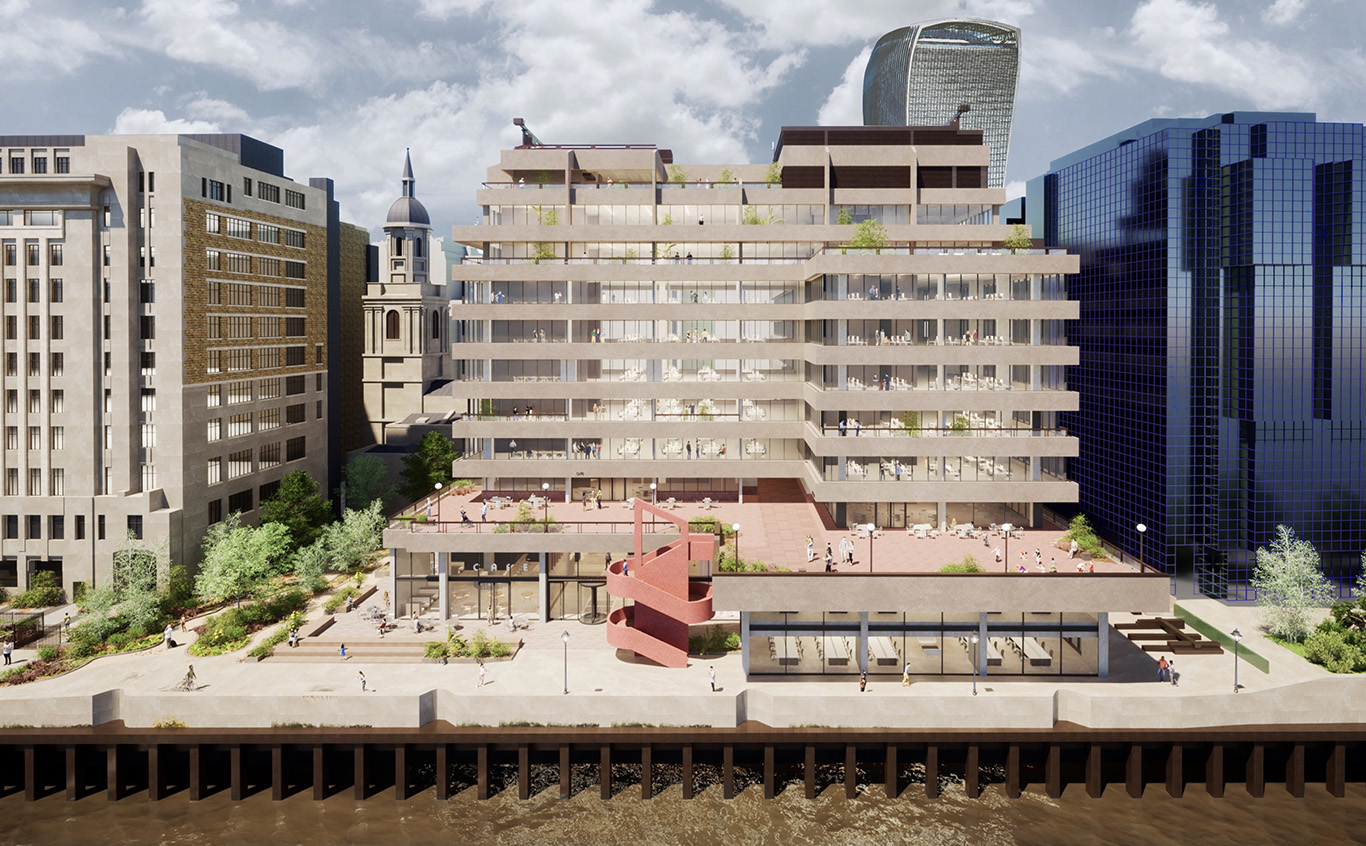
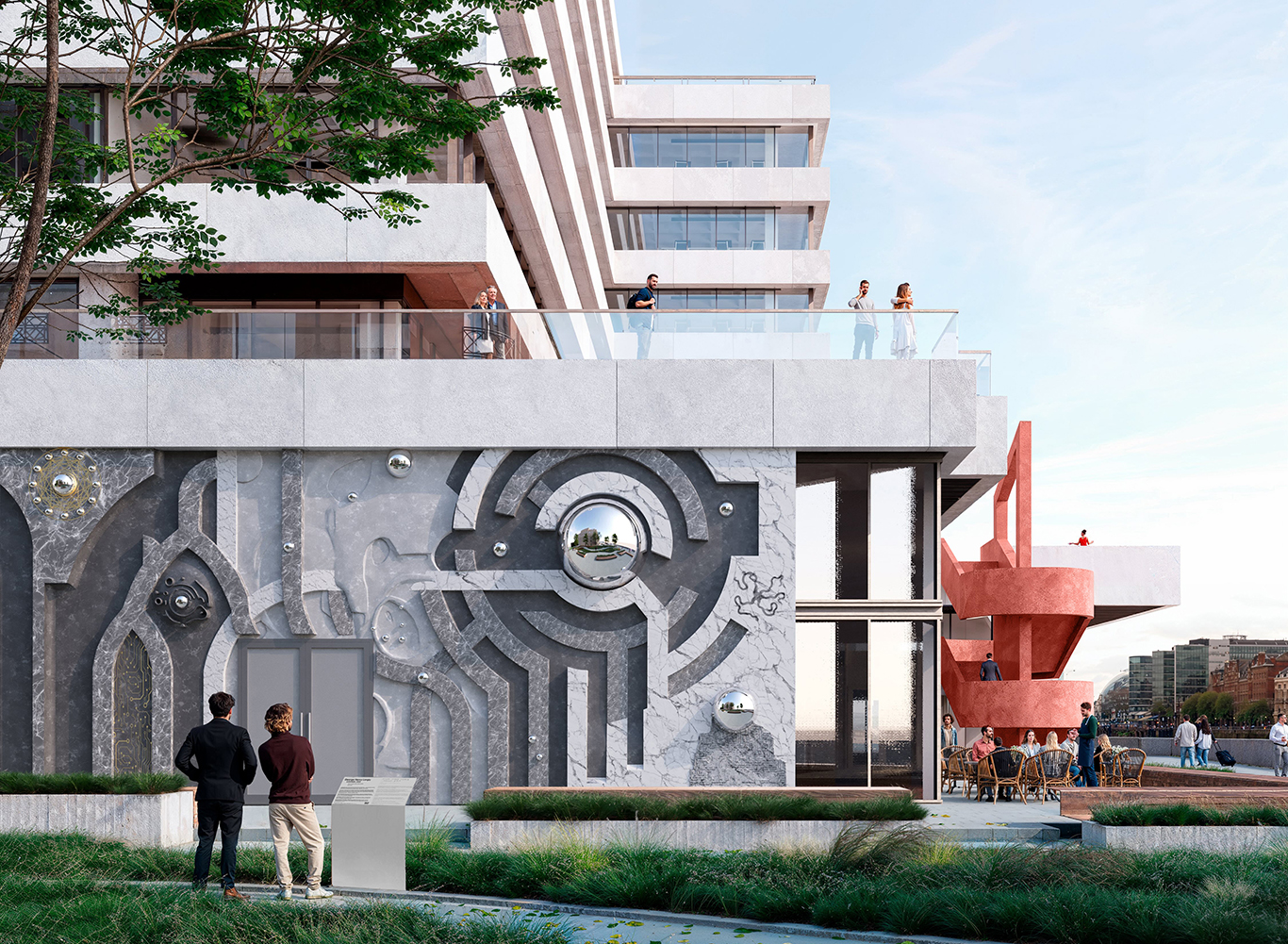
Downriver by London Bridge, a foreboding 1970s office block designed by Richard Seifert for Billingsgate fish market is being reinvented as a Fresh Wharf, a mixed-use development where improved public riverfront was ‘one of the key drivers of the works’, according to Victoria Cooper-Kempski, associate director at Buckley Gray Yeoman architects. When Seifert’s original scheme was abandoned by Billingsgate, its connection to the river evaporated. An elevated pedestrian walkway, not unlike the Barbican’s, was underutilised. Interventions by Cooper-Kempski and her colleague Paul Ornsby have ‘reinvigorated that and returned to the original intent’. The circular staircase leading up to the podium terrace, a favourite meeting place for TikTok dancers, is now painted red, and a mirrored wall doubles down on social-media appeal. ‘It hugely advances the offering of the building,’ says Cooper-Kempski, ‘and also respects the previous intent of what that space should be.’
Now the architects refer to Fresh Wharf in the same breath as the Southbank, where people dwell rather than just pass by. ‘It’s almost like a blurring of land, ownership and boundaries.’
The same stretch of Thames will soon have a new 179-room hotel, carved out of the Grade I-listed maritime landmark Custom House. The developers tapped Orms Architects for the redesign, presenting them with ‘an opportunity to take a formerly inaccessible building and open it up as a place for all Londoners,’ Orms says. They’ve created a new art-lined north-south route through the building, and given over the oldest wing to a public lounge and library looking onto the river, ‘filling a missing section of public realm on the Thames’.
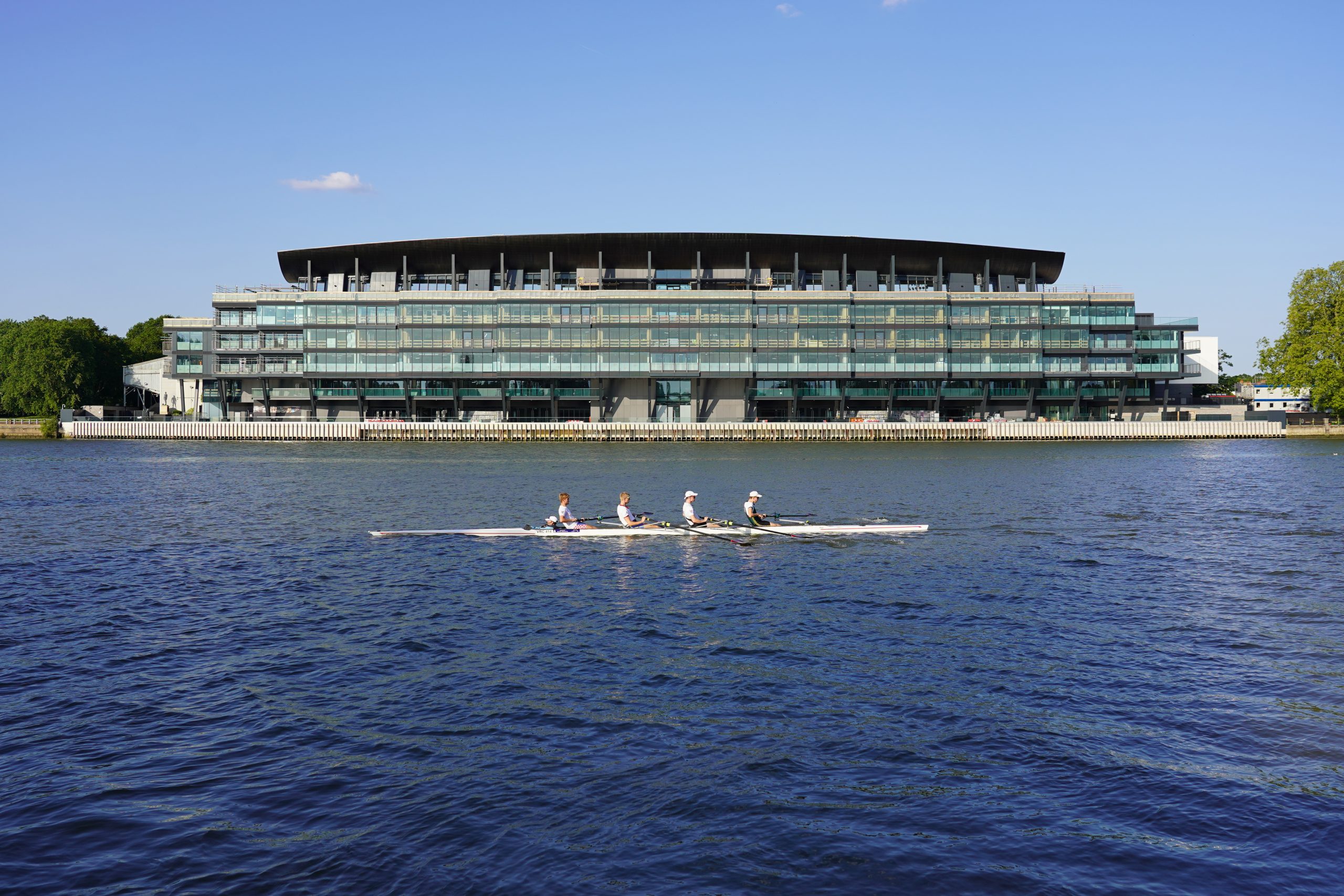
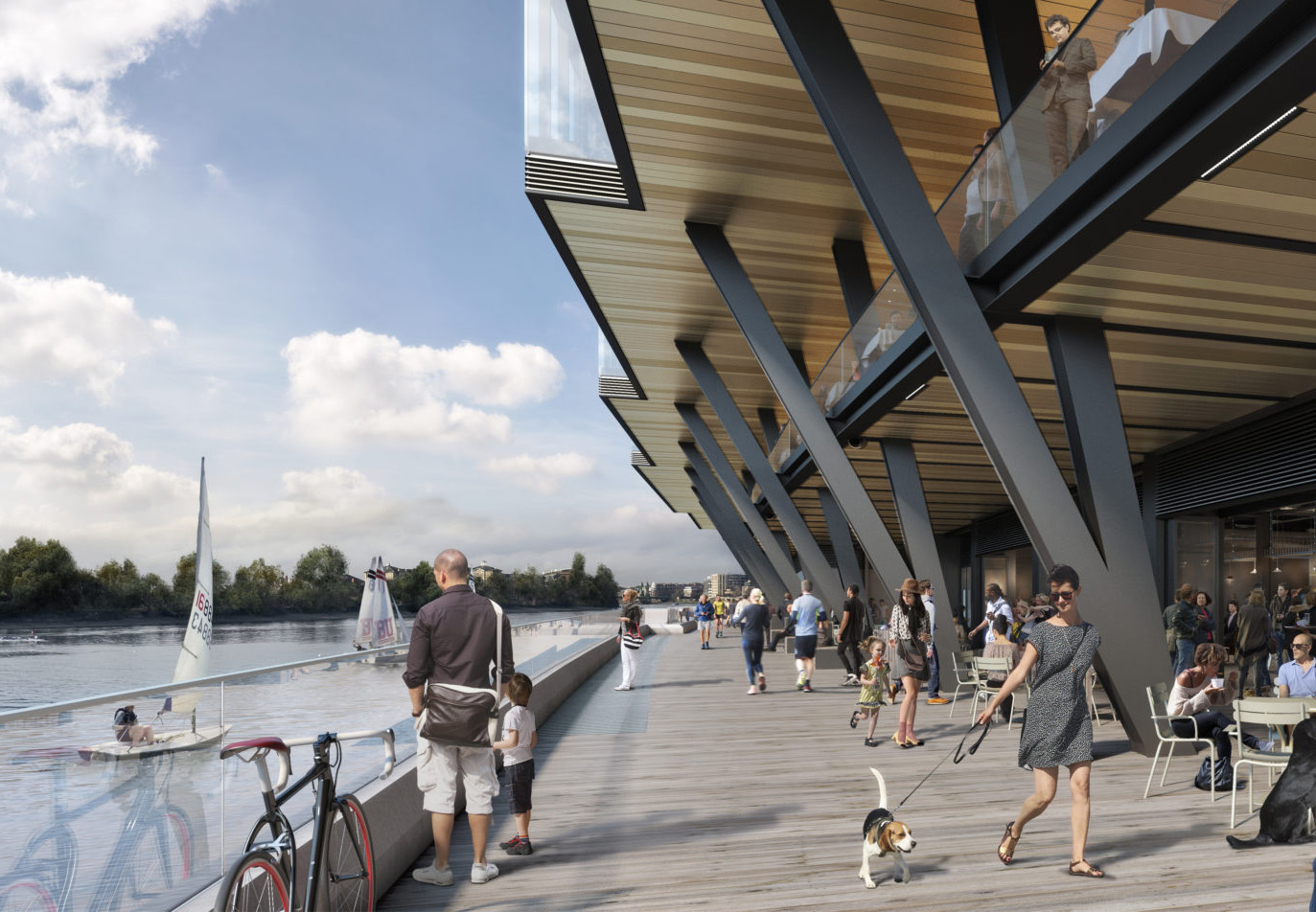
Even the sporting world is righting the wrongs of shortsighted planning. When Craven Cottage was built in 1896 for Fulham Football Club, the stadium had its back to the river bend, and cut off through access for the Thames Path for 125 years. When global architecture practice Populous took on a brief to improve fan experience, they knew opening the riverfront was the key. ‘The river itself was fundamental to the design concept,’ says Declan Sharkey, global director and senior principal at Populous. ‘The scheme reinterprets the traditional model of hospitality at a football ground looking out over the pitch and rotates it 180 degrees to instead offer views of the Thames… The riverside cafés, terraces and public realm are deliberately flexible, allowing the building to shift seamlessly between matchday energy and everyday use. It also brings something genuinely new to this stretch of the river — a contemporary, welcoming public space that opens the stadium to the city.’
Jacu Strauss uses similar language when talking about hotels. ‘They’re accessible and a comfort, a neighbourhood beacon that creates a bit of delight and escapism.’ They also provide a warm welcome from urban madness. ‘If you’re a big city and something bad happens, the thinking is you run to an embassy or you run to a hotel,’ he says. ‘Hotels provide that security.’ Luckily, he says, the area around Sea Containers London has always been a cultural melting pot. ‘There’s so much art on both sides,’ he says. ‘A revival was only a matter of time.’