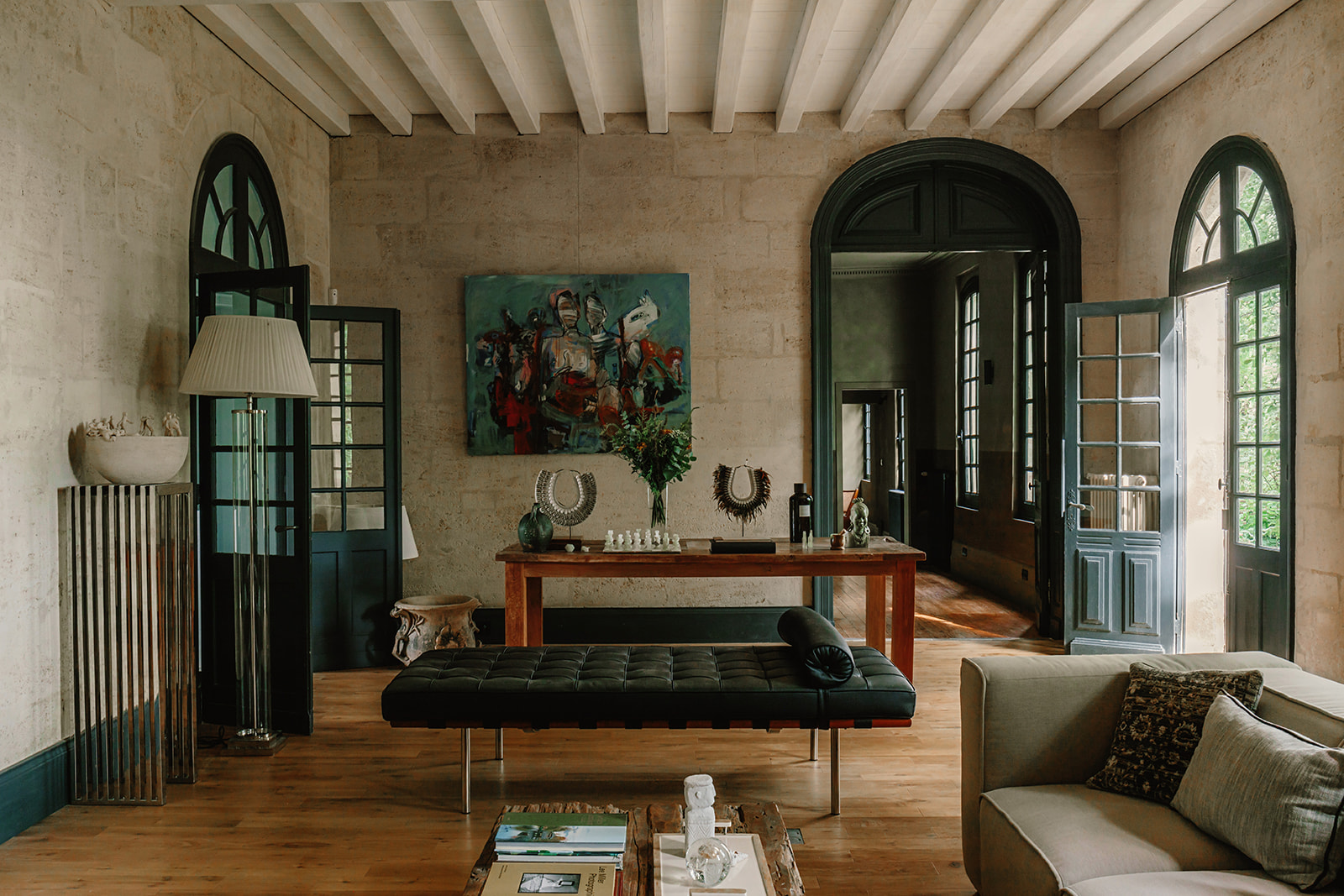
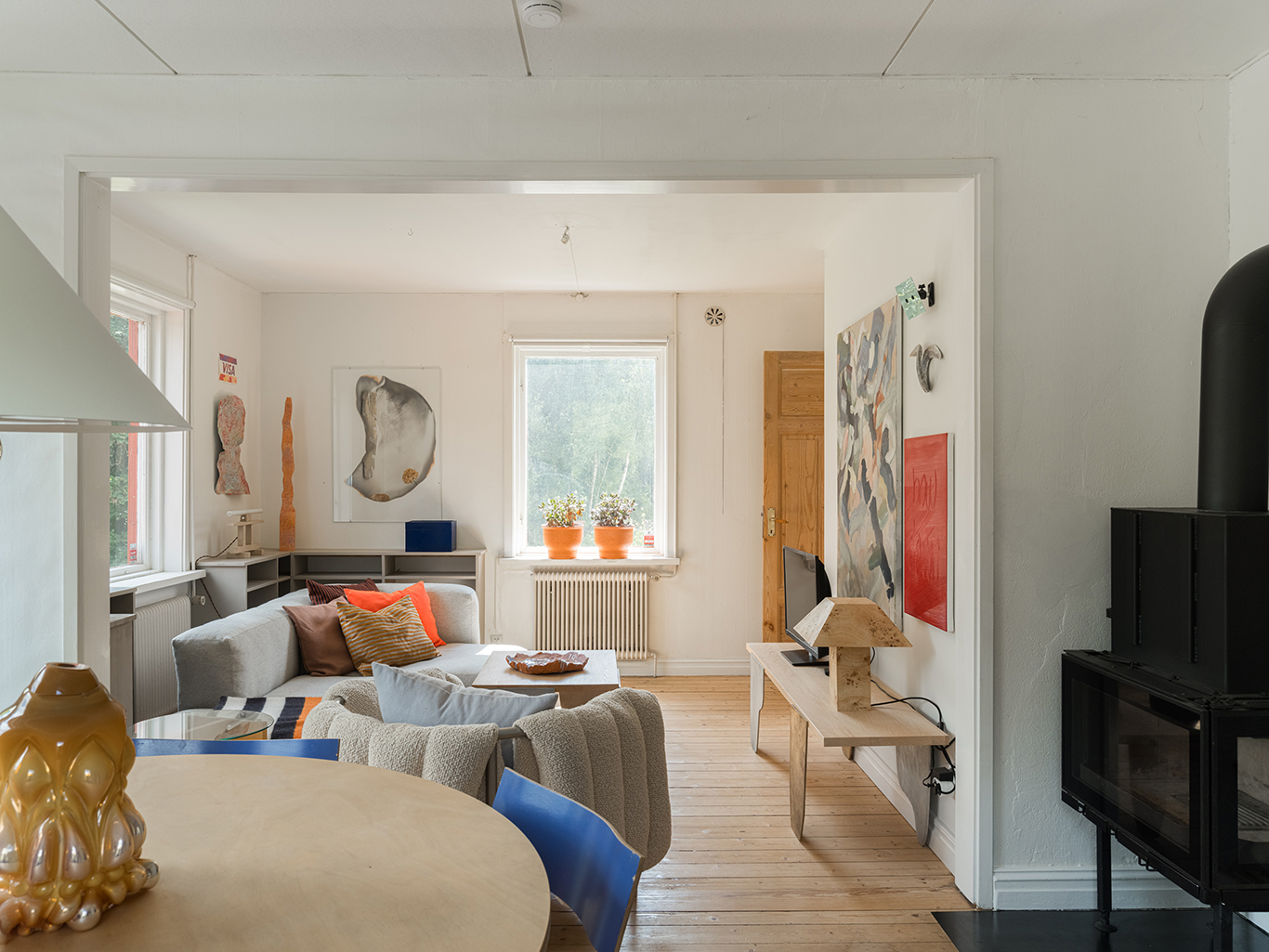
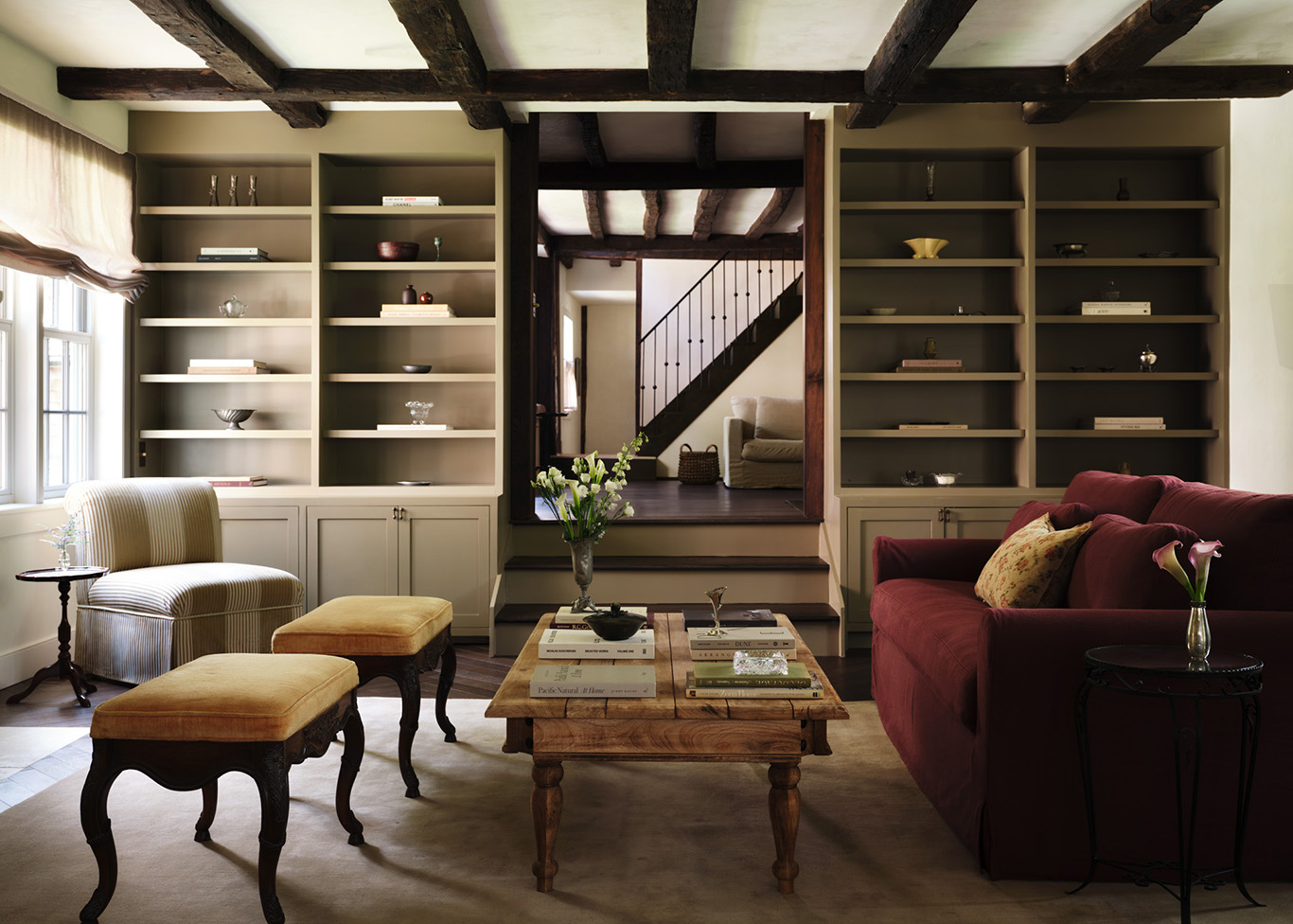
There was a time, not so long ago, when the death of the print magazine and the physical bookshop felt inevitable. The internet, we were told, had replaced the tactile pleasure of turning a page. But step inside any of London’s most vital literary spaces today and a different narrative emerges. The bookshop has been quietly and beautifully reimagined as a cultural incubator — part gallery, part social hub, part archive. Here, art, fashion and publishing collide, and reading shifts from a solitary act into something shared and spatial.
‘Considering the state of the world right now, there’s a desire to return to something more analogue, more human,’ says Flora Gou, former curator at London’s Alaïa bookstore who recently opened Studio Nocturne in De Beauvoir Town. In a moment shaped by digital saturation, such spaces offer something slower and more tactile, satisfying the undeniable appetite for page-turning, and for discovery that isn’t dictated by an algorithm.
The nationwide push to re-engage readers feels urgent. Recent figures from the Reading Agency show that half of UK adults do not read regularly, while only one in five young people read daily. In this context, London’s new wave of bookstores feels less like a trend and more like a response. Here are five spaces where curiosity is rekindled and where reading is brought back into the public sphere.
Studio Nocturne
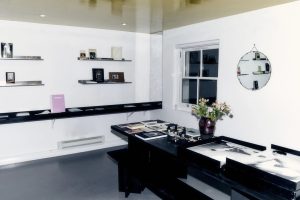
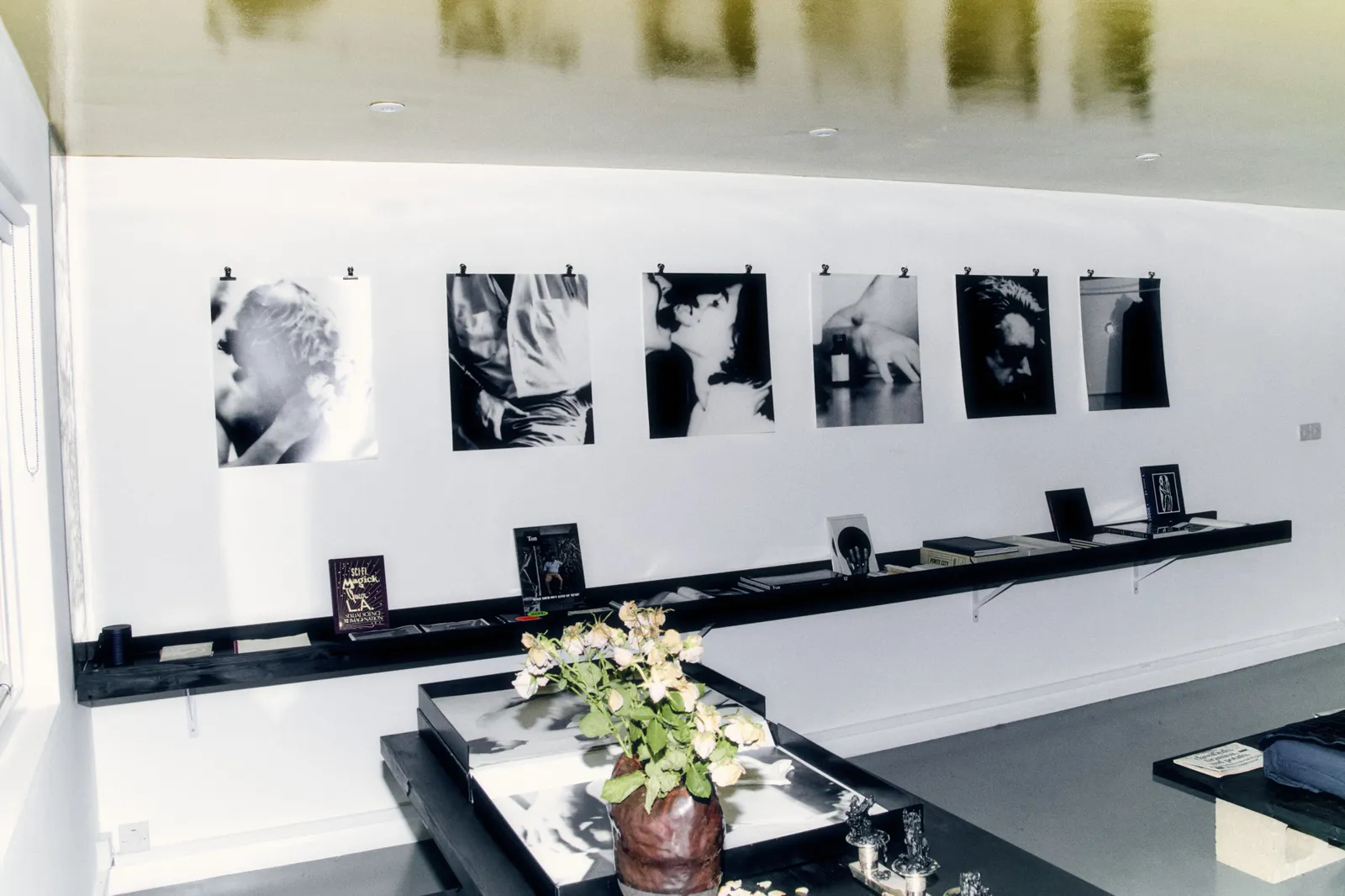
Spread across two floors, Studio Nocturne retains the intimacy of a traditional bookshop with its low ceilings and close quarters. Reimagined by architect duo Mitchell + Corti, the space feels deliberate in every warm, inviting detail. Upstairs, a soft yellow ceiling glows above low pendant lights, casting the room in an almost cinematic haze. Books line the walls with intention, each cover displayed like a relic in a gallery. ‘It was never about having thousands of books,’ says founder Flora Gou. Instead, the focus is on creating an environment where people feel encouraged to stay. The furniture, all designed by Mitchell + Corti, is modular and adaptable, able to shift with the rhythm of the day, from a reading space into a dining setting, performance venue or forum for poetry and conversation. At its centre is a bed-like sofa — an invitation to slow down, settle in and engage with the collection.
That collection spans specialist 1980s photography, with editions by Robert Mapplethorpe alongside esoteric works such as Working Conjure by Hoodoo Sen Moise. Gou refers to these as her ‘mythologies’ — books that have shaped her thinking and the identity of the space itself. There’s a quiet ethos underpinning it all: books as a form of exchange. ‘I could choose five books that I really love and present them to you, and you would have an idea of who I am,’ Gou explains. At a time when such exchanges feel increasingly rare, Studio Nocturne provides a hub for these moments.
Reference Point
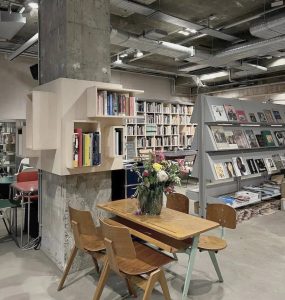
Part of 180 Quarter with a door to Arundel Street, Reference Point sits somewhere between a bookstore, library, event space and bar — less a place to simply buy books than to spend time with them. Here, founders Jonah Freud and Sophia Dowson Collins envision reading as a shared social act, one that unfolds across conversations, events and the slow accumulation of references.
The space reflects that ethos. Books are available to purchase, but they form only part of a wider ecosystem: a library of art and culture volumes, a programme of talks and gatherings and smaller rituals that give the place its rhythm — like the weekly chess night, held every Wednesday. In a city where cultural spaces often demand immediacy, it offers something slower and more cumulative.
Climax
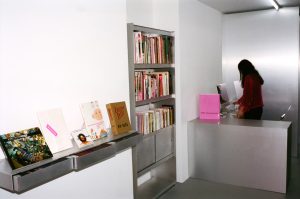
Climax’s glowing pink doorway cuts through the muted tones of shady Herbal Hill in Clerkenwell. Its founder, Isabella Burley was editor-in-chief of Dazed magazine and former CMO of Acne Studios, experience that informs the archive at this cultish reading gallery, an expansion of the popular online bookshop (there’s a space in New York, too, also in pink). With just one bookshelf to display her collection — a rejection of the idea that more is more — Burley trades in rare art books, underground photography, cult media ephemera and objects that sit somewhere between fashion and fetish. Stainless-steel surfaces and mirrored walls create an environment that feels closer to a concept store than a traditional bookshop, yet Climax captures something essential about bookselling in London today. It brings identity and a curator’s eye to the joy of reading, and nurtures communities around both.
IDEA
Photography: courtesy of IDEA
Photography: courtesy of IDEA
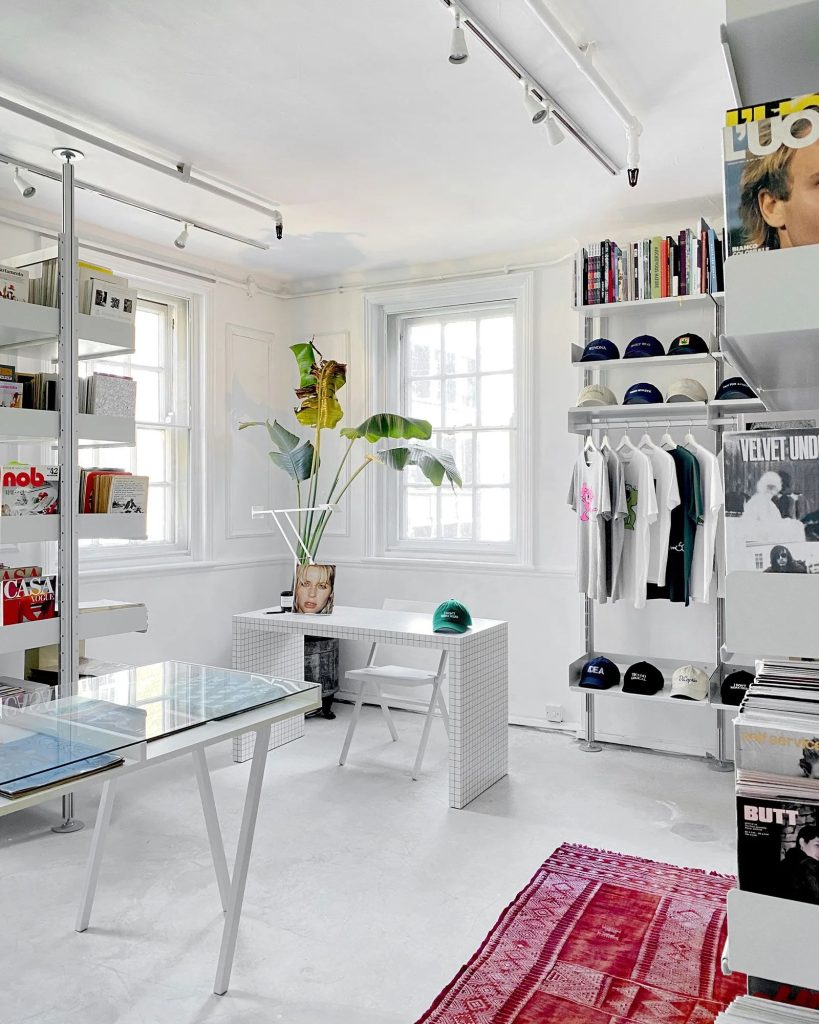
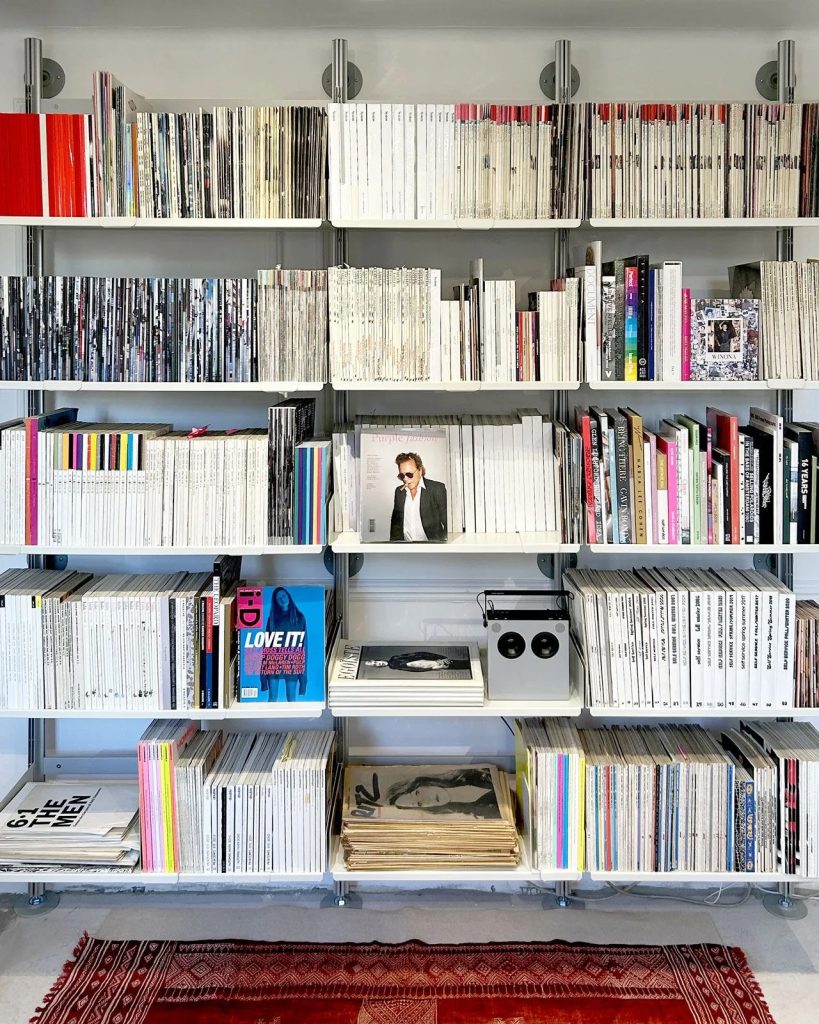
The book distributor for Dover Street Market presents a tightly curated selection spanning fashion, photography, art and cultural ephemera. Founded on Wardour Street in Soho by Angela Hill and David Owen, it’s a space where books, objects and image-making converge, with sections dedicated to vintage fashion publications, including an archive of rare Comme Des Garçons catalogs. A line of merchandise includes slogan T-shirts — one with the now-iconic photobooth triptych of Winona Ryder has become synonymous with the store. A favourite edition is the vintage tourist guide Ibiza La Gran Guia — it’s priced like a rare artefact and reads more like a cultural document than a souvenir. Its pages, filled with grainy images of bars, beaches, discos and the people who animated them, offer a vivid snapshot of the island’s 1980s heyday.
Claire De Rouen Books
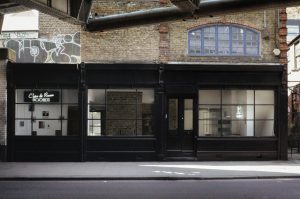
When it first opened above a Soho sex shop in 2006, Claire De Rouen quietly redefined what a bookstore in London could be — an archive of photography, fashion, art books and miscellany. It quickly became a meeting point for the city’s creative community.
Following De Rouen’s death in 2012, Lucy Kumara Moore carried the space forward with the same sense of continuity that remains central to the shop’s identity. Marking its 20th anniversary, Claire de Rouen has moved into a new space on Kingsland Road — one with a precise editorial vision and even more room for conversation, community and the kind of cultural exchange it has always facilitated. Unfolding across multiple rooms, it was designed to make you feel as though you’re moving through an archive rather than a shop. Fragments of its own history are woven throughout: you’ll spot photographs from its Charing Cross Road years and its iconic neon sign.