Antique and vintage design is reframing contemporary interiors. A new kind of seller has emerged and, at the same time, a new kind of space that acts less like a traditional antique dealer and more like a gallery. In these spaces, objects are placed in dialogue with one another and with the space around them, no matter the provenance; antiques sit comfortably alongside contemporary design, no longer defined by age or origin.
As boundaries between retail, gallery and interior dissolve, these spaces are all three at once: showroom, exhibition and boutique. The dealers behind them are not simply selling objects but rather shaping a new visual language for living with the past. ‘There’s much more interest in quality and pieces that will stay with people for years, rather than following what’s fashionable at the time,’ says Gen Spazio of design gallery Spazio Leone, pointing to the shift in attitude toward pieces that carry history.
Studio 125
Founders Ollie Griffith and Edward Bullock began their journey into antiques at the Saturday market in Islington’s Camden Passage, known for its longstanding community of dealers and collectors. This early immersion shaped their approach to buying. Their collection moves between periods, including an increasing focus on late 20th-century gems. ‘We try to mix 17th- and 18th-century vernacular pieces from Spain and Portugal with continental, design-led works from the 1920s onward,’ says Griffith. A defining thread is their interest in objects originally made for public or institutional settings — hotels, civic buildings, commercial interiors — where durability and material presence were essential.
Alongside the collection on show, the studio produces bespoke furniture using reclaimed 18th-century timber, embedding historical material within contemporary forms and extending the life cycle of these objects.
Two Poems
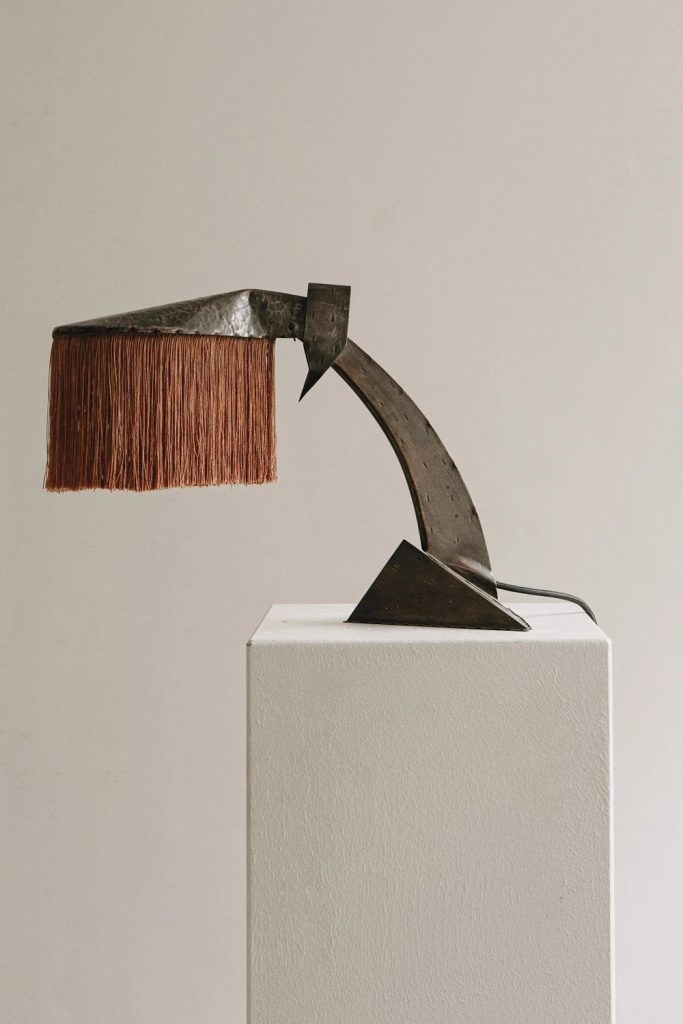
Photography: courtesy of Two Poems
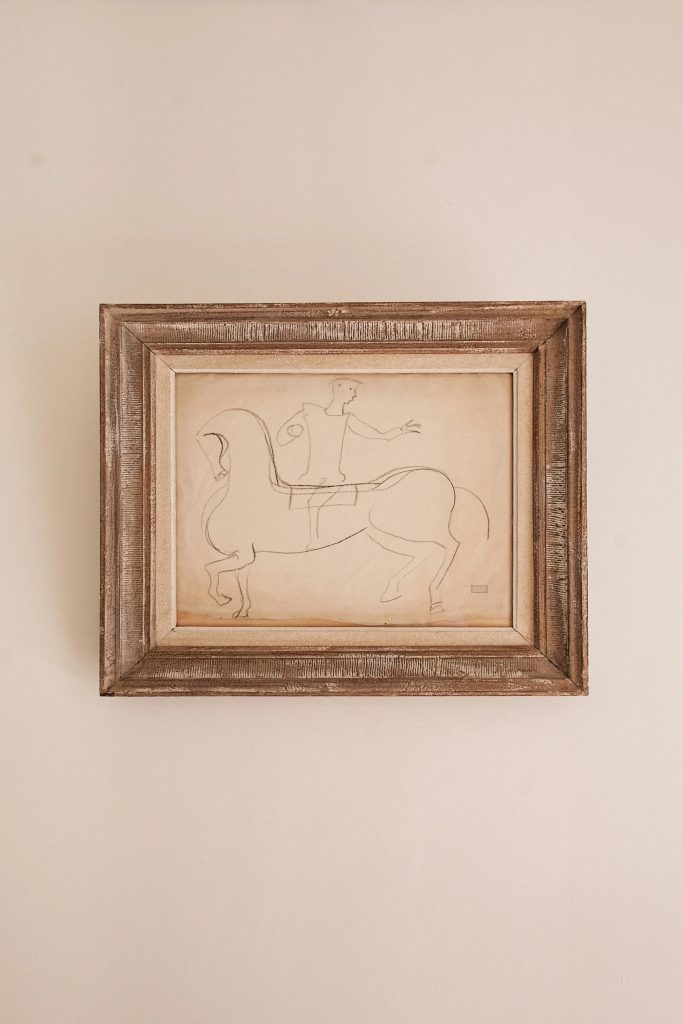
Photography: courtesy of Two Poems
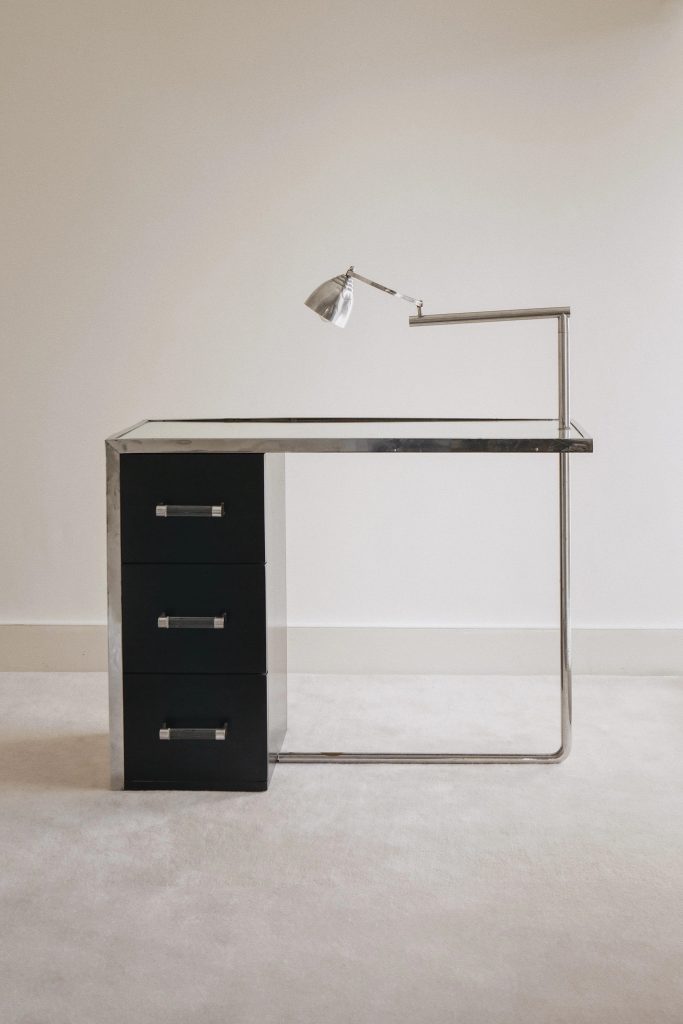
Photography: courtesy of Two Poems
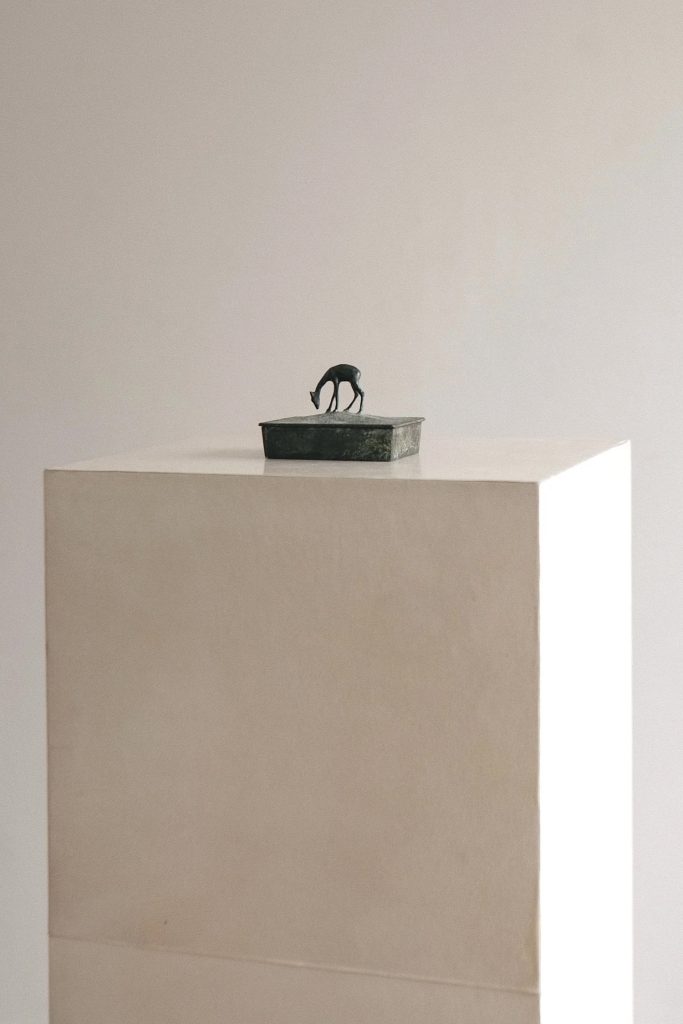
Photography: courtesy of Two Poems
Very much at home on genteel Heath Street in Hampstead, Two Poems has the appearance of an august gallery. The curation leans towards works that sit at the intersection of art and design — 20th-century decorative furnishings that are elevated with unusual carvings and applied media. The storefront aligns with a broader shift towards slower looking; it encourages visitors to engage more deeply with objects and their material histories.
There is always a collection of fine furniture, garments and artworks in store. One highlight is a mohair Issey Miyake jacket with self-fringed edges and added handmade ceramic buttons by the late British potter Lucie Rie. And a walnut and brass bench by Carlo Bugatti is a standout piece; inspired by Japanese, North American and Middle Eastern art, it moves beyond a single time or category. Like the rest of the collection at Two Poems, it is not bound to one aesthetic or genre but holds your interest with a story.
Monument

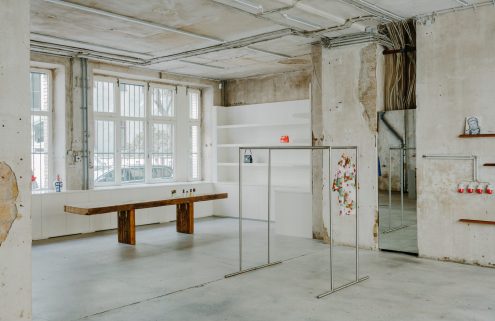
‘We define ourselves as curators of archival design,’ say Leah Forsyth-Steel and Victoria Spicer, founders of the austere gallery Monument. Operating at the intersection of collectible design and spatial storytelling, ‘it allows us to keep periods and schools open, depending on where our research takes us’. The new space, opened last year in Leyton, east London, is equal parts gallery, salon and showroom, an environment where rare works blur the boundaries between sculpture and function. Clean lines, industrial finishes and a restrained material palette characterise the interior. ‘We’re not defined by any period,’ they say. ‘We’re drawn to pieces that inspire dialogue, rather than what’s on trend.’
The selection is distinctly sculptural, drawing on the experimental energy of 1980s design alongside the pared-back minimalism of the 1990s, with works by designers such as Tom Dixon and Philippe Starck, titans of those decades. The gallery’s approach reflects a wider shift in how vintage is understood — less as a nostalgic reference and more as an active, evolving presence within contemporary interiors.
Spazio Leone
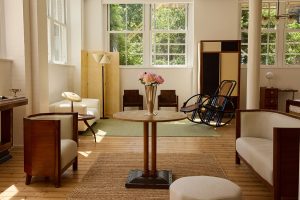
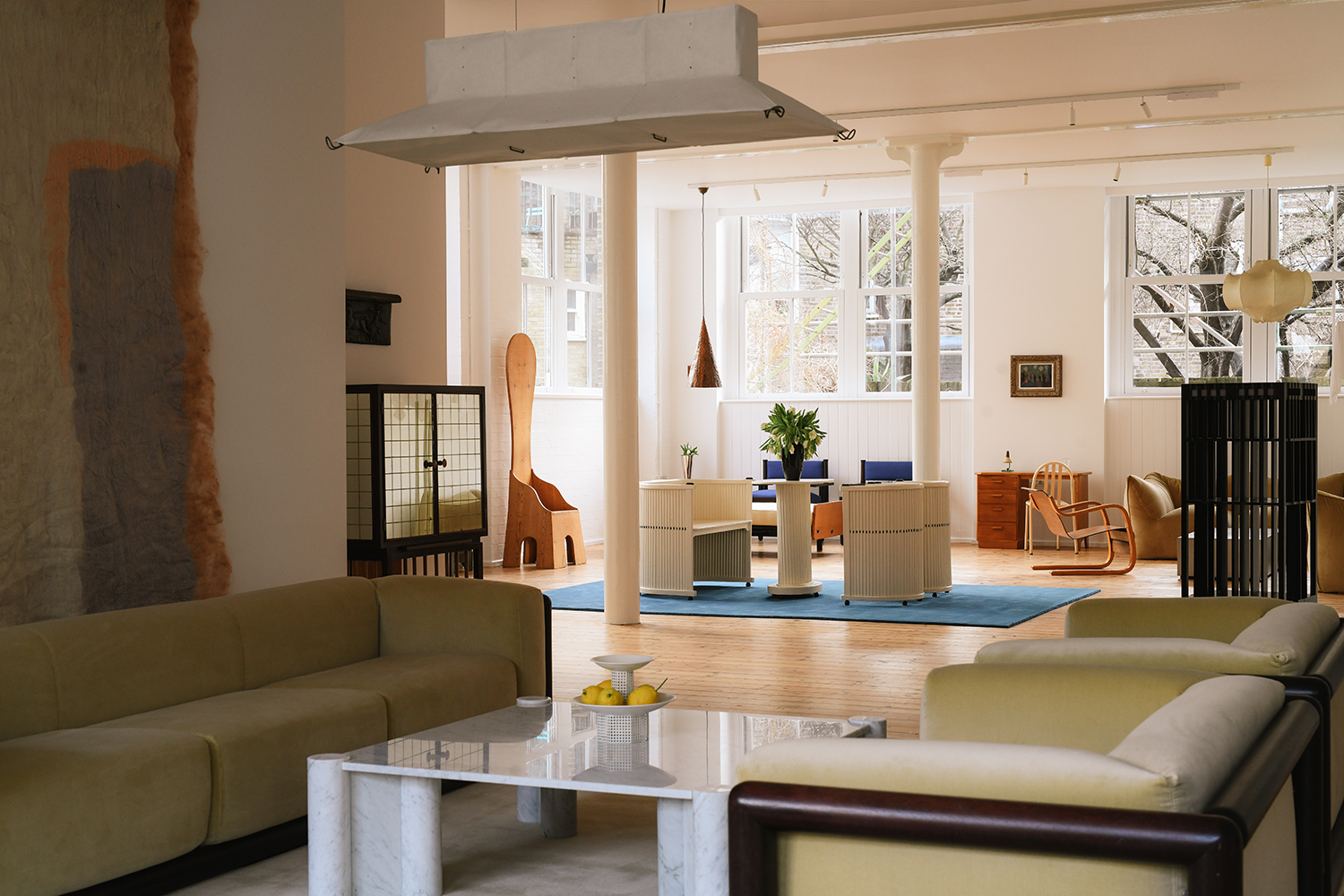
The collection at this white-walled gallery in Dalston is shaped by sculptural forms, refined materials and a restrained palette. ‘We love pieces with character, beautiful proportions and honest materials,’ says founder Gen Spazio. He focuses on mid-century Italian design and like-minded designers around Europe — standout pieces have included a SCAL daybed by Jean Prouvé and Charlotte Perriand and the Pigeonhole desk by Pierre Jeanneret.
Alongside the gallery is a studio that is currently working across a number of design projects in hospitality and private residences, including St. Clement, the hotel at 180 The Thames. ‘We source and sell collectible designs,’ says Spazio, ‘but we’re just as interested in how pieces live together as we are in the individual objects.’ Rather than grouping works by era or origin, the emphasis is on dialogue — how objects sit together, how they shape a room and how they are ultimately lived with.