
How Jorge Zalszupin became a darling of furniture collectors everywhere
He reached Brazil just in time to help establish the country's modernist aesthetic

In this time of mass migration, it’s heartening to hear the story of Jerzy Zalszupin, the architect who slowly made his way from the Poland of 1940 to Brazil, where he lived and worked for more than seven decades. A Jew fleeing Nazi occupation, Zalszupin settled in Bucharest as a teenager to see out the war as a student in Romania’s prestigious architecture programme, then decamped to France to help rebuild its war-battered infrastructure. Eager for a more optimistic setting for his modernist sensibility, he found an outlet in São Paulo, central to the rapidly modernising, increasingly progressive culture of Brazil. Reinventing himself there as Jorge, he enjoyed unimaginable success until his death in 2020, at the age of 98.
Zalszupin cemented his career in São Paulo with the launch of his architecture firm, Escritório Téchnico Prumo. Under this umbrella he designed the ski-slope Torre Paulista, which helped define the ground-breaking brutalist landscape of Avenida Paulista. And in the genteel Jardim area of the city he built the sprawling home Casa Zalszupin, which began a public-facing life as a museum shortly after his death. Yet his longtime collaboration with Oscar Niemeyer would transform Zalszupin’s career in the mid 20th century — not to mention the trajectory of Brazilian design. Launching a second bureau called L’Atelier, Zalszupin began to take on furniture commissions for Niemeyer’s new master plan: the capital city of Brasília. The job suited him, applying his graceful, geometric lines and organic shapes to functional art that kept pace with the bold, experimental architecture of the era.
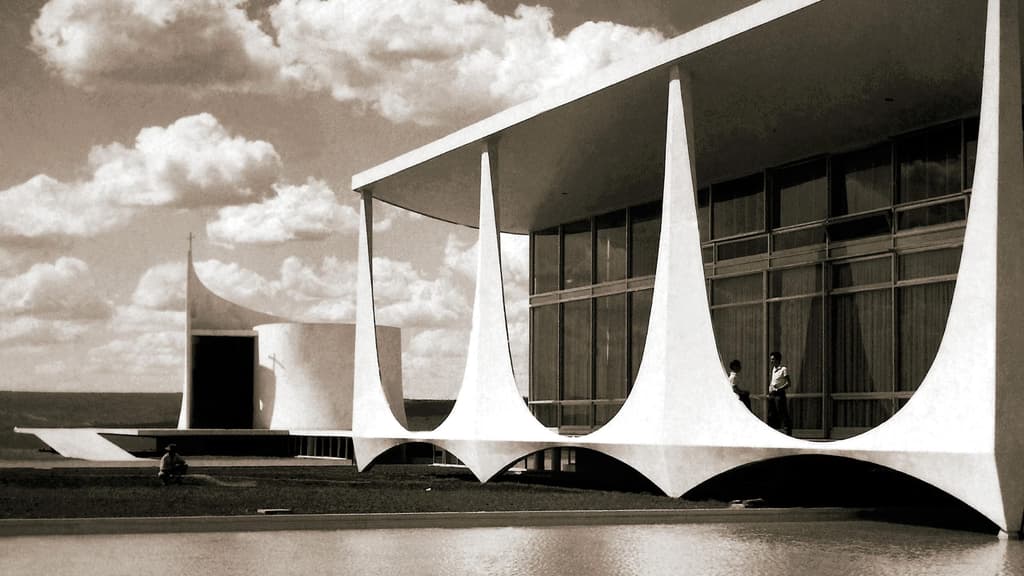
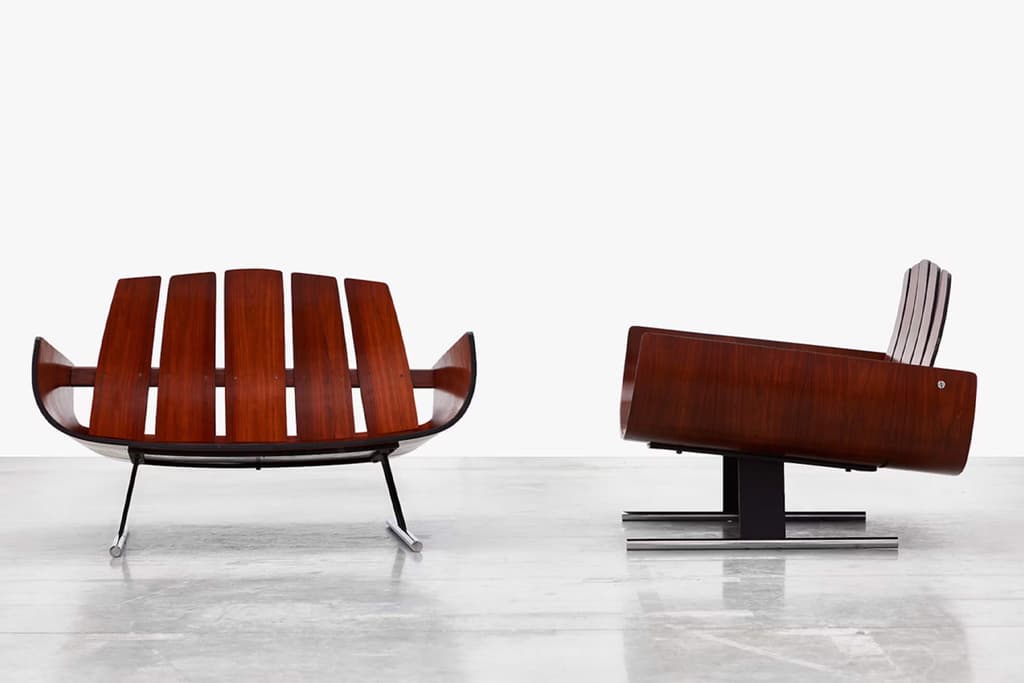
One-off designs for Brasilia’s most recognisable structures — among them the Palácio da Alvorada and Palácio do Planalto — were crafted from local rosewood, cut to expose the material’s rich grain. The most luxuriously soft leather was procured for seating. Zalszupin created a niche for himself using his flair for construction on pieces that fit beautifully within the nation’s fresh modernist architectural style. Brazilians with discerning tastes took notice and became clients — Zalszupin was able to develop interior pieces that fit seamlessly and harmoniously within their modern homes. The 1959 Presidencial armchair might be the most popular legacy from those times, along with the sinuous Brasiliana sofa. Both have been reissued by the manufacturer Etel.
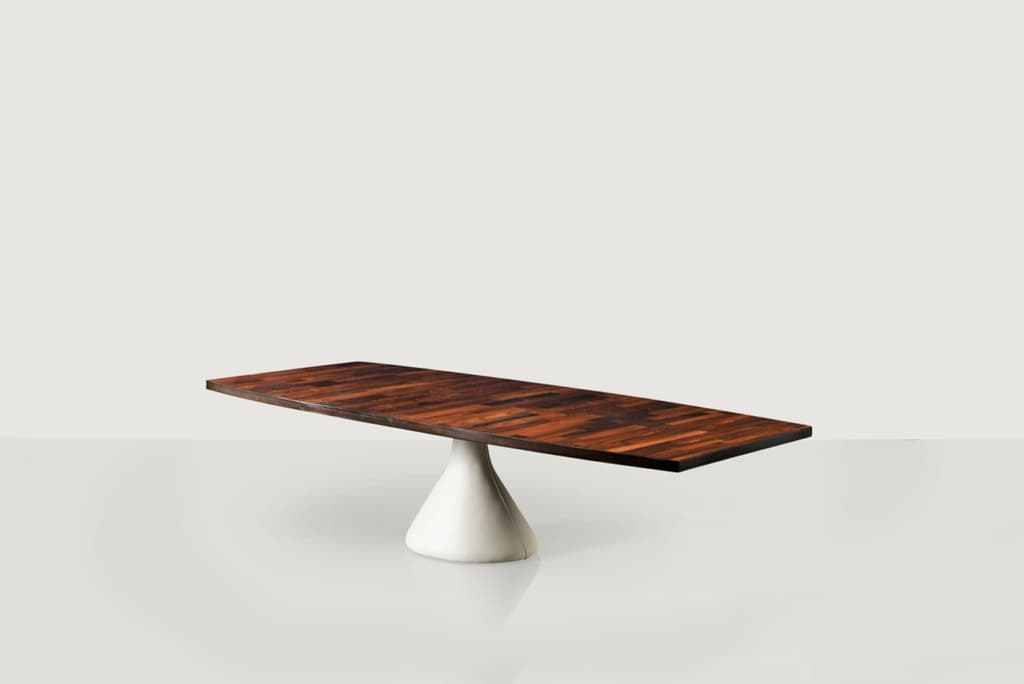
L’Atelier grew into a collective of architects, engineers and craftsmen fluent in the potential of marble, steel and fibreglass and key in popularising their use. Yet Zalszupin’s greatest influence was in his use of native woods from the Brazilian vernacular. His Pétalas table, a masterful jacaranda design from 1959, was one of the first bent-plywood constructions manufactured in Brazil, featuring a geometric petal formation draped over an iron base. The imposing Guanabara dining table from 1960 accommodates 10 easily, even while seeming to teeter on a conical pedestal. Its oval top, so conducive to conversation, is available in a plain rosewood look or a mottled patchwork of tones.
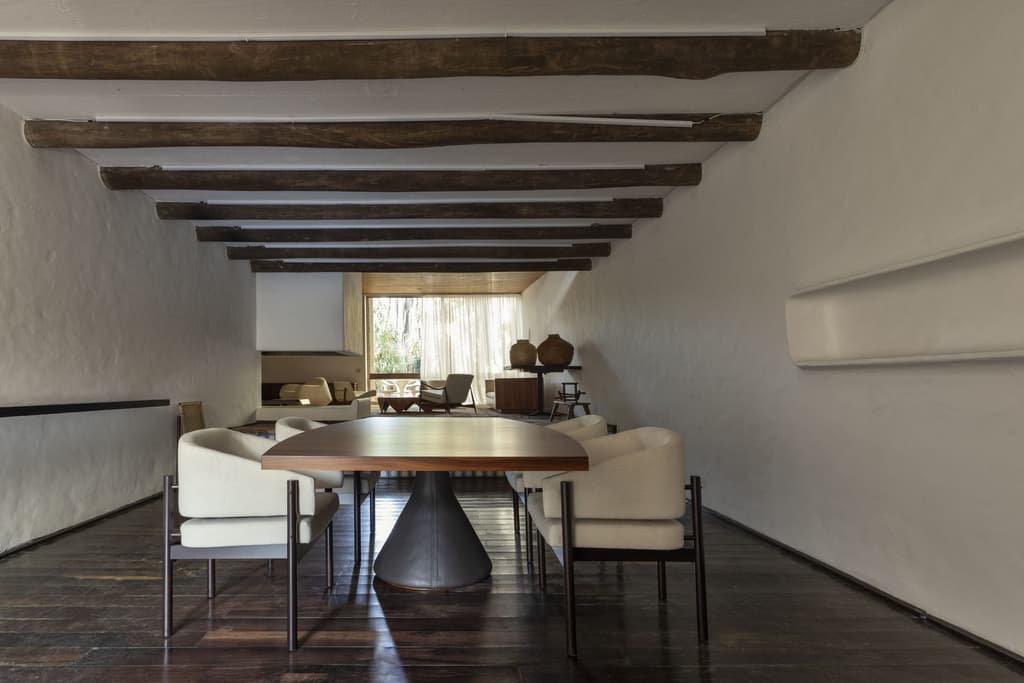
Zalszupin lived long enough to see his furniture transcend the aesthetics of the 20th century and find a home in the 21st. His work is still characteristic of a moment in history and a place on the map yet at ease in any contemporary setting anywhere in the world — much like the designer himself. That’s saying a lot for a collection with such physical presence. But in his case the addition of the present only improves the achievements of the past.
Read next: Who was Jean Royère, the design titan who kept Parisian ateliers in business?
Art-world giant Bernar Venet knew only one setting: large
Related stories

Newsletter
Want news delivered to your inbox?