For a certain type of aficionado, it is nigh on impossible to imagine a time before ‘design’, when furniture mostly hearkened back to a humbler past and furniture-making hewed to convention. Jean Royère, a décorateur ensemblier from Paris, reimagined modest meubles as big, bold centrepieces. His flair for swooping, sinuous lines and gem tones changed the direction of modernism and added a powerful, playful point of view to interior design. At the same time, he crafted his pieces with a reverence for history, using traditional methods that nodded to his background as a cabinet-maker.
While Royère was spearheading a new visual language for postwar interiors, he was also reconciling it with the austere modernity of his European peers — influences like the Nordics, and Italians like Gio Ponti. The look transcended fashion. And it was French through and through — or at least it came to define what French would mean in the annals of interior design. The classic furniture ateliers leapt at the chance to ply their trade for such an unusual product.
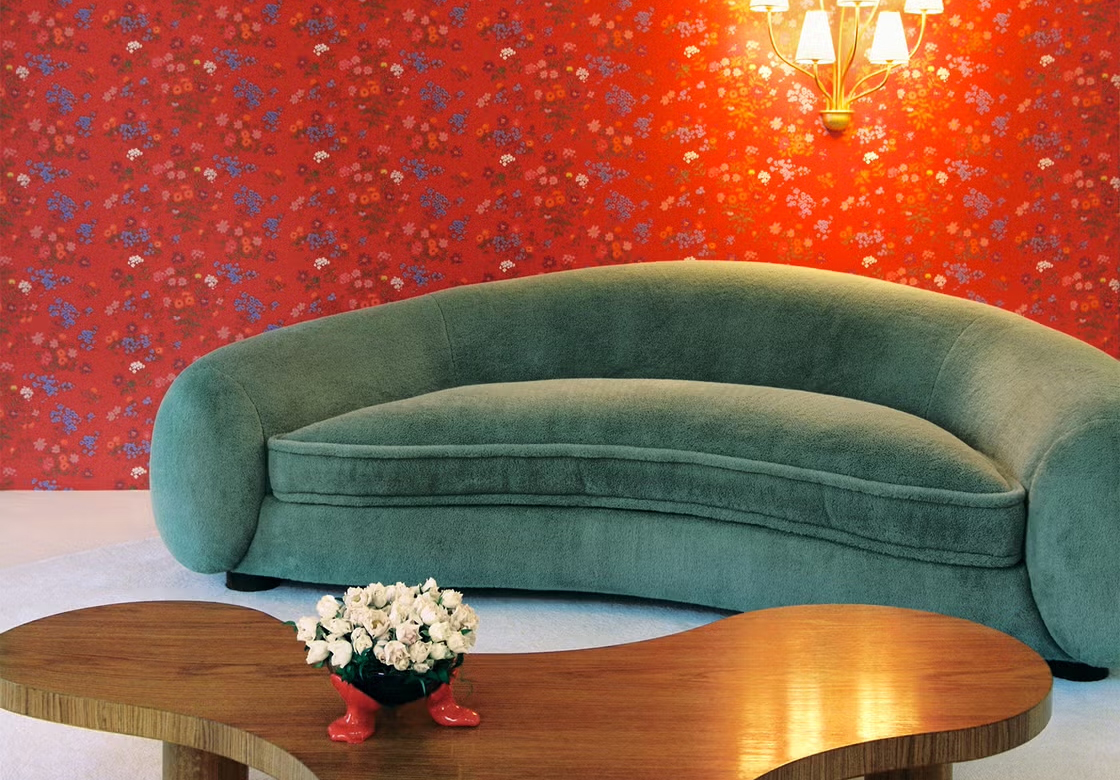
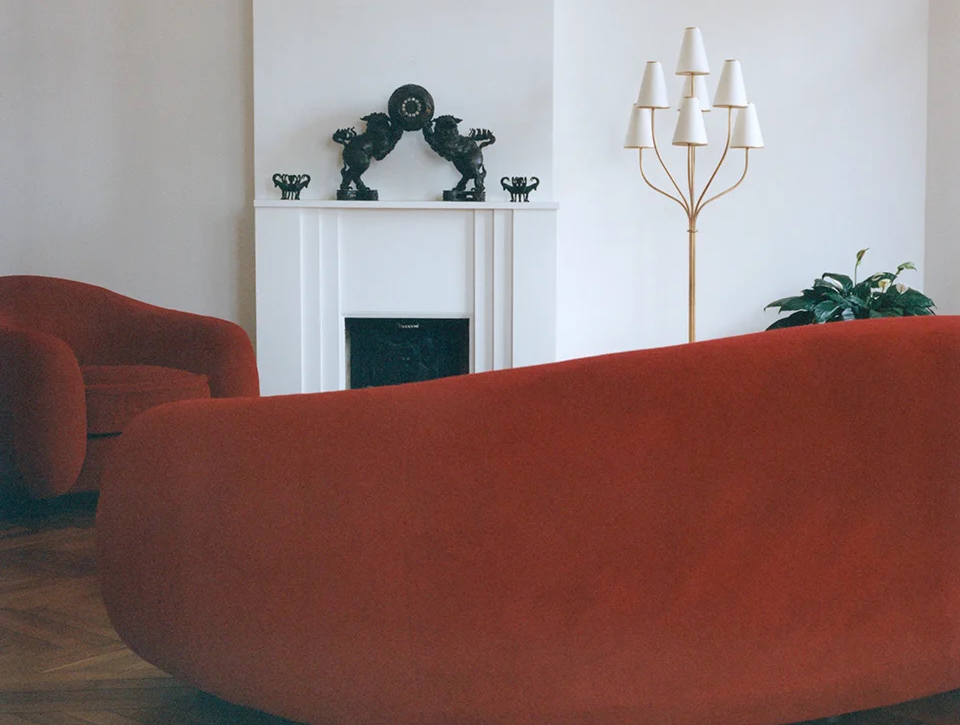
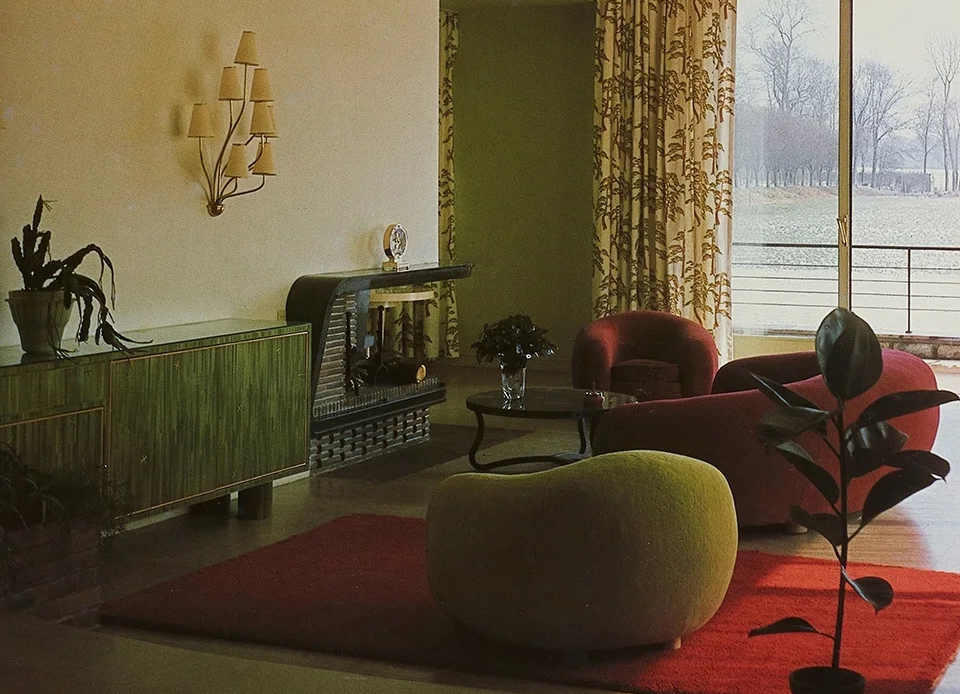
Take the bulbous Ours-Polaire (‘polar bear’) sofa. Royère fashioned its intuitive shape and oversized scale with the help of a wooden skeleton akin to those used by Louis XVI-era sofa-makers. And yet the graphic geometry was seen as revolutionary in the 1940s, displayed in the La Résidence Française exhibition at Art et Industrie. Everyone, from royals to politicians to discerning villa-owners in the south of France, wanted one. The biomorphic silhouettes were precisely what homeowners were thirsting for, evidently. As early as 1942, the designer was taking orders for his own New Look — first rather modestly and later to an affluent audience across the French world. It didn’t hurt that his seating made the user look their stylish, sensual best.
Royère produced only about 150 Ours-Polaire sofas, but followed them up with the now-iconic Oeuf armchairs to satisfy demand. His Flaque coffee table, which shared similarly inviting waves and robust presence, completed the scene.
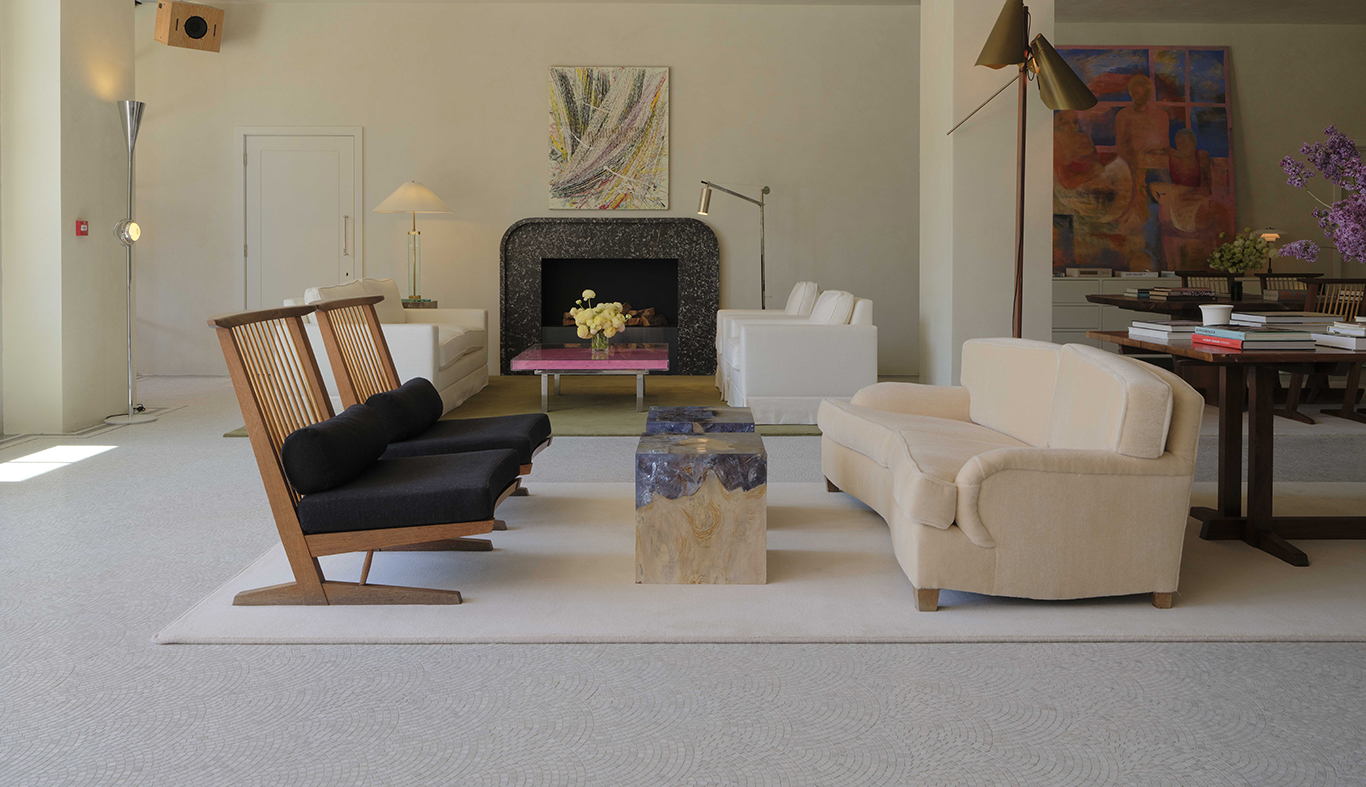
There were few elements of the mid-century home that Royère did not succeed in transforming. Along with sofas and chairs there were benches and sideboards, dining furnishings and lighting — not least his radical Liane wall lights. What’s astounding is the short span of the designer’s career. In 1970, he retired after 30 years in the furniture business and, a decade later, donated his archive of drawings and a capsule collection to the Musée des Arts Décoratifs in Paris. He died in 1981.
With relatively few original pieces in circulation, Royères became collectors items, picked up for many thousands at auction. In ateliers worldwide, designers tried their hands at the body-hugging curves and rich upholsteries (see the Canapé Ploum sofa, designed by Ronan and Erwan Bouroullec for Ligne Roset in 2011). In 2018, however, the Royère name was resurrected as a brand by Vladimir Markovic, the great-nephew of Royère’s longtime partner Micha Djordjevic. Inspired by time spent in childhood with his great-uncles, Markovic reissued classic Royère designs like the Ours-Polaire and Rouleaux sofas, all handcrafted with traditional techniques in France — ‘where,’ says Djordjevic, ‘this savoir-faire still thrives’.
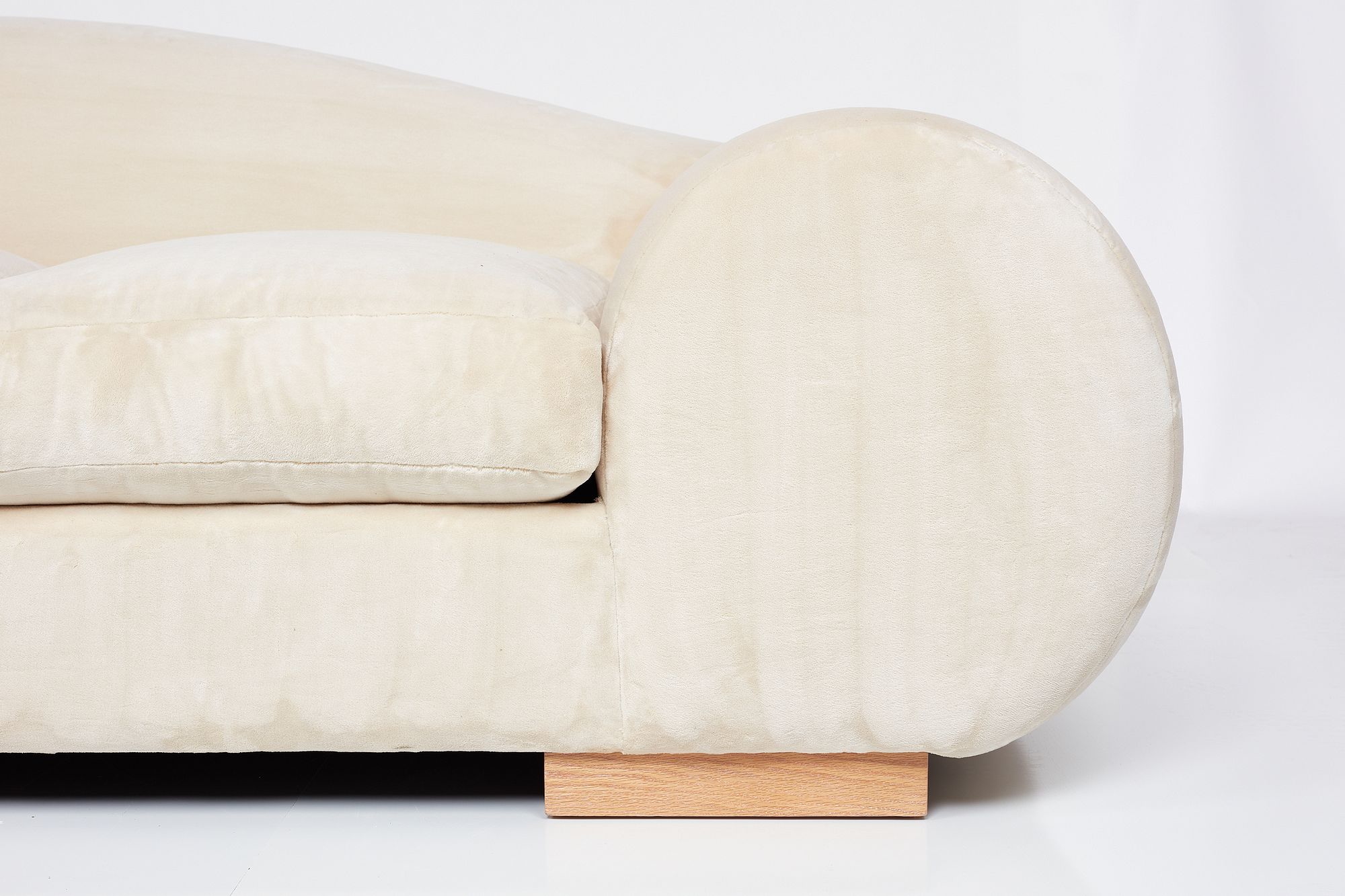
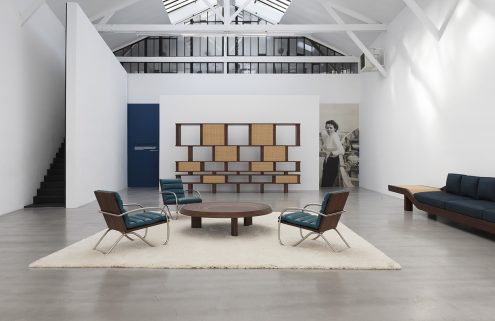
The resurfaced designs are accurately rendered by artisans skilled in woodwork, straw marquetry and metalwork — the latter evident in the new Croisillon dining and coffee tables, finished with a border of woven metal. Sofas and armchairs are upholstered in specially developed alpaca fabrics in Royère’s sun-tinged palette. Alongside some new designs that bear the hallmarks of the designer, they can be viewed at the Rue des Eaux apartment overseen by Markovic in Paris (by appointment only), and at the new Royère gallery on Spring Street in New York, as well as at Boundary Gallery in Los Angeles and Art de Vivre in Dubai.