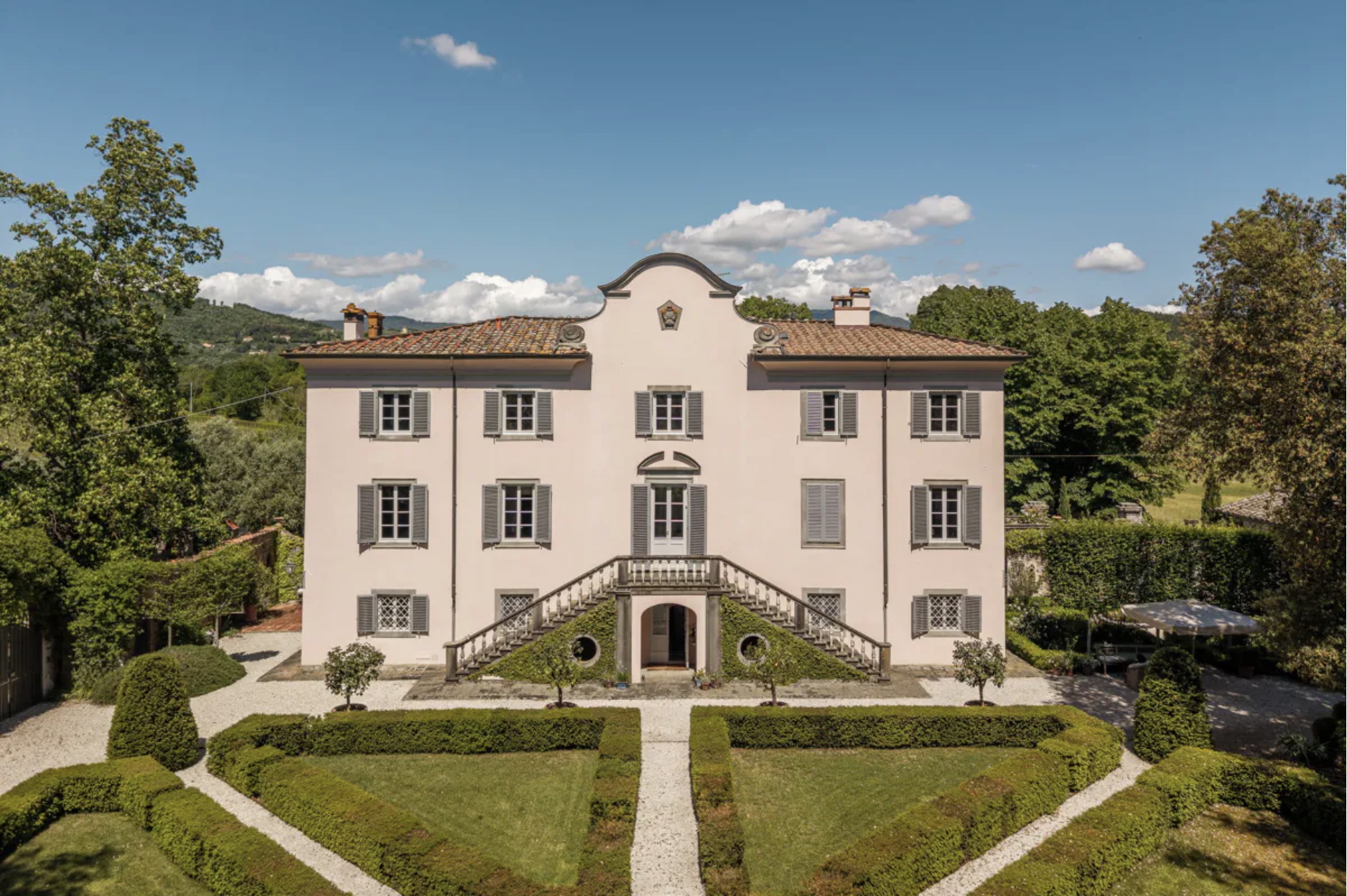
He traded barbs with Marcel Duchamp, shadowed Yves Klein, lived with Arman, had Frank Stella as a neighbour and partied with Donald Judd. The Provençal artist Bernar Venet was a Zelig of the 20th-century art world, showing his first works in 1952, at 11 years old, and still exhibiting today.
Much of Venet’s art was about radicalism and rejection — of established principals of modernism, abstraction, minimalism and even the Fluxus movement he followed in his youth. His early practice tended toward spontaneity and ephemerality. He recorded the gravitational pull of paint on a vertical surface, the heaviness of tar on cardboard, a load charcoal spilled into a heap. The work was anti-colour and anti-form, anti-emotion and anti-meaning.
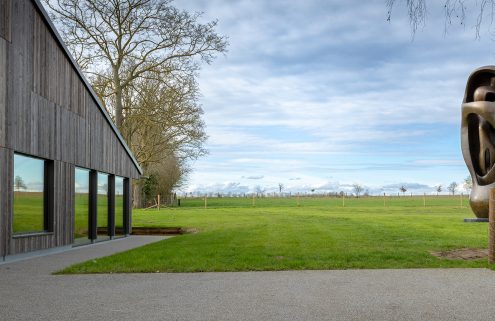
So what the world is left with today is his monumental sculpture, gravity-defying and architectural in scale. First in wood, then in steel, Venet took the arcs and lines he explored in his painting and translated them into three dimensions, following no predictable trajectory. Wrestled and welded into spirals, the pieces took on their own energy.
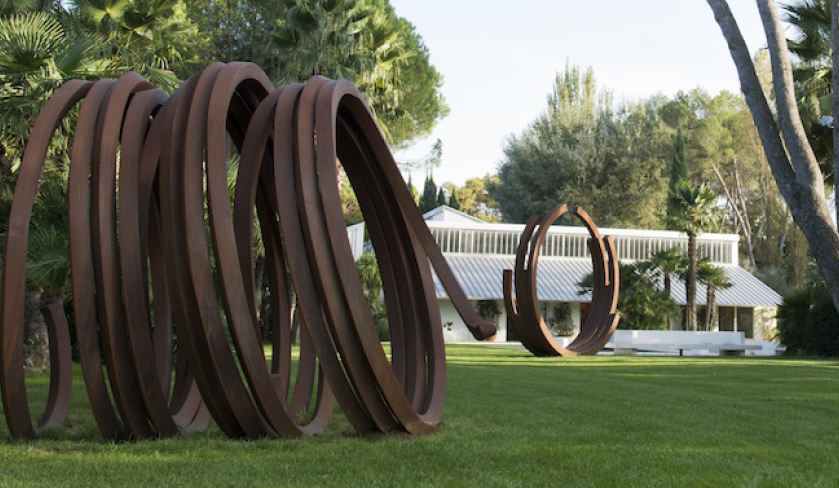
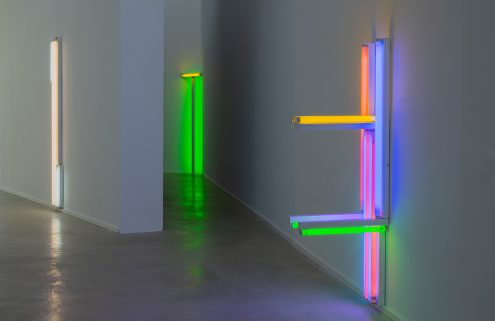
Counted in this genre is Venet’s functional work. Like his good friend Judd, Venet’s imposing furniture is still in circulation among lovers of design. No less grand than his sculpture, though slightly more human in scale, the artist’s steel-based pieces can be found in a few luxury contemporary interiors, galleries for collectible design, and at his own home in Le Muy, France, location of his foundation. It’s a 20-acre property inhabited by works by Dan Flavin, Sol LeWitt, Stella and Judd, with whom he traded art for years.
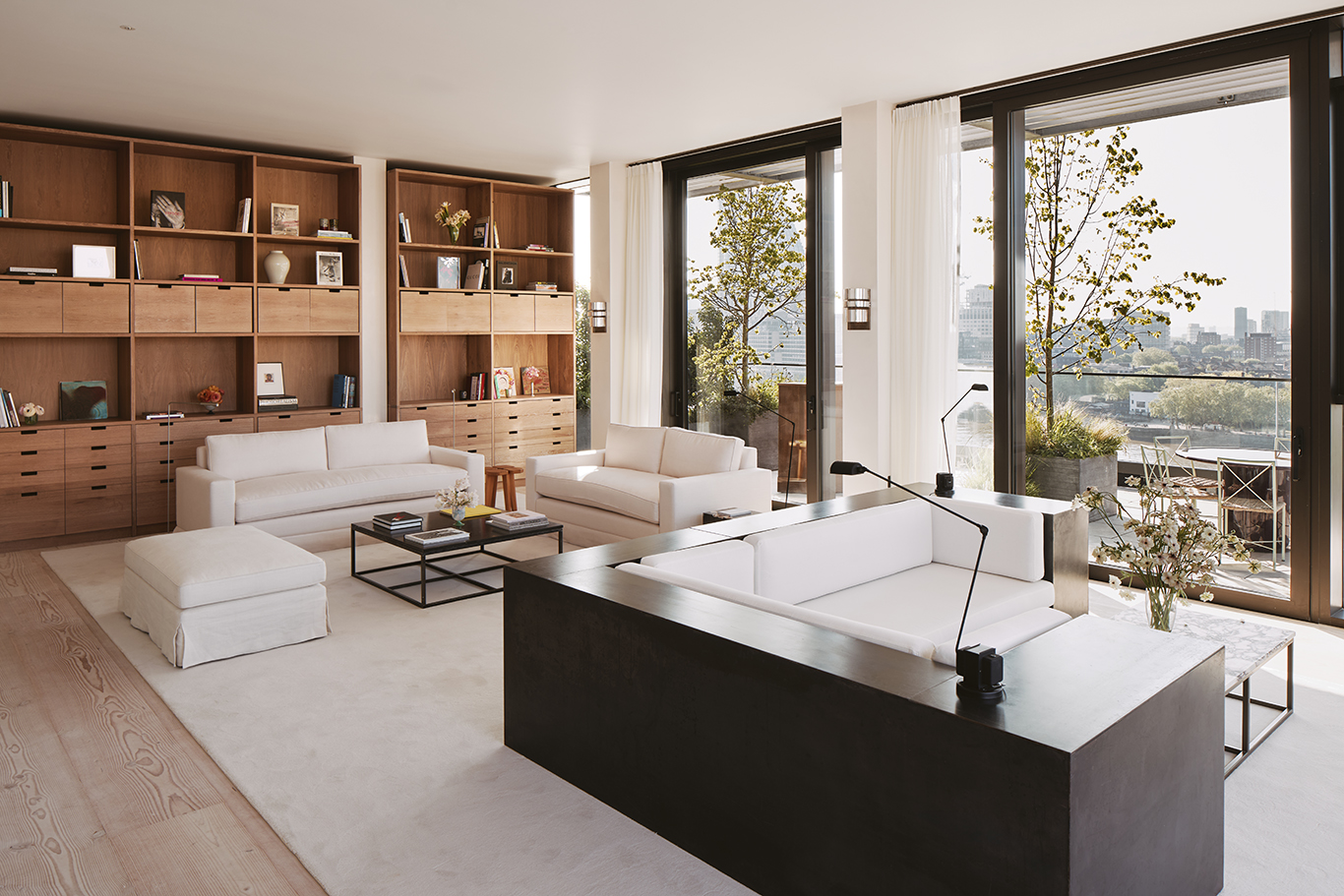
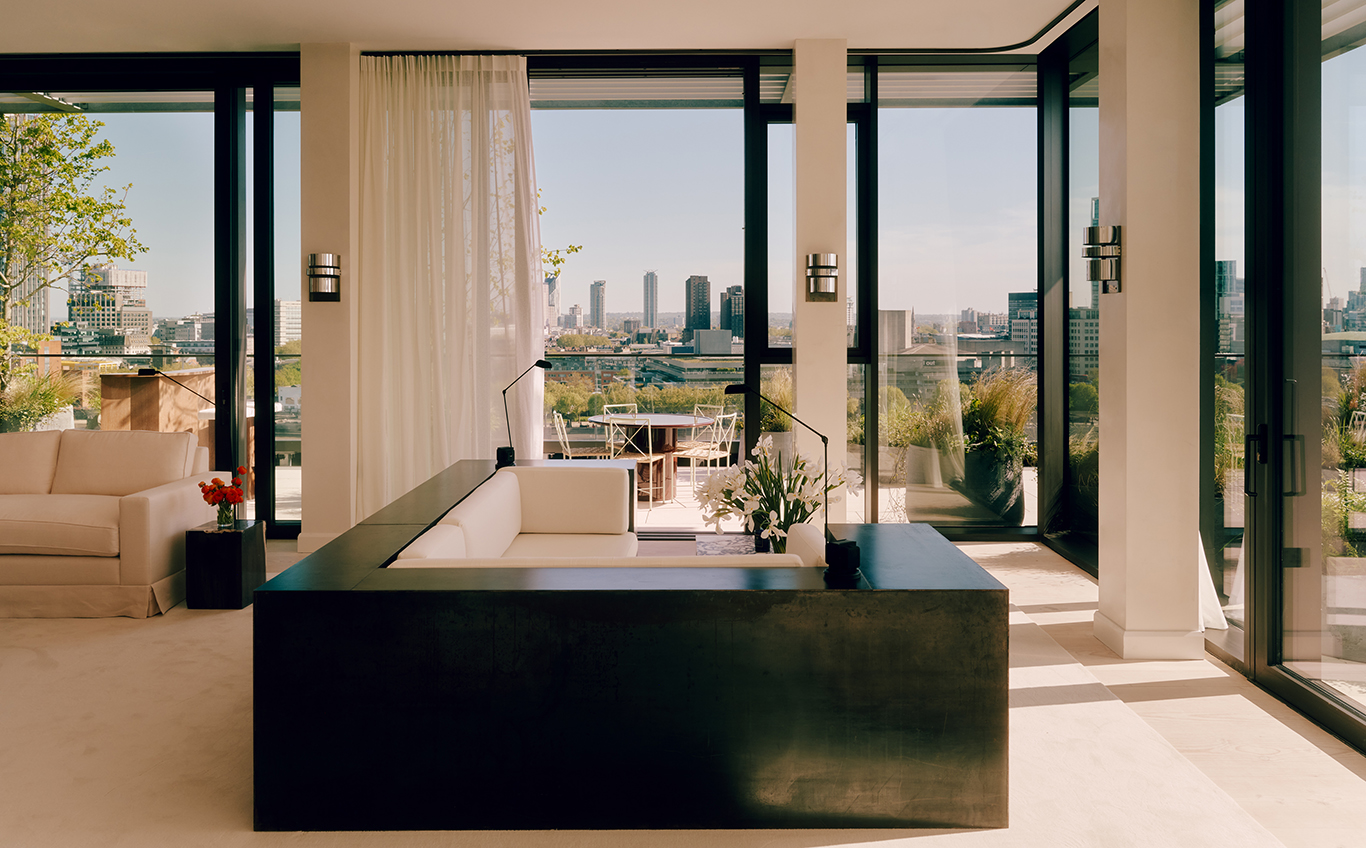
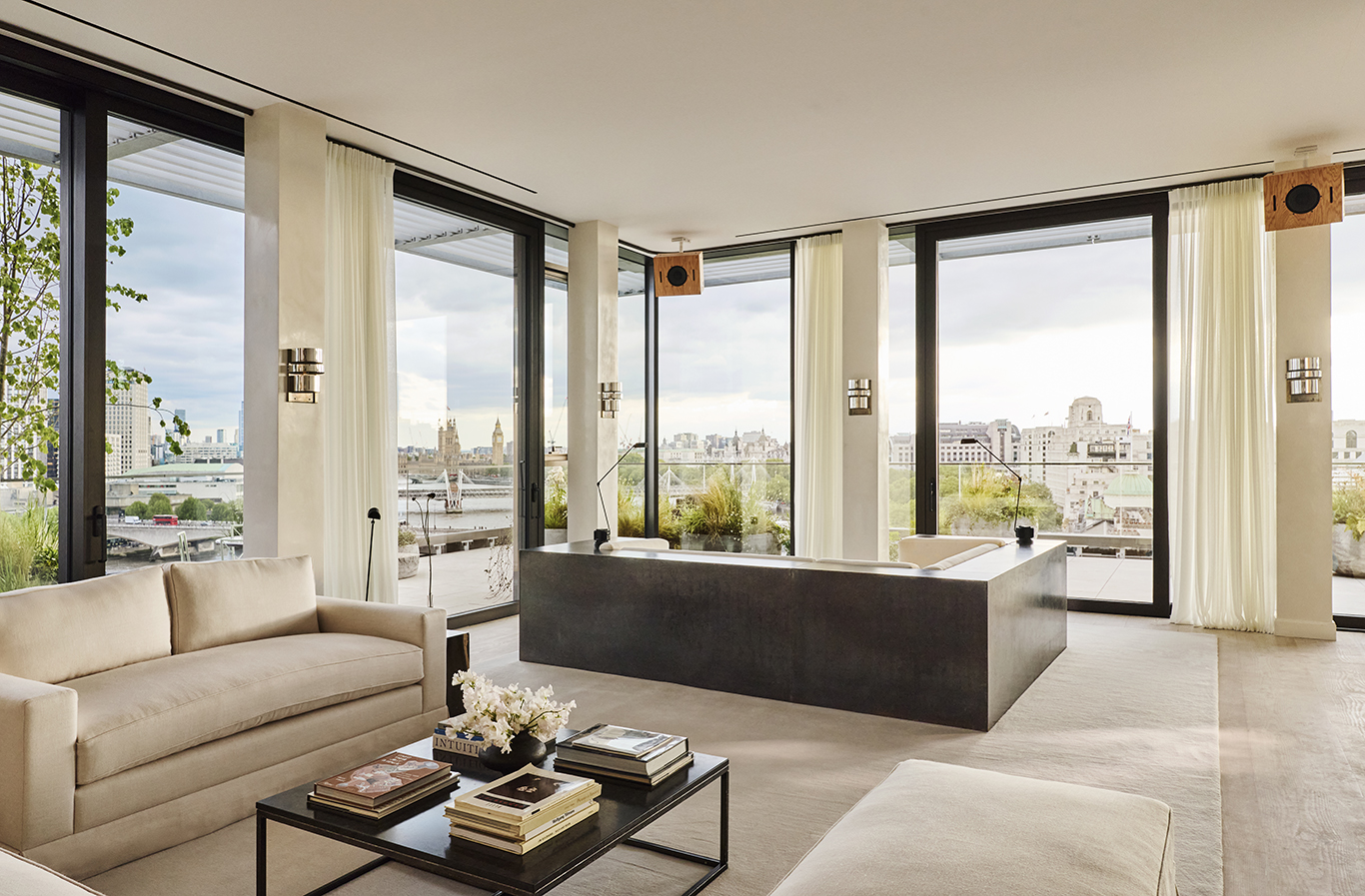
His first foray into furniture began in the late 1960s out of necessity, like the careers of many who found themselves frustrated with the commercial offering at the time. His studio required a sofa, and so, in 1968, he delivered a sculptural black square. Dramatic, robust and mathematically precise, it could seat an entire football team. It is, bar none, the most majestic piece in any room it graces, yet it shared with Judd’s designs an austerity and an emphasis on material clarity. Into its simplicity was nothing to read. It was furniture made from hardy materials to be used, and Venet treated it as such.
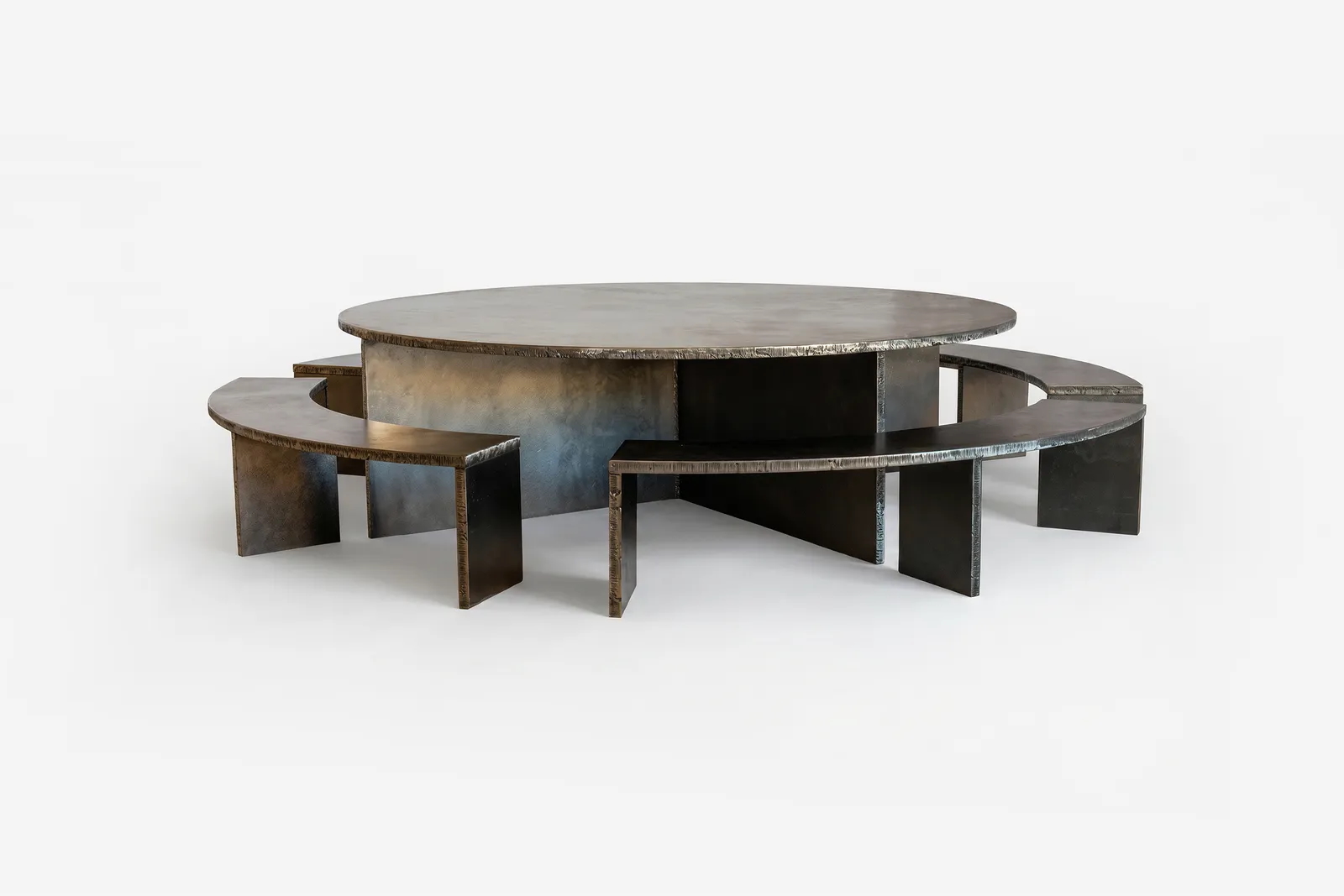
The artist’s first official furniture exhibition came in 1990, broadening the interest in his work and creating an opportunity for it to multiply long past his own time. At this point, Venet had also produced a coffee table and desk, all within the mathematical framework of that first sofa. They are straight of line and sharp of angle in their unforgiving steel. His latest series, emerging between 2019 and 2020, is a softer proposition, if you can call it that, full of shapely curves. His torch-cut rounded sofa and perfect circle of a dining table are already classics, produced to order by galleries like Twenty First.
Still, his distinct steel sofa, despite its unwieldy size, is still his most resonant piece, clear to anyone who engages with it that it is as much art as any of the pieces encountered at the foundation. It has been photographed in several private collections, including Venet’s own house. A 1993 version is the centrepiece of the penthouse at London’s St Clement hotel.