
Dan Flavin in the south of France is the exhibition we need right now
His Simple Fluorescent Tubes are on show at the Venet Foundation
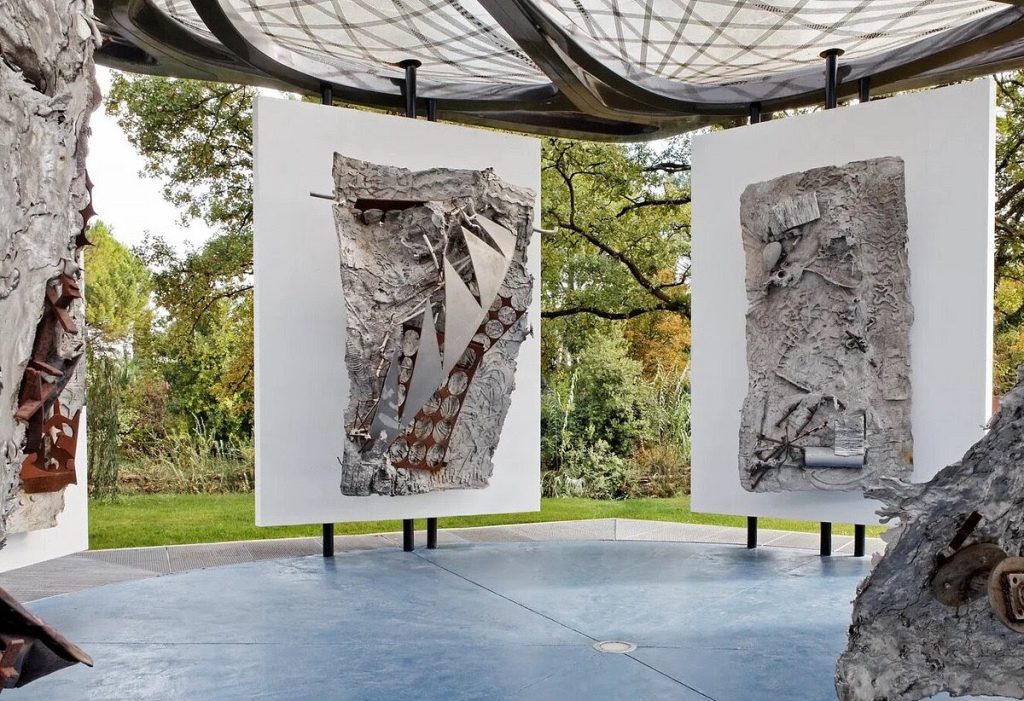
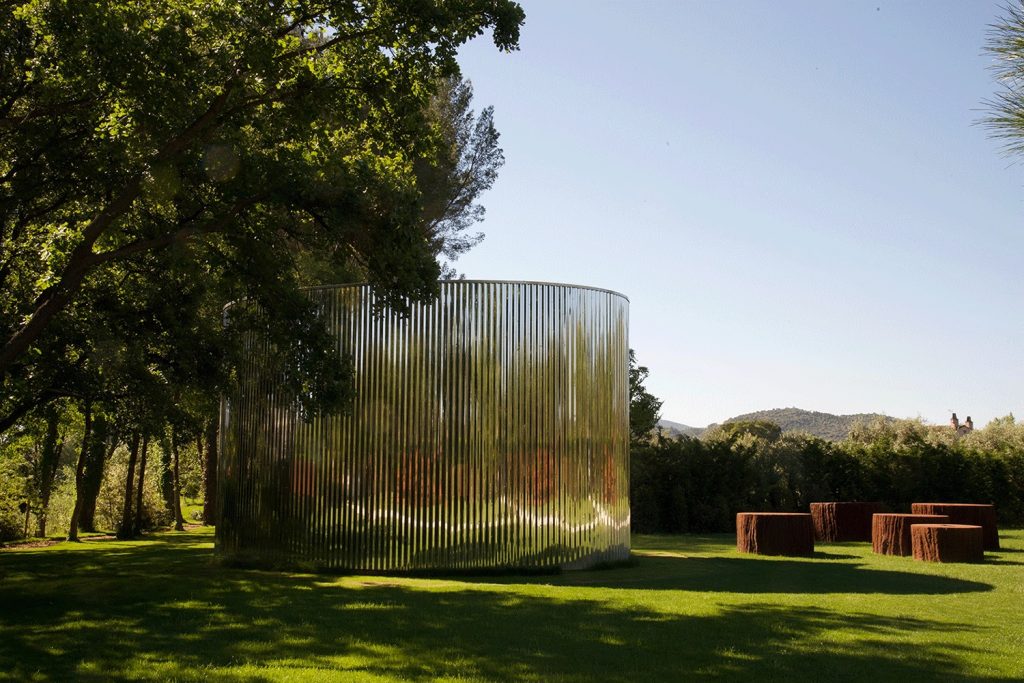
Like Paris during the Belle Epoque, New York in the 1960s was a nexus of radical art, in which every creator with the germ of an idea squatted and scavenged, stripping the streets clean of cheap paint and scrap. Few artists remain from that era of loft studios and underground parties. Yet now and then a figure emerges with a story to tell. This summer that figure is Bernar Venet, whose foundation in Le Muy, France, is an ideal expression of the 20th-century avant garde in the Côte d’Azur.
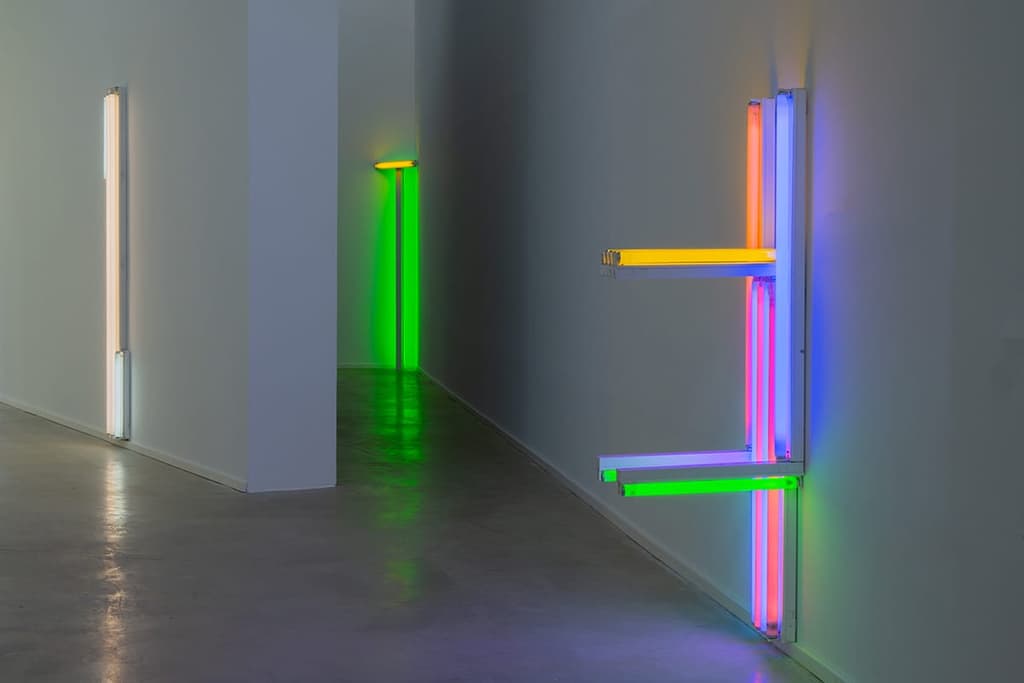
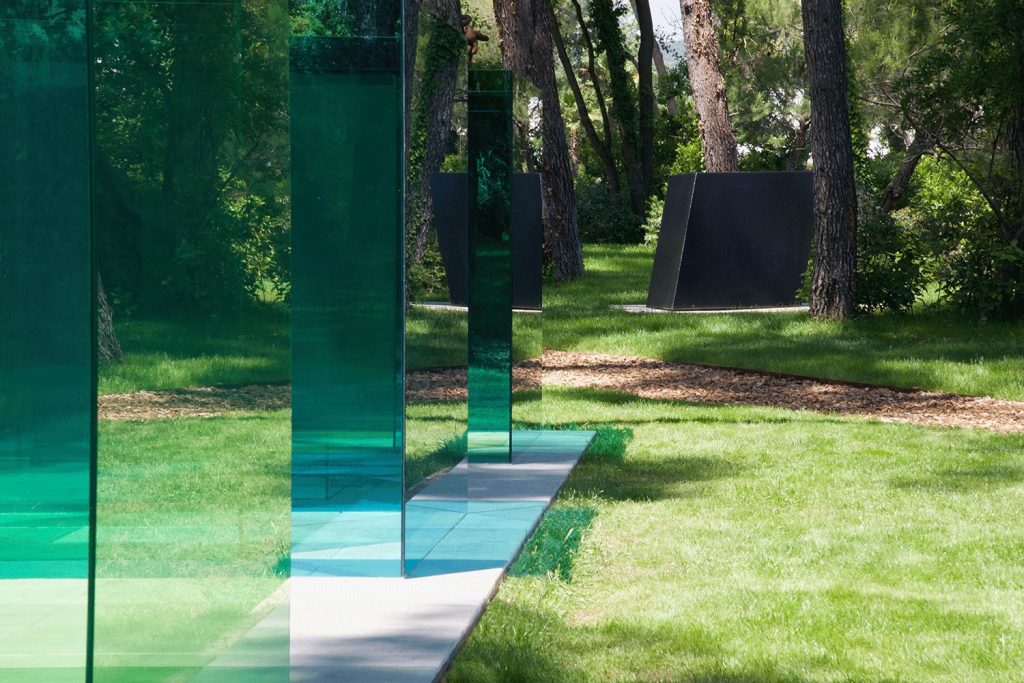
The great sculptor and furniture-maker survived his lean years in New York using tar and coal as his media, and by swapping art with his peers like currency. A testament to his vision, taste and popularity, the pieces he ended up with — 400 to 500, by his estimate — are now considered masterworks. Exploring the property in Le Muy, one is confronted by monoliths by Sol LeWitt, Frank Stella, Carl Andre and Donald Judd. And as of this week, a collection of 10 key pieces by minimalist Dan Flavin steals the show.

Honouring the sculptor’s 30-year career, some 30 years after his death, the new exhibition Dan Flavin: Simple Fluorescent Tubes features the very first Flavin neon — his 2.4m ‘Diagonal’ from 1963 — as well as pieces from his last decade working. Curator Erik Verhagen has borrowed from outside collections including the Anne and Wolfgang Titze Foundation in nearby Mougins, and chosen work that not only exemplifies the artist’s particular genius but also shines a light on his own heroes: Constantin Brancusi, Austrian potter Lucie Rie and Soviet Constructivist Vladimir Tatlin, inspiration for Flavin’s widely exhibited V. Tatlin series. The medium of industrial tubing is the message here, stripped-down and geometric in form. Yet the works, say Verhagen, ‘reflect the diversity of his approach and testify, given the immateriality of the medium he made his own, to the difficulty of defining them.’


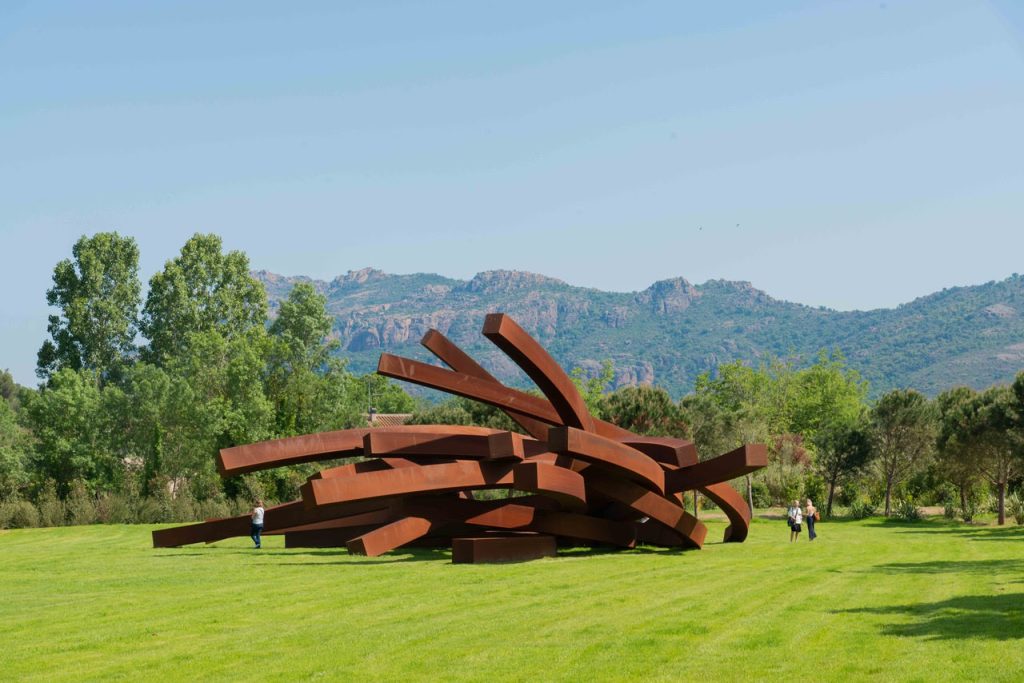
At a time when Flavin is enjoying a spectacular renaissance — shows in Munich, Miami, Eindhoven and Hong Kong are being staged concurrently — Verhagen has had to negotiate hard for this showcase. It alone is worth the journey up from the coast. Afterwards, there are Venet’s own rusted-steel spirals to ogle, scattered across the lawns like giant bales, and a chance to glimpse the artist himself.
Related stories

Newsletter
Want news delivered to your inbox?