Since the early days of recreational swimming, pool design has gone lengths, from simple rectangles and classic Greek-inspired contours to kidney shapes and wild grottos concealed by thick landscaping. And who remembers turquoise vinyl liners?
Fuelled by postwar economic prosperity, more than 150,000 swimming pools were built at homes across California in the 1960s, according to a study by the University of Cambridge. In Los Angeles alone, around 60% featured the eponymous kidney-shaped design. The 1980s brought in the era of the raised spa — a connected hot tub that became an enviable status symbol — before clean lines and geometric proportions returned in the 1990s. Resort-inspired zero-depth beach entries and infinity edges dominated the 2000s. More recently, however, pool design has shifted again. Technological progress, engineering breakthroughs and a growing emphasis on sustainability have informed spaces that feel connected to nature.
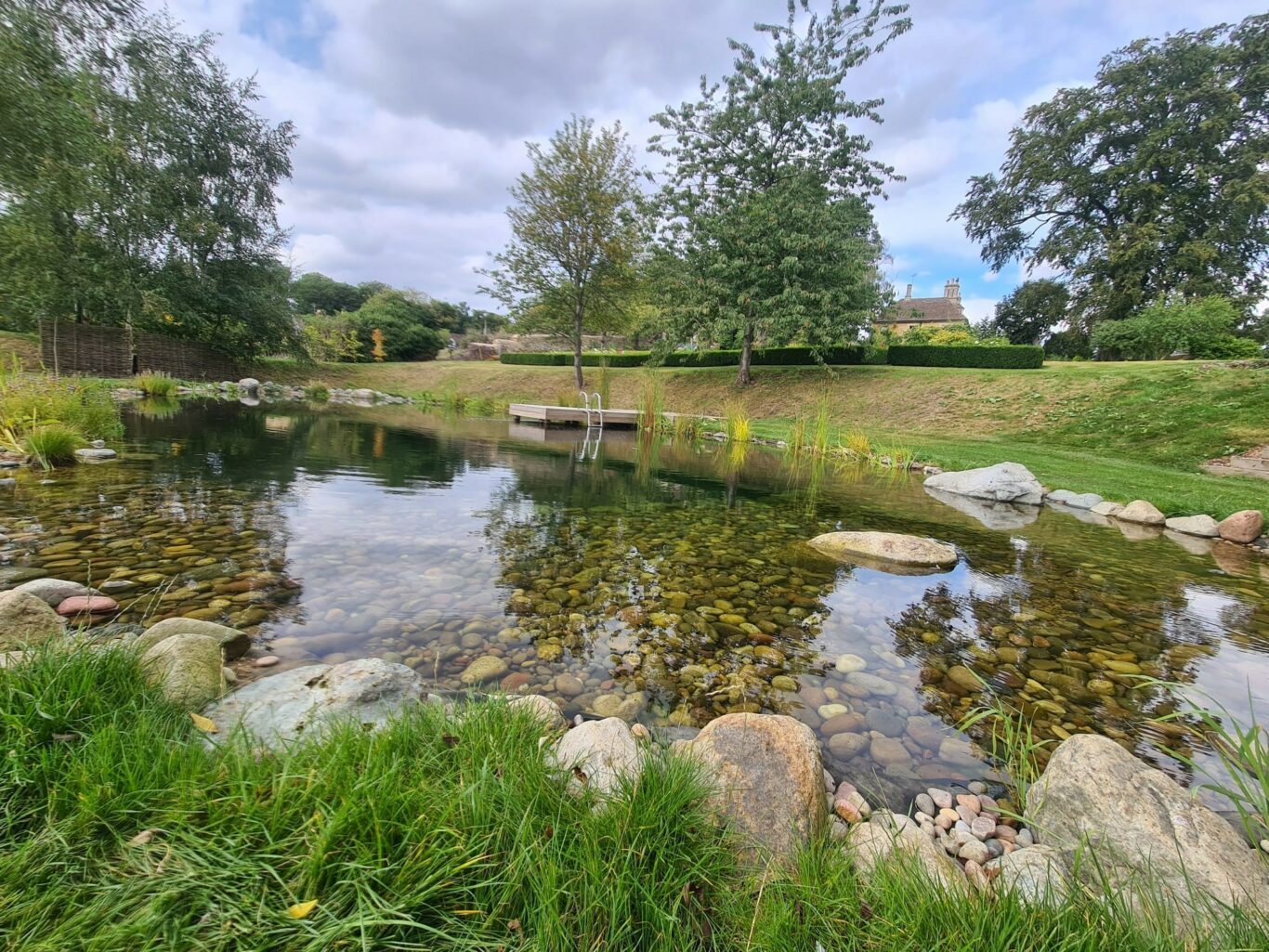
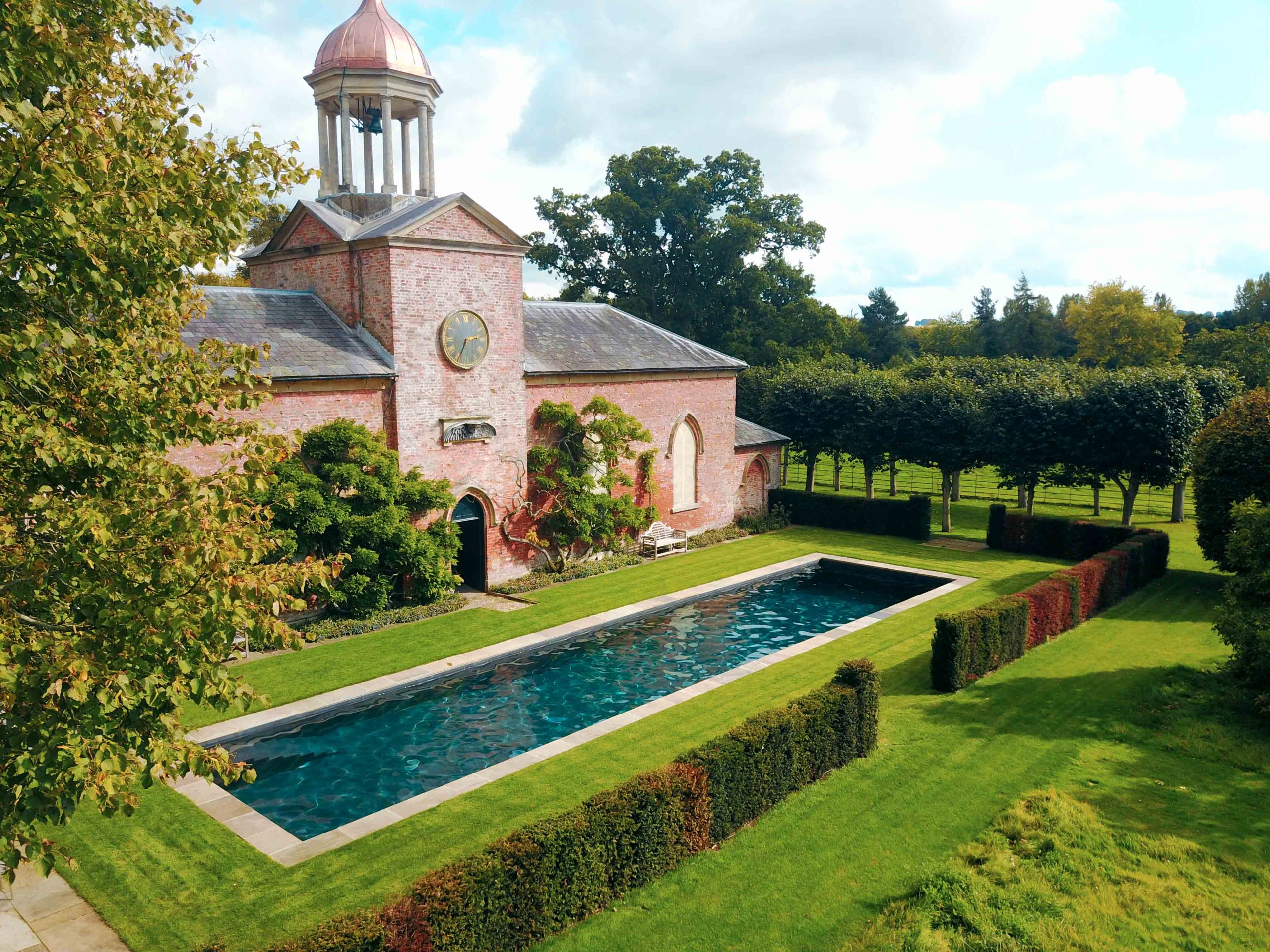
Today, the demand for natural pools is particularly prevalent in private residences. Their appeal is twofold, says Joel Scott of Clear Water Revival, a high-end natural swimming pool company founded by an aquatic ecologist. First, there is the design. ‘These pools are often chosen for their more subtle, minimal aesthetics which are far more complementary to homes in, say, the UK,’ he says. ‘Traditional bright-blue pools are more suited to tropical surroundings rather than the home counties or the Cotswolds. Natural pools are typically designed to look like water features or reflection pools.’
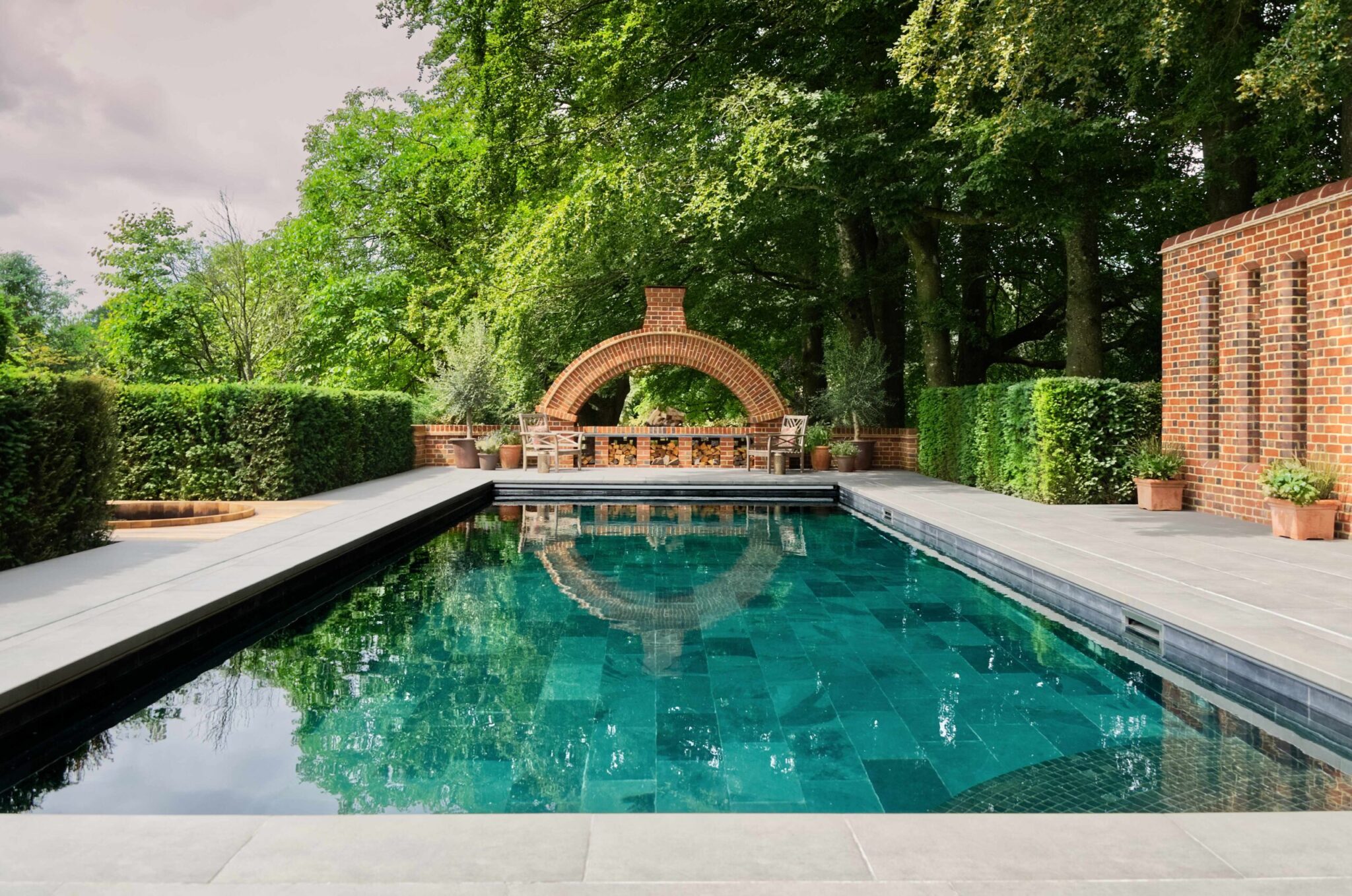
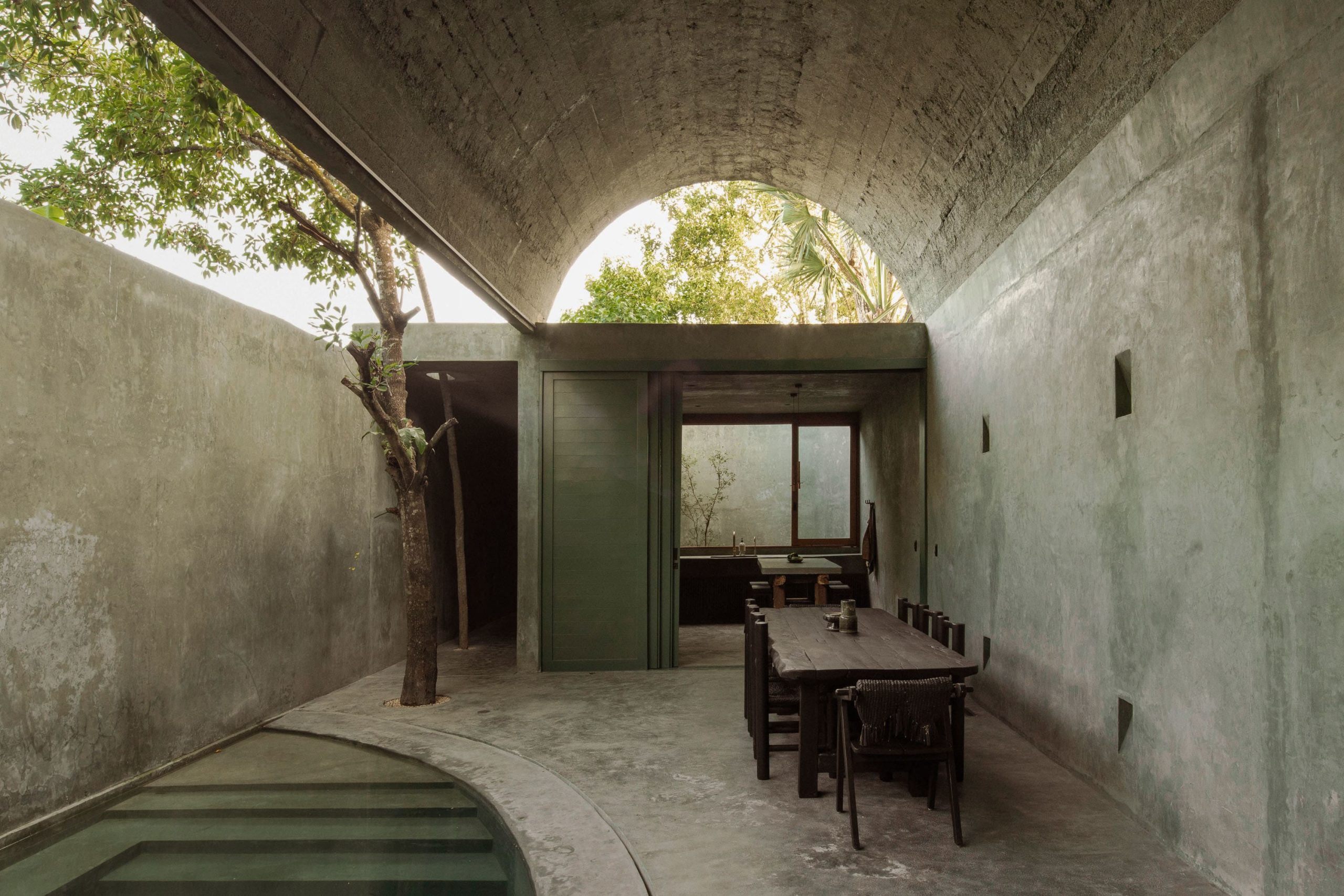
Tiling is chosen to mimic certain types of natural stone, so the water resembles an alpine lake or a freshwater swimming hole. A combination of deep blue tiling and rambling greenery creates a natural look that can be the centrepiece of a property.
That’s the style. Then there’s the substance. ‘Our natural pools use beneficial bacteria and ultra-fine filtration,’ says Scott, ‘to keep water naturally healthy and free of the negative health risks that come from absorption of toxins.’ This chemical-free alternative to traditional swimming-pool maintenance has captured attention in recent years, as clients become increasingly aware of the risks associated with using conventional chlorination a regular basis.
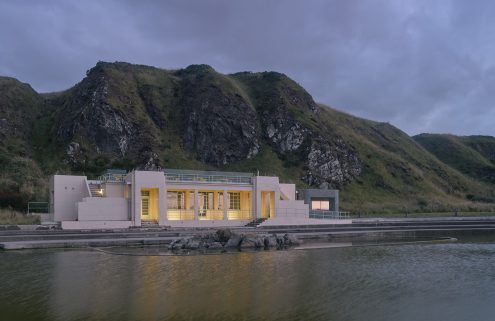
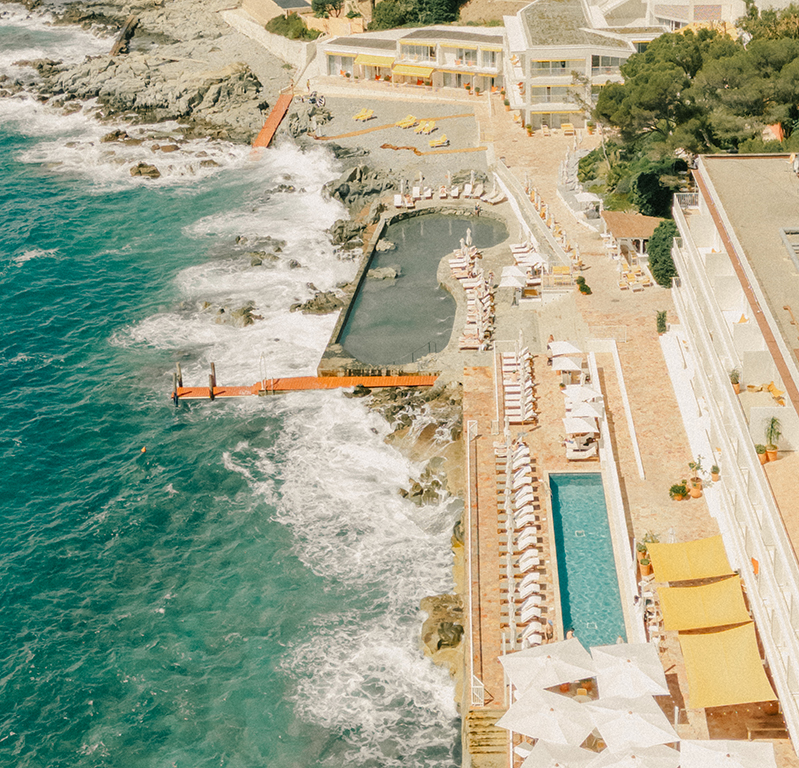
Natural pools have also grown popular in the hospitality sector. At Beaumier’s Les Roches Rouges, a waterfront hotel on the French Riviera, a seawater pool carved directly into the rocky coastline is about as close to a wild swim as one can get in an enclosed pool. The hotel also features a heated freshwater lap pool designed by creative studio Ateliers Saint-Lazare. ‘For many years, swimming pools were conceived as spectacular features – almost a symbol of prestige,’ says Antoine Ricardou, founder of ASL. ‘Today, expectations have evolved significantly. Travellers are no longer looking simply for impressive design. They are seeking emotion and a connection with the places they visit.’
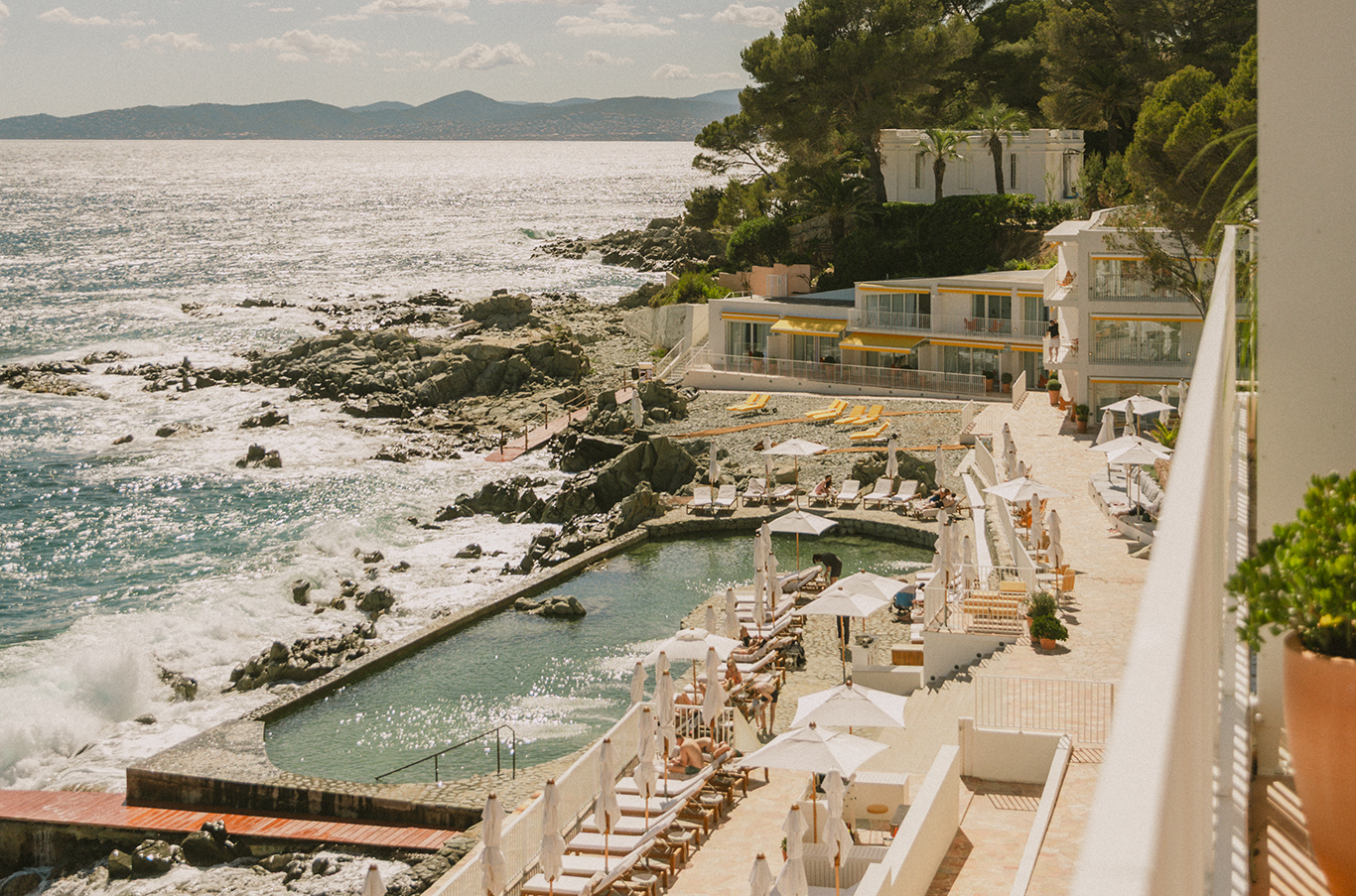
Seawater pools capture that emotion while keeping humans and sea life from colliding. ‘Swimming there when the Mediterranean is alive with waves, hearing the sea break over the rocks and feeling the raw power of the elements is a rare, almost primal experience,’ says Ricardou. ‘It is a place that reminds us that sometimes the most beautiful swimming pool is the one nature has created itself.’
The concrete freshwater lap pool at Les Roches Rouges was designed as a natural extension of the brutalist building. Defined by simplicity and strength, it was never meant to be iconic, just as natural as possible. ‘We did not design one swimming pool, but two complementary experiences — one is a work of architecture, the other a work of nature.’
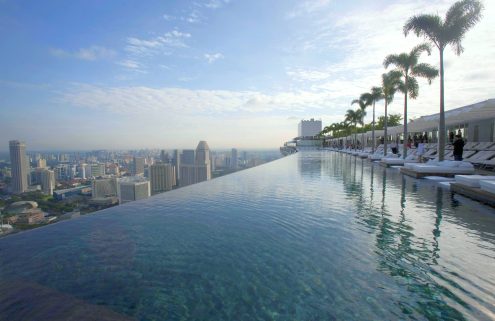
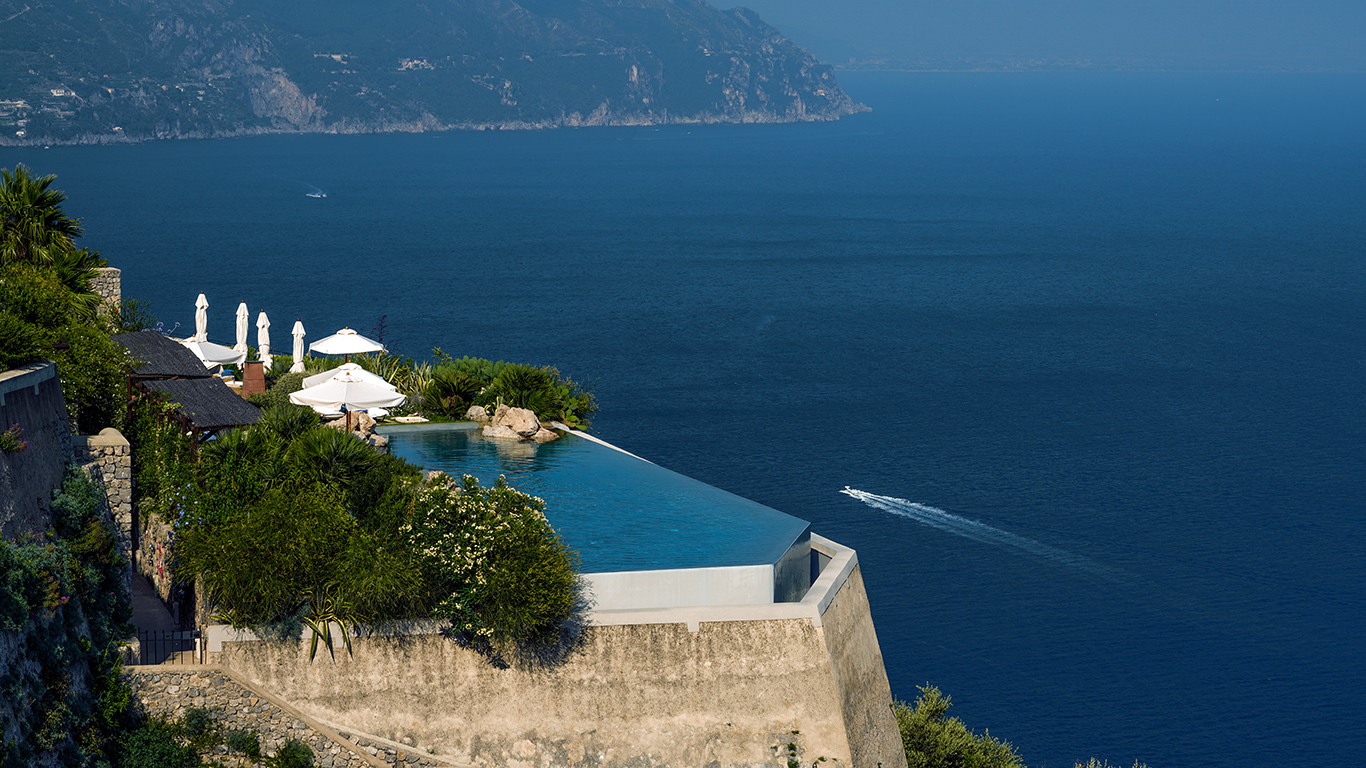
Infinity pool one-upmanship is another dominant trend in hospitality. With every vista and horizon more photographed and shared than ever before, an infinity pool is social media gold dust. ‘People are now looking for things they simply can’t find anywhere else, and social media has certainly played a part in that,’ says Bianca Sharma, owner of Monastero Santa Rosa, a boutique hotel on Italy’s Amalfi Coast. ‘Our infinity pool has remained so popular because it feels completely at home in its surroundings. Sitting on the cliffs of Monte San Pancrazio, it seems to dissolve naturally into the sea and sky. The intention was never to distract from the landscape, but to celebrate it.’
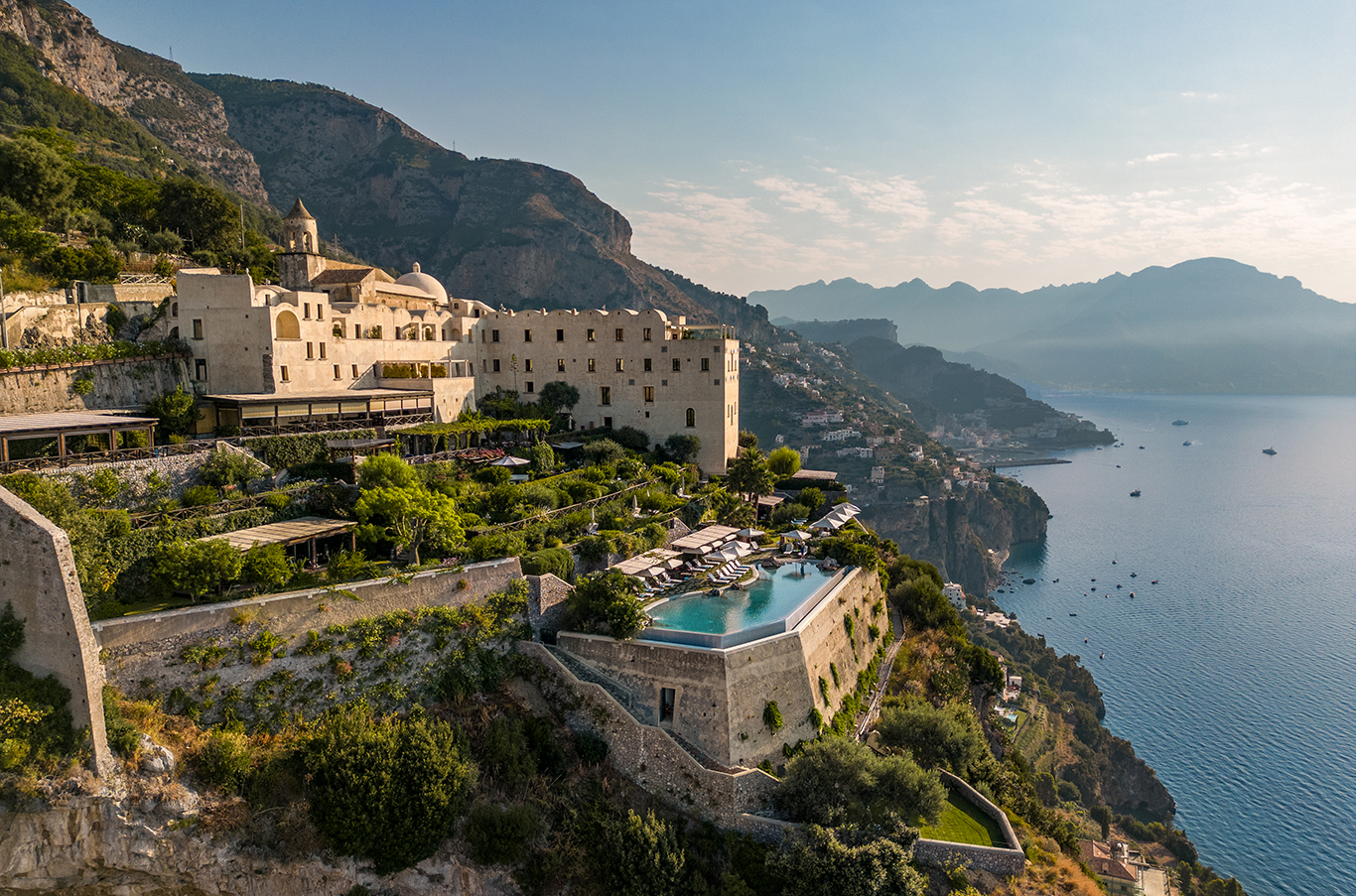
Advancements in structural engineering mean designs like this can look increasingly dramatic — though none of the science behind the drama should be visible. ‘An infinity pool is only truly successful when its technical achievement disappears,’ says ASL’s Ricardou. ‘Its purpose is to create the impression that the water naturally merges with the horizon. When designed with restraint, it almost disappears, allowing the surrounding landscape to take centre stage.’
That advanced engineering can be used at both ends of the aesthetic spectrum. It allows for pools with ‘spectacle engineering’, which have grown in prominence over the past decade. Part of a recent wave of ultra-high urban pools and ‘sky amenities’, the Sky Pool in Battersea is a prime example. Opened in 2021 at Embassy Gardens, in the ongoing Nine Elms development, the transparent acrylic swimming pool is suspended between two residential towers, 35 metres above street level. More recently, an 18-metre rooftop pool, understood to be the highest in London, opened at Shard Place in London Bridge.
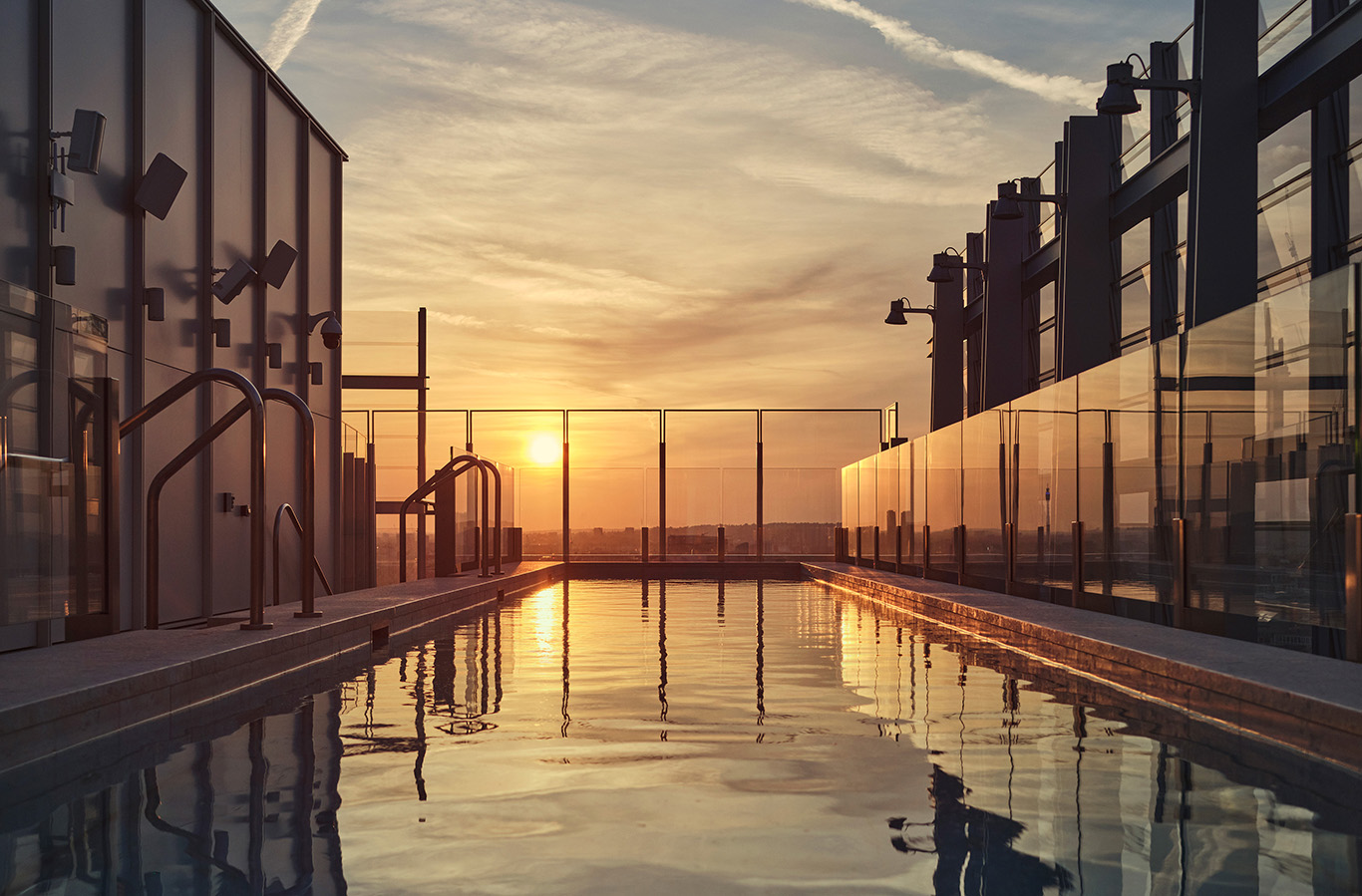
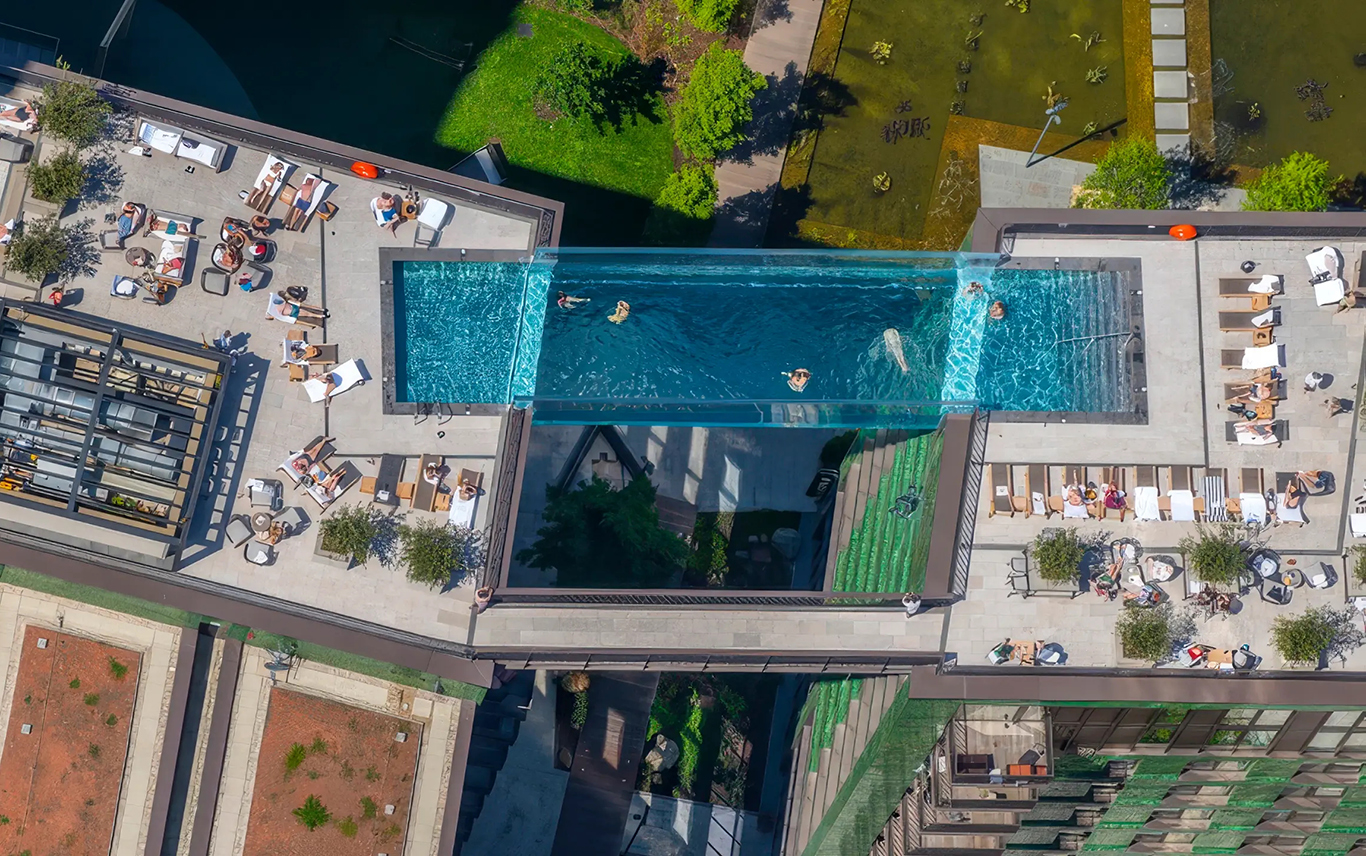
These are as much about exhilaration as getting in a workout or cooling down. Opportunities to swim while eyeballing the apex of St Paul’s, or watching a bustling street way down through a transparent floor, elevate modern pool design to new heights. Whether embedded in rock or suspended above the city, the contemporary swimming pool is no longer defined purely by function or form, but by experience. And that is perhaps the most sustainable trend of all.