
Boomers and zoomers are working together. Can they share an office too?
How do you design a workplace for septuagenarians, 20-somethings and everyone in between?

When the first Gen Z wave entered full-time employment nearly a decade ago, cities saw their first five-generation workforce. Born in the late 1990s, this new cohort joined the ranks of the working just as their grandparents were extending their careers beyond traditional retirement age. Suddenly people spanning up to seven decades of experience were working alongside one another. Today it is falling to designers to determine how office space can serve them as equitably as possible — to draw up a successful blueprint for the office of the future.
‘While 81 percent of employers agree that a multigenerational workforce is key to growth and success, fewer than 10 percent have the design, policies and programmes in place to support it yet,’ says author and consultant Rebecca Robins, whose book Five Generations at Work proposes a progressive and inclusive approach to the intergenerational workforce. ‘The future of successful companies rests on understanding this shift. Embracing it — or not — could dictate whether you are still in business 10 or 15 years from now. So, how do we unlock all of that potential?’
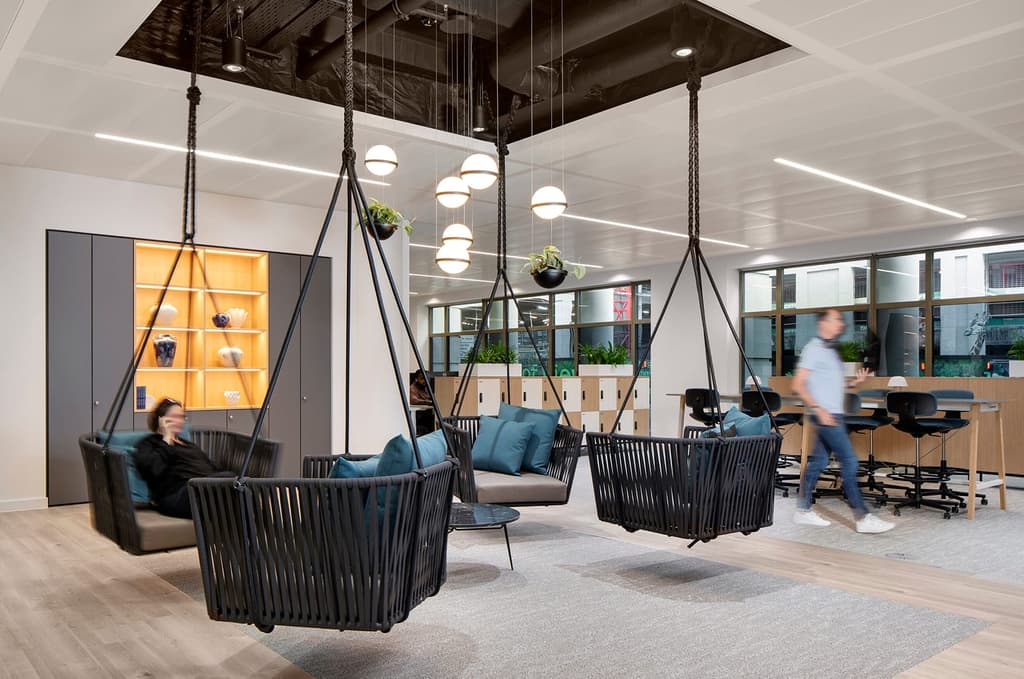
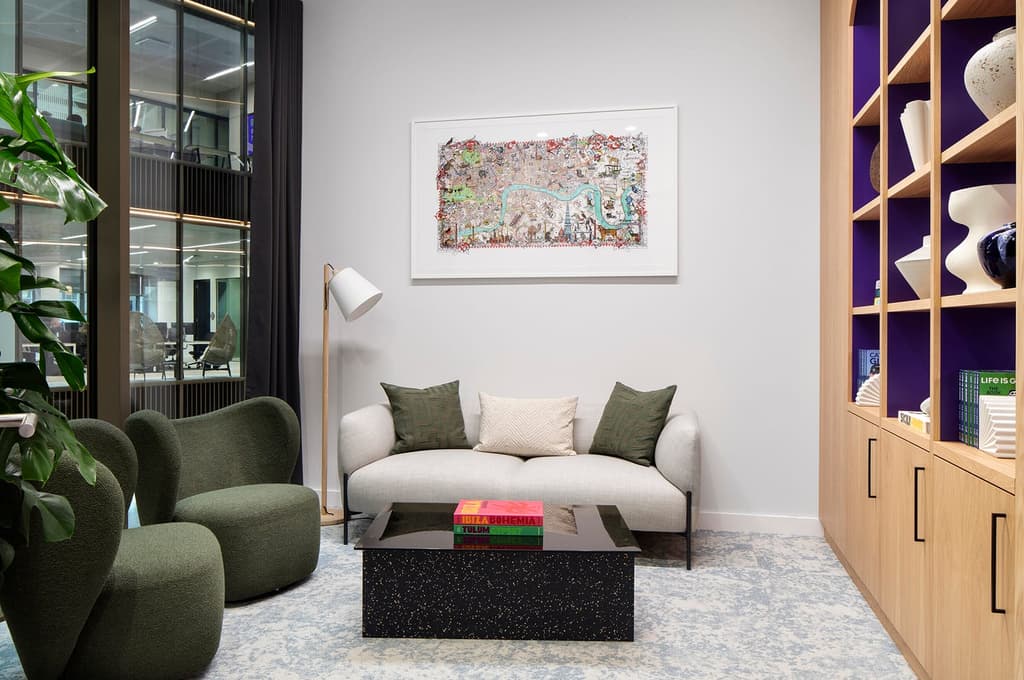
For Bronte Turner, senior principal at architecture practice HLW, the answer is inclusivity. In HLW’s work for companies including CitiBank and Google, small but critical details like clear wayfinding ensure the work space feels intuitive for every age. Choice and flexibility, she argues, are non-negotiable when it comes to delivering multigenerational workspaces. ‘We need to build adaptability into workspaces to take into account issues like acoustics and visibility. These are things I wouldn’t even have thought about as a young designer but, as I get older, am starting to recognise are critically important.’
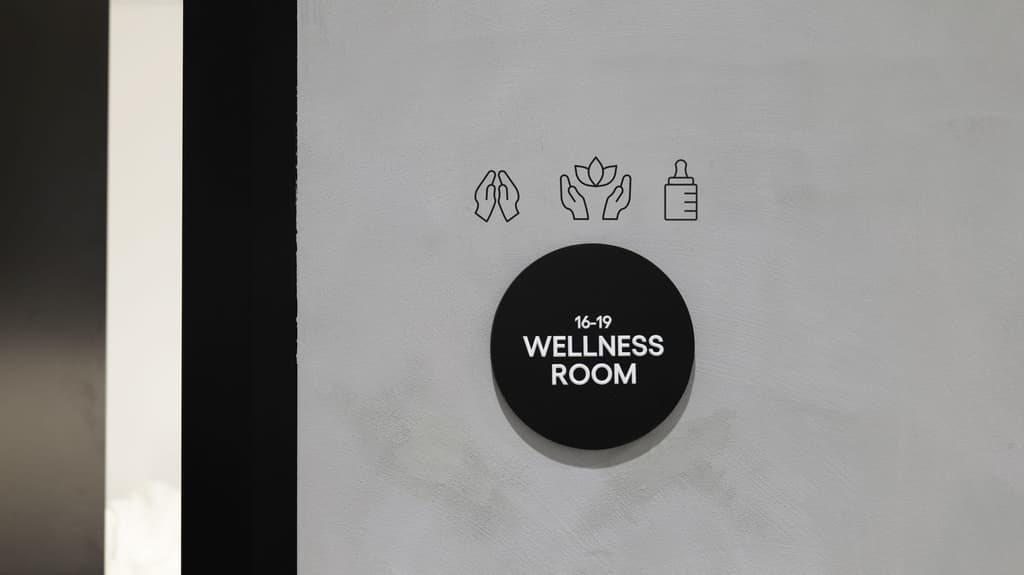
For the HQ of private equity firm Hg Capital, HLW used matt signage to help with glare for the visually impaired and ensured floors and rooms were easily identifiable using a universal set of icons. Each was given a clear name that not only relates to the surrounding area but can be seen through the building’s windows. ‘This ties the design to its surrounding context, serving as a universal wayfinding tool,’ says Turner.
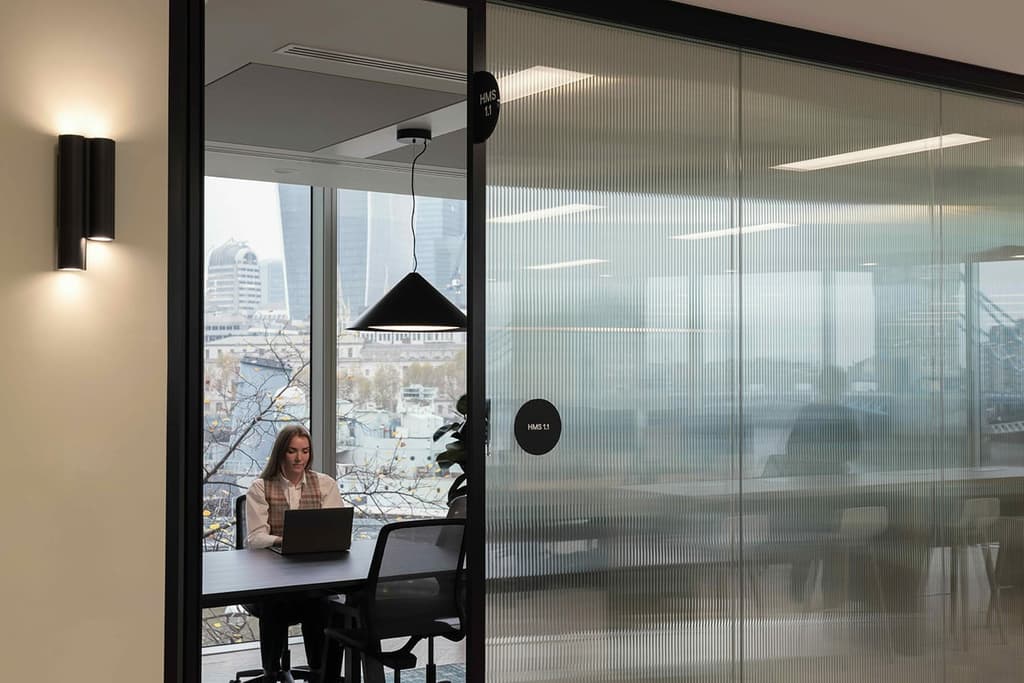
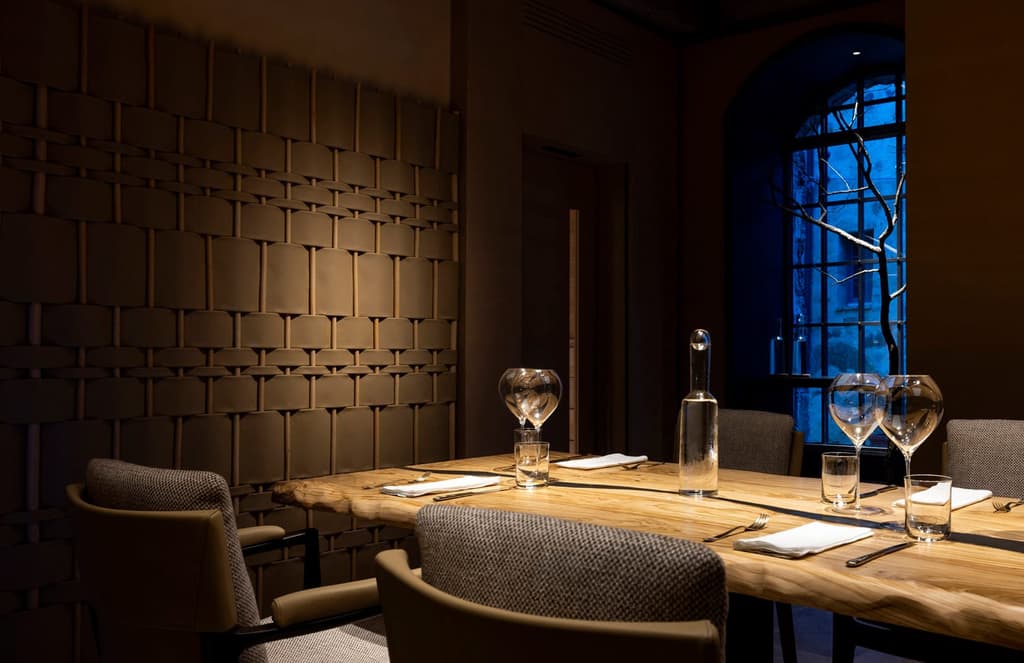
Acoustics are a challenging area of focus of inclusive, multigenerational design, particularly given the fashion for open-plan workspaces. Using the right materials helps: natural timbers and soft, textured fabrics absorb sound to create softer, calmer environments. And not only for older team members more likely to have aural impairments. Deloitte’s 2026 Gen Z and Millennial Survey, which gathered responses from 23,000 people, concluded that younger staff prioritise wellness and sustainability at work. That points to the use of natural materials and acoustic management for all ages.
Meanwhile, new-build offices are zoning private, quiet spaces alongside the collaborative. At the Round, a new mixed-use development designed by Foster + Partners in London’s Bankside, the 45-storey office building combines secluded workspaces with shared spaces designed so colleagues can cross paths and converse. ‘Some of the most valuable interactions at work aren’t scheduled,’ says Ross Blair, senior MD at Hines, developer of the Round. ‘They happen over coffee, after a meeting or when somebody with a completely different perspective gets drawn into an idea. In a multigenerational workplace, those interactions are particularly valuable because they allow knowledge and experience to move in both directions.’
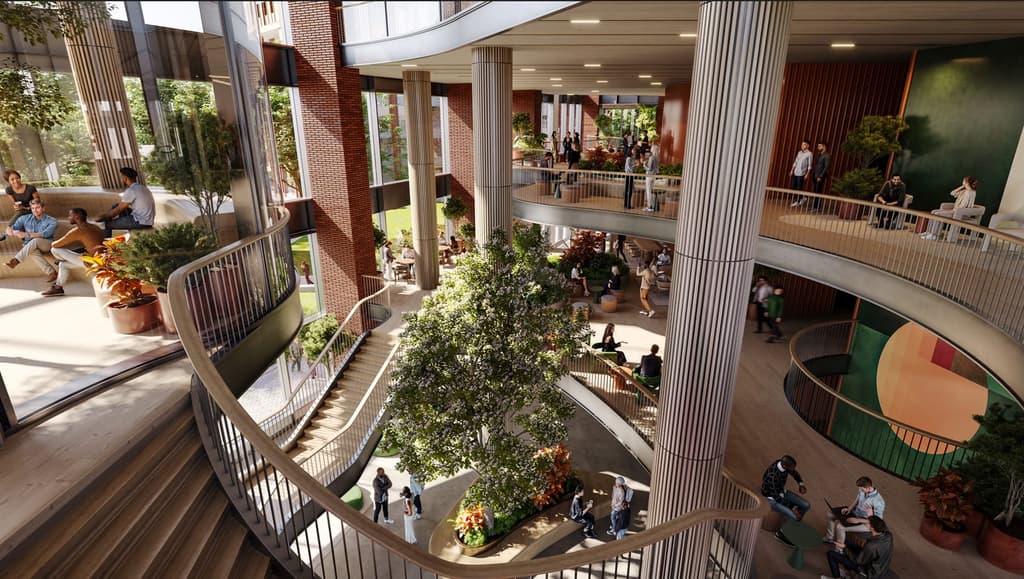
Older generations benefit from cross-pollination as much as younger, social types. ‘We have thought very deliberately about how the built environment can help tackle loneliness and isolation,’ says Blair. ‘The value of a multigenerational workplace is not simply that five generations can occupy the same building, but what becomes possible when they interact.’
Blair takes a more nuanced approach to delivering a multigenerational workplace — one that considers values and personality as much as aging biology. ‘People arrive at the office with different expectations of how they want to work, often influenced as much by their stage of career as their generation. And those expectations are being shaped not just by the largely predictable patterns of an individual’s lifestyle choices over time, but by a wider evolution of social norms and attitudes towards work.’
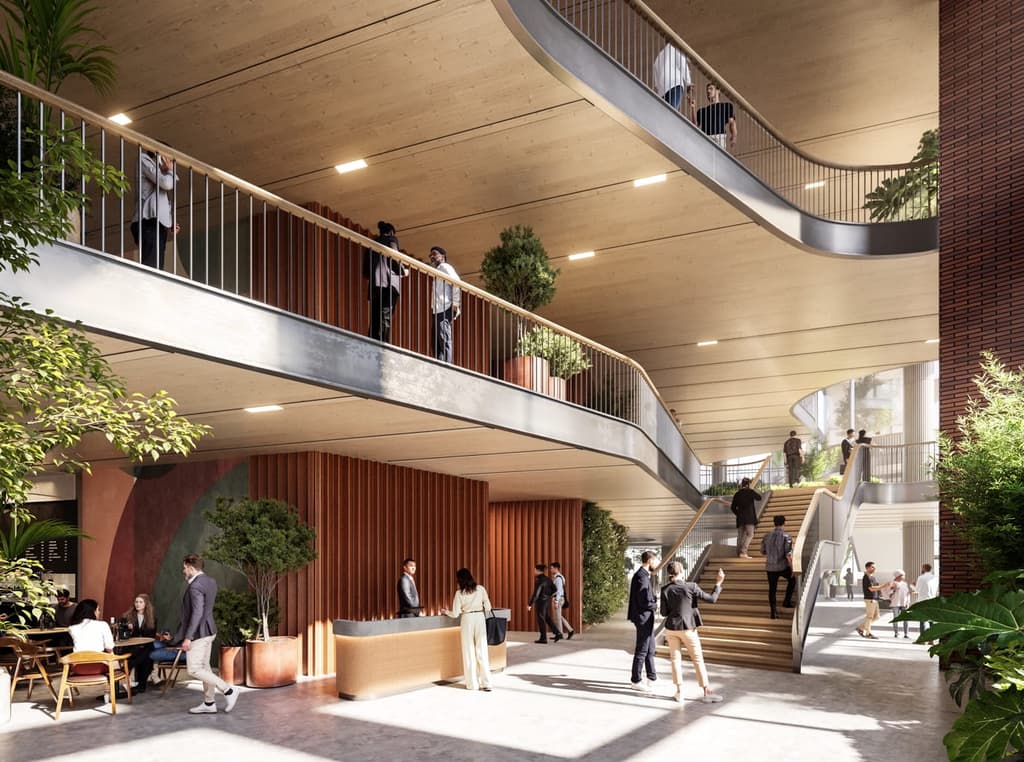
For younger workers in particular, the conventional link between career progression and time spent in the office is being challenged. ‘If you are starting your career now, and you know that most of us will live longer than previous generations,’ says Rebecca Robins, ‘you may not want to work for a law firm the way people used to. You might decide that spending 90 percent of your week at the office is not for you. And for good reason.’
‘We are all labelled. Millennial. Generation X. Gen Z,’ says HLW’s Turner. ‘But at various points in our lives, we all need different things. The more we understand that, the better we will get at delivering multigenerational workspaces.’
In fact, she says, it’s already happening. ‘Ten years ago we had a “rack and stack” approach to offices. But that’s changing fast and the days of designing one space for all? They’re well and truly gone.’
Read next: How will domestic architecture reinvent itself?
‘There should always be a book within arm’s reach’
Related stories

Newsletter
Want news delivered to your inbox?