You don’t get many furniture designers who come from the world of experimental theatre, but that’s who Pierre Sala was: an actor, director, dancer and scenographer who made as much of an impression as a performer as he did with his furniture. But you can see the through line. The pieces Sala designed in the wings of his short career entertained a captivated audience and told stories, just as his creative movements and gestures held meaning.
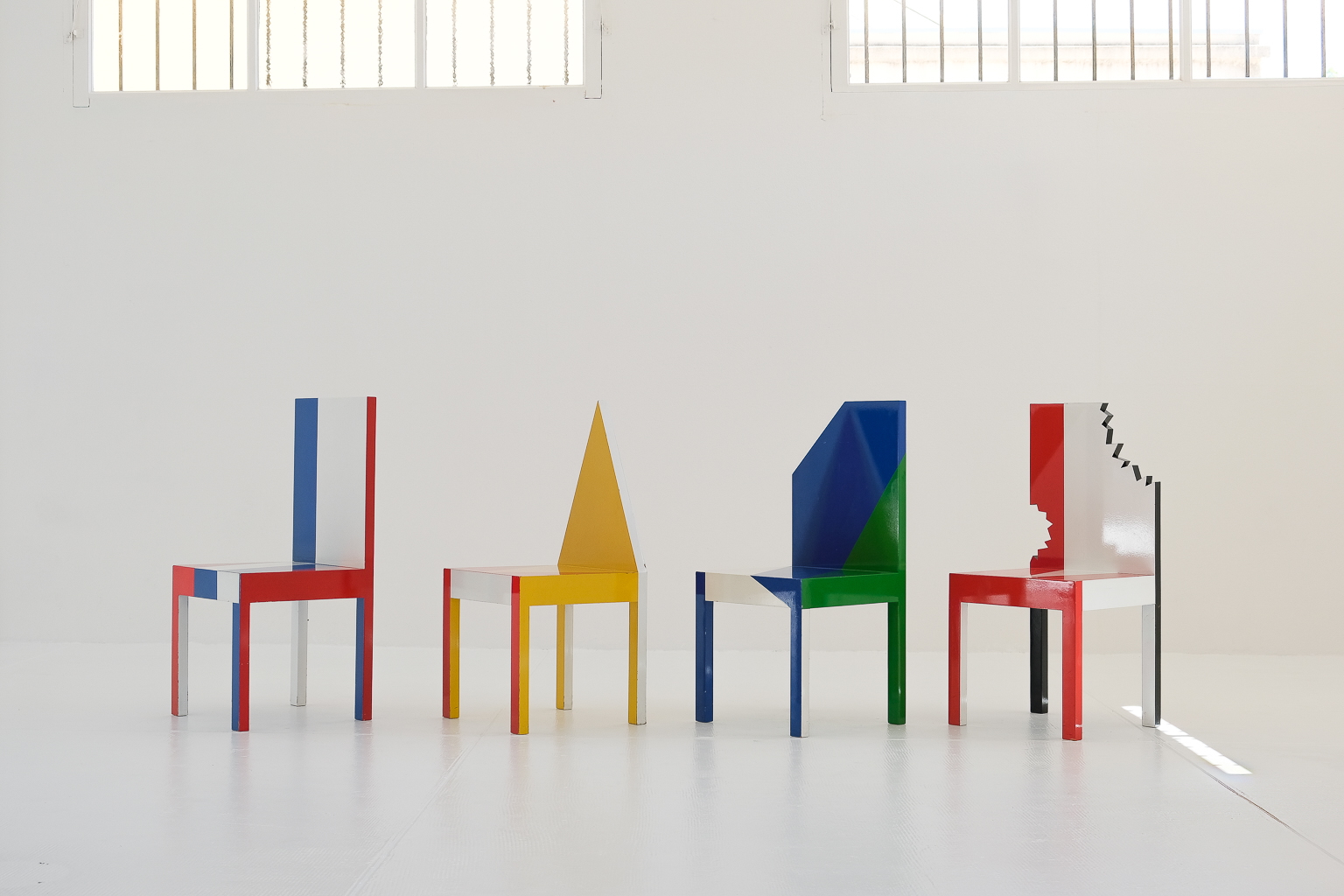
The Parisian was 30 in the late 1970s when he began to tiptoe into the wood shop — in an atelier he kept on a floor above the theatre. It made sense. As he said, ‘The theatre loves shortcuts, abstraction, distortion, derision, madness, humor… My desire to create furniture stems from the same approach.’ Upstairs, he dreamed up bold graphics for simple, upright lacquered-wood kitchen chairs. The easy geometries and complementary colour pairings resembled maritime signal flags, or those used in semaphore. They were minimalist, fun and impactful — more so when he trialed his first Piranha chair, a red and white number with zigzag cutouts recalling a chomp from a maneater. The Piranha comes up for sale only occasionally at antique shops in France, most recently at Remix Gallery in Paul Bert Serpette in Paris.
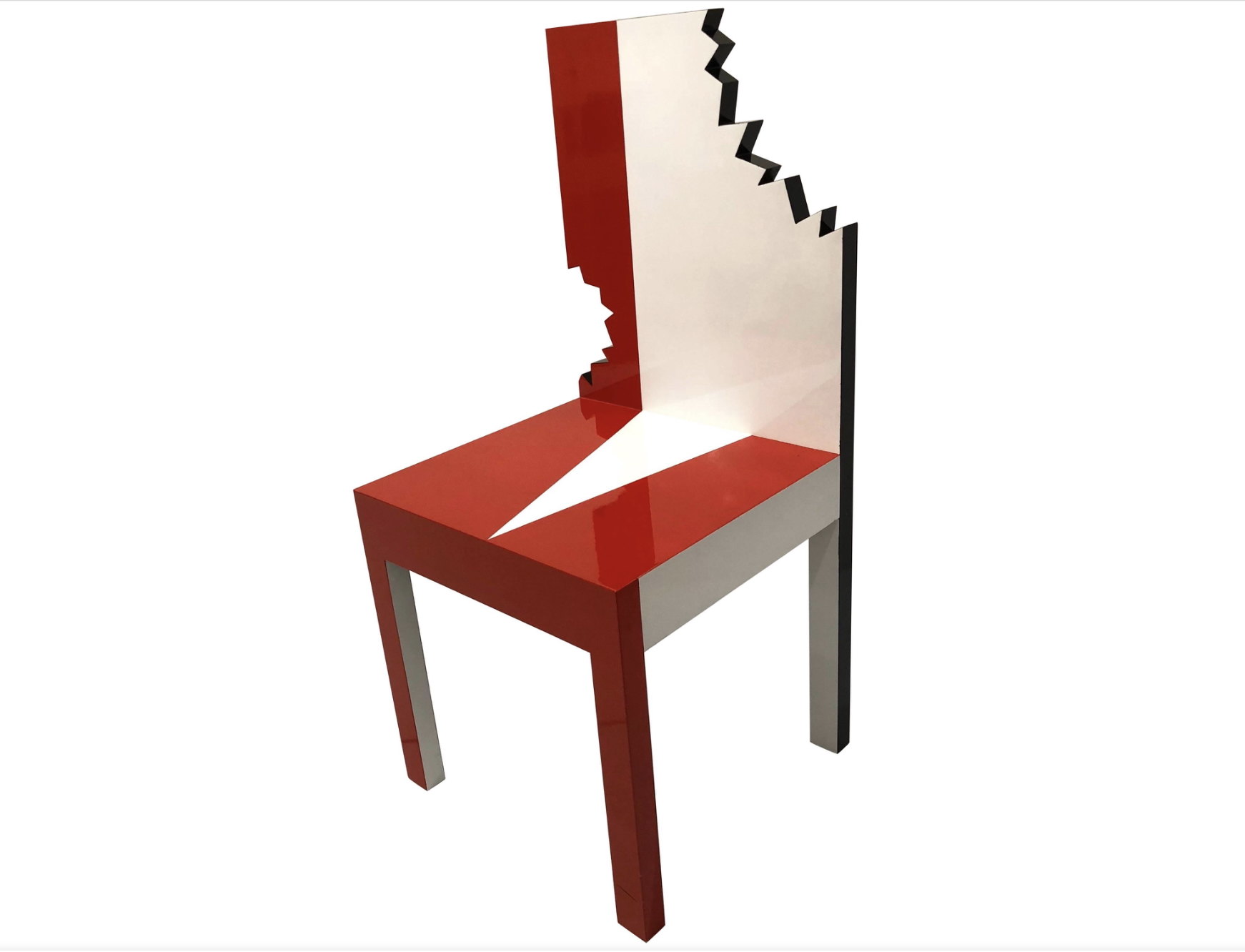
‘I find his approach particularly compelling because he came to furniture through theatre and scenography,’ says Thibault Lannuzel, an art historian and antiquarian who runs the 20th-century design shop Dizagn. ‘His chairs are not merely functional objects — they have the presence of characters, combining humour, narrative and a very distinctive sculptural vocabulary. His work occupies a singular place in French design of the 1980s and, in my opinion, remains insufficiently documented.’ Lannuzel is offering a 1983 Poisson Pilote chair at €4,000 through Dizagn.
‘Joy is a key element in his design,’ agrees Ulla Jahn of the Hyères design gallery AntiBeige. She currently has in stock four rare Sala chairs acquired from a German film director who owned them for 40 years and moved with them from Germany to the Côte d’Azur.
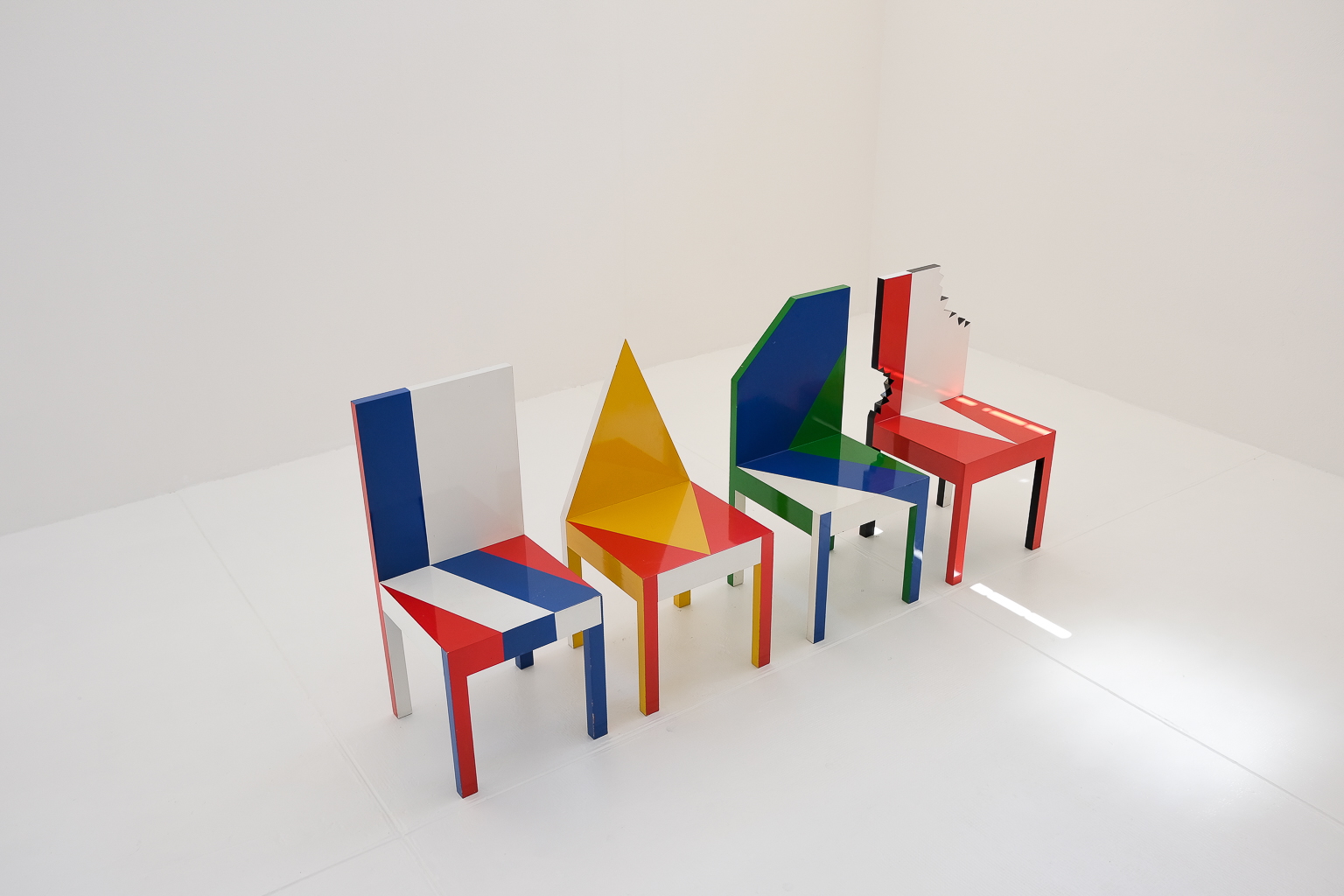
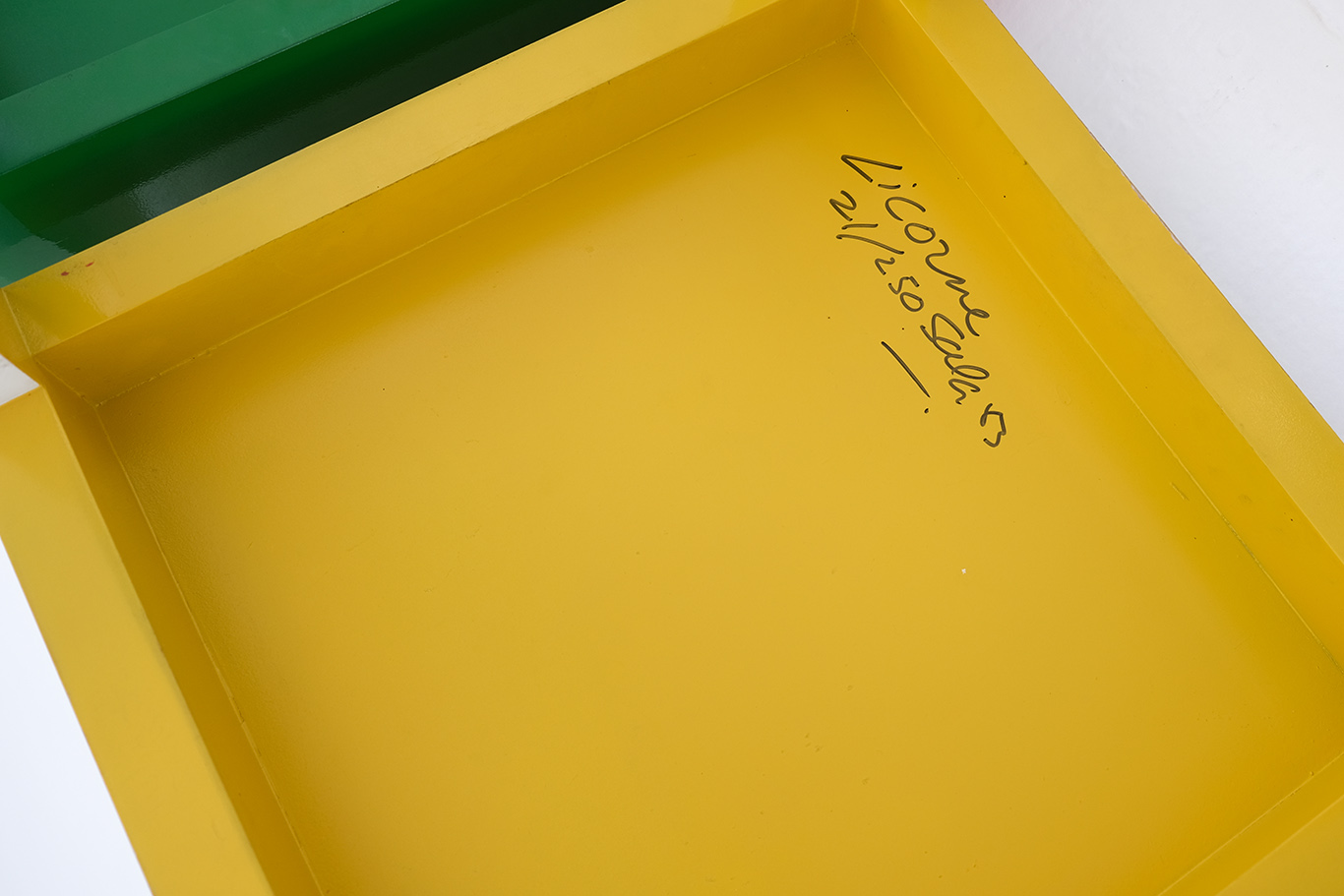
Showing that first collection of chairs at an international design fair in Cologne, in 1983, Sala established himself not only as a designer but a postmodern pop sculptor who used functional wood as his medium. When, earlier that decade, the French ministry of industry launched its VIA initiative to commission, support and market innovative design, they gave Sala carte blanche to create.
He responded with the maverick Clairefontaine desk, designed to resemble a spiral-bound notebook atop four pencil-shaped legs. It came with a matching stool and was categorised as children’s furniture for decades.
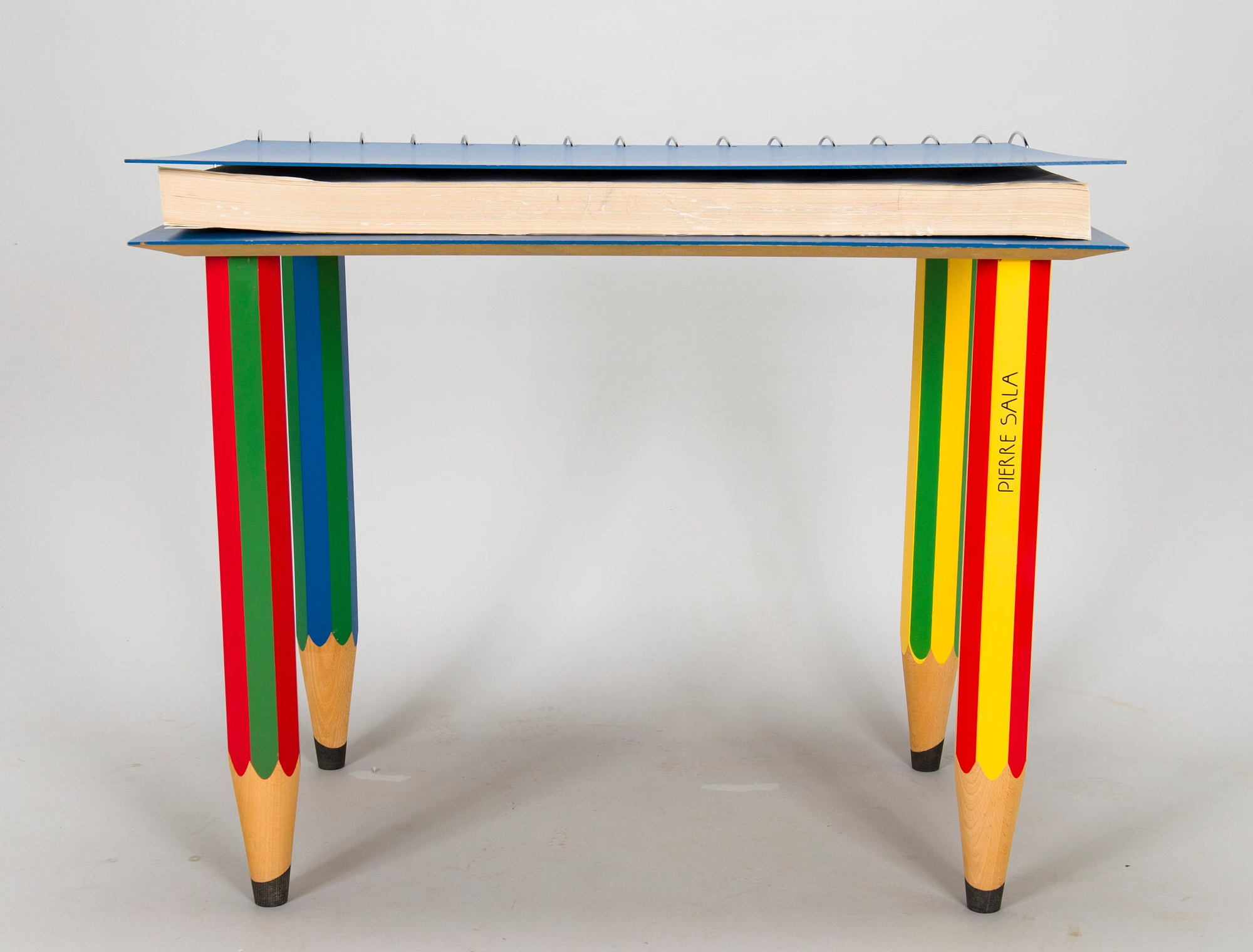
Produced in limited editions, Sala’s pieces were instant icons — well respected yet increasingly rare, as they were snapped up and zealously hoarded. The Pompidou kept a table and the taller Nids D’Aigle étagère (held up with pencil-shaped columns, natch); the Centre National des Arts Plastiques acquired a small cache of chairs and a desk. Yet as the 20th century closed out, they were appreciated by few. Sala sadly passed away in 1989, aged 41, leaving behind untold ideas for more. His name never acquired the universal heft of, say, Pierre Paulin, Philippe Starck or the Memphis designers with which he was erroneously associated.
Until now. In 2022 the Musée des Arts Décoratifs in Paris included Sala in an exhibition about 1980s fashion, design and graphics — and rightly so. Then, in 2024, the boutique publishing house Editions Hors Champ put out a monograph by design authorities Ivan Mietton, Pierrick Lonjou and Théo Caviezel, celebrating Sala’s diverse career.
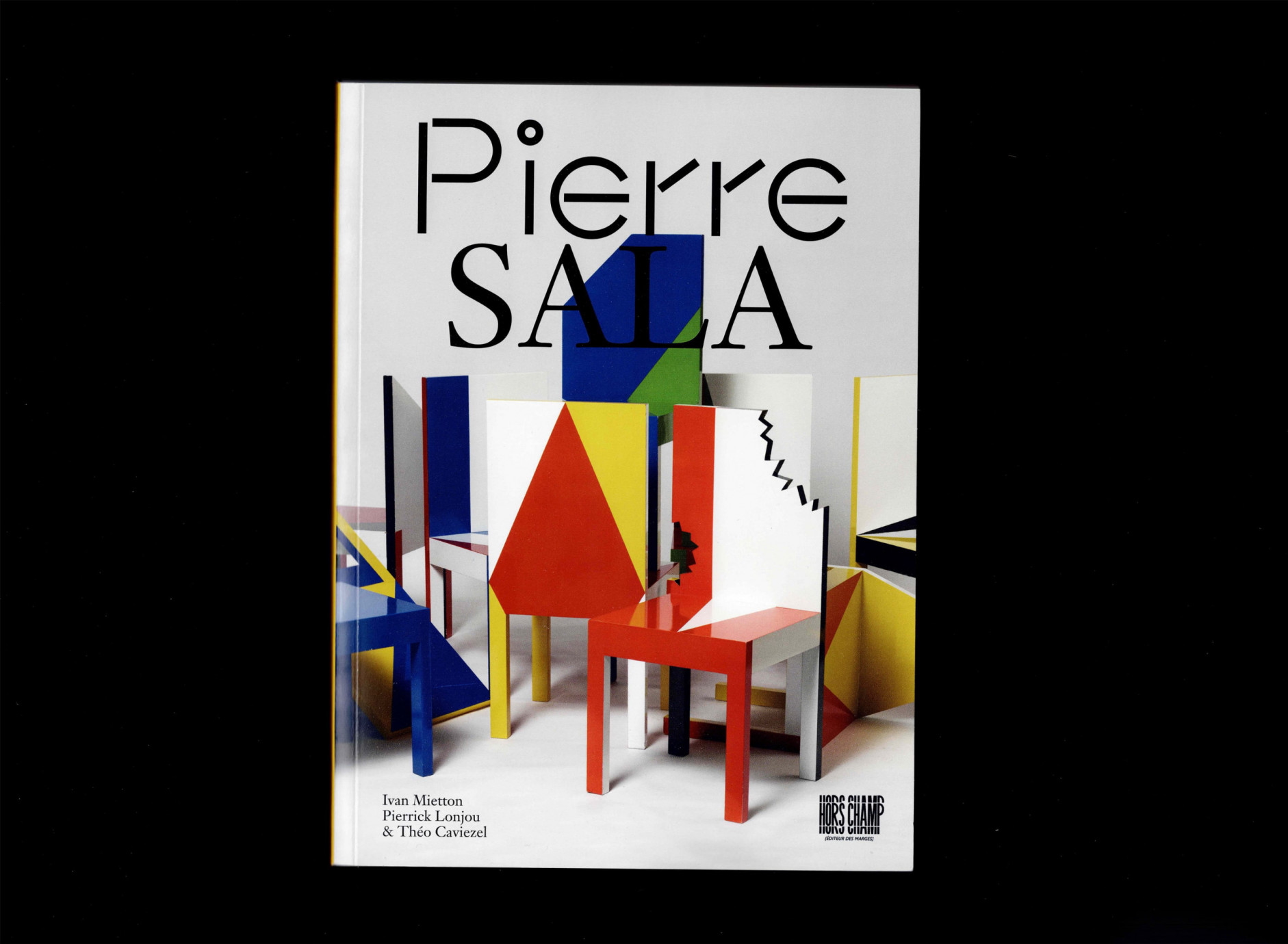
It captivated a new market of consumers who buy out the stock of European dealers like Olivier Biltereyst of Haute Antiques in Brussels and Pulp Galerie in Paris. Both recently sold their last Sala chairs, aptly named Rare Bird and Unicorn. Designer Alex Eagle purchased a similar version for the penthouse of the new St. Clement hotel at 180 The Thames, and praises its humour, theatricality and three-dimensionality.
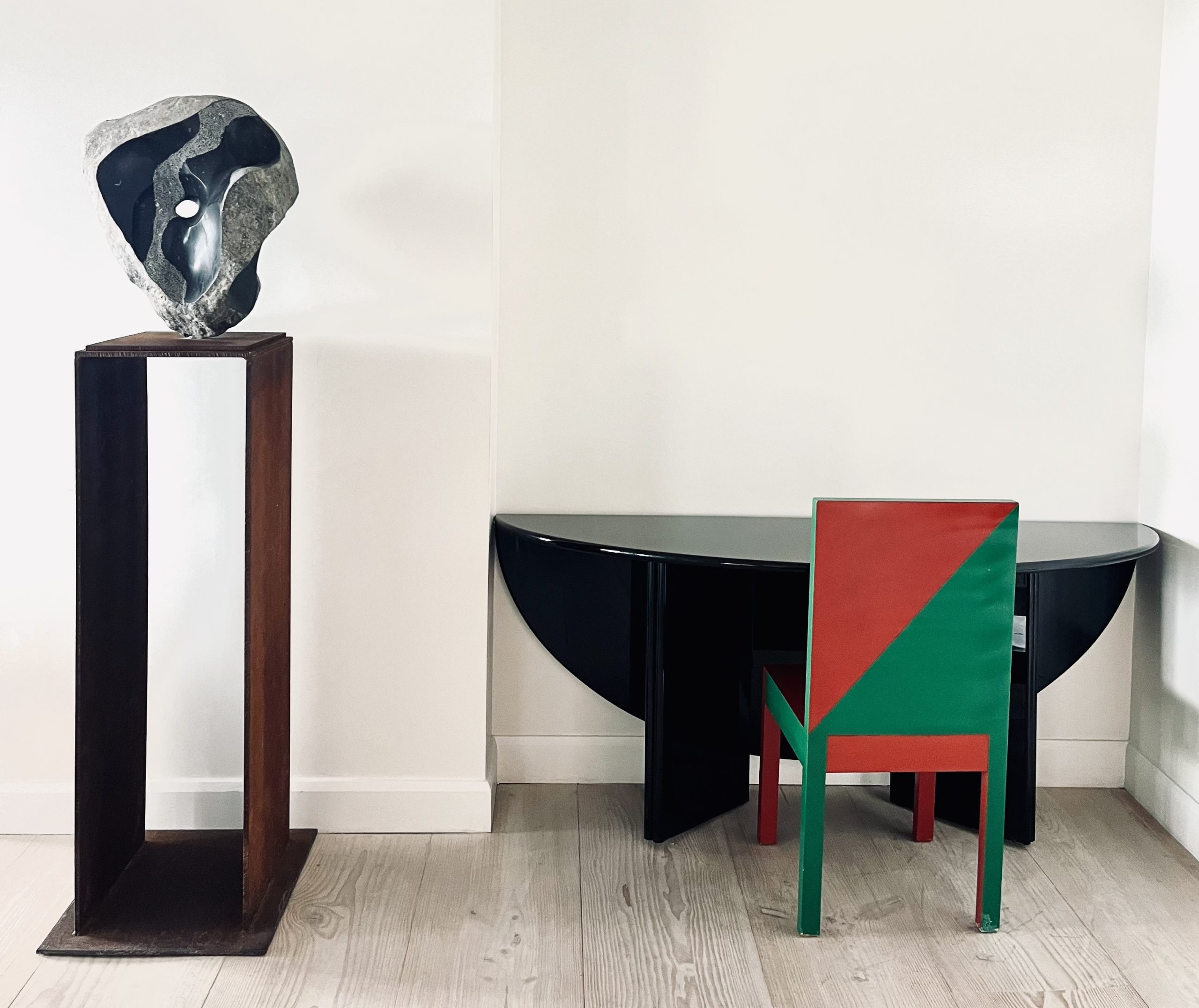
If you’re lucky enough to find one in your budget, it can elevate a neutral room, bring in an element of French carnivalcore and resurrect conversation around a brilliant player in 20th-century design.