They constitute a new generation of cultural gatekeepers: sites like Collagerie, Abask and Maison Flaneur are online shopping experiences for discerning customers on the hunt for must-have tableware and one-off objets. Delivering convenience, curation and credibility in a single click, many have been founded and backed by creative industry powerhouses, from former Vogue fashion editors to luxury buyers and stylists. And they feel more like lifestyle magazines than online merchants, because they’ve deliberately rejected the purchasing paralysis that comes from unlimited choice.
What you see on these sites is an edit. Every item is hand-picked through a rigorous process by someone with a keen eye and an unrivalled contacts book. A curator, in other words. And therein lies the key to success. Because while online sales make up 30% of the global luxury market today, compared with 12% in 2019, according to management consultant Bain & Company, the power and influence these sites wield is not primarily down to numbers. They operate in the niche world of je-ne-sais-quoi, where access to exclusive items speaks volumes.
Take Abask, a platform for high-end, craft-focused homewares. More than half its offering can’t be found on any other site. Why? Because founders Tom Chapman and Nicolas Pickaerts, both veterans of Matchesfashion, built a direct line to some 400 makers and brands across the globe. They now work alongside an equally well-connected team of buyers, editors, stylists and e-commerce minds from luxury retail, design and interiors.
It’s a similar story at Collagerie, a high-end fashion and interiors platform. Set up in 2019 by Lucinda Chambers and Serena Hood, former British Vogue fashion directors, it exudes a rare authority that comes from decades of industry experience, reputation and influence.
‘We are drawn to these platforms because of their in-house expertise and trusted experience of those at the helm,’ says Stephanie Crosland-Goss, a former Tate curator who founded the art-buying platform Interrupted Art. ‘These are people who have spent years searching for objects from around the world. They investigate who the best artisans and craftspeople are, so we don’t have to. They create a shortcut to elevated taste.’
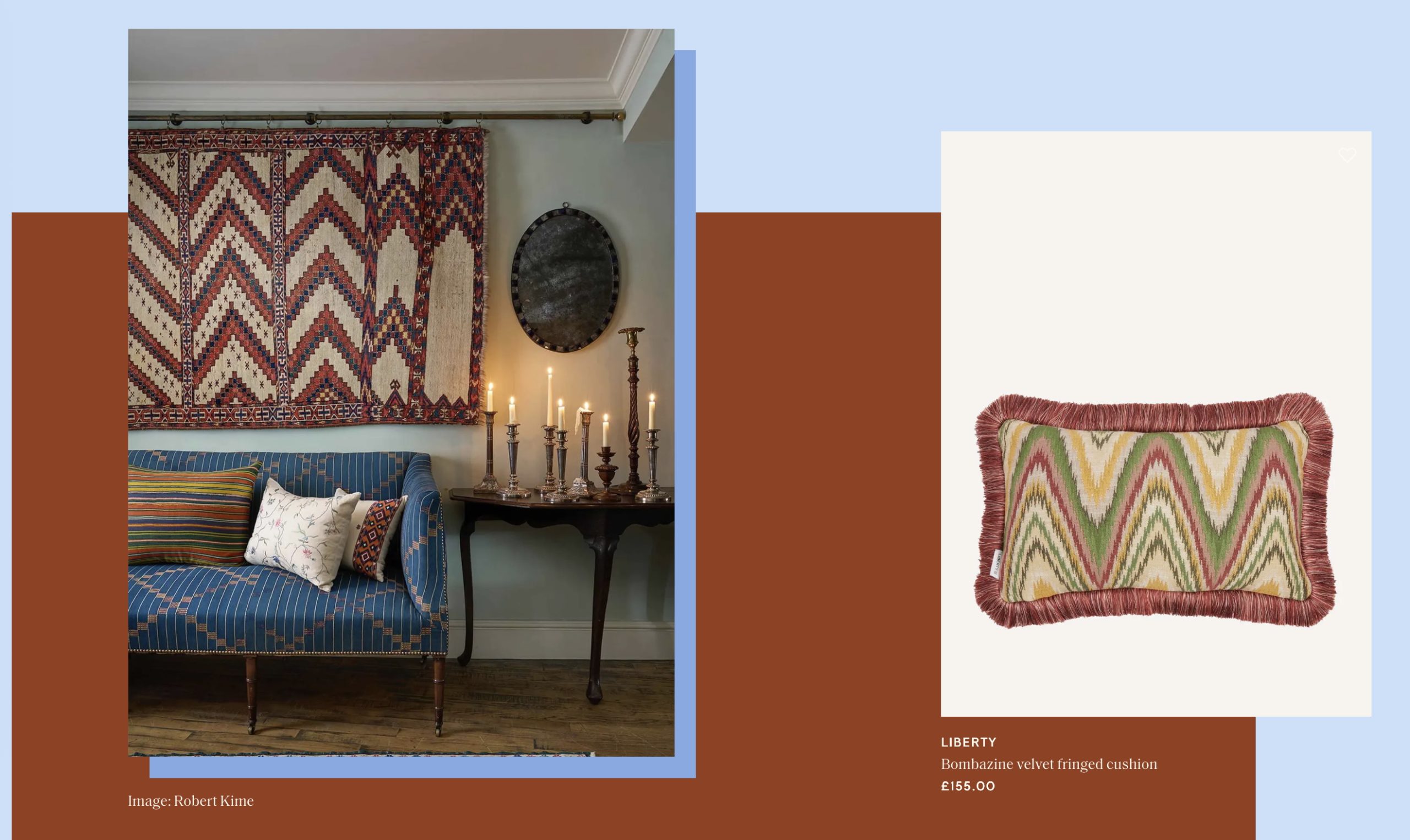
Given not all elevated tastes are the same, another defining characteristic of these platforms is how they position themselves for target markets. While Abask caters to buyers seeking a strong sense of artisanship and provenance, The Oblist is known for its trove of collectibles. Maison Flaneur, meanwhile, specialises in sourcing homewares inspired by hospitality and travel. ‘We follow our nose through quiet alleys and independent ateliers to bring back objects that feel alive,’ says founder Dionas Sotriou, a Greek entrepreneur and creative director. ‘We aren’t here to push panic-buys or mass-produced beige rooms.’
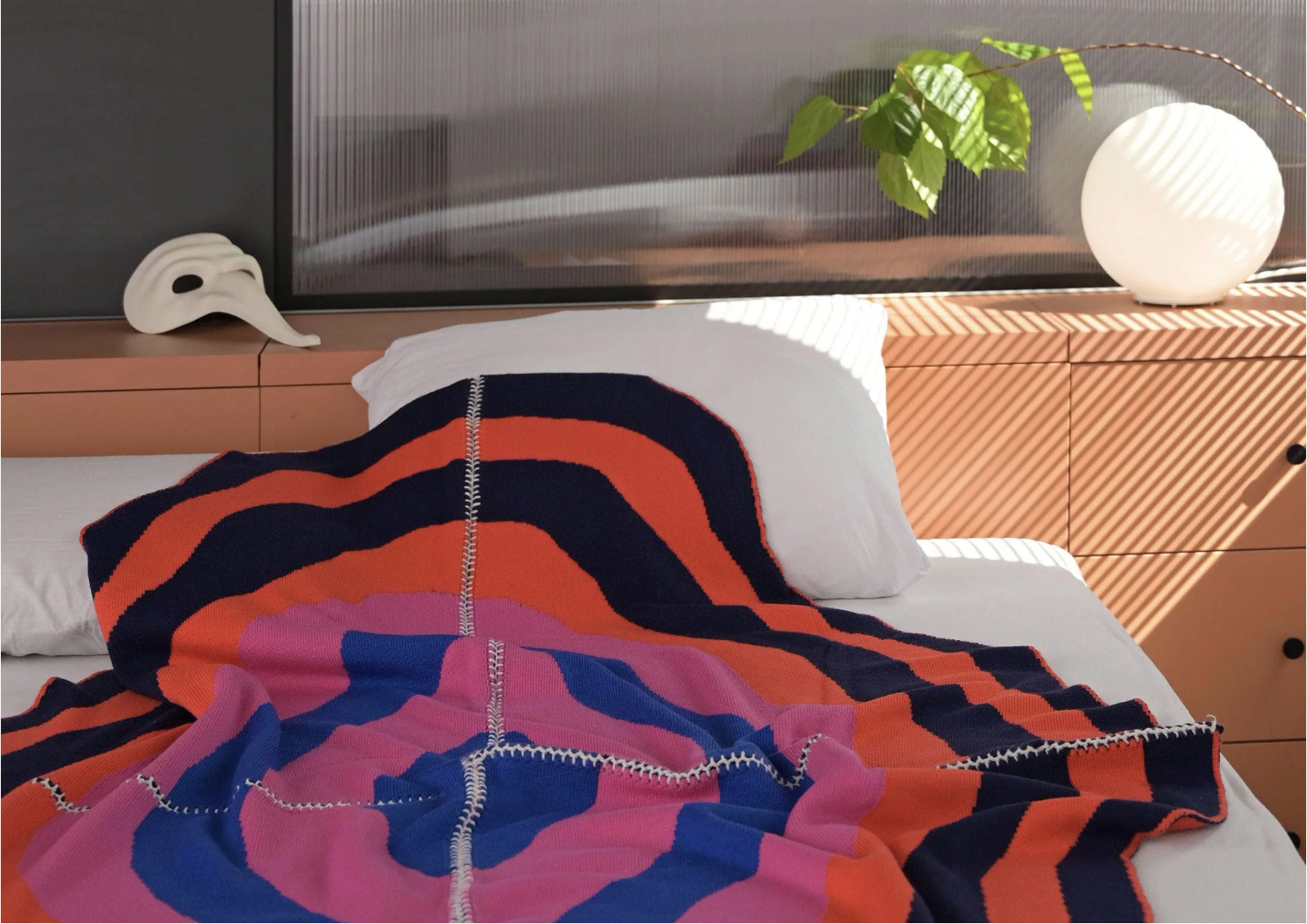
Gradually, curated e-commerce sites have found a way to narrow the focus even further, taking a specialised niche, owning it with their knowhow and eliminating the retail go-between. Voi Collective concentrates almost entirely on curated tableware. ‘I had so many friends moving into their first homes and wanting to make them beautiful, but the price of basic tableware was obscene,’ says Alexia Kyriazi who founded the platform in 2024. ‘They wanted the look and not the price tag, so we thought why not try to find the designers and minimise the mark-ups.’
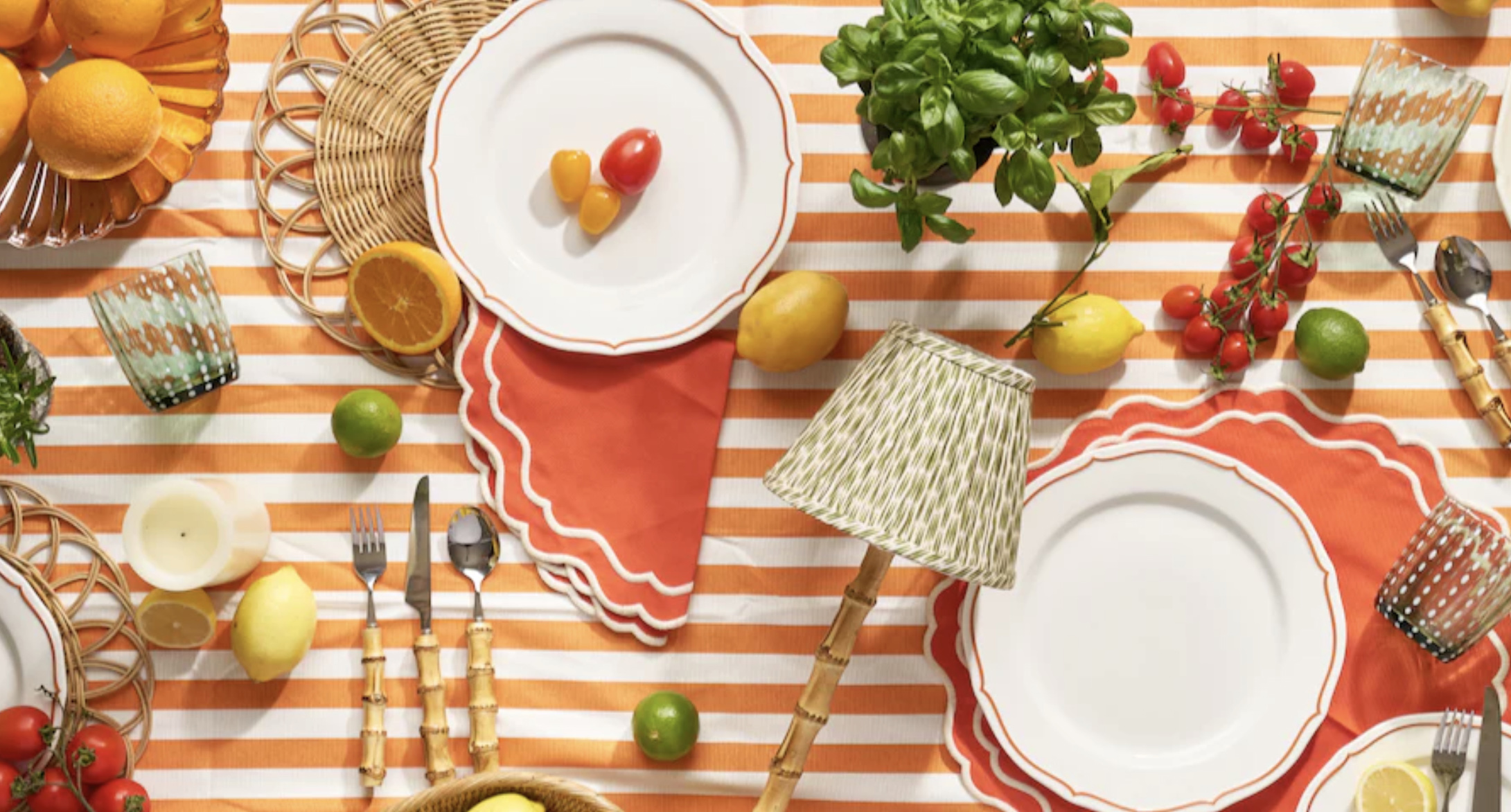
Business models vary. Some, like Collagerie, rely on affiliate commissions. As in the media lifestyle pages, where links jump to third-party retailers, Collagerie requires customers to click through and complete the purchase on the product’s own platform, and earns a commission for recommending the sale. That revenue stream is bolstered through brand partnerships. Abask, on the other hand, operates an owned-stock model, working directly with makers, artists and heritage brands to curate and buy collections direct.
‘As a retailer, rather than a marketplace, we are in a position to directly support each of our makers by buying and holding the stock,’ says buying director Bryony Sheridan.
Both models appear to serve the platforms well. Abask is reporting a 300% growth rate year-on-year while Collagerie reported 88% growth in turnover between 2021 and 2023. Success has come from straddling the line between magazines and retail. In a clickety-click world, they’re streamlining the process of getting the right stuff into the right place at the right time. After years of algorithms, targeted ads and endless scrolling, luxury consumers are rejecting online overwhelm in favour of exclusivity built on trust.