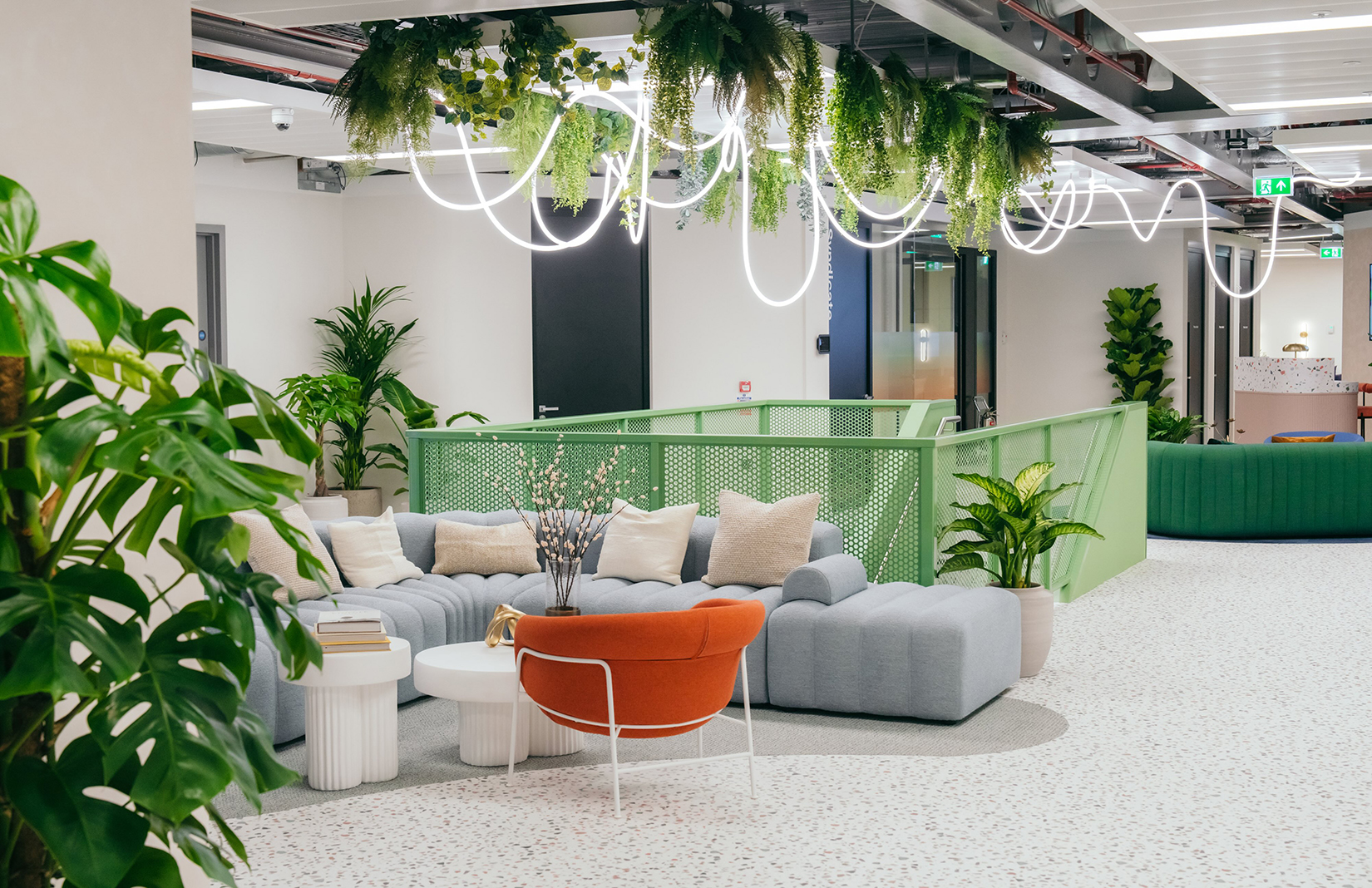
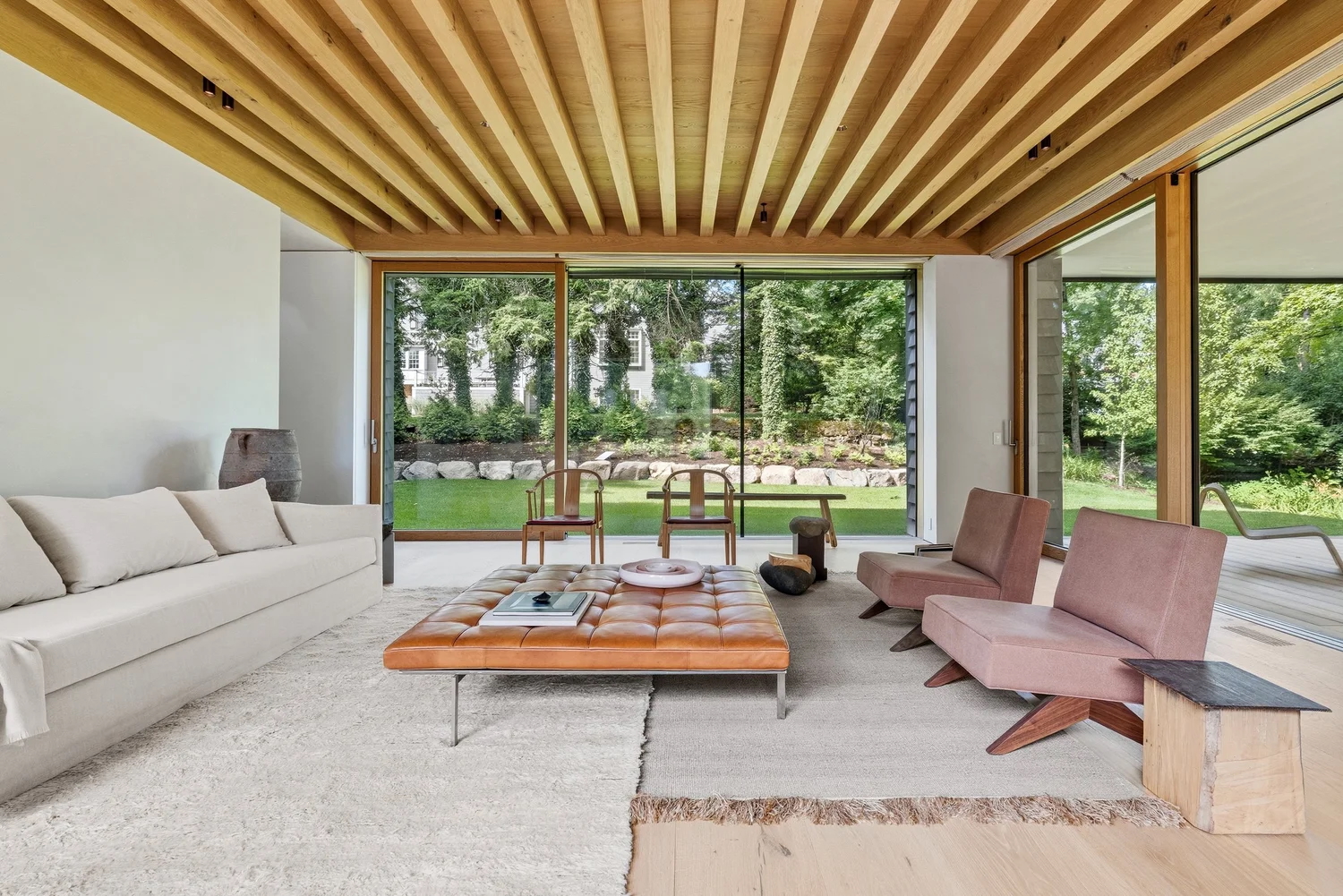
If one design trend has defined the modern workplace over the past decade, it’s ‘hotelisation’. Characterised by hospitality-led interiors, the look goes beyond low-level task lighting, informal seating and relaxed, publicly accessible reception areas. Enhanced service offerings and premium amenities have transformed offices into more than just places to work. Today they are branding statements and powerful recruitment tools.
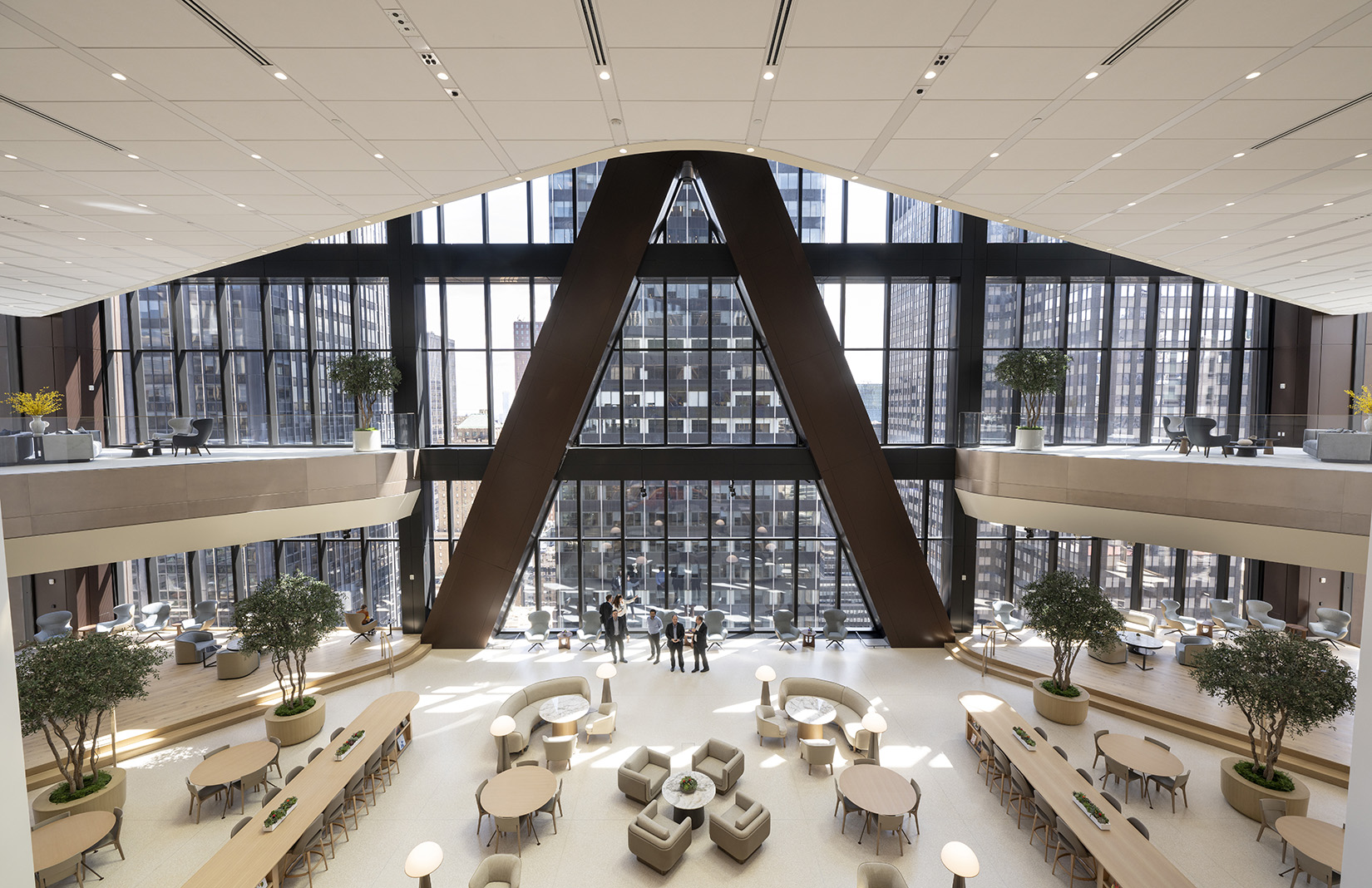
The launch last week of Foster + Partners’s global headquarters for JP Morgan Chase — a ‘£3bn monument to work’ in Manhattan — is a case in point. Boasting everything from spin rooms to drone ports, a Michelin-star vegan restaurant and a café serving protein shakes, the 60-storey Park Avenue tower isn’t merely a place to house 10,000 bankers but to attract and retain them. ‘A workplace needs to be a destination,’ says David Arena, the bank’s head of global corporate real estate. ‘It needs to be commute-worthy. It needs to provide an elevated experience for employees, for clients and for visitors.’ Despite mandating this year that all employees return to the office five days a week, the employer still wants staff to want it. Nothing dampens productivity or dents employee retention more than a disgruntled workforce.
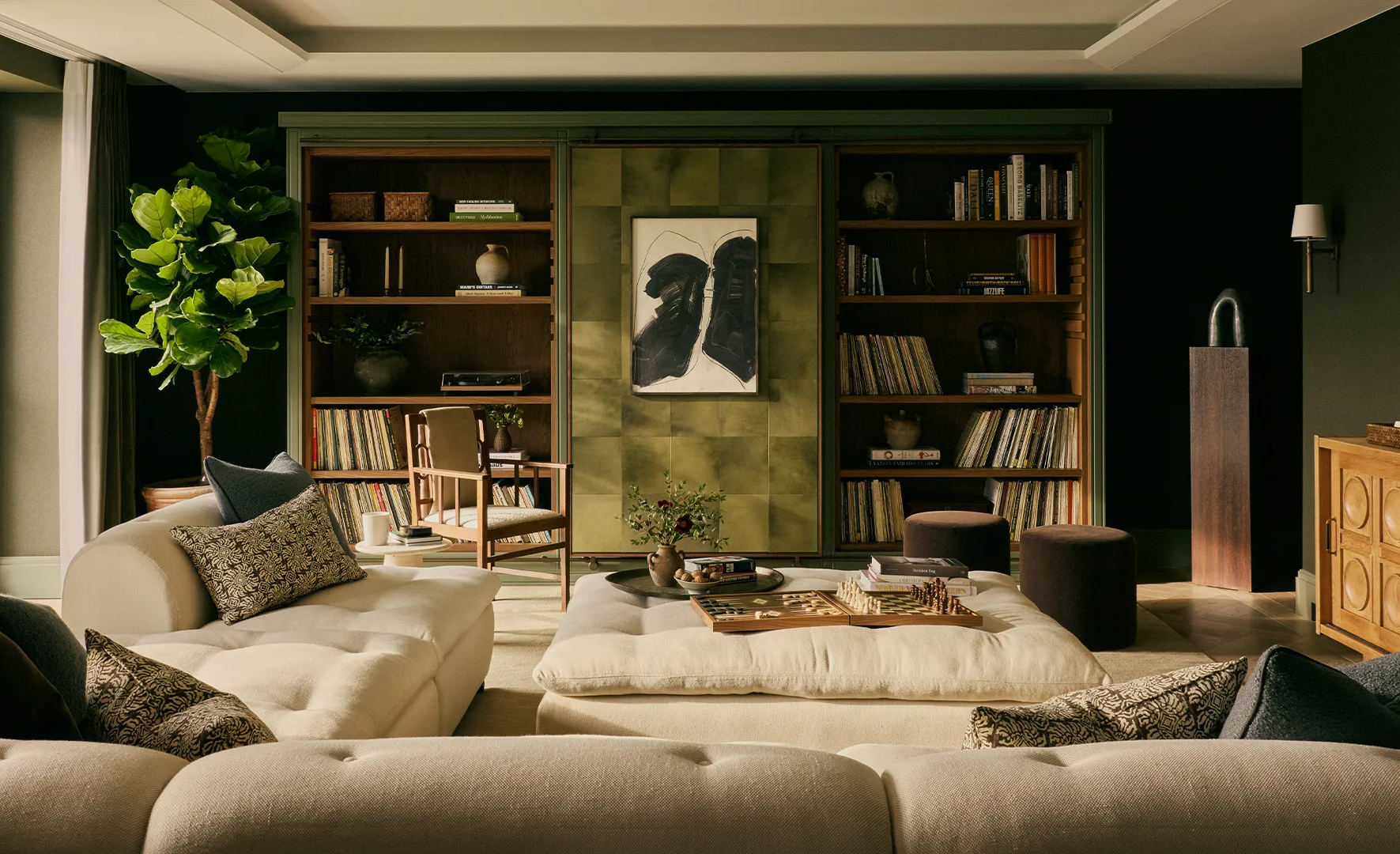
Is hospitality-led design the panacea? The world’s largest real estate company appears to think so. In September, CBRE appointed former Facebook exec and future-of-work strategist Annie Dean as its chief strategy officer. Dean is a vocal advocate for making offices worth the commute by running them more like hotels. Think homey, artfully mismatched furniture; fully stocked marble islands; on-site artisanal bakeries. ‘We need to take these physical spaces and make them live up to the promise of what an office can and should be,’ she says.
But what does that look like in reality? And who’s getting it right?
Fuelled by flex

The concept of offices as experiences has partly stemmed from the rise of co-working and flexible office space. ‘We massively increased our experience at a particular set of sites and the number of people attending those spaces three days a week jumped from 62% to 83%,’ says Tom Redmayne of Industrious, a co-working business with more than 160 hospitality-led locations worldwide. ‘We are the canary in the coal mine for the rest of the industry because experience is how we drive revenue retention.’
This isn’t about gimmicks like beer taps and ping pong. A careful curation of design features and services has stood Industrious and other fast-growing serviced-office providers in good stead. Convene, for example, launched in 2009 with a single New York location and a mission statement: ‘What if you ran an office building like a boutique hotel?’. It now has 37 venues in the US and UK with annual revenues of more than $150m. Famously hospitality-inspired, Huckletree reached full occupancy at its new Bishopsgate, London, location in just three months thanks to ‘amenities that facilitate connection’.

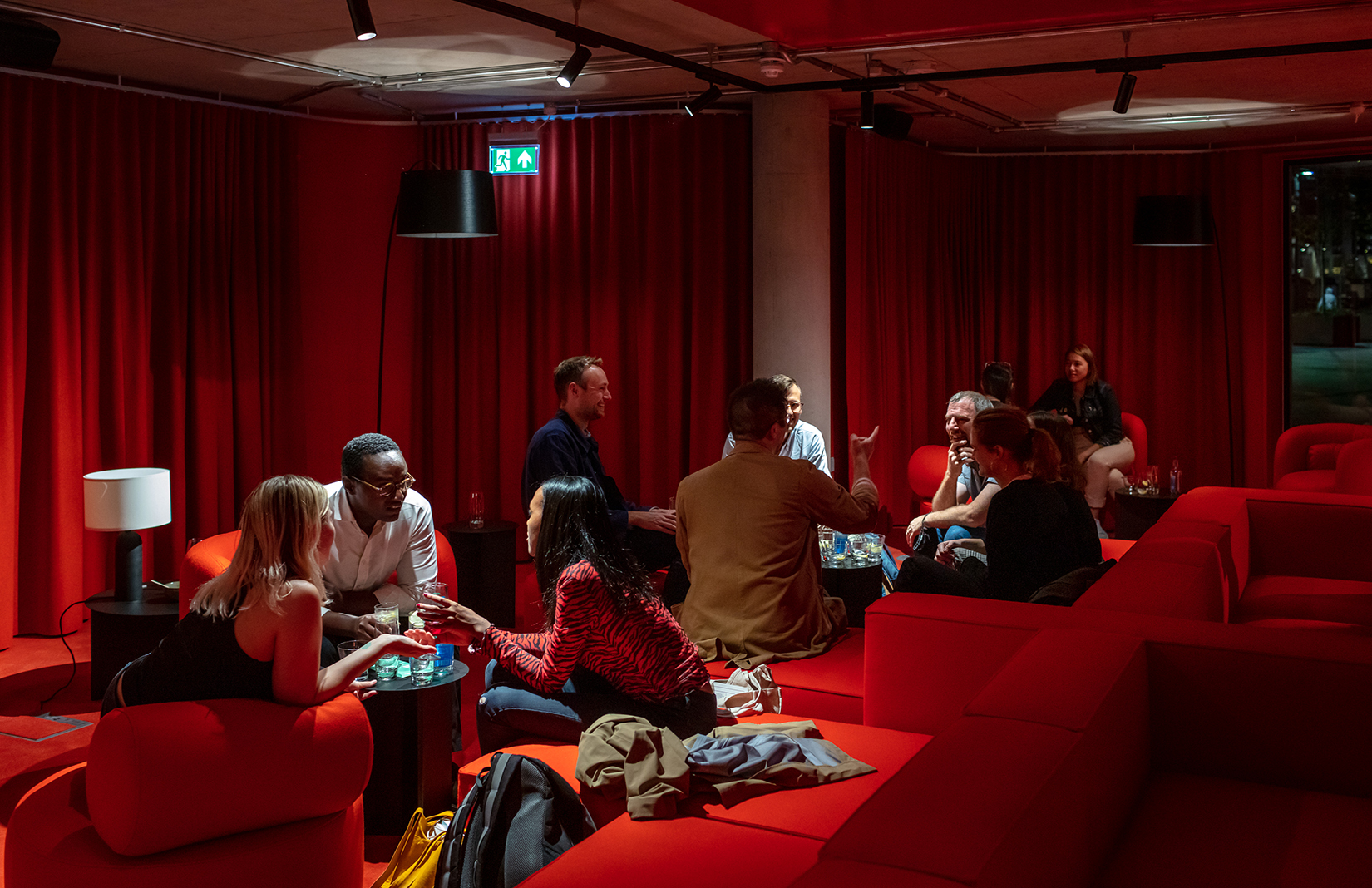
And the Design District, a campus for creative industries in Greenwich Peninsula, London, has hit 95% serviced-office occupancy fuelled by ‘clear demand for higher levels of design standards, convenience and service,’ according to Greenwich Peninsula director Laura Flanagan.

Give more and prosper
‘The shift to our offices being “more than” isn’t new,’ says Samanatha McClary, chief executive of The British Council for Offices. ‘But it’s now an expectation from occupiers and an absolute demand from consumers of the workspace. Those that make it standard practice, rather than a nice-to-have, will likely be the ones that prosper.’
Derwent London, the real estate firm behind architecturally significant office buildings like the White Collar Factory, Tea Building and Brunel Building, has spent the past five years designing and building two club lounges to anchor its 5.5m sqft portfolio: DL/78 in Fitzrovia and DL/28 in Shoreditch. Run by former cabin crew, ex Virgin Clubhouse staff and Soho House alumni, they’ve not only contributed to occupier retention and attraction but an uplift in rents. ‘We are not trying to make a profit from the lounges themselves,’ says executive director Emily Prideaux.
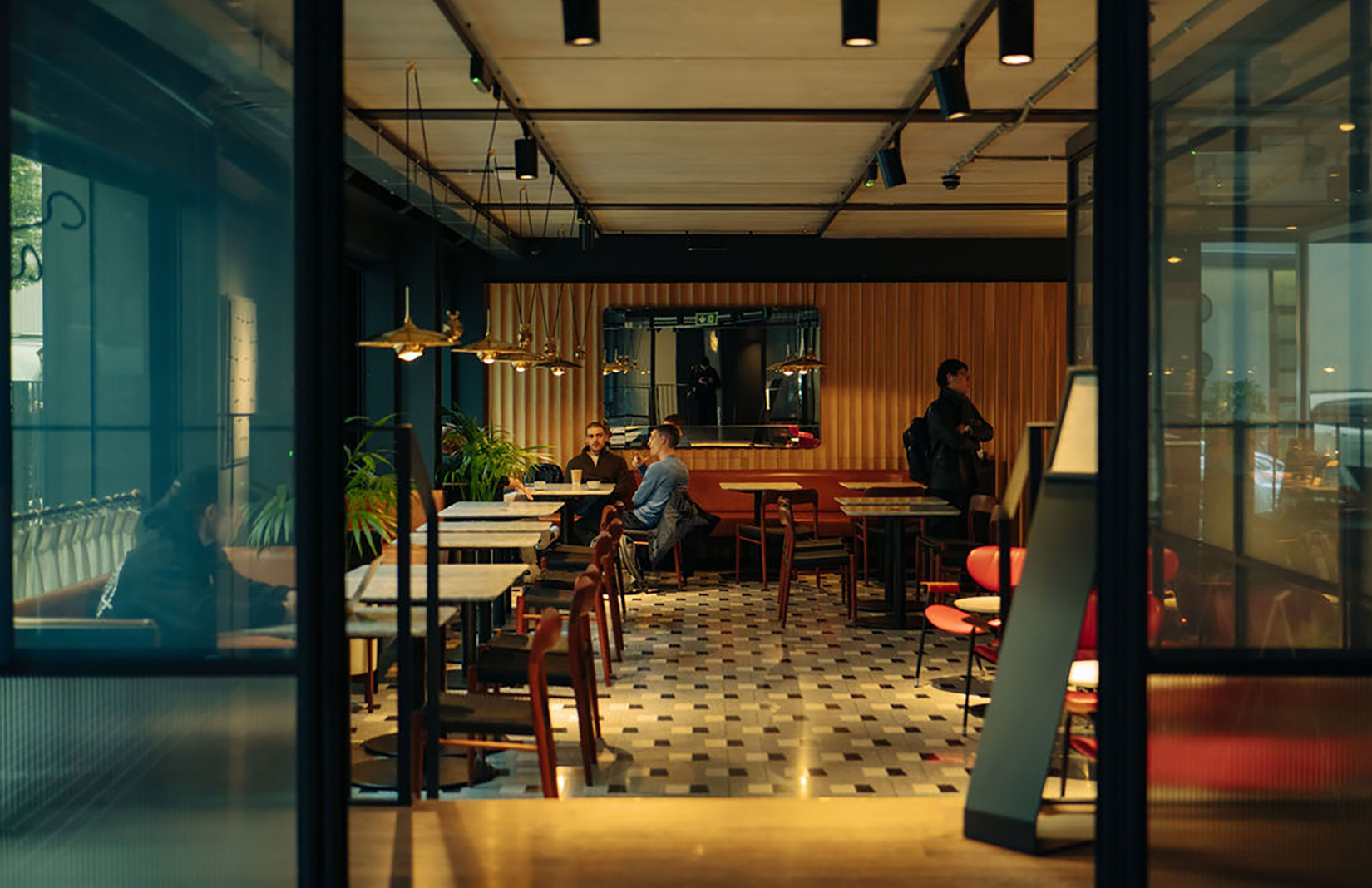
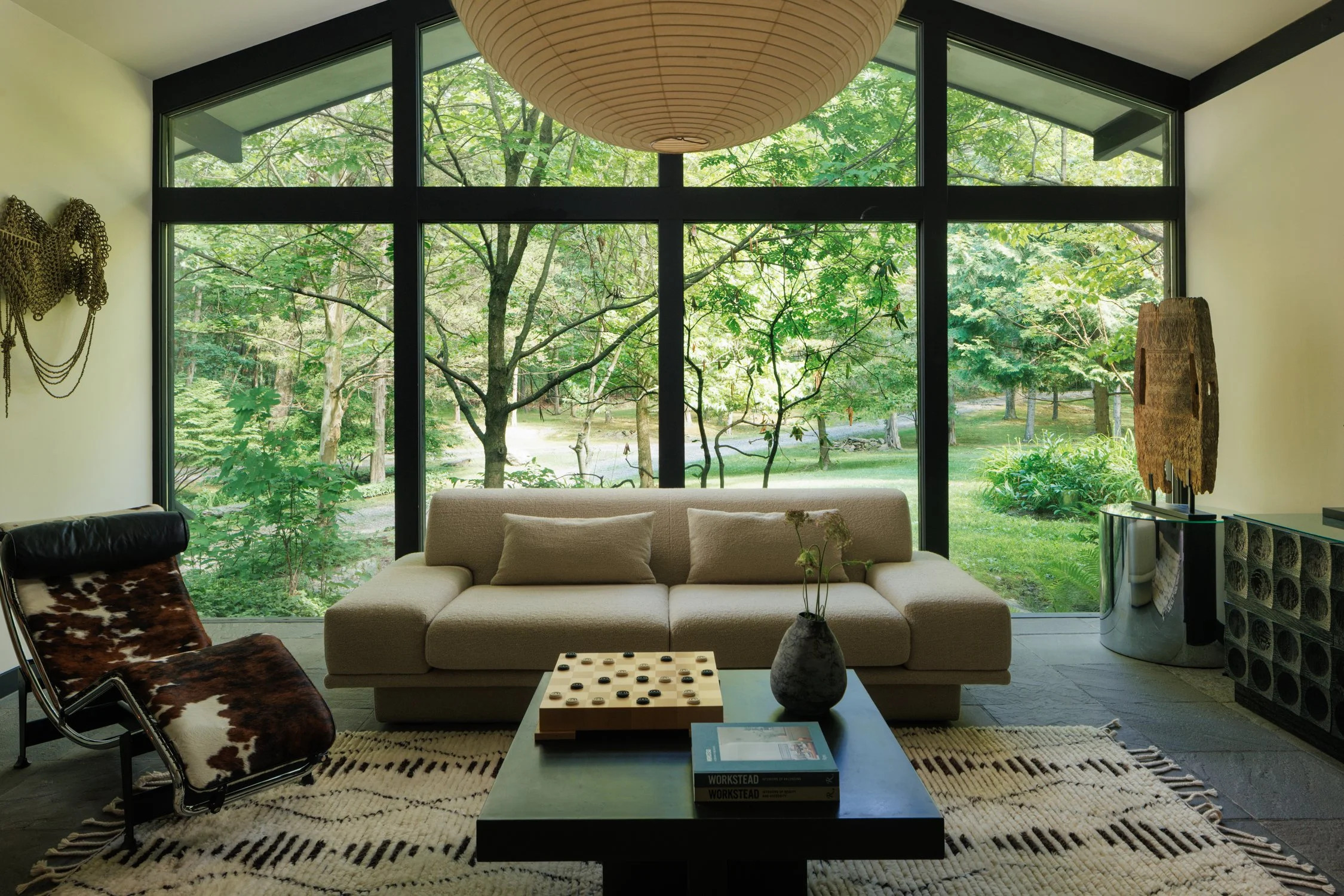
‘The value for us comes from the additional rent we are capturing across the rest of the portfolio. We are already seeing occupiers prepared to pay a premium because they know the lounge access will attract and retain talent.’ In terms of design, the lounges share timber interiors, rich, timeless palettes and warm, low-level lighting – all hallmarks of contemporary hospitality design, rather than commercial spaces.
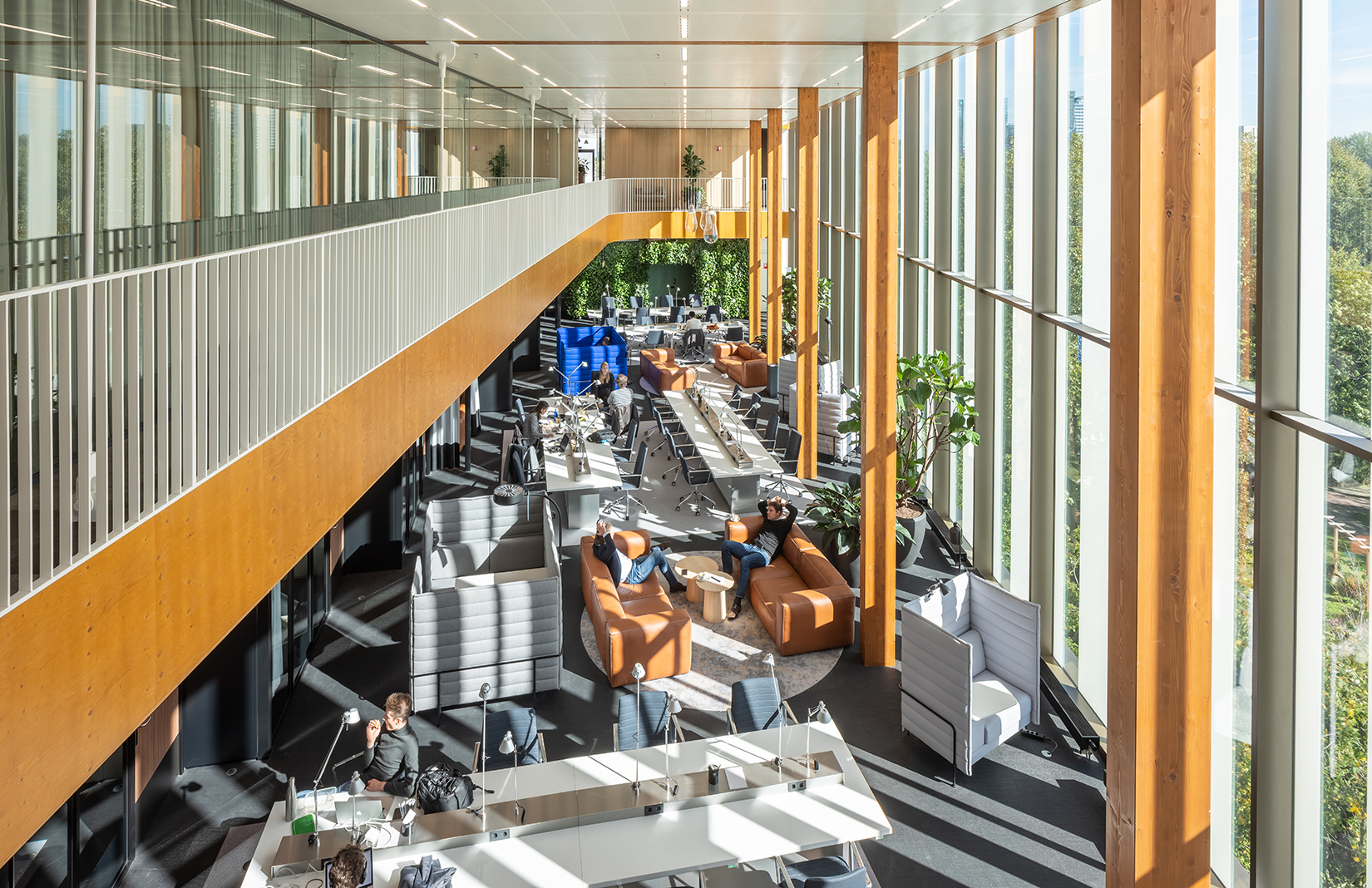
Dutch developer Edge, known for its intimate entrance halls, has also seen positive leasing patterns off the back of its hotel-style developments, reporting that 38% of new office leases cited hospitality and design as key decision-makers. ‘These findings underline how a well-serviced, people-first workplace not only attracts tenants but also strengthens their long-term commitment to the building and its community,’ says managing director Vivian Suhr.
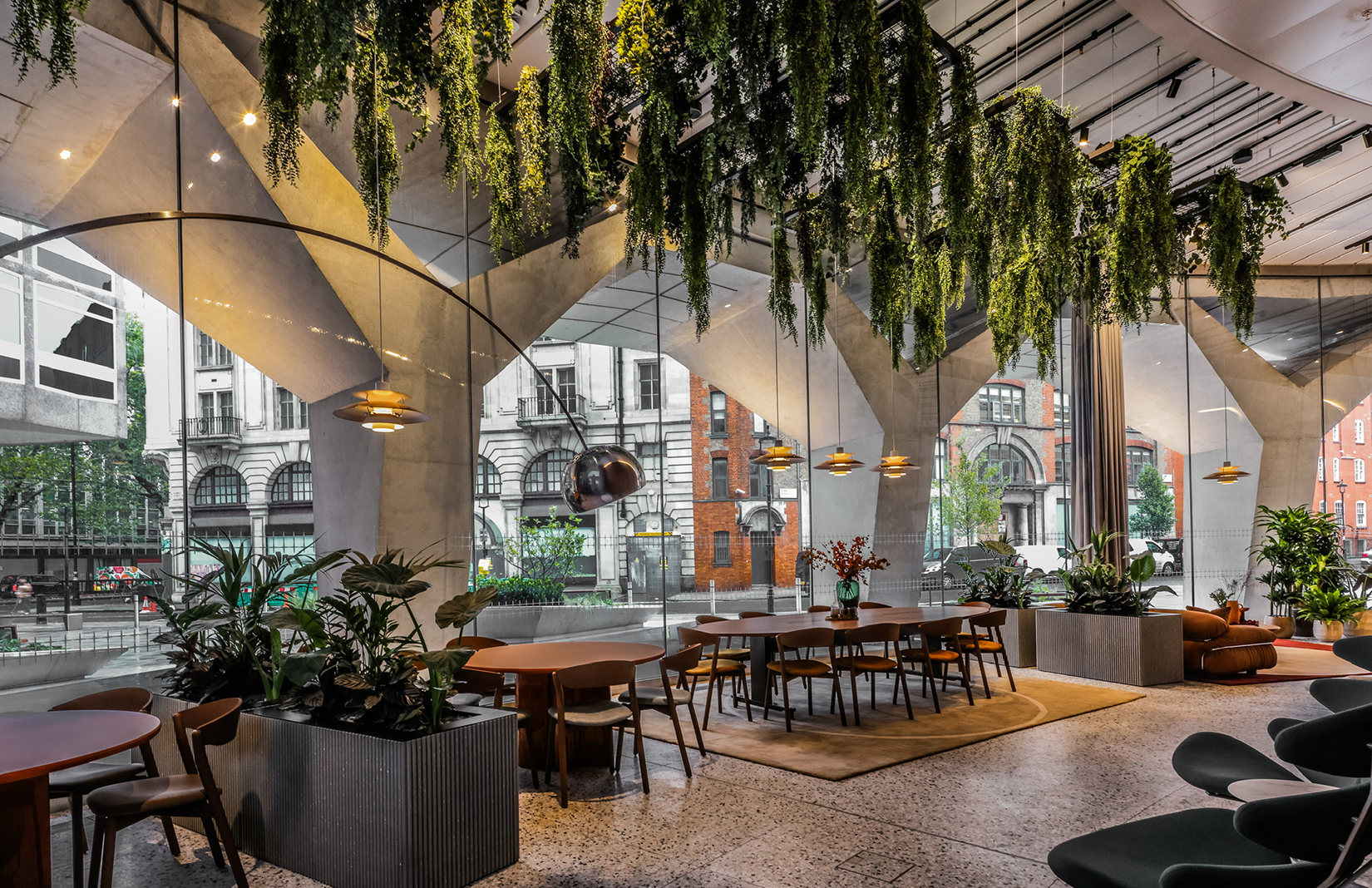
Back in London, the 77 Grosvenor building calls itself a ‘reimagination of the office inspired by the spatial flow of a five-star hotel’. Designed by TP Bennett, it let five out of seven floors within three months of completion — and at record rents exceeding £200 per sqft.
Habitats for humanity
Some argue the hospitality-led workplace belongs to a broader concept — the humanisation of office space. ‘To unlock value, it is essential to reframe the workplace from a cost to control into an experience to elevate,’ says Despina Katsikakis of commercial property firm Cushman & Wakefield. ‘That can only be done by putting people at the centre.’
The Canadian developer Tyler Goodwin, whose firm Seaforth Land painstakingly restored Space House in London’s Covent Garden, agrees. ‘I do believe in the hotelisation of the office market but often it’s not properly integrated,’ he says ‘Some hotel-style reception areas, you go in and it’s all state-of-the-art, so you have to punch into a screen. I hate that. It might look like a hotel lobby, but the receptionist is sitting there not even engaging and there is a wall of technology between them and the customer. It needs to be about human interaction. At Space House we have two Canadians from Vancouver working on the front desk. They are incredibly personable and very chill. I like to think that naturally makes us a little more informal than people are used to.’

The most successful offices of the future will offer an intrinsically human experience, according to Redmayne of Industrious. ‘People don’t come to an office because they want to play pool on a Friday night,’ he says. ‘What they want is for someone to know they drink oat milk, not whole milk. They want someone to know their name.’