The Dinesen hardwood flooring family sells a product so robust, you’d think they’d have designed themselves out of a business by now. Their wide-plank engineered-wood floors last generations and tend to look better with age, so family homes and high-traffic public spaces tend to make them a design feature. But leaning into its reputation for durability has worked for Dinesen, particularly as it burnishes its eco credentials. ‘Dinesen is all about longevity,’ says David Thulstrup, a prolific Danish designer with a long history with the company. ‘In that sense longevity becomes part of sustainability. When something lasts, when you do not have to replace it, it supports you beautifully for generations. I believe our growing understanding of longevity, quality materials that do not need constant replacing or fixing, and reusing materials are key.’
With the company based in the hinterland of southern Denmark, it often seeks new ways of showcasing the product closer to its customer base. Now it’s found a building in Brooklyn designed by New York architects SO—IL, and enlisted Thulstrup to design an elegant two-storey home around a wide-plank oak floor. The Dinesen Apartment is available to visit, by appointment, through February 2026.

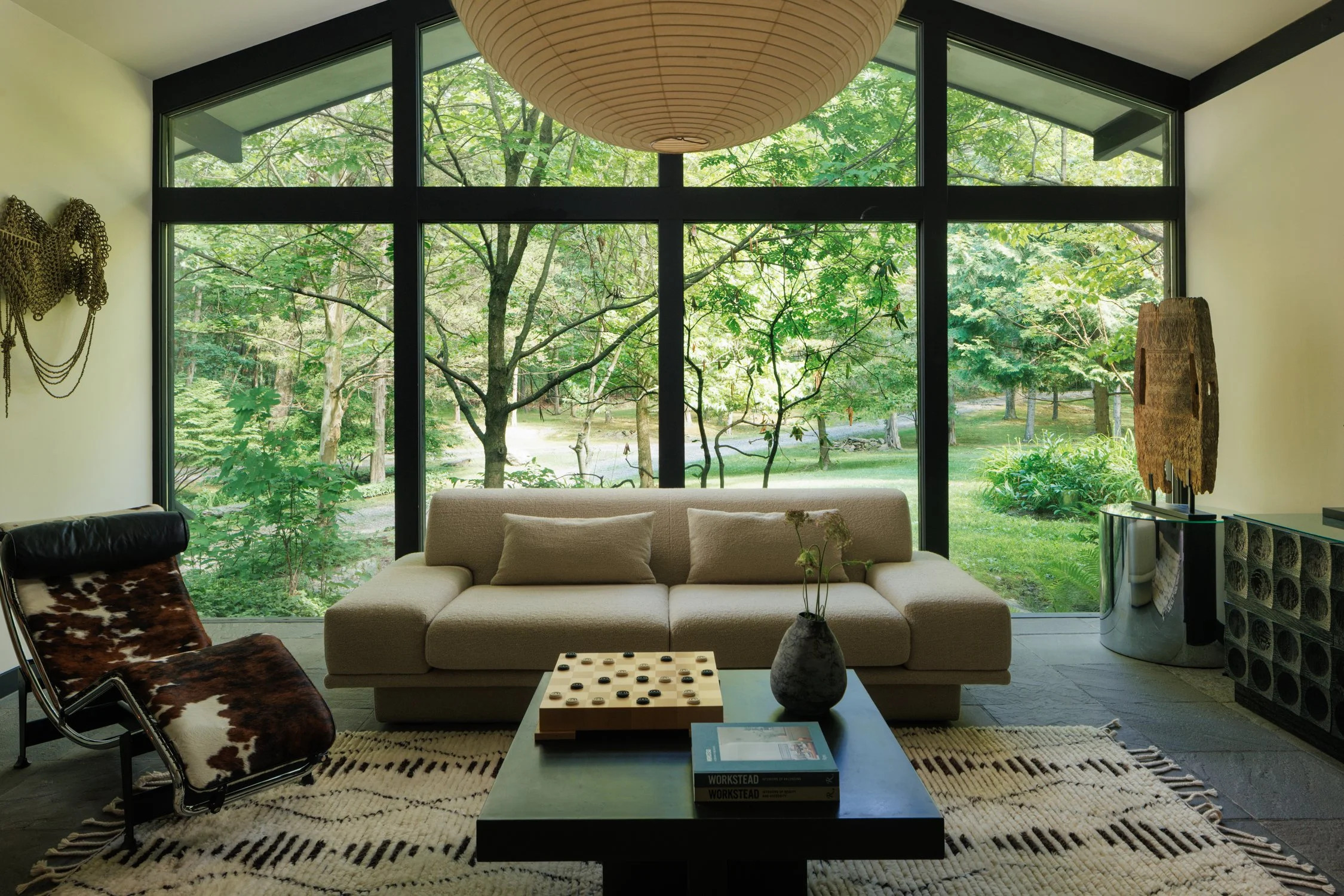
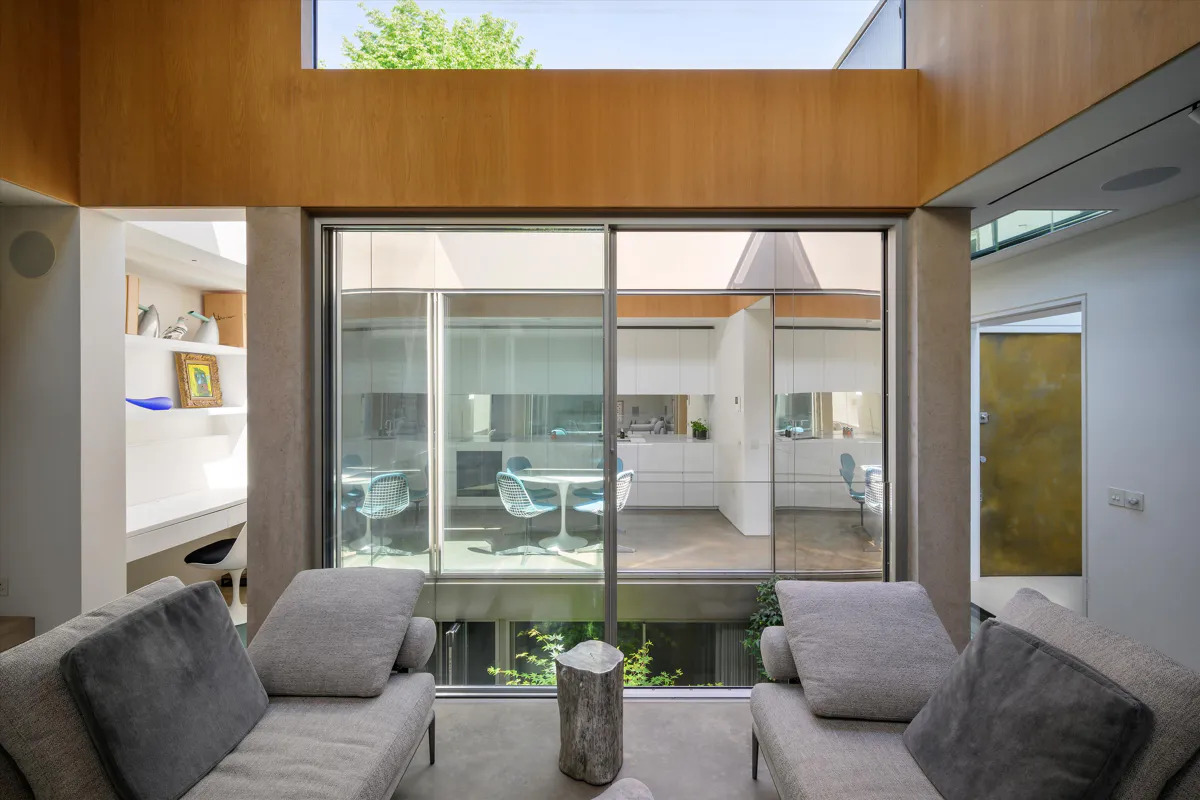
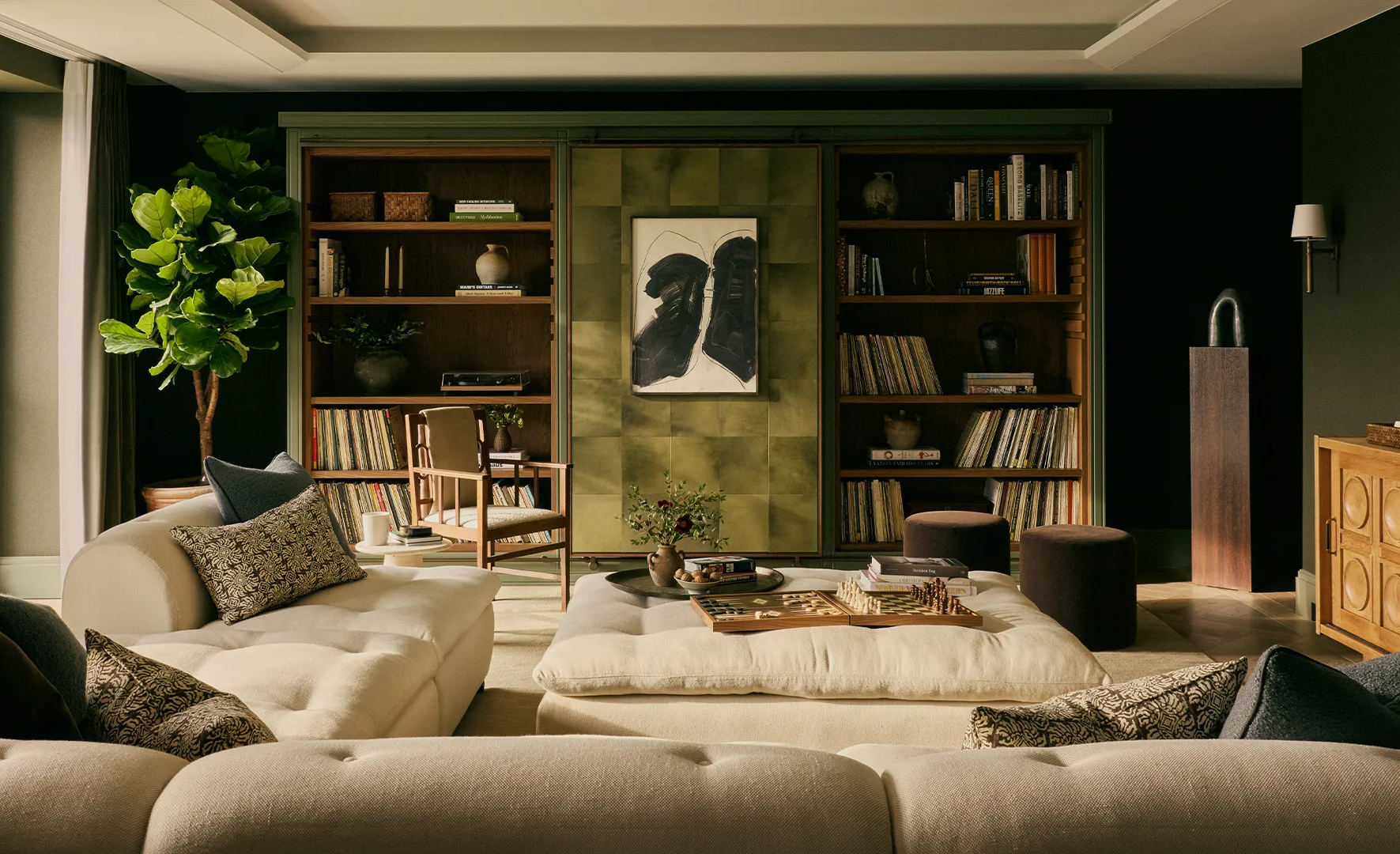
The Dinesen Apartment by David Thulstrup. Photography: Eric Petschek

The Dinesen Apartment by David Thulstrup. Photography: Eric Petschek

The Dinesen Apartment by David Thulstrup. Photography: Eric Petschek

The Dinesen Apartment by David Thulstrup. Photography: Eric Petschek

The Dinesen Apartment by David Thulstrup. Photography: Eric Petschek

The workspace at 180 Quarter. Photography: Rosella Degori.

The workspace at 180 Quarter. Photography: Rosella Degori.
The business was founded in 1898 with a small sawmill in Jels, South Jutland, but only became a household name on an international scale in the past decades, when wide-plank oak and Douglas fir soared in popularity. It again became not only acceptable but covetable to have hardwood flooring in kitchens, bathrooms and bedrooms. And architects began to value materials they could reuse. The thickness of a Dinesen plank (35mm on average) means it can be sanded down again and again without giving way. It improves with each treatment of lye soap or oil. It doesn’t echo against leather shoes. And it smells like a Danish forest. It’s a five-senses material.
The minimalist architect John Pawson uses the stuff regularly in his residential and cultural design. When he unveiled London’s Design Museum in 2016, he spoke about using wide oak planks on the wall panels as well as the floors. ‘People might run their fingers along the walls, which is a nice thing to do, but leaves marks, so I thought wood would be good,’ he said. Eight years later, he designed Dinesen’s first apartment concept, in Copenhagen, and produced a furniture collection that he’d sketched out 30 years earlier, when he first began collaborating with the floor-maker.

At 180 Quarter, founder Mark Wadhwa designed and laid out the vast hardwood floor with a specialist team, finishing it with a lime wash he says ‘still smells great’ more than a decade later. Three miles west, the Saatchi Gallery, designed by Allford Hall Monaghan Morris in 2008, cites Dinesen as a founding patron. The Douglas fir floors, a major feature of the layout, still get shouts on social media for the way they reflect light and rouse uplifting feelings.
This is the reaction the company is hoping for in New York. ‘In an age of hyper-visual design, we wanted to offer something deeper,’ says Thulstrup. ‘Spaces should be sensed, not just seen. Everything I design is about crafting a sense of place. The apartment is not just about showcasing materials — it’s about evoking emotion through scale, light and texture.’
Complementing the floors are a half-turn staircase, wall-claddings and built-in furniture made from Dinesen wood, as well as Pawson’s designs for Dinesen, Thulstrup’s own furniture designs and Danish vintage pieces by Arne Jacobsen and Severin Hansen, by Dagmar.
‘The overall mood is quiet and grounded,’ says Thulstrup. ‘I wanted the atmosphere to slow down time.”