
How do you stage a community comeback?
These cities show us how to do urban renewal artfully
Growing outward and upward are only the most obvious transformations in any great metropolis. More exciting are the urban renewals led by artistic visionaries who organically, then collectively, bring life to once neglected communities. Slowly and steadily, local talents have moulded the following four neighbourhoods into creative behemoths that win attention from natives and tourists alike.
Sidi Ghanem, Marrakech
On the outskirts of Morocco’s ‘red city', far from the souks where traditional artisans have toiled for centuries, the industrial zone of Sidi Ghanem is fast evolving from dusty to dynamic. Early adopters were Marrakshi Life, a source for flowy harem pants and kaftans in Saharan hues, and Chez Zoé, the insider’s address for sumptuous djellaba robes and made-to-order embroidered bedding. They decamped here seeking space for their in-house weavers, followed closely by European expatriate designers Stella Cadente and Topolina and catalysing a welcome shift in this once gritty district.
Streets are now lined with design studios and vintage furniture emporiums like Magasin Général, and destination dining takes over in the evenings. Native-born artist Hassan Hajjaj runs the kaleidoscopic Jajjah tea room just down the road from the city's first izakaya, Sushi Iki, and Noma co-founder Claus Meyer opened Um Mami, a rooftop restaurant-cum-culinary training initiative for disadvantaged young Moroccans.
Château d’Eau, Paris
For many denizens of the French capital, ‘north of the Marais’ meant nowhere… until Château d’Eau shook off its rough history for bohemian bars, bistros and boutiques. One early arrival to this area in the 10th arrondissement close to Canal Saint-Martin was Thanx God I'm A VIP, a multi-storefront le vintage mecca for Prada, Hermes and Gucci galore as well as Breton-striped tunics and Marine Nationale peacoats. Along one of the quarter’s prettiest streets, Bonjour Jacob combines founder Hani Belahcen’s passions for independent design magazines, limited-issue vinyl and specialty coffee — all sourced from around the world.
Global perspectives also appear on the plate here, especially along rue Faubourg Saint-Denis, built in 1672 under the Porte Saint-Denis Arch in honour of King Louis XIV. Here, African spice aromas waft past Syrian coffee shops and a fruit-filled Punjabi grocery. Nestled within this exotic melange is Le 52, a polished concrete and exposed stone neo-bistro, with saddle-leather banquettes and market-driven revamps of tuna tartare and slow-braised pork belly. Among the most welcome recent additions are the 40 delightfully vibrant guestrooms designed by Luke Edward Hall at Hotel Les Deux Gares.
Chao Praya riverfront, Bangkok
In Thai culture, the water goddess Phra Mae Khongkha is associated with fertility. This is certainly reflected in the contiguous trio of long-dormant micro-neighbourhoods along Bangkok's Chao Praya River. They're undergoing an exuberant rebirth at the hands of young visionaries like Bangkok It-girl Mook Attakanwong, who opened the experimental art space ATT 19 in a restored 120-year-old heritage building in the Charoen Krung district. Notable neighbours include Mad Beef, promoting sustainable consumption in a sunlit industrial space, and Warehouse 30, a design hub refashioned from a World War II depot by architect Duangrit Bunnag.
The 19th-century commercial quarter Talat Noi was languishing nearby until Mother Roaster began serving flat whites in an appealingly derelict Chinese shophouse near 965bkk, which platforms indigenous craftsmanship in a modern context, and Funky Lam Kitchen where two real-life Lao princes cook royal family recipes over charcoal (try the tongue-numbing ox stew and organic grass-fed jerk beef with sticky rice). In Song Wat, the last of these riverside localities, a trio of historic brutalist buildings now house Bangkok Kunsthalle, founded by art patron Marisa Chearavanont and curated by former Hauser & Wirth director Stefano Rabolli Pansera. Nearby, the world’s first Michelin-starred Thai-Chinese restaurant Potong inhabits a converted Chinese herbal pharmacy. Upstairs at Opium Bar, sips get mixed with local ingredients like pink pomelo and sticky rice liquor.
Echo Park and Silver Lake, Los Angeles
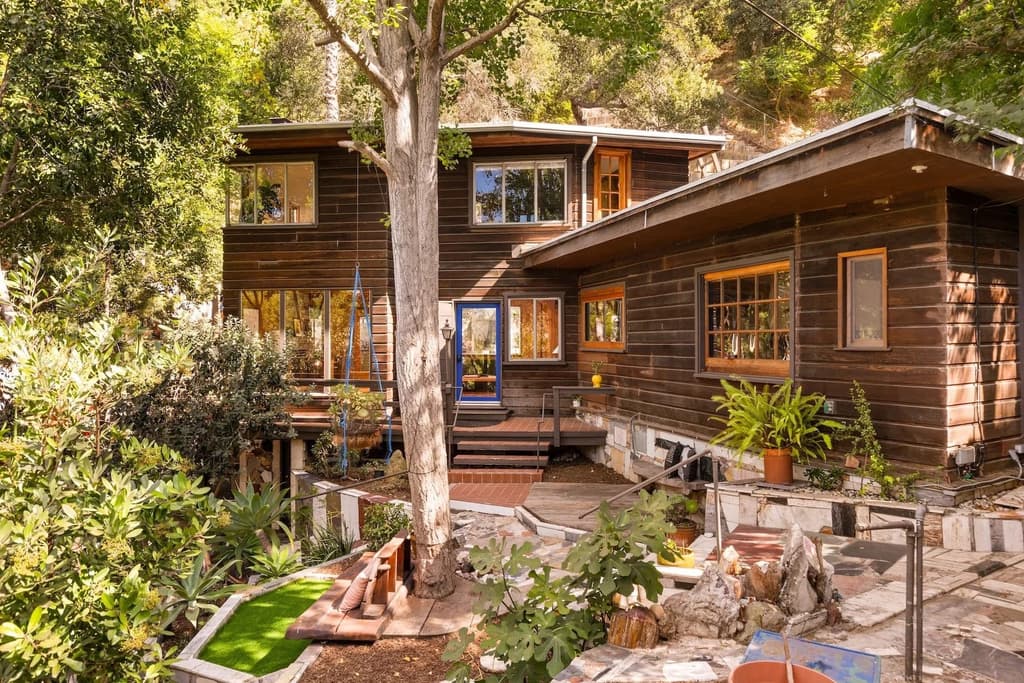
Maybe it’s the time zone or the sunshine, but this no man's land between downtown and the Sunset Strip gets off to an early start. Dog-friendly hiking trails in palm-dappled Elysian Park proffer San Gabriel Mountains views, but for a serious LA workout the 231 Baxter Stairs confer stunning westward vistas with the Hollywood sign. Echo Park rewards this exertion with Honey Hi, whose commitment to ‘planetary wellbeing’ manifests in sublime pancakes made gluten- and refined sugar-free with Carolina Gold rice, mochiko and toasted oat flour. A four-minute drive — because nobody walks in LA — leads to Granada, where frothy flat whites are served in the sleek modern living room and Edenic patio of a local designer-couple. This community gathering place also promotes hand-finished lighting, wheel-thrown ceramics and the whimsical botanic sculptures of LA artist Karolina Maszkiewiecz.
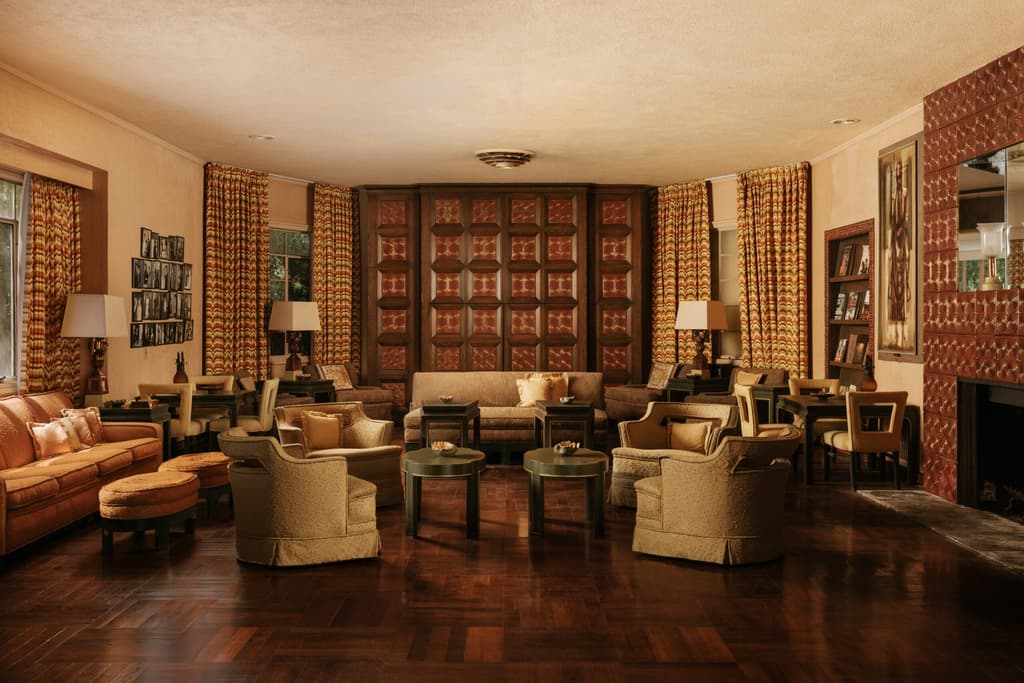
Further north in Silver Lake, the venerable Mohawk General Store stocks distinctly laidback Californian looks while platforming made-in-LA names like Flamingo Estate and Jamie Haller. Art, too, has found a home here. At the gallery Subliminal Projects, founder Shepard Fairey hosts exhibitions that lure Westside collectors. The area's latest opening is Hotel Lucile, whose 25 guestrooms (with minibars curated by cult grocer Erewhon) inhabit a 1931 Romanesque church gracefully preserved with original vaulted ceilings and stained glass.
Read next: Manhattan's new and improved museums make a case for brutalism
Related stories


Newsletter
Want news delivered to your inbox?