MillerKnoll, Zeeland, US
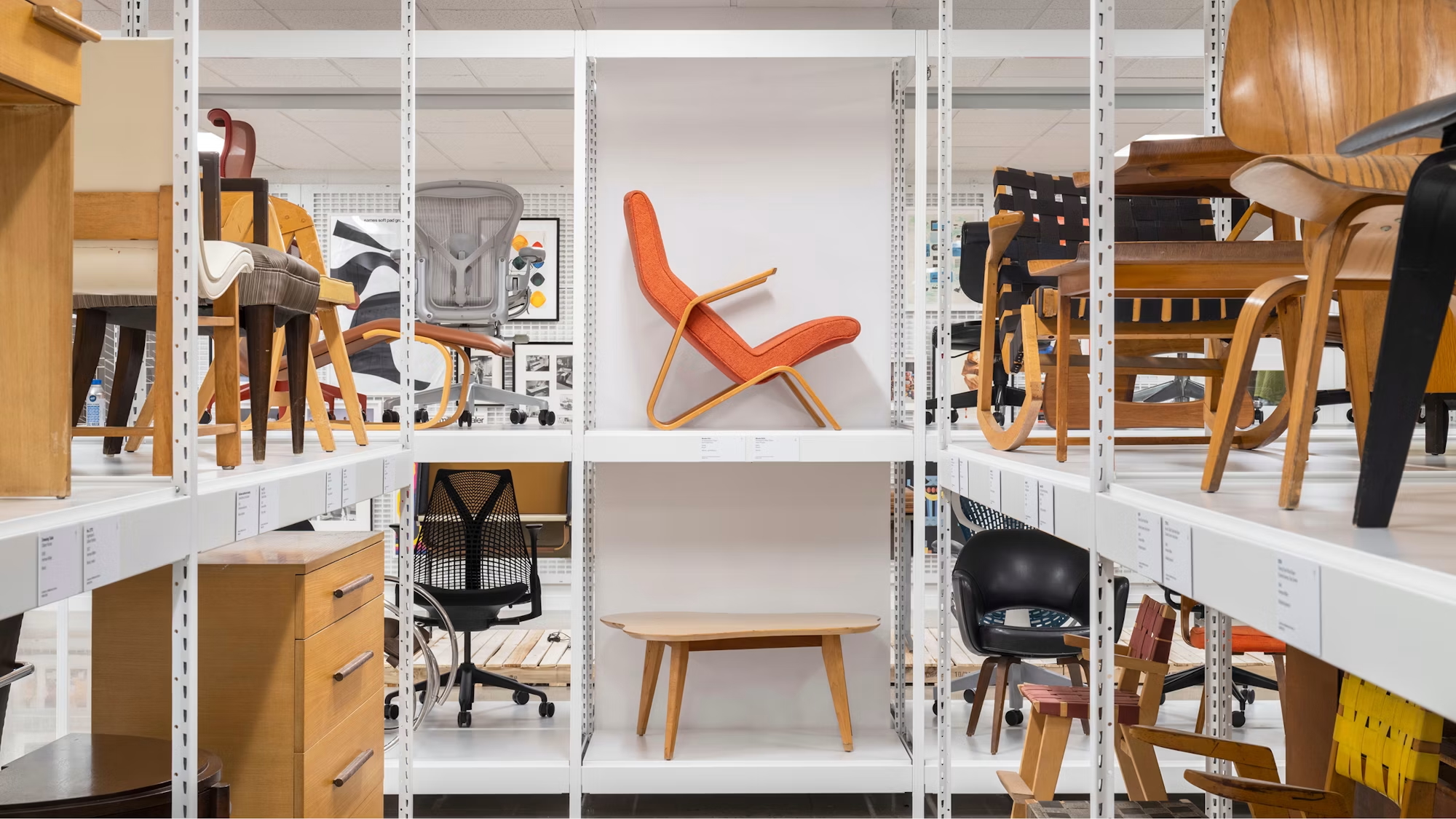
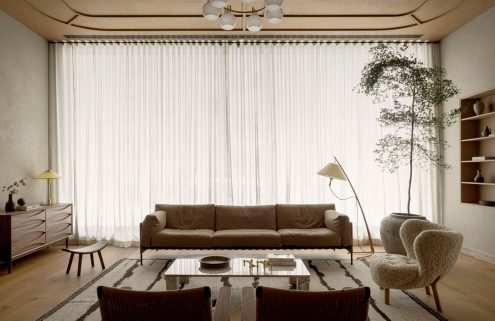
The Michigan manufacturer Herman Miller was already a major star-maker (picking up Eames, Noguchi, et al) before acquiring the Knoll powerhouse five years ago. Since then, the century-old manufacturer has taken contemporary brands like Hay and Muuto under its auspices and opened the 1,100sqm MillerKnoll Archives to the public — a vast exhibition centre in the image of London’s V&A Storehouse and Rotterdam’s Depot Boijmans. Make the trip to explore the campus. The humble location belies the cosmopolitan character of its wares — you’ll hardly encounter an office anywhere in the world without a Herman Miller Aeron chair, a dining room without Knoll’s Tulip table by Eero Saarinen, a lounge without a Harry Bertoia welded-steel chair or a garden without Hay’s Palissade collection.
ClassiCon, Munich, Germany
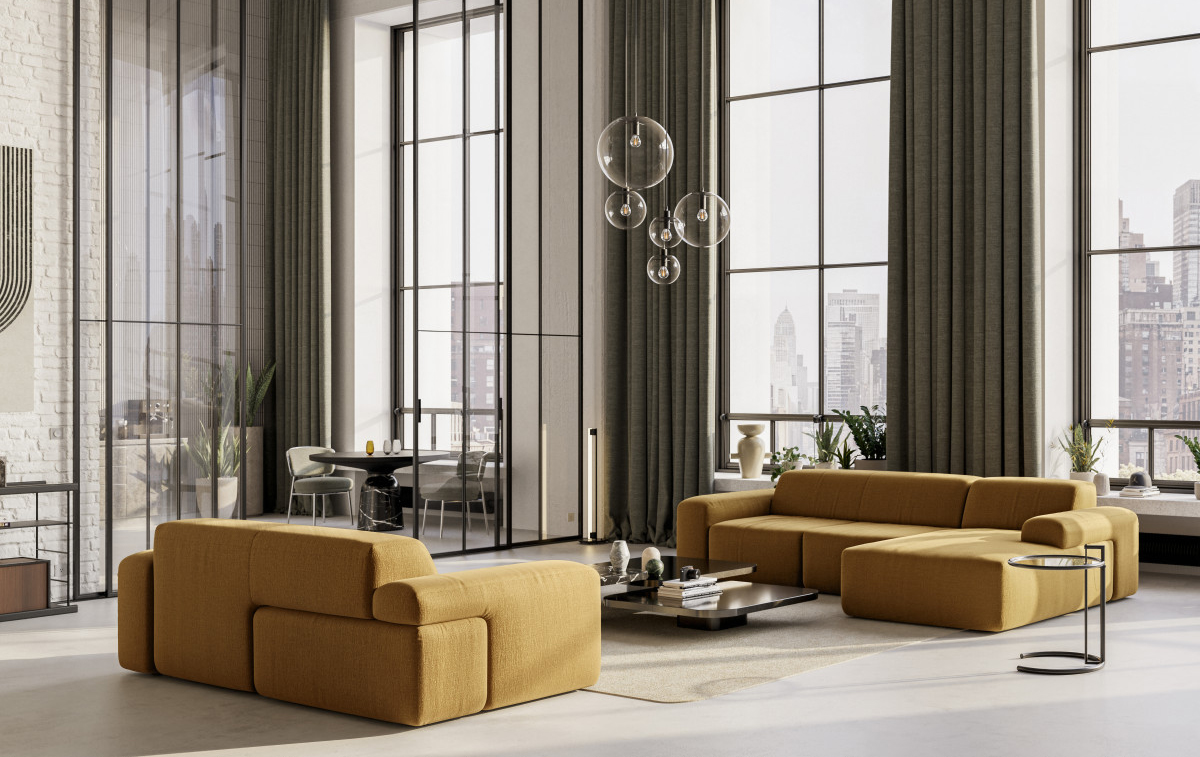
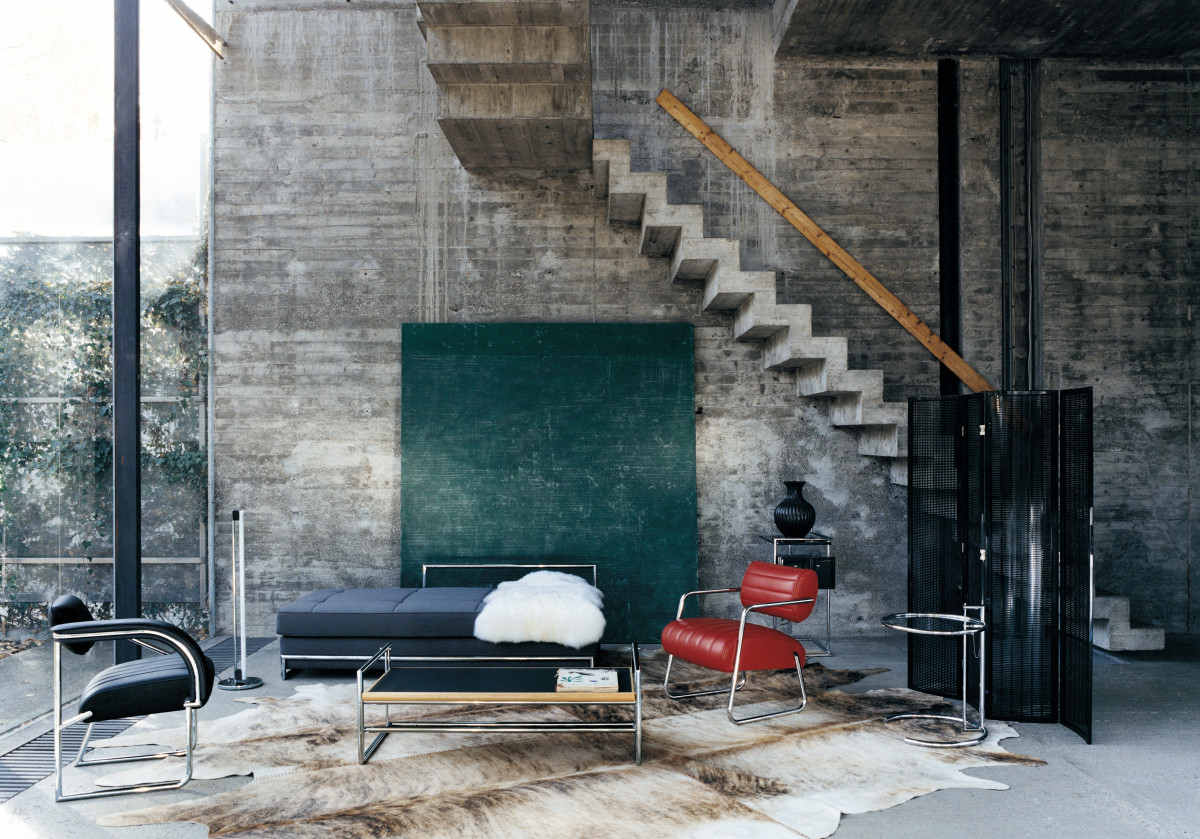
A young upstart in the old world of furniture manufacturing, ClassiCon gobbled up prestige names like Eileen Gray and homegrown architect Otto Blümel before forming relationships with some of the more exciting designers to emerge from Asia and Europe. The family operation still produces storage by the recently dissolved partnership Barber Osgerby; supports the lighting offshoot of Shanghai duo Neri & Hu; and has a roster of prestige German designers, from Herzog + de Meuron to Sebastian Herkner. These pieces come in handy for the company’s interior design offshoot — particularly its most recent launch, the Stone sofa by Gabriel Tan. Find it all at the flagship showroom, open in Munich by appointment only.
Vitra, Birsfelden, Switzerland
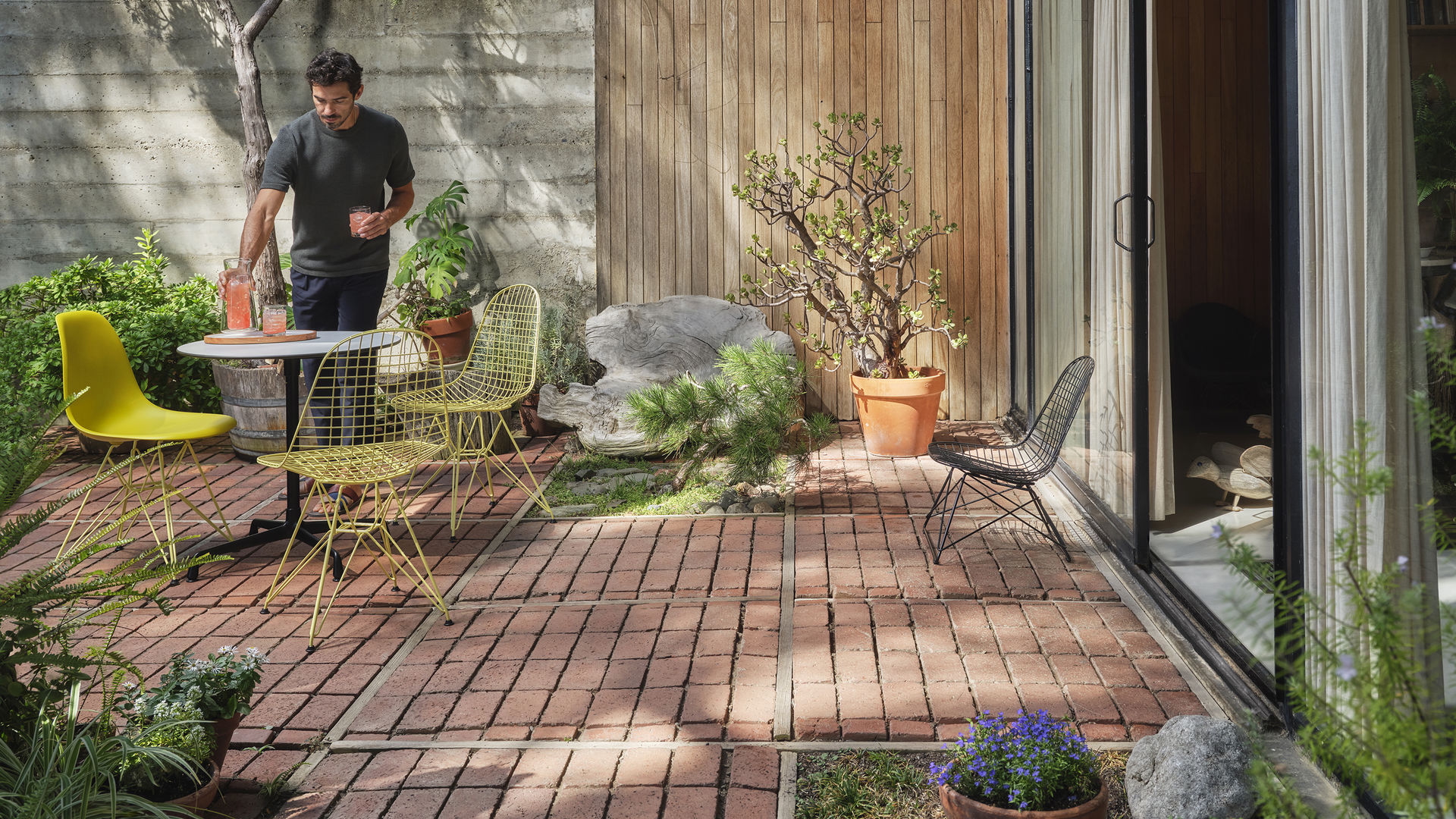
One of the first patrons of Charles and Ray Eames and a longtime backer of Verner Panton, Vitra has managed to make contract furniture sexy for nearly 90 years — partly due to its commitment to arresting colour and dramatic presentation. The company recently celebrated the 100th anniversary of Panton’s Heart Cone chair with exhibitions featuring a new, vibrant blue edition. You can follow a timeline through Vitra’s worldwide expansion by noting the heyday of the architect who designed each flagship store. The manufacturing operation is located in a swooping facility in Birsfelden conceived by Frank Gehry, though the archives and museum sit across the Rhein River in Weil am Rhein, Germany, in buildings by Zaha Hadid, Herzog + de Meuron, Gehry and Balkrishna Doshi, who recently completed the popular steel Doshi Retreat. Design pilgrims have been visiting for decades to soak up Vitra’s brilliance.
Karimoku, Kariya, Japan
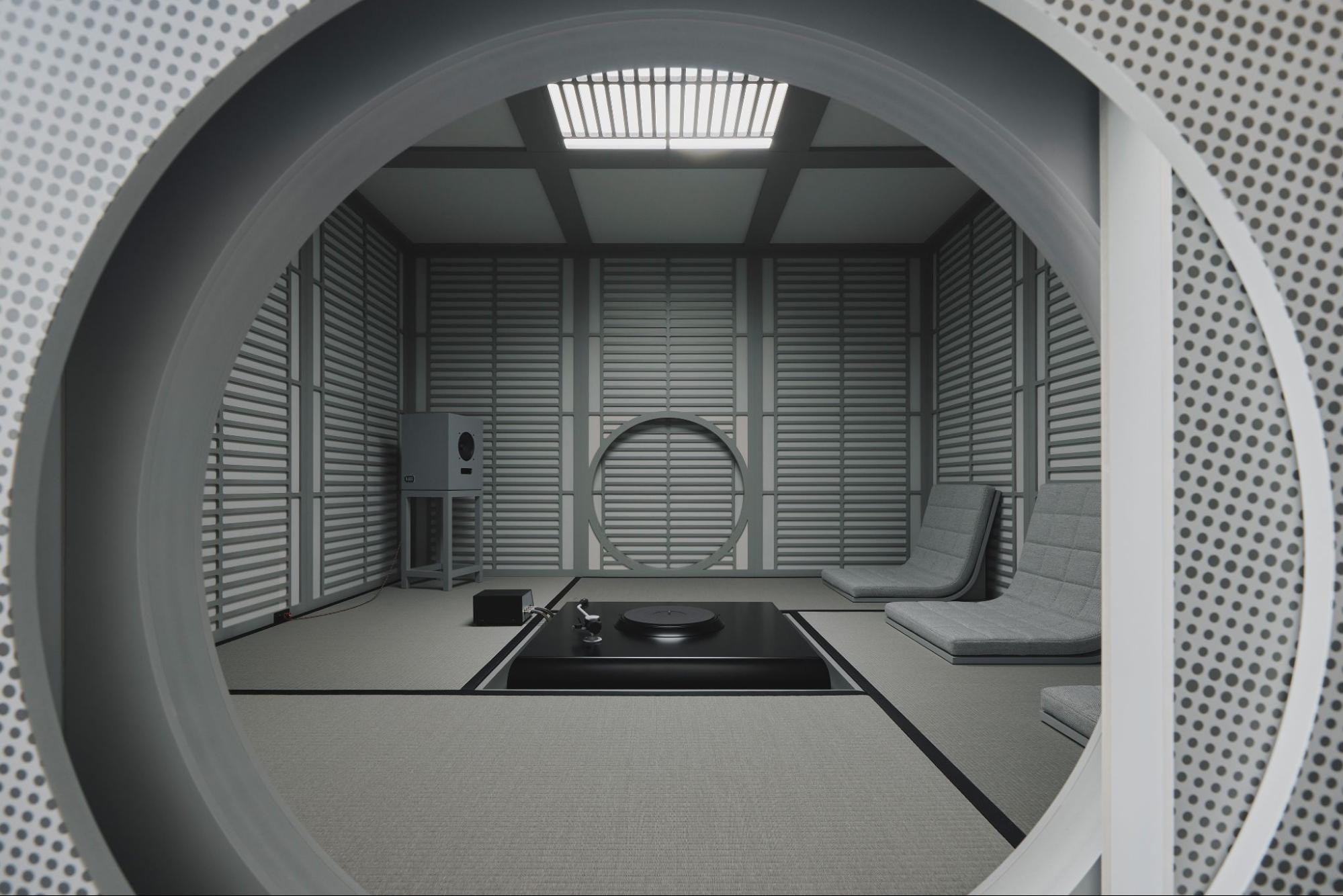
For decades the heritage manufacturer Karimoku made its name producing humble, timeless household furniture out of several factories in the centre of the country. Then, in 2019, it launched a progressive sister brand, Karimoku Case, and devoted significant resources toward producing high-spec contemporary furniture by some of the nation’s leading architects and designers. Today the Karimoku brand operates showrooms in Tokyo — including a three-storey Research Center that showcases innovations alongside exhibitions that survey the creative processes that made them possible. Visit the listening room and teahouse tailored for the space by sound designer Devon Turnbull, currently on show.
Carl Hansen & Son, Gelsted, Denmark
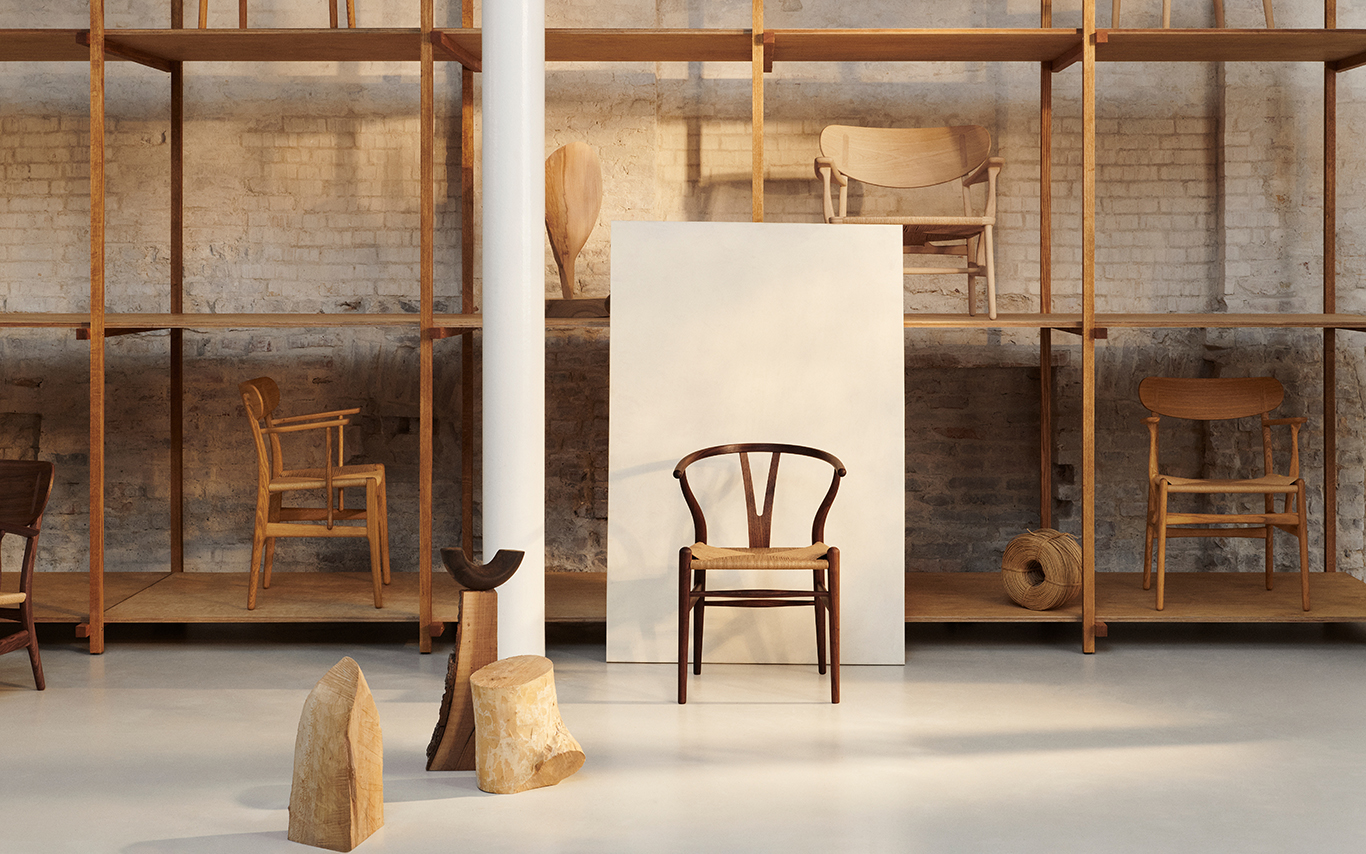
Nobody can deny the impact of the Danish on design today. The light, unvarnished wood furniture developed throughout the 20th century for utility has been elevated to a starring role in interiors worldwide, and Carl Hansen might be more responsible than any other manufacturer for its current importance. The third-generation family business produces ubiquitous pieces like the high-back Kaare Klint sofa, Børge Mogensen’s shelving systems, the Professor Desk by Poul Kjaerholm and, most fruitfully, Wegner’s 1950 bentwood Wishbone Chair: instantly recognisable and universally copied. If you don’t already have one, you’ve certainly considered buying it, in multiples. You can visit the small town where the factory has been running since the beginning, and shop the factory flagship next door.