
Extreme makeover: brutalist buildings have become a vast resource for developers
The ugly-duckling architecture is having a swan-like rebirth

Is there an architectural style more divisive than brutalism? For some, there is little to applaud in its utilitarian, fortress-like structures, even as others see beauty in the stark, unpolished form. Still, these buildings stand the test of time, and generations on from the postwar brutalist boom, a plethora of projects are being reimagined for our current age.
Ahead of its 75th anniversary this year, sections of London’s Southbank Centre were granted Grade II-listed status and granted millions to fix leaking roofs, replace failing glazing and modernise rigging systems. And the ‘machine for living’ that is Le Corbusier’s Unité d’Habitation complex in Marseille — a prime example of brutalism at its most severe — is also a stage for constant restoration and renovation by aficionados who clamber for apartments there.

While the likes of designer Thomas Heatherwick have famously rallied against ‘bland, boring’ architecture, there are plenty of people ready to defend these structures. ‘These are buildings that were designed to last and matter,’ says Martyn Evans, creative director at developer Landsec. ‘They’ve proven to be adaptable, enduring and capable of new life with new purpose.’ The modernisations are worth it, he says. ‘The best retrofits introduce more light, permeability and animation with a surgeon’s precision — opening up ground floors and bringing life to public spaces while preserving the honesty and monumentality.’
Buildings like Space House, the 1968 former Civil Aviation Authority in Covent Garden, demonstrate this shift. Some 90% of the 17-storey cylindrical tower has been retained and upgraded by architects Squire & Partners. Old glazing was replaced with larger, clearer high-performance windows made using 3D scanning, while micro-chilled beams were installed for sustainable heating and cooling. Reopened last year, the Grade II-listed building was praised by Historic England as ‘one of the most important redevelopment projects of our time’.
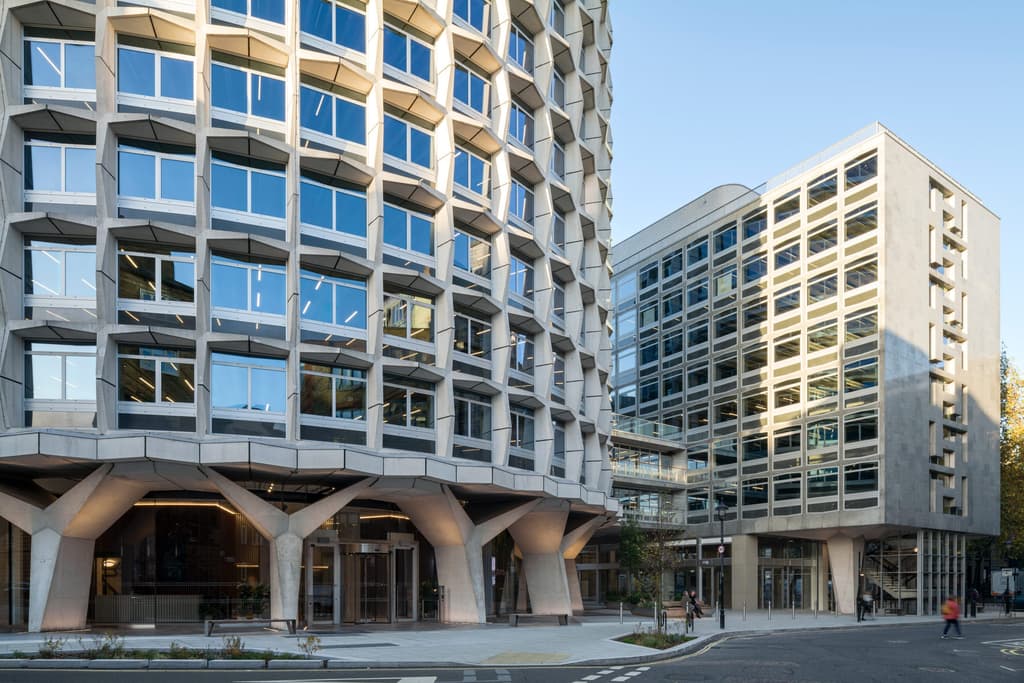
In London, where Brutalism is particularly prevalent, redesigns have become commonplace. The iconic brutalist Tower 42 became one of the City’s best-known commercial office buildings after its painstaking restoration, topped by Jason Atherton’s City Social restaurant. 180 Strand has been expanded down to the Thames and renamed 180 Quarter, filling itself with elegant restaurants and chic creative tenants who contributed to the overall cachet. The Acre, in Covent Garden, reopened last year after a transformation by global design practice Gensler, saved 4,200 tonnes of carbon while retaining 80% of the original structure. And a former Woolworths headquarters called Metropolis is in the process of becoming ‘the most sustainable building that has already been built’ — designed by architects AHMM and developed by General Projects, it’s set to operate on 100% renewable energy. Even the brutalist bunker that is the Barbican is undergoing a tremendous restoration designed to preserve its architectural features while improving accessibility.
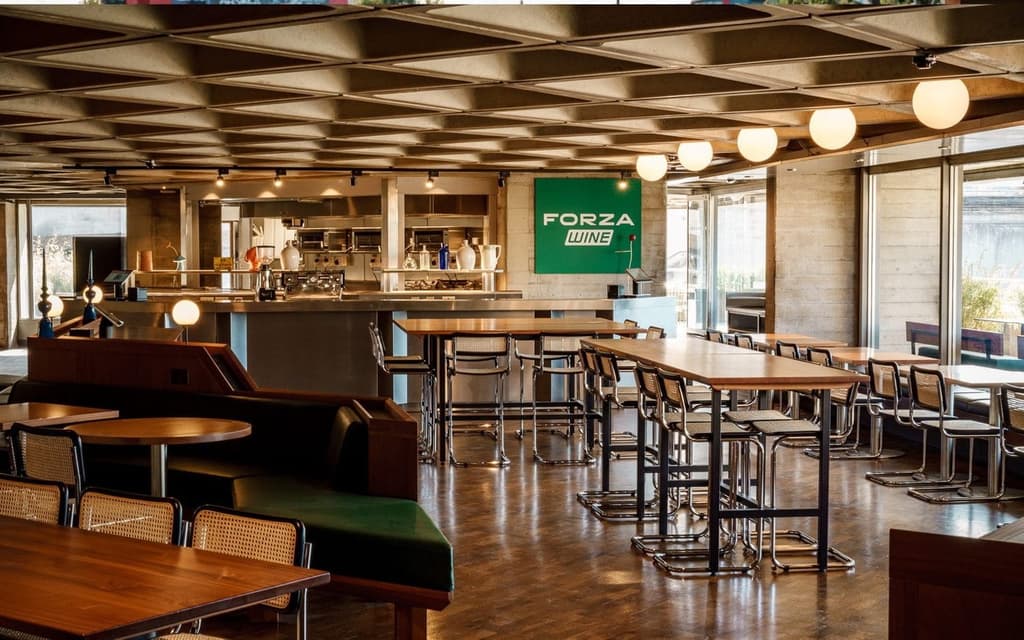
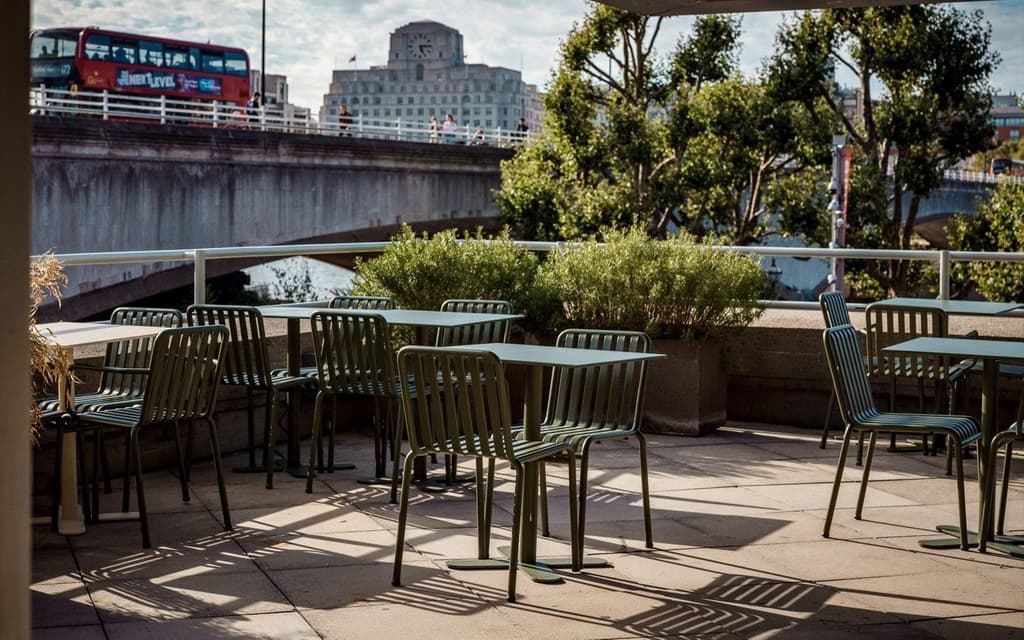
‘The monumental nature of these spaces means there are large spans which allow for flexibility in their future use,’ says Andy Matthews, founder of architecture practice Andy Matthews Studio. ‘This makes subdividing or allowing a new programme to be fitted within the original form.’ An excellent example of this, he says, is the National Theatre, where a new restaurant, Forza Wine, has been slotted into one corner of the existing upper floor.’
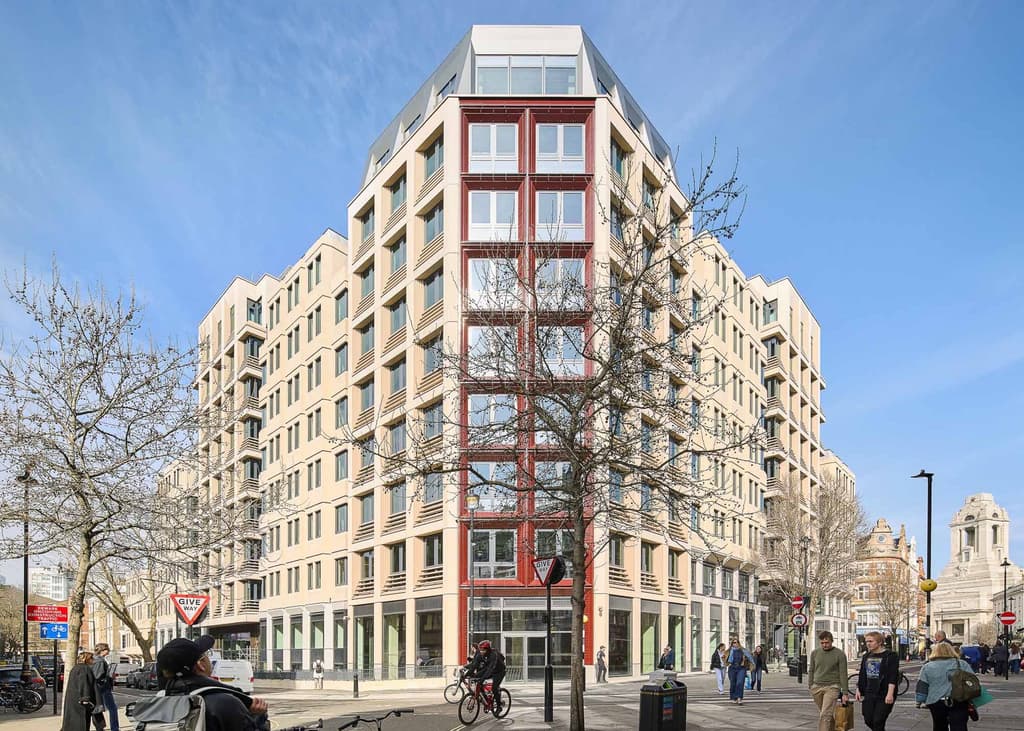
Some of the newer transformations are no-brainers not even Heatherwick could dispute. Manchester’s Capital&Centric has plans to repurpose a spate of multi-storey car parks into homes up and down the UK — textbook examples of brutalism in the hundreds. C&C cofounder Tim Heatley believes many of these poorly maintained, ultimately abandoned megaliths can be successfully given new life. ‘It’s obvious to me that demolishing the old concrete frame of a car park to build a new concrete frame for apartments is absolutely nuts,’ he says. Heatley’s plan to transform Midway car park in Newcastle-upon-Lyme into 111 new homes was approved last year.
There are challenges when repurposing, from low ceiling heights and the general natural light. Heatley and his team have had to get creative at Midway. ‘We knew we would need to leave either the ceilings exposed so as not to shrink the height too much. This will mean exposing all the wires and pipes so they will have to be beautiful, symmetrical and look intentional. And we will need to punch a big rectangular light well through the centre of the building, which will probably be open to the elements.’ Green planting will cascade down the front elevation to evoke a ‘post-apocalyptic, nature bats last’ style and the building will be topped with pitched-roof ‘houses’ and roof terraces.
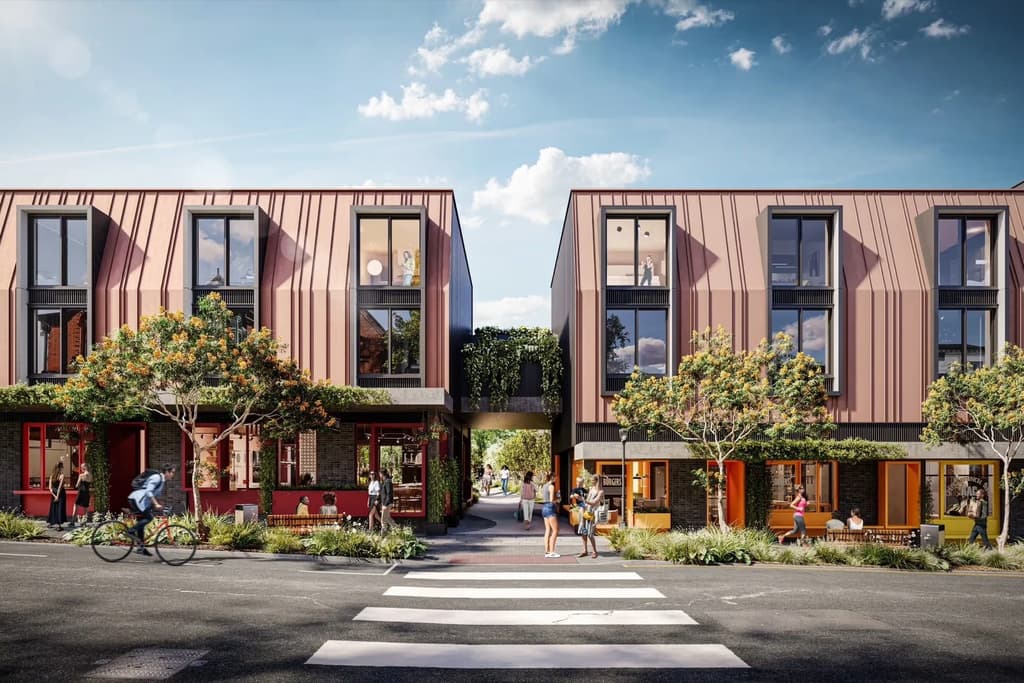
The brutalism revival has generated much of the creativity and innovation we’re seeing by architects today, who, says Andy Matthews, ‘recognise the quality of buildings within this movement and understand what deserves to be kept.’ Brutalism has endured for a reason. And we’re only just now recognising how relevant it truly is.
Read next: Ruy Ohtake’s brutalist work gets an update by his son
Manhattan’s new and improved museums make a case for brutalism
Related stories

Newsletter
Want news delivered to your inbox?