
Gasworks revival: from empty relics to creative powerhouses
How these industrial behemoths are being recharged for the 21st century
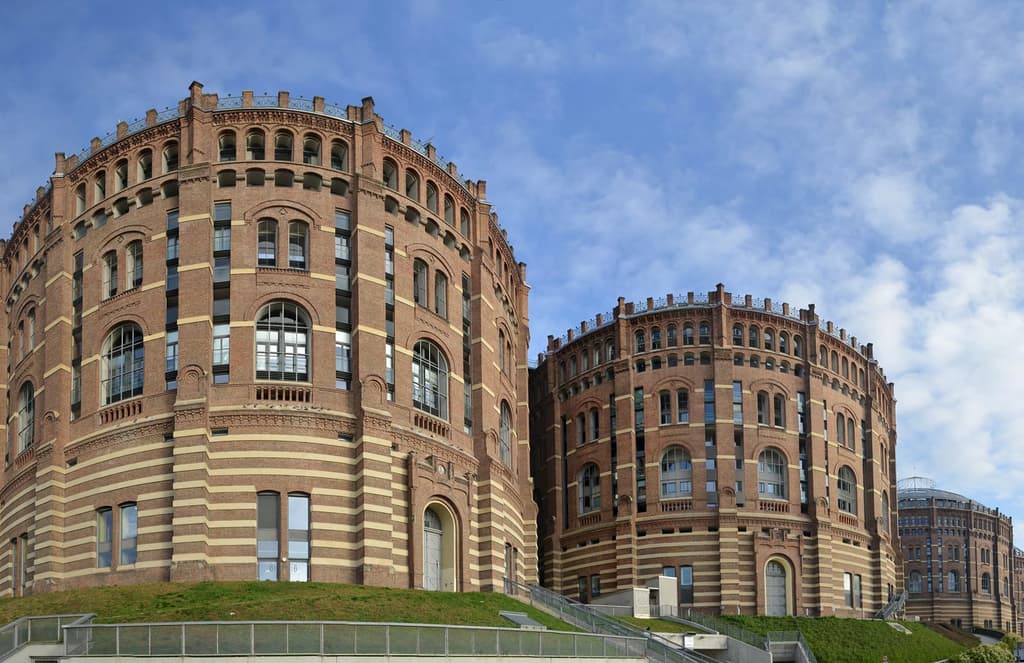
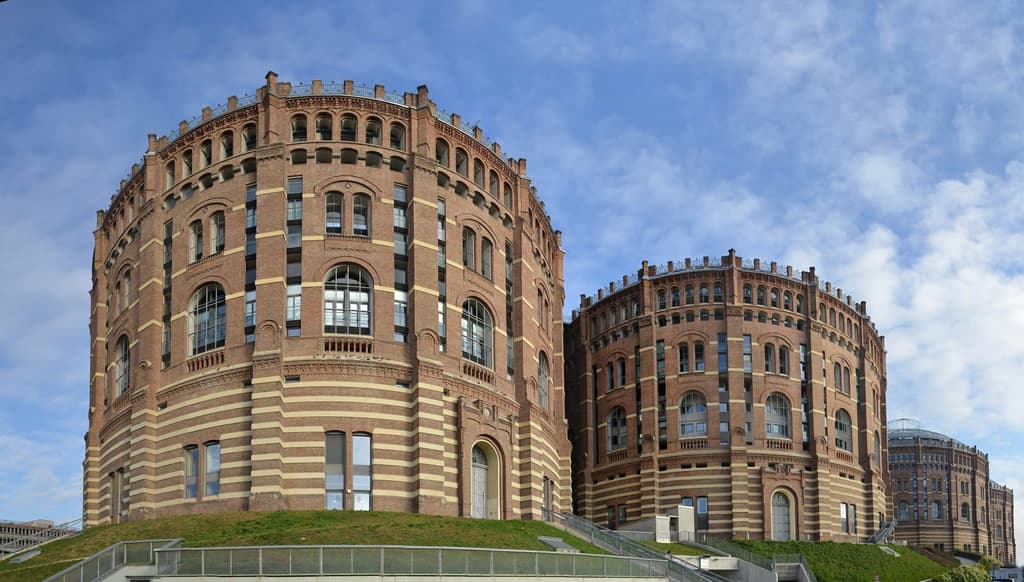
Gasholders have long fuelled our imaginations. Featured in film, art and literature, their striking geometry, rugged charm, and old-fashioned Victorian grandeur have proved a constant source of inspiration for creatives.
Built largely during the 19th century to power street lights, these behemoths of industry have become obsolete 150 years on. Many have been taken down – not all are historically significant and the cost to redesign them is often very high – while others lie empty and neglected. But they’re not altogether unloved.
Visionary developers have taken on the task of repurposing these friendly giants for the 21st century, calling upon architects to transform them into new homes, workspaces and even cultural centres.
It’s long and intricate work to restore them, but the gasholders’ distinct features – their brick skins and heavy cast iron frames – ensure plenty of character. Their large shells make them the perfect candidates for art galleries and performance spaces.
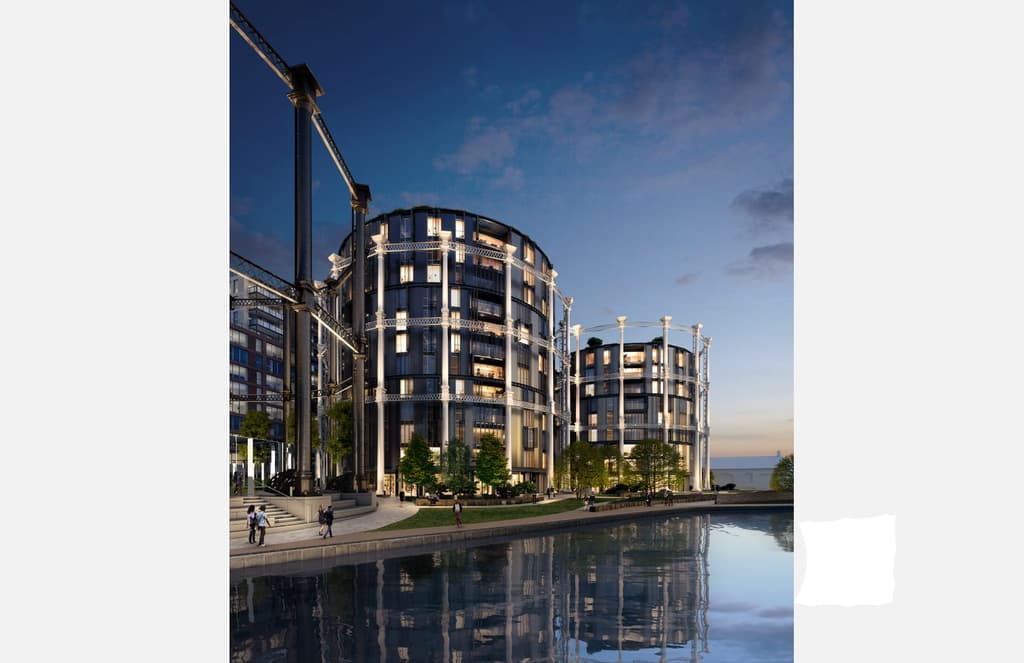
Though their round footprint may be unusual, these structures hold exciting opportunities, as Wilkinson Eyre Architects discovered while working on a new housing project that incorporates a trio of Victorian gasholders in London’s King’s Cross. ‘You tend to not choose to build a round building, but it’s really been quite advantageous for us because it’s allowed us to create a different type of space,’ they say.
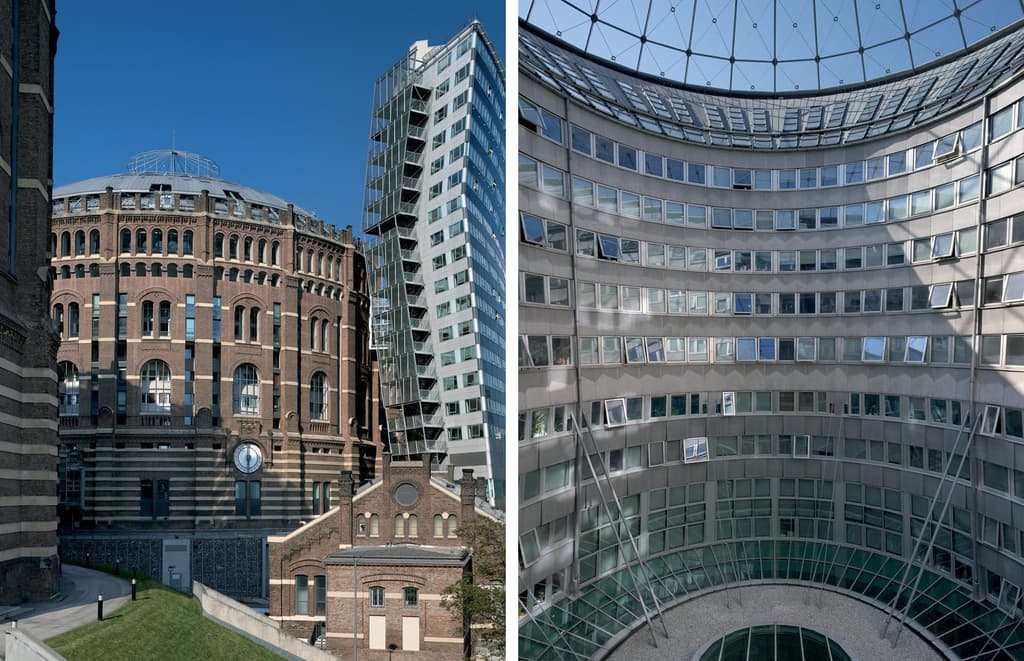


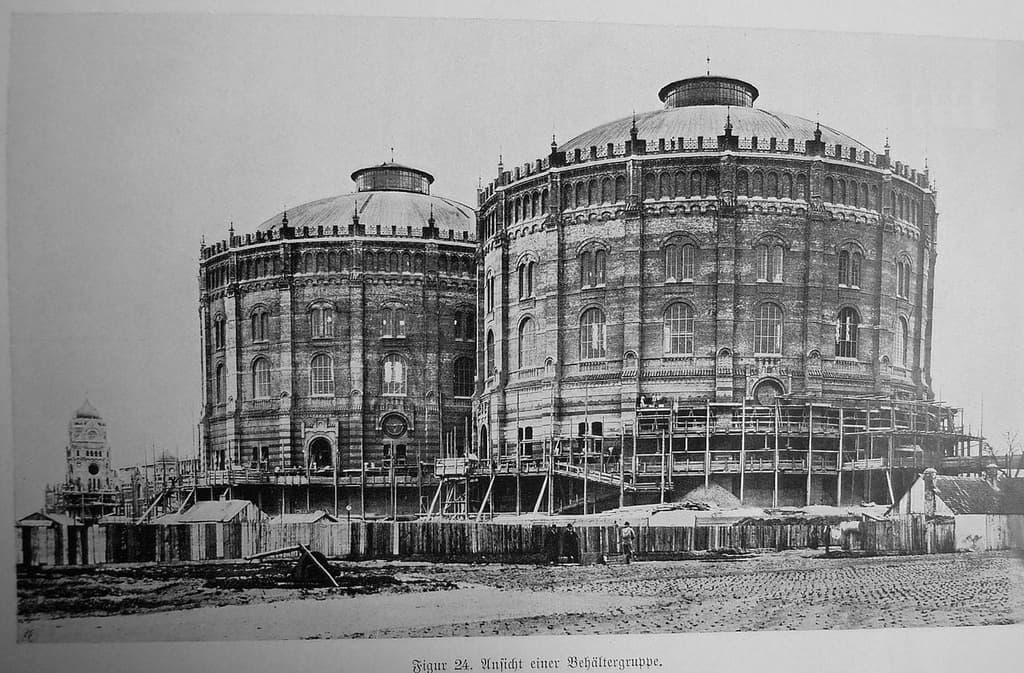


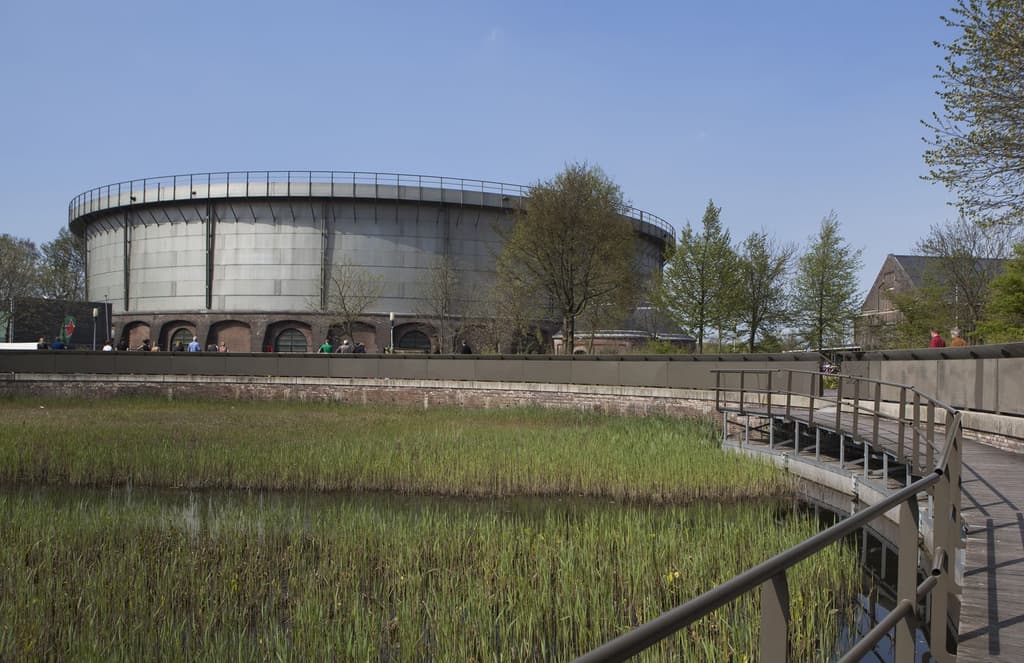

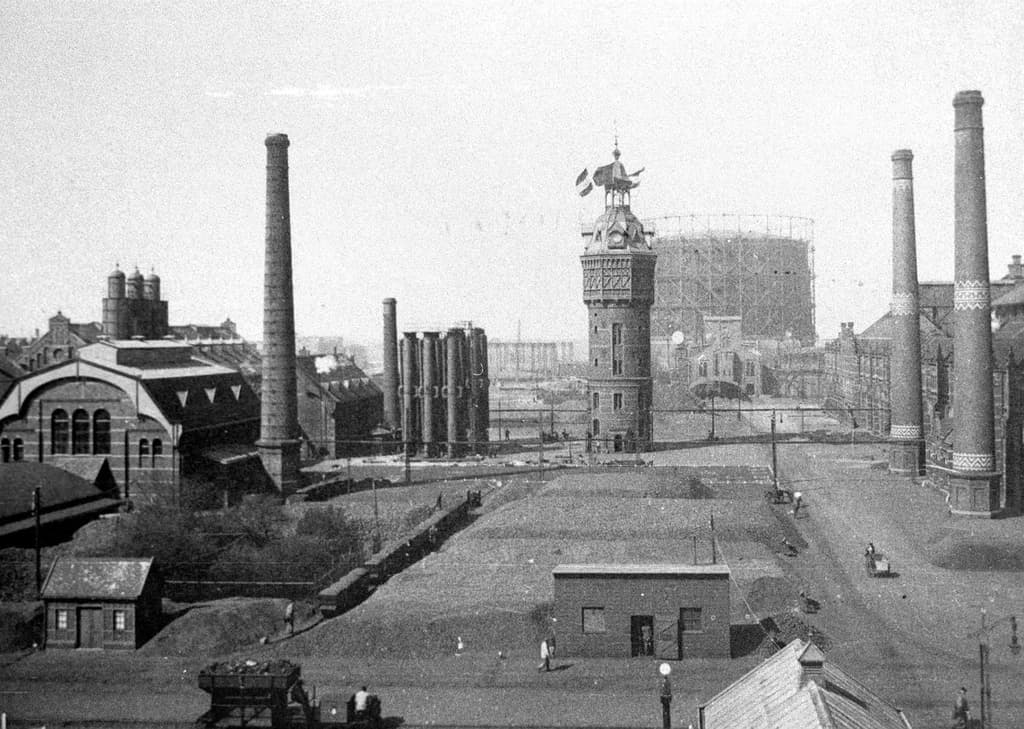
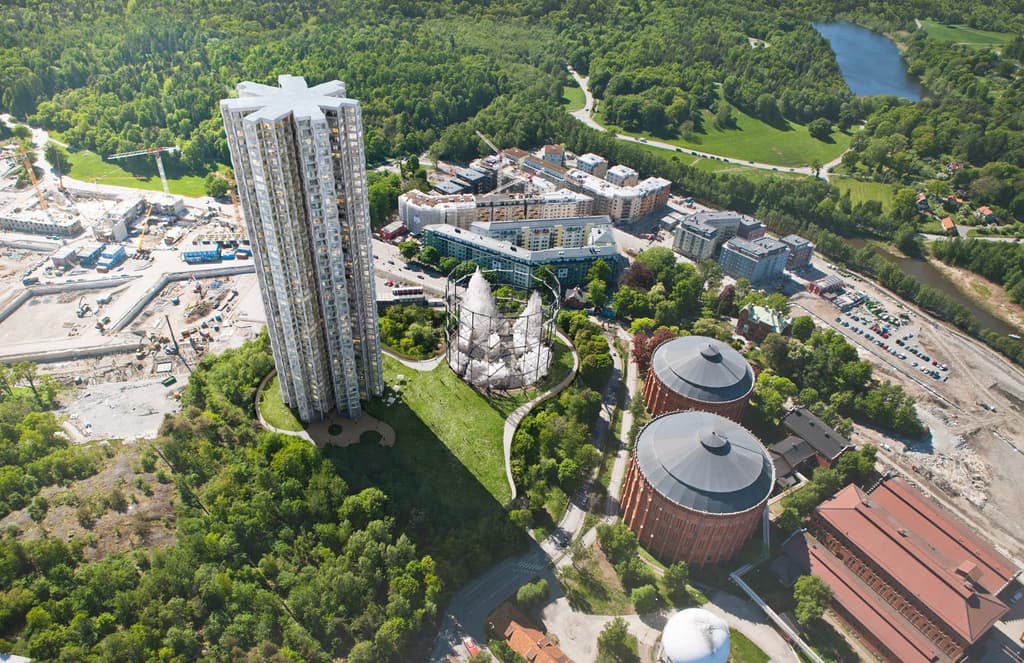
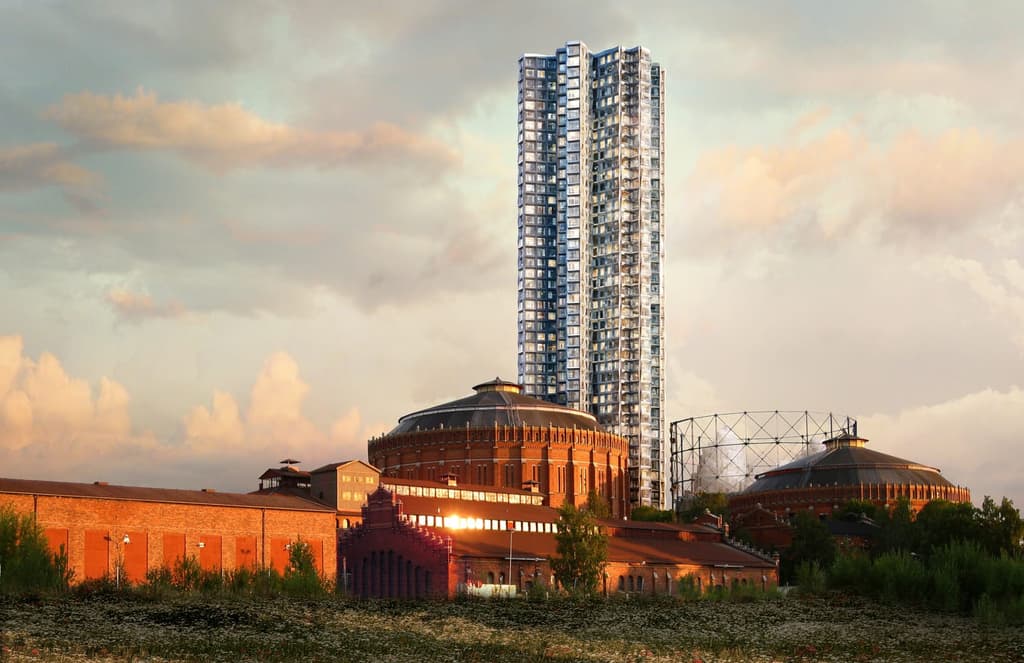
Photography: Wolfgang Volz / Urban Screen / Gasworks OberhausenGasometer Oberhausen, Oberhausen, Germany Photography: Raimond Spekking The Gasworks, Dublin, Ireland A redundant gas storage facility in the heart of Dublin’s docklands area was brought back to life by London, Dublin and Cork-based architecture practice O’Mahony Pike. The 3.2-hectare, mixed-use Gasworks scheme’s focal point is its listed gasholder, which was converted into a new residential building, the Alliance, in 2006. A glazed structure, featuring a large, central open-air atrium, was added to the protected gasholder’s cast-iron frame. The revamped industrial landmark now includes over 200 apartments, which are spread across nine levels. Photography: William MurphyThe Gasworks, Dublin, Ireland Photography: William MurphyWestergasfabriek Westergasfabriek (or the Western Gas Factory) is one of two Amsterdam gasworks built by the Imperial Continental Gas Association in the 19th century. Completed in 1885, it was strategically located next to waterways, the railway and key city roads, but by the early 1980s had become heavily polluted. In 1997, Dutch architects Mecanoo and London-based landscape architects Gustafson Porter won the commission to redevelop the site’s 8,000 sq m of industrial buildings into a public leisure and ecology space. The completed project was inaugurated in 2001.Westergasfabriek The gasholder is now a public space that hosts a calendar of events. Courtesy of VEED / WestergasfabriekWestergasfabriek Westergasfabriek industrial site, pictured circa 1906. Courtesy of WestergasfabriekGasklockan, Stockholm, Sweden Situated on the outskirts of Stockholm, in the world’s very first National Urban Park, is the city’s late 19th-century industrial site designed by architect Ferdinand Boberg. The complex includes a pair of brick gasholders – a smaller one, built in 1912, and the taller, finished in 1932. Swedish developer Oscar Properties commissioned Herzog & de Meuron to design the latter’s transformation into a culture and exhibition centre, as well as a new residential tower to replace the smaller gasholder. Named Gasklockan, the scheme is currently on hold but offers an interesting suggestion of how these old gasholders can be reused.Gasklockan, Stockholm, Sweden
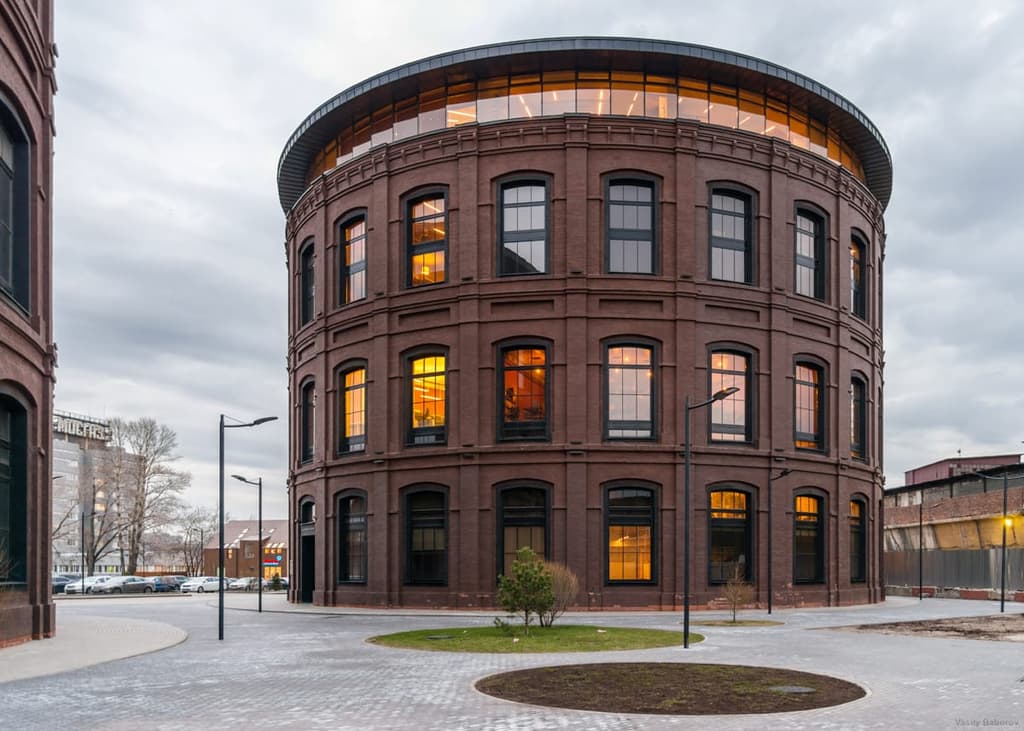
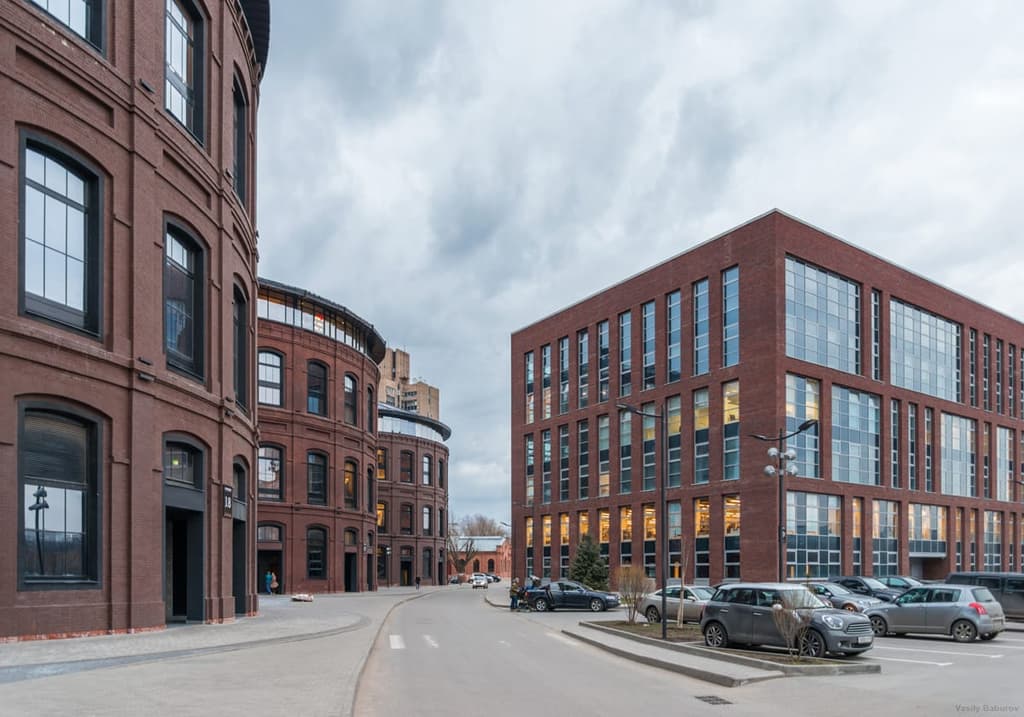
Arma Gasworks, Moscow, Russia The Arma Gasworks, formerly the Moscow Gas Plant, was built in the 19th century to power the Russian capital’s streetlights. Today, the complex has been completely transformed from a purely industrial site into a mixed-use development for office and leisure by several local architects, including the office of Sergey Kisselev. Located behind Kursky railway station, its brick buildings and gasholders now house workspaces, art galleries, fashion design studios, a record label and music venues. Arma is one of several industrial compounds in the city that have been turned into commercial and cultural spaces; other examples including Winzavod, Strelka and ArtPlay. Photography: Vasily Babourov
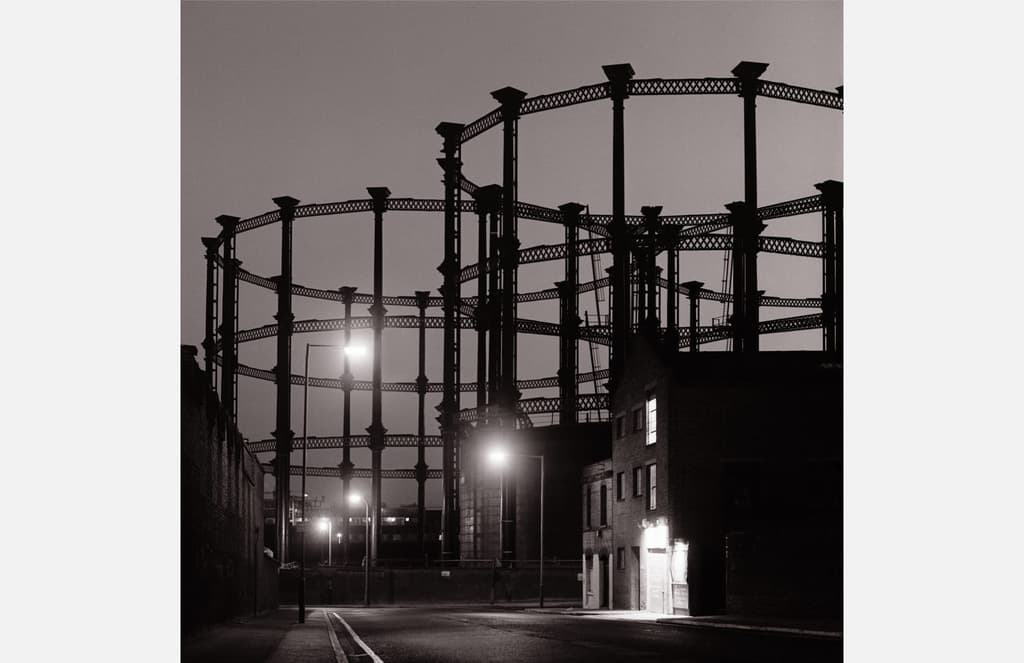
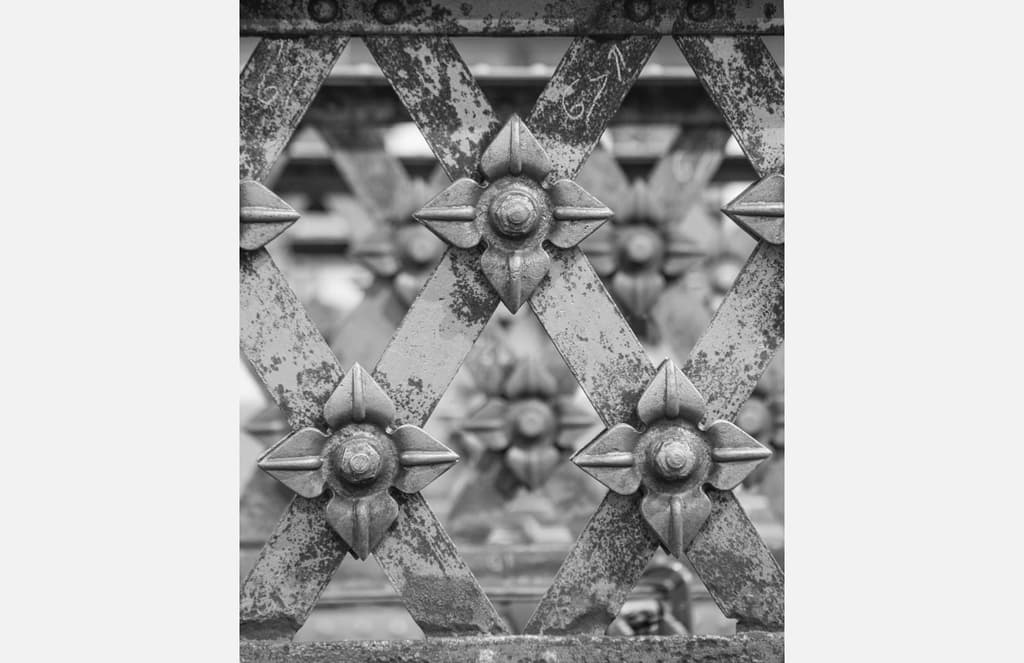
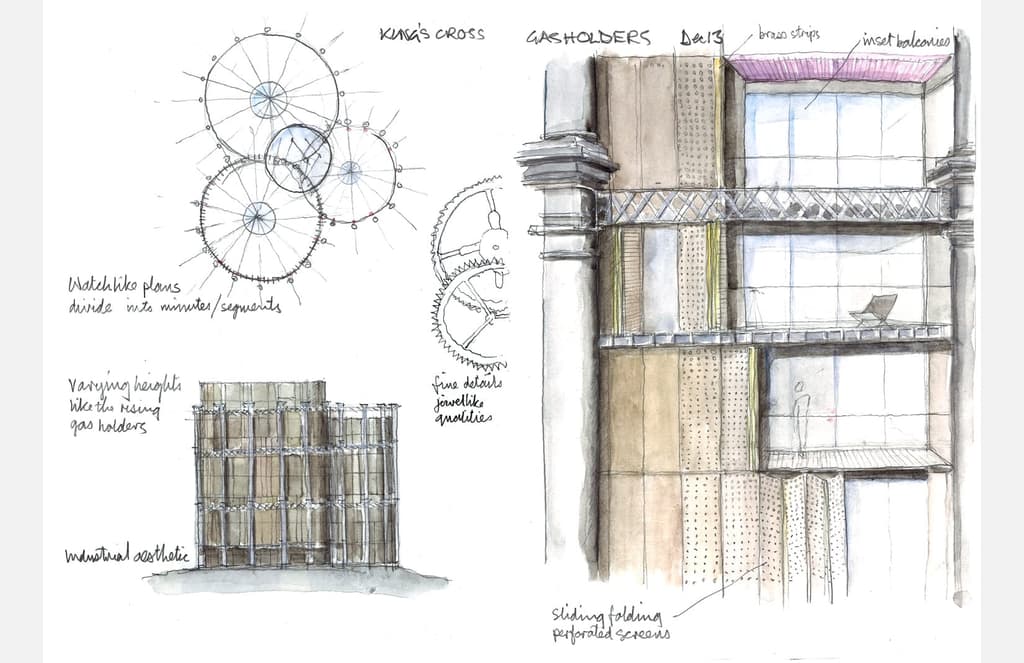
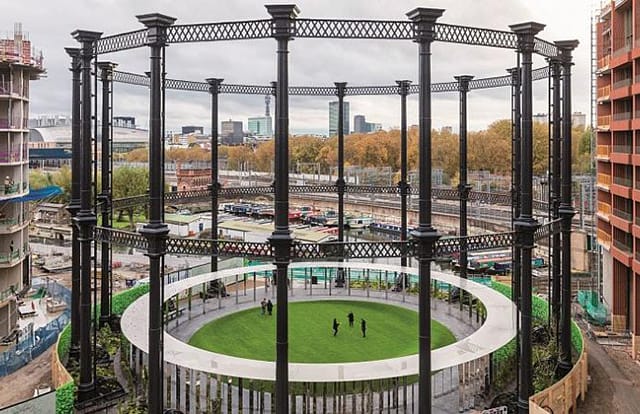
Arma Gasworks, Moscow, Russia Photography: Vasily BabourovGasholders No 10,11 and 12 and Gasholder Park, King’s Cross, London King’s Cross in London is in a state of transformation. What used to be gritty industrial land is turning into prime real estate, as well as a lively focal point for the local community, courtesy of developers Argent. The site includes several old coast iron gasholders, which play a key role in the area’s revamp. Known as the ‘Siamese Triplets’, the Grade II-listed Gasholders 10, 11 and 12 are currently being repurposed as residential units by Wilkinson Eyre Architects, with interiors by Jonathan Tuckey Design. Meanwhile, Gasholder No 8 is set to become one of the area’s new parks following a redesign by Bell Phillips Architects, with planting by Dan Pearson Studio. It will open in late 2015.Gasholders No 10,11 and 12 and Gasholder Park, King’s Cross, London The Grade II-listed ‘Siamese Triplets’ are conjoined by a central spine, and feature ornate detailing (pictured next). Photography: John HeseltineGasholders No 10,11 and 12 and Gasholder Park, King’s Cross, London Photography: Gasholders LondonGasholders No 10,11 and 12 and Gasholder Park, King’s Cross, London Sketches by Wilkinson Eyres of Gasholders No. 10, 11 & 12.1 of 20
Related stories

Newsletter
Want news delivered to your inbox?