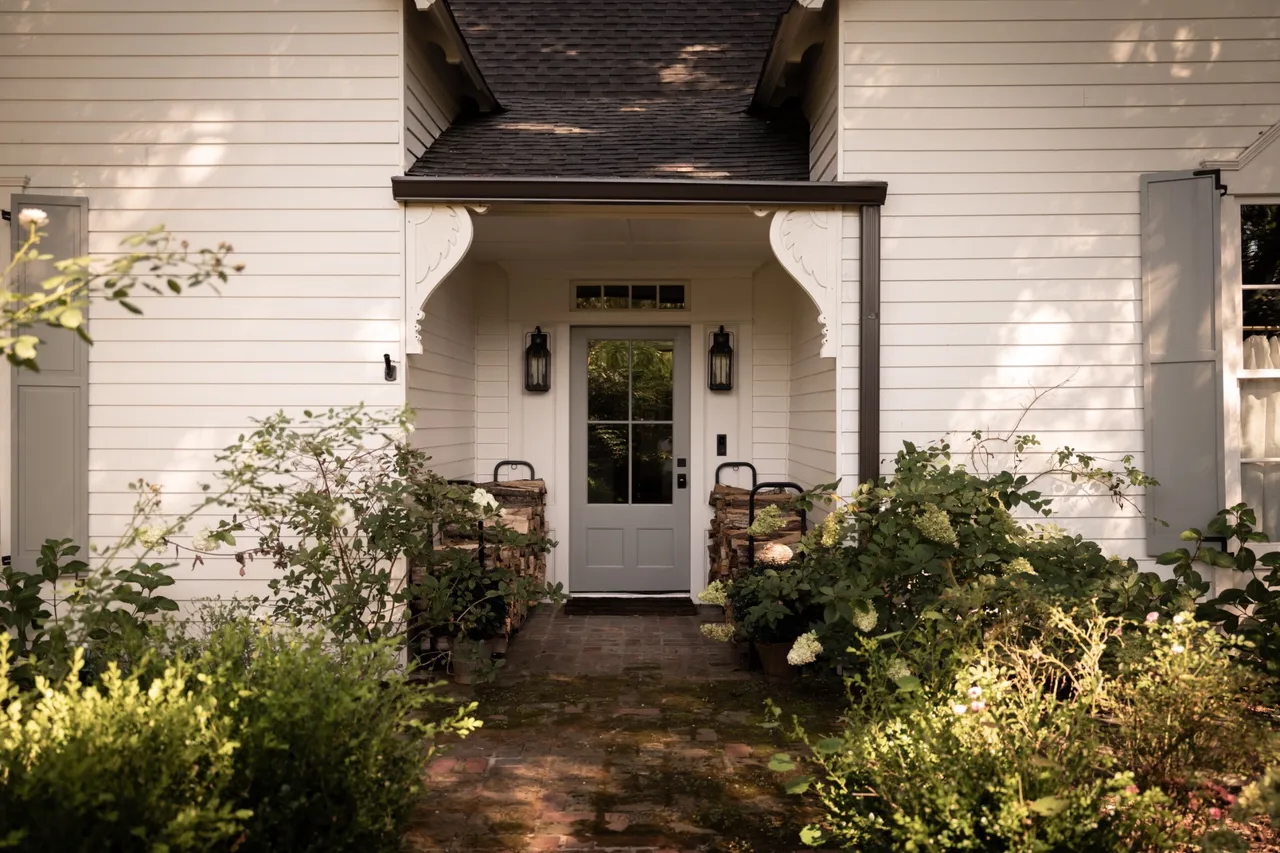
Funnels for natural light that shifts with the sun, circular apertures have illuminated and ventilated the public sphere for centuries. Traditionally found in domed structures, a carefully positioned oculus, or ‘eye’, can also bring structural relief to a building by punching through, and reducing the weight of, a top-heavy apex. Nearly 2,000 years on from the construction of Rome’s Pantheon, with its world-famous eight-metre oculus, these skylights have joined the contemporary canon with a modern twist. The focal point of midcentury masterpieces and hotly anticipated new openings, the oculus is being reinterpreted far beyond the dome. Architects and designers are even taking big swings in private homes. Here are eight that caught our eye.
The Lucas Museum of Narrative Art, Los Angeles, USA
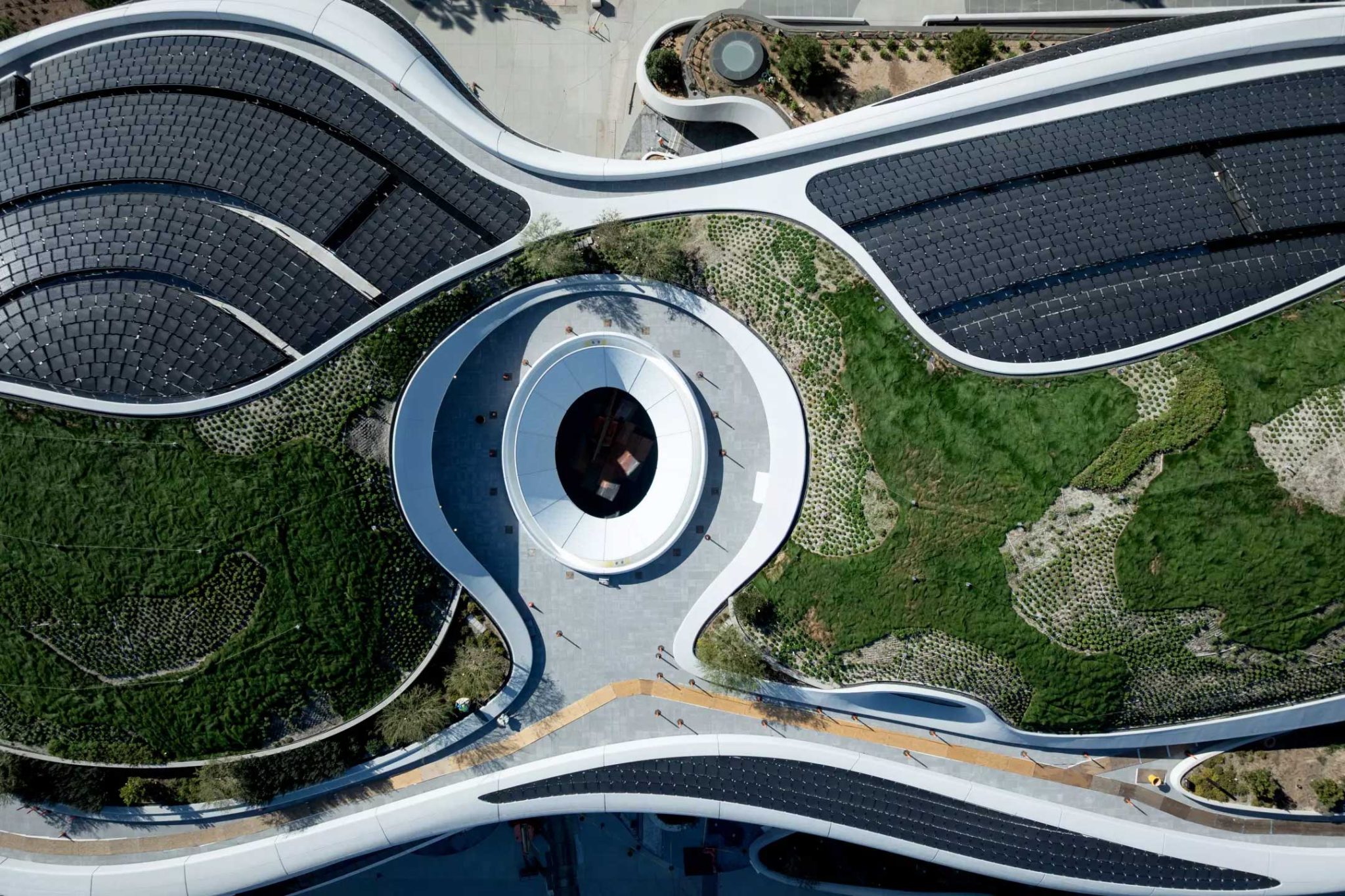
A four-storey elliptical opening designed by MAD Architects will be the focal point of George Lucas’s new 300,000sqft museum, opening in LA’s Exposition Park this September. Designed to conjure a space-age aesthetic that ‘blurs the lines between nature and urbanism’, the ovular structure acts as a keyhole to the sky. It follows the style of the building’s fluid envelope, constructed from more than 1,500 individually moulded fibreglass-reinforced polymer panels. Influenced by passing clouds and the natural environment, they form a soft-edged, sculptural framework for Lucas’s storytelling.
The MIT Chapel, Boston, USA
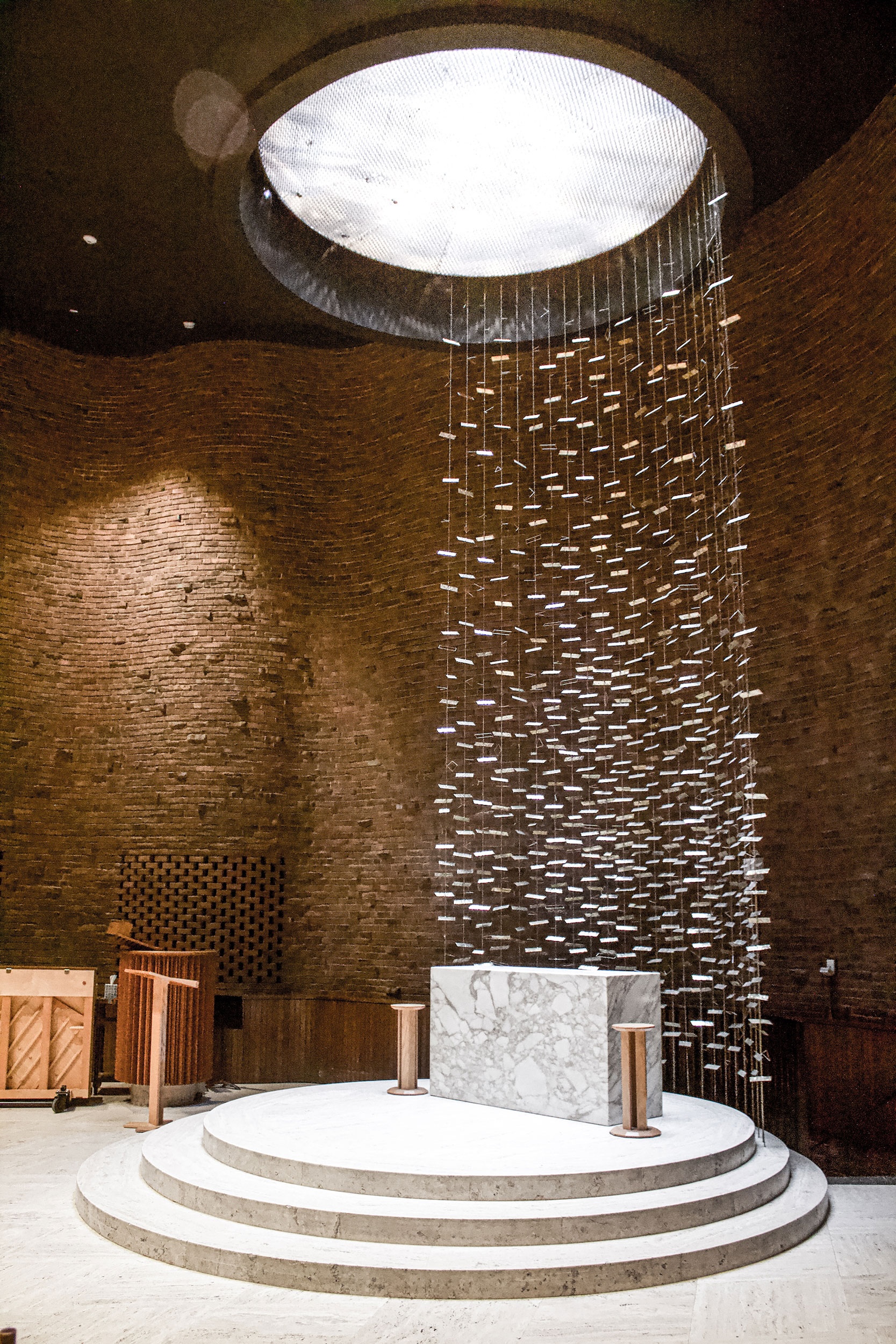
Light pours through a dramatic oculus and cascades onto a floor-to-ceiling metal screen by artist and designer Harry Bertoia in this otherwise windowless brick cylinder. Positioned directly above the marble altar, it is the main source of light for the world-renowned non-denominational sanctuary, conceived by modernist architect Eero Saarinen as a 50-foot-diameter tube. At the heart of MIT’s campus, it was designed in the 1950s to provide a ‘basic spiritual environment’ for all faiths. The dance of natural light against the metal screen resembles an ethereal waterfall at the heart of the structure.
Smart’s Place, London, UK
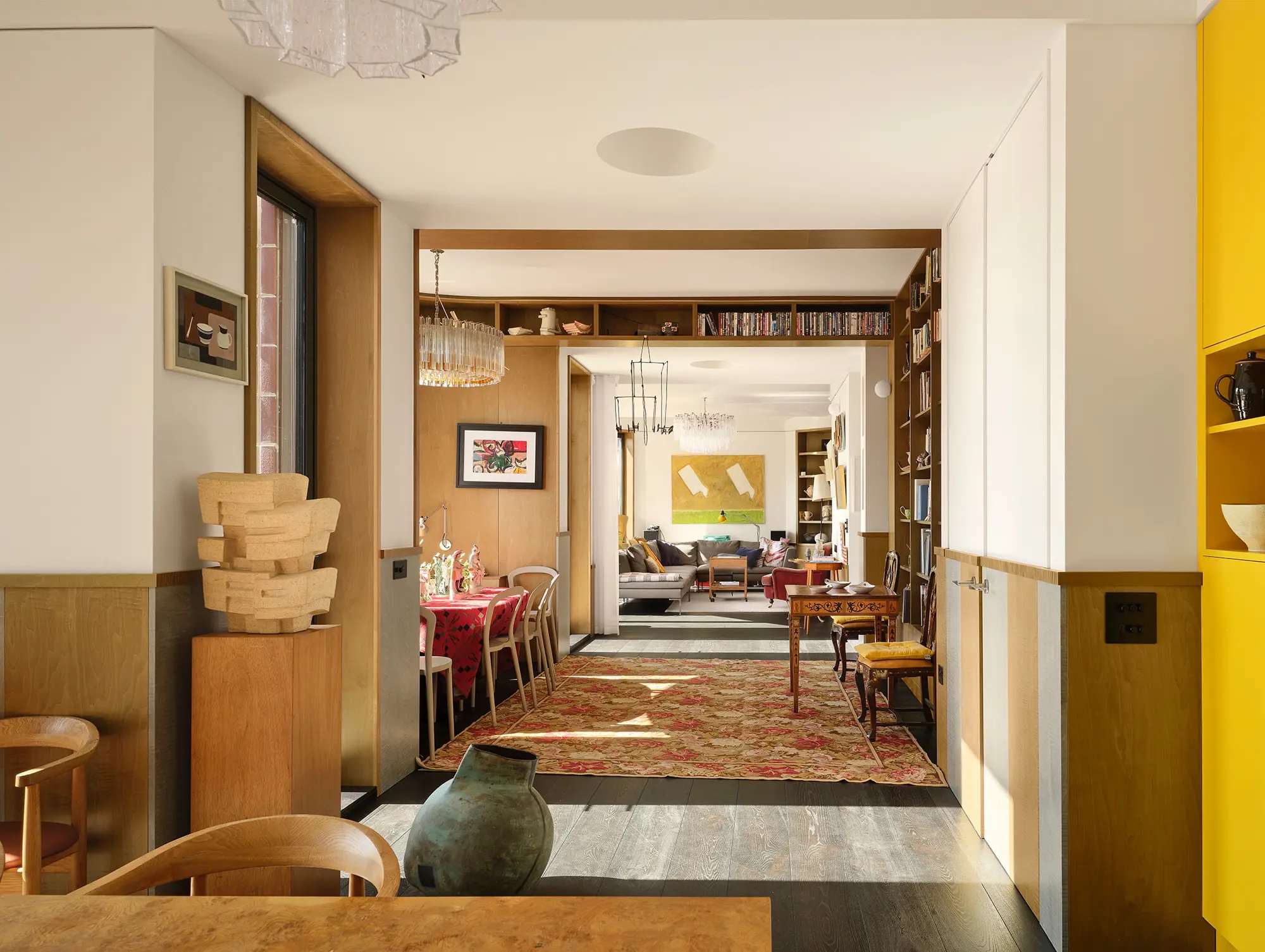
A skylit shower is one of many quirks in this unusual central London home by David Kohn Architects. Set atop an existing office block, Smart’s Place is effectively a two-storey house elevated five storeys above London’s Holborn area. Referred to as ‘a house on a hill’, it treats the lower building’s roof space as a new ground plane, building upon it with sharp angles and soft curves. Aside from the curved shower, two additional oculi usher beams of natural light into the living and dining areas.
Ilios Residence, Los Angeles, USA
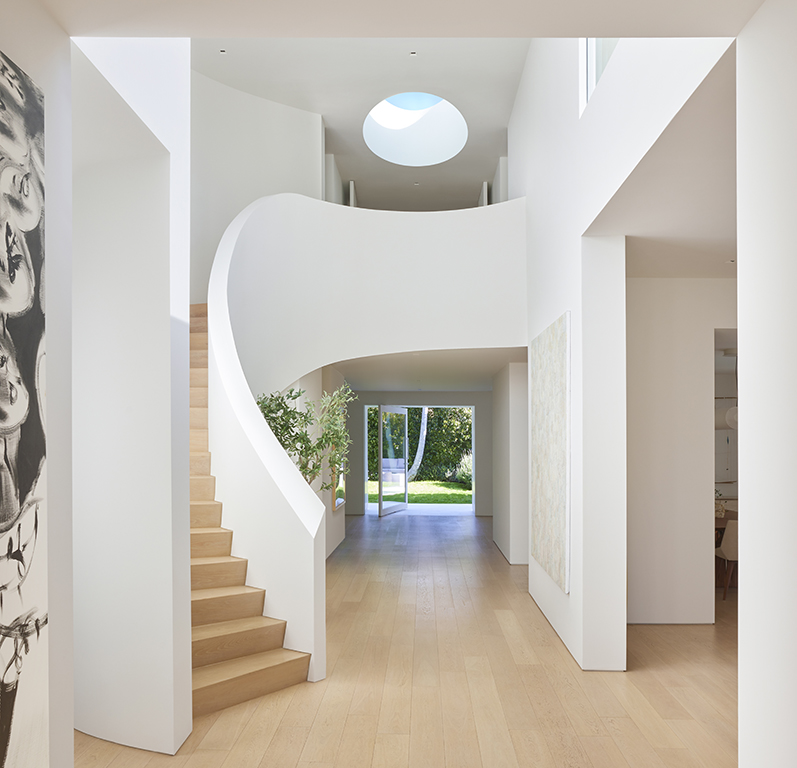
Greek and Armenian heritage meets California cool at this striking Mediterranean-inspired home, where an elliptical skylight — or ilios — draws light into the centre of the space. The property, by architecture and design practice Hatch, showcases the power of simple materials like soft plaster walls, pale oak and Calcutta Gold marble. Natural light through the central oculus makes artificial lighting moot during the day and creates the illusion of being on a Greek Island without veering into the realm of pastiche.
Reichstag Dome, Berlin, Germany
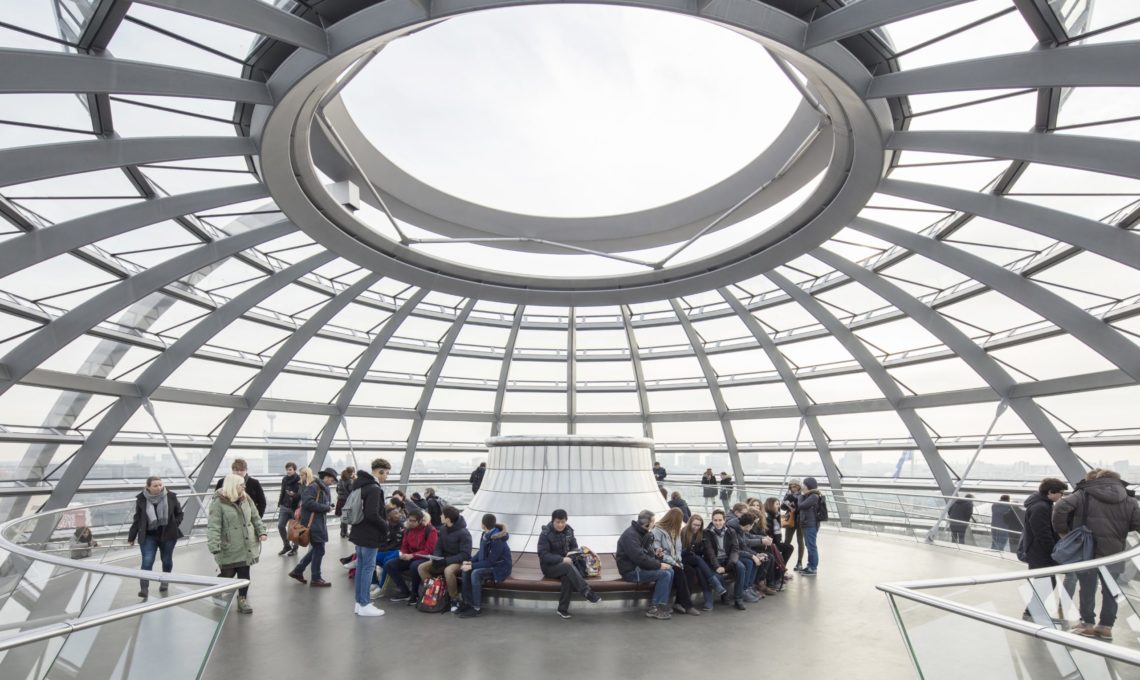
Set into a modern glass dome resting atop the historic Reichstag building in Berlin, this oculus represents democratic transparency. Designed by Norman Foster to illuminate the parliamentary chamber below, the 23.5-metre opening allows visitors to look down onto legislative proceedings via a pair of spiral ramps. The incorporated observation platform also offers a 360-degree panorama across the city. A rotating sun shield regulates light and temperature that is then distributed throughout the building.
Neilson Library, Smith College, Massachusetts, USA
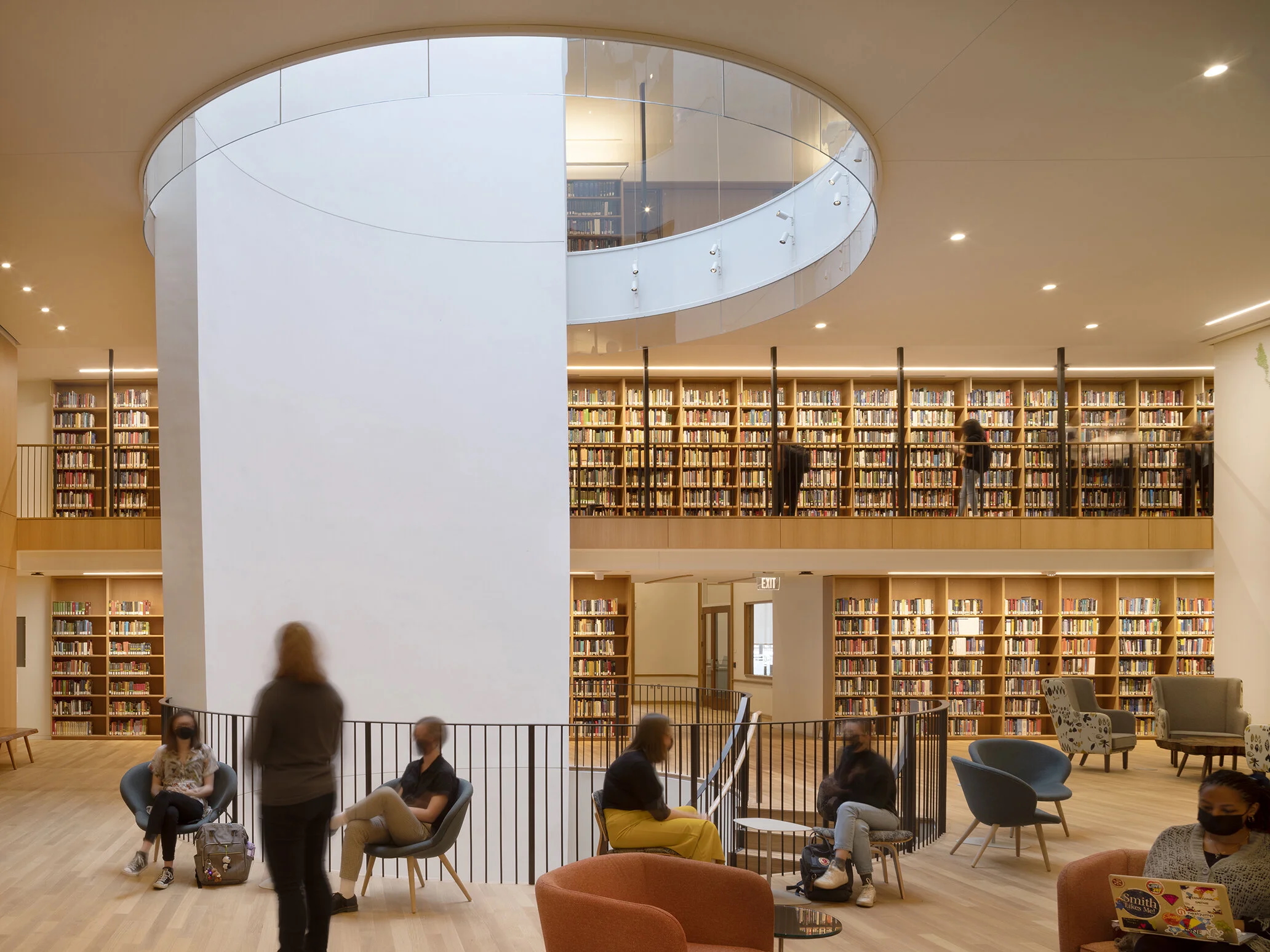
Architect, designer and sculptor Maya Lin was tapped to renovate this library on Smith College’s campus, and positioned her new design around a multi-storey spiral staircase. It acts as a vertical light shaft, leading natural light down through the core of the building from the rounded roof light, which Lin has referred to as an ‘ocular sun scoop’, given its innate tie to solar movement. A functional tool rather than a symbolic void, this contemporary sundial captures and magnifies sunlight as it moves throughout the day and naturally brightens spaces that would otherwise require artificial lighting.
As Seen Below, Aarhus, Denmark
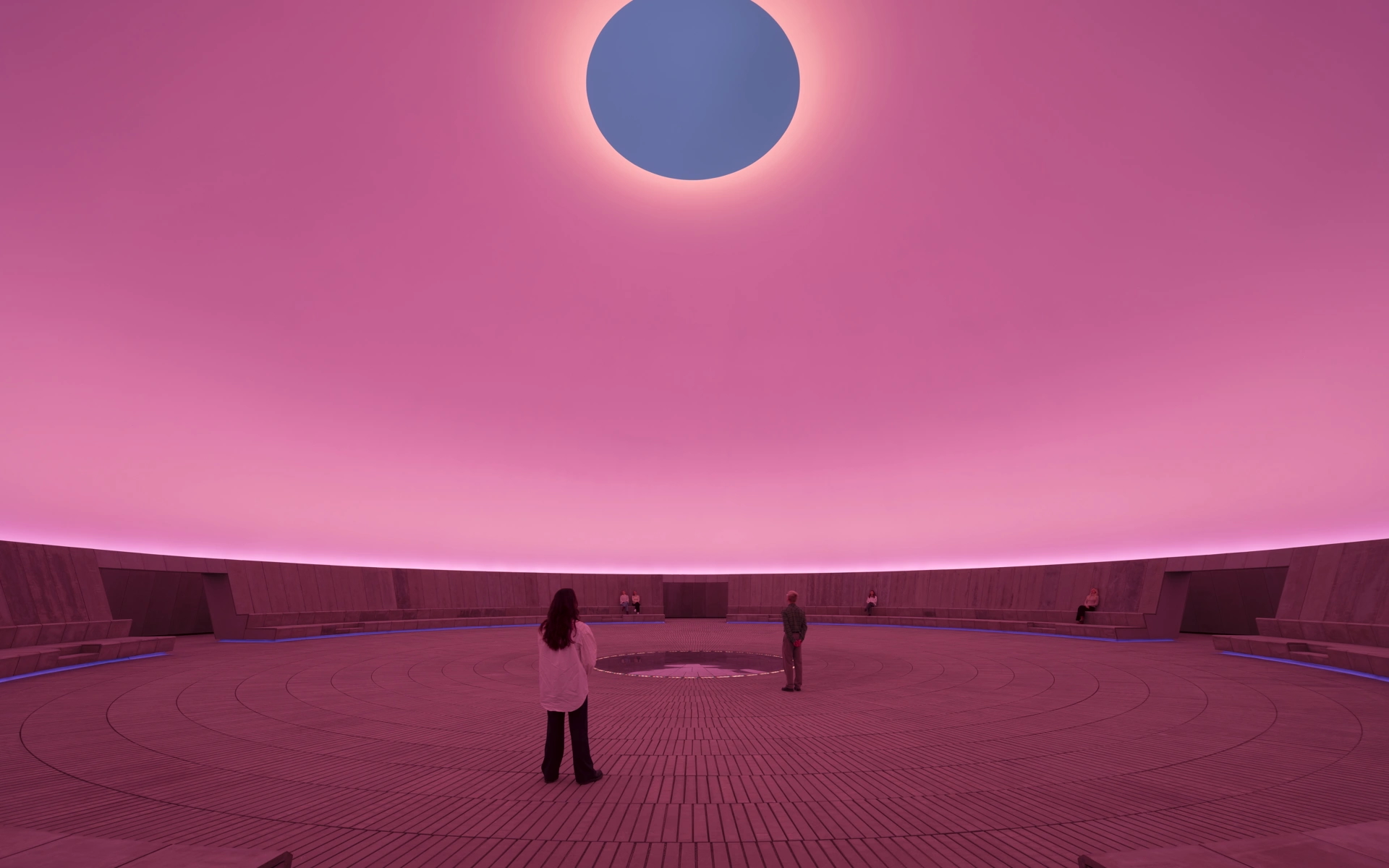
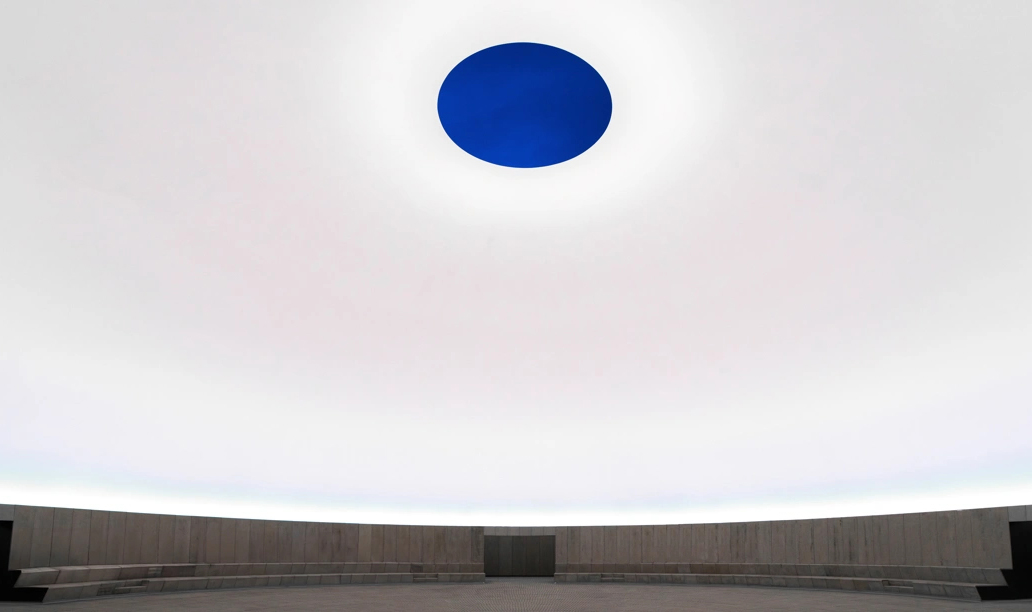
American artist James Turrell is best known for his ‘Skyspace’ installations that bring vibrant colour to natural light through apertures in the roof. His latest and largest to date, As Seen Below, will open to the public on 19 June in a vast underground room with a view of the sky framed by an oculus 16 metres overhead. The domed structure, concealed by a grassy mound, is over 50 feet high and 130 feet in diameter — roughly the same size as the Pantheon in Rome. Reached through a light-filled underground corridor, it forms part of a new extension at the ARoS Aarhus Art Museum in Denmark.
Vipp Pavilion, Hudson Valley, USA
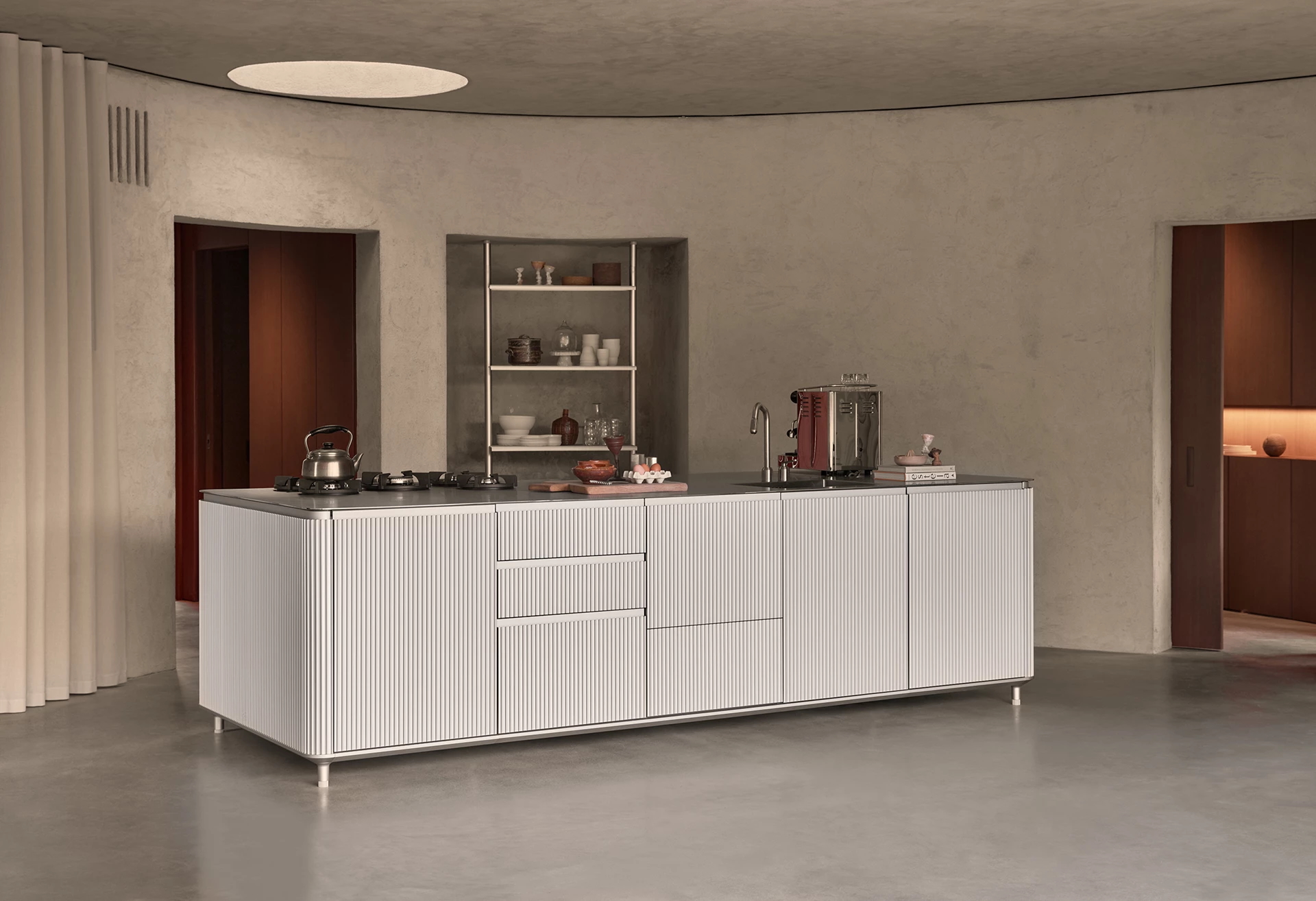
Sitting in a 16-acre woodland near the Upper Delaware River, this new guesthouse by Danish kitchen company Vipp is made up of two elliptical forms and arranged around a number of circular skylights. Los Angeles-based architects Johnston Marklee designed the entrance courtyard with curved walls that intentionally hem in visitors, forcing them to look up to the sky. Inside, a number of large circular skylights draw the eye up while also seeming to pull the sky into the building — as much to create atmosphere as to illuminate.