What makes the concept store ‘conceptual’? These days it’s hard to pin down, as boutiques are building their own artful worlds. Concept stores are borrowing from galleries, restaurants, home decor and contemporary cultural institutions. Clothes sit alongside works of art and books become part of the interior design, though the categories are becoming increasingly irrelevant: fashion can lead to food; food can lead to design; design can lead to music, art or publishing.
Perhaps this is because online shopping is beginning to feel predictable. A garment can be ordered in seconds, a book delivered in hours and almost any object found without leaving home. Physical retail has to offer something the internet can’t. It has to offer atmosphere and discovery. The best stores understand this. They are not trying to compete with the efficiency of online commerce but providing reasons to visit other than simple retail therapy.
Jogging Jogging, Marseille
That idea has been central to Jogging Jogging since it opened in Marseille in 2013. Founded by photographer Olivier Amsellem and marketing specialist Charlotte Brunet, the store emerged at a significant moment for the city, the same year Marseille was named European Capital of Culture. The pair brought together their different backgrounds with a shared ambition to rethink what a retail space could be, and settled on a location that doubles as a social space rather than a purely commercial one.
Today, Jogging Jogging has established itself as a Marseille tastemaker, bringing together clothing, jewellery, books and vintage furniture, from established fashion labels to independent local designers. But it extends beyond retail, with an art gallery and restaurant making Jogging Jogging a cultural hub. Its summer pop-up restaurant, tucked into the store’s courtyard and serving fresh, seasonal Milanese dishes, is another expression of the idea of the store as a social space — somewhere to eat, meet and spend time, rather than simply shop.
Blue Mountain School, London
Spread across six floors in Shoreditch, Blue Mountain School brings together fashion, food, music and art. Its lower level functions as an archive and retail space for clothing and jewellery with garments by designers like Geoffrey B. Small and Amy Revier, for whom it acts as a patron. The space feels closer to entering someone’s personal collection than walking into a shop, a space for discovery and inspiration through various practices. The floors above include an exhibition space showcasing craft, design and artworks by contemporary and non contemporary artists. Another floor is the location of Cycene, the intimate candlelit restaurant serving a nine-course tasting menu with seasonal British ingredients.
Alex Eagle Studio, London
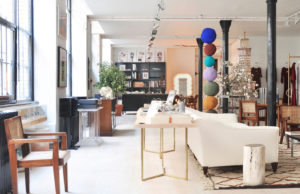
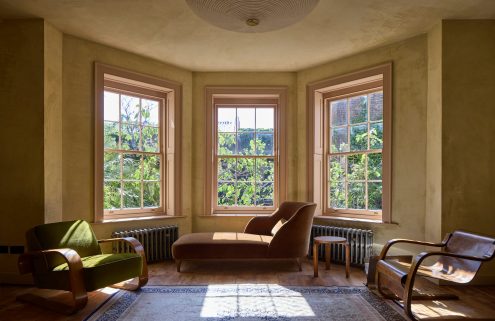
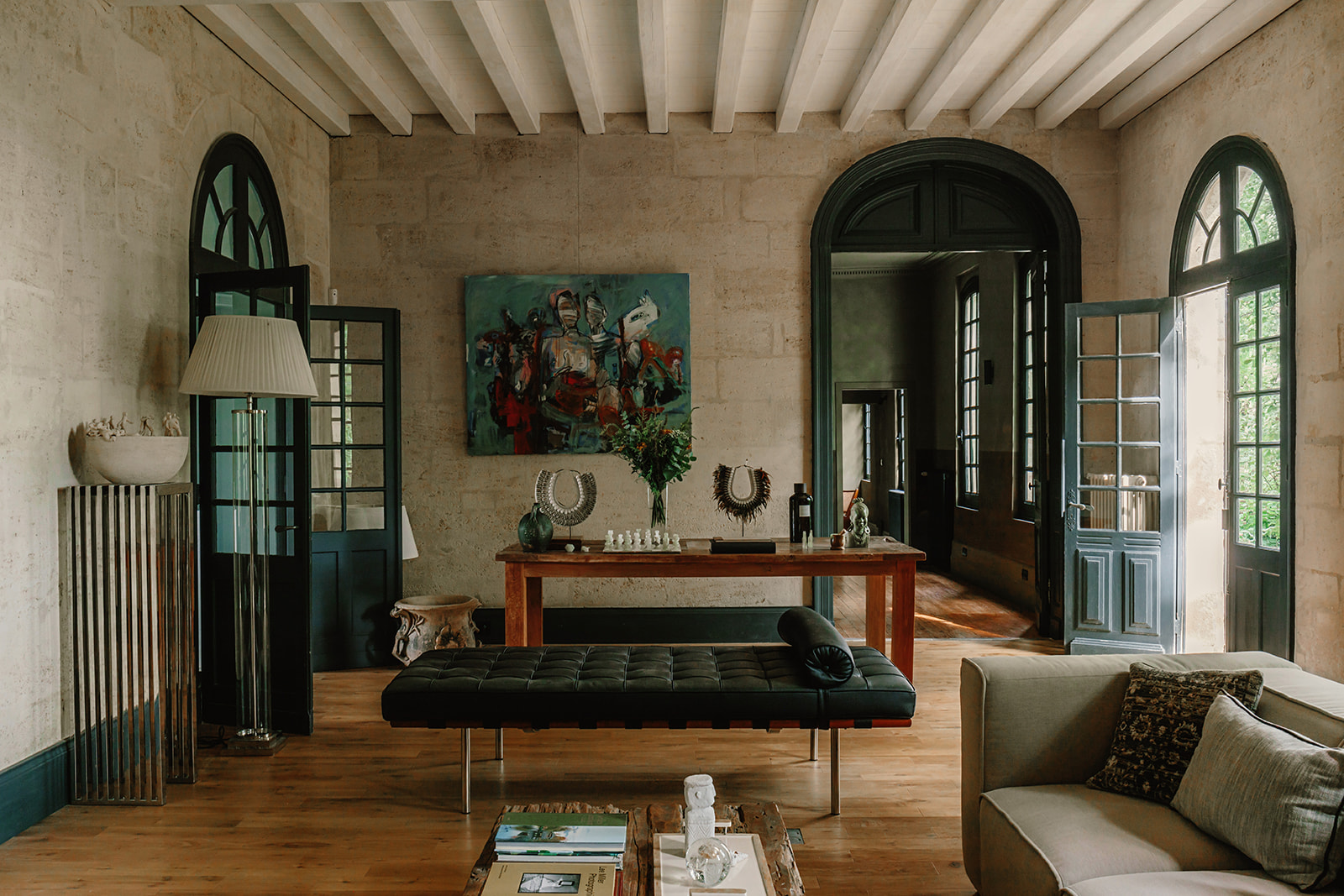
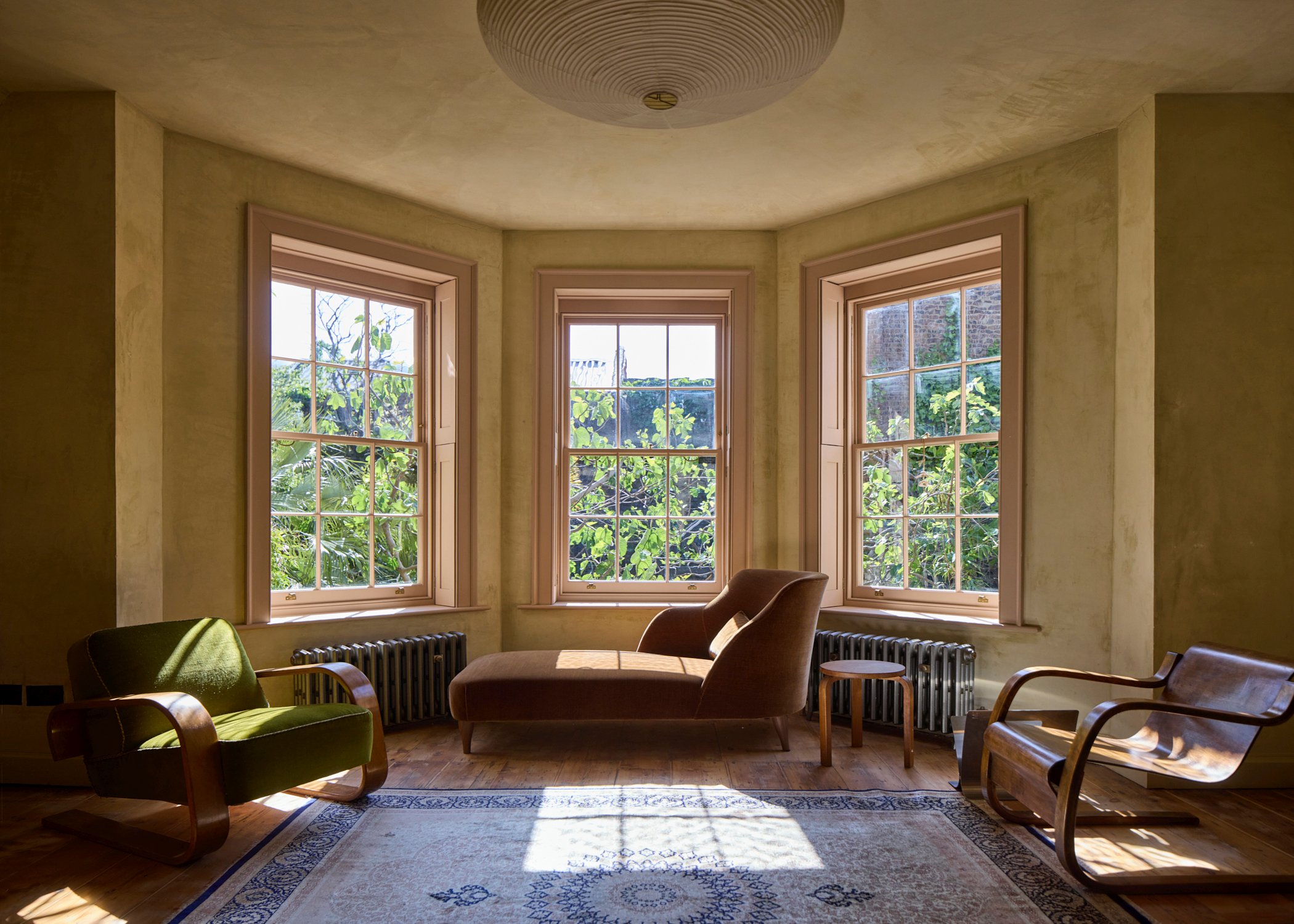
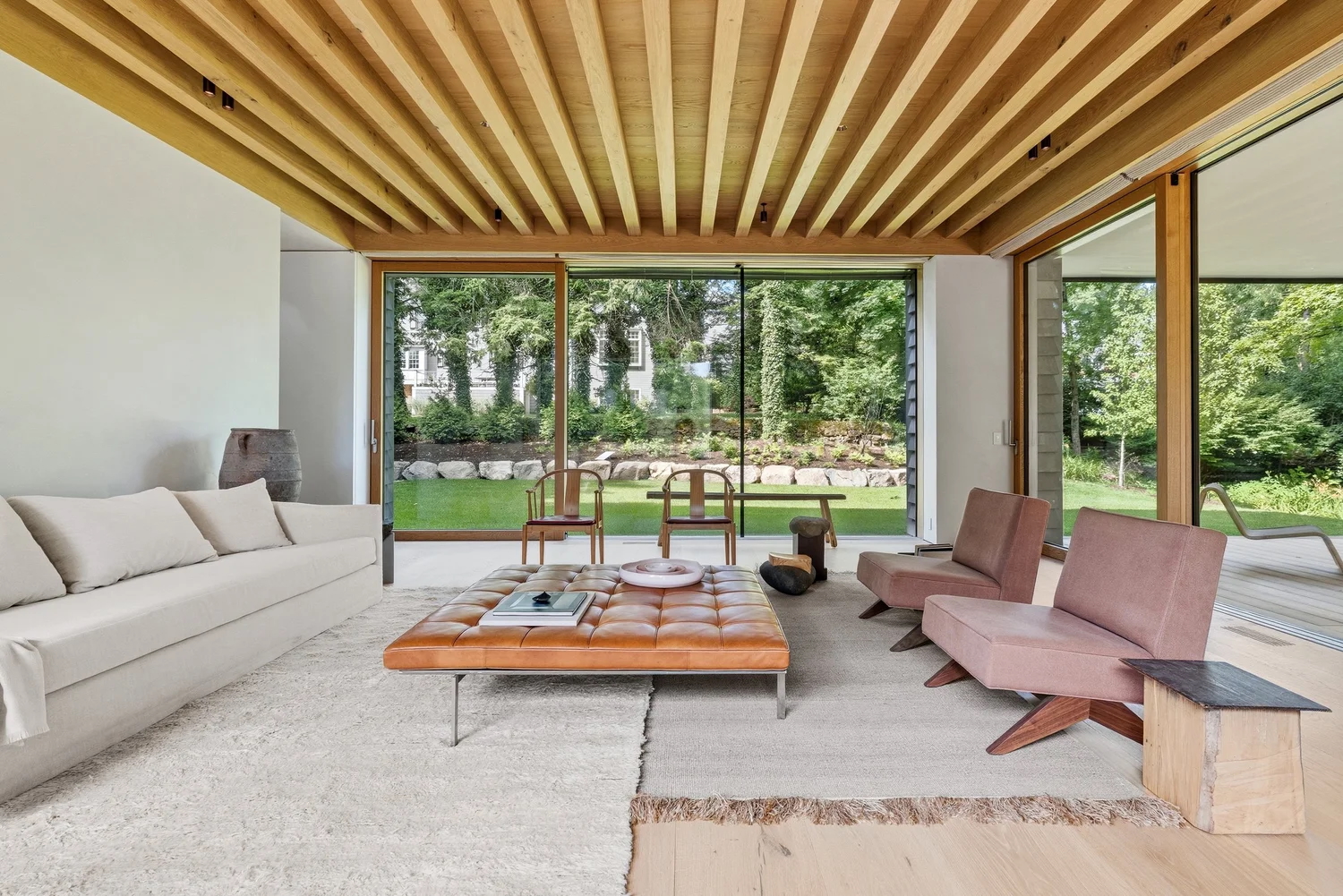
With the feel of a minimalist loft in New York’s SoHo, Alex Eagle’s shop in London’s Soho references home interiors. Rather than presenting fashion as a standalone category, she has created a space where clothing, furniture, art, books and other objects coexist, curated according to Eagle’s own fascinations. Furniture by Pierre Jeanneret sits alongside artworks, clothing and other objects, with the boundaries blurred between retail and residential. Light funnels in from large windows, inviting shoppers to pick up a book, take a seat and pause.
‘The way we shop is changing,’ says Eagle. ‘People want an edit across everything in their lives — clothes, homeware, furniture, books, food and music. They crave a more inspiring environment, somewhere they can spend time and relax without the pressure to buy.’ Simultaneously, Eagle’s own atelier functions as a library and gallery, allowing her brand to move between fashion, art and interiors without treating them as separate worlds.
Voo Store, Berlin
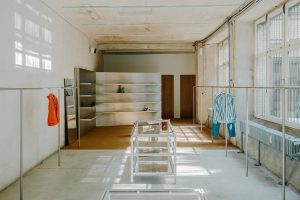
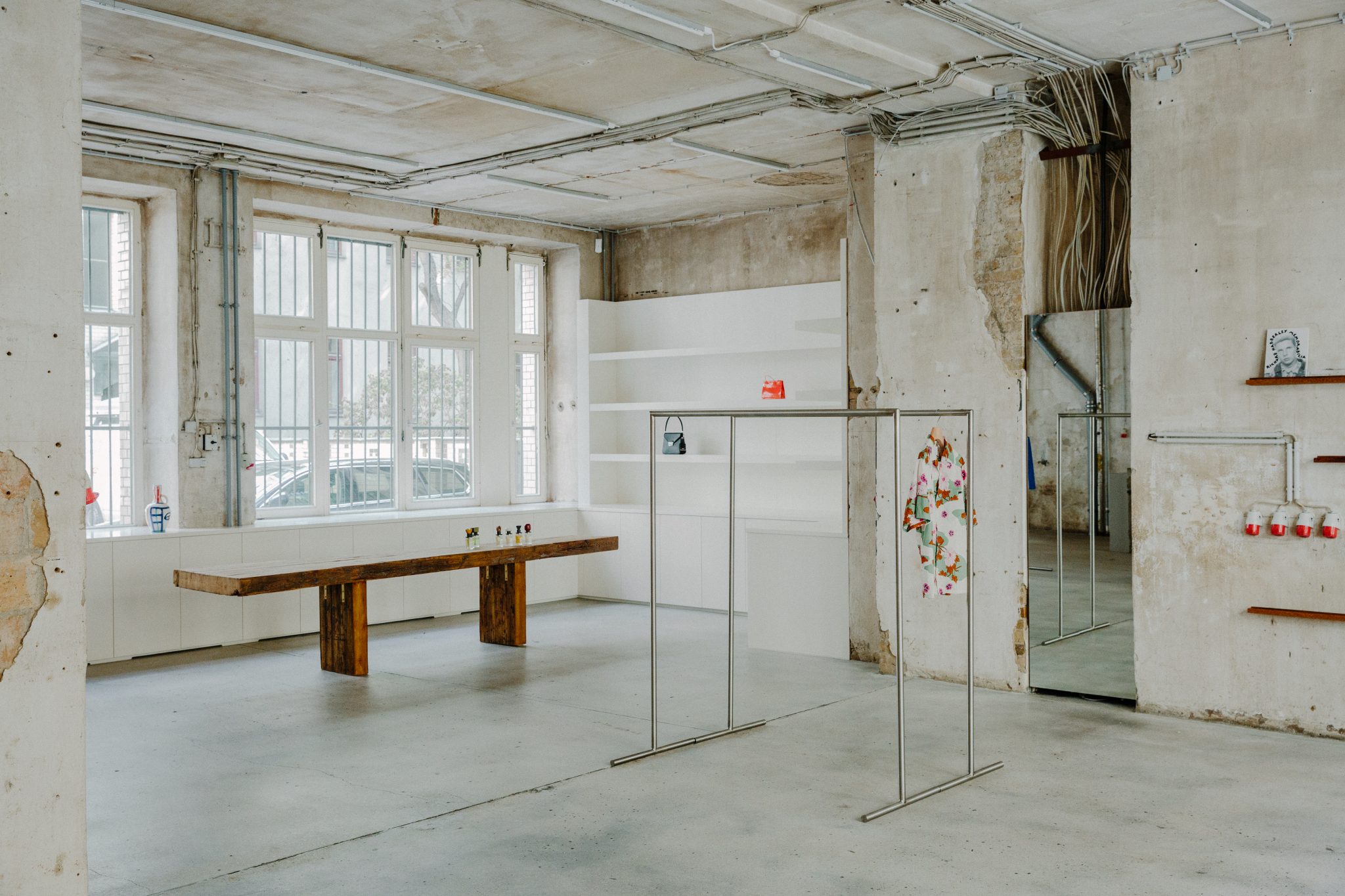
Hidden in a former locksmith’s workshop in Kreuzberg, Voo Store has developed its own version of the hybrid model. It retains the quintessential industrial rawness Berlin is known for, adding in a selection of contemporary fashion, design and visual culture.
Its courtyard has become an important part of the experience, expanding out the retail space into food and hospitality. Specialty coffee and freshly baked goods are sold and enjoyed here, while Voo Deli provides natural wine and organic food. Across the courtyard, the newer Voo Space takes this idea further, functioning as a gallery and project room for brand and artist collaborations. A customer might arrive for a piece of clothing and stay for coffee, an exhibition or simply to spend time outdoors.
Plan C, Milan
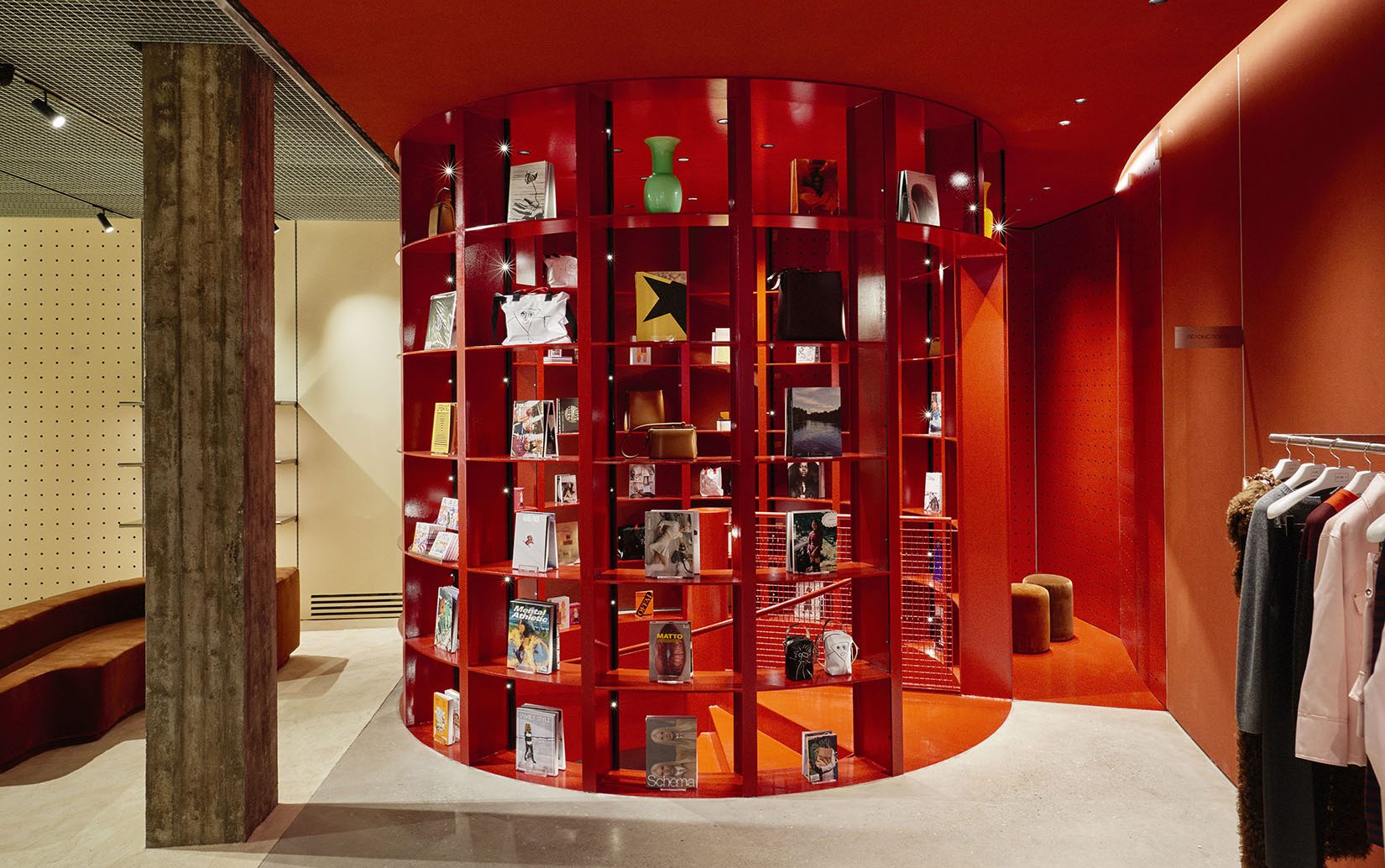
A store should be able to adapt and change: that is the idea behind the Plan C flagship in Milan. The two-storey space, created with production house April and architects (Ab)Normal, is made up of colourful, modular rooms that can be reconfigured for exhibitions, pop-ups and parties as part of the brand’s Plan C Frame programme.
Clothes and accessories sit alongside jewellery, books and a capsule homewares collection, while the lower level includes a library and event space. The result is ‘a rethinking of retail as a place for exchange, imagination and cross-disciplinary creativity,’ says co-founder Carolina Castiglioni.