To decorate my office many years ago, I gathered a few colour cards from specialist paint manufacturers like Farrow & Ball and Little Greene, and mounted them in horizontal frames. I enjoyed the bizarre names on the chips and imagined which I’d use in my fantasy home makeover. Back then, those companies seemed fresh and youthful. Even though Farrow & Ball is now 80 years old and Little Greene a well-established 40, they’d come back into fashion among renovators.
Flash forward and there are so many more options on the market, so many boutique brands offering arty, atmospheric colours, that when I was finally able to renovate I was overwhelmed by choice. Which colours could I live with long term? Which would last the longest, render the mattest and have the most depth? Did my east-west aspect matter? Should I just revert to white — and would a bog standard Dulux white suffice? In the end, I opted for the meh Lime White by Farrow & Ball that all my friends were using.
Yet the staggering number of competitors today suggests the paint you choose for your home is not only up there with the most important decorating flexes you’ll make but crucial to your wellbeing. ‘Consumers understand the role of undertones, natural light and colour psychology and are using that knowledge to create spaces that feel personal and tailored,’ says Emily Harnasz, founder of the colour consultancy Swish. ‘They’re no longer asking for simply “grey”. They’re asking for a warm grey with a pink undertone, or a muted green that creates a sense of calm. That’s where specialist paint brands have excelled. They’ve embraced this nuanced language, positioning themselves as trusted experts and a source of inspiration.’
View this post on Instagram
Harnasz suggests that social media has played a huge role in allowing people to ‘see the transformative power of colour… and delve into the vast array of inspirational content with specific brand colours.’ Designers claim the stakes are low — with the average price of a litre around £30, why not repaint from time to time. But how many litres would you need to give a room two coats? How much time would it take? What’s the decorator’s hourly rate? Factor in these costs and a new sofa may be less expensive.
The market for decorative house paints is worth nearly US$100 billion worldwide, so it’s no surprise so many entrepreneurs would want a share of it. In the UK, purveyors include old standbys like Mylands; distinguished fabric and wallpaper houses like Sanderson and Zoffany; and young ‘disruptors’ like Coat and Lick. Designers like House of Hackney and Abigail Ahern have their own offshoots. This spring critical favourite Rachel Chudley unveiled a new 14-shade luxury range.
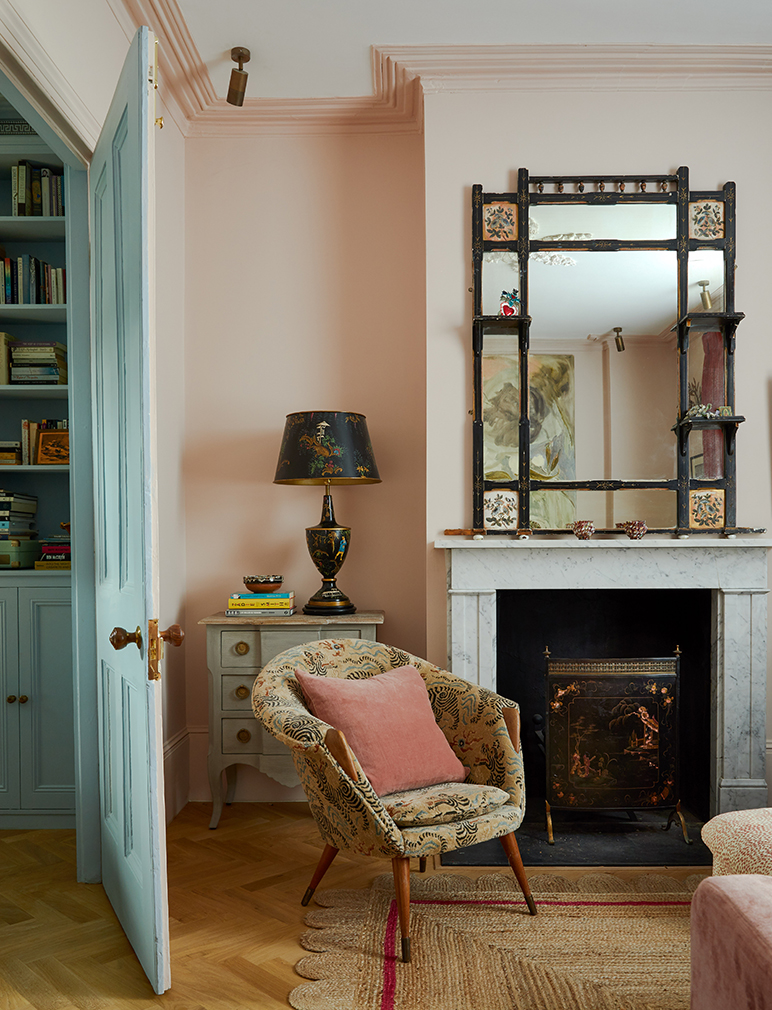
Light Pink paint created by Rachel Chudley for a house in De Beauvoir Town, London. Photography: Paul Massey
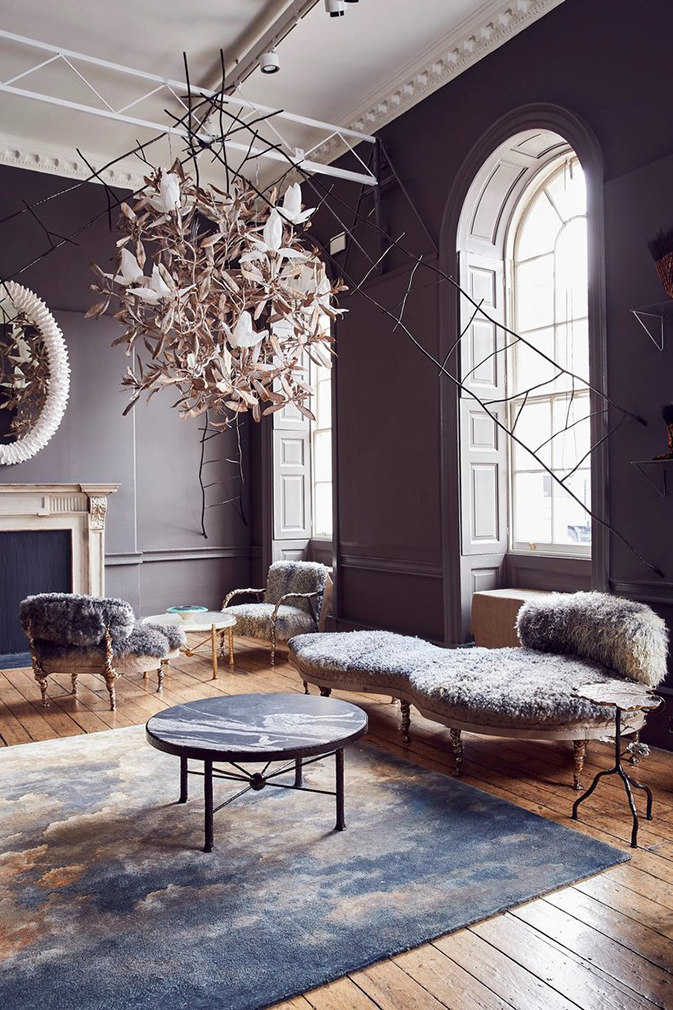
Soft Black paint created by Rachel Chudley for a room at Somerset House in London. Photography: Alun Callender
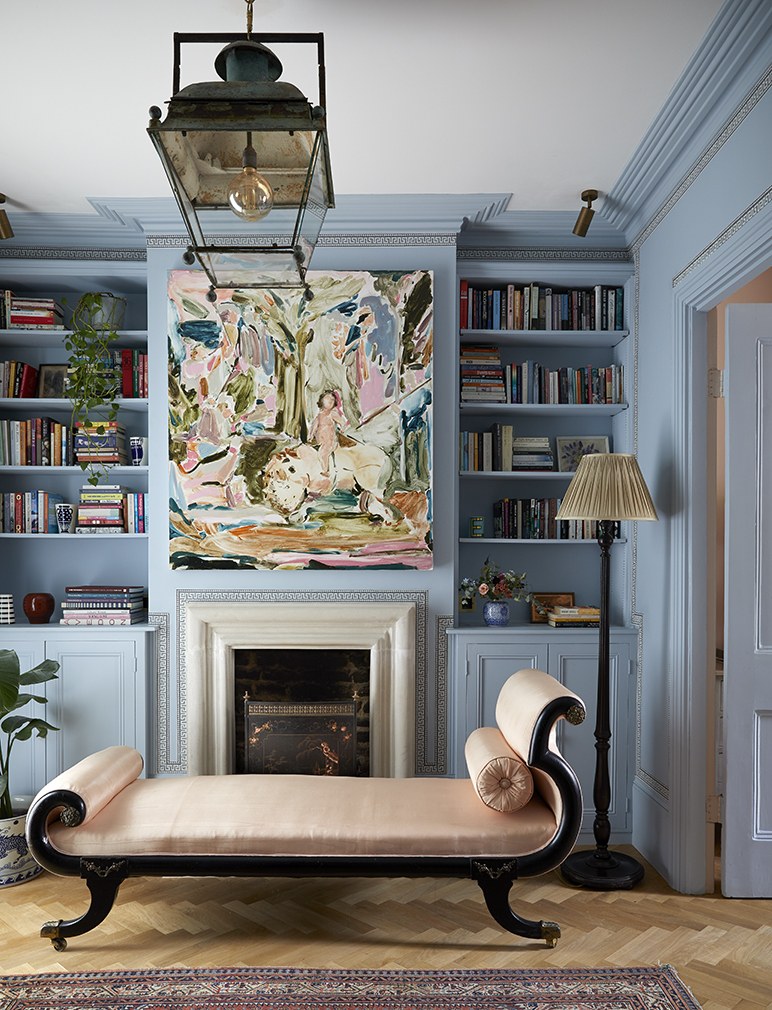
Soft Blue paint by Rachel Chudley, designed for a house in De Beauvoir Town, London. Photography: Paul Massey
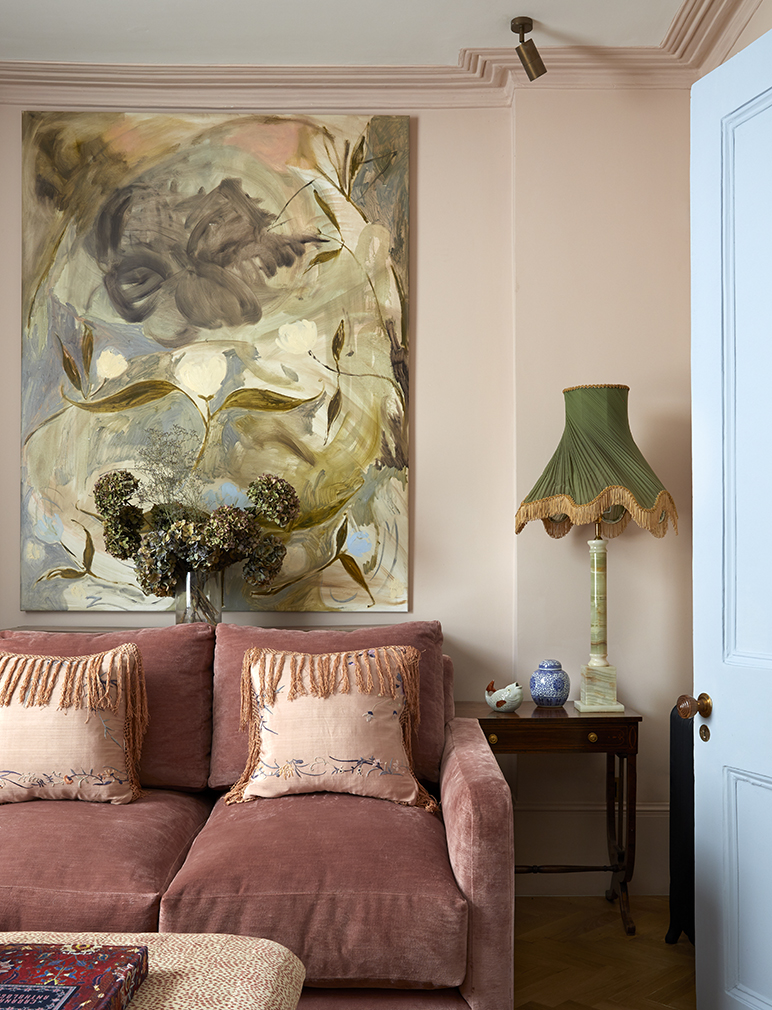
Light Pink paint created by Rachel Chudley for a house in De Beauvoir Town, London. Photography: Paul Massey
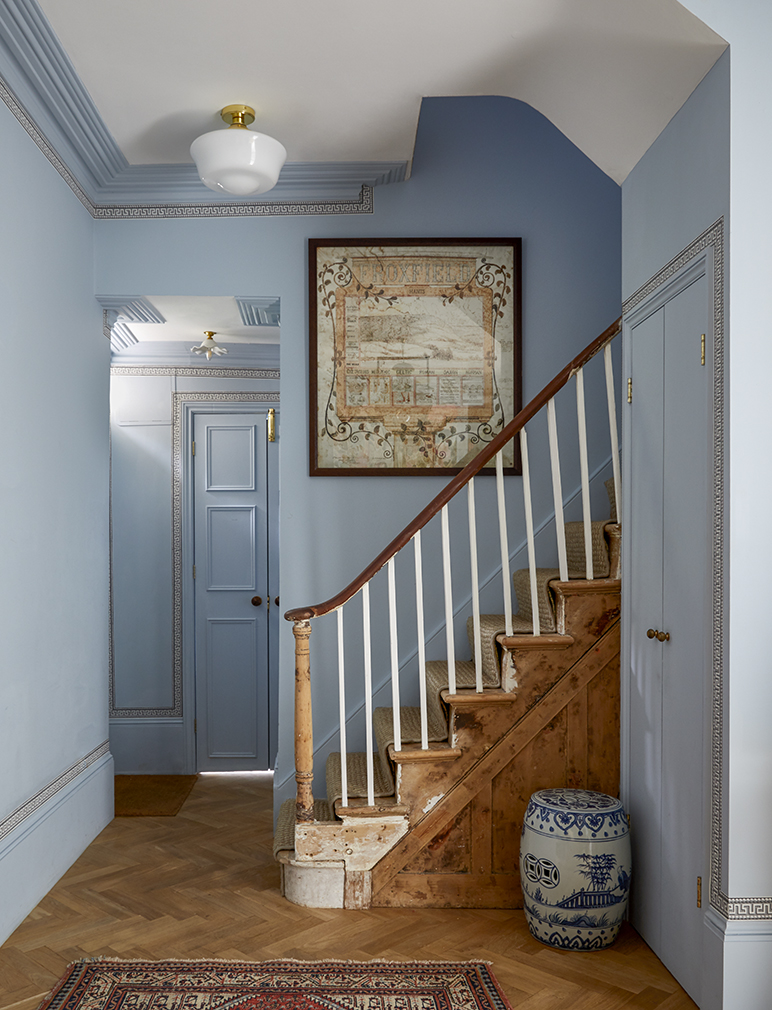
Soft Blue paint by Rachel Chudley, designed for a house in De Beauvoir Town, London. Photography: Paul Massey
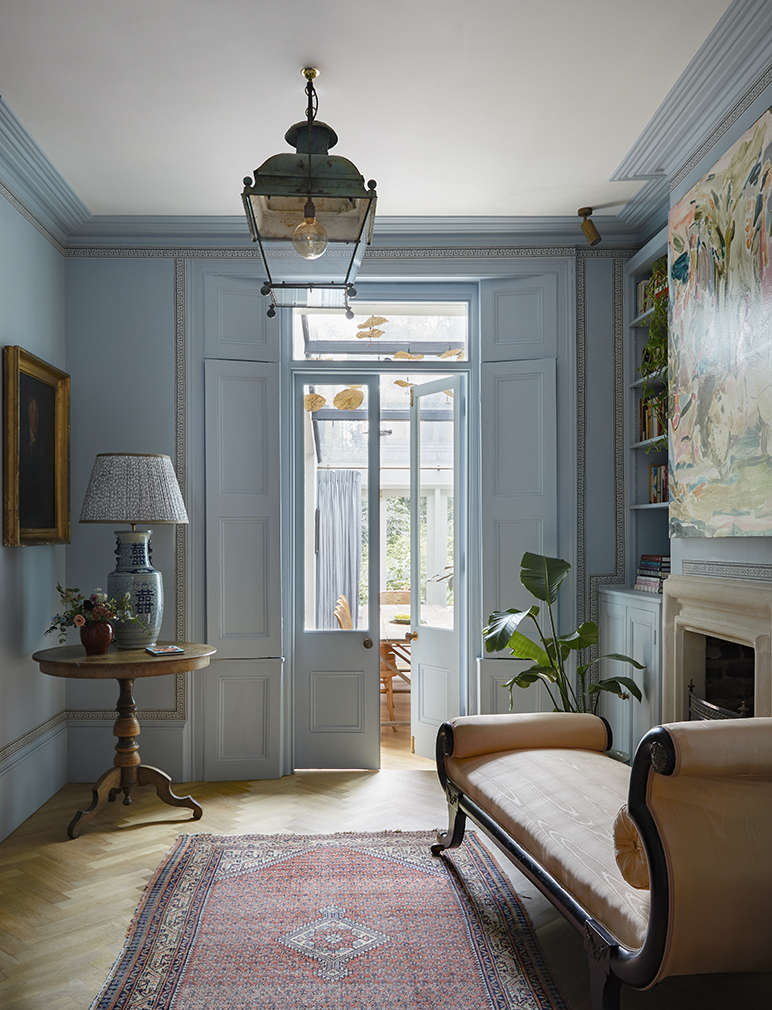
Soft Blue paint by Rachel Chudley, designed for a house in De Beauvoir Town, London. Photography: Paul Massey
‘We recreate colour in a complex way — where science and art meet,’ says Chudley. ‘Our paints are made up of intricate pigment mixtures, which gives them that dynamic, luminous quality. They respond to their environment, rather than sitting flat on a wall.’ Like her Marble Matt paint, fabricated with crushed Carrara marble, each of today’s boutique paints claims its own USP, from heritage pigments to canny packaging, fabric-matching, sustainability, even vegan credentials.
‘The strongest brands have built an entire design philosophy,’ says Harnasz. ‘Their colour collections are carefully curated so every shade works harmoniously with the next, which makes choosing colours much less overwhelming.’ Still, there’s a sense even interior decorators find the sheer array confounding. In shelter magazines, often several brands are mixed and matched in a single room — on walls, ceiling, floors, woodwork. Image captions can run several inches.
‘To many people paint seems to have become a fashion item and they use it to emphasise either their ethical bona fides or status,’ says Patrick Baty, an architectural paint historian, colour consultant and author. ‘Rather than use the paint from a long-established company with a wide range of colours, I often see ludicrous situations where the paint colour for the various elements in a single room is obtained from different suppliers. Invariably, this gives rise to confusion, a difference in sheen levels and maintenance becomes a nightmare.’
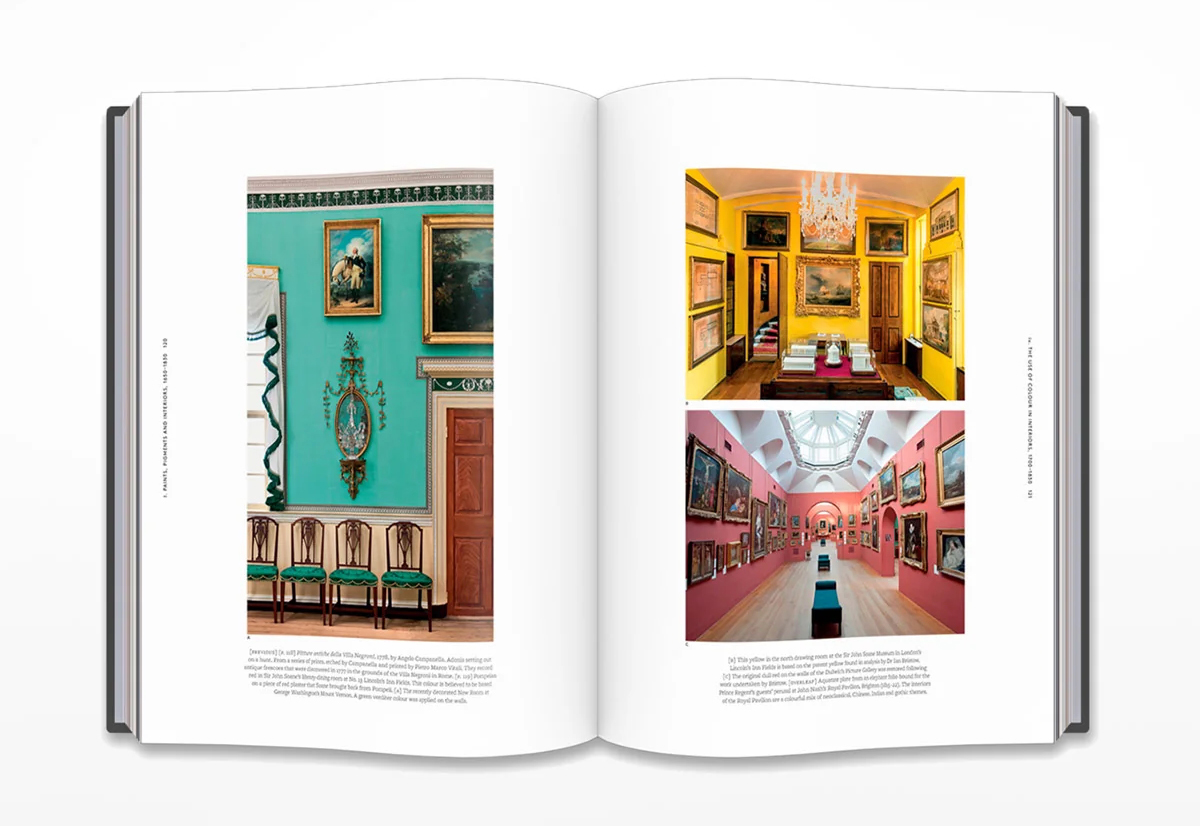
Baty is as surprised as anyone about the number of boutique brands available. Mixing bespoke colours from his specialist shop Papers and Paints, founded by his father in west London in 1960, he describes himself as ‘like an old-fashioned tailor, quietly getting on with what we know best and doing things that others don’t.’ And, he, insists, ‘there is nothing wrong with the Duluxes of this world’.
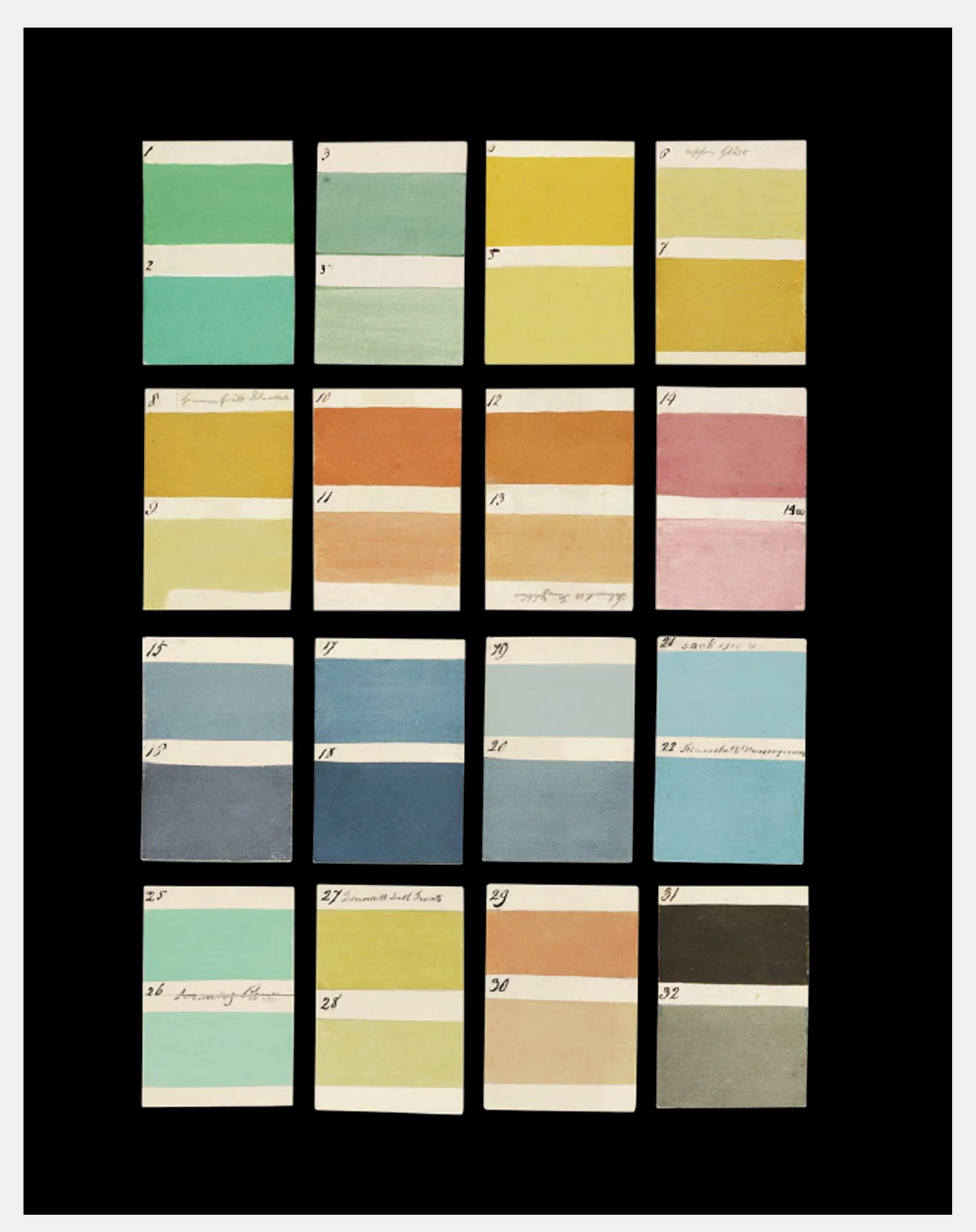
‘Some paints appear to be sold with an implied promise that they can save the planet and a suggestion that anything produced by the big brands is to be avoided. [But] European legislation and the many changes that have taken place with the formulation of decorative paints has meant that most paint now produced by the big companies is safe enough to apply on children’s toys. There is little more that can be done to paint if one still wants it to provide protection, durability and a degree of lightfastness.’
Harnasz does see the point of studying the new artisanal options, though. ‘Where [DIY chain brands] differ is that they’re designed to appeal to the broadest possible audience,’ she says. ‘Premium brands tend to focus more on curated palettes, richer colour development and helping people create a cohesive scheme.’ She rates Farrow & Ball for timeless heritage colour, Edward Bulmer for natural pigments and YesColours, a new directional company that sells flexible pouches of paint rather than traditional metal tins.
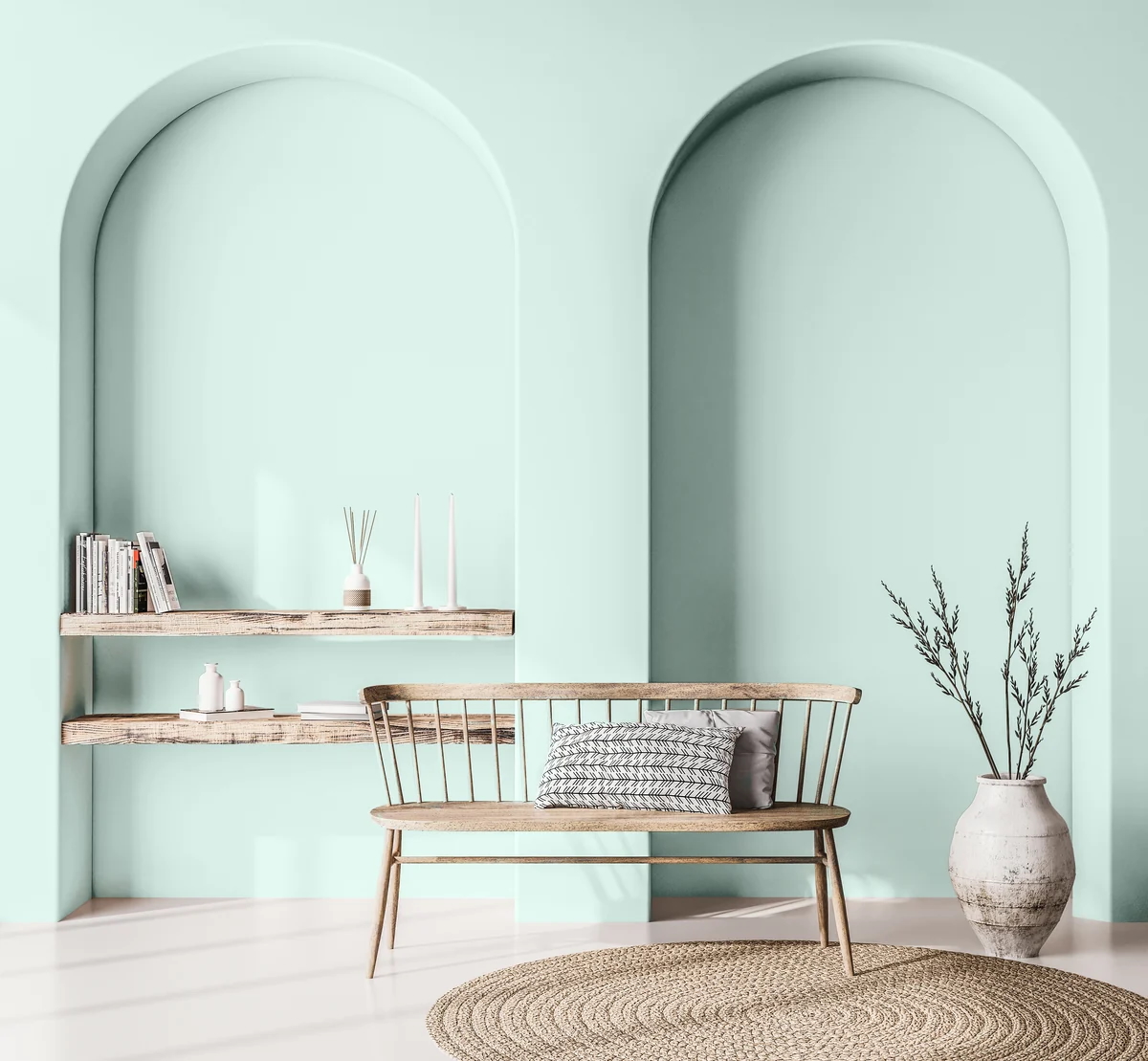
The ones who are able to sustain themselves financially have figured out they’re not just in the business of selling paint, says Harnasz. ‘They’ve built ecosystems around their products through colour consultations, design services, collaborations and other creative services. That means customers aren’t just buying paint, they’re buying expertise, reassurance and inspiration, which creates stronger brand loyalty and a more sustainable business.’
When all you need is a reliable white for your kitchen walls, does all this detail really matter? Harnasz says yes. ‘Every white has an undertone and those undertones become much more obvious once they’re covering an entire room,’ she says. ‘A white that looks crisp in a showroom can suddenly feel cold and clinical in a north-facing room, while another may appear surprisingly creamy in strong afternoon sunlight.’ In my own kitchen, the popular white of the day seemed utterly charmless. Perhaps there’s a new shade out there to help. Finding it is another matter.