When European modernism was pioneered by architects like Le Corbusier and Walter Gropius in the 1920s and ’30s, the movement was all about clean lines, flat roofs and glass, glass, glass. But what happened when this aesthetic was transported into a hot, humid climate? After the Second World War there was a big British budget for shiny, new public builds overseas, in a bid to placate independence-seeking nations such as India and Ghana. Modernism had to pivot. The result was tropical modernism.
Also known as ‘brutalism in the tropics’, the look was developed by Jane Drew and Maxwell Fry, who had been stationed in West Africa and understood how the architecture needed to change. One upshot to the couple’s embrace of brise soleils, louvres and giant shade-giving cantilevered eaves: the style got sexy. As a result it remained relevant far longer than its austere European ancestor, becoming a backdrop to music videos and cutting-edge fashion campaigns. Think Oscar Niemeyer’s Museum of Contemporary Art in Rio, location for Louis Vuitton’s 2016 Resort Show, or the beton brut Indian city of Chandigarh, loved by Bollywood film directors.

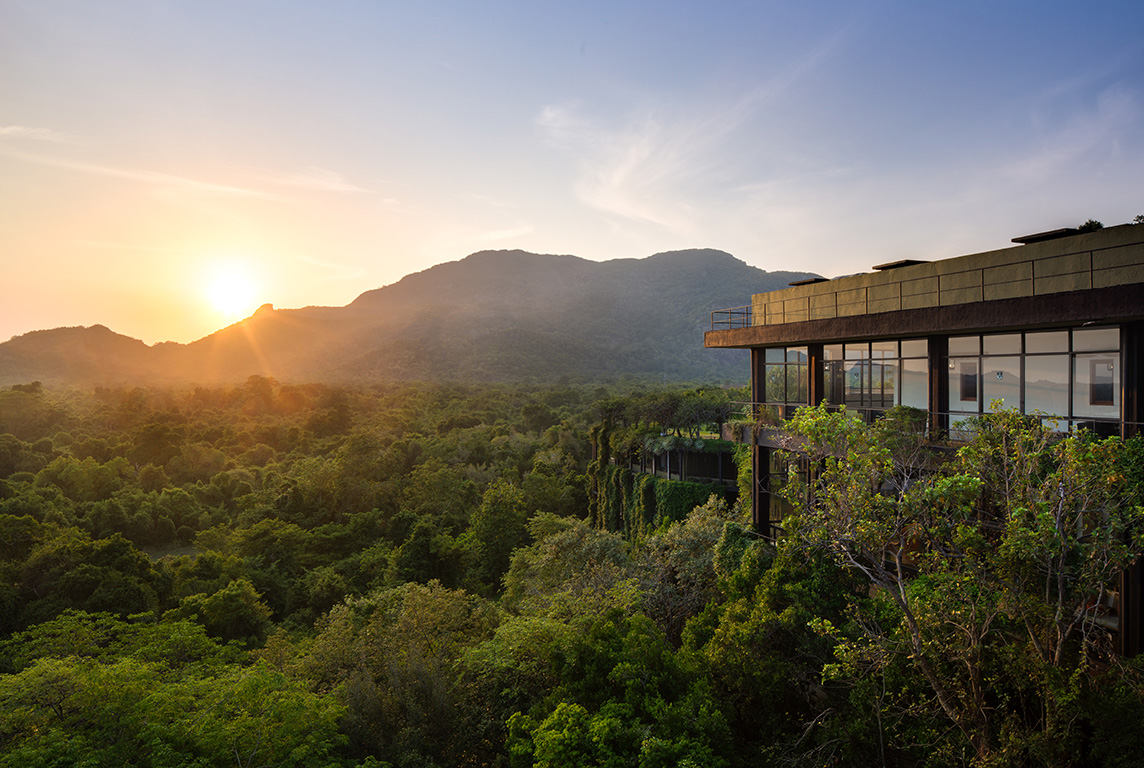
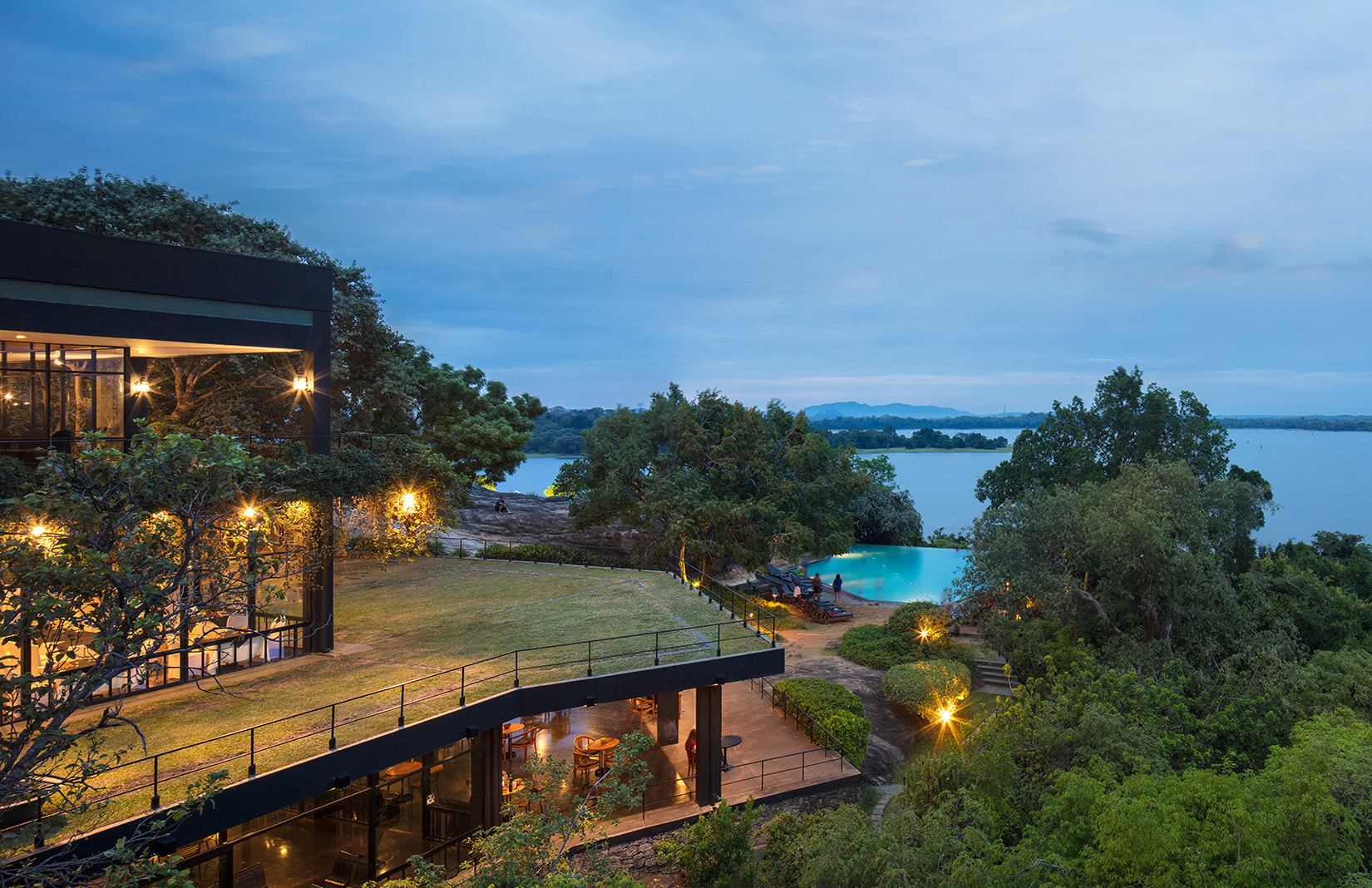
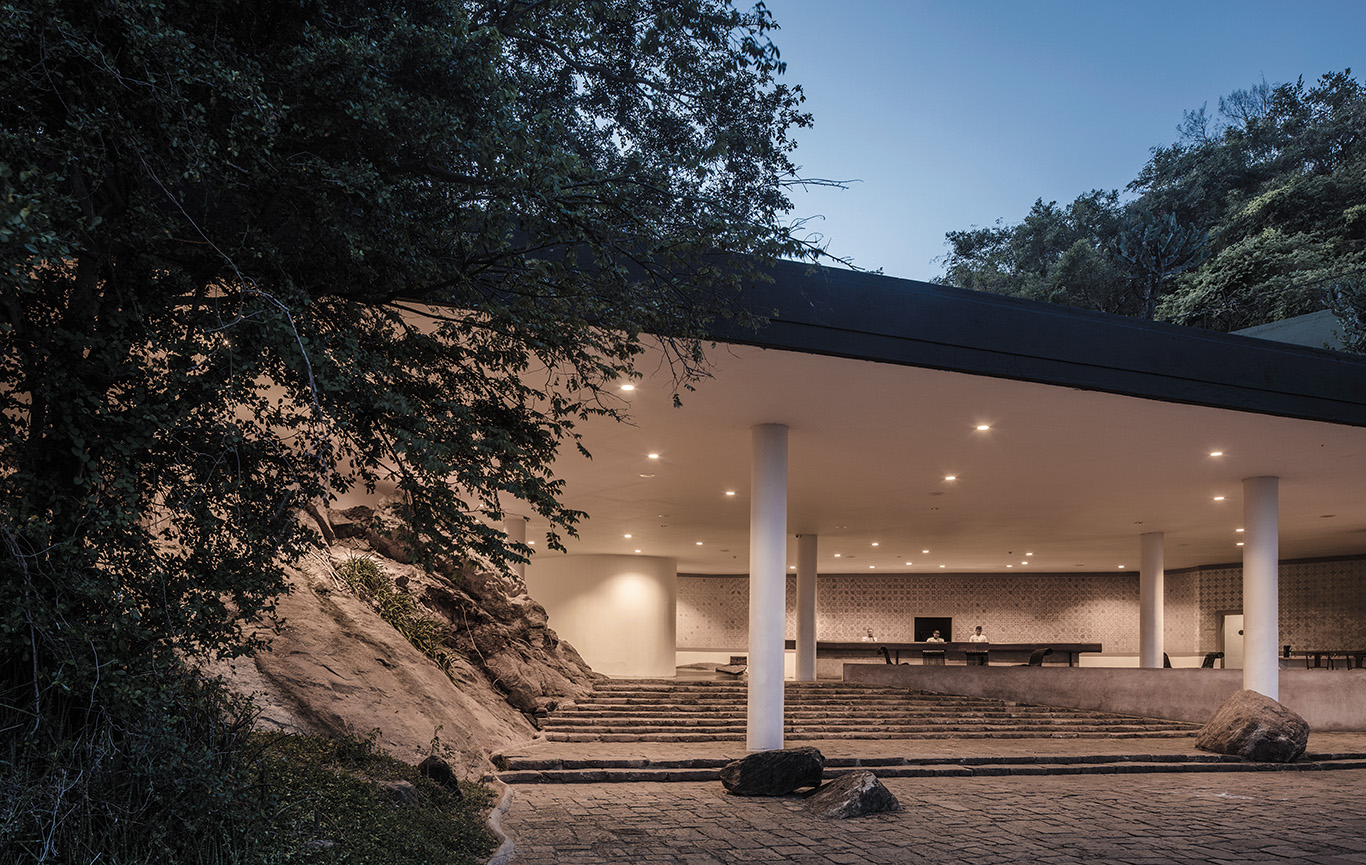
One architect in particular cemented the cool of tropical modernism: Geoffrey Bawa. From the 1950s until his death in 2003, Bawa designed hotels and beach clubs in his native Sri Lanka, making it possible for archi-travellers to sleep and socialise within. The best example is Heritance Kandalama, as famous a tourist site as the ‘golden triangle’ of Sigiriya, Dambulla and Polonnaruwa where it’s located. All concrete and glass, it looks like a lost city among banyan trees. Giant jungle boulders are incorporated into its fabric, acting as the swimming pool floor and restaurant walls. Room 507, the unofficial Bawa Suite, has a corner aspect and over-lake views to Sigiriya Rock.
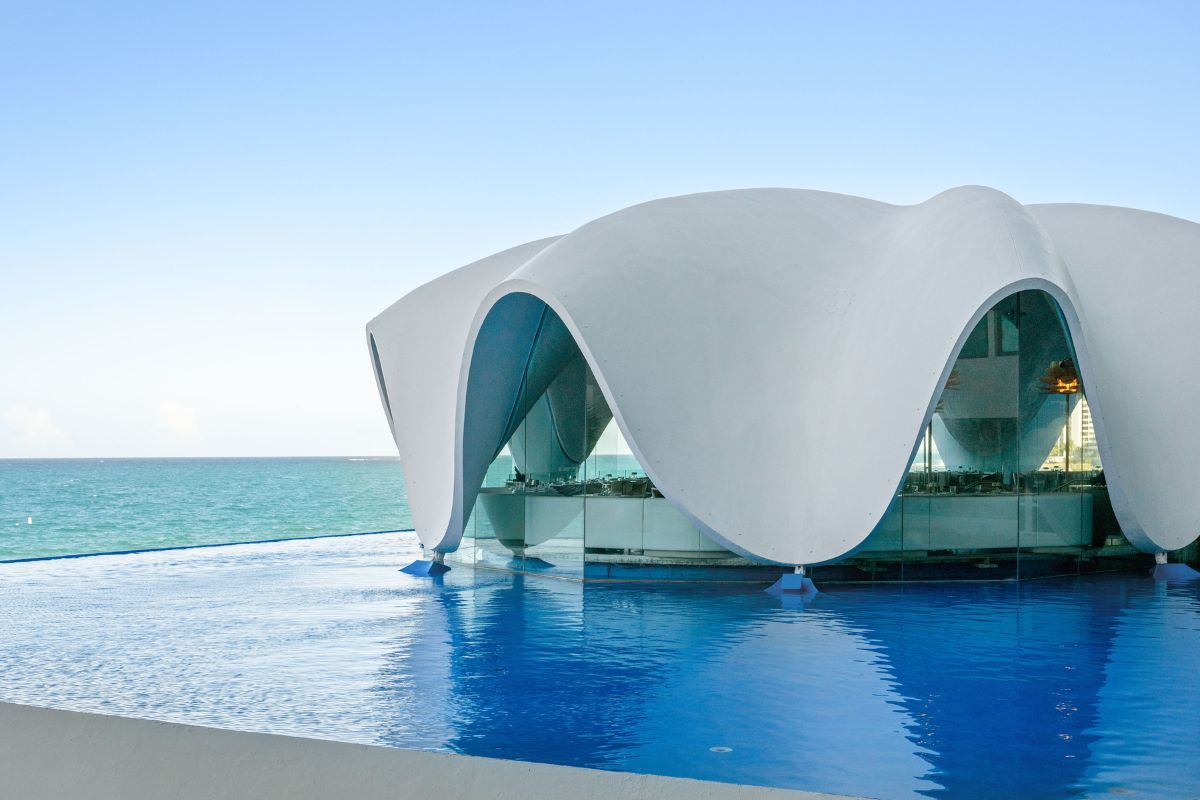
Once the tone was set, other architects followed. In Puerto Rico, design duo Osvaldo Toro and Miguele Ferrer designed La Concha Resort in 1958 with indoor-outdoor spaces and an oceanfront restaurant built to look like a seashell. They also designed Caribe Hilton, birthplace of the pina colada, which retains its 1954 wavy-edge pool and swim-up bar, even after damage from Hurricane Maria.
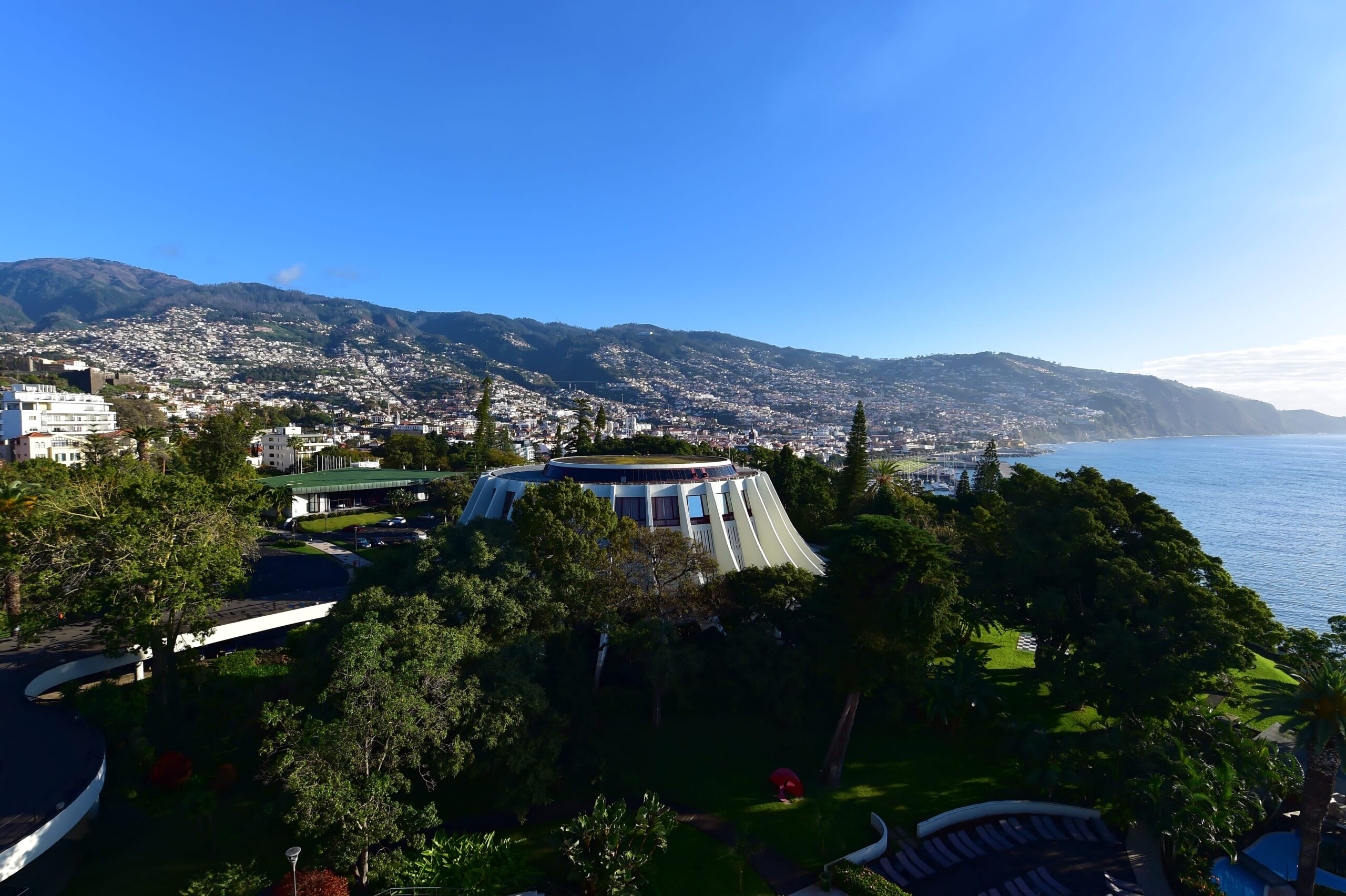
In Kerala, India, tropical modernist Charles Correa designed beachfront Leela Kovalam, where whitewashed rooms with asymmetrical roofs cascade down the palm-forest hillside to the shore. Even Oscar Niemeyer, Pritzker-winning Brazilian architect known for the futuristic government buildings of Brazilia, got around to designing a hotel. In true tropical modernist style, Casino Park in Funchal, Madeira, has an angular podium on concrete stilts, which allows breezes through the ground floor. A separate space-age dome contains a theatre and nightclub, while the rooftop infinity pool with Atlantic views is as photogenic as they come.
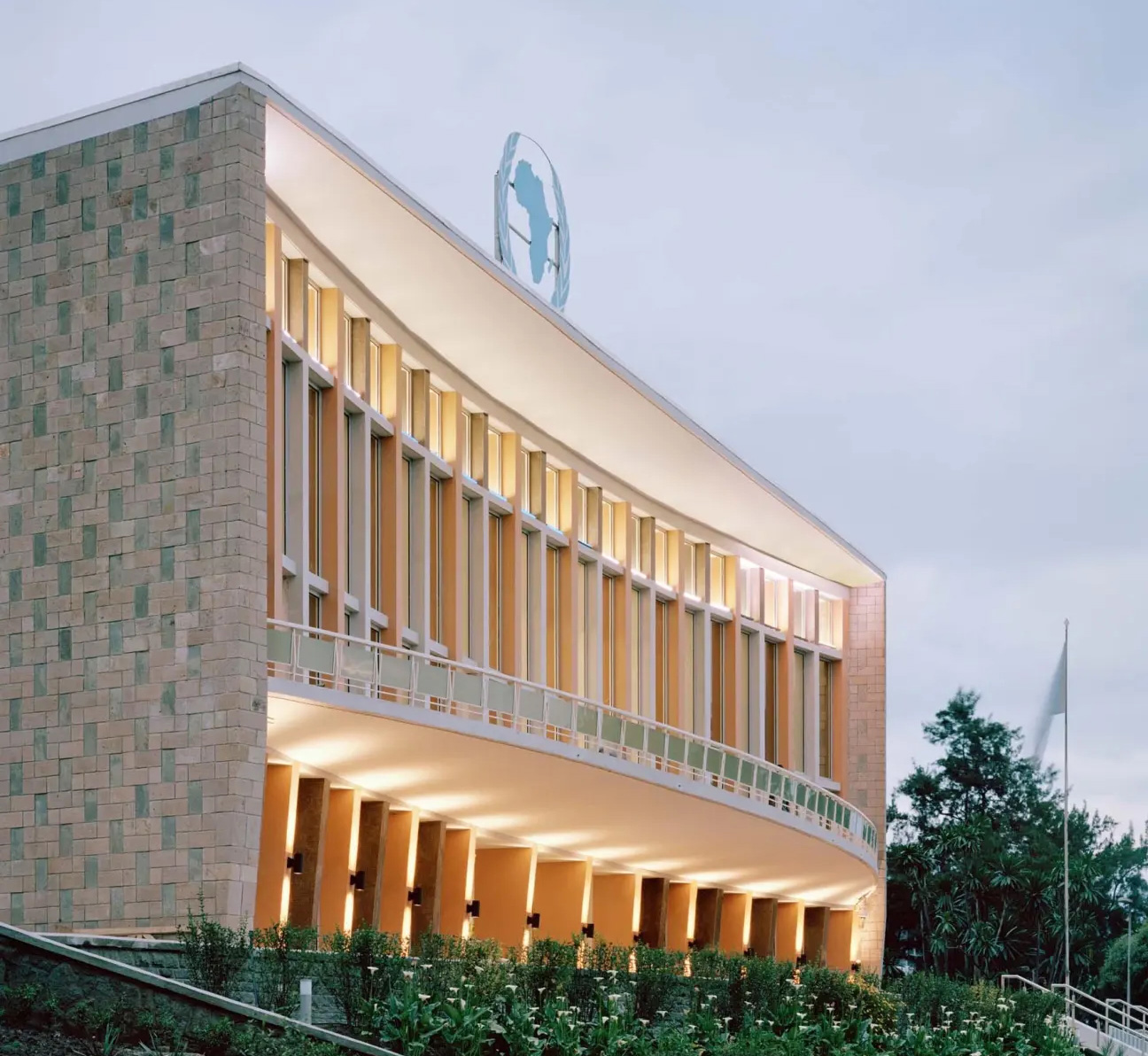
And for the first time, this year’s World Monuments Modernism Prize went to a building in Africa: Africa Hall in Addis Ababa, Ethiopia, built in 1961 and now open after a decade-long restoration. Designed by tropical modernist Arturo Mezzedimi, it’s proof positive that modernism is every bit as impactful in the sunshine.