
Get some perspective at these heavenly stargazing spots
They have universal appeal
Taking an interstellar minibreak like the crew of Artemis II is not for everyone. Yet there are plenty of Earthbound places where appreciating the beauty of the celestial skies doesn’t require leaving our atmosphere. Here are five astronomical observatories where you can contemplate the infinite reach of the cosmos with a spot of meditative stargazing.
Hotel Ranga Observatory, Iceland
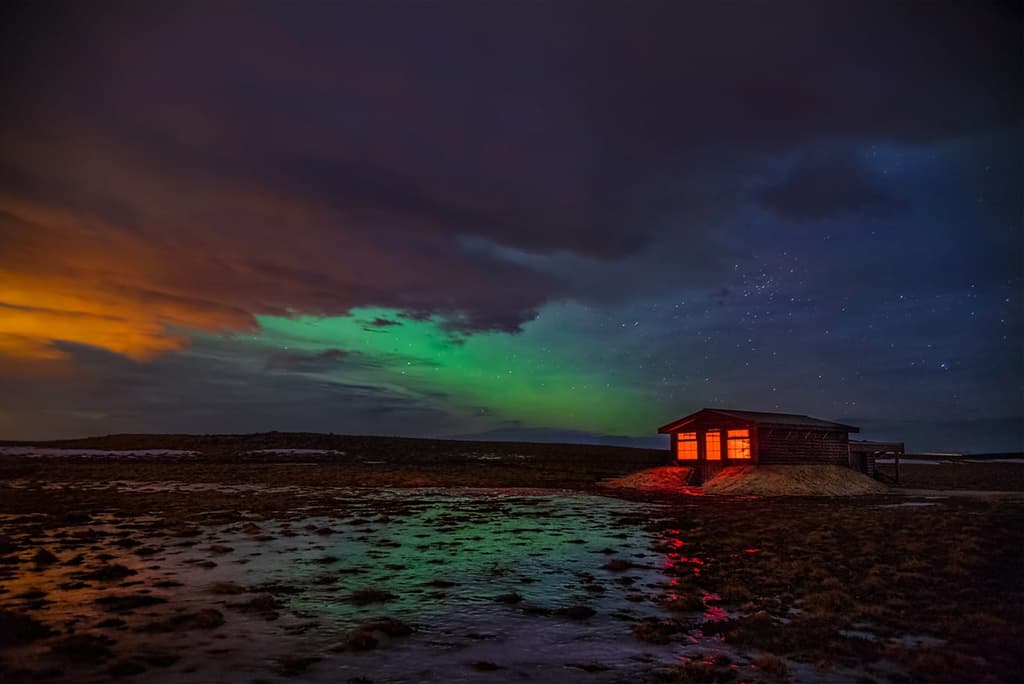
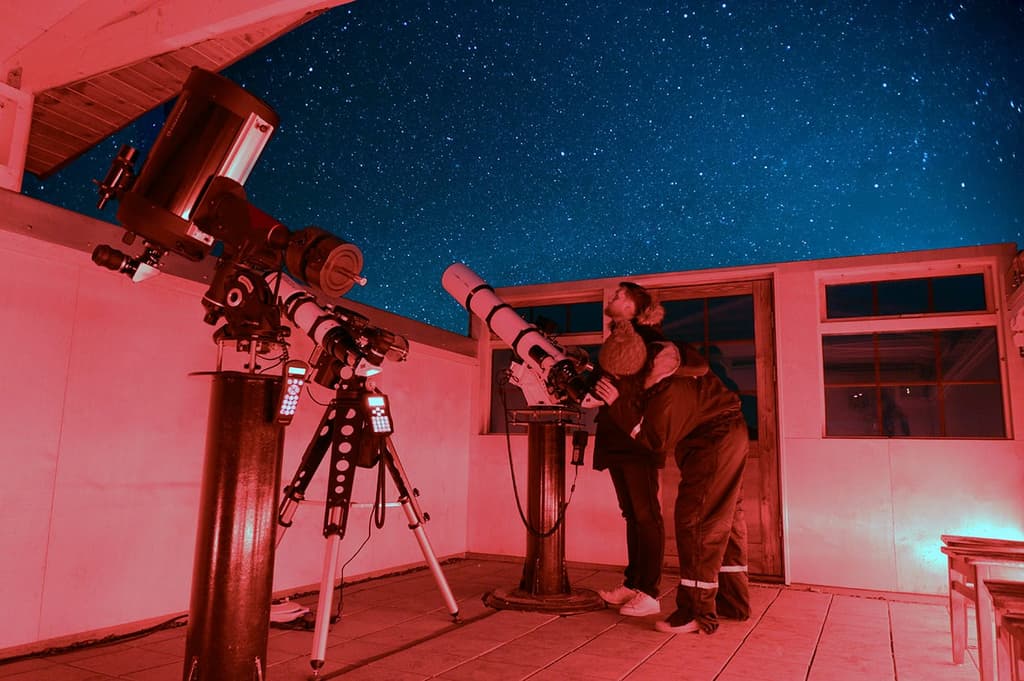
In Iceland, there is remote and then there is this stargazing spot, the nation’s only public observatory. Here at Hotel Rangá, surrounded by Icelandic wilderness, there is not another building as far as the eye can see, nor a hint of light pollution. People travel far and wide to stay at this remote property, all in the hope that they’ll be roused from slumber by the staff member on watch from dusk until dawn (the hotel famously offers a wake-up service to ensure guests don’t miss the Northern Lights or clear skies). The on-site observatory, the jewel in Rangá’s crown, was built in 2014 with advice from astronomer Saevar Helgi Bragason, with two high-quality telescopes and a roll-off roof. Who knew a 3am wake-up call could be such a luxury?
The Mamalluca Observatory, Chile
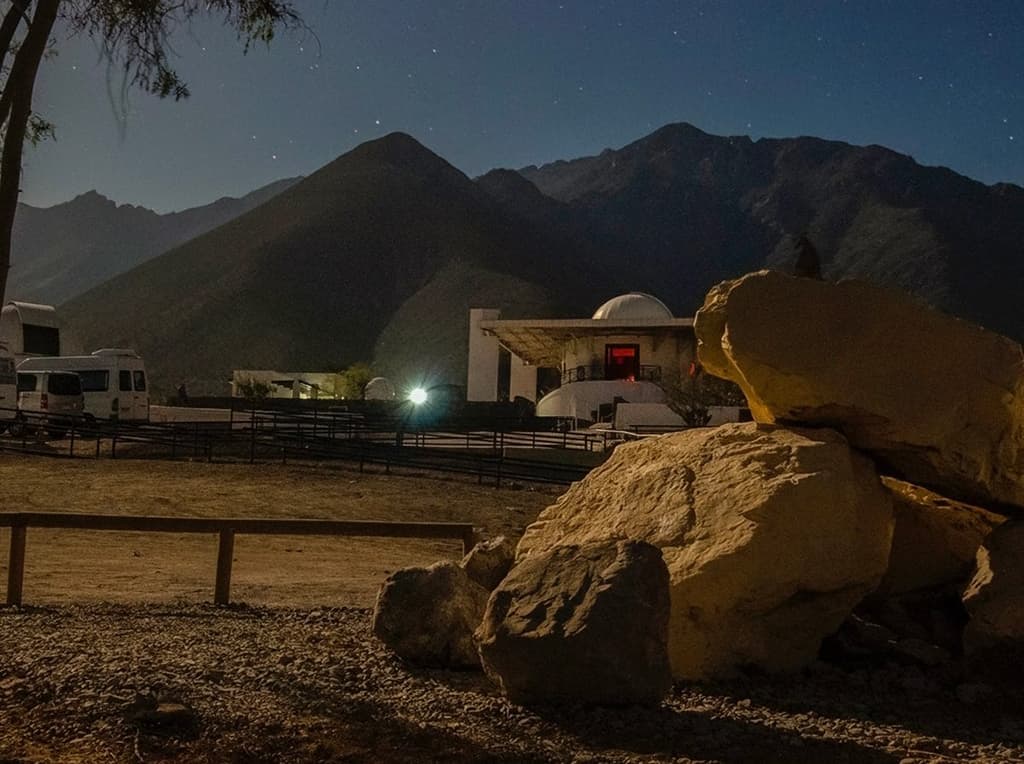
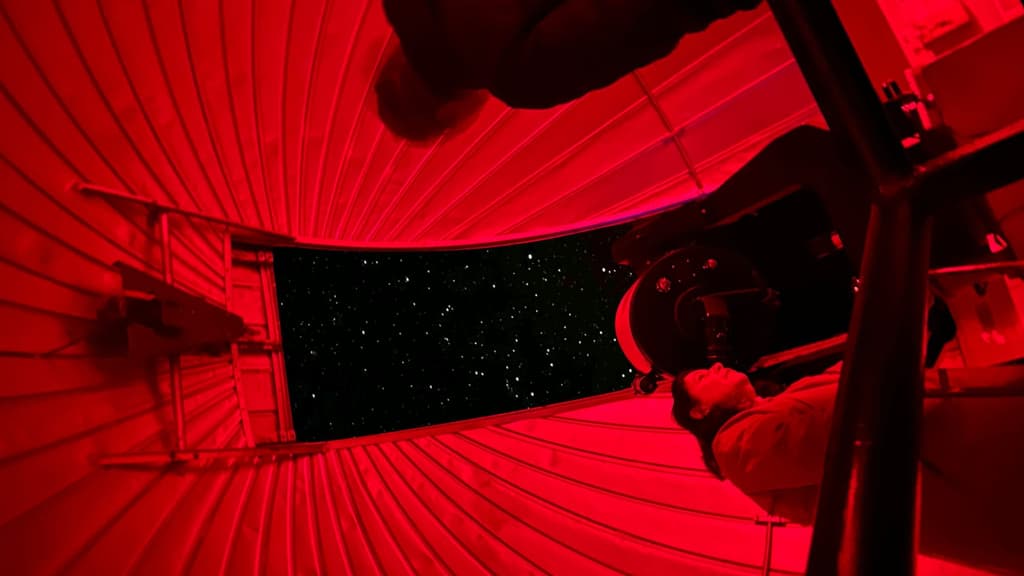
Mamalluca was a first for Chile when it opened to the public back in the 1990s so that visitors, as well as scientists, could experience the big skies up close. One of the best countries in the world for stargazing thanks to its high altitude, aridity and cloud-free skies, Chile is also home to 40% of the world’s astronomical infrastructure. This simple structure, deliberately understated and low-rise, is built into a hillside in the Elqui Valley, featuring a primary telescope dome and several open-air telescope platforms. It blends into the surrounding landscape, small and humble compared to some of the country’s more industrial observatories. An unrivalled view of the night sky — rather than the design of the facility itself — is the draw.
Dividing the Light, USA
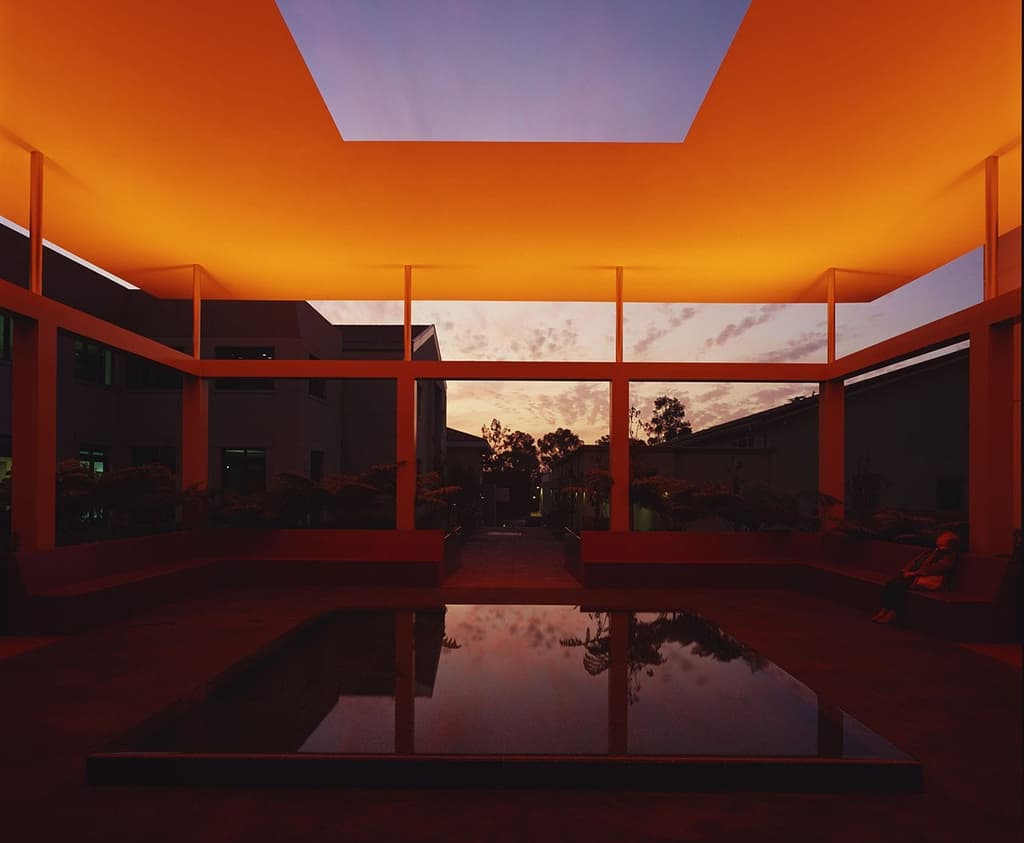
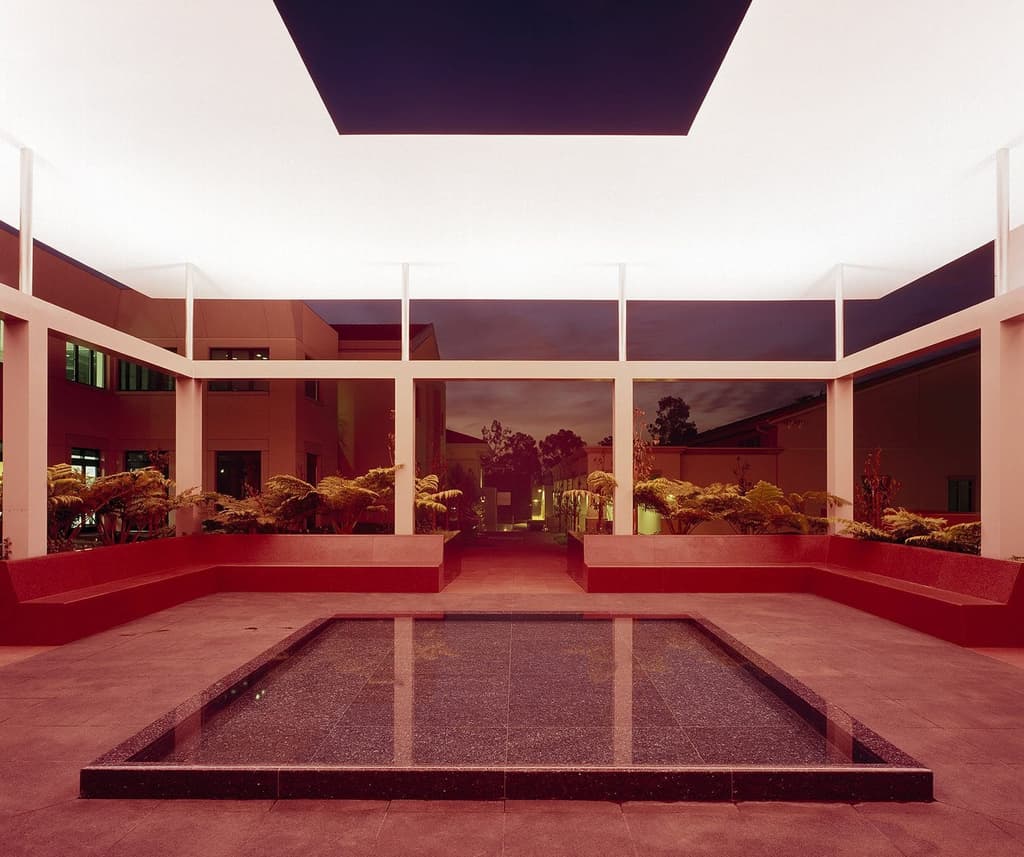
One of James Turrell’s best known ‘Skyspaces’, this installation at Pomona College in Claremont, California, is one of few of works by the artist currently open to the public. The room is designed with a large opening in the ceiling that frames the sky, and hidden LED lighting around the interior walls change colour throughout the day. Designed as a meditative space to appreciate the beauty of sunrise and sunset, the work is popular with stargazers, too, who come to sit or lie inside and look up at the sky above. It’s been in situ for two decades, but Turrell’s newest Skyspace will open to the public this June — his largest installation yet, it will be housed in a 40-metre domed extension at the ARoS Aarhus Art Museum.
Kielder Observatory, UK
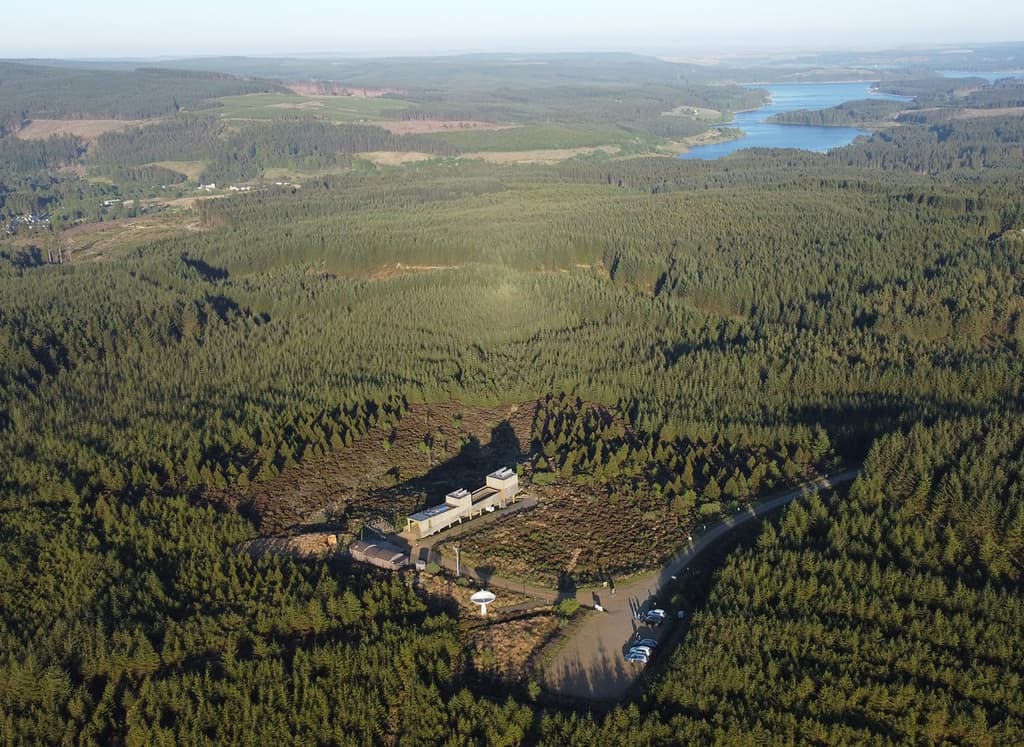
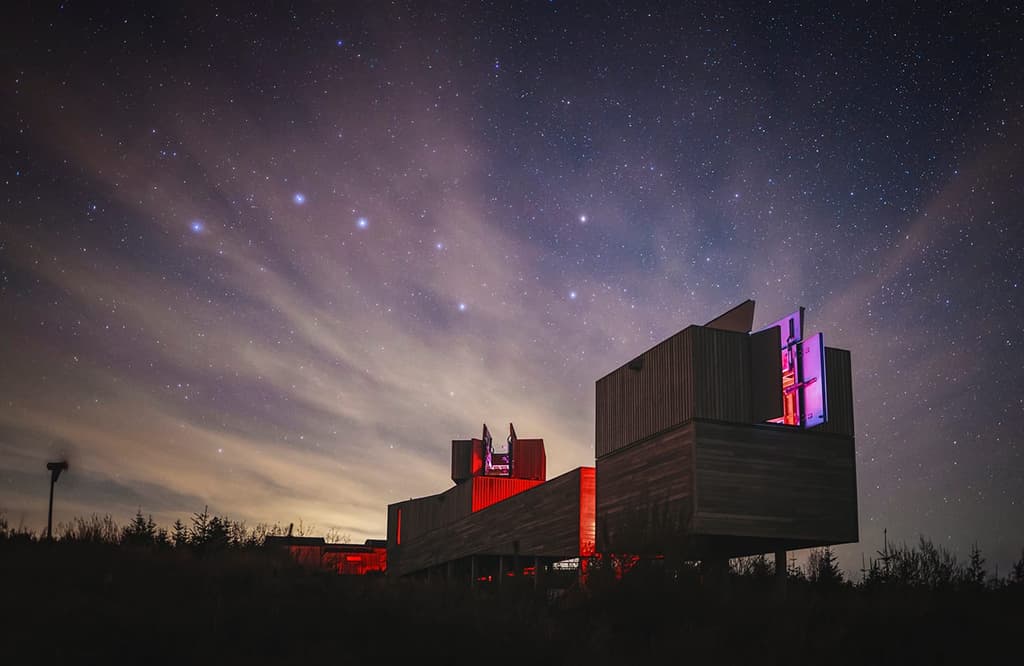
Kielder sits in the Northumberland International Dark Sky Park, a prime stargazing spot with the largest protected dark sky area in Europe. Light pollution here is pretty much non-existent and, on a clear night, the Milky Way, Jupiter, Saturn and occasional meteor showers can often be seen here. Clad in locally sourced timber by Charles Barclay Architects and jutting out into the surrounding landscape, the observatory was the first to use a land pier form. The long, linear structure helps frame the southern celestial hemisphere and sharp angles break up wind flow in an exposed location. Self-powered by a wind turbine and photo-voltaic panels, the building features observing pods, two permanent telescopes and angled roof sections.
Landroom Observatory, Israel
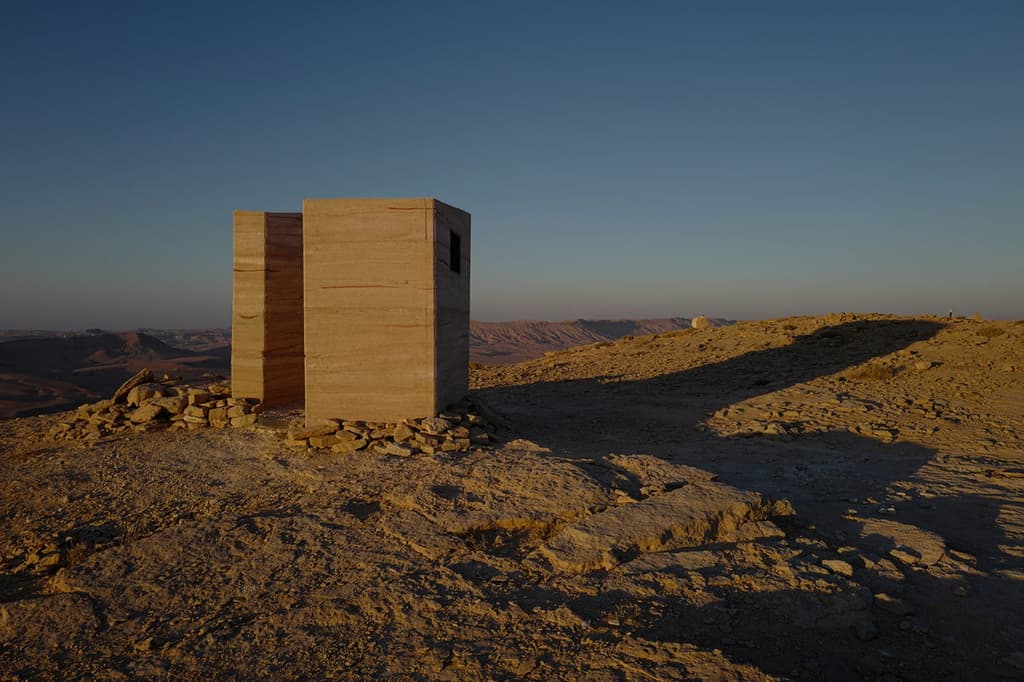
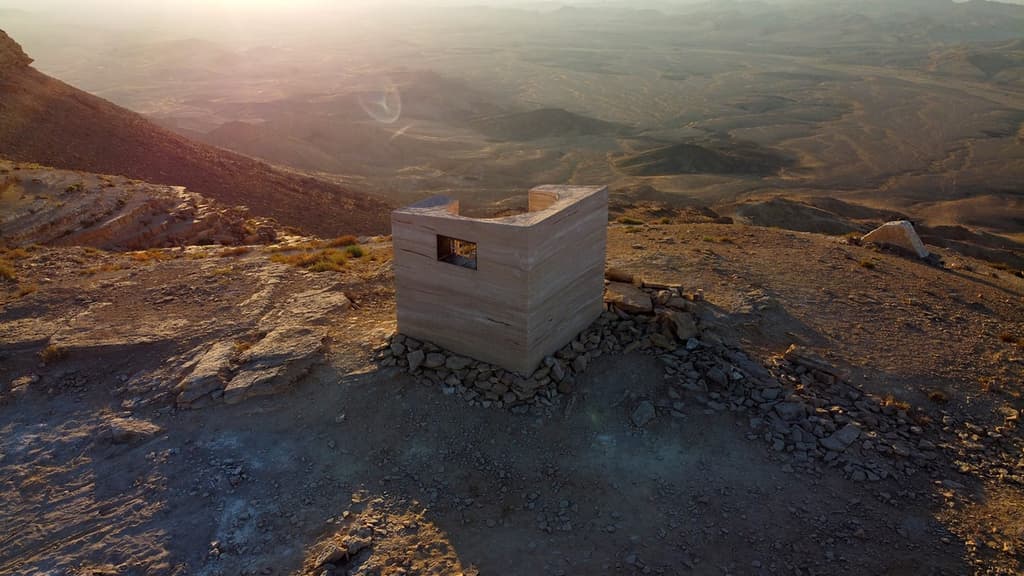
This tiny pavilion on the edge of the Mitzpe Ramon crater in Israel’s Negev desert acts as a shelter from the sun by day and an observatory for stargazing by night. Just six square metres in size, the rammed-earth structure is proof that the vastest vistas can be appreciated from the smallest spaces. Gitai Architects built the pavilion in 2020 as a response to the Covid 19 pandemic, using dirt, sand and stone from the surrounding area. With room for just two people at a time, it provides ‘a gateway to the stars in times of crisis’.
Read next: This transparent alpine shack is designed for stargazing
Vanish into fresh air at one of these remote countryside cabins
Related stories
Newsletter
Want news delivered to your inbox?