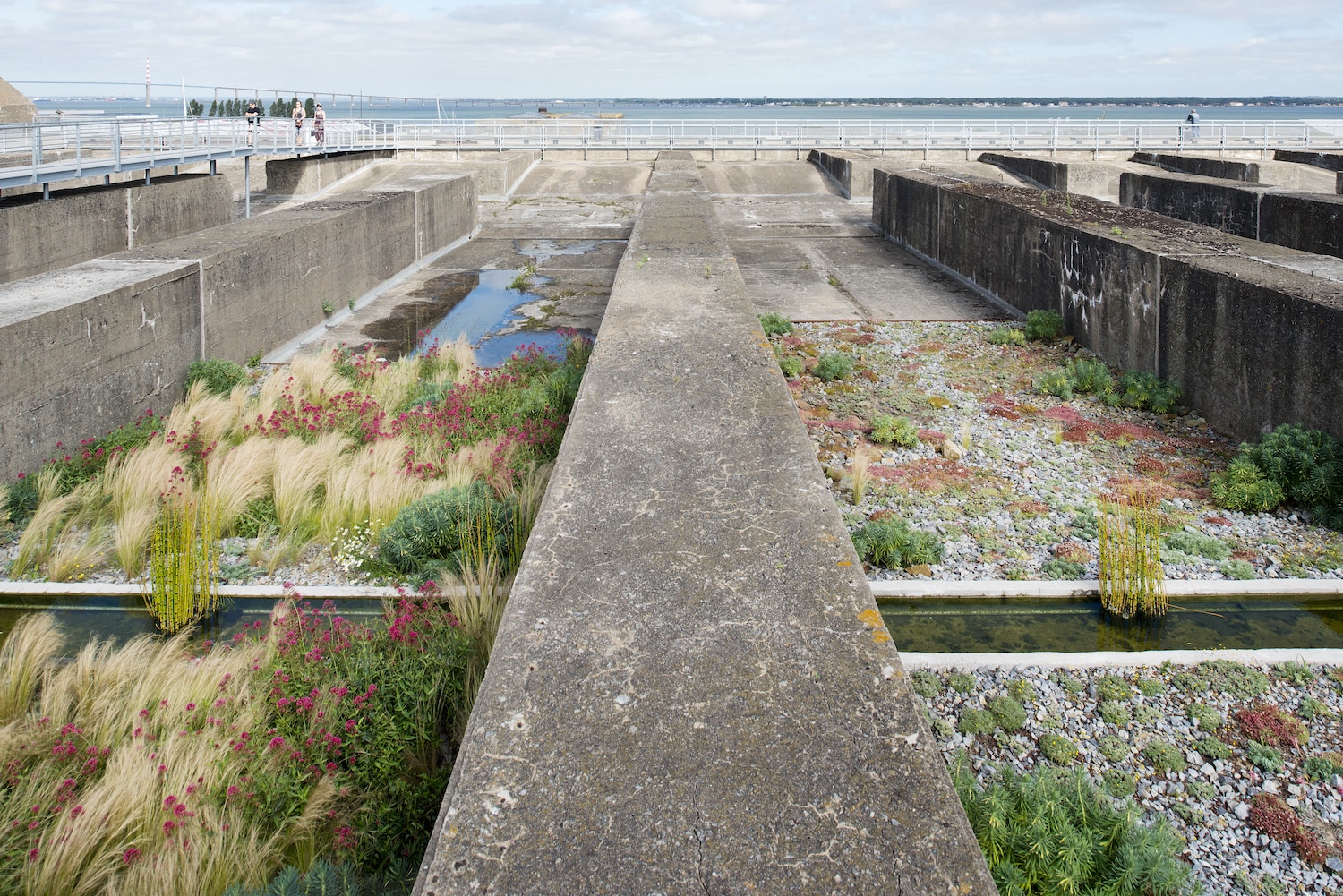
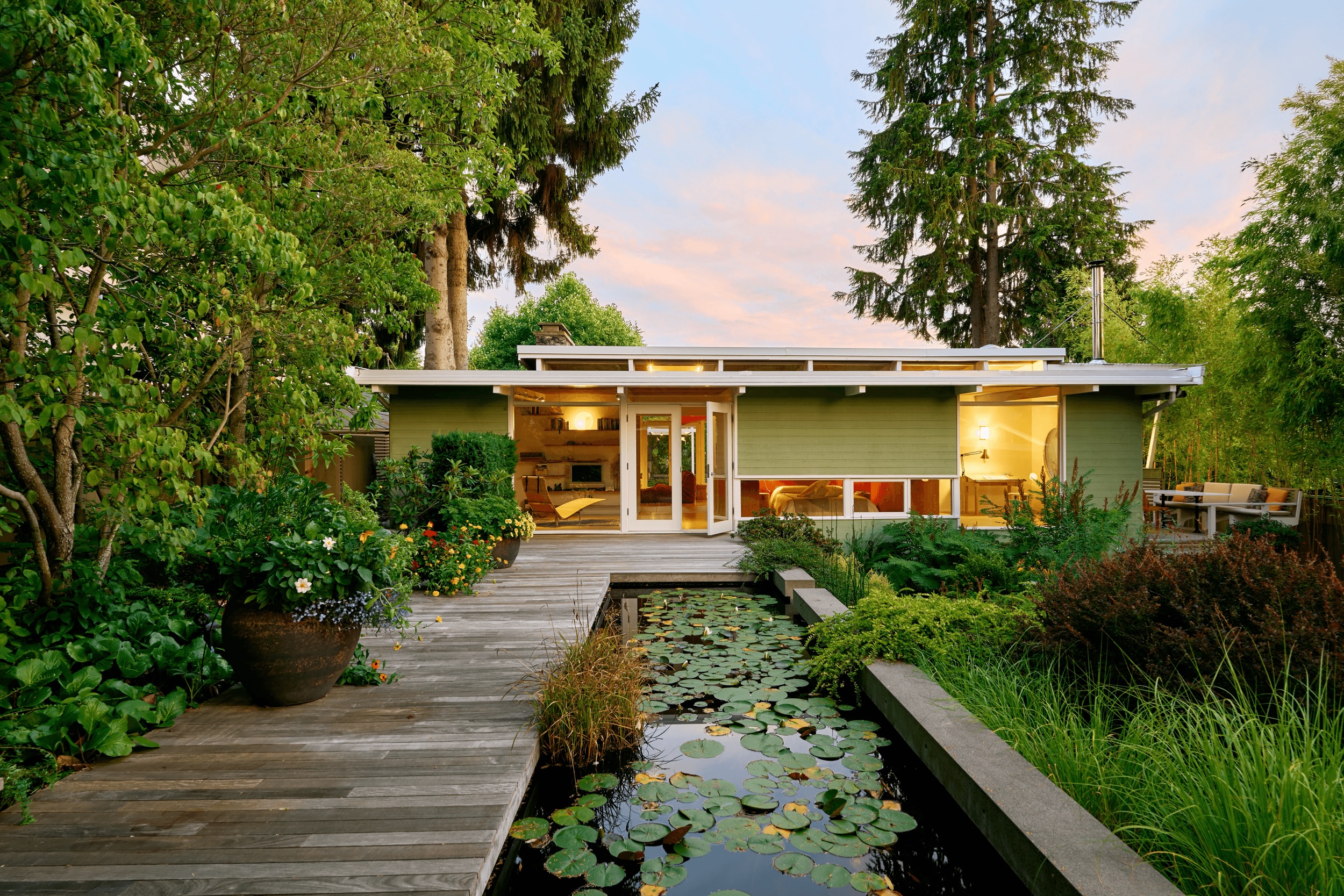
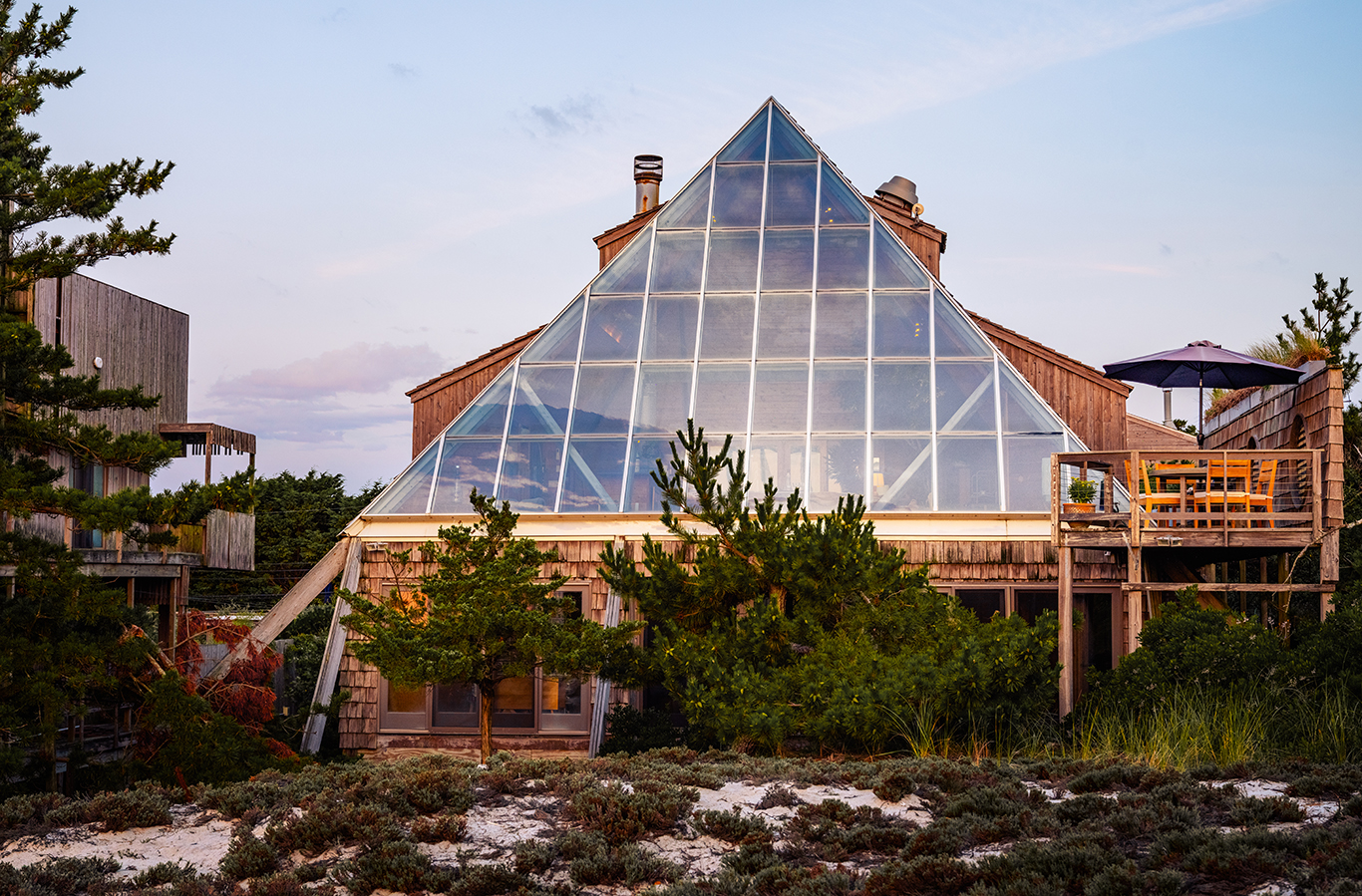
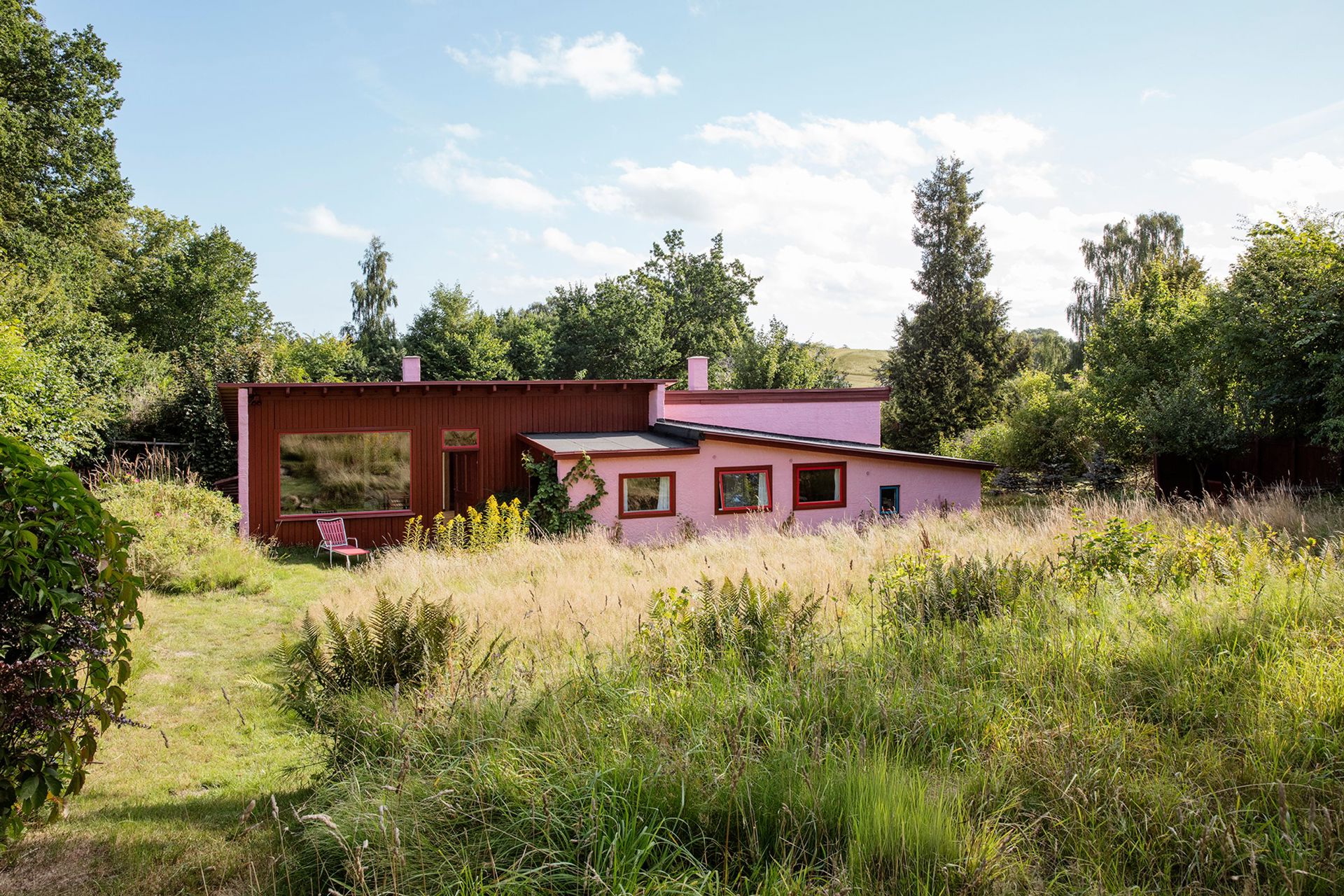
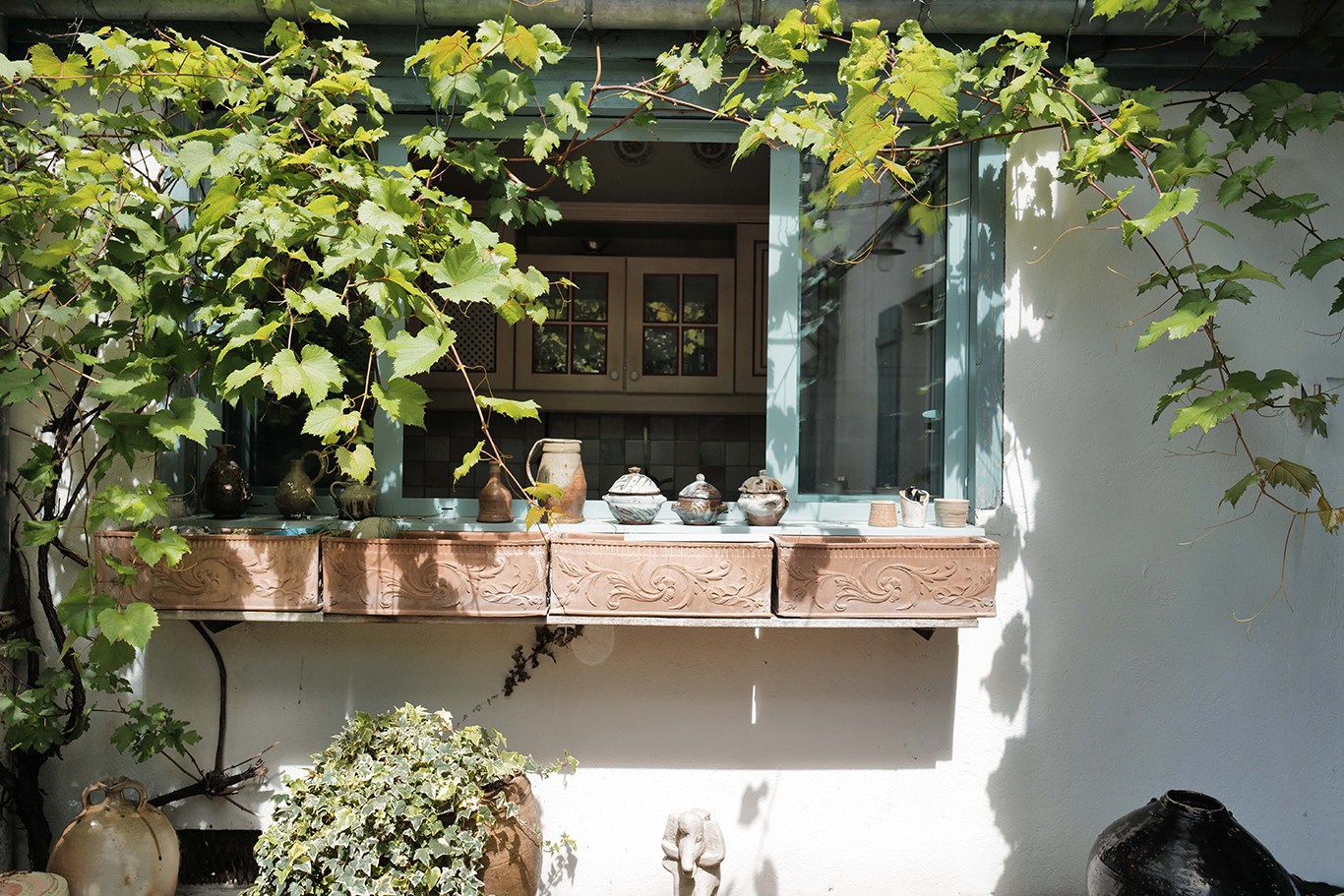
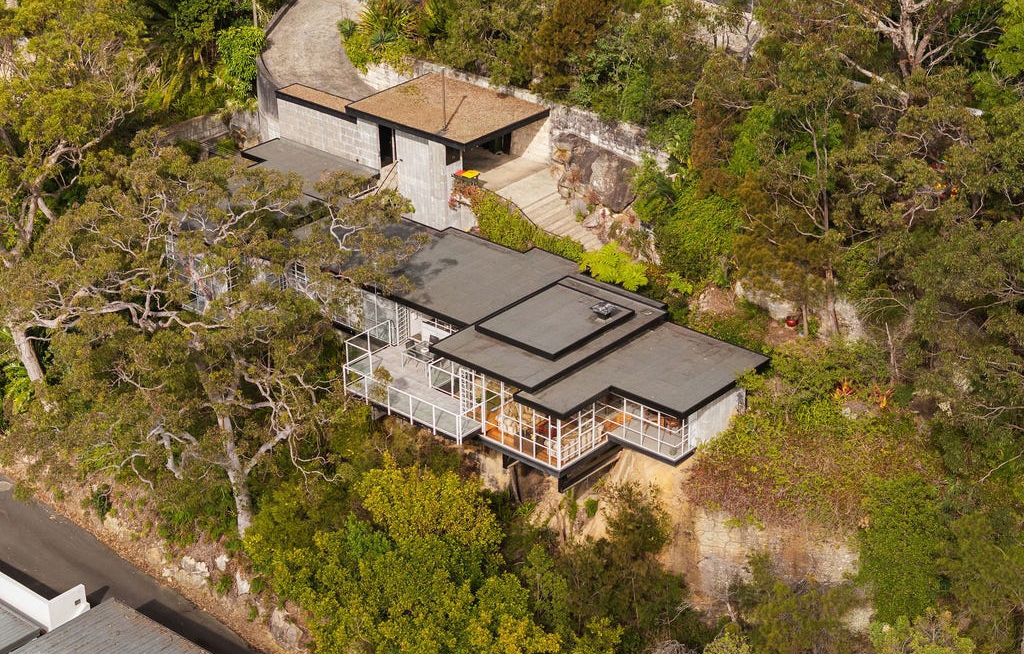
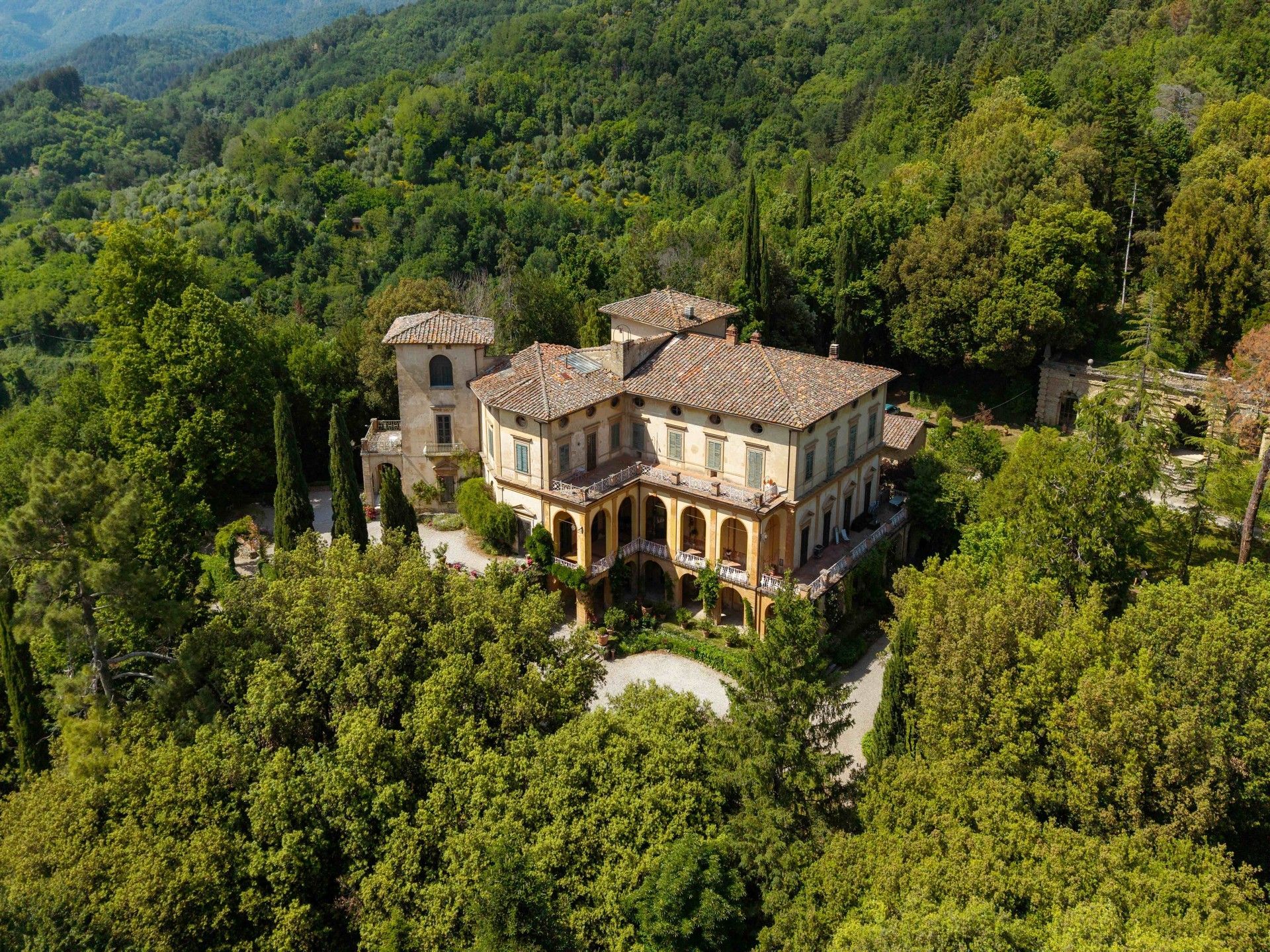
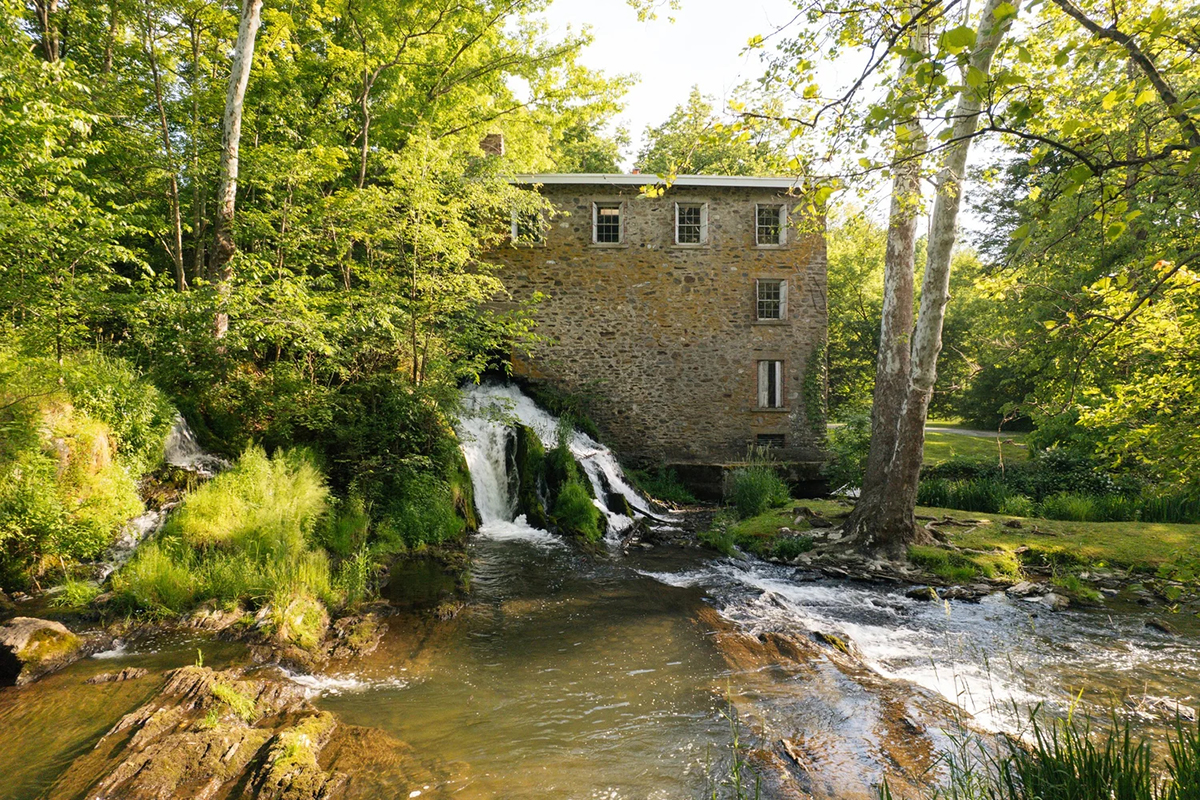
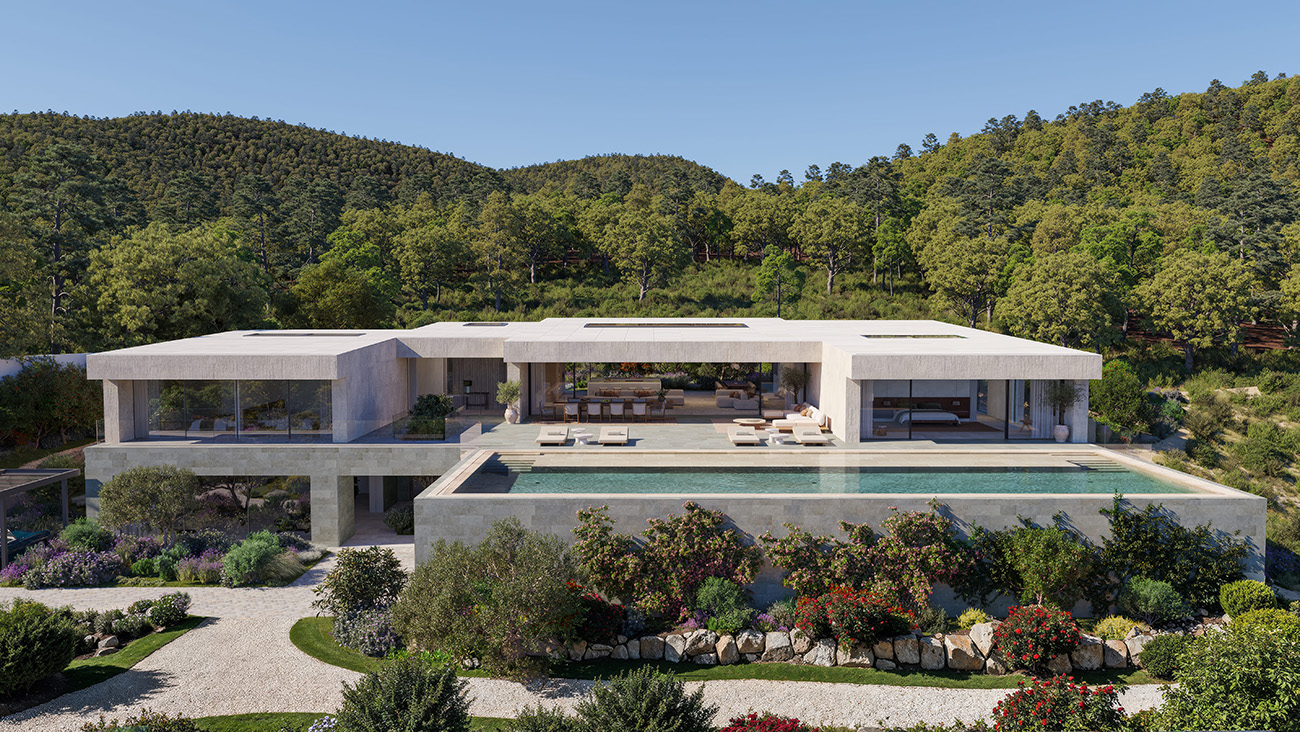
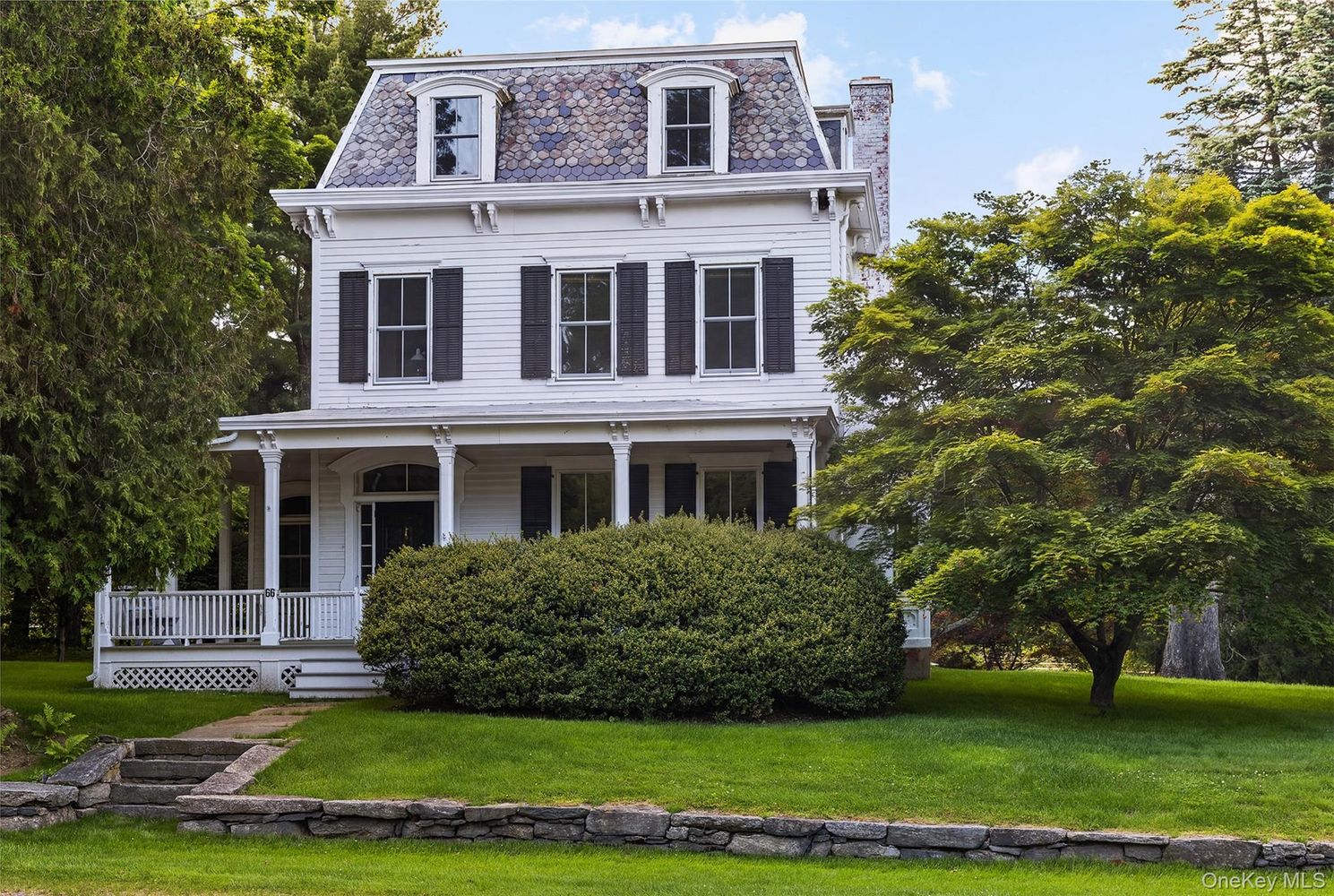
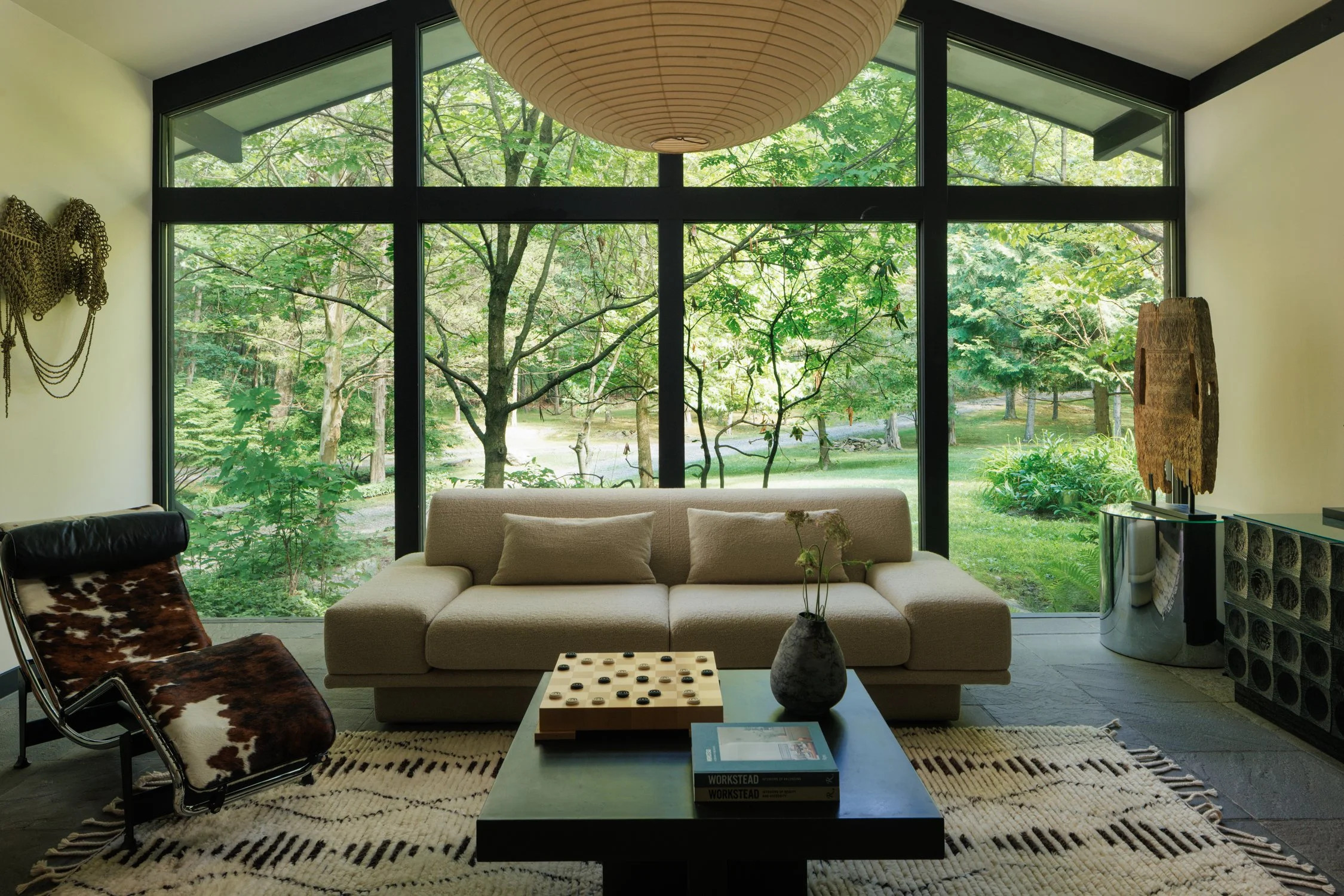
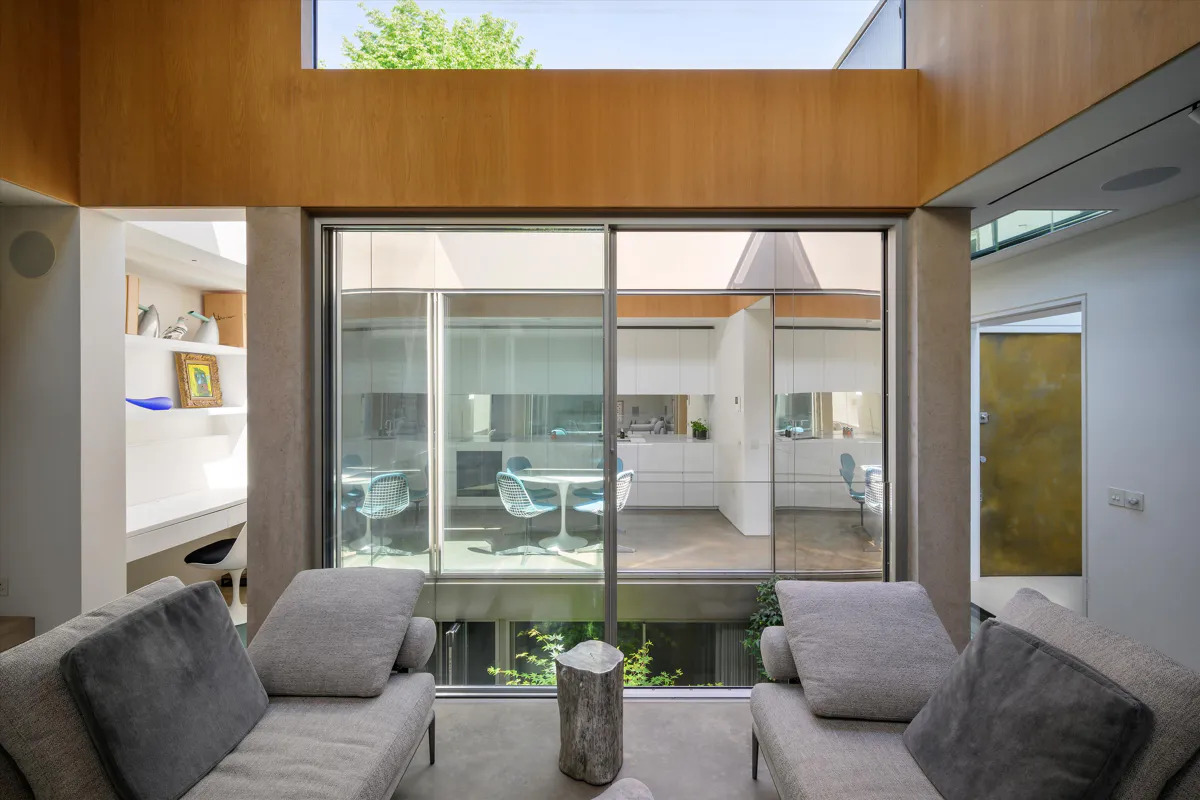
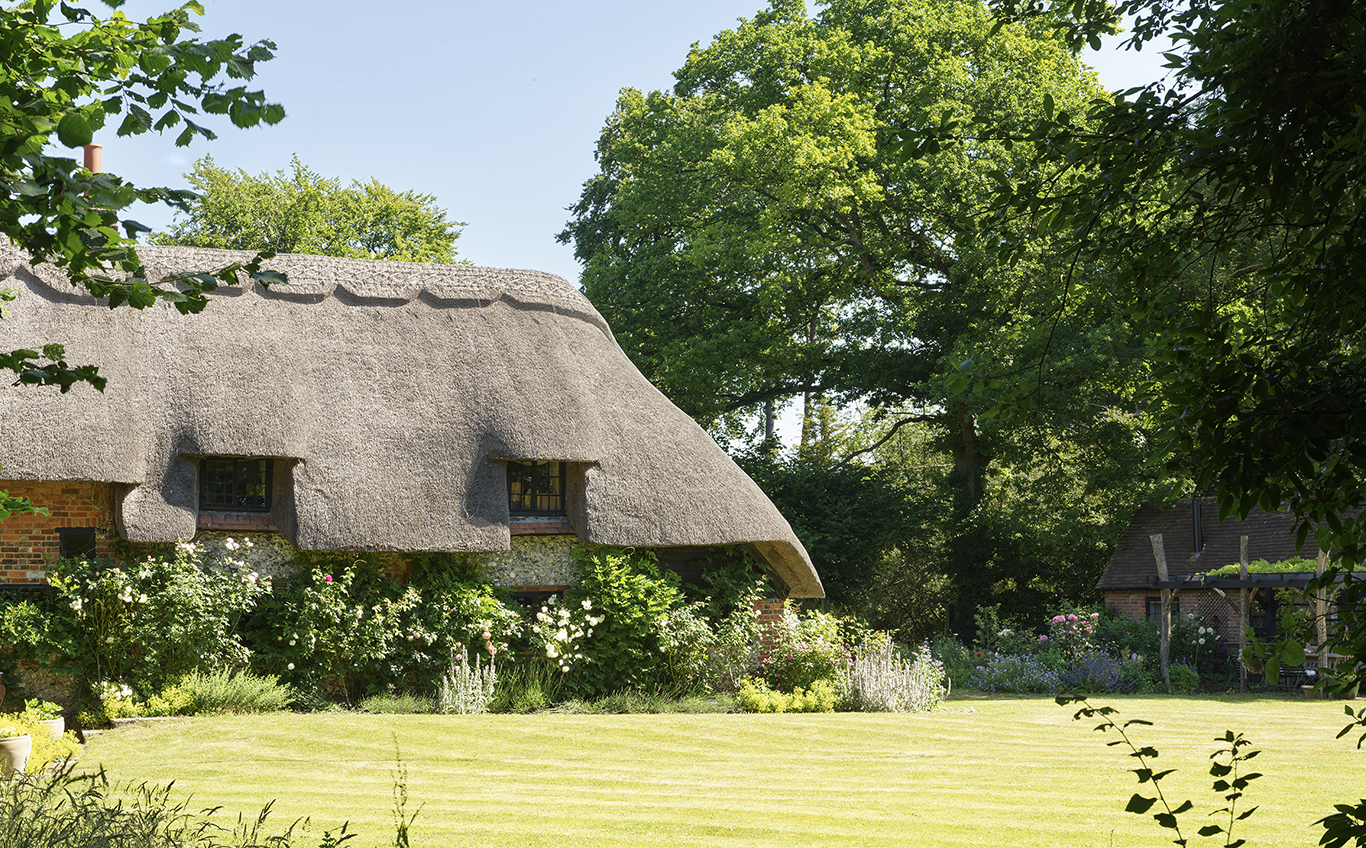
Across architecture and landscape design, a quieter rebellion is taking shape — one that challenges the idea that the garden is something to be controlled. Instead of imposed order, a growing number of designers are embracing rewilding, by allowing landscapes to evolve with minimal intervention. Meadows replace manicured lawns, native planting overtakes ornamental borders and time becomes an active design tool.
This shift reframes the garden not as a finished composition, but as an open system. Through this approach, gardening creates the conditions for biodiversity to flourish rather than dictating a fixed aesthetic. Will Scholey, a garden designer and winner of RHS Young Designer of the Year, describes this style of naturalistic gardening as ‘working with the existing conditions of a site rather than trying to impose too much control… creating compositions that feel sporadic and irregular, as if self-seeded’. What emerges is a different kind of beauty — one defined by texture, movement and seasonality.
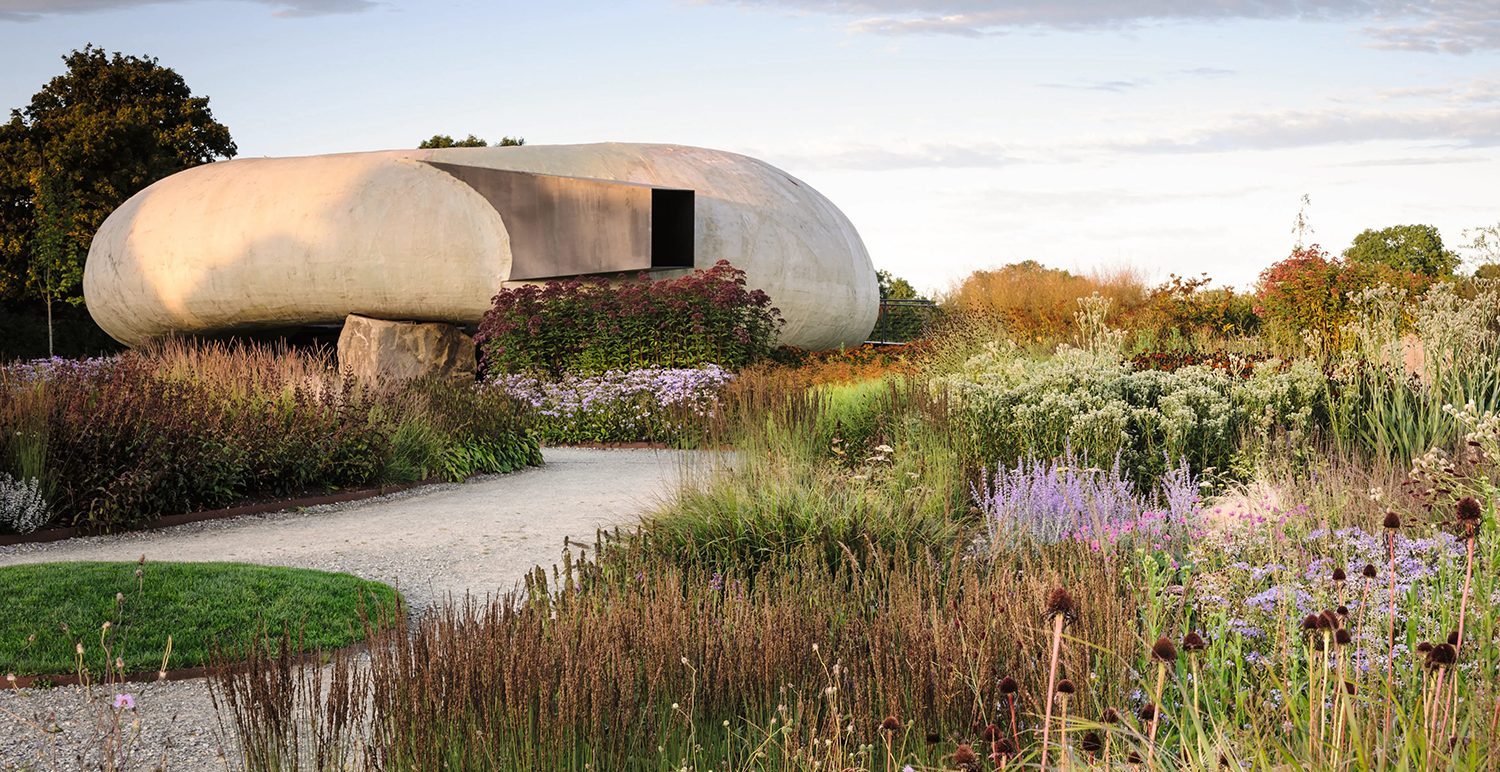
Landscape architects such as Piet Oudolf have long championed a naturalistic style that spearheads perennial planting and seasonal change, seen in projects like his eponymous field at Hauser & Wirth in Somerset. In France, Gilles Clément’s concept of the jardin en mouvement similarly proposes a hands-off approach, where intervention is minimal and the designer works with, rather than against, natural processes.
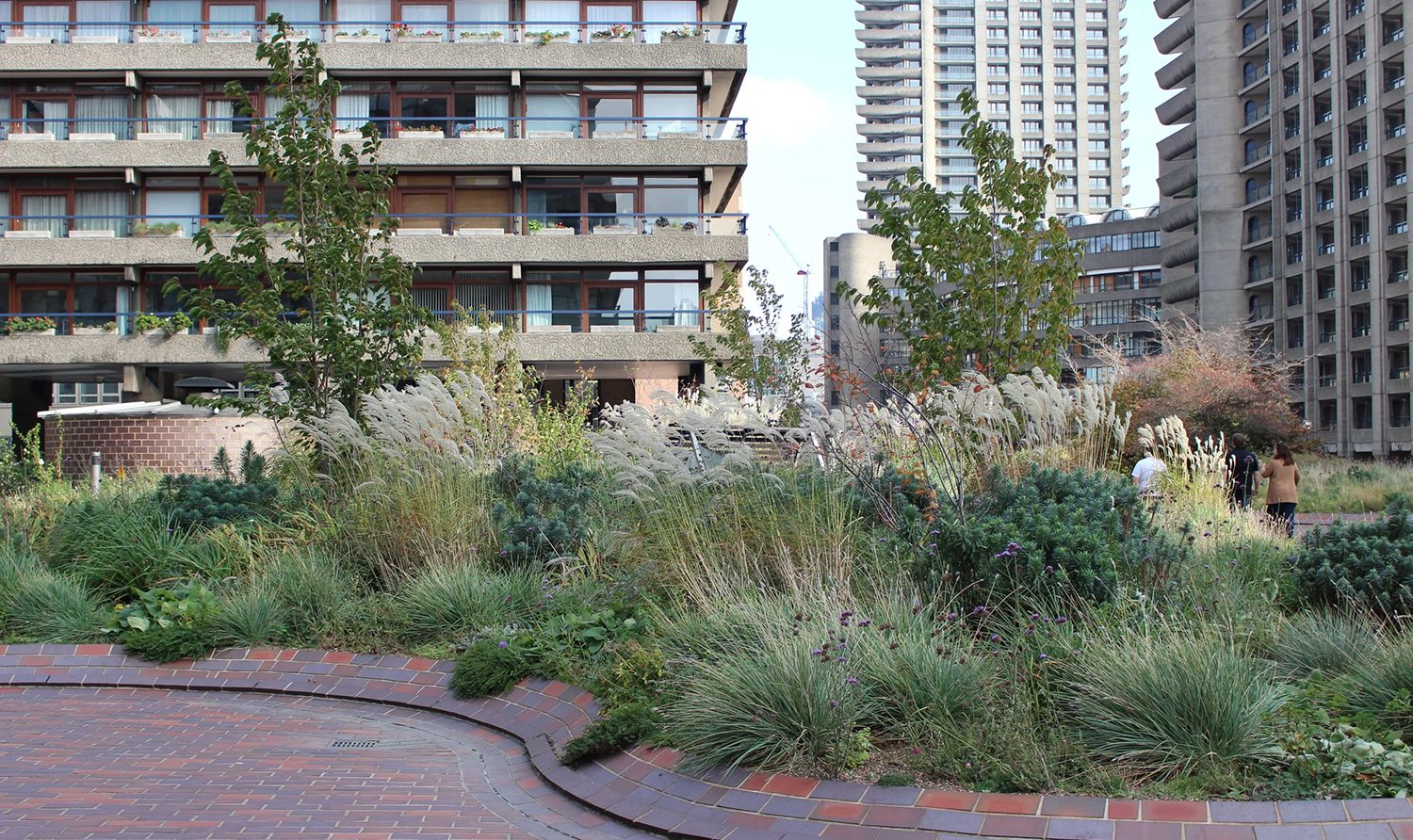
Across the UK, this approach is being tested at multiple scales. At Knepp Estate, designer Tom Stuart-Smith has allowed former farmland to regenerate into a dynamic landscape where grazing animals and wildflower meadows shape the terrain over time — less a designed garden than a living ecosystem. In urban contexts, projects by Nigel Dunnett explore how planting can soften hard infrastructure, introducing pockets of biodiversity into dense city fabric.
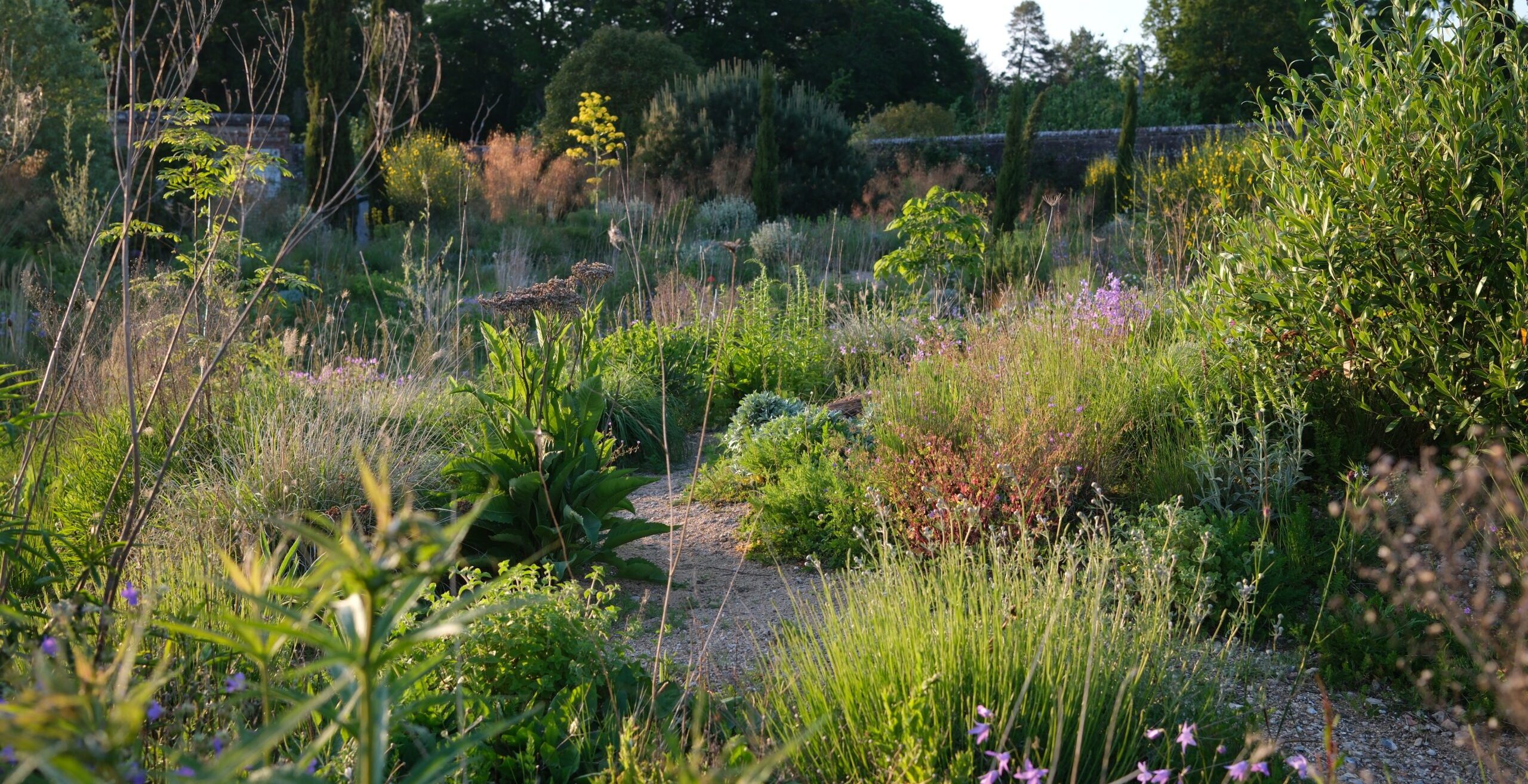
Alongside these larger-scale projects, a similar ethos is taking root in private homes. As Scholey notes, ‘People are increasingly drawn to gardens that feel softer, more biodiverse and less rigid — partly due to a growing awareness of wildlife and sustainability, but also because that style feels calmer and more human.’ As ecological pressures continue, these conscious approaches to living and building are shifting design on every scale.
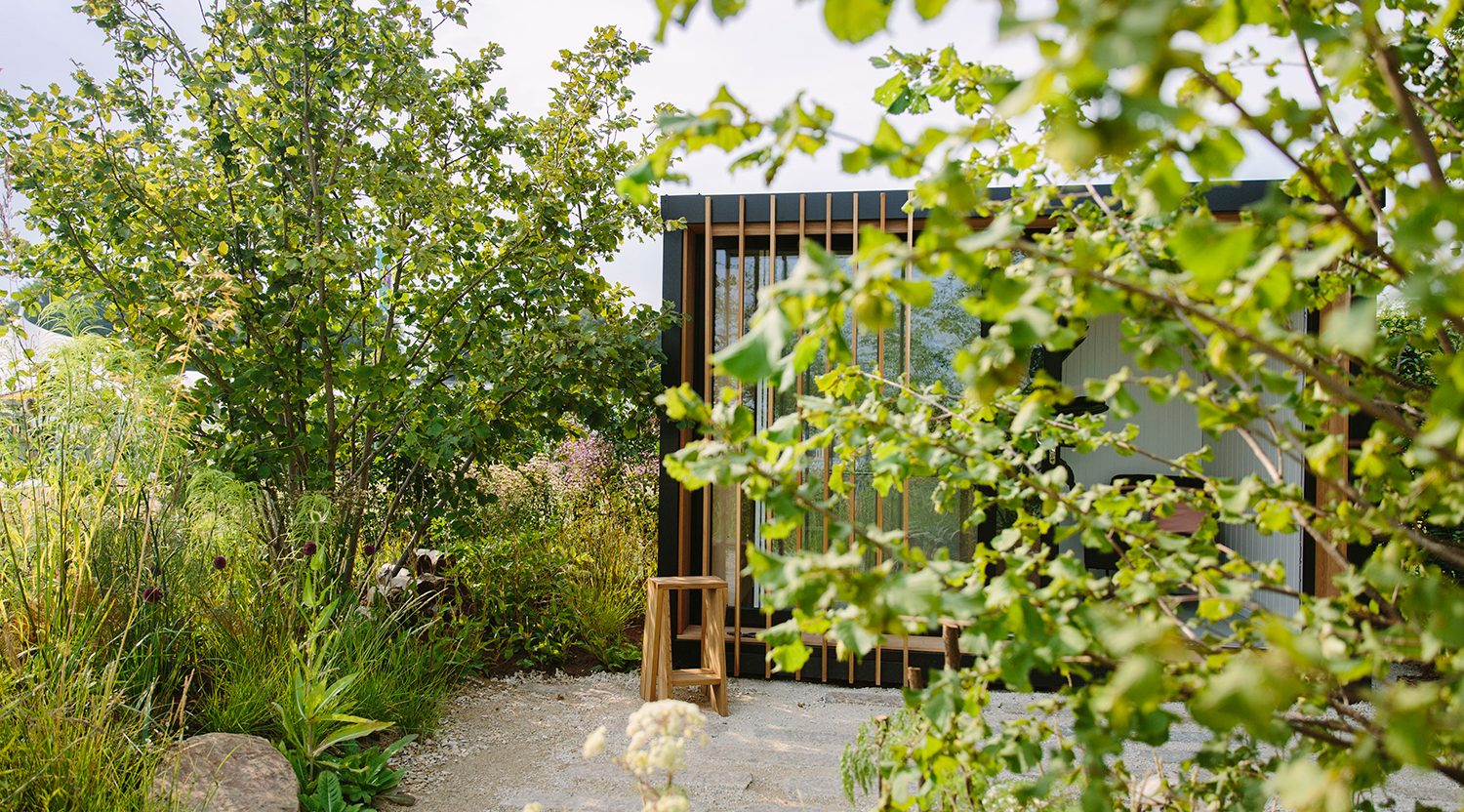
Rewilded landscapes are no longer peripheral but integral – used to manage water, support local ecosystems and soften the boundaries between the architecture and landscape. Radical gardening becomes less about neglect and more about intention — a design philosophy that works with nature, rather than against it.
Read next: 7 of the world’s most spectacular sculpture gardens
Petersham Nurseries brings greenery to central London