Artists bring cultural value to an area postcode, posited as a key to urban regeneration. Yet they’re the first to be priced out when developers settle in. In adapting this 1930s municipal office and Town Hall annex in Northampton, England, Arts Collective considered how their capital project could avoid fuelling gentrification in the city’s cultural quarter. Instead, they placed artists and the sustainability of their long-term practice at its core.
The £5.2m retrofit now hosts the collective formerly known as NN Contemporary: an artist-led structure that nurtures creative practices with studio provision, peer programmes and a route into paid roles. Spanning five storeys and around 2,000 square metres, it also houses a gallery, workshop spaces, 17 purpose-built affordable studios and an archive for Matta Fancanta, the local youth movement that famously occupied a derelict Salvation Army centre in 1977 to protest the lack of community space. The archive is part of the Northamptonshire‘s Black History Association, located in a permanent studio on site.
Arts Collective represents a shift in how cultural infrastructure outside big cities is imagined and funded. ‘There’s a lot of language around “levelling up”,’ says director Emer Grant, ‘but far less clarity about what that actually means in terms of artistic production, infrastructure and long-term sustainability.’ The new venue proves that cultural centres can operate both locally and nationally. Decentralisation is not ‘building large-scale centres that mimic or compete with existing metropolitan models’, but ‘developing embedded ecosystems’. Brick‑and‑mortar spaces still play a vital role in determining which cultural practices take root — and whose histories are made visible.
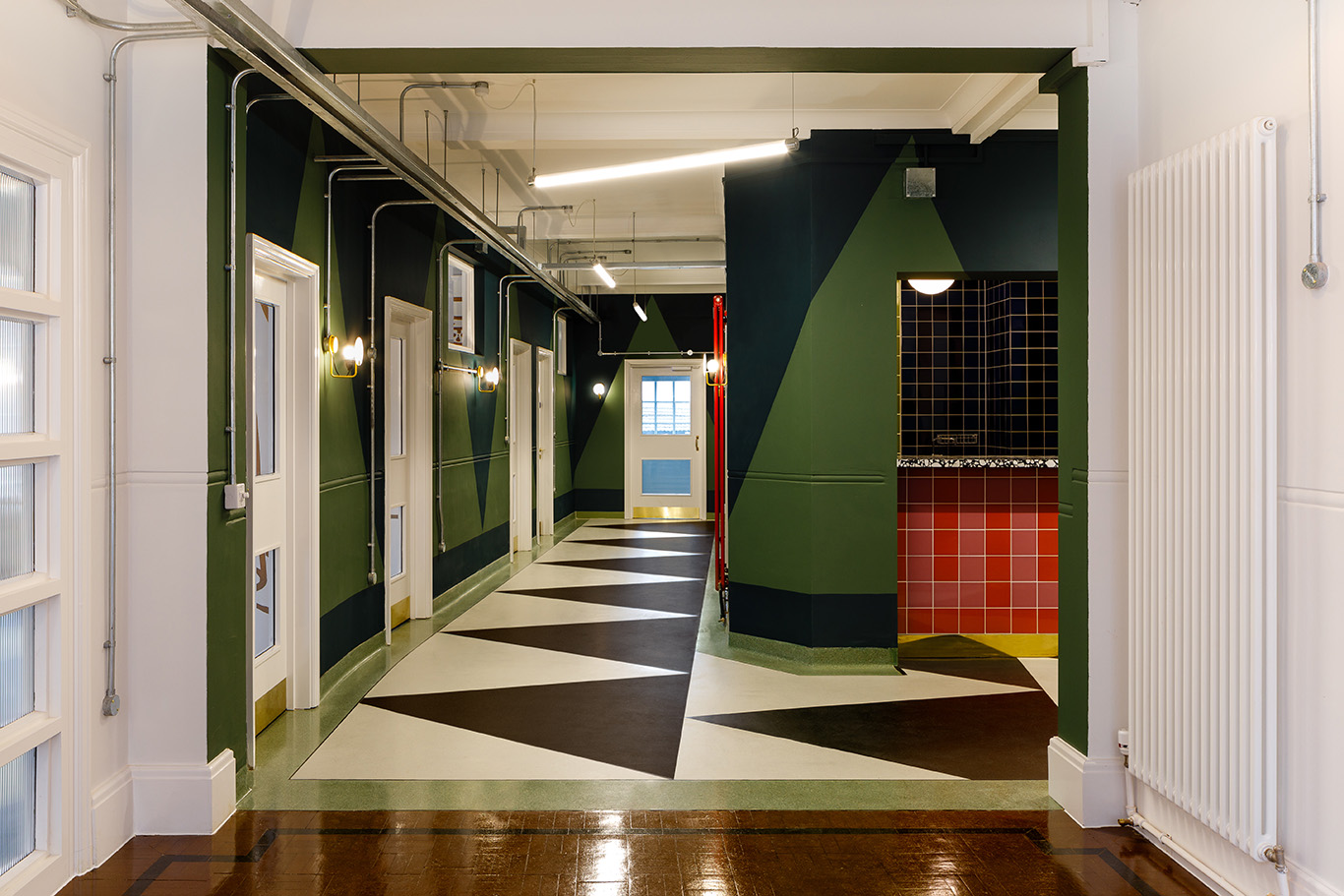
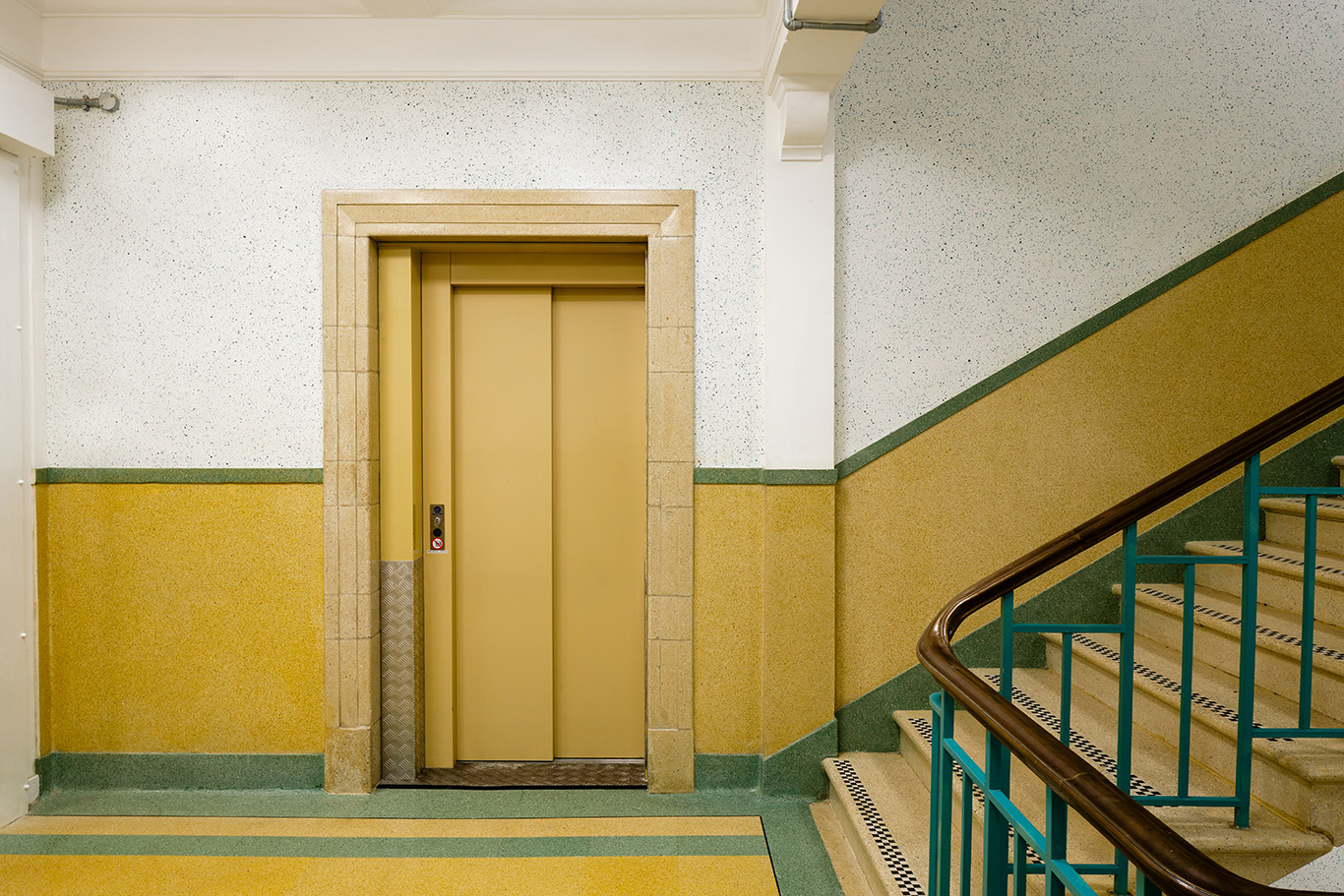
To pull together these spaces, Grant ran a co-design process between 2021 and 2025, which connected a constellation of artists and designers. ‘The intention was not simply to commission individuals for discrete outputs,’ she notes, ‘but to build long-term relationships that allow their practices to become part of the institution’s ongoing thinking.’ Sean Griffiths, founder of the erstwhile art and architecture practice FAT, led the careful restoration and reinterpretation of the civic site, injecting his signature narrative and humour into the space while preserving textural details such as the original 1937 terrazzo flooring. Heather and Ivan Morison of Peak Morison consulted early on and informed how the building operates socially and spatially. Their marmoleum marbled palettes pattern the venue.
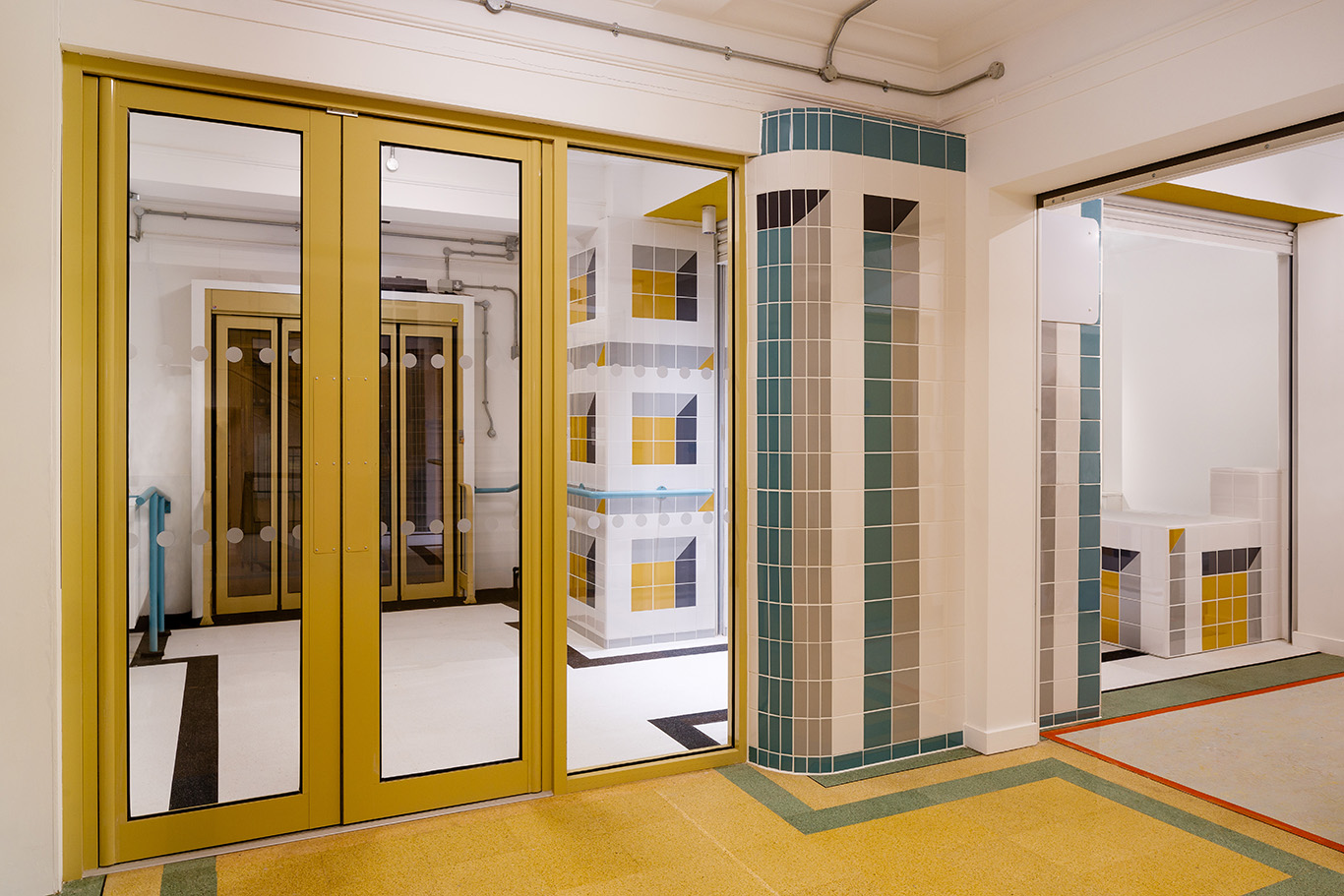
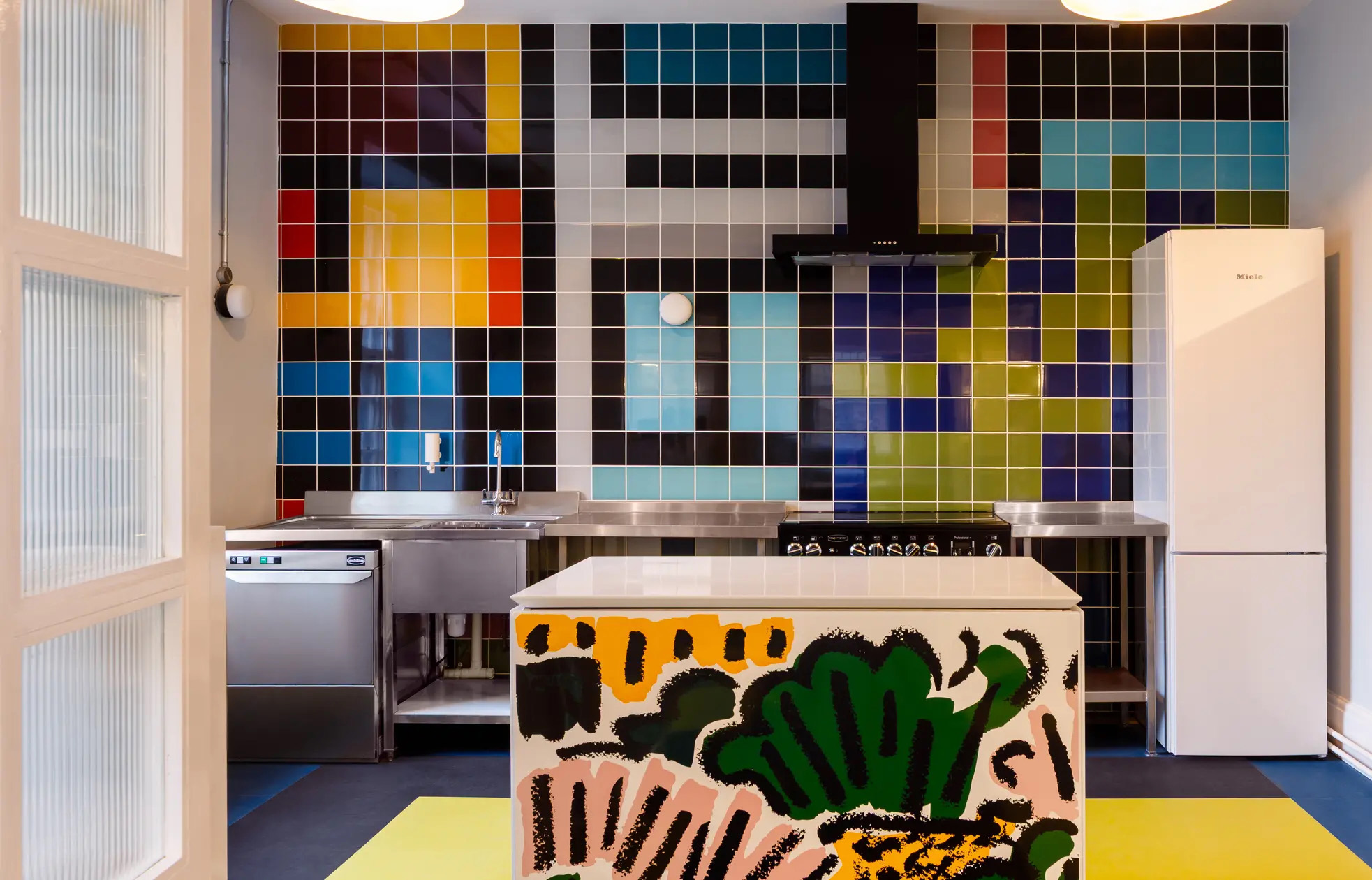
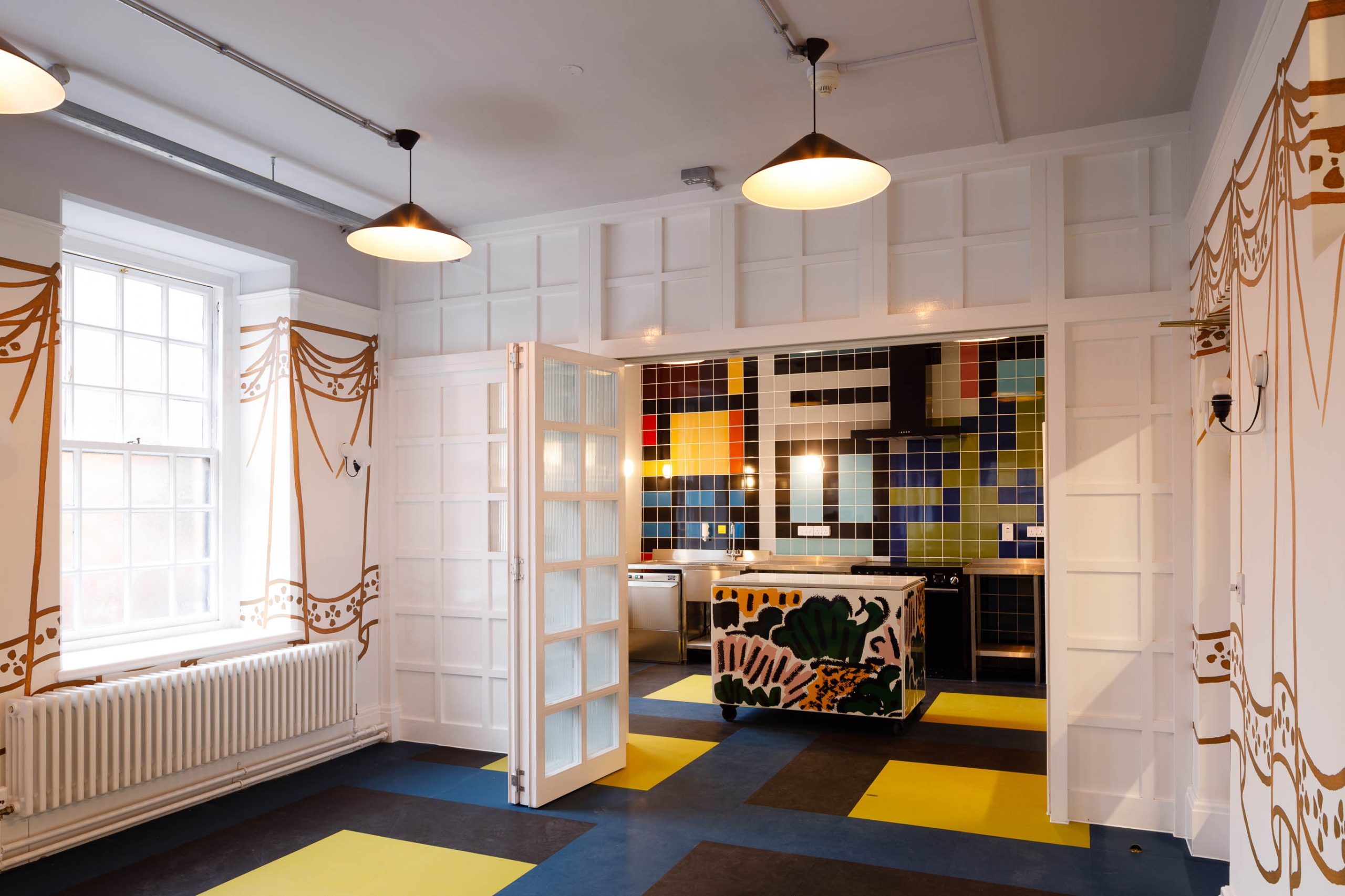
The Northampton Rooms, featuring playful tiled murals and painterly colour wash, occupy the lower floors, weaving together a reading area, co-working desks, a community kitchen and a café-bar. Artist Giles Round, selected through a national open call, designed the functional artwork through a two-year community research project that references the local architectural icons Guildhall, Mounts Baths and the Charles Rennie Mackintosh House at 78 Derngate. An installation referencing Gunther from the TV sitcom Friends addresses queer marginalisation. At its centre, it is a radical redesign of a café-bar referencing Central Perk, the iconic coffee shop from Friends, making queer experience visible in public space, unlike the show.
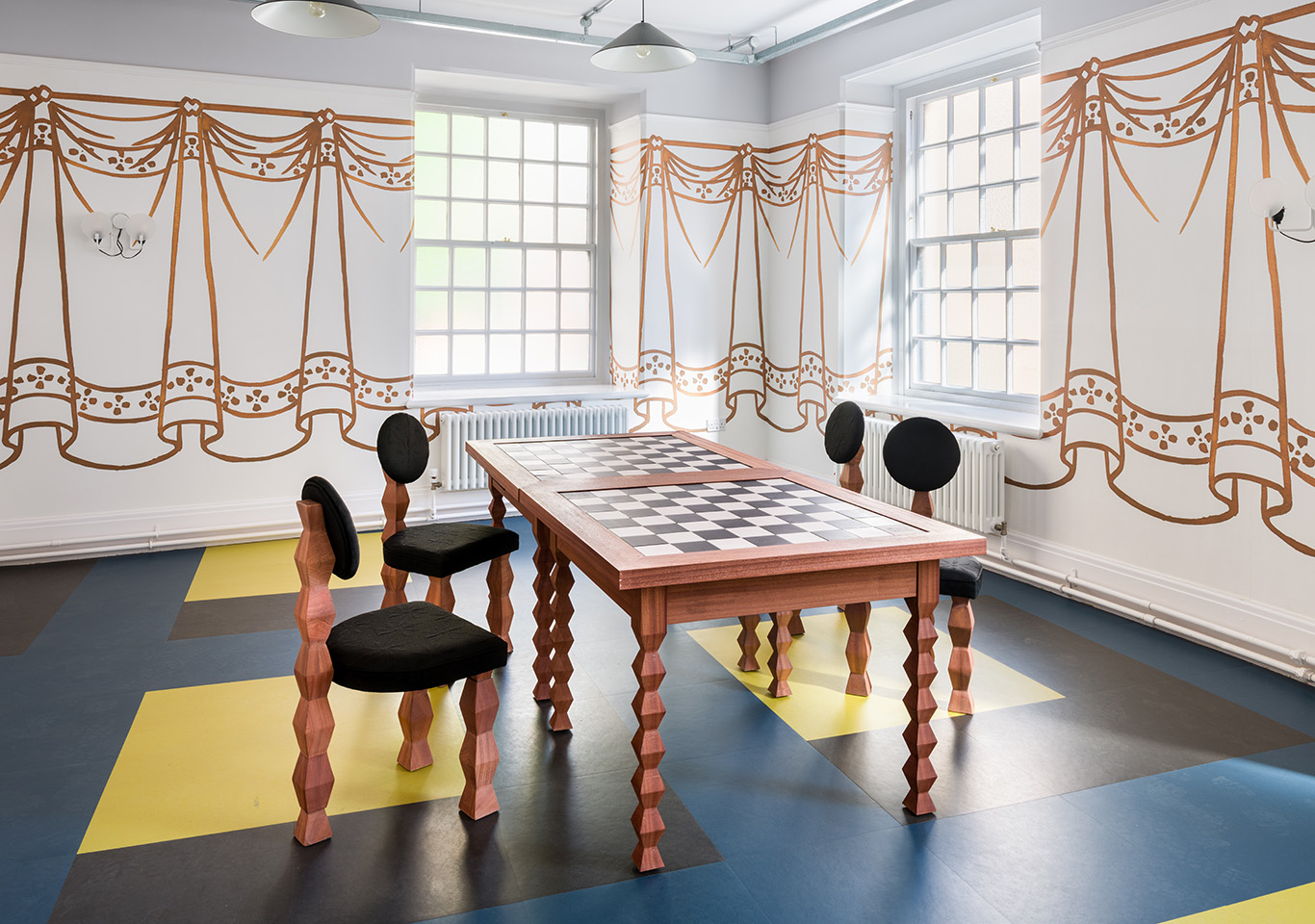
Chairs, stools and game tables by designer Foday Dumbuya are an invitation to linger. The designer’s debut furniture collection, reminiscent of Sierra Leonean hosting traditions, gives space to a diasporic narrative that Grant knew was an essential link to Northampton. ‘Our existing relationship with the Black History Archives created a strong context for collaboration, particularly around ideas of migration, identity and storytelling through fabric.’
The new exhibition House Rules, showcasing work from the late conceptualist Rose Finn-Kelcey, represents a homecoming for the artist who, despite being Northamptonshire-born, never exhibited here during her lifetime. ‘Progression does not have to come through replacement,’ Grant says. ‘There is real value in preservation, custodianship and conservation — not as static or nostalgic acts, but as active processes that allow histories, identities and knowledge to be carried forward and reworked for the present.’