The İstanbul debut of Global Design Forum, London Design Festival’s flagship platform for global design discourse, turned the city into a living stage for design last week. Public installations across the city formed the heart of the Global Design Forum programme, curated under the theme Praise of Transience by artistic director Melek Zeynep Bulut. These works invite people to experience design as part of everyday urban life — woven into streets, squares and public spaces.
Together the installations rethink the relationship between the human body and architecture. Exploring ideas of transience and permanence, they engage not only with audiences but also with the city’s historical layers. In doing so, design becomes a bridge between time, place and human experience. The programme also offers a preview of what’s to come this autumn at the festival in London — a city similarly shaped by layered histories and a global outlook. Here, design acts as a shared language between London and Istanbul, linking two distinct urban contexts through dialogue, exchange and experimentation.
The installations reveal architecture not as something fixed, but as something lived, felt and constantly evolving. In this exchange between cities, histories and disciplines, Istanbul emerges not just as a backdrop, but as an active collaborator — its rich past meeting the cultural energy of London.
Pavilion of the Moment
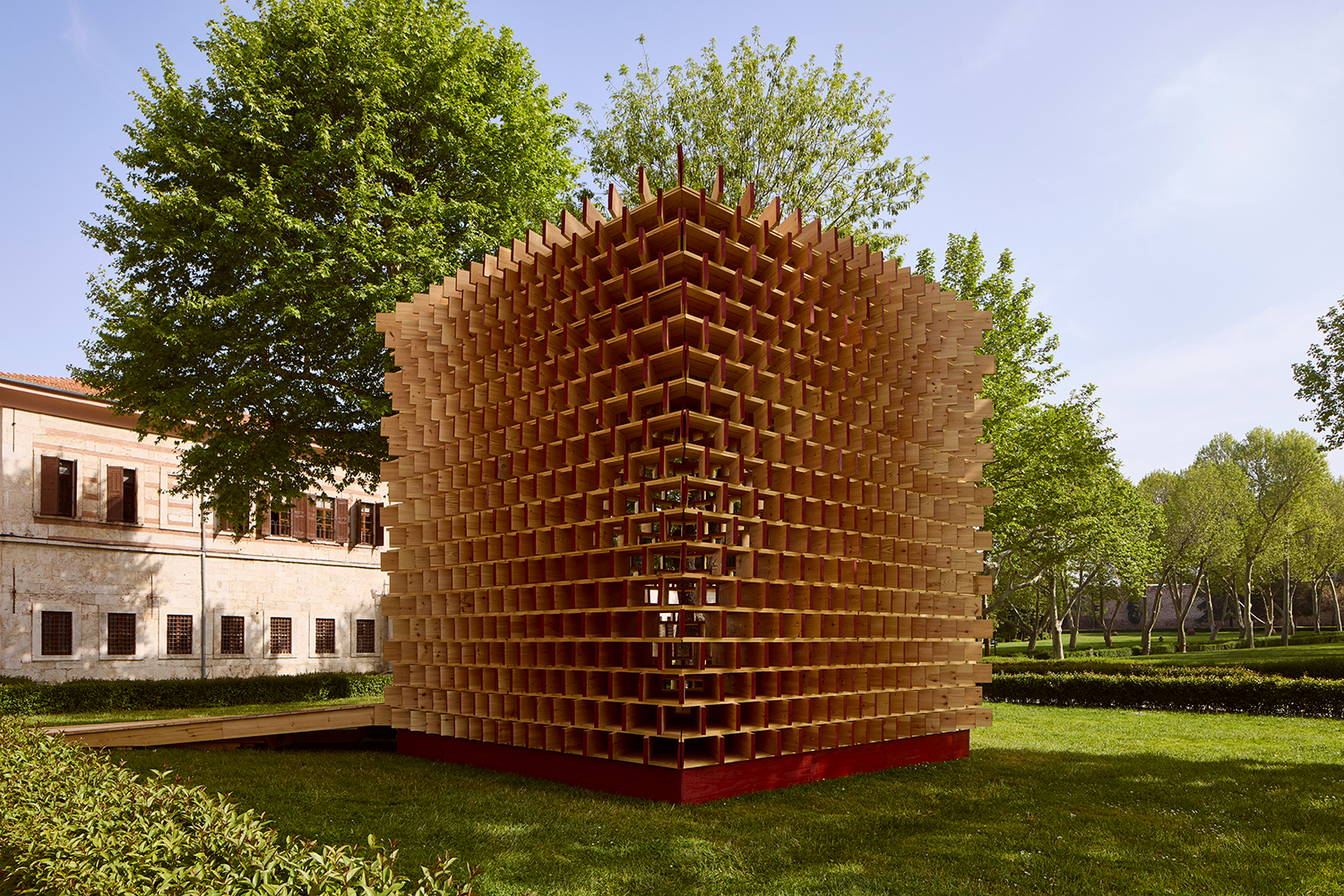
Among these installations, Pavilion of the Moment offers a direct expression of the forum’s theme of transience in built form. Set beside Istanbul’s oldest church — Hagia Irene, within the gardens of Topkapı Palace — it anchors contemporary design within a deeply historic setting. Designed by London-based Waugh Thistleton Architects in collaboration with the National Wood Association and the Turkish forestry association, the pavilion is constructed entirely from timber, its texture and scent inviting visitors to engage with something living and evolving. At first glance, it appears as a precise timber cube. Step inside, however, and a contrasting spherical volume is revealed — an intentional echo of Hagia Irene’s domed architecture. This interplay between cuboid and sphere reflects a wider dialogue between permanence and ephemerality, creating a spatial experience shaped by light, movement and time. More than a static object, the pavilion becomes a place of interaction, inviting visitors to sit, pause and climb.
Yakîn
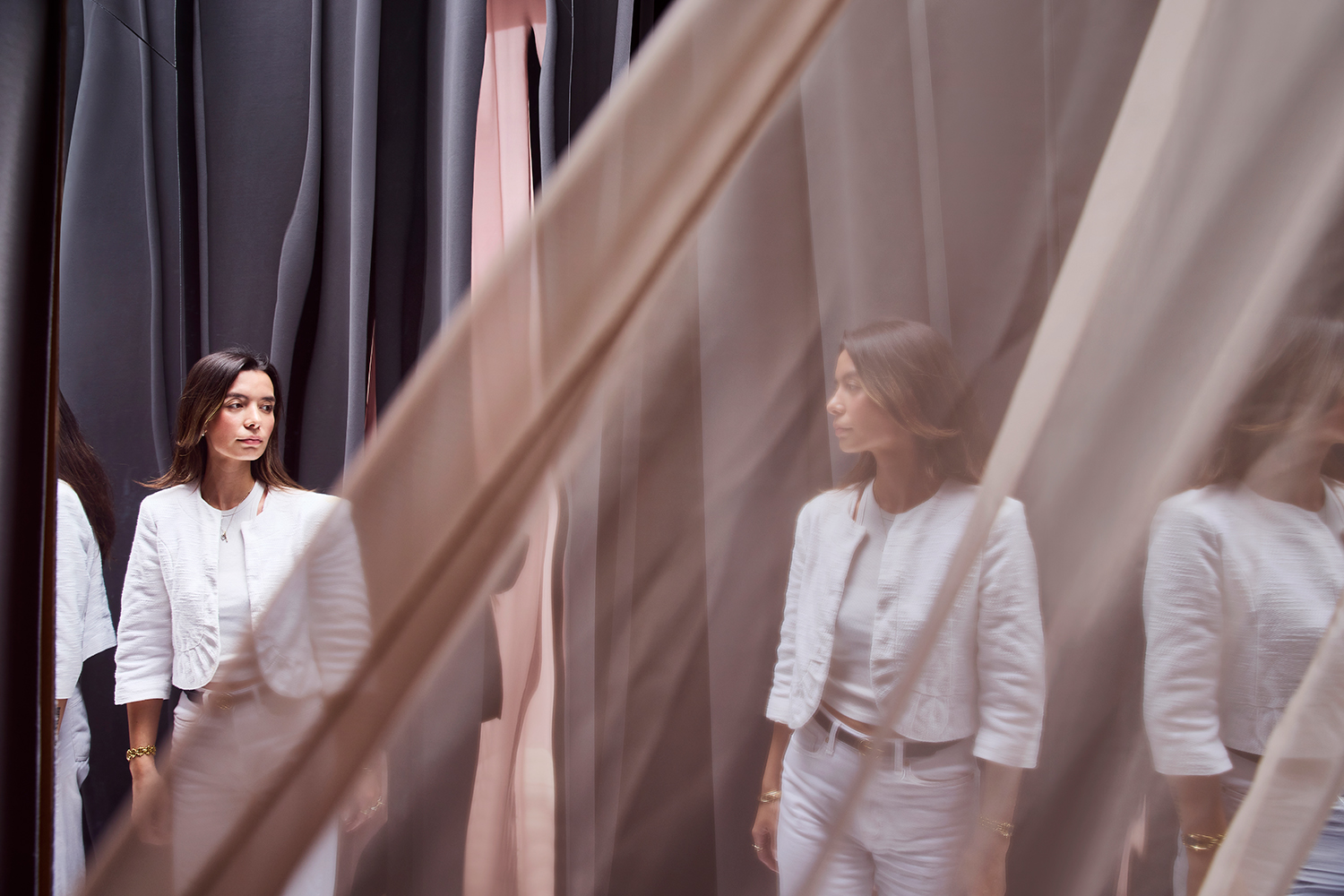
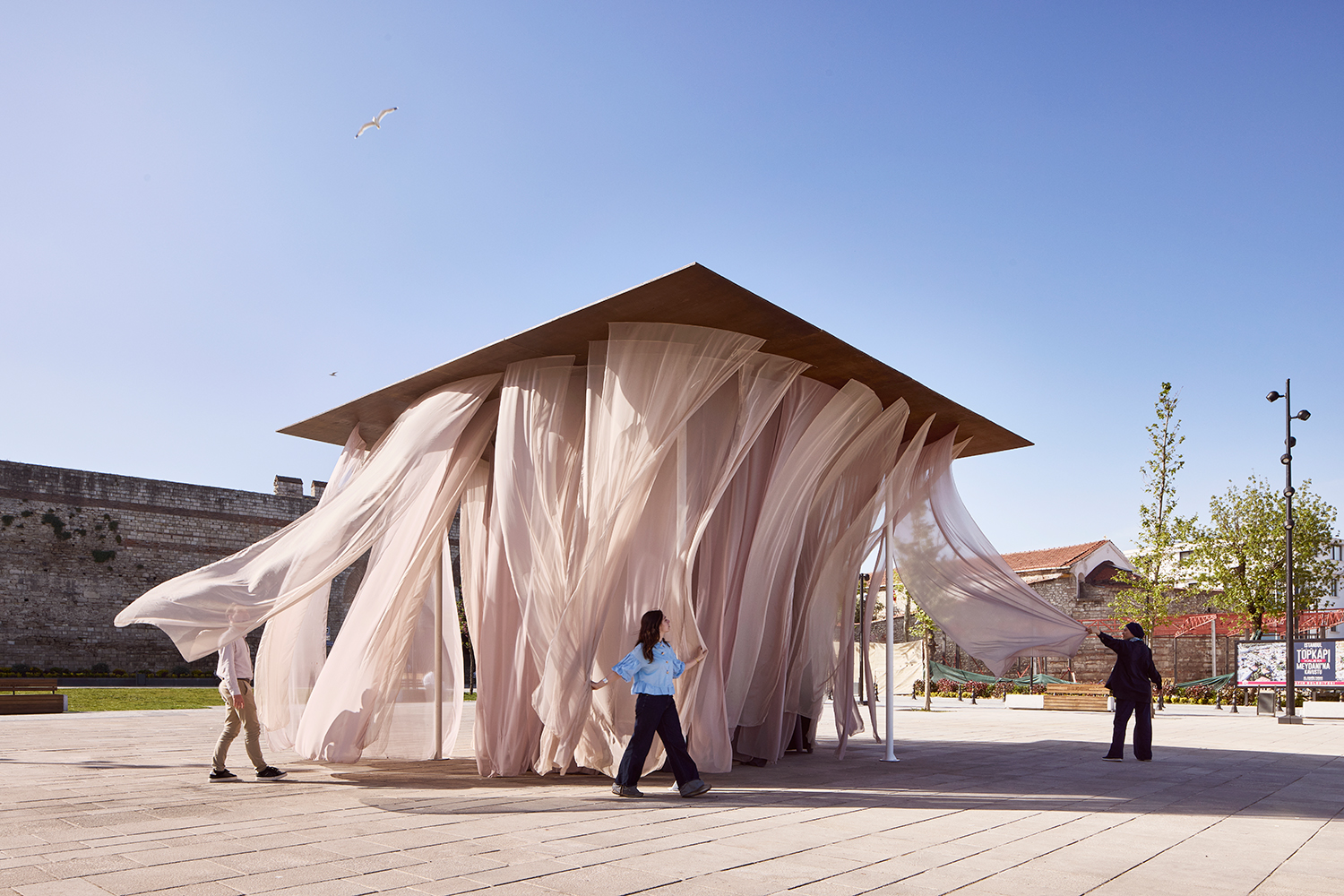
An introspective counterpoint, Yakîn turns your attention inward to explore perception, memory and consciousness. Rooted in ideas from Islamic mysticism, it unfolds as a sequence of soft thresholds composed of flowing silk curtains. The translucent layers move gently with air and passage, representing shifting states of being — an interior space in every sense. At the outer edges, the fabric is light and animated, echoing the restless, ever-changing energy of the city. The physical journey becomes a metaphorical one. Passing through the layers invites a gradual withdrawal from external noise into a quiet, meditative inner space, where architecture dissolves into experience. It positions architecture as both collective and deeply personal, suggesting the most profound spaces are not built, but felt.
Wall / Tribune / Gate
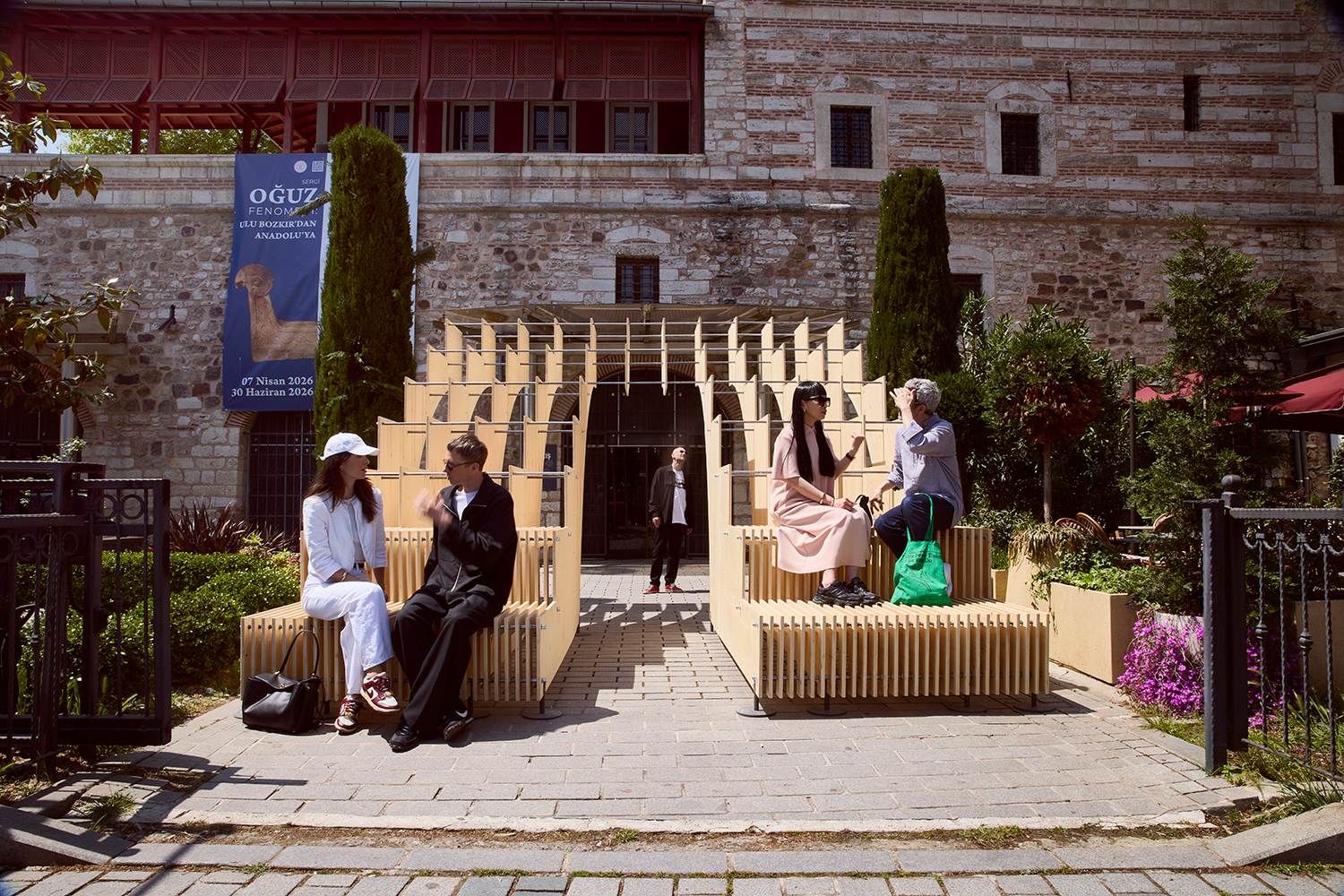
Located along the entrance axis of the Museum of Turkish and Islamic Arts, this installation draws from the dimensions of the ancient Hippodrome, the central public arena in ancient Constantinople that is now buried far beneath the museum floor. To transform the former archaeology into a contemporary spatial experience, it incorporates a raised platform built to these old measurements. The platform gently lifts visitors above ground, offering new perspectives around the Ibrahim Pasha Palace. It functions as a partition, a lounge and a passage to the museum, inviting pause and interaction and bridging past and present through architecture.
The Red Room
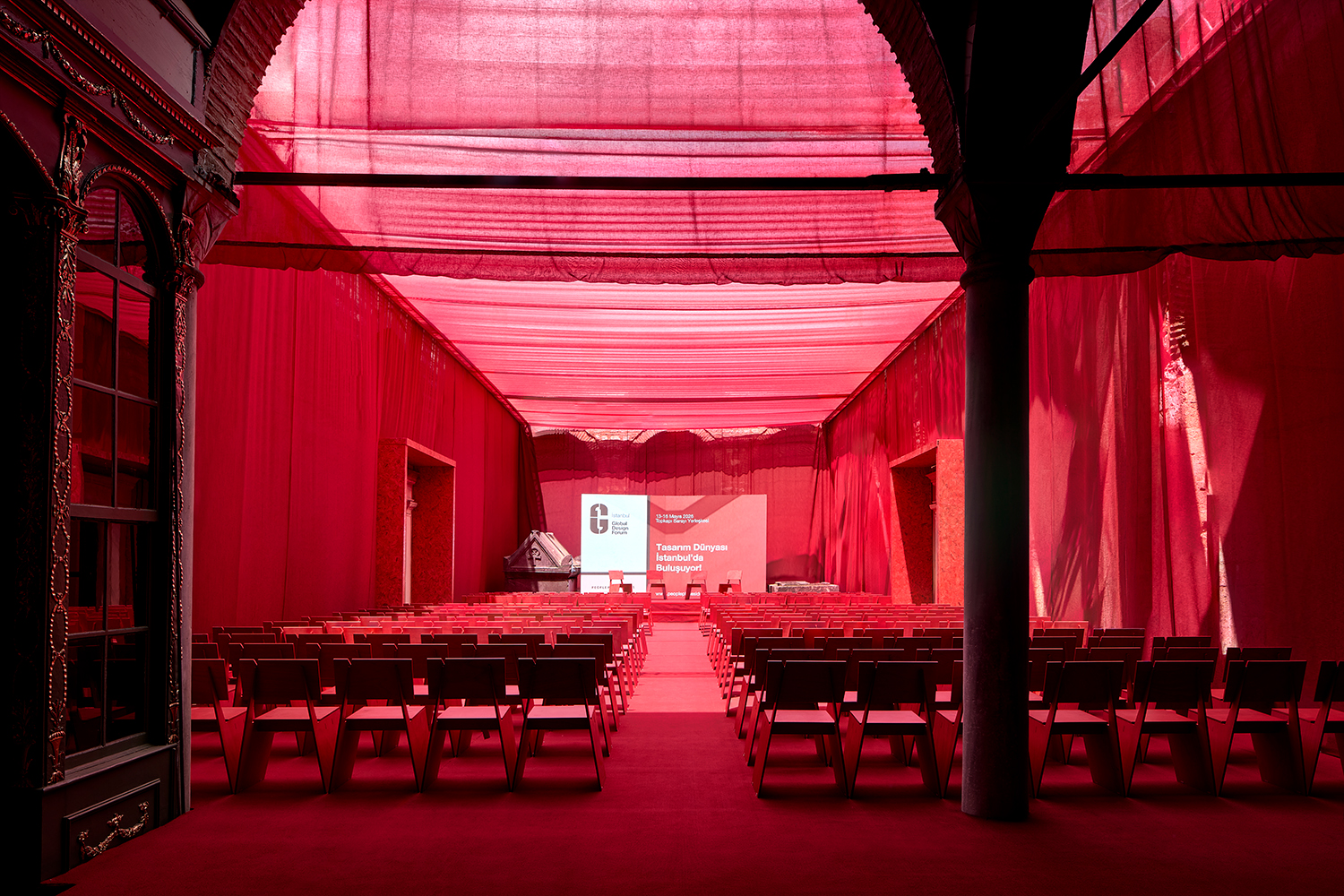
Back at Hagia Irene, NUN Architecture has collaborated with the architectural platform People Places Ideas on The Red Room, an immersive, temporary interior in the church’s open-air atrium. Here the venue becomes an installation in itself, transformed through layers of delicate red tulle. The palette draws on İstanbul’s architectural heritage, echoing the warm ochre tones of traditional timber houses. As daylight filters through the translucent fabric, it saturates the space — and its visitors — in shifting, luminous tones, altering both perception and atmosphere. A dialogue emerges between past and present, represented by the enduring stone architecture and the city’s domestic history. The church becomes a living, sensory forum where light, colour and memory converge.
Global Design Forum, London Design Festival’s flagship platform for global design discourse, is presented in collaboration with People Places Ideas (PPI), with Artistic Direction from Melek Zeynep Bulut.