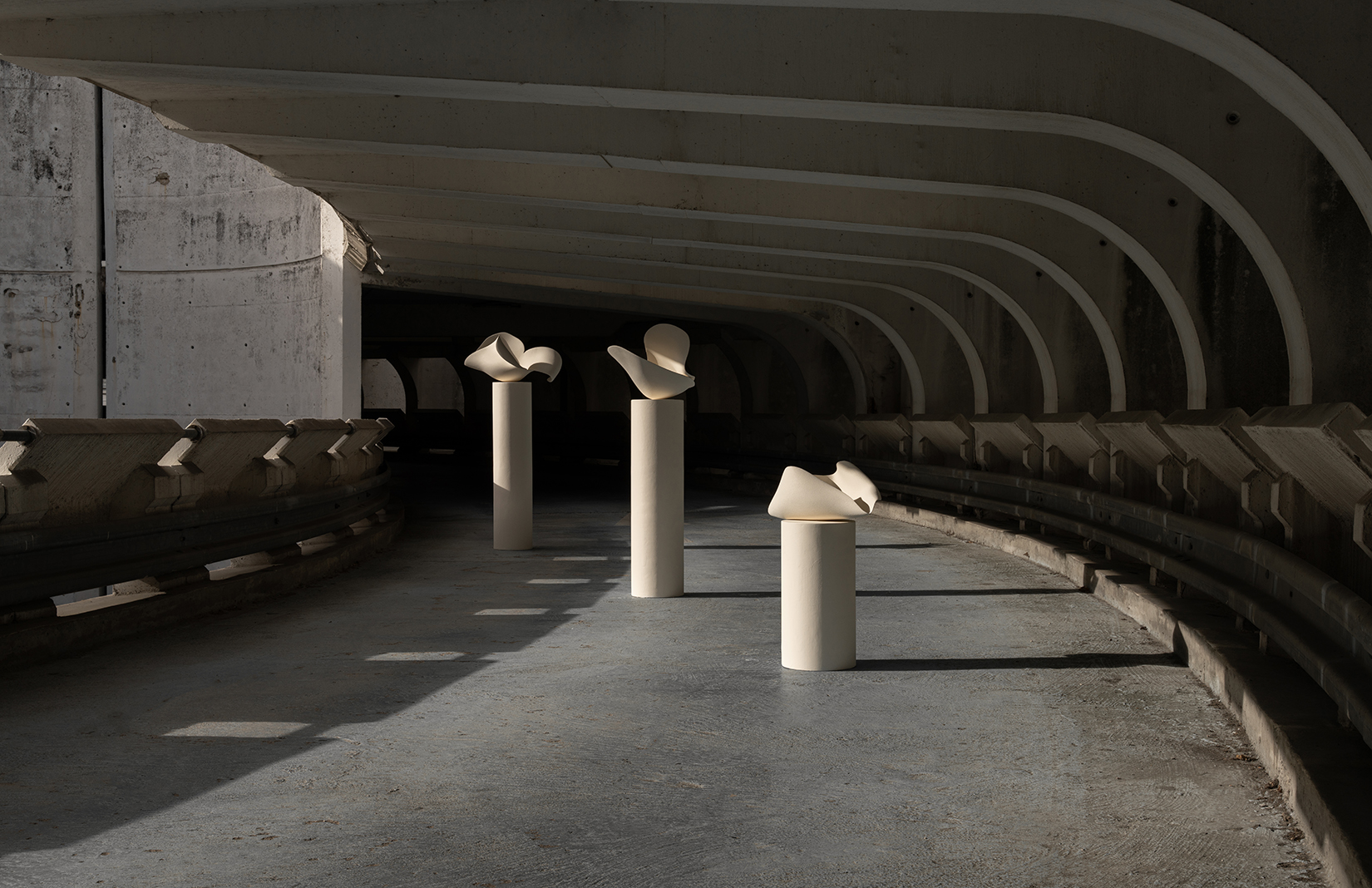
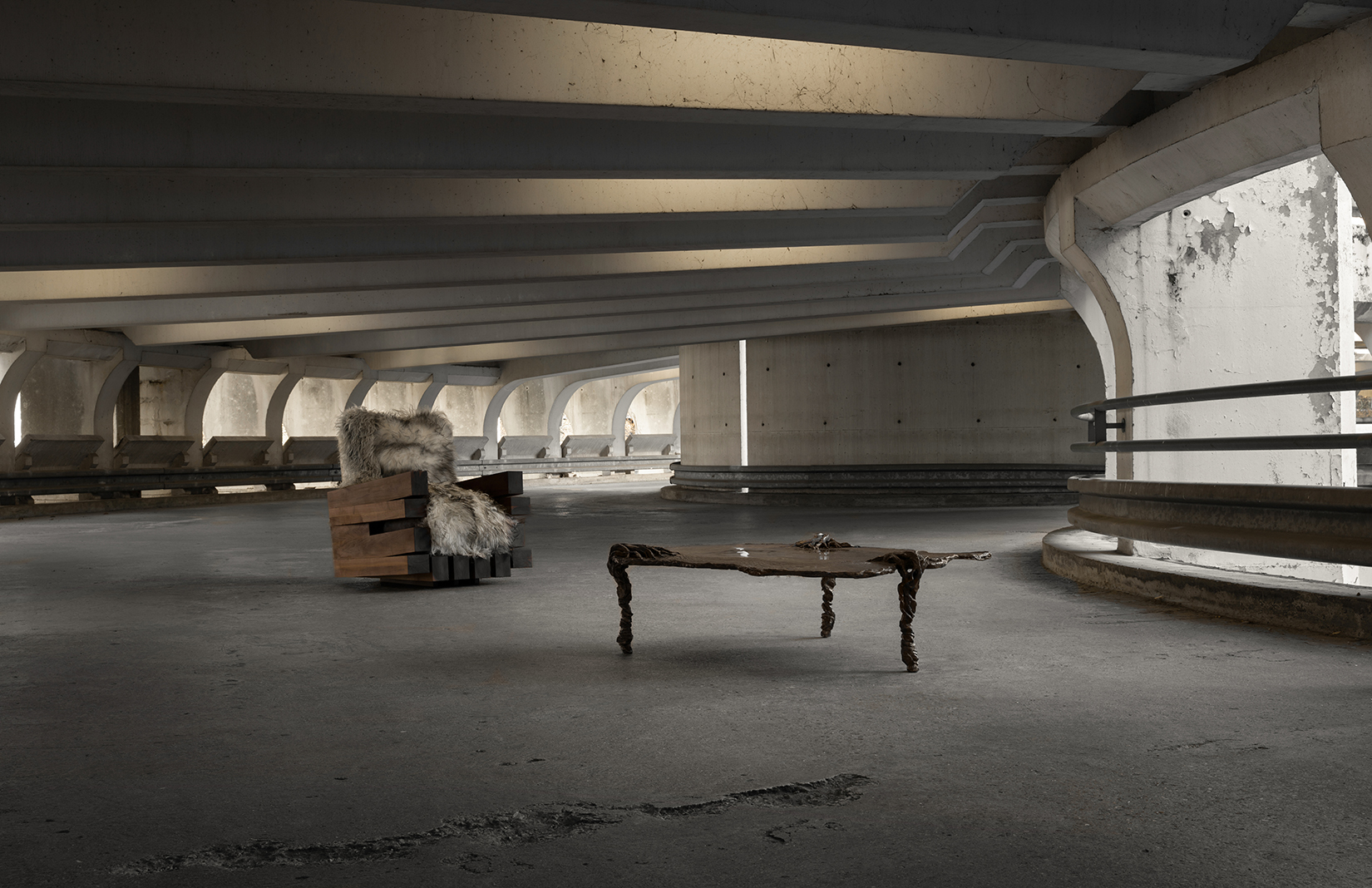
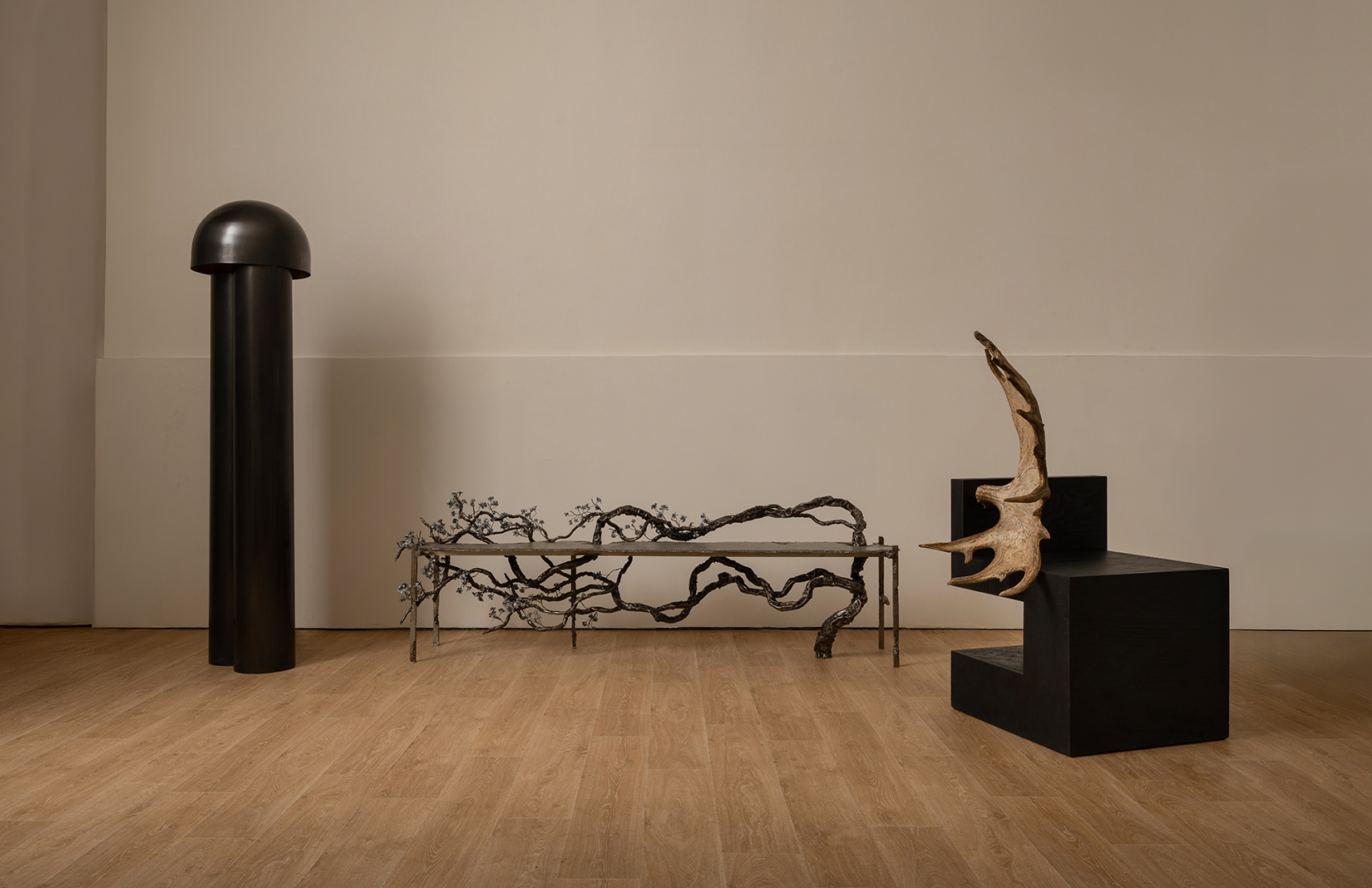
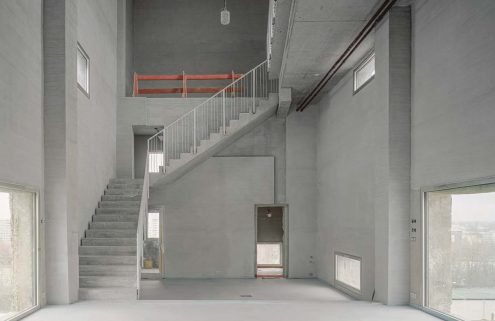
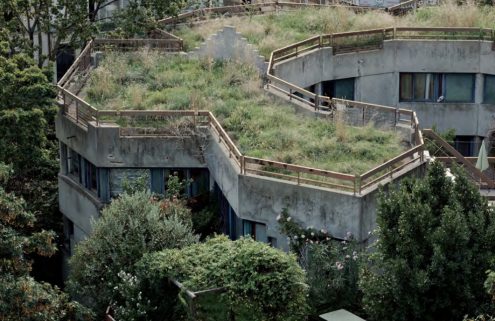
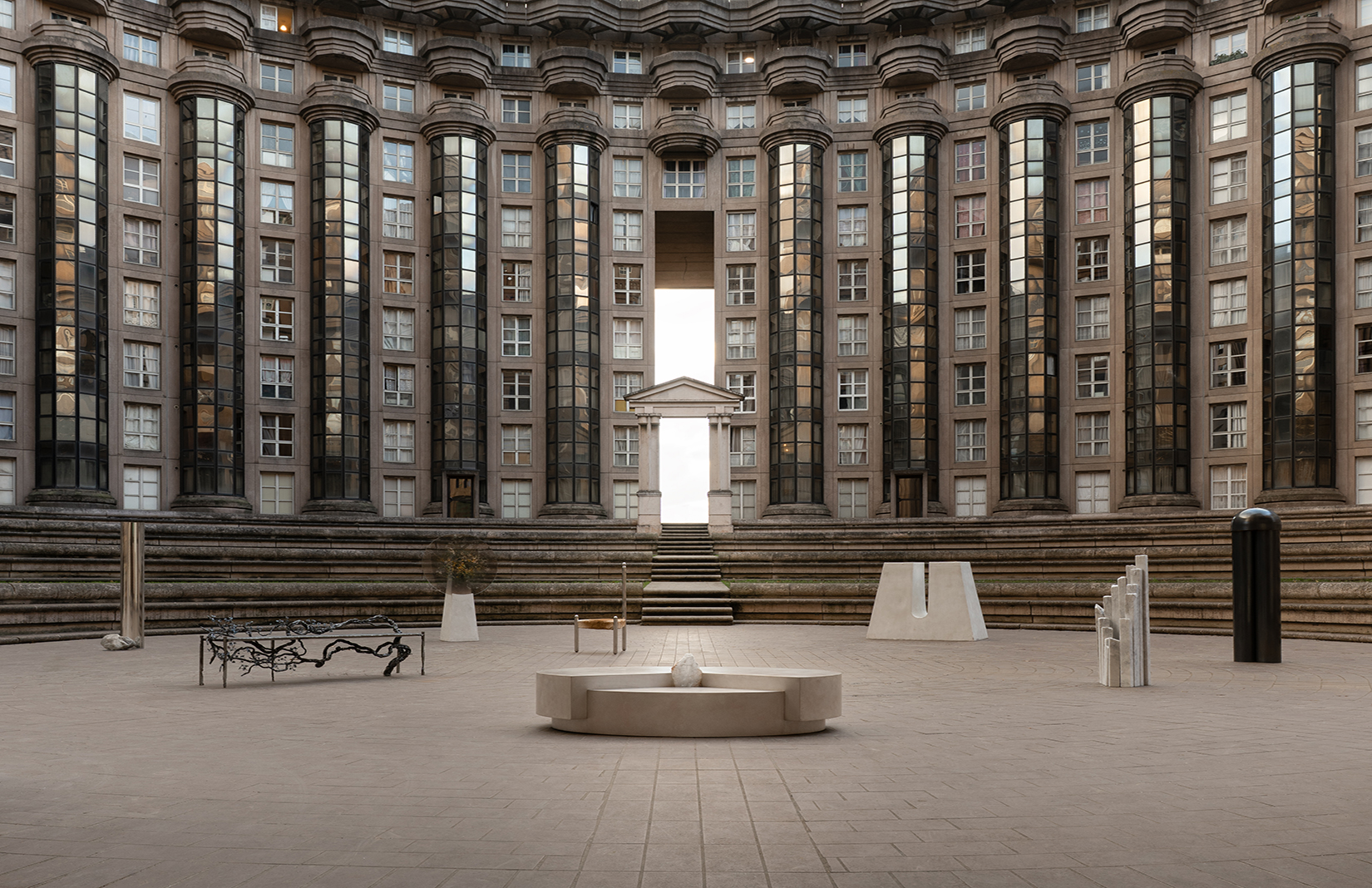
When we talk about art as an instigator of social change, rarely do we find such a supportive example on the ground. Yet, in the postwar Parisian suburb of Noisy-le-Grand, a programme of rehabilitation and revitalisation is getting a major push from a contemporary gallery with a penchant for underused 20th-century architecture. Galerie Philia, an art and design partnership with locations on three continents, has ‘reactivated’ two neighbouring brutalist structures in the enclave of Mont d’Est: the decaying Mont d’Est car park designed by Jacques Kalisz and the dystopian Espaces Abraxas housing complex by Ricardo Bofill. The two ‘concrete cathedrals’, aging models of France’s utopian ‘ville nouvelle’ era, will be staged with monumental sculptures and radical design, ‘reawakening’ their latent potential as cultural hubs and public spaces.
STRATES, running until to November 30, represents a step toward making these structures more accessible to cultural and civic life in the neighbourhood and creating ‘a living exchange with local residents’.
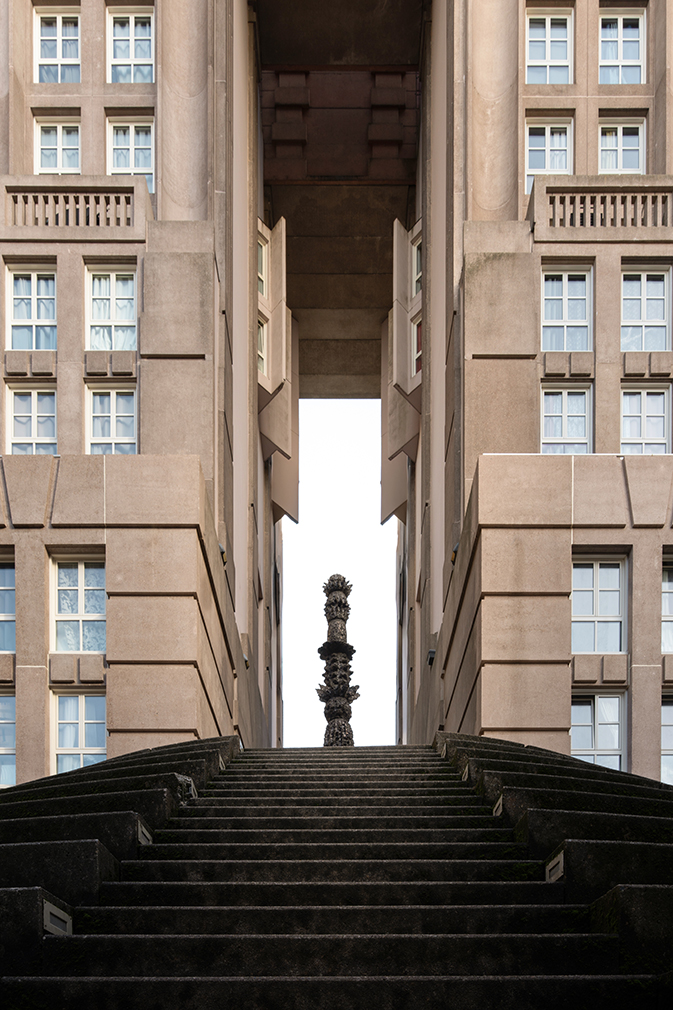
Photography: Brinth, courtesy of Galerie Philia.
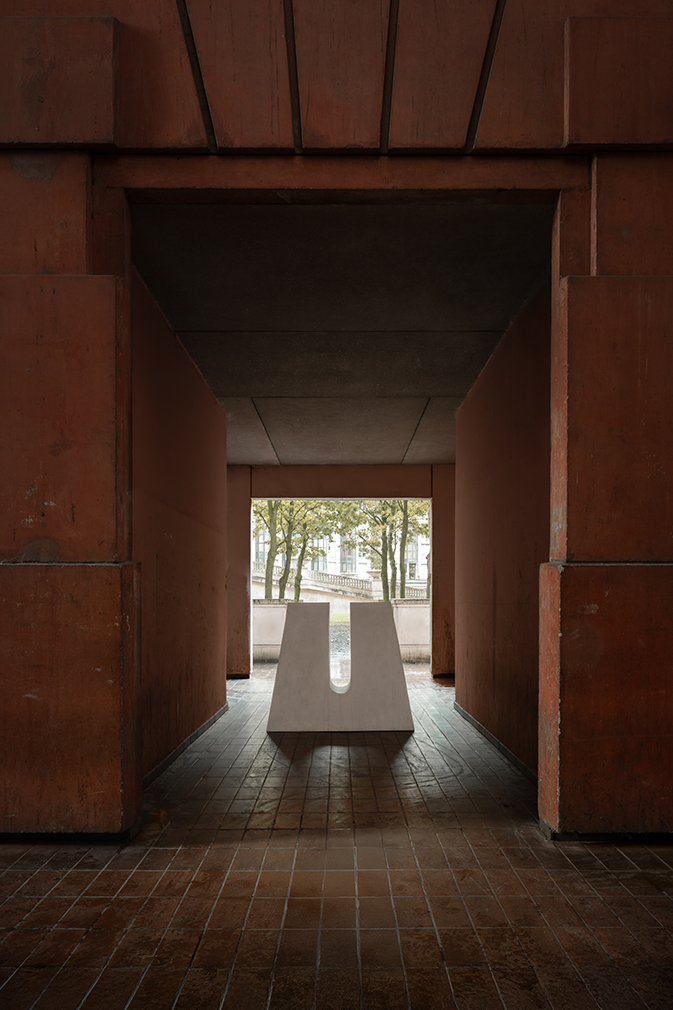
Photography: Brinth, courtesy of Galerie Philia.
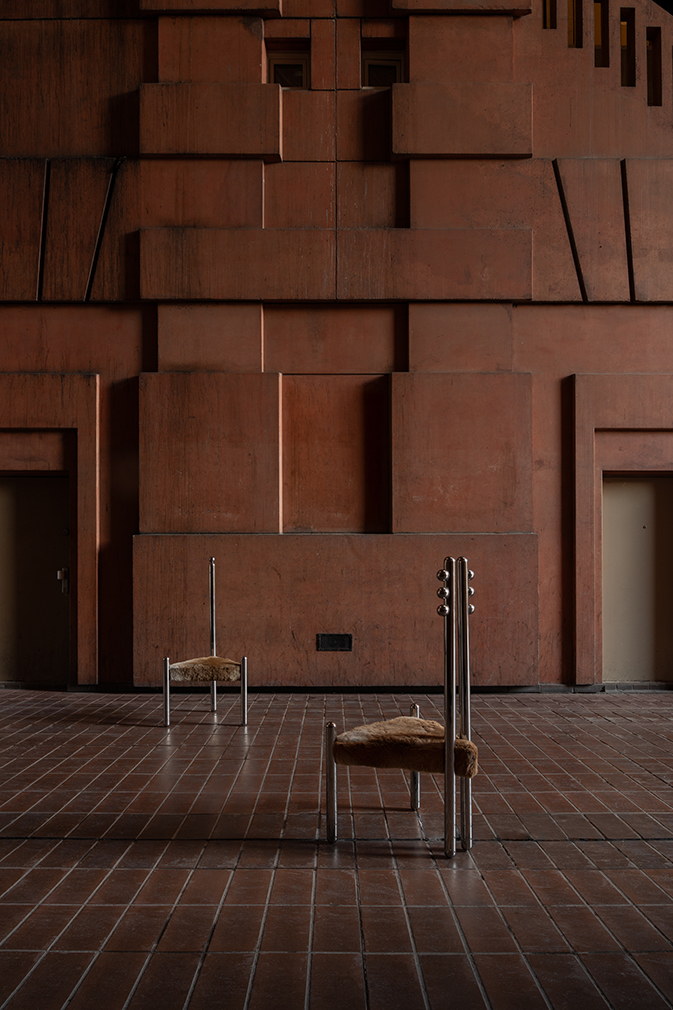
Photography: Brinth, courtesy of Galerie Philia.
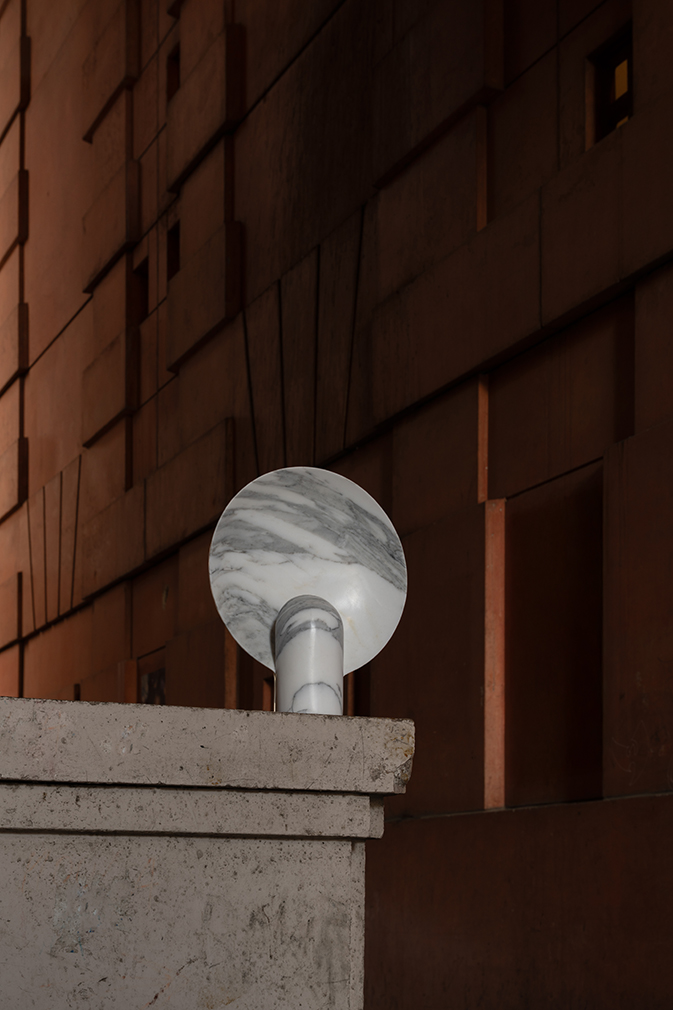
Photography: Brinth, courtesy of Galerie Philia.
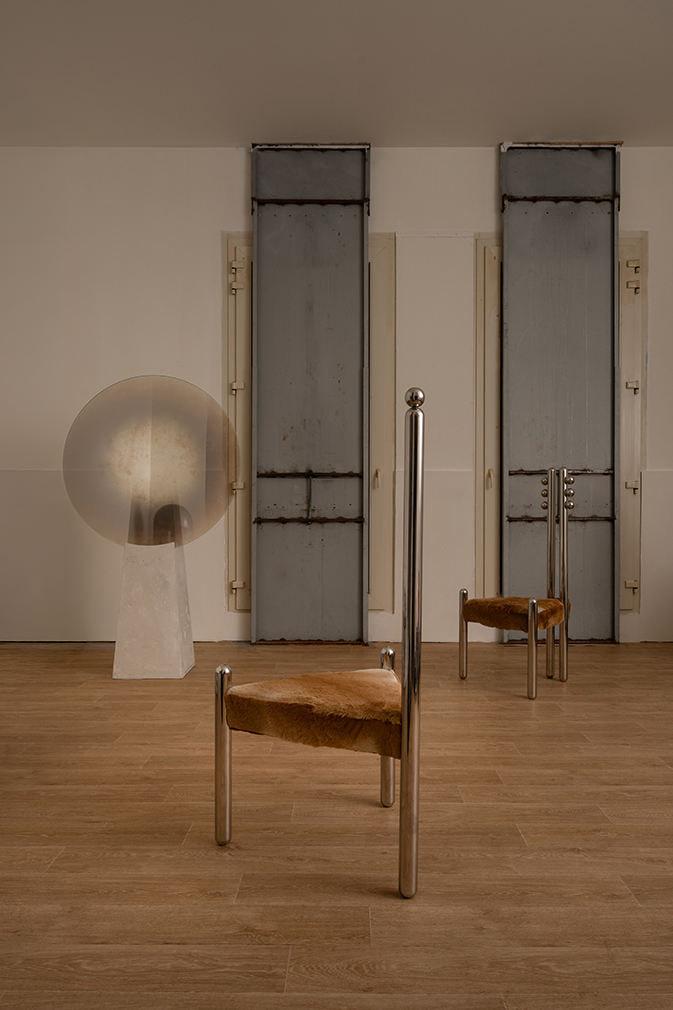
Photography: Brinth, courtesy of Galerie Philia.
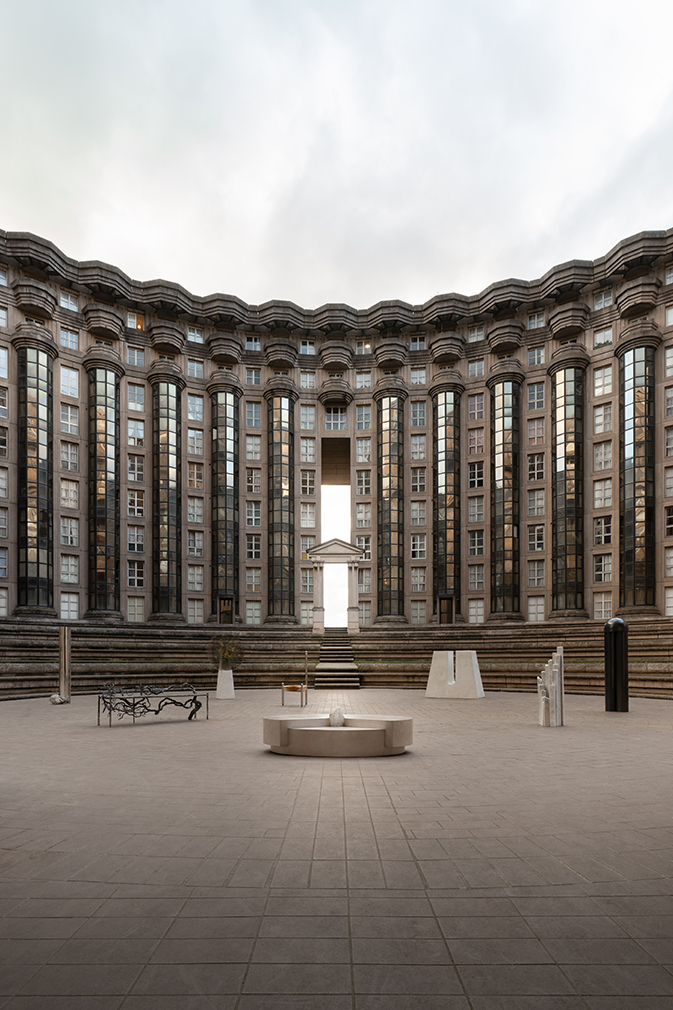
Photography: Brinth, courtesy of Galerie Philia.
Galerie Philia has always eschewed white cube neutrality for spaces with architectural, philosophical, historical and sociological context (see its exhibitions at Le Corbusier’s Cité Radieuse and Oscar Niemeyer’s concrete saucer). The helicoidal ramps of the car park and operatic aura of the housing estate fit like a glove within the existing aesthetic. ‘This mixture of futuristic ambition and decay resonates deeply with our ethos,’ says curator Ygaël Attali. Even more, they become protagonists in his vision. When he first encountered them, he says, he felt ‘a shock of recognition — extraordinary pieces of brutalist architecture, at once monumental and fragile, whose latent potential could be reactivated through design’. Their raw, eroding textures and wabi-sabi fragility are visually powerful. ‘But equally important is the story it tells of collective ambition, decline and potential rebirth.’
Coinciding with the gallery’s 10th anniversary, STRATES is showcasing work by its resident artists over 10 years. It has commissioned new site-specific pieces too, like a monumental light installation by Morghen Studio that echoes the spiral geometry of car-park ramps; and seating by Lucas and Tyra Morten that engages with their structural language. ‘Bofill’s Abraxas offers a different yet complementary vision,’ says Attali, ‘forming a dialogue across the neighbourhood that amplifies the resonance of the exhibition.’
The Mont d’Est neighborhood is entering a new chapter, marked by a commitment to rehabilitate public spaces, reconnect its different poles and foster a new cultural dynamic. To that end, the gallery has enlisted area residents to lead guided visits of the exhibition. ‘We wanted the show not to be parachuted in from outside but truly integrated into the local fabric,’ says Attali.
He reckons the exhibition is making a modest contribution to the regeneration process. ‘By inviting audiences back into these sites, we demonstrate they are not relics but still relevant stages for contemporary imagination.’ It’s a good start. ‘In five years,’ he says, ‘I imagine this neighbourhood as a place where the extraordinary vision of architects like Kalisz and Bofill becomes the foundation for new forms of urban vitality.’