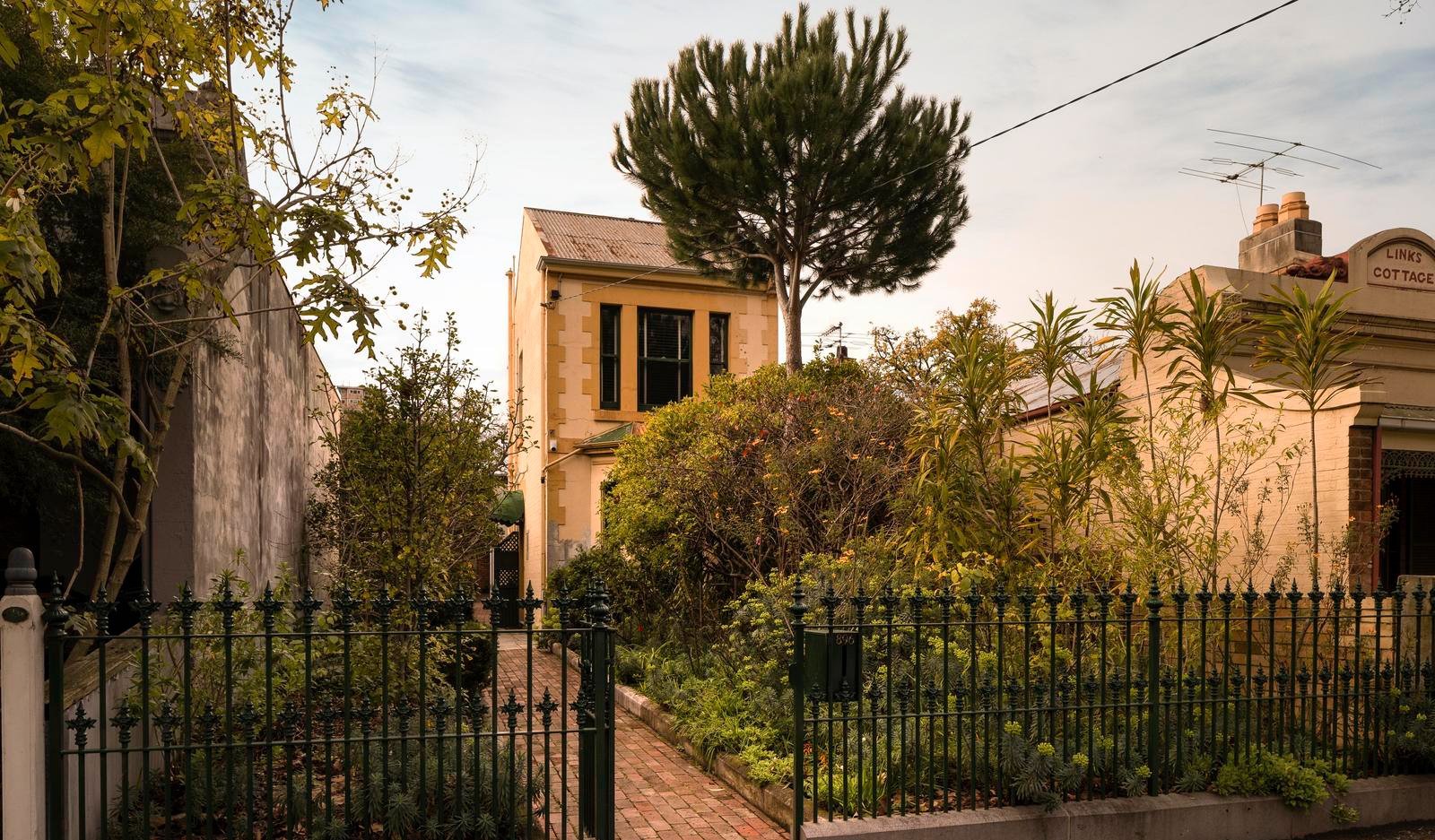
The weather was a cold five Celsius earlier this month when Reykjavík’s design scene united for the DesignMarch festival (originally staged in even colder March), but the sun mostly shined all week for the 18th edition, energising the evenings until 10:30pm. Exhibitions and talks popped up in boat-building sheds and former fishing warehouses. Experiential perfumery Fischersund, founded by Jónsi of Sigur Rós, performed a ‘family reunion’ at a 1920s cinema. And students showcased in raw concrete units in a newly developed neighbourhood.
Delivering black-out blinds, acoustic lamps and gravel-racing bikes by Lauf, designers were tuned into the particularities of Icelandic life, of tectonic tremors, unpredictable weather and volcanic landscapes. Materiality leaned into the strength of nature, harnessing algae, wool and fish skins. Naivety, absurdity, spontaneity and softness counteracted the hardness of the environment, while playful colour sharpened the poetic bleakness of a cloudy day. Meet Reykjavík’s designers innovating between environmental limits, material scarcity and the realities of the national context.
Logi Pedro Stefansson
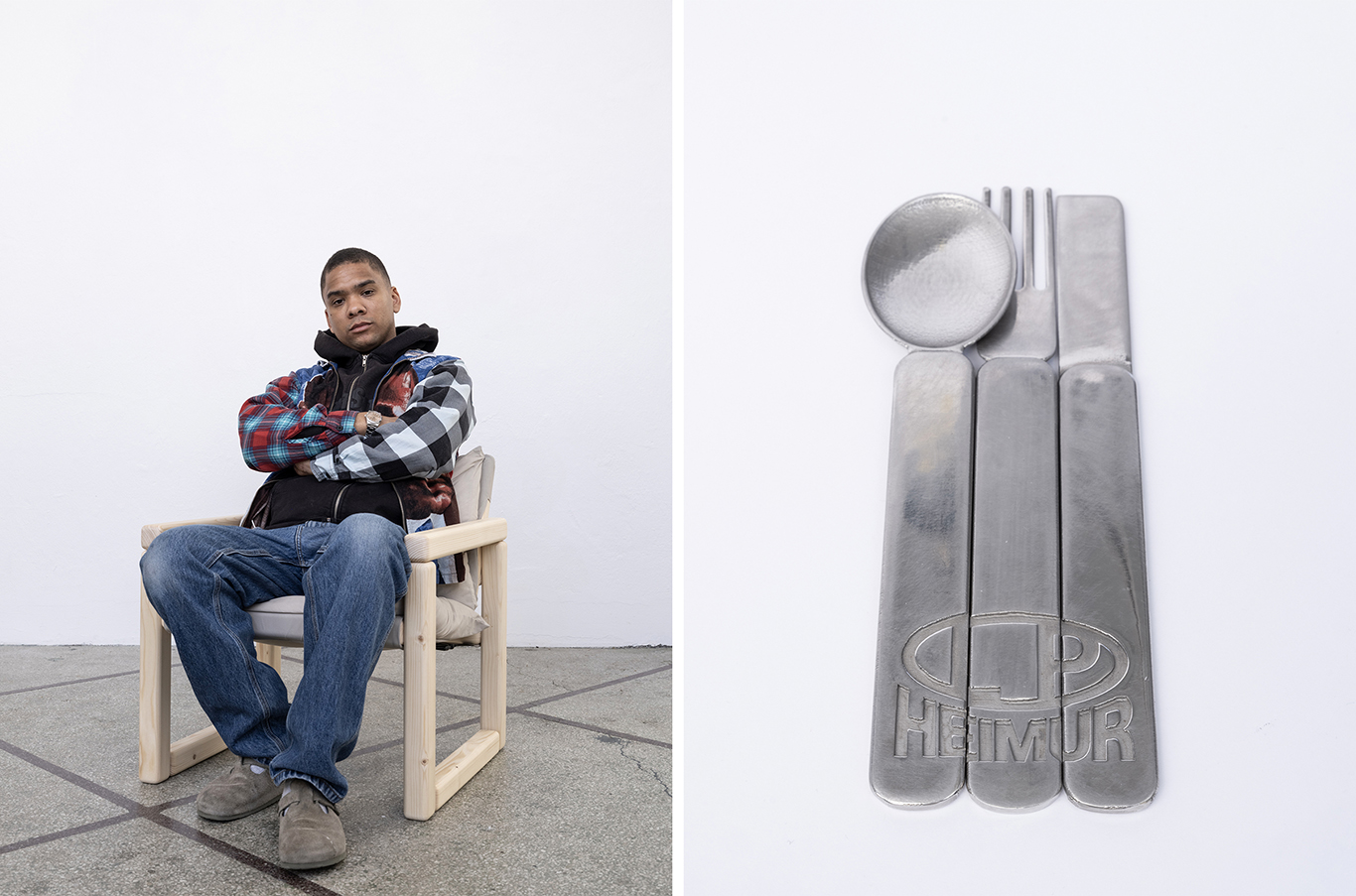
Since 2000, the population of foreign origin in Iceland has grown from 3 to 18 percent, bringing into question Icelandic culture beyond a national inheritance. An ongoing domestic design collection by Icelandic-Angolan designer Logi Pedro Stefánsson titled Heimur (Icelandic for ‘world’) explores this by developing a ‘third culture’. Rather than being a birthright, he argues, cultural identity is a chosen lived practice. Exhibited at the Ásmundarsalur gallery, the collection expanded this year with cutlery, stools and an espresso machine, showing what can emerge when culture evolves with the dynamism of life. ‘Culture is not a substance that thins when shared,’ says Stefánsson, ‘and it is not a territory to be defended.’
Flétta
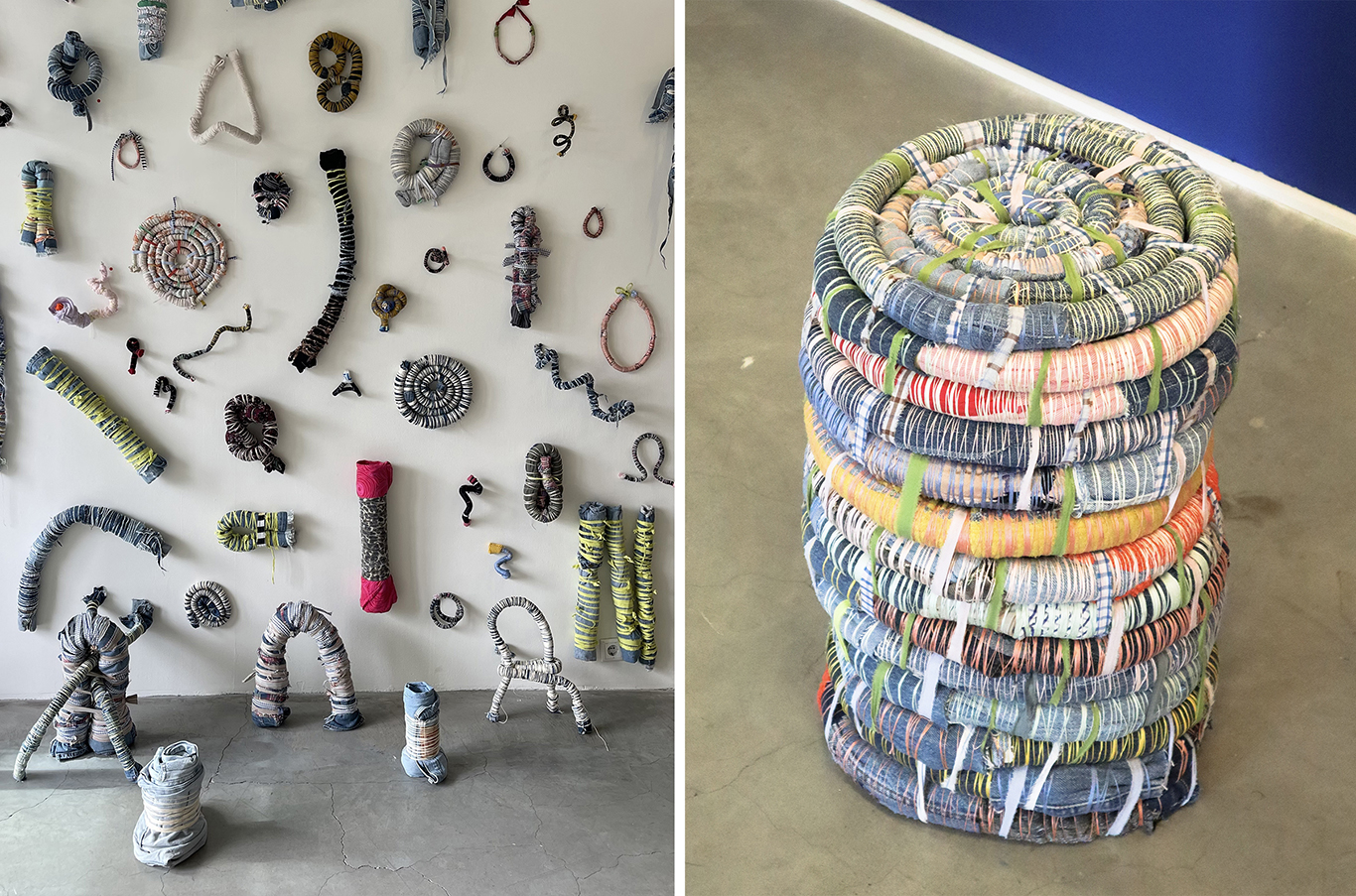
Iceland imports nearly all its textiles, then exports over 90 percent of the waste (over 2,000 tonnes annually). Studio Flétta’s ‘waste mapping’ project seeks to disrupt the island’s reliance on waste exports that are damaging environments elsewhere through incinerators and landfills. For a residency at the Icelandic Museum of Design and Applied Art, Flétta’s founders Birta Rós Brynjólfsdóttir and Hrefna Sigurðardóttir established a partnership with Red Cross charity shops across the country and used textiles destined for export to create a rope-like modular system that could be twisted up into various household objects from stools to lamps.
Studio Brynjar & Veronika
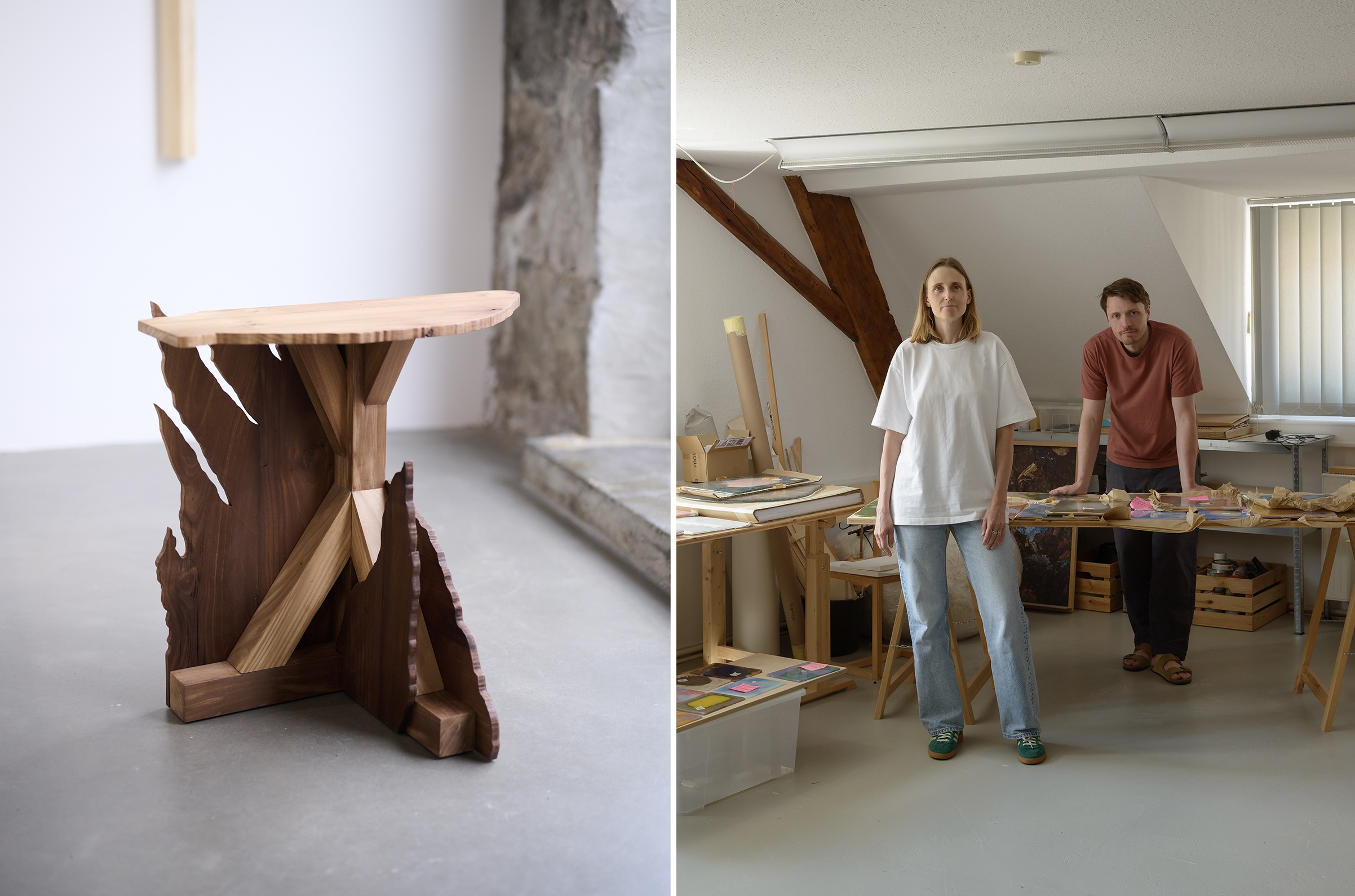
Design gallery HAKK connects international designers with Iceland’s materials and manufacturing. This year it connected Icelandic-German duo Studio Brynjar & Veronika with Reykjavík Forestry and local furniture maker Gústav Jóhannsson, and a series of objects emerged in Western balsam poplar, a fast-growing wood introduced to Iceland from Alaska and mainly used for agricultural purposes. Rediscovering the wood’s refinement in the domestic context, the team used traditional heat-treating methods to deepen its colour and patina. In their exhibition Constructed Landscape, forms flatten nature into a romanticised stage set, commenting on our loss of understanding of complex eco-systems to which we are integral.
Dýpi
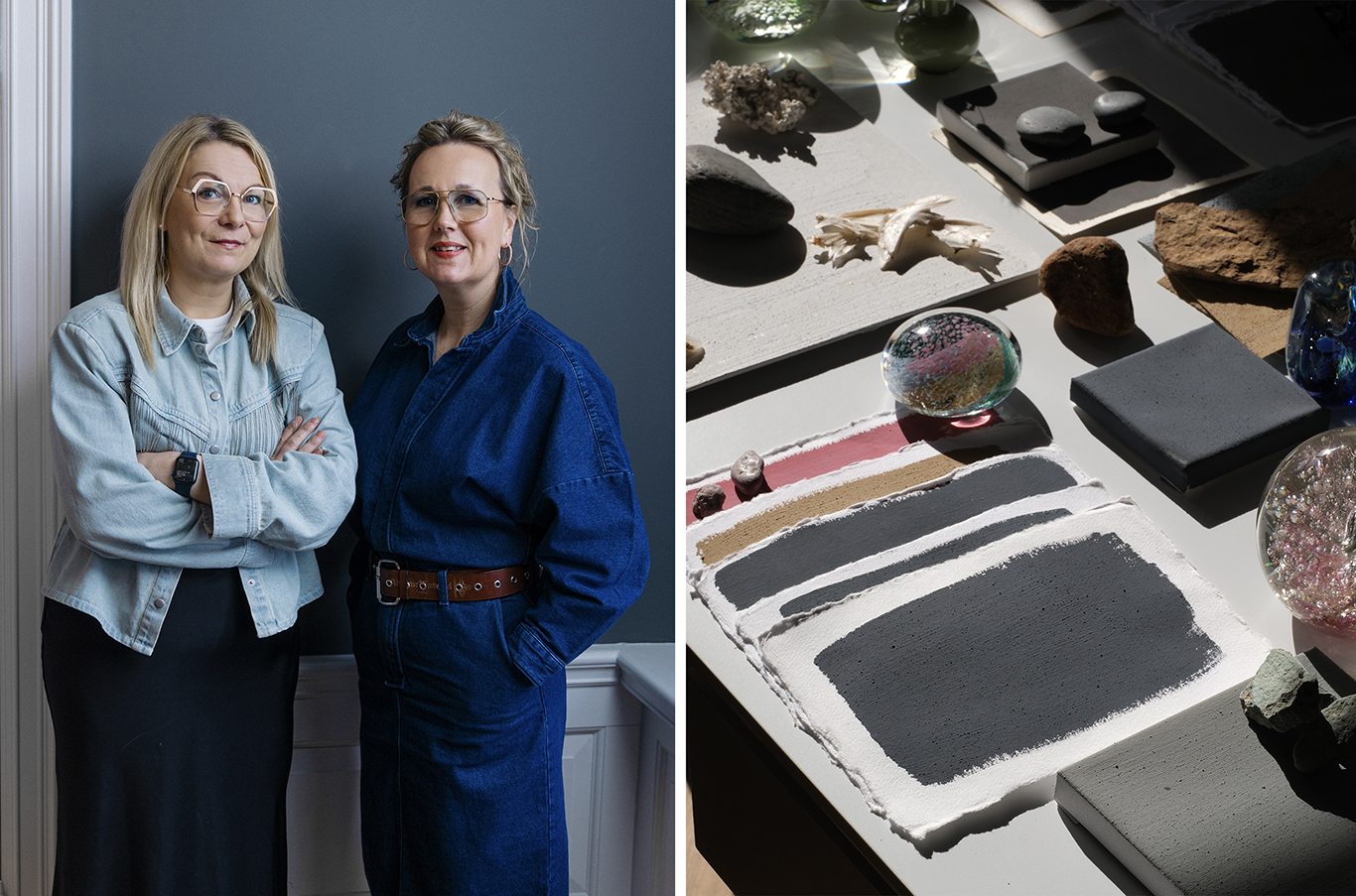
Sirrý Ágústsdóttir and Árný Þórarinsdóttir introduced Dýpi’s latest paint colours from their office, where the sun cascaded across a table of samples, shells, stones and seaweed. These collected objects inform the material composition, natural pigments and inspiration behind the ‘plastic-free ocean-based paint’, made with calcareous algae formed over 16 million years in the North Atlantic. Ágústsdóttir has been sustainably harvesting coral-like chunks of calcified algae for 50 years from her childhood home in a remote fishing village in Iceland’s Westfjords. ‘Instead of cleaning the ocean,’ she says of the luxury paint, ‘now it’s cleaning the air for us.’ One new edition is called Svart kyrrð, a term meaning ‘black stillness’, used to describe the natural phenomenon of when sea, land and sky merge.
Further highlights
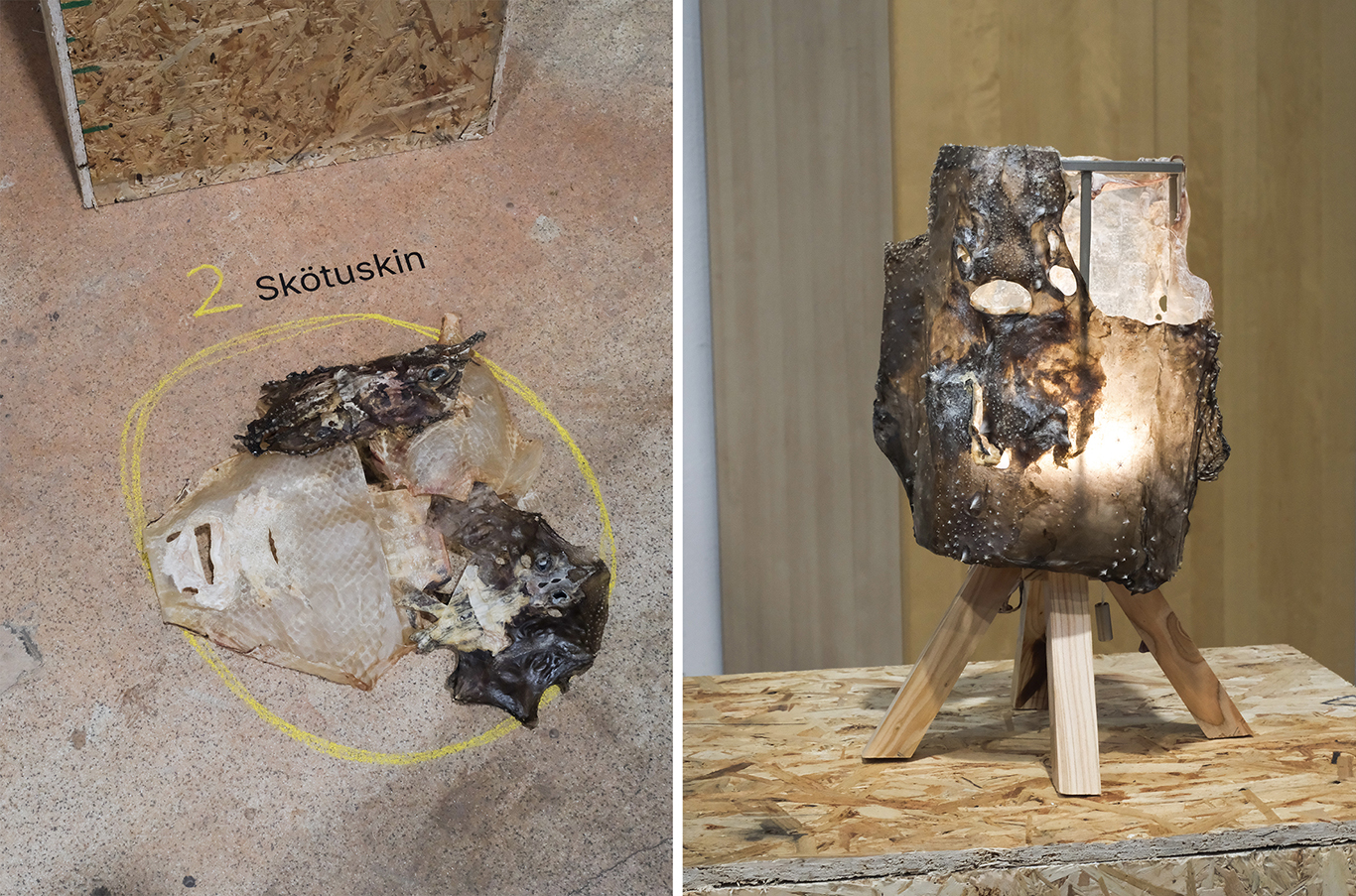
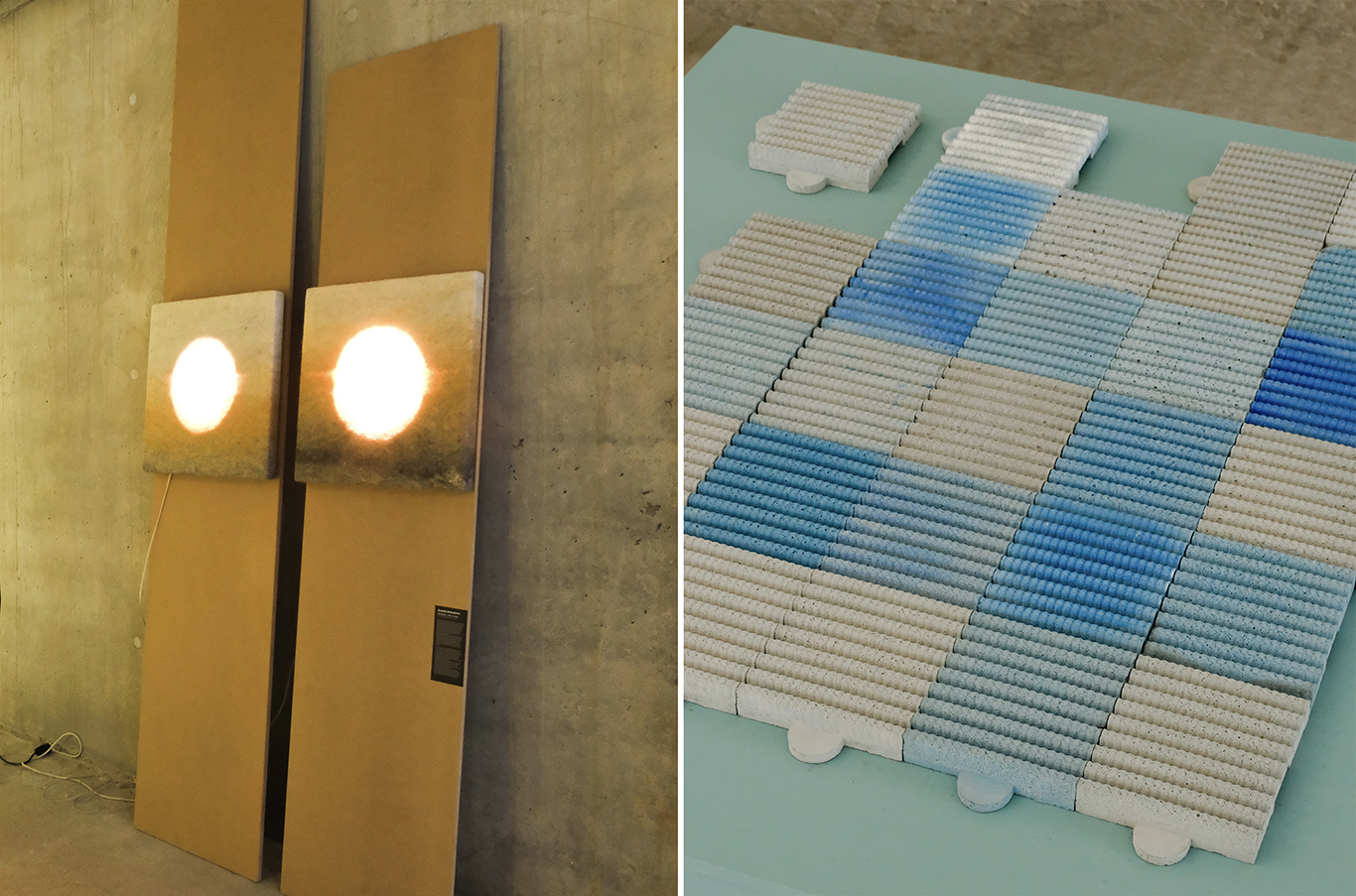
About 420 tonnes of skin from the skate fish are thrown away each year in Iceland, so the emerging industrial designer Kári Jóhannsson fashioned some of it into surreal lamps. Designer Hekla Dís showed a range of aesthetic anti-slip swimming pool tiles, and Bryndís Bolladottir presented her ‘noise scrapers’, glowing lights embedded in recycled wool and stone wool salvaged from demolition sites. A black-out blind made of Icelandic lambskin by Harper and Anna Gulla of HAGE Studio featured in a bedroom-themed exhibition staged by an Iceland-Seattle design collaborative called Hæ/Hi: Designing Friendship.