Striking and sustainable, creative and controversial, the last 12 months saw a marathon of new development across the globe. Some schemes were award winning and delivered to widespread critical acclaim. Others divided opinion. Some were innovative, demonstrating the latest construction methods. Others worked within the confines of existing structures to showcase a more sustainable approach. And a handful really changed the game. From an office behemoth hailed as the workplace of the future to a residential estate combatting loneliness in London, we’ve rounded up five schemes from 2025 that redefined the way we live, work and play.
JP Morgan Chase HQ, New York
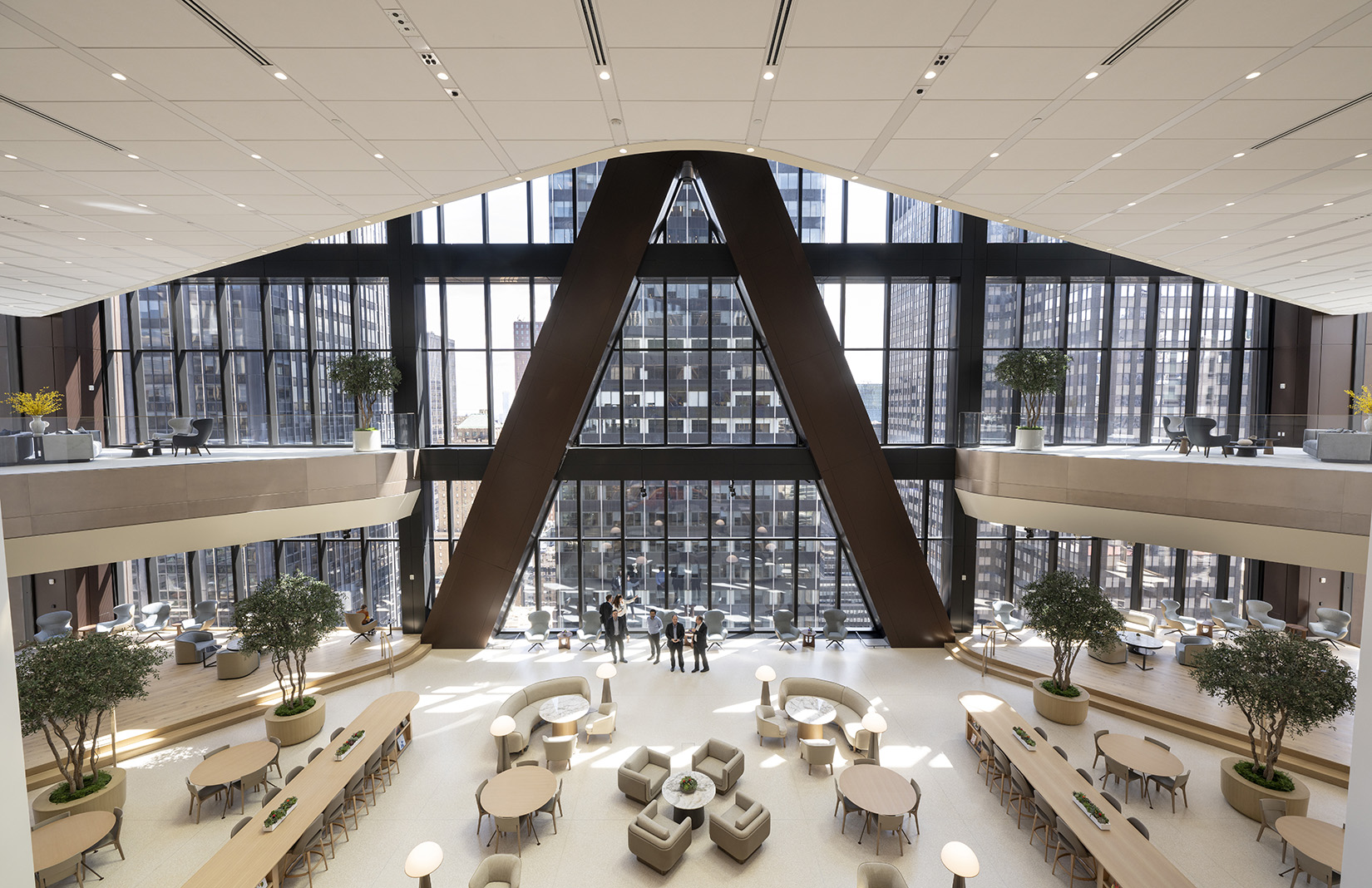
When JP Morgan’s 60-storey skyscraper launched at 270 Park Avenue in October, reactions came in thick and fast. Built to house more than 10,000 bankers and dubbed a ‘$3bn monument to work’, the soaring 2.5 millionsqft building signalled a major departure from remote and hybrid working. The sustainability credentials of the Foster + Partners behemoth were also called into question, largely due to the amount of steel — 95,000 tonnes — used in its construction. This works out to 60% more than were used to build the Empire State Building 95 years earlier.
Love it or loathe it, the bank’s global HQ was one of the most, if not the most, significant office projects to open its doors this year. Moreover, just a month after its official unveiling, JP Morgan announced plans to build a new tower in London’s Canary Wharf. With 3,000,000 square feet, the £10m scheme would be the biggest office in the UK capital: proof if it were needed that this New York giant is bulletproof.
La Querola D’Ordino, Ordino

Rarely does an apartment block have the wow-factor to elevate an entire nation. Yet this futuristic development by Jean Nouvel put landlocked Andorra on the architectural map when it launched in February. Dramatic and daring while simultaneously capturing the cool serenity of the natural world, the 51-unit residential scheme was crafted from 22,000 pieces of Pyrenees stone cut to mimic the shape of the surrounding landscape. It packs an aesthetic punch inside and out. Behind the striking façade of La Querola D’Ordino, apartments range in size from 3,000 to 11,000 square feet and come fully equipped with an elevator, fireplace, terrace and private garage. For those after something even more unique, the penthouses come with higher, irregular ceilings in line with the shape of the structure, all fitted with skylights.
Zayed National Museum, Abu Dhabi
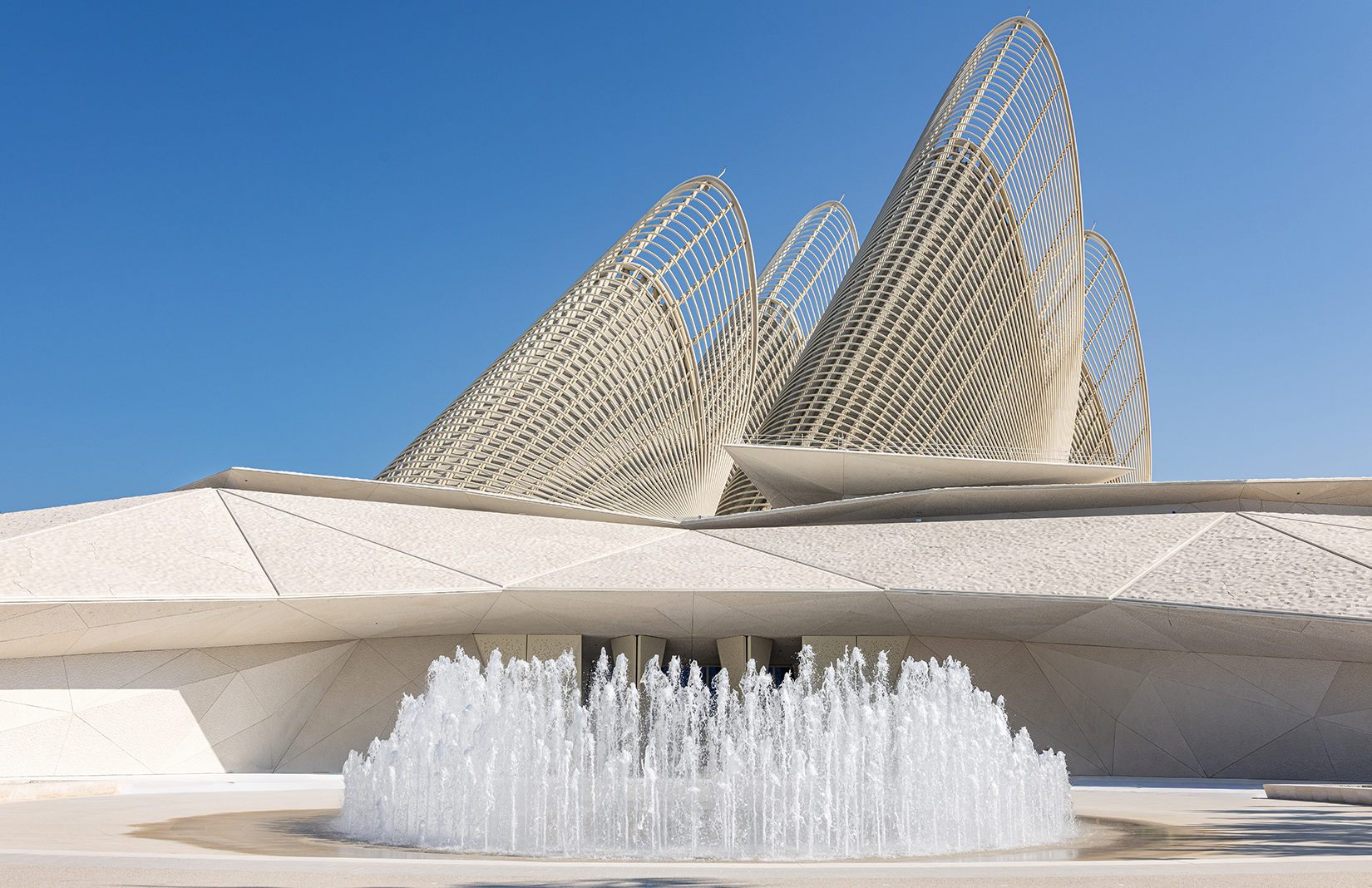
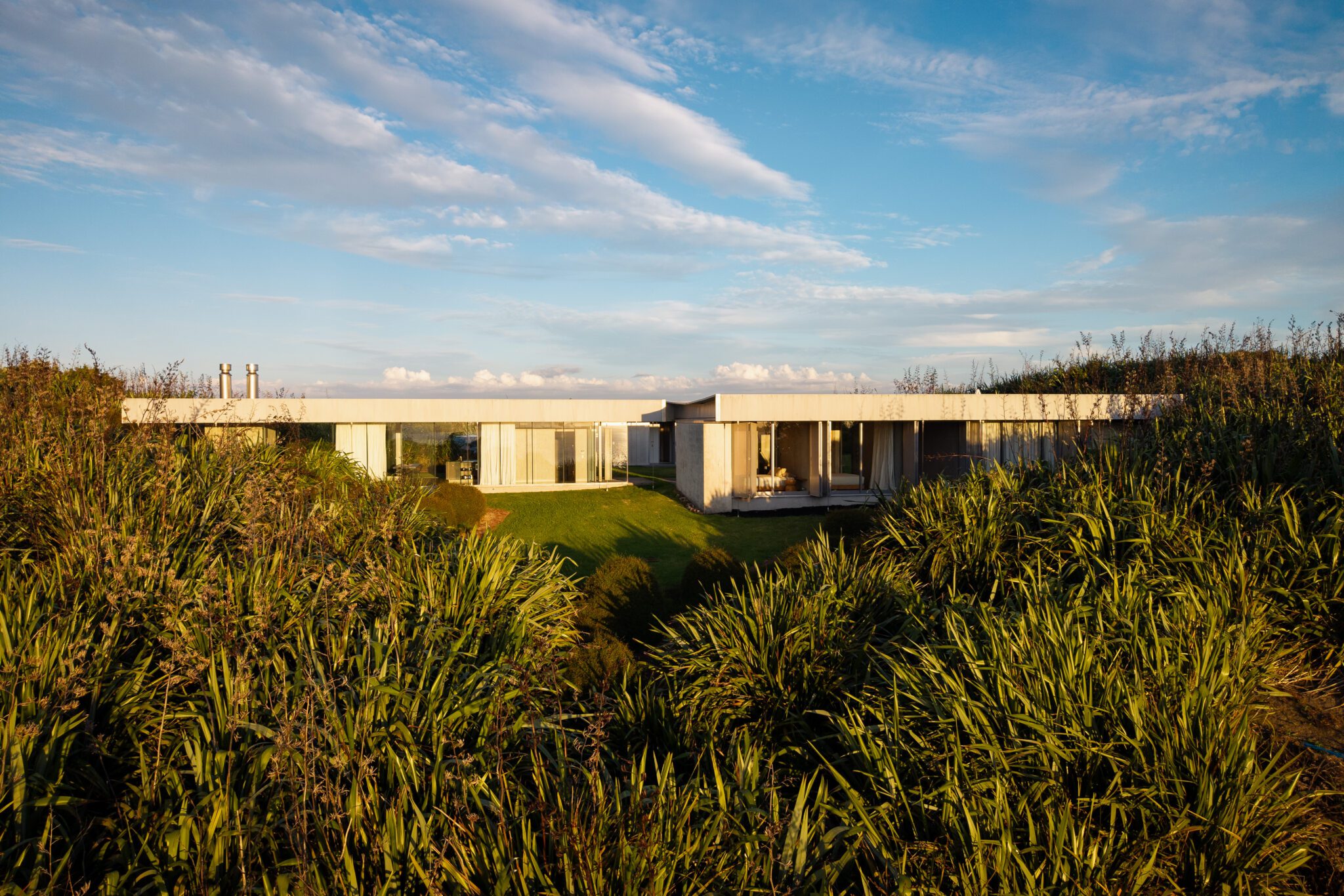
The imposing image of five falcon-wing towers rising up over the Arabian Gulf signalled the long-awaited completion of Foster + Partners’s Zayed National Museum earlier this month, following a 15-year build. The towers, which opened to the public this month in Abu Dhabi’s Saadiyat Cultural District, are not just for show. Made from lightweight steel, they act as thermal chimneys, drawing cool air into the galleries below — part of Foster’s commitment to leveraging thermal mass. Indeed, the majority of the museum is embedded in a landscaped mound dug into the earth, taking advantage of the ground’s insulating properties and cooler temperatures. The multifaced concrete structure includes strategically placed gaps that draw sunlight inside. Six permanent galleries unfold across two floors, with a separate gallery for temporary exhibitions.
MACAM, Museu de Arte Contemporânea, Lisbon

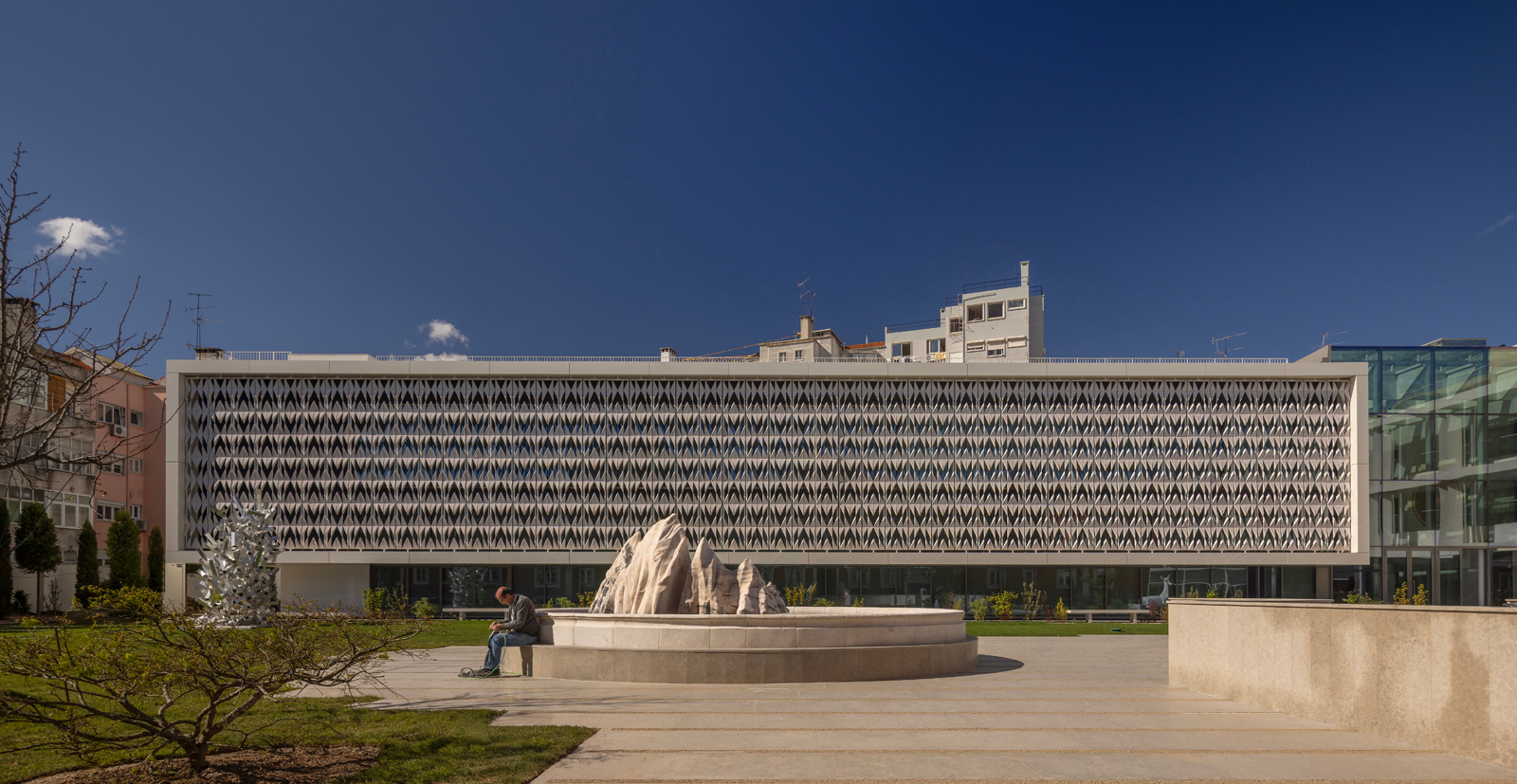
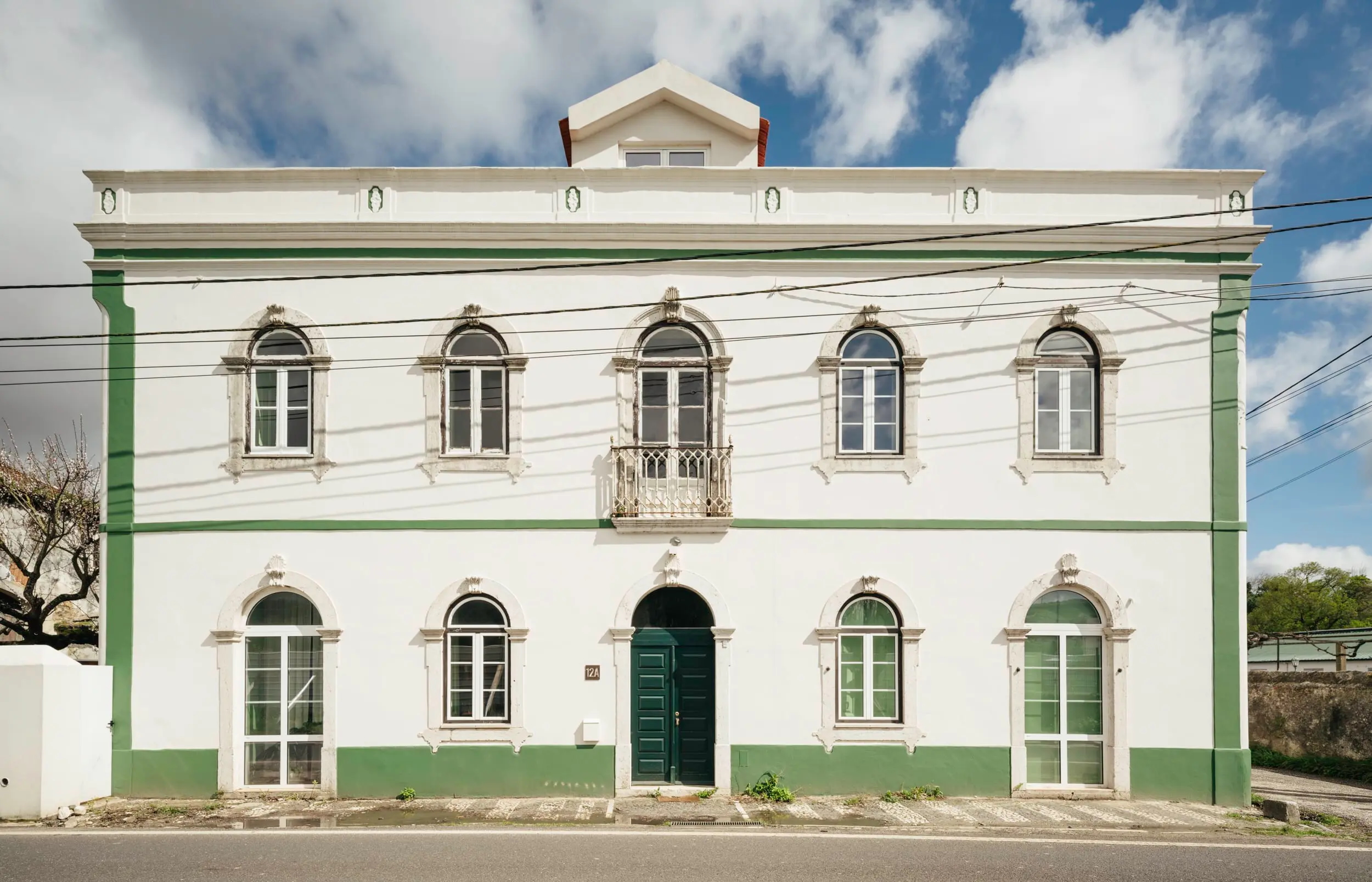
A superlative example of adaptive reuse, this 18th-century palace in Lisbon had been derelict for many years when property developer Armando Martins purchased it nearly two decades ago. Following a painstaking refurbishment and some ingenious repurposing, Palacio Condes da Ribeira Grande finally opened in March as MACAM, Museu de Arte Contemporanea. Functioning as a full-service hotel (albeit one with art in every room), the project redefined the concept of art tourism. Guests are hosted across 64 rooms, many with their original painted ceilings and Portuguese tiling. The adjoining volumes allow for the display of contemporary works from Martins’s 600-piece collection. A vast reception was repurposed as a curated exhibition hall, open to the public as well as hotel guests.
Appleby Blue Almshouse, London
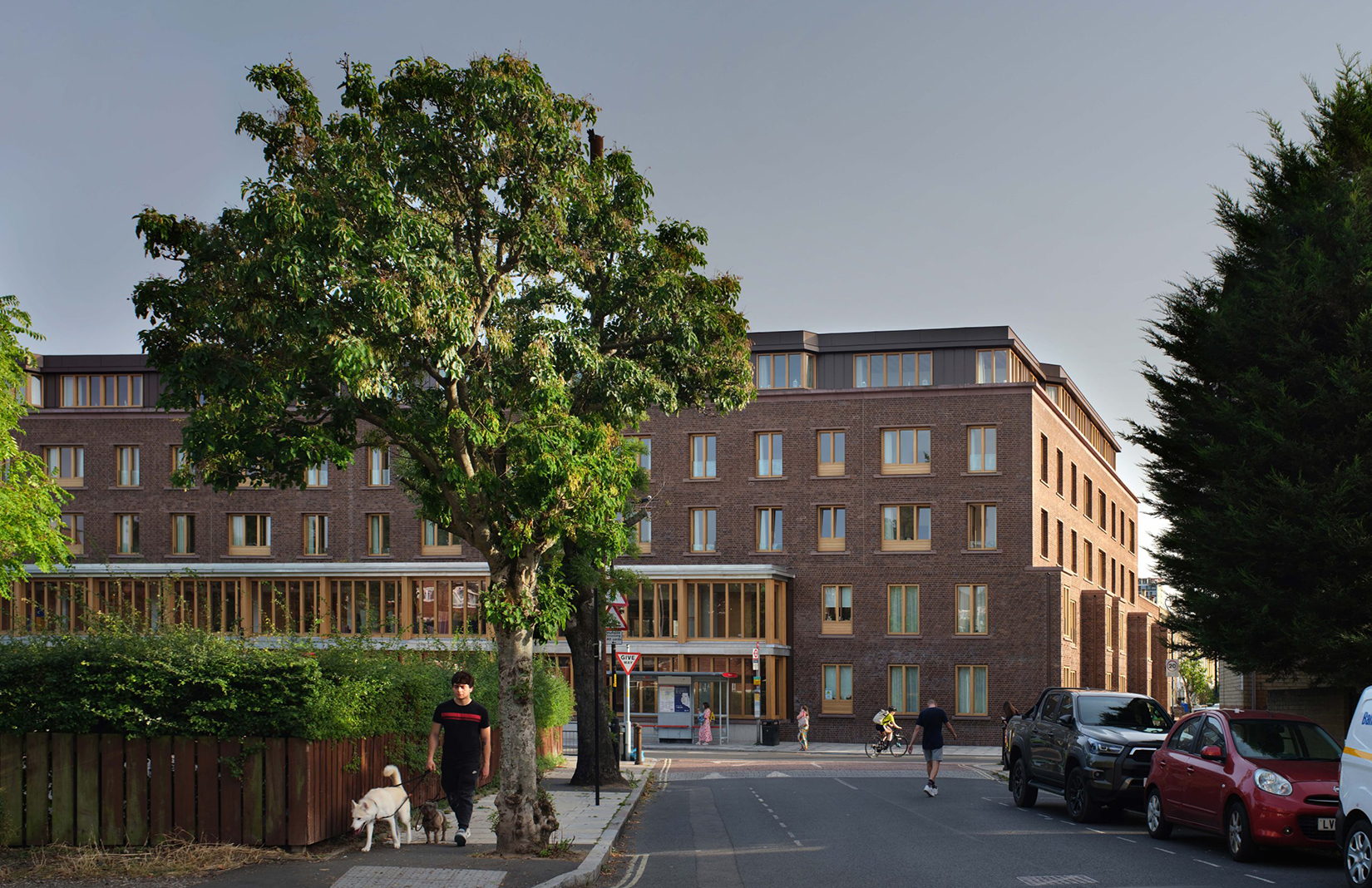
Every detail of Appleby Blue Almshouse, a social housing development in London for the over-65s, is geared towards combatting loneliness. Built on the site of an old care home with an intent focus on communal spaces and gardens, the 57-flat scheme was designed by Witherford Watson Mann architects keeping the end-user staunchly and empathetically in mind. The judges awarding it this year’s RIBA Stirling Prize commented that the Bermondsey project ‘sets an ambitious standard for social housing among older people’. Jury chair Ingrid Shroder put it best: ‘Built against the backdrop of two crises, an acute housing shortage and a growing loneliness epidemic among older people, Appleby Blue offers a hopeful and imaginative response.’