Stepping out the rear doors to the patio of Casa Batlló, the Antoni Gaudí masterpiece in Barcelona, visitors discover a dazzling array of mosaics, as bold and intricate as when the architect designed the property in the early 1900s. Famed for the principles of colour, light and air that inform its innovative design, Batlló is one of the most popular landmarks by the icon of Catalan modernisme — and yet the walls, balconies, pavement and decorative features found at the rear languished in disrepair for several decades.
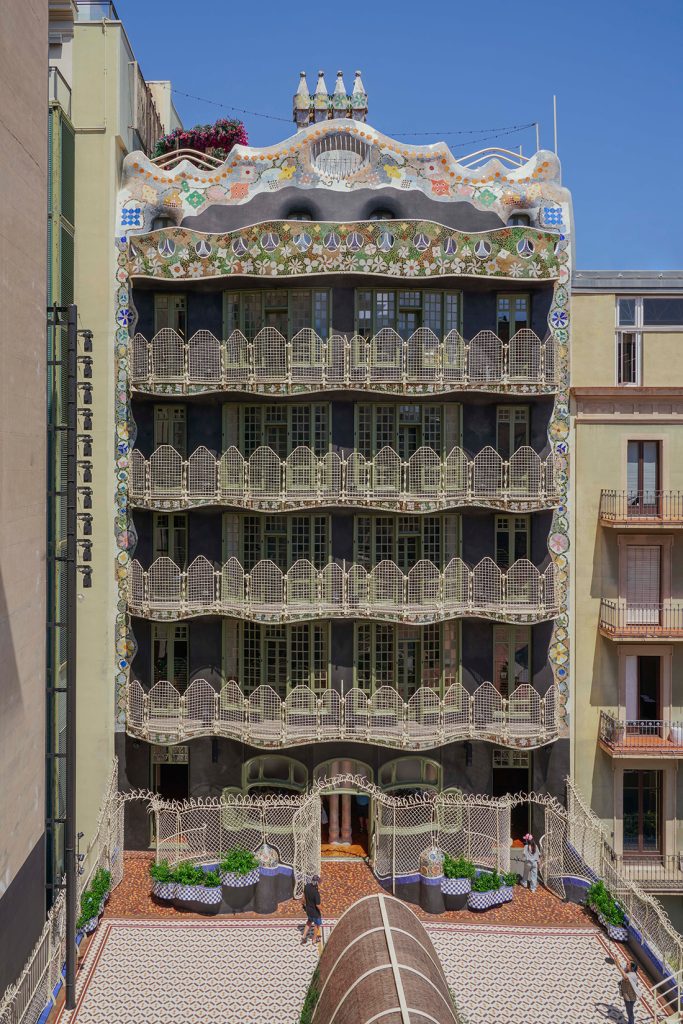
In the building’s most comprehensive restoration to date, valued at €3.5 million, the private courtyard and the entire back façade have been given new life, reviving a sense of their history through revamped ceramics, glass, iron, wood and stucco.
Photography: Claudia Mauriño
Photography: Claudia Mauriño
Photography: Claudia Mauriño
Photography: Claudia Mauriño
Photography: Casa Batlló
Photography: Claudia Mauriño
Photography: Marimón Batlló Family
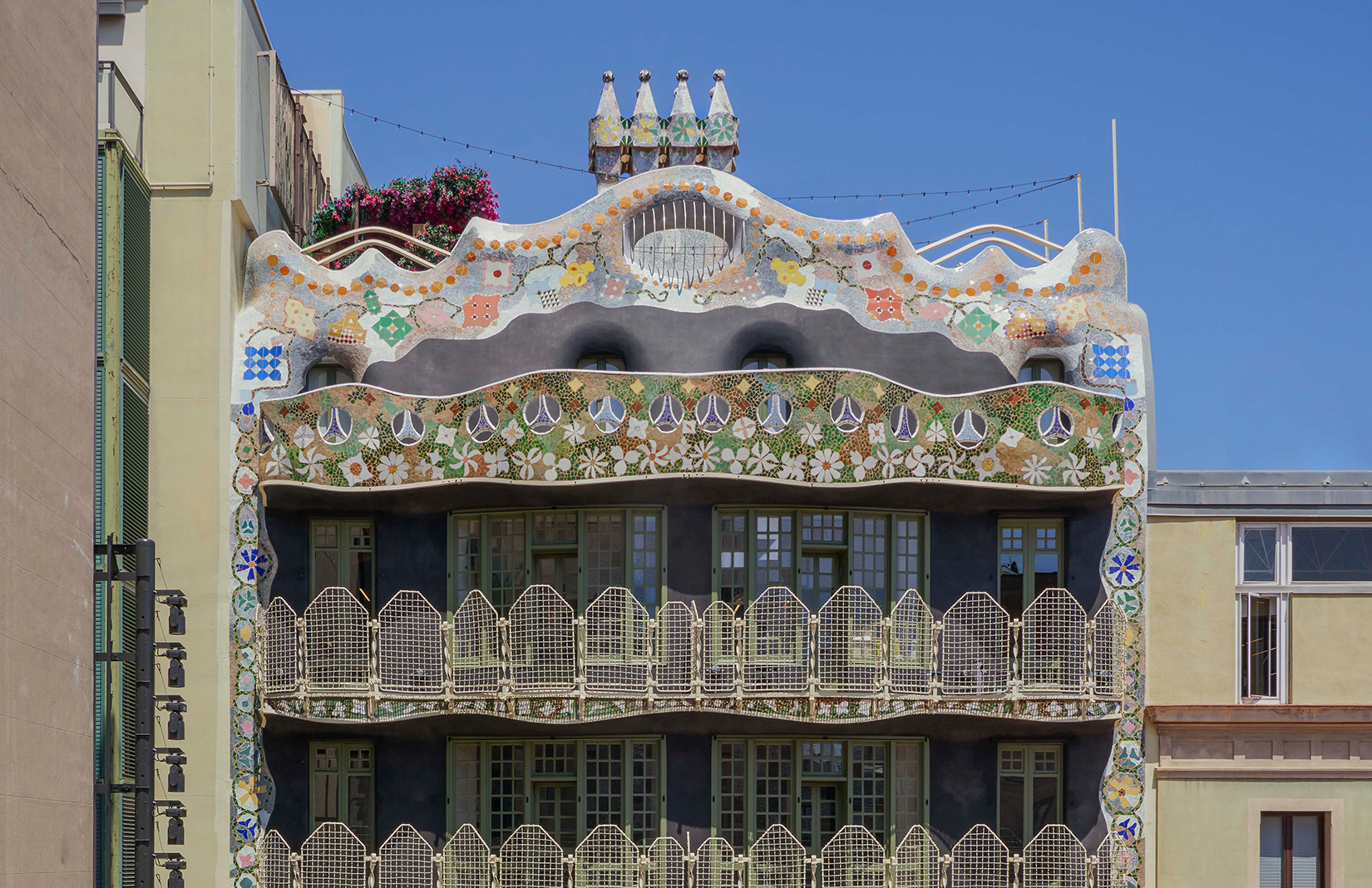
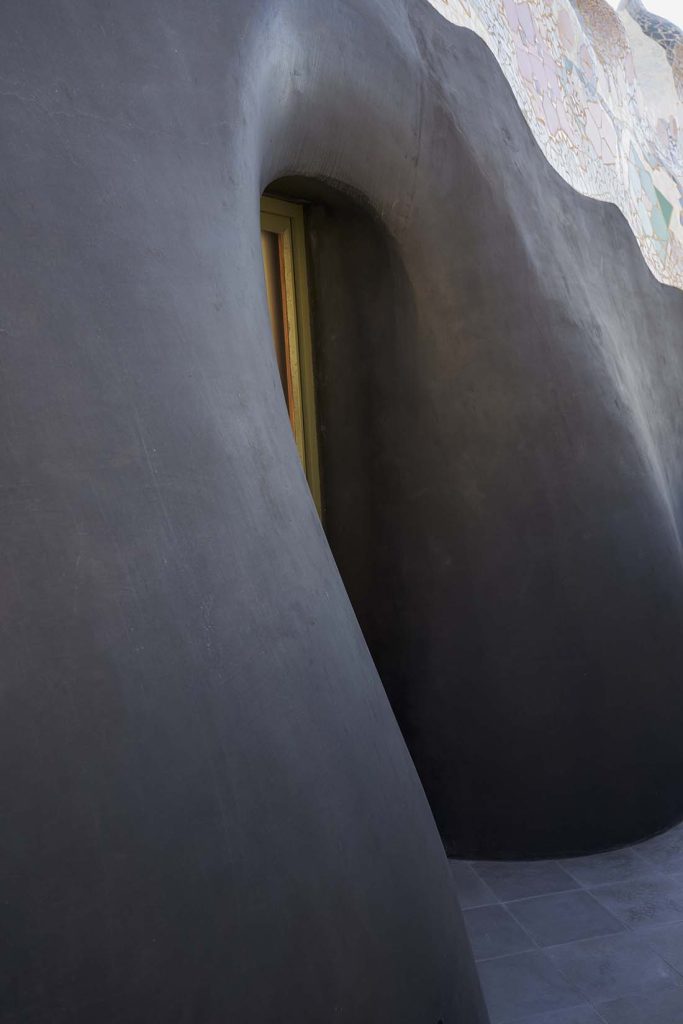
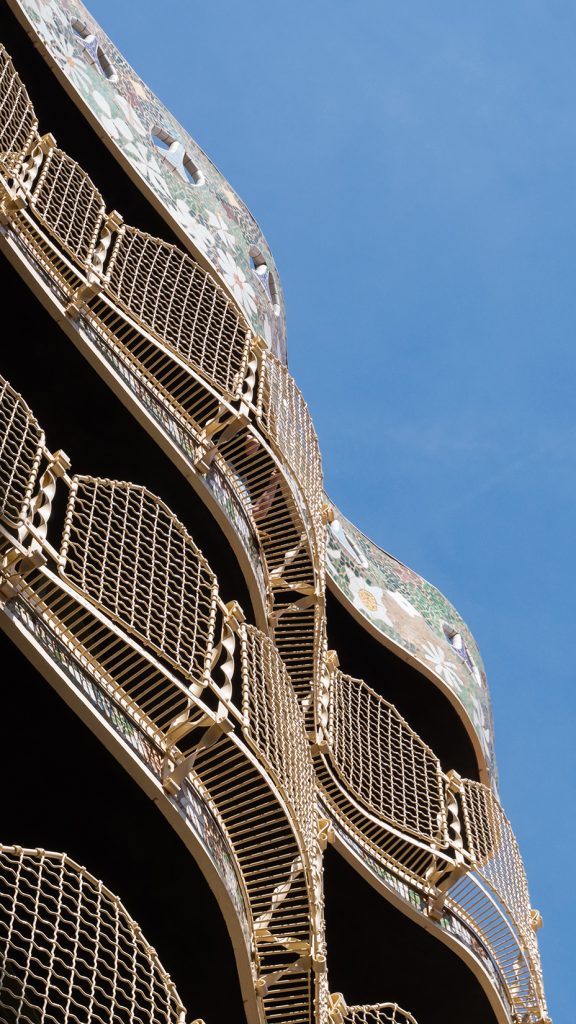
Through stratigraphic testing, 3D scanning, photogrammetry and investigations with local residents, the team was able to establish exactly how Gaudí wanted Casa Batlló to look. Wrought iron elements have been rescued from deterioration, while the façade’s stucco walls have been restored to a darker colour to more faithfully resemble Gaudi’s design. ‘When you peel off the different skins, you get to the original one,’ says Xavier Villanueva, the architect who has overseen the house’s restoration and conservation since 2013. His team enlisted a range of local artisans to help revive Gaudí’s original vision, including ironworkers for the balcony balustrades and woodworkers for the window frames.
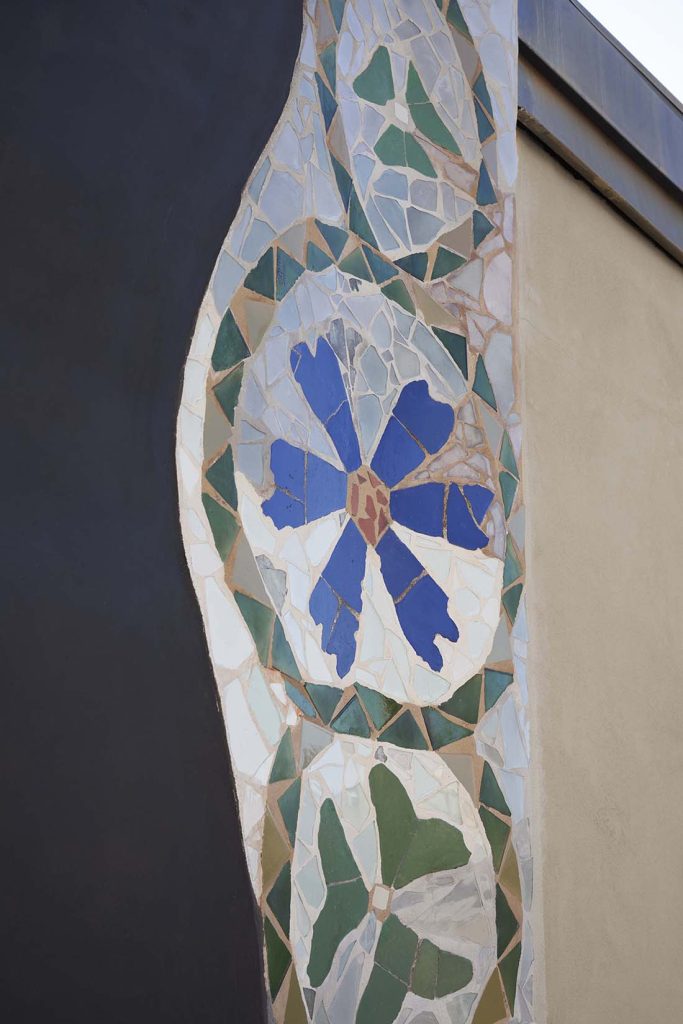
Expert ceramicists, meanwhile, worked on the mosaic tiles running along the panels below the balconies and up the lateral sides of the wall. Immediately recognisable as Gaudí work, they add colour and character against the wall’s more sombre shade.
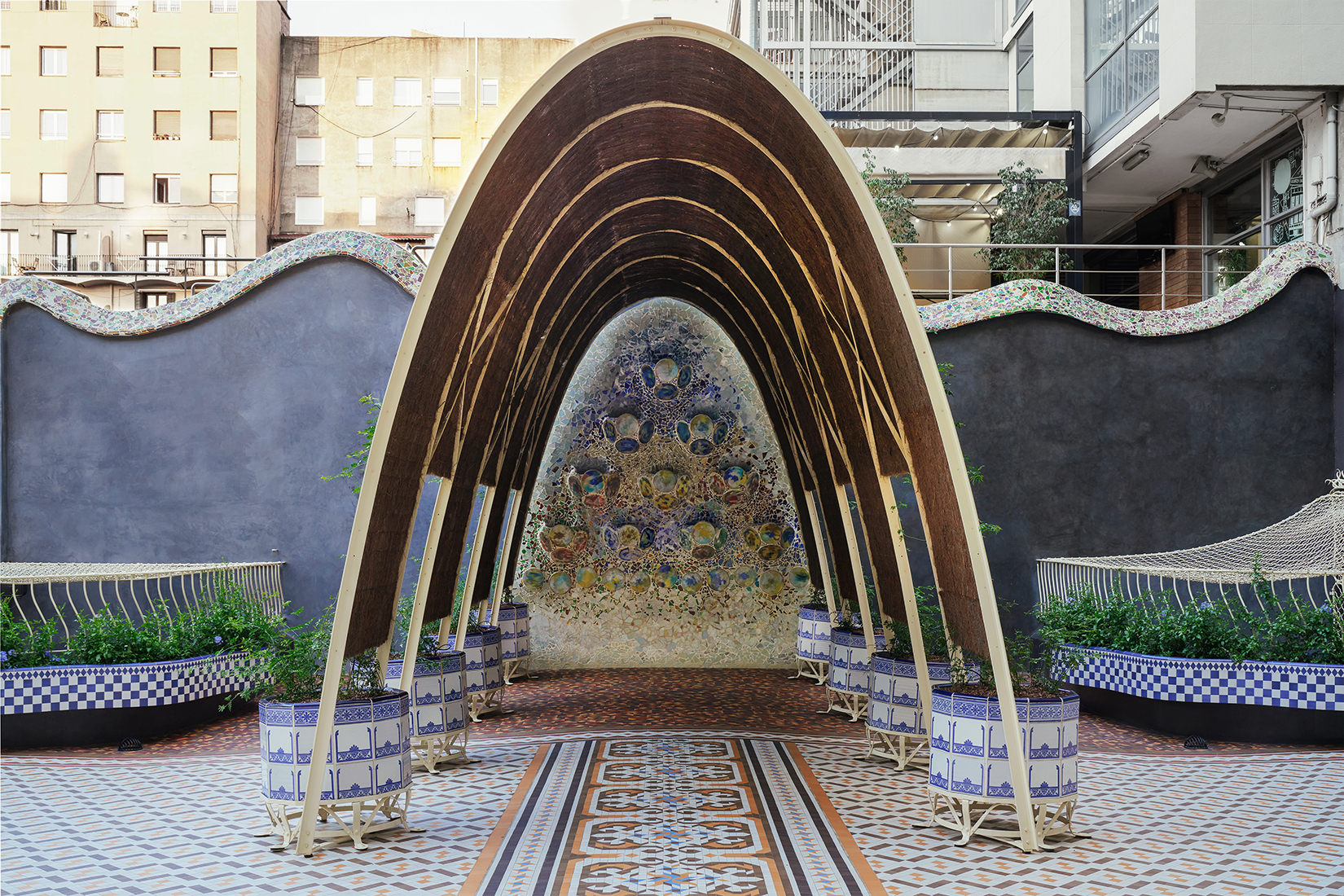
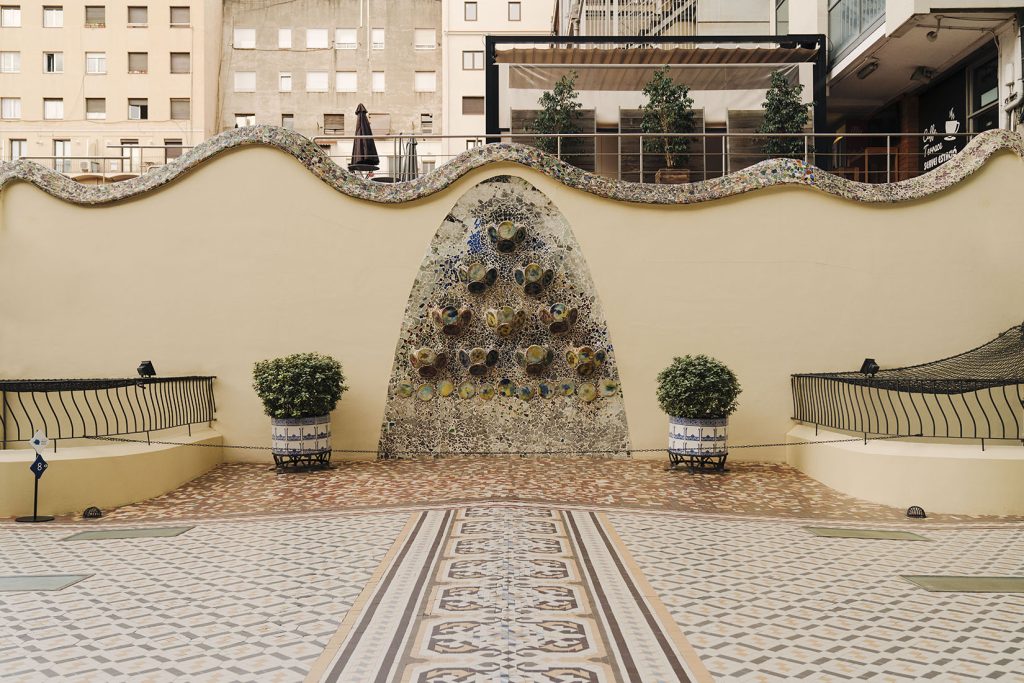
Most striking are the pieces of trencadís — the sculptural forms crafted from shattered pieces of colourful ceramic and glass — found in the patio’s walls and cornices. Refreshed with new vibrancy, they stand as emblems of Gaudí’s signature aesthetic, echoing elements found in sites like Park Güell and the Sagrada Familia cathedral.
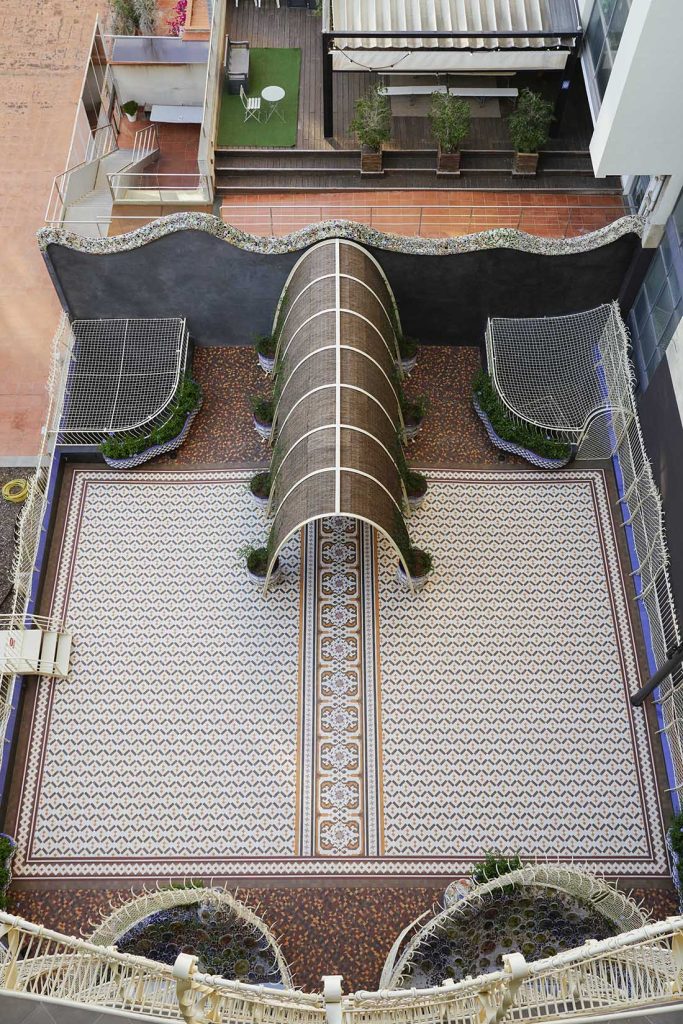
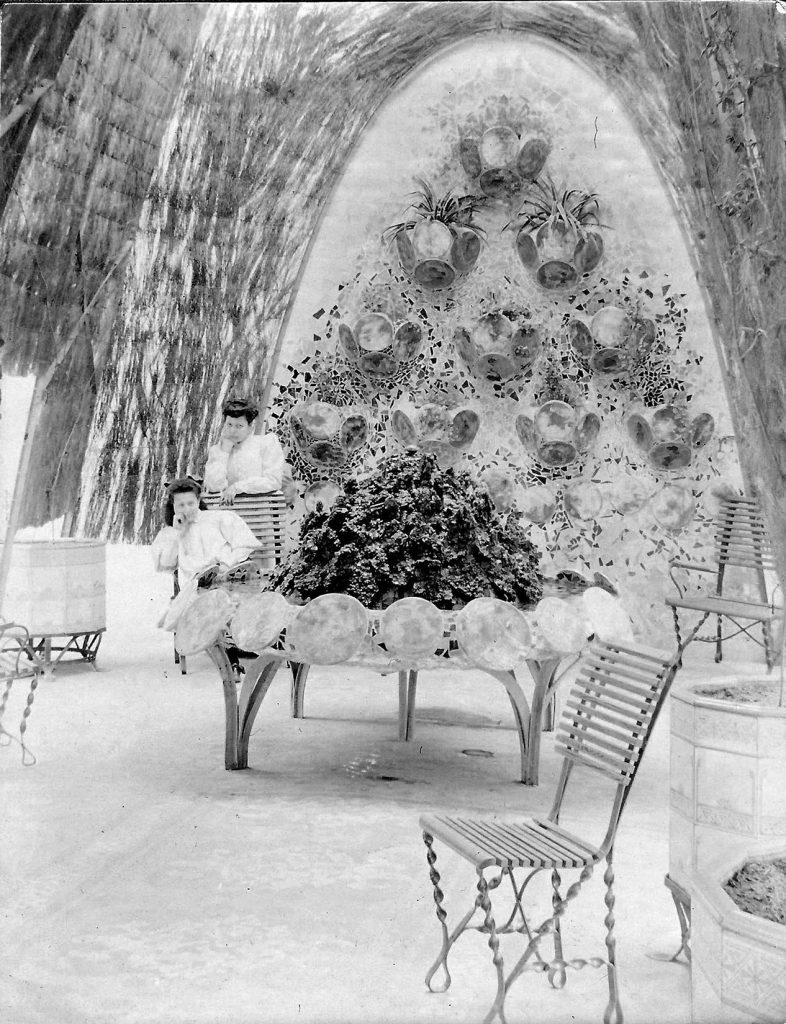
The organic, undulating shapes of trencadís sculptures emerge from the back wall of the courtyard, resembling floral and vegetal patterns. Visitors can admire them while standing under the shade of a pergola covered in heather and jasmine — it’s a newly built feature that replicates one Gaudí originally made for the home and was later lost.
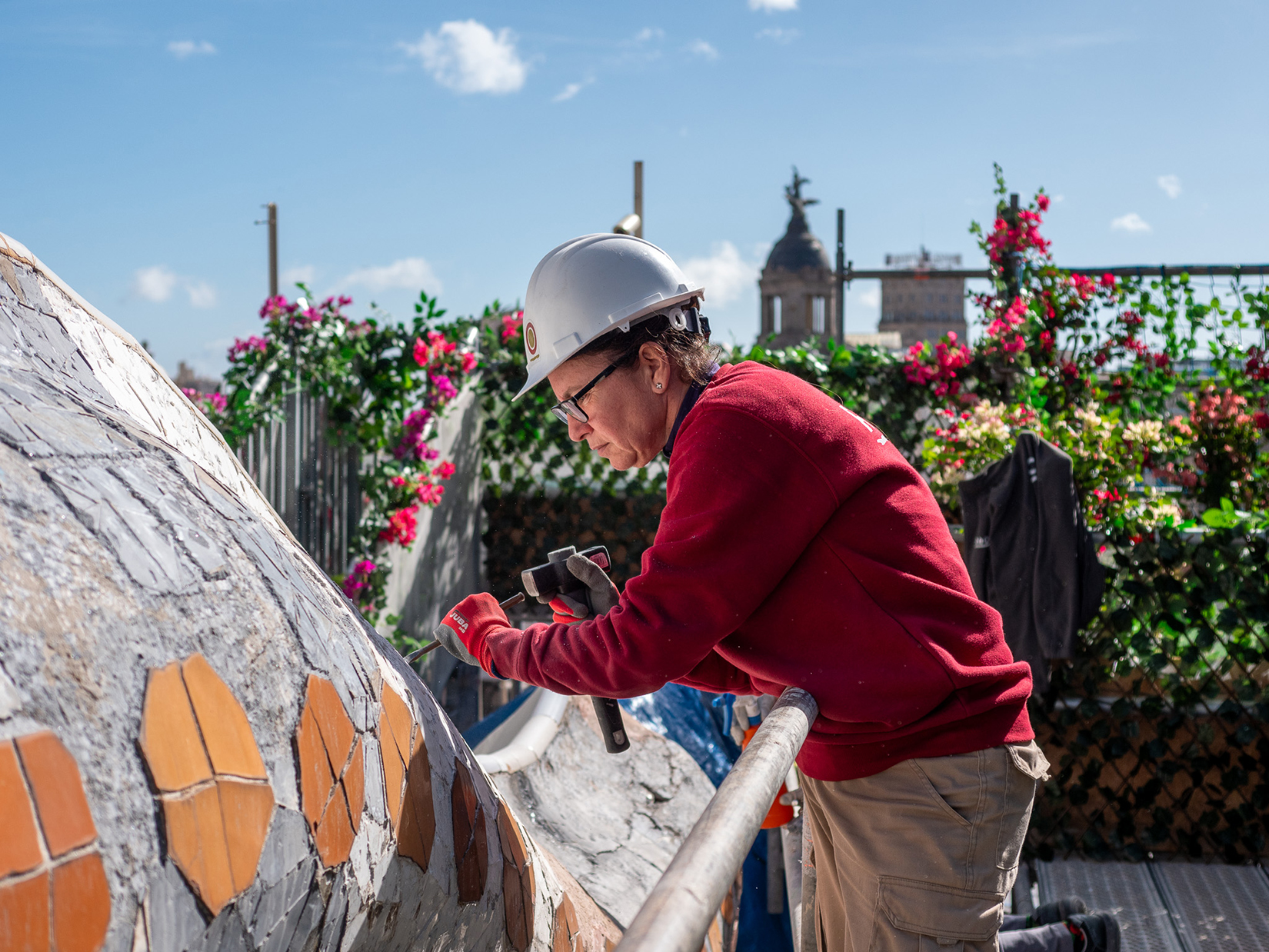
Underfoot are the geometric patterns modernisme is famed for, Gaudí’s original configuration. The tiles in these floors had changed so many times over the years, nothing remained of the initial design. So the team’s ceramicists produced 85,000 new Nolla tiles using the traditional technique of manual dry compression and recreated the pavement as it was a century ago.
With the Sagrada Familia rumoured to be nearing completion — some say as soon as 2026 — the world’s attention will once again be on Gaudí and the unique mark he left on Barcelona’s architectural heritage. In the meantime, Casa Batlló will provide visitors with curious new insights about the Catalan visionary. The property was a place where he tested and experimented with various styles and techniques, such as the colours and textures of glass. ‘This house was a laboratory for Gaudí,’ says Villanueva.
Research here also uncovered a pioneering support system Gaudí invented for the vaulted balconies on the rear façade. Villanueva says this discovery gives us even more reason to celebrate his genius.