In cities across the globe, vast swathes of space have sat untapped and underutilised for decades. From tucked-away enclaves of still calm to expansive aquatic thoroughfares, public access to our urban waterways has long been limited — often to the point of complete exclusion. But now the tide is turning. Fuelled by the outdoor wellness movement and ambitious commitments from several cities to clean up their rivers and lakes — the €1.6bn project to sanitise the Seine ahead of the Paris 2024 Olympic Games being a prime example — swimmable cities represent a significant leap forward in urban future-proofing.
From improving aquatic ecosystems to building climate resiliency and elevating the wellbeing of urban communities, wild swimming promotes myriad benefits, says Chris Romer-Lee, a London architect and co-founder of the Swimmable Cities Alliance, an advocate for the right to swim in urban waterways. ‘No one ever regretted a cold-water swim,’ he says. If that swim happens to be in a natural, chlorine-free environment, so much the better.
And herein lies an important distinction. Contrary to popular belief, or simply a fair assumption, a lido does not a swimmable city make. While valuable and often nature-adjacent and architecturally arresting, the majority of outdoor pools are treated and therefore do not qualify as ‘natural water’. That designation is reserved for lakes, rivers, ponds and reservoirs located within and meandering through our urban hubs. Free, easy access to these bodies of water makes a city truly swimmable.
Bringing them up to standard is no picnic, however. For a city to boast clean natural swimming facilities, it must overcome three main barriers: shipping controls, sewage redirection and advanced filtration. It’s no surprise many are in Europe, where robust legislation dictates high standards for water quality. Many swimmable cities have also found design-led solutions to create safe environments for wild swimming. Here are five leading the charge.
Copenhagen
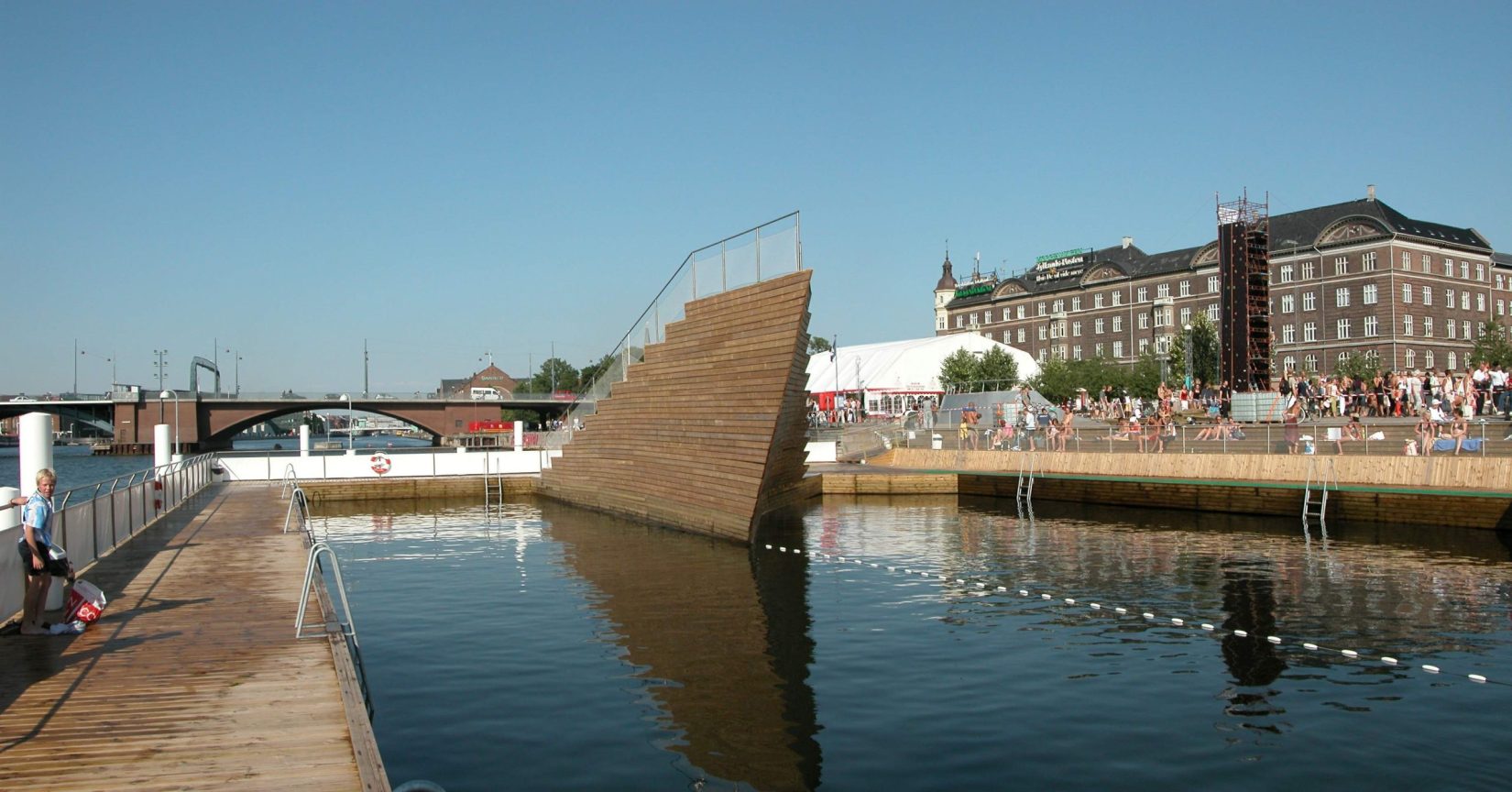
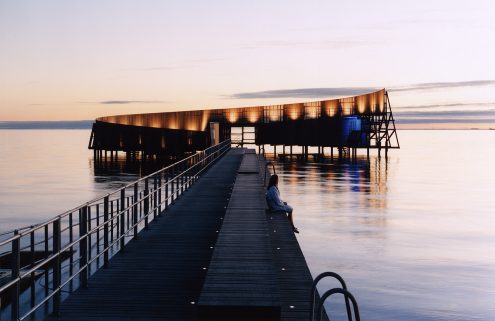
An urban swimming pioneer, the Danish capital is where the ‘harbour bath’ concept rose to prominence. Floating docks act as barriers to separate swimmers from waterway traffic and allow them to bathe in a controlled environment where otherwise the waters flow fast. The timber and concrete Copenhagen Harbour Bath project, designed by Bjarke Ingels Group and launched in 2002, demonstrates the power of investing in the clean-up of urban waterways. Locals are not only happier and healthier as a result, says BIG founder Bjarke Ingels, they spend more time in the city, contributing to the local economy. ‘We showed that by having a clean port, instead of driving hours to get to the beaches, the citizens of Copenhagen could jump into clean water in the heart of the city.’ Harbour baths have since been rolled out in Basel, New York and Oslo.
Paris
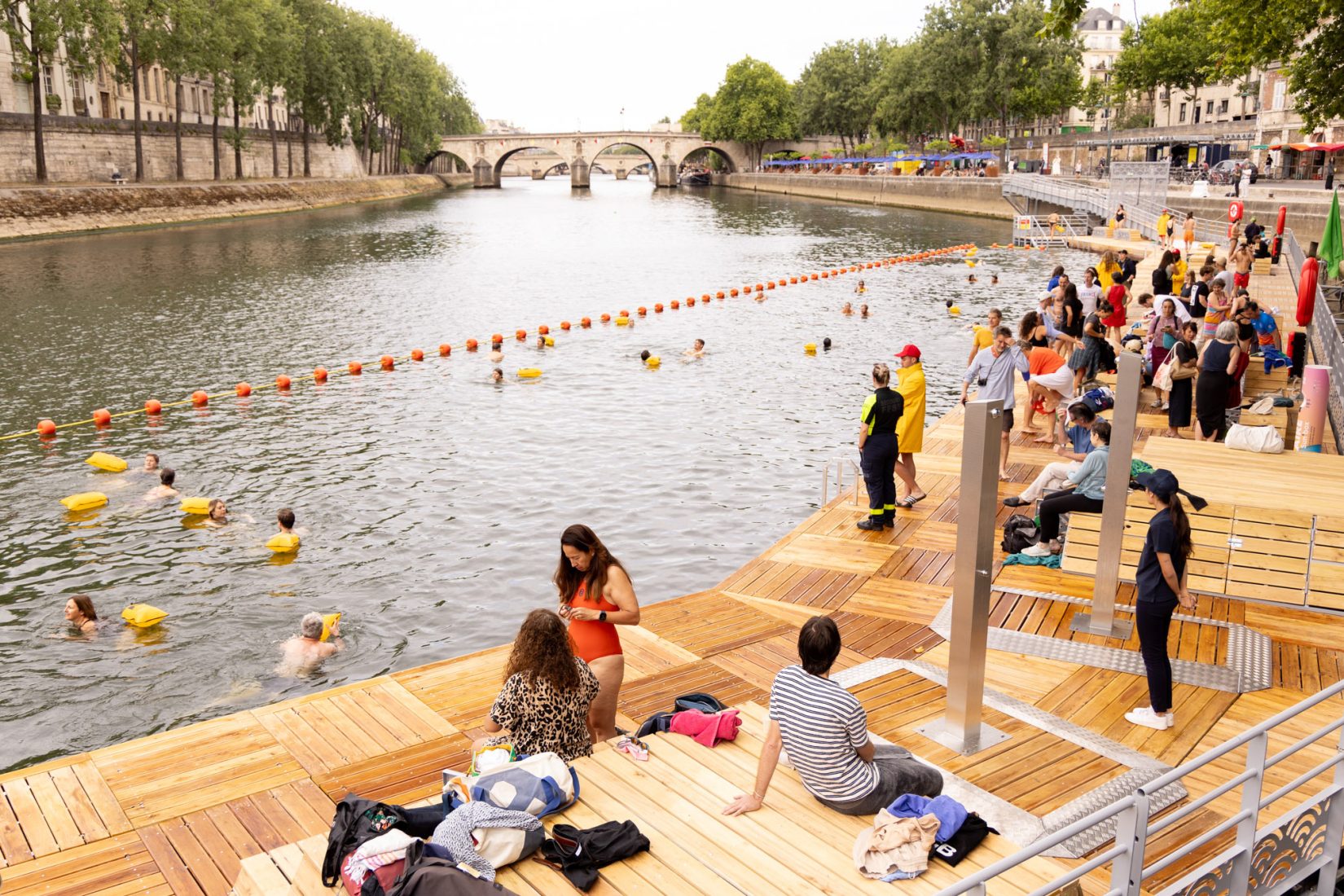
The €1.6bn Seine clean-up saw the emergence of three new dedicated swimming areas with wooden decks and lifeguards, opened for public swimming for the first time since 1923. One of the most ambitious urban waterway restorations ever undertaken, the project was integral to the Paris 2024 Olympics bid and one that urban-swim advocates would like to see replicated, despite the high costs. ‘People have argued that €1.6bn is a lot of money to spend on getting people in the water,’ says Romer-Lee of Swimmable Cities. ‘But it’s important to remember that these waterways were all polluted by us. We have a responsibility to clean these places up, and the byproduct is that we can get people swimming in them.’
London
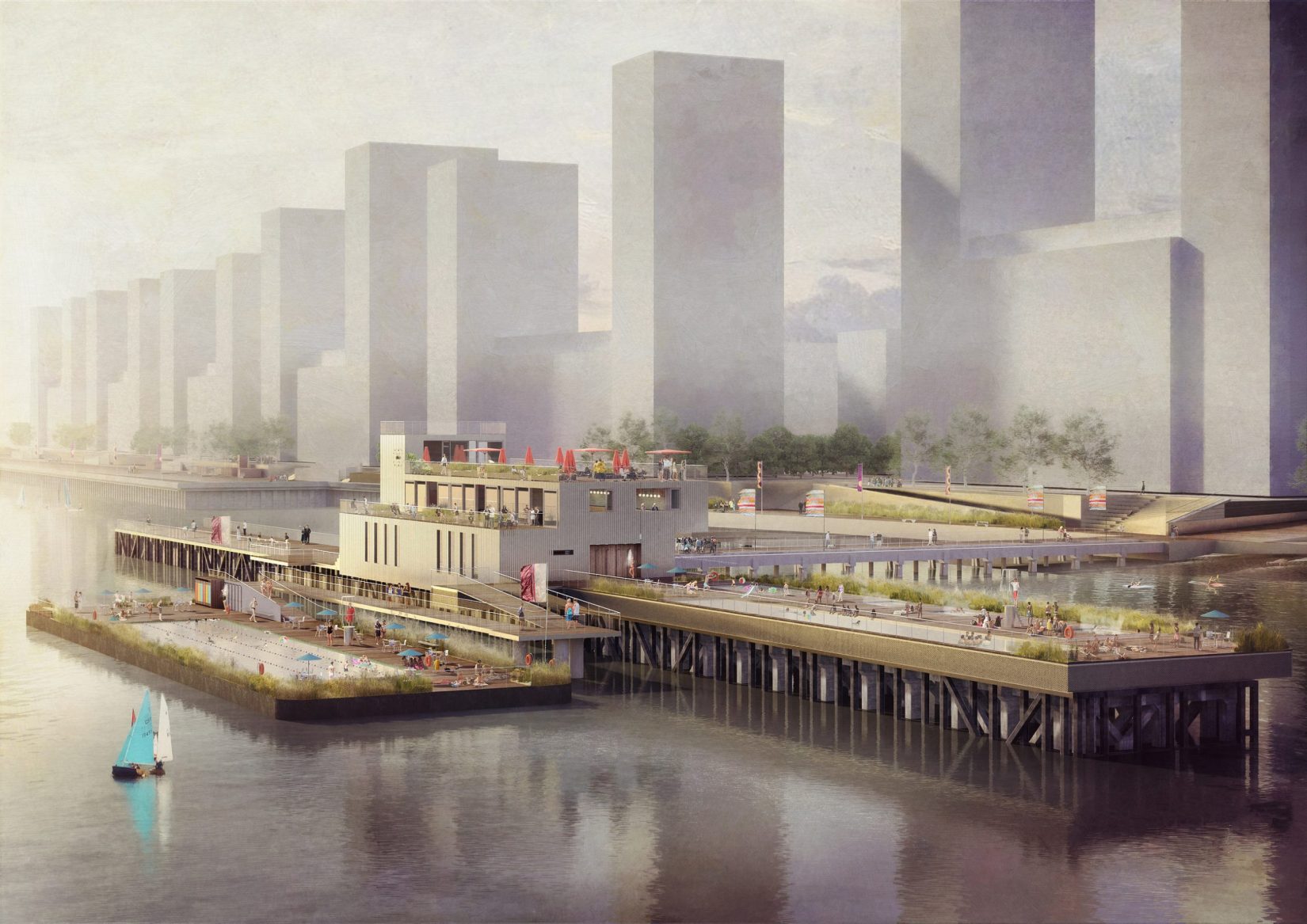
From designated swimming off the Royal Docks to the Hampstead Heath ponds, London has a lot behind its swimmable status. That said, more can be done to make free, open-water swimming more accessible, according to Romer-Lee. ‘We have a wonderful portfolio of water here in London but 99% still has a cost attached,’ he says. Architecture practice Studio Octopi adopted a Scandinavian approach when it designed the green-bordered Thames Baths for a central section of the Thames. And plans are afoot to transform Royal Victoria Dock into ‘one of the most welcoming and democratic public spaces in London’, according to Ted Maxwell, development lead at Royal Docks Management Authority. How? By making the open water free to access. ‘The western half of Royal Victoria Dock has 30 acres of water,’ he says. ‘That’s the size of 10 Trafalgar Squares. We are exploring how floating leisure, hospitality, residential and green spaces can encourage more people to spend more time by, on and in the water.’
Helsinki
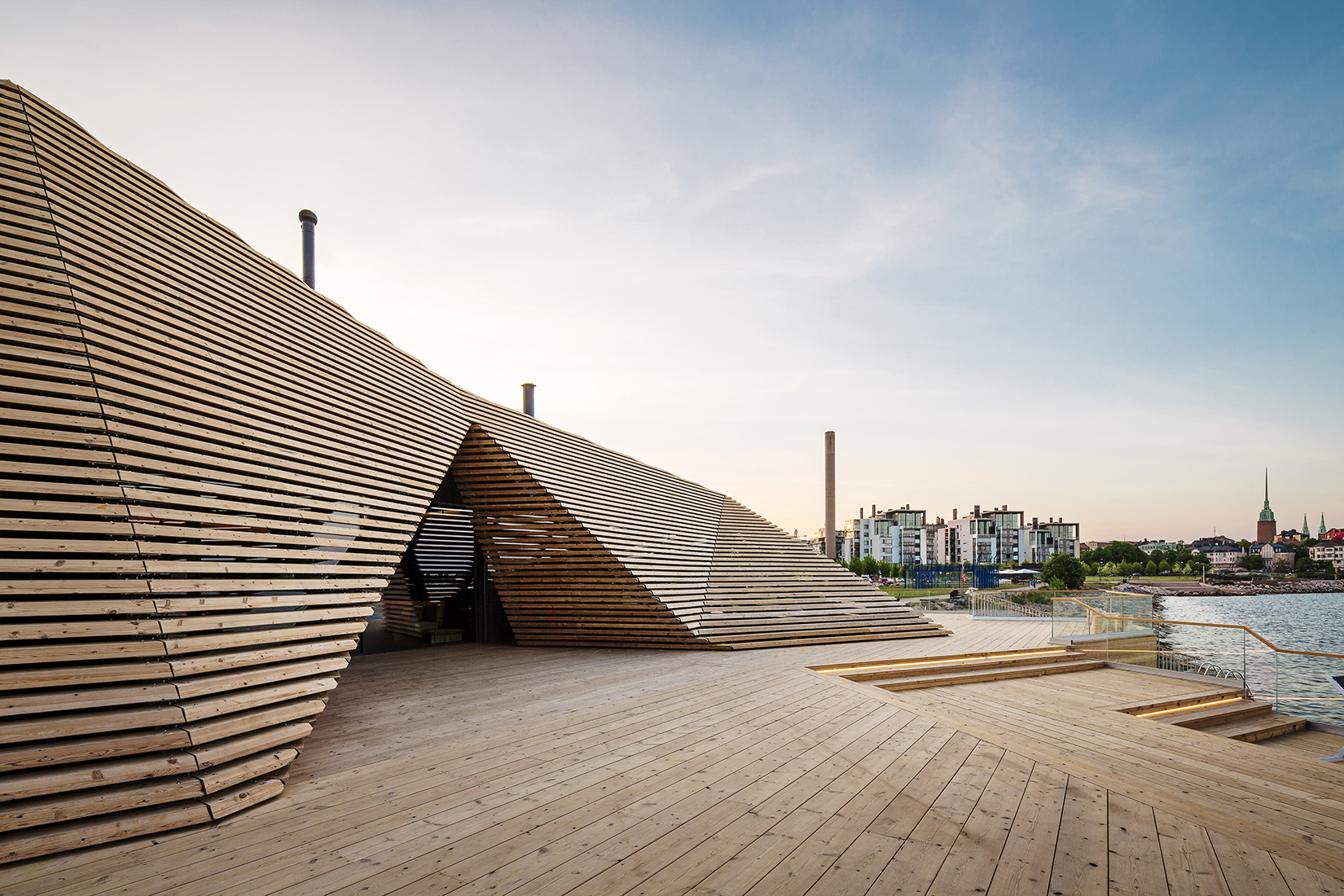
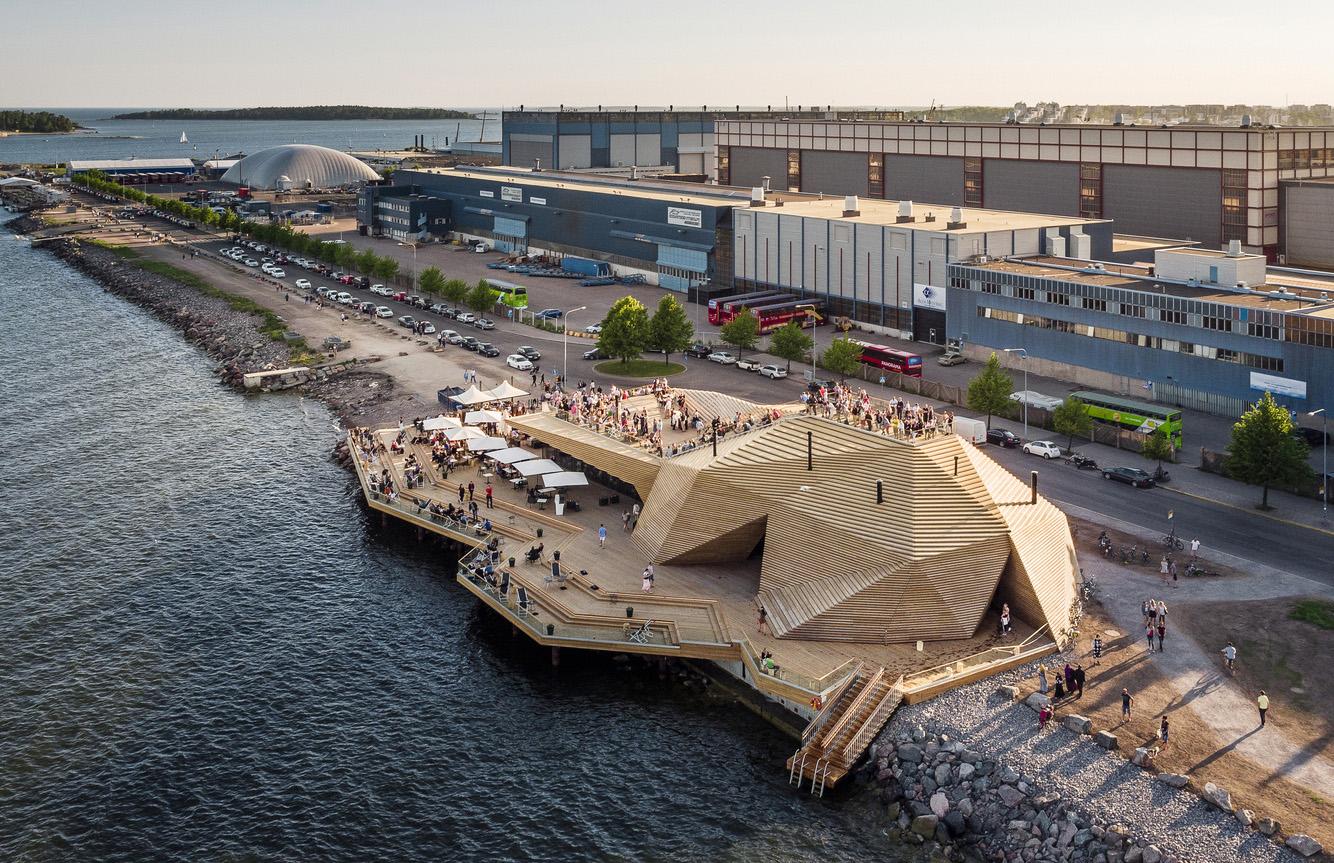
Depending on the quality and safety of the water, a city doesn’t always require major infrastructure or cleaning to become swimmable. Sometimes it can be as straightforward as introducing an access point. The Finnish capital is a case in point. As well as its famous Allas Pool, a network of three pools built into the sea with five accompanying saunas, swimmers can also climb straight into the Baltic Sea at the nearby Löyly Sauna, via a simple set of wooden steps down into the water.
Zurich
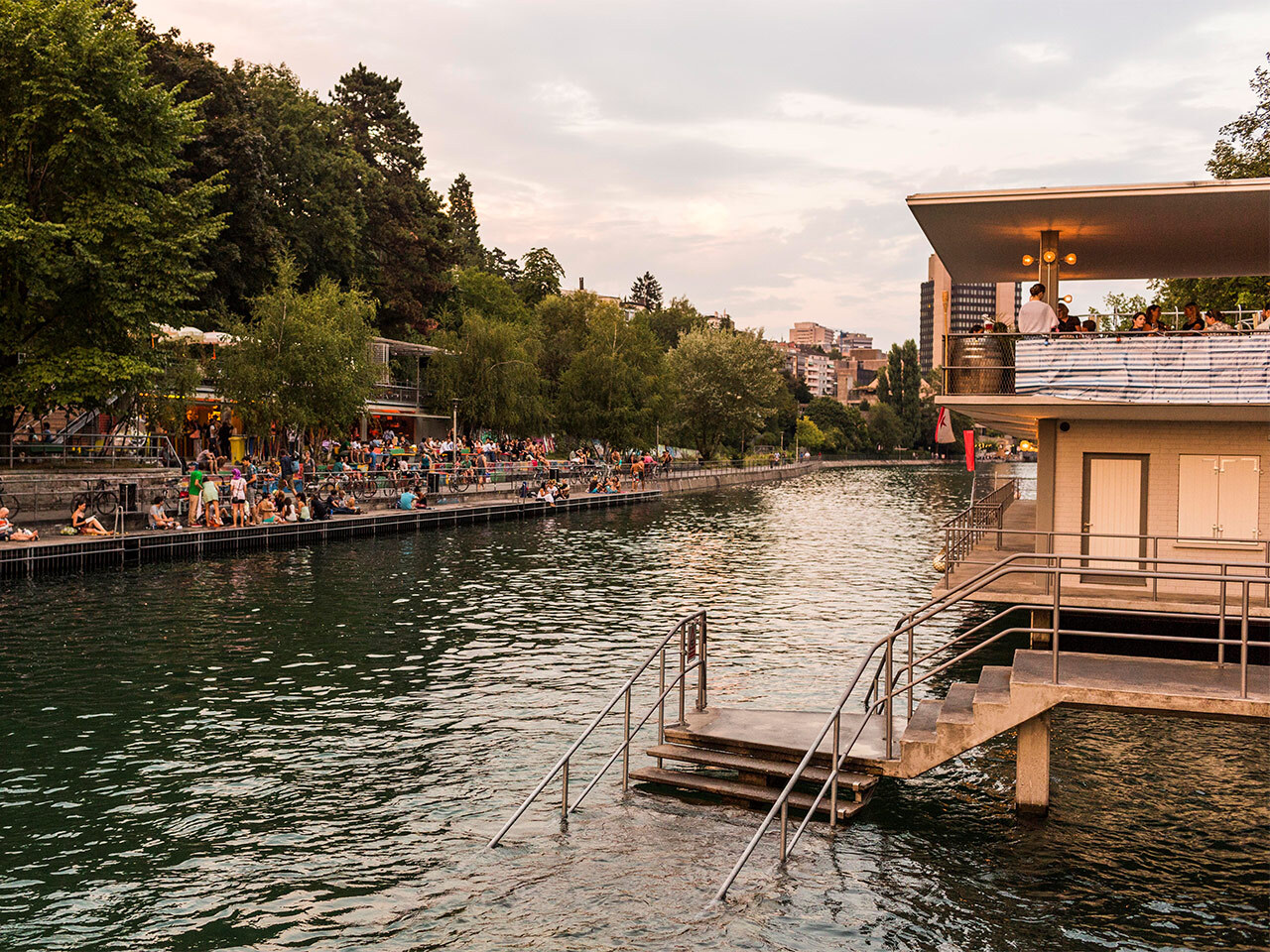
One of the world’s best known swimmable cities, thanks to the cleanliness of — and free access to — both Lake Zurich and the Limmat River, Zurich has urban swimming embedded in its culture. And this is a Switzerland-wide phenomena. Following a typhoid outbreak in Zermatt in 1963, the government at the time committed to cleaning up the country’s waterways — found to be the source of the epidemic. By 1971 high-standard wastewater treatment had been written into Swiss law, and the country now boasts some of the cleanest water in the world, commonly referred to as ‘blue gold‘. From Zurich to Geneva and from Basel to Bern, if it’s natural, urban swimming you are after, you could do a lot worse than taking the plunge in Switzerland.