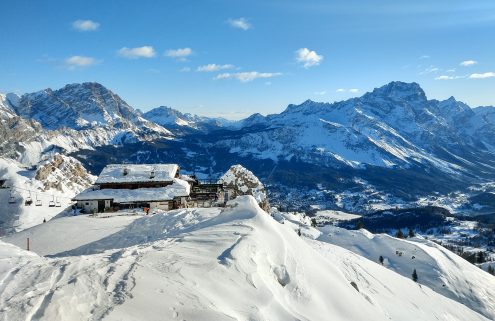
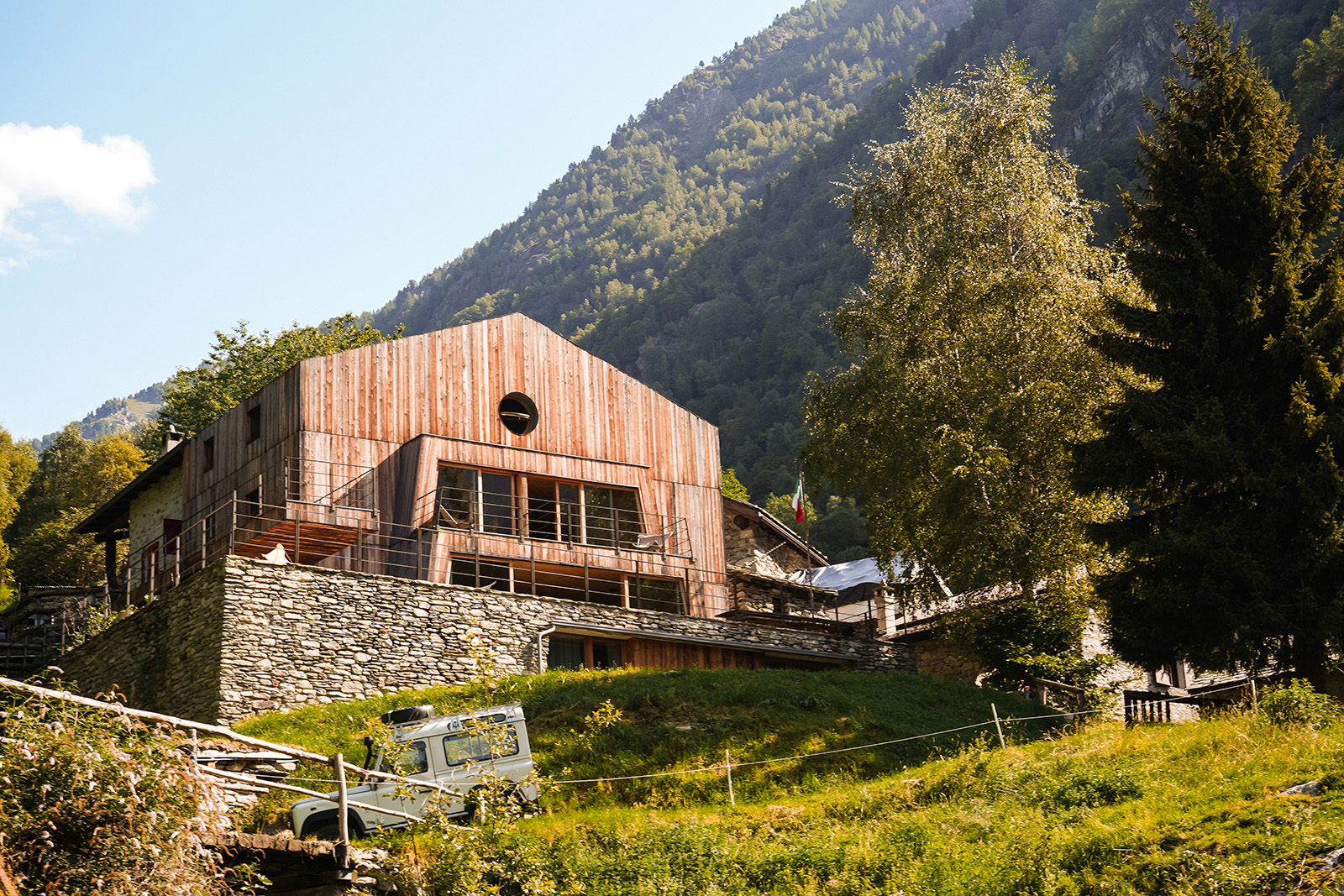
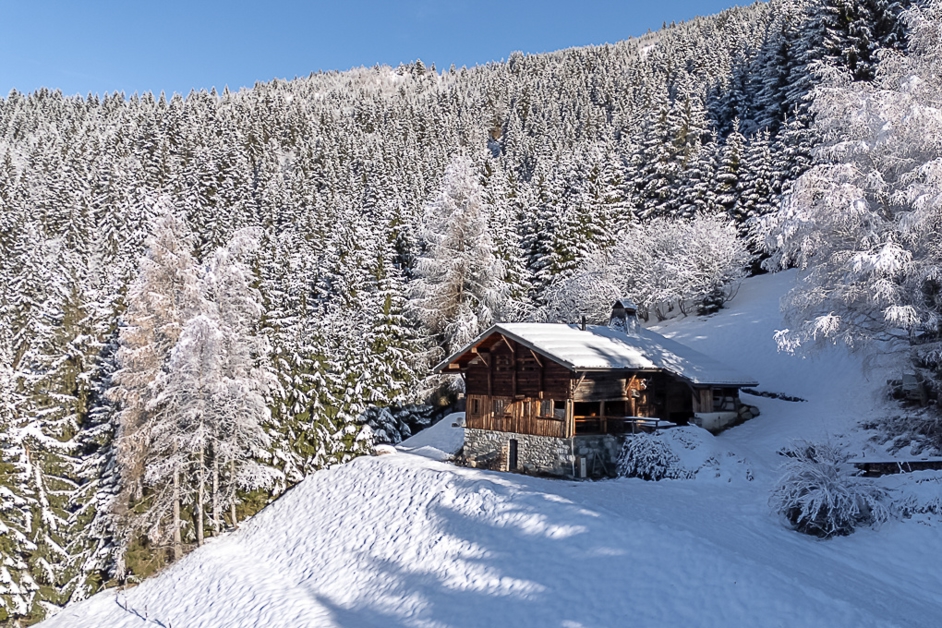
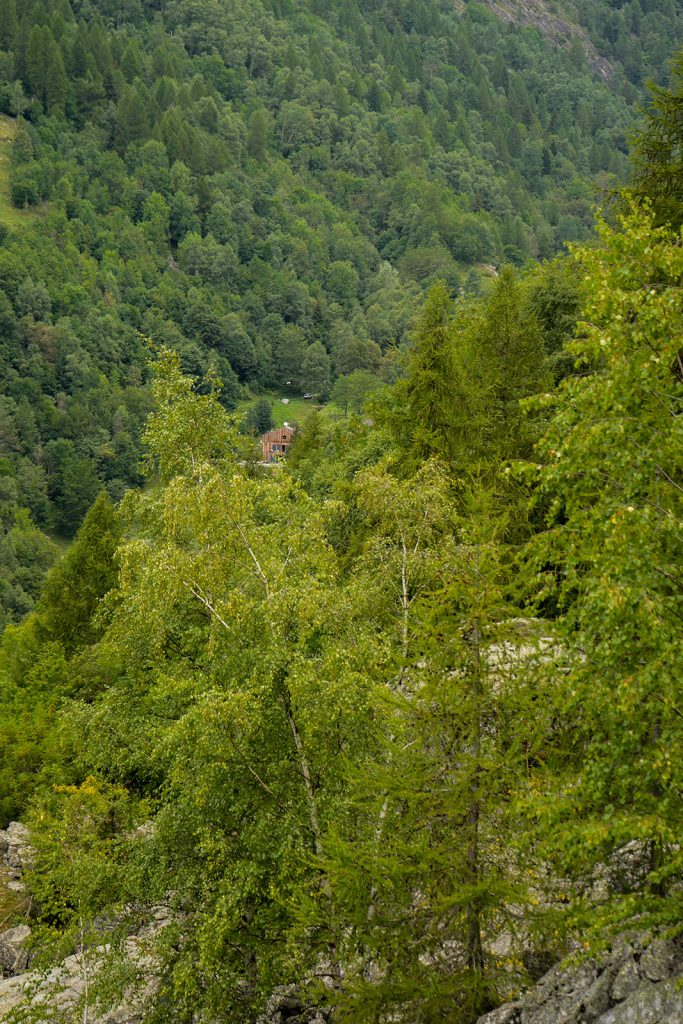
The concept of ‘adventure’ can mean different things to different people — even to the same person. To Luna Lybeer, a world traveller and lifetime explorer, right now it means isolation at 1317m in a lush Italian Alpine valley. Lybeer and her partner Wout Allegaert operate Rifugio Val di Togno, a modernist guesthouse with mountain and meadow views — miles from shops, restaurants and bars. A retreat here means hiking scenic trails, foraging for mushrooms, watching deer, boar and chamois goats roam the hills and, crucially, staying put. Yet for Lybeer it is no less an adventure than sailing the world or driving to Kyrgyzstan in her Volkswagen T3 Joker.
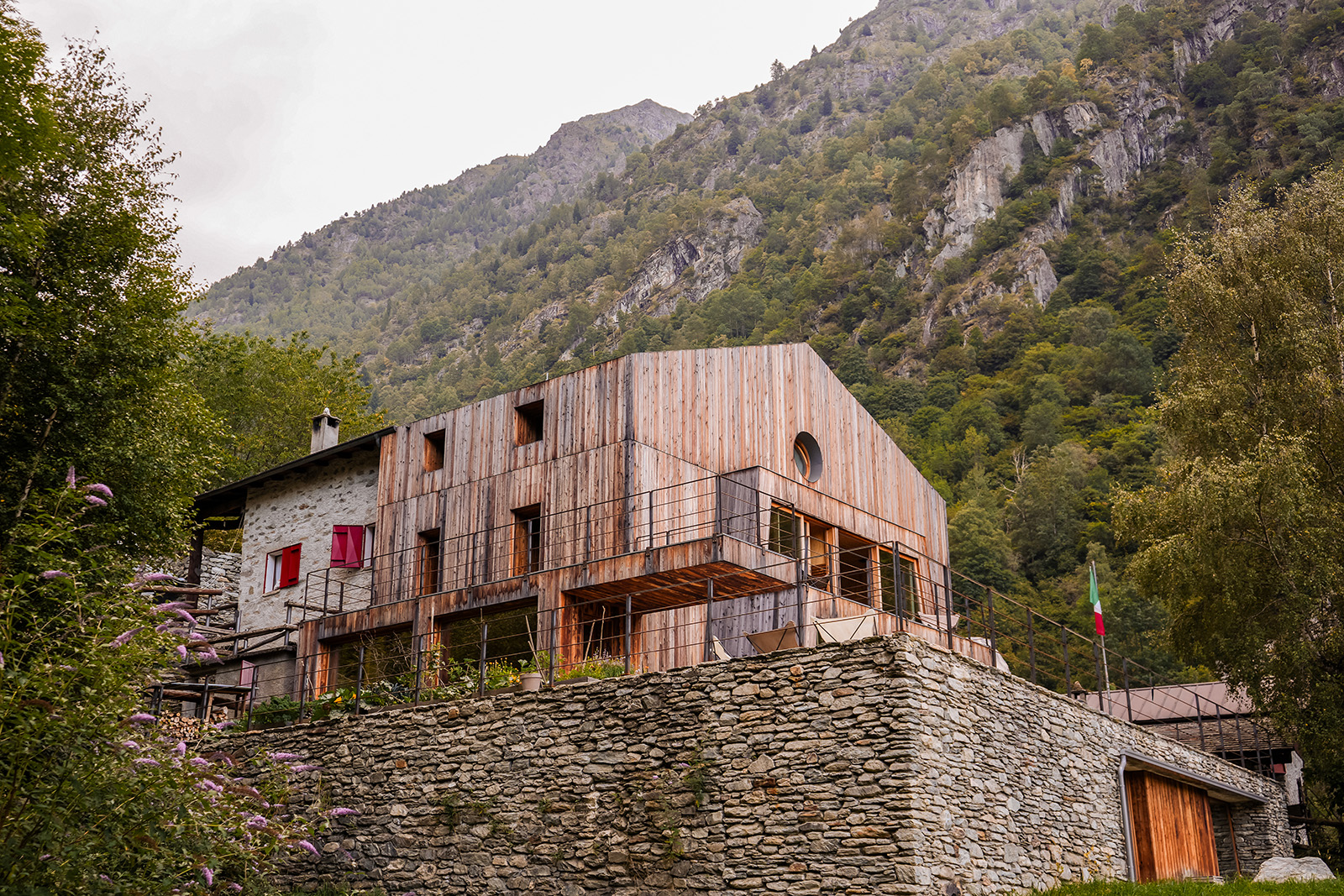
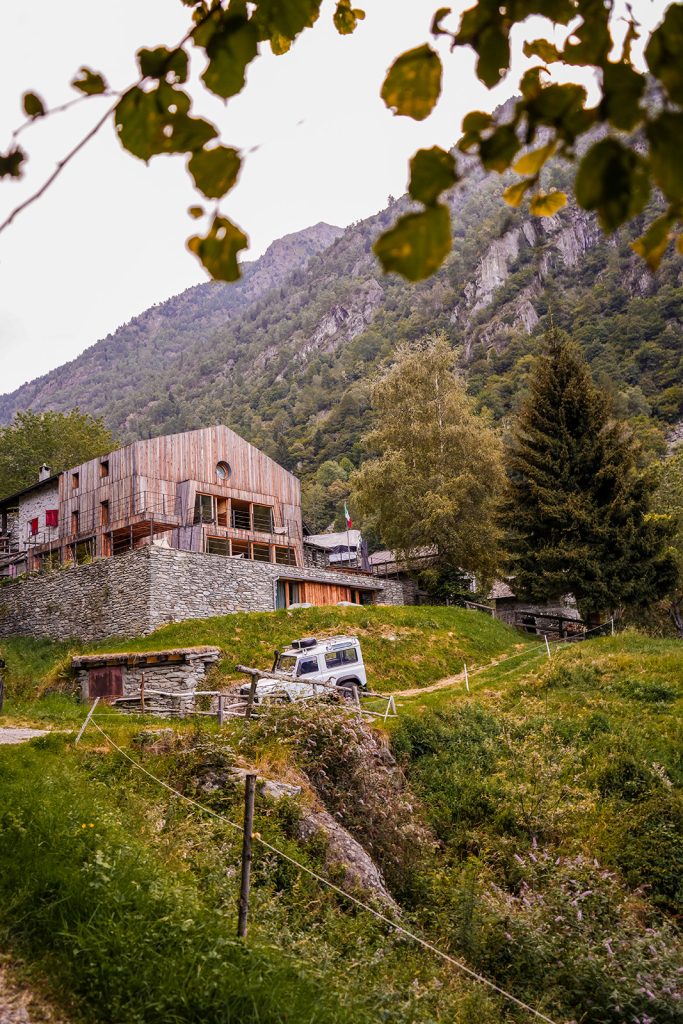
Rehabilitating this century-old customs outpost was a journey in itself. When Lybeer’s father, the journalist Thomas Siffer, purchased the building in 2019, it had long since functioned as a lookout for smugglers breaching the Swiss border. Save for a brief stint as a hostel in the 1980s, it had been abandoned for decades. Yet it functioned perfectly as a writing retreat and a refuge from working life in Siffer’s native Belgium — ‘an invitation,’ says Lybeer, ‘to slow down and reconnect with nature.’ He saw the potential to transform the dilapidated post into a luxury holiday home.
Photography courtesy Rifugio Val Di Togno
Photography courtesy Rifugio Val Di Togno
Photography courtesy Rifugio Val Di Togno
Photography courtesy Rifugio Val Di Togno
Photography courtesy Rifugio Val Di Togno
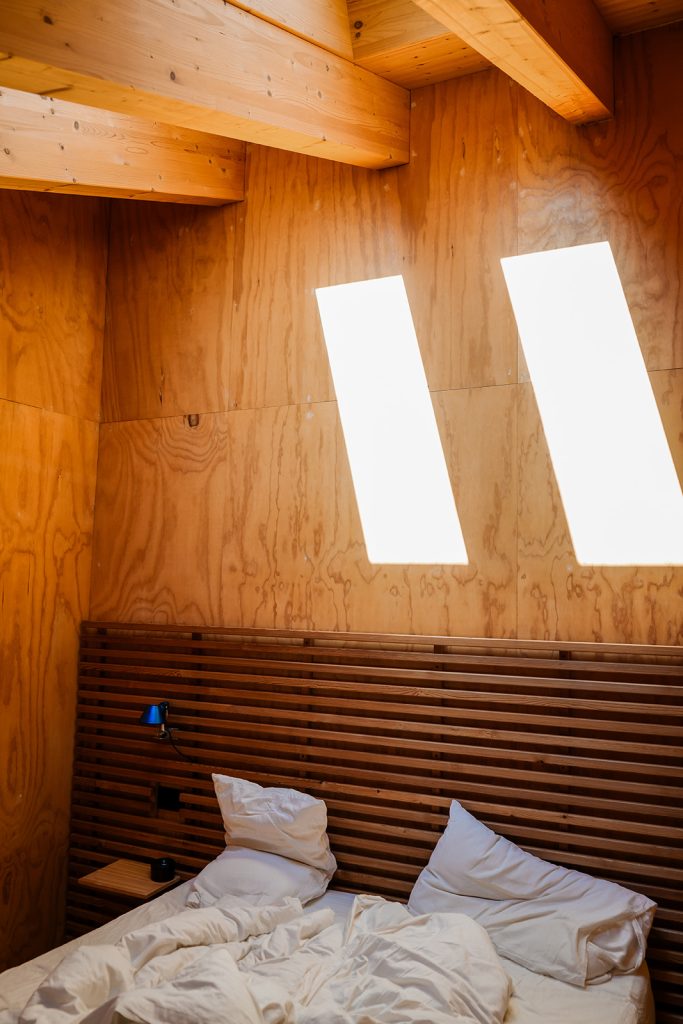
Photography courtesy Rifugio Val Di Togno
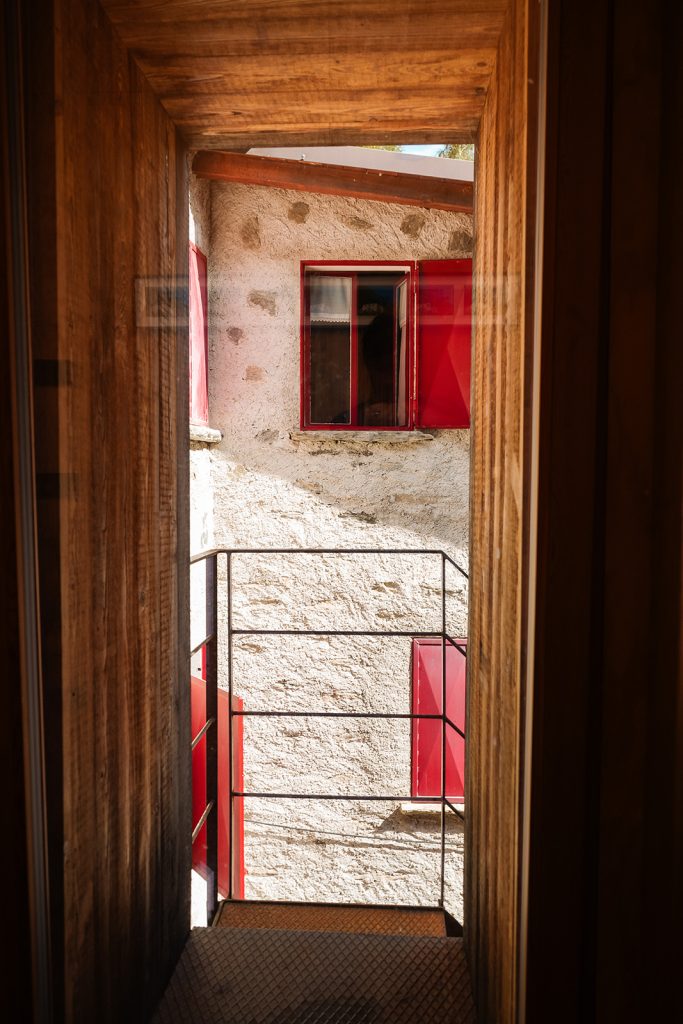
Photography courtesy Rifugio Val Di Togno
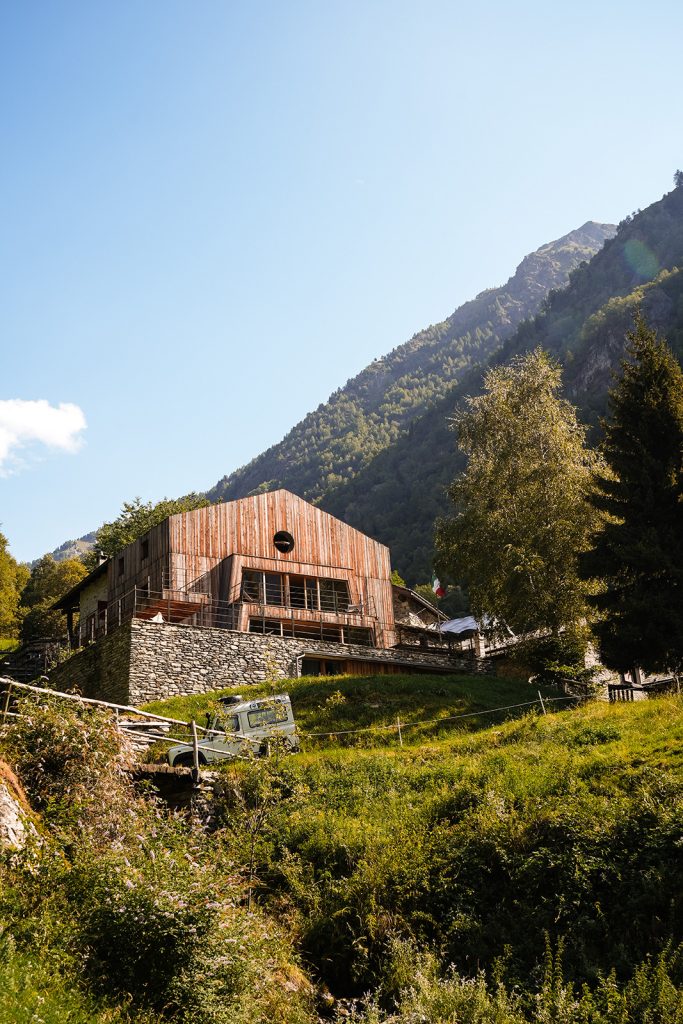
Photography courtesy Rifugio Val Di Togno
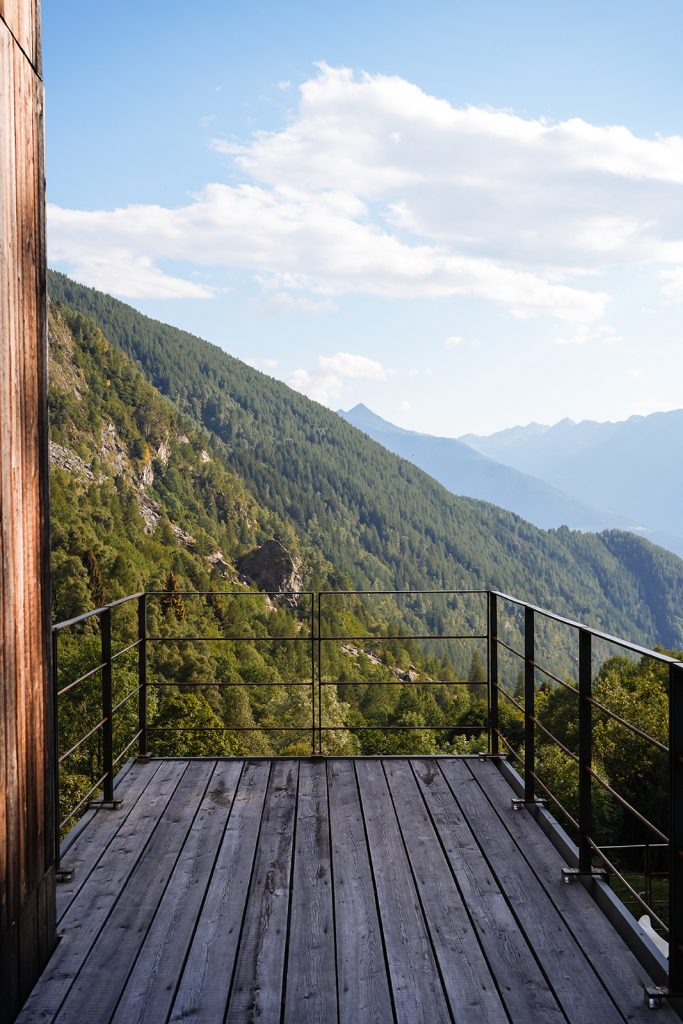
Photography courtesy Rifugio Val Di Togno
Photography courtesy Rifugio Val Di Togno
Photography courtesy Rifugio Val Di Togno
Photography courtesy Rifugio Val Di Togno
Photography courtesy Rifugio Val Di Togno
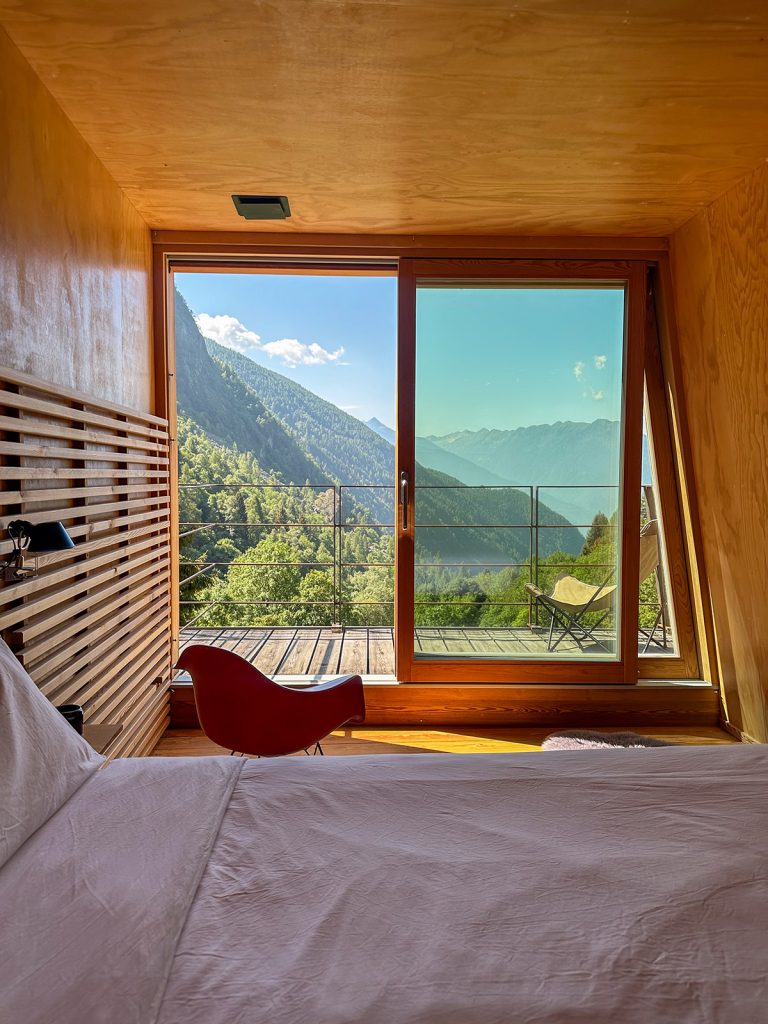
Photography courtesy Rifugio Val Di Togno
Contacting Lybeer and her partner en route home from Kyrgyzstan, Siffer proposed they take on the task. They immediately detoured to the valley to immerse themselves in the landscape and adapt to local hunting and shepherding lifestyles. Envisioning a modern, sustainable escape that would contribute positively to the community, they enlisted architect Gian Piero Ioli, and the team designed a scheme that would blend modernity with the building’s historical character.
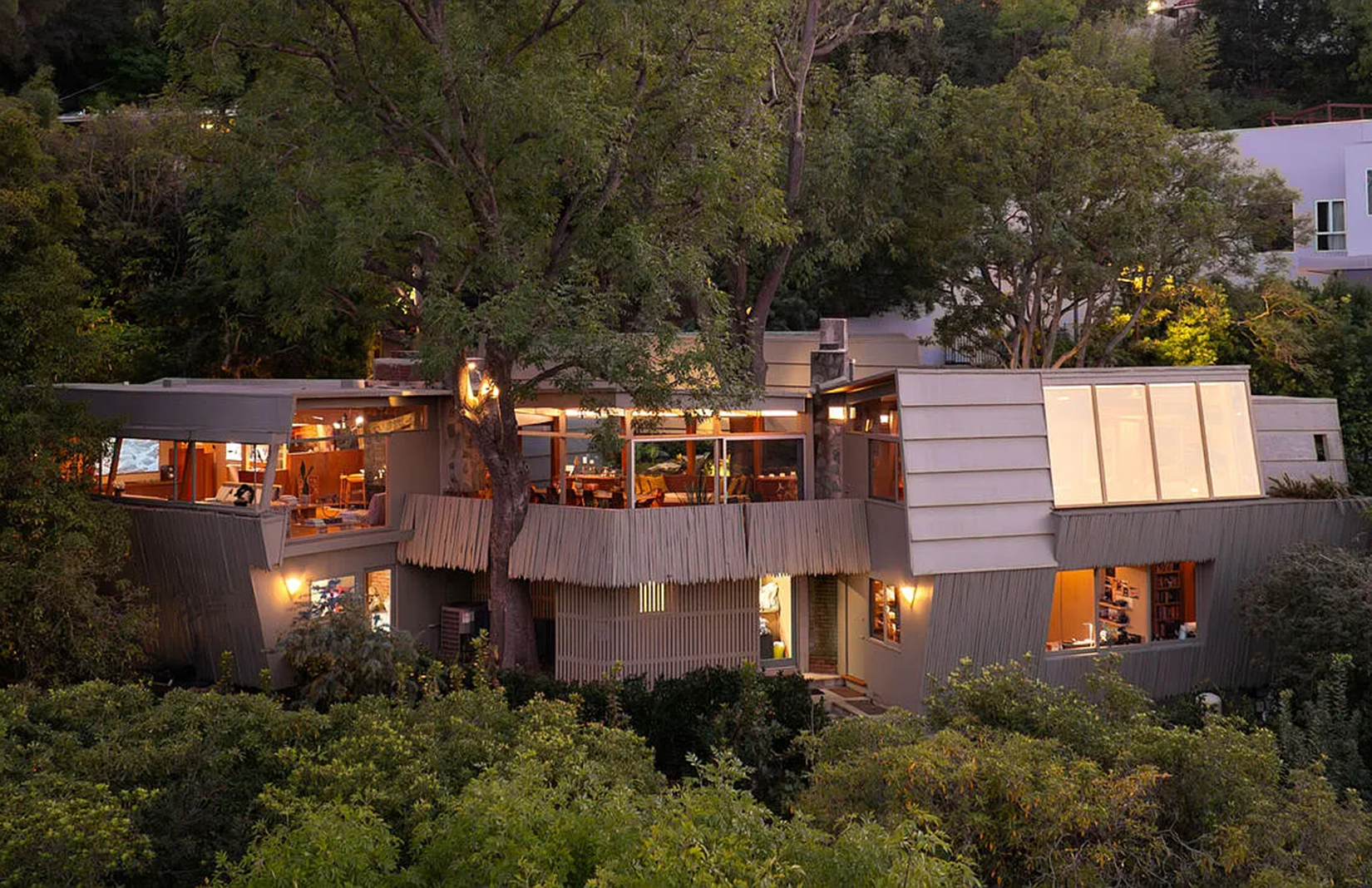
It was never straightforward. The extensive reconstruction took three years of back-and-forth with bureaucrats, followed an extensive renovation on a property almost impossible to access — helicopters were hired to ship in building materials when trucks couldn’t tow heavy loads up the mountain. To shore up the structure with new wood supports and apply larch cladding around the original stone walls, Ioli had to get creative. By lowering the ground floor, he was able to rearrange the levels to fit in three instead of two and a half. Self-sufficiency was a must, so he harnessed natural spring water and water-turbine energy. Meanwhile Lybeer and Allegaert lived in a tiny house next door to oversee the process.
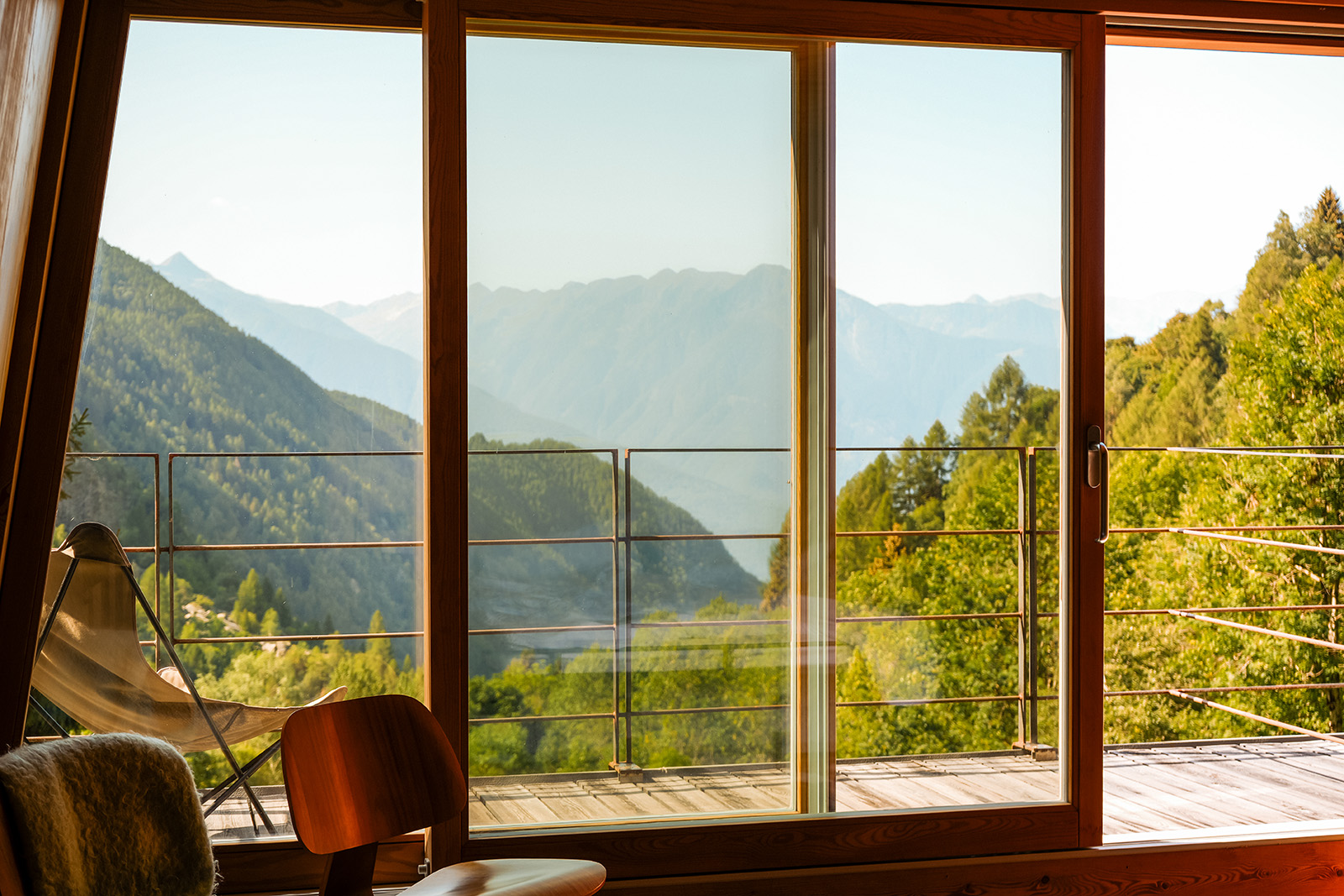
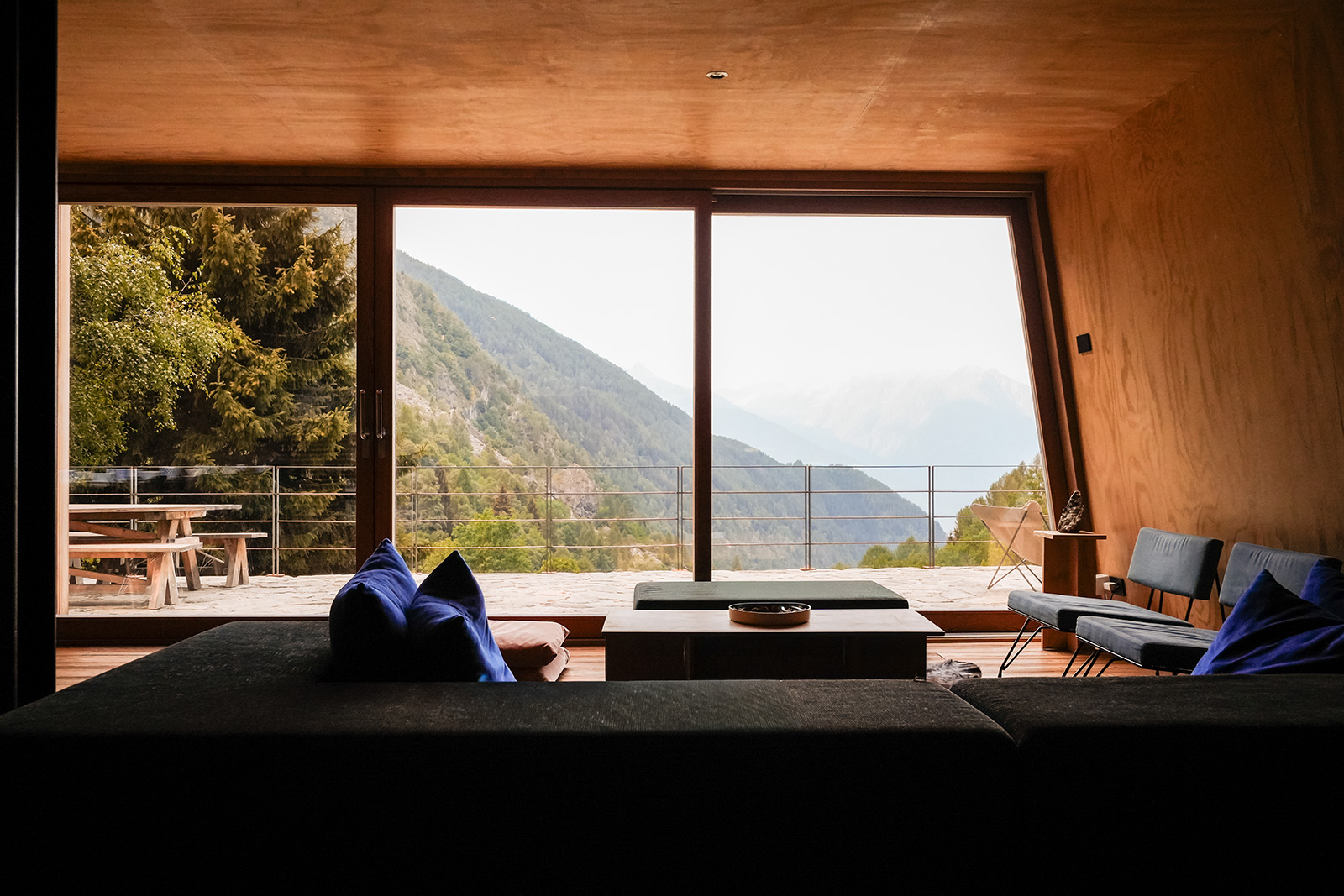
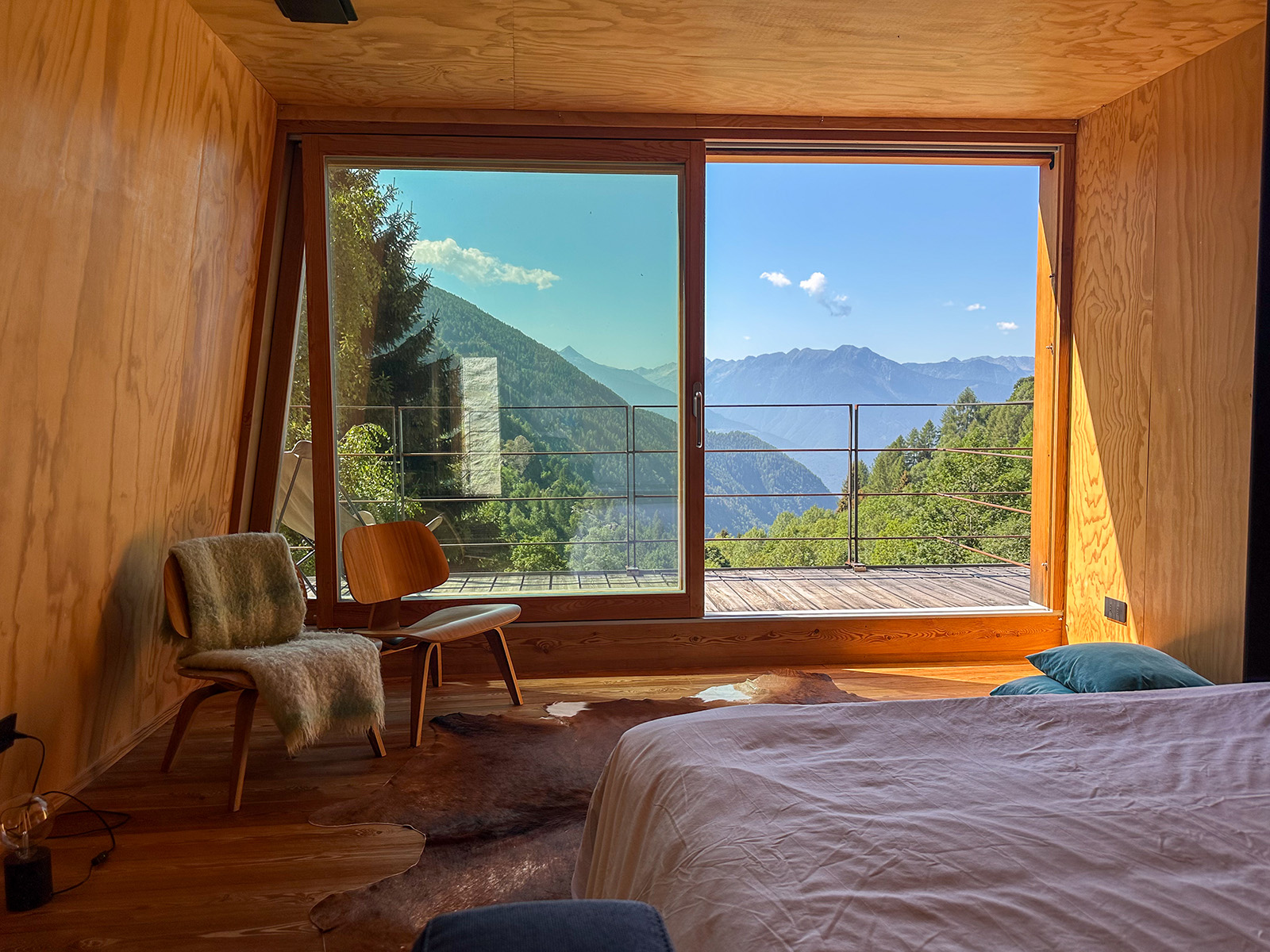
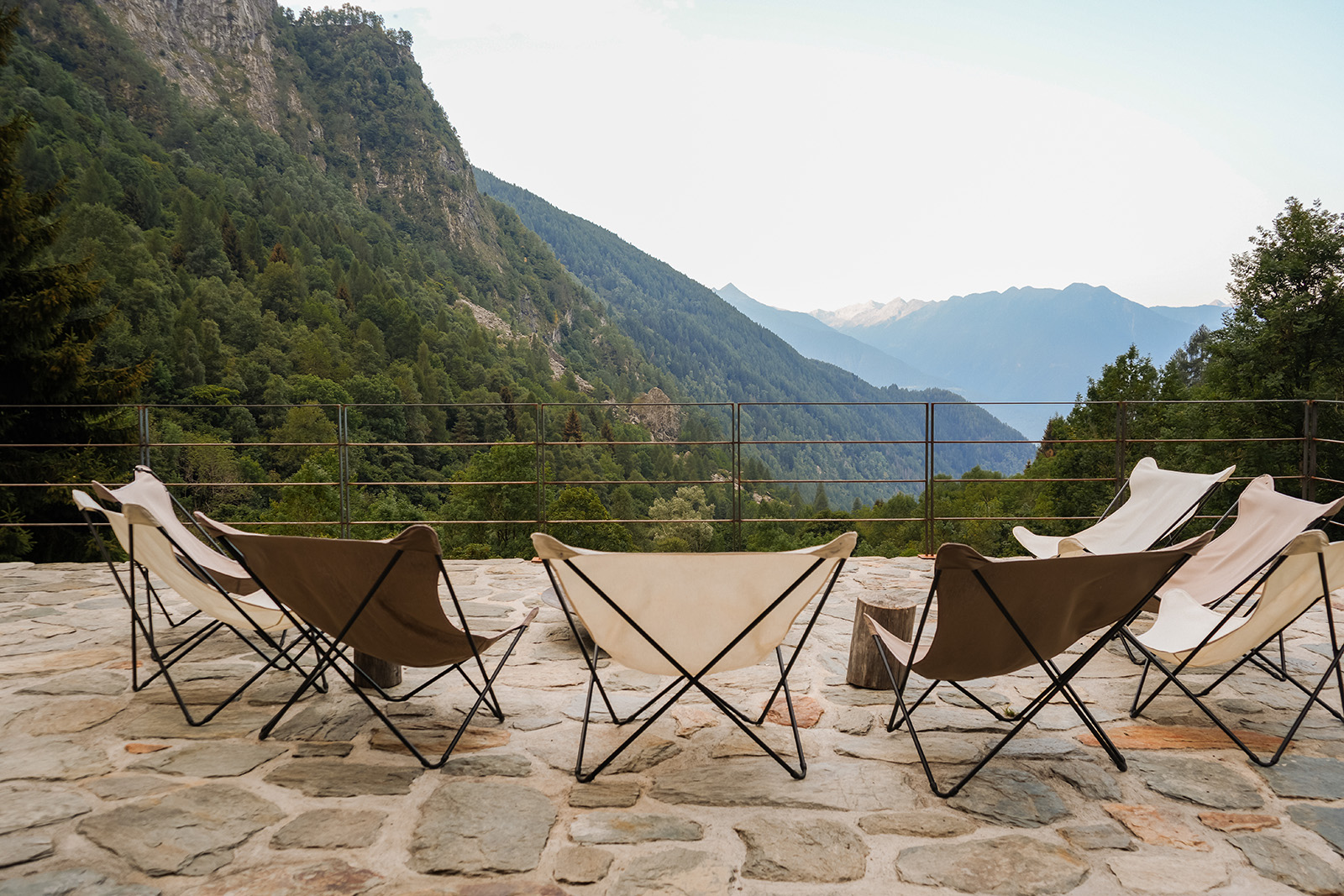
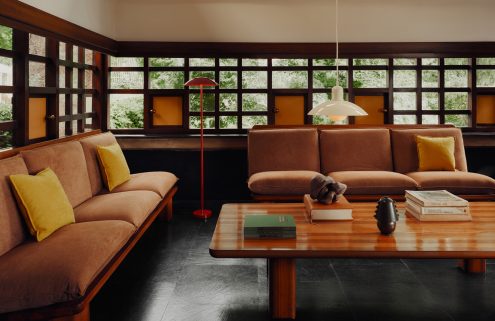
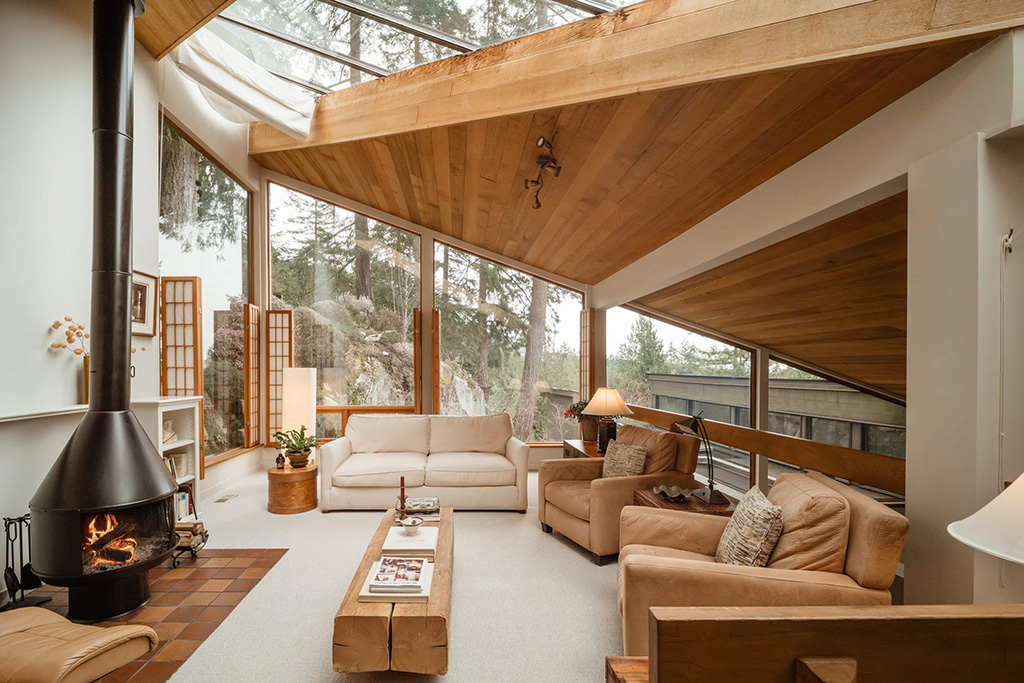
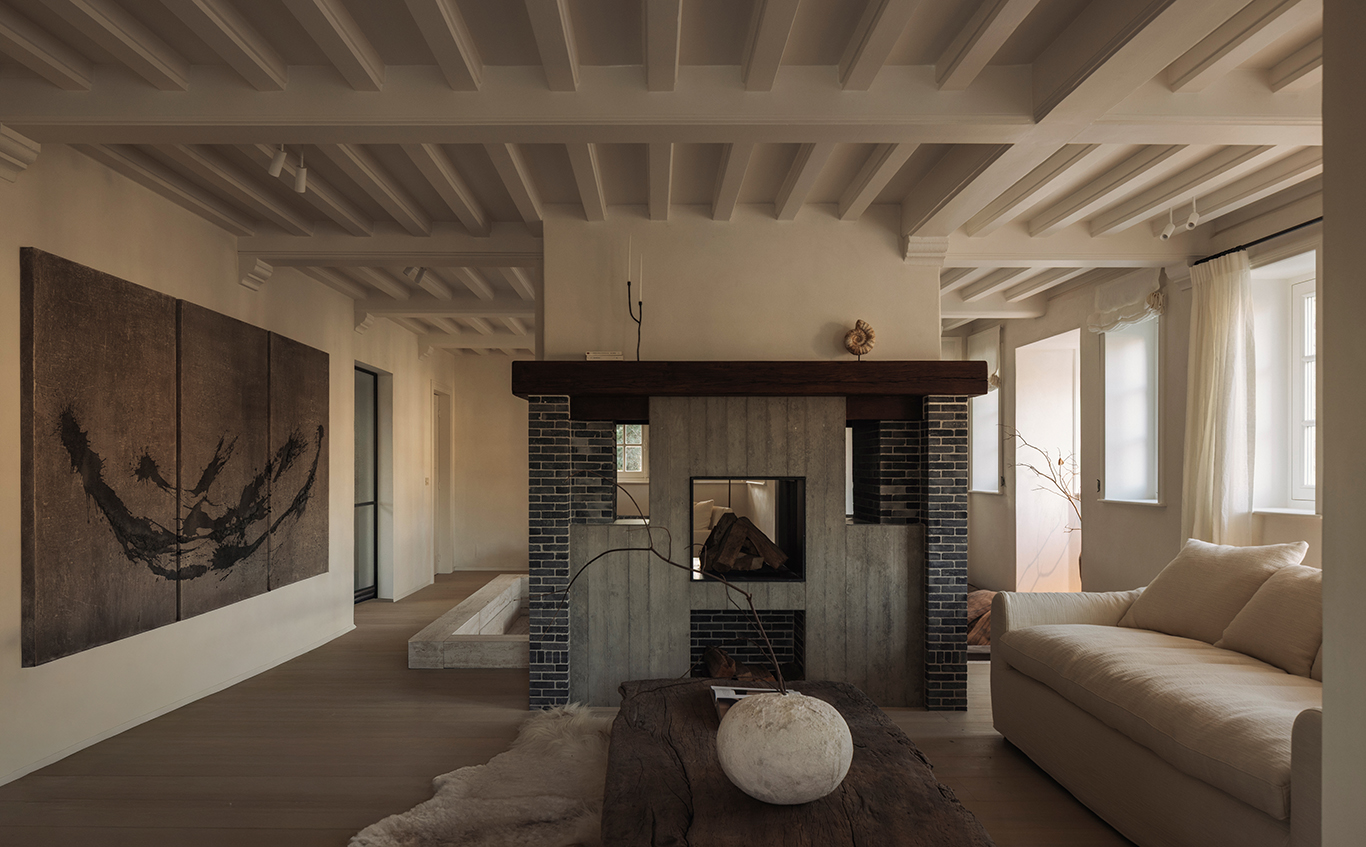
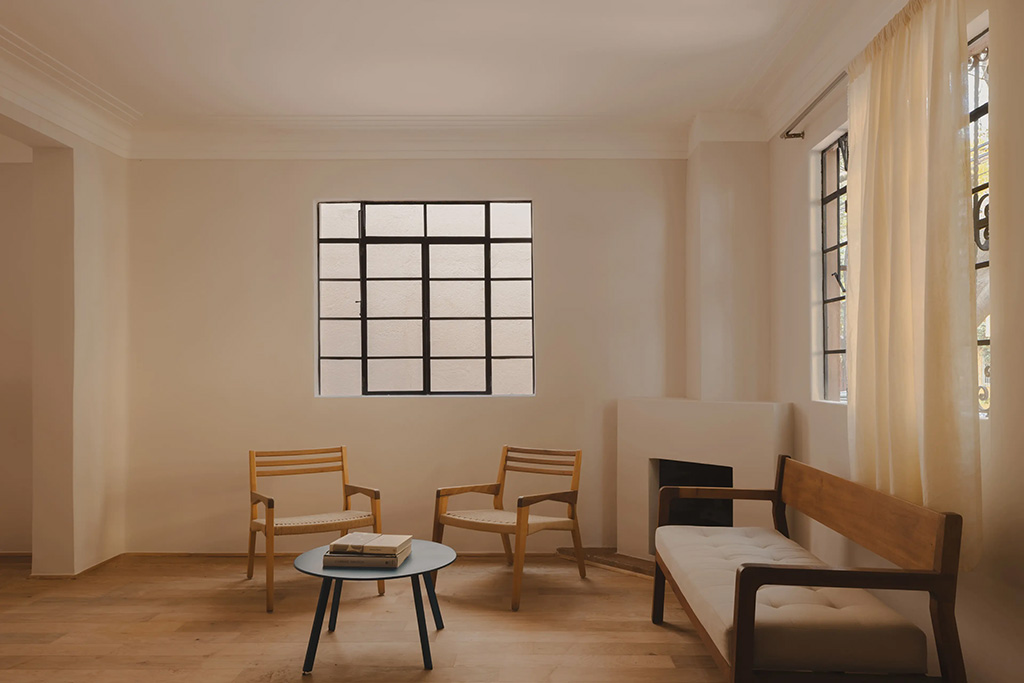
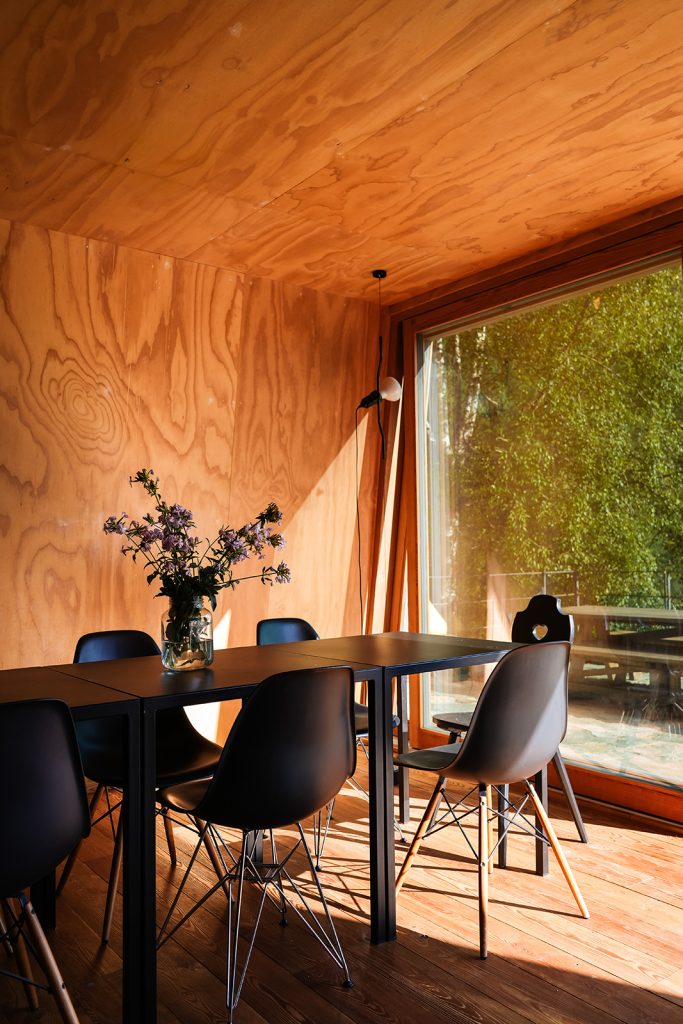
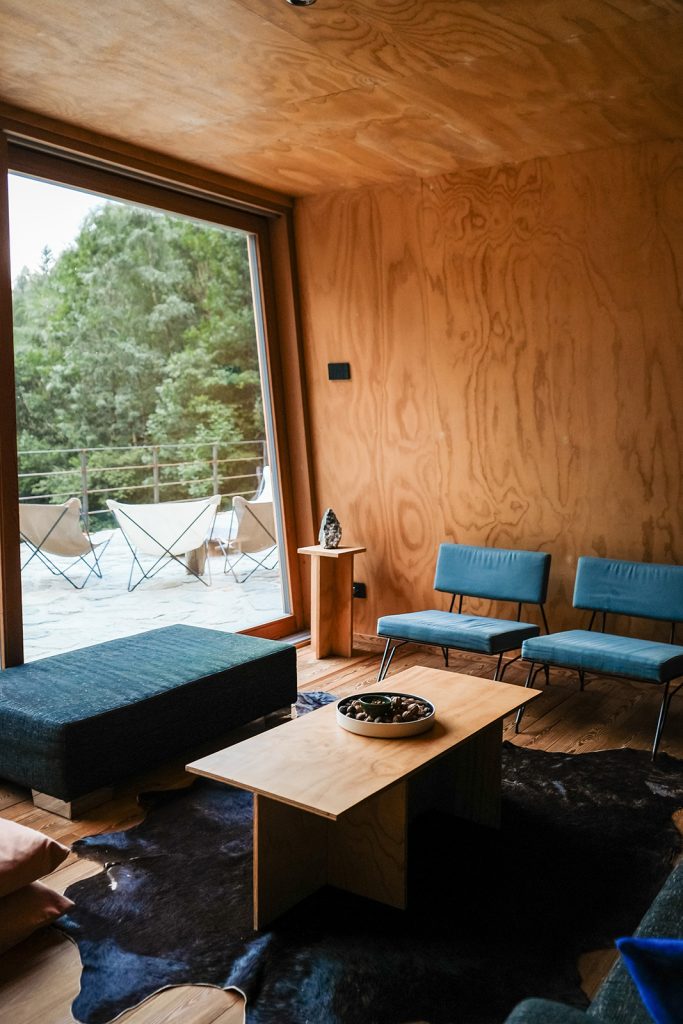
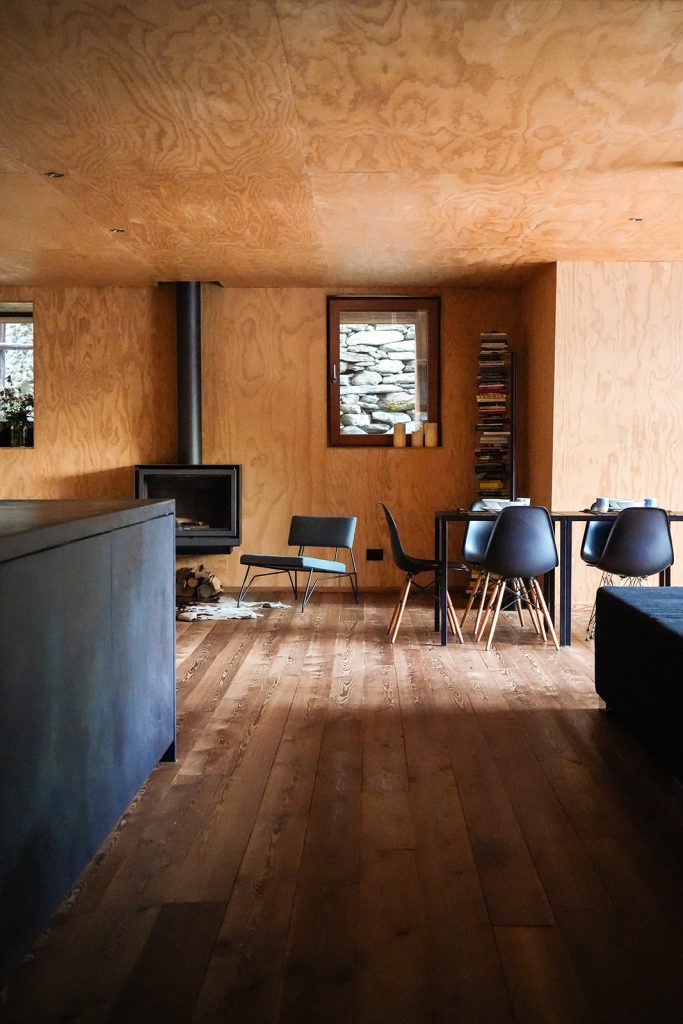
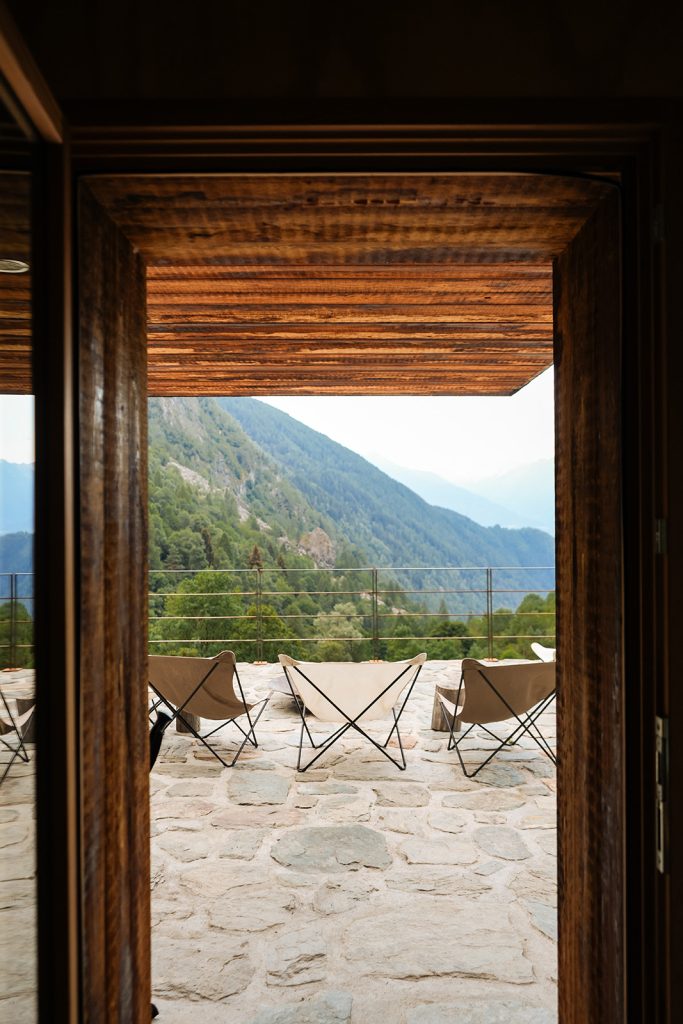
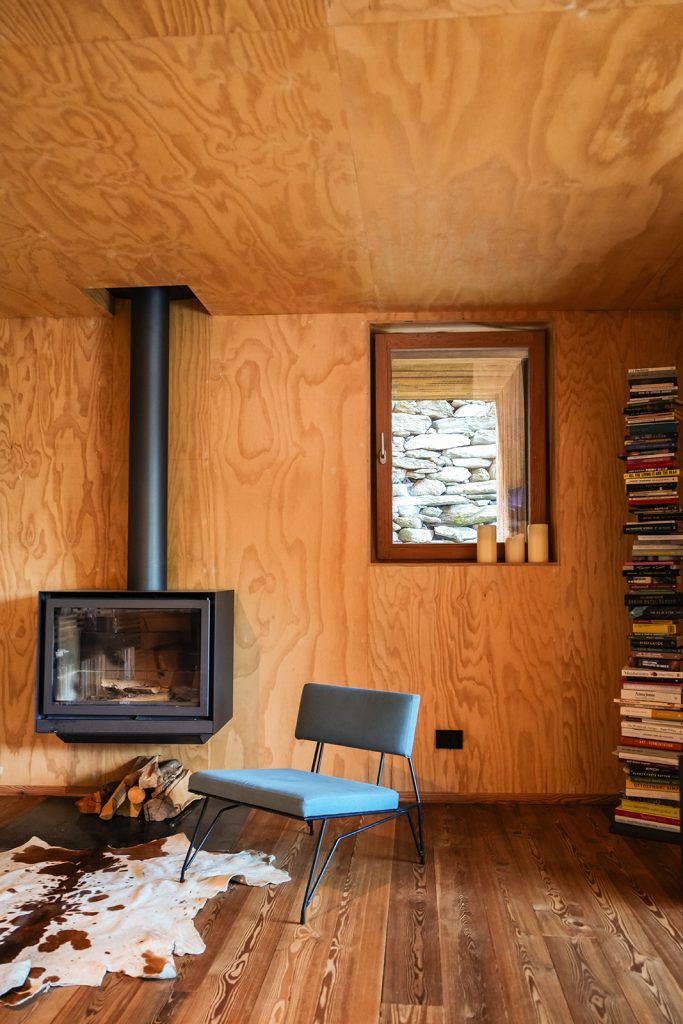
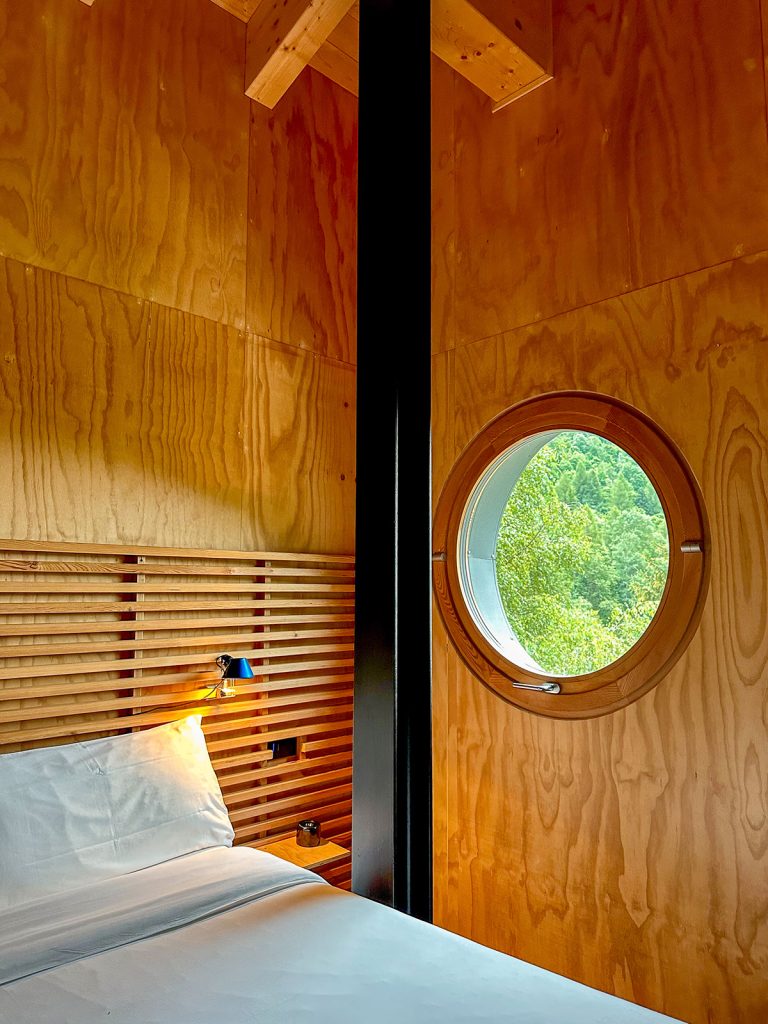
The new design emphasises open-plan spaces with 8m windows overlooking the valley. Rooms are lined with local timber, the common areas have a fireplace and wide walk-out terrace and five distinct en-suite rooms are set aside for visitors: a self-contained studio, a suite and three bedrooms. Only 4x4s can access the steep, secluded site, so once guests have arrived they get full-board accommodation. Lybeer and Allegaert prepare the vegetarian menu with locally sourced ingredients. Otherwise, the only distractions are guided hikes to mountain peaks and the resounding tranquility.
‘We offer our guests nothing, so that can get away from everything,’ says Lybeer.