Isamu Noguchi’s work continues to resonate in contemporary architecture and design, having played a pivotal role in shaping modern aesthetics and redefining our relationship with art and design. Over a 60-year career he produced a diverse body of sculpture, public art and furniture that has become ubiquitous in our spaces and imaginations.
A current exhibition marking the 40th anniversary of the Noguchi Museum in Queens throws a spotlight on the designer’s life and work — particularly the time he spent in New York and the city’s influence on his creative process. Noguchi’s New York follows his move from his native Los Angeles to his adopted city, and features dozens of works and archival materials tracing his six-decade career as a New Yorker.
It includes public pieces, like his relief for the Associated Press Building; his Red Cube balancing in a Broadway courtyard; and the Sunken Garden designed for Chase Manhattan Plaza. Photographs and documents reveal long-lost works like his 1944 interior for the Time & Life Building; his backlit ceiling at 666 Fifth Avenue; and his Shinto sculpture for the Bank of Tokyo.
The latter are impossible to experience now, and the former are elusive to all but New Yorkers. Yet owning a souvenir of Noguchi’s genius is slightly more achievable. We’ve gathered five of the designer’s most famous furnishings. You can buy them new or track down originals — all are currently up for grabs.
Coffee table
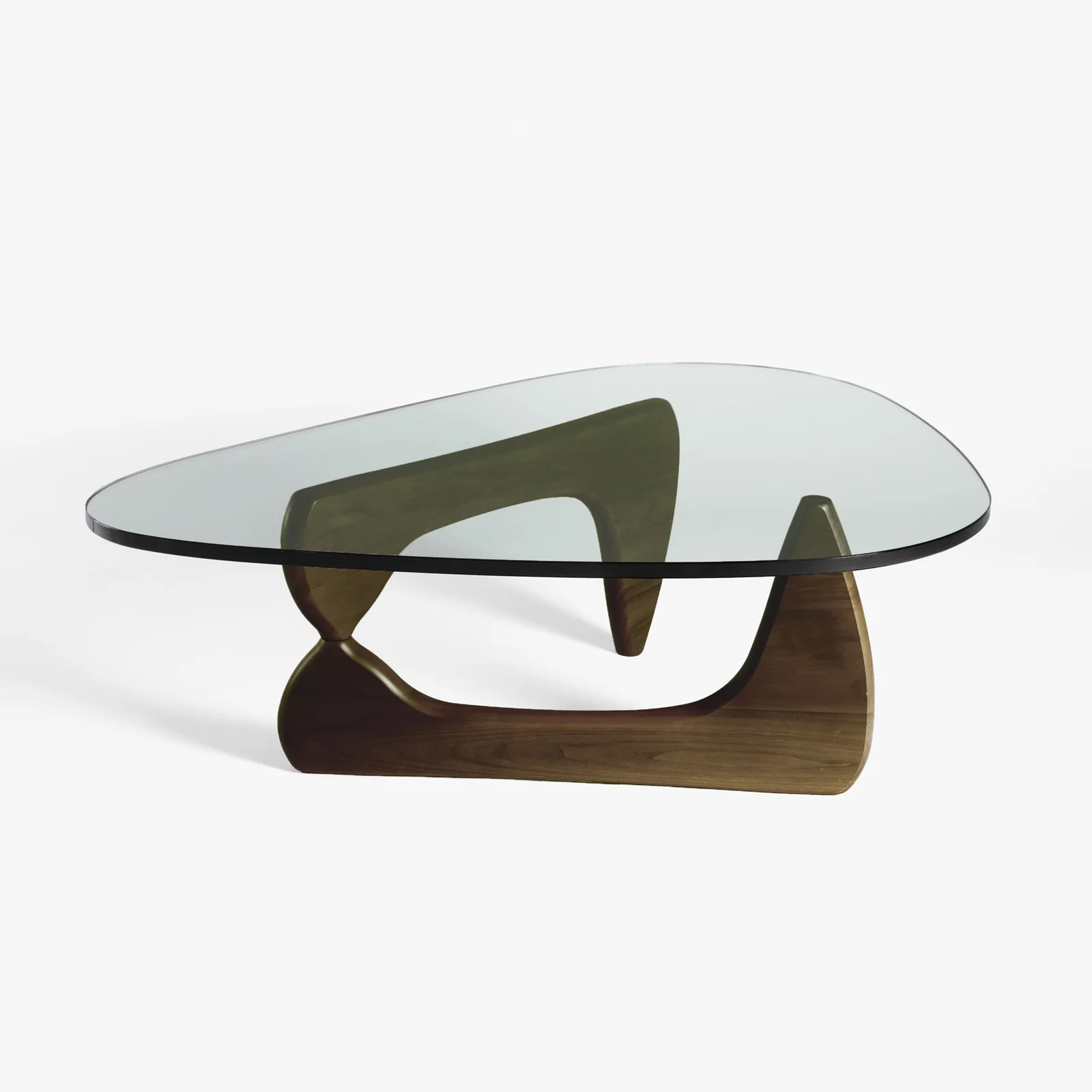
An object of worship (and ridicule), the coffee table is a 20th-century icon merging sculptural form with functionality. Its curved glass slab hovers atop an angular wooden base, embodying Noguchi’s philosophy that ‘everything is sculpture’. It was designed in 1947, while Noguchi was experimenting with traditional sculptural motifs, moulding forms reminiscent of ancient carving and mid-century biomorphism. Initially produced by Herman Miller, it was reissued in 1984 through a collaboration between Vitra and the Isamu Noguchi Foundation, and is available in the museum shop for $3,013.
Akari lamp
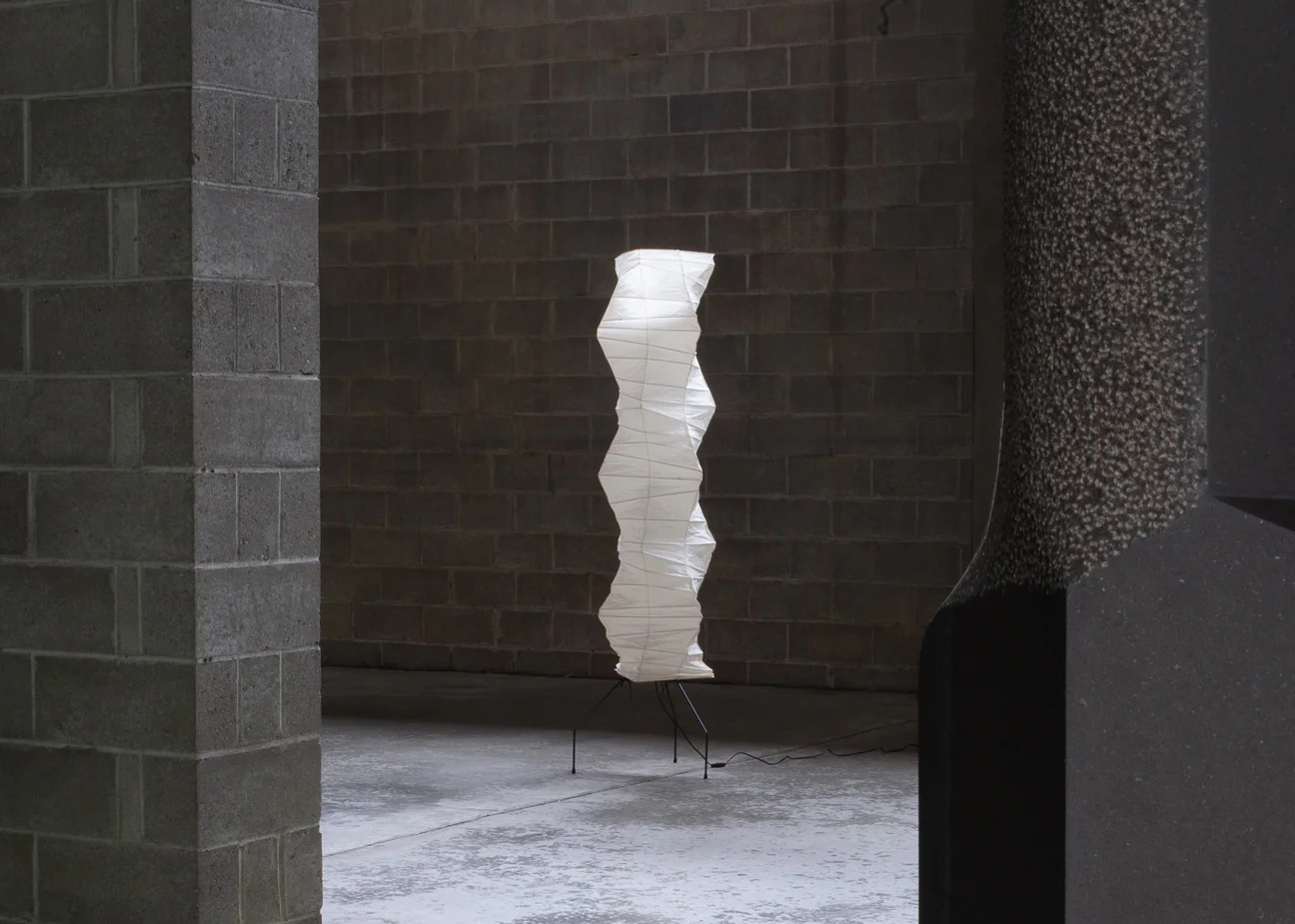
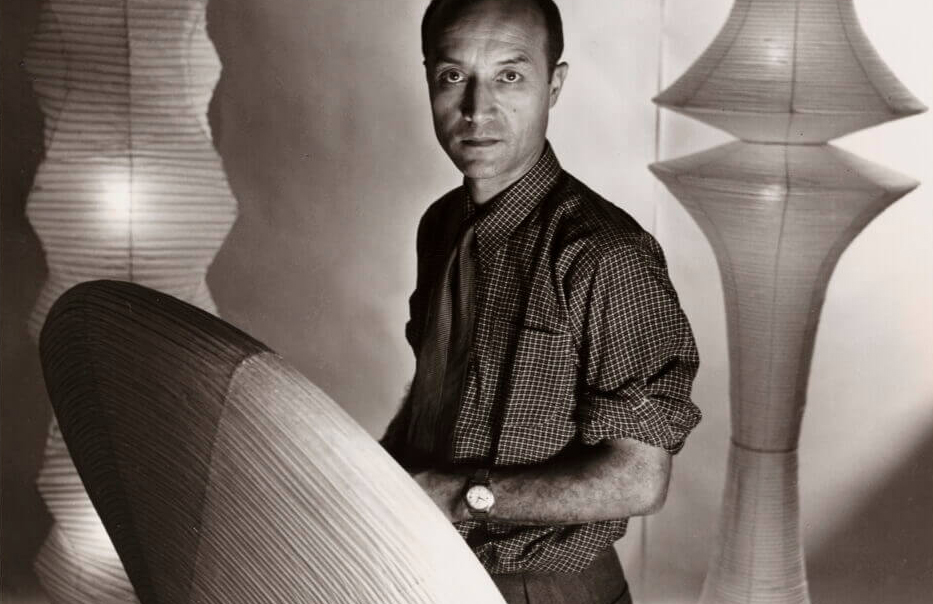
The Akari is arguably Noguchi’s most celebrated — and widely copied — creation, drawing inspiration from bamboo lanterns and the mulberry bark paper traditionally made in Gifu, Japan. Named after the Japanese for ‘light’, it has an ethereal skin and sculptural quality that embodies weightlessness, blurring the lines between art and functionality — Noguchi strived to integrate sculpture into daily life. ‘All that you require to start a home is a room, a tatami and Akari,’ he famously said. Pamono sells variations on the original, from an early 40D Akari pendant priced at €4,880 to a J1 Akari lamp produced by Ozeki & Co, priced at €17,080.
Freeform sofa
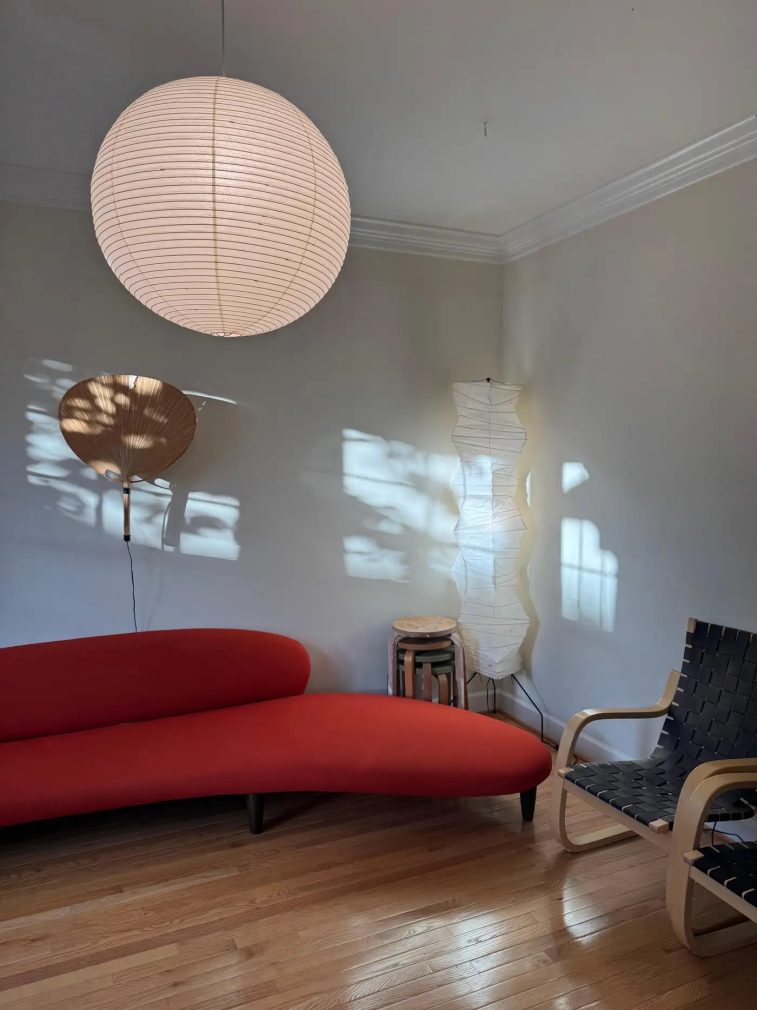
One of those pieces that’s able to transform any space into a cultural statement, the mid-century Freeform sofa was crafted to resemble flat, rounded river stones. Paired with the Freeform ottoman, it epitomises design as an artistic gesture, merging sculpture with functionality. The fluid biomorphic form, supported by a solid beechwood frame, recalls Noguchi’s fondness for lightness and sculptural language. Originally crafted in limited quantities, it now commands a premium through online marketplaces like 1stDibs. Authentic reissues have been available in multiple editions and colours since 2002.
Rudder Table
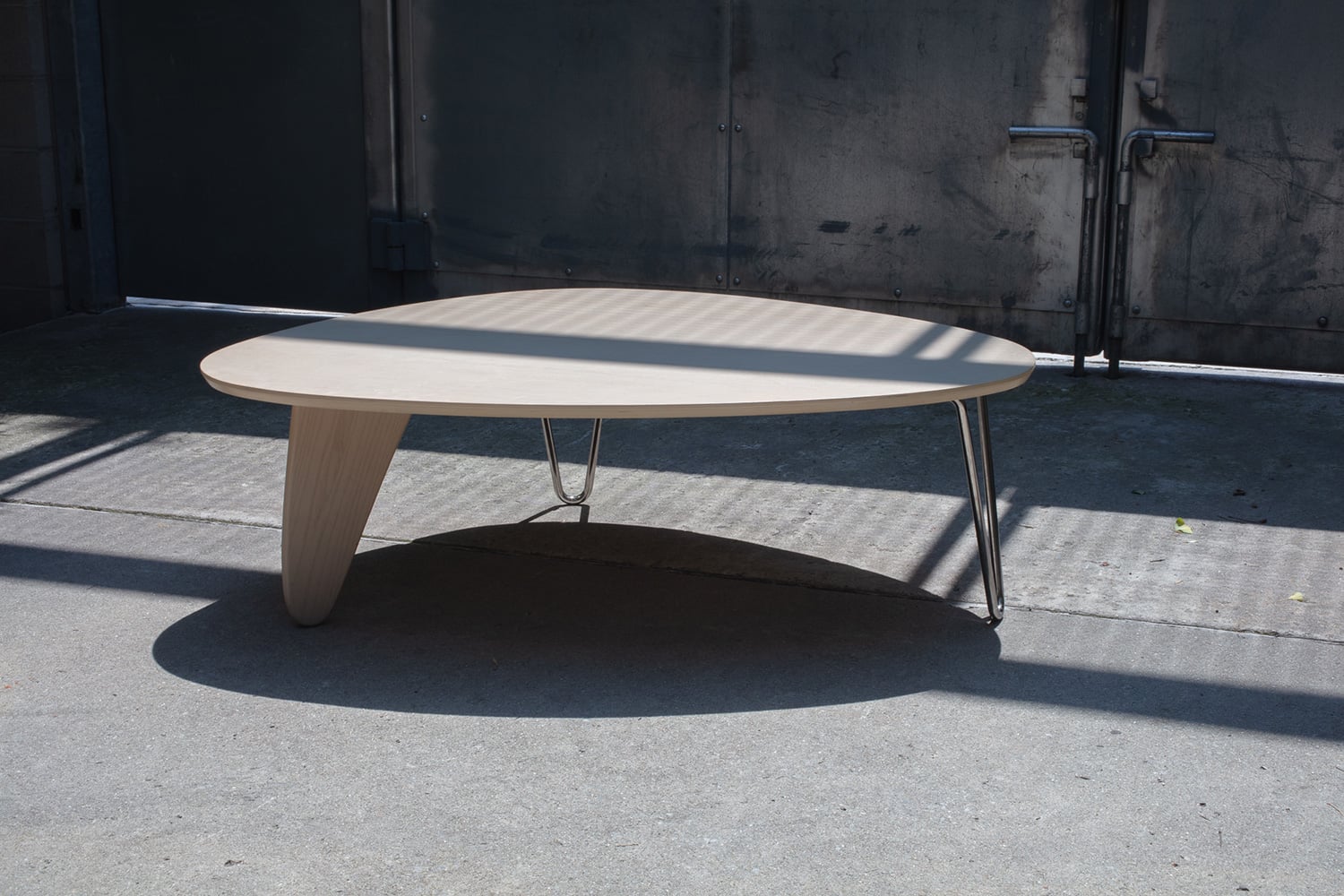
Echoing the dimensions, sculptural design and weightless shape of Noguchi’s 1947 glass table, the Rudder has become one of the designer’s most ubiquitous pieces. Its standout feature is its single wooden leg, shaped like a boat’s rudder. Paired with additional metal hairpin legs, it gives the table a sculptural presence that showcases Noguchi’s genius for moulded forms. The official Noguchi shop has three versions: walnut, black-ebony maple and white ash, each for $2,288.
Rocking stool
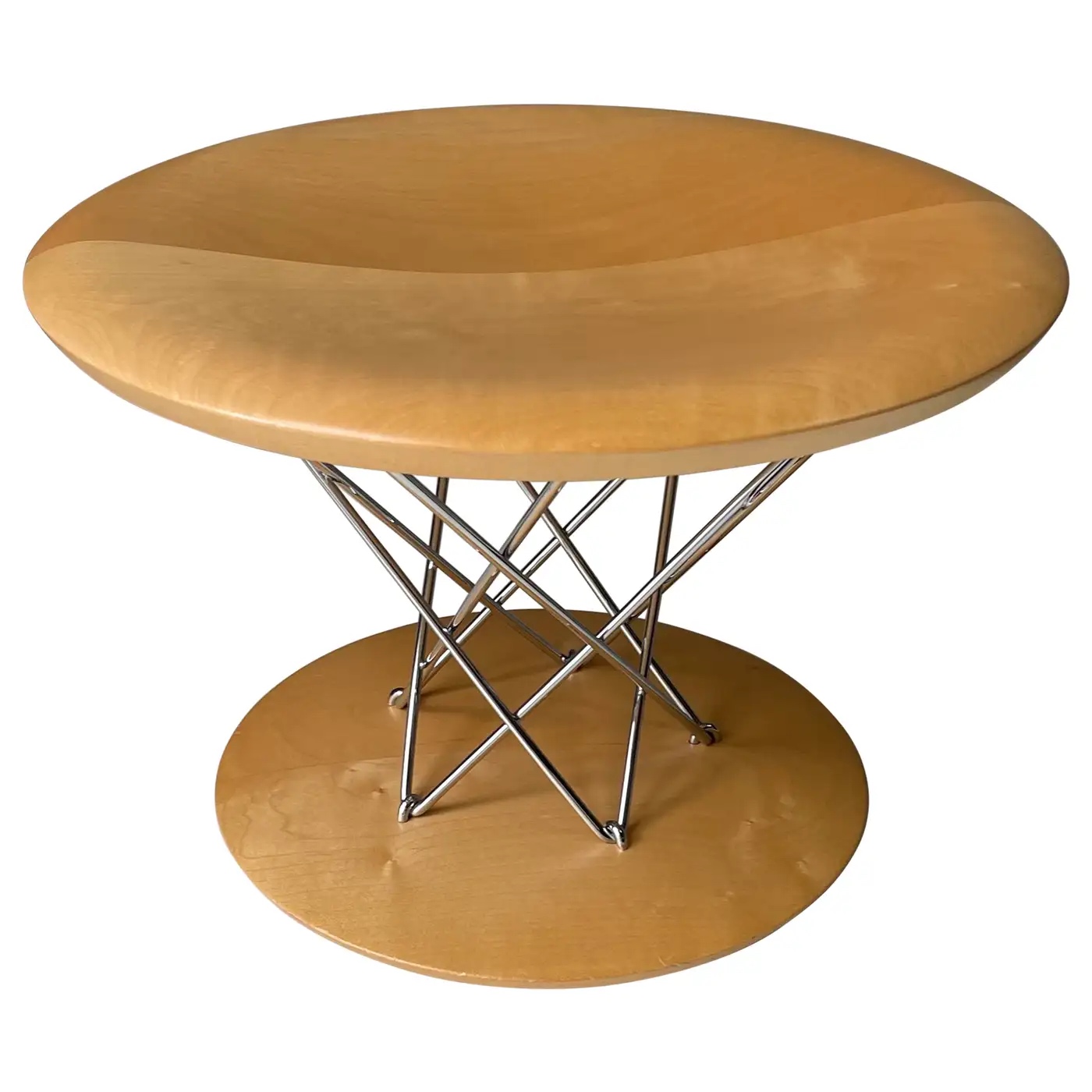
Created for Knoll in 1954, the Rocking stool showcases Noguchi’s interest in movement and versatility. The minimalist form and functional intent reflect ideals of postwar modernism, and the pairing of rods and discs evokes an atomic structure with a playful, dynamic presence. Reissued by the Noguchi Foundation, it’s currently available on platforms like 1stDibs and Pamono.