Some of London’s most revered architectural gems will throw open their doors this weekend as the Open House Festival rolls around once again. And the snooping opportunities have never been more tantalising. From early looks of large-scale, landmark developments to rare glimpses into London’s most inspirational buildings, this year’s behind-the-scenes event, running from 13 to 21 September, is one of the biggest and boldest to date.
With more than 700 properties across all 33 boroughs on show, from homes and theatres to factories and even architecture practices, festival-goers will have their work cut out narrowing down what to see. Imagine the longlist for the new panel of guest curators, including Justine Simons, the Deputy Mayor for Culture and the Creative Industries; the artist and spatial designer Sahra Hersi; and Claudia Kenyatta and Emma Squire, joint chief executives of Historic England. Here are eight highlights from the programme not to miss.
Nina’s House
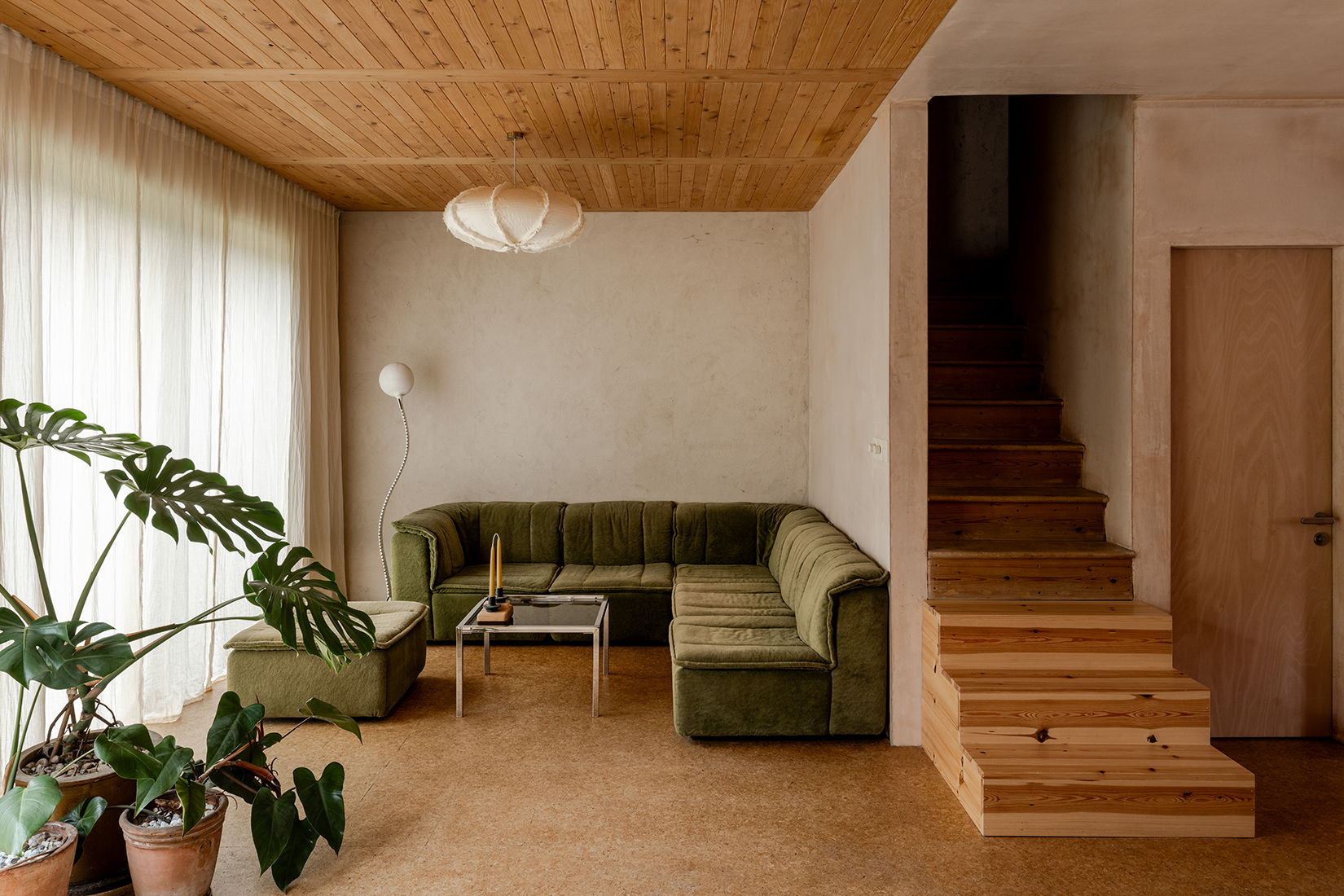
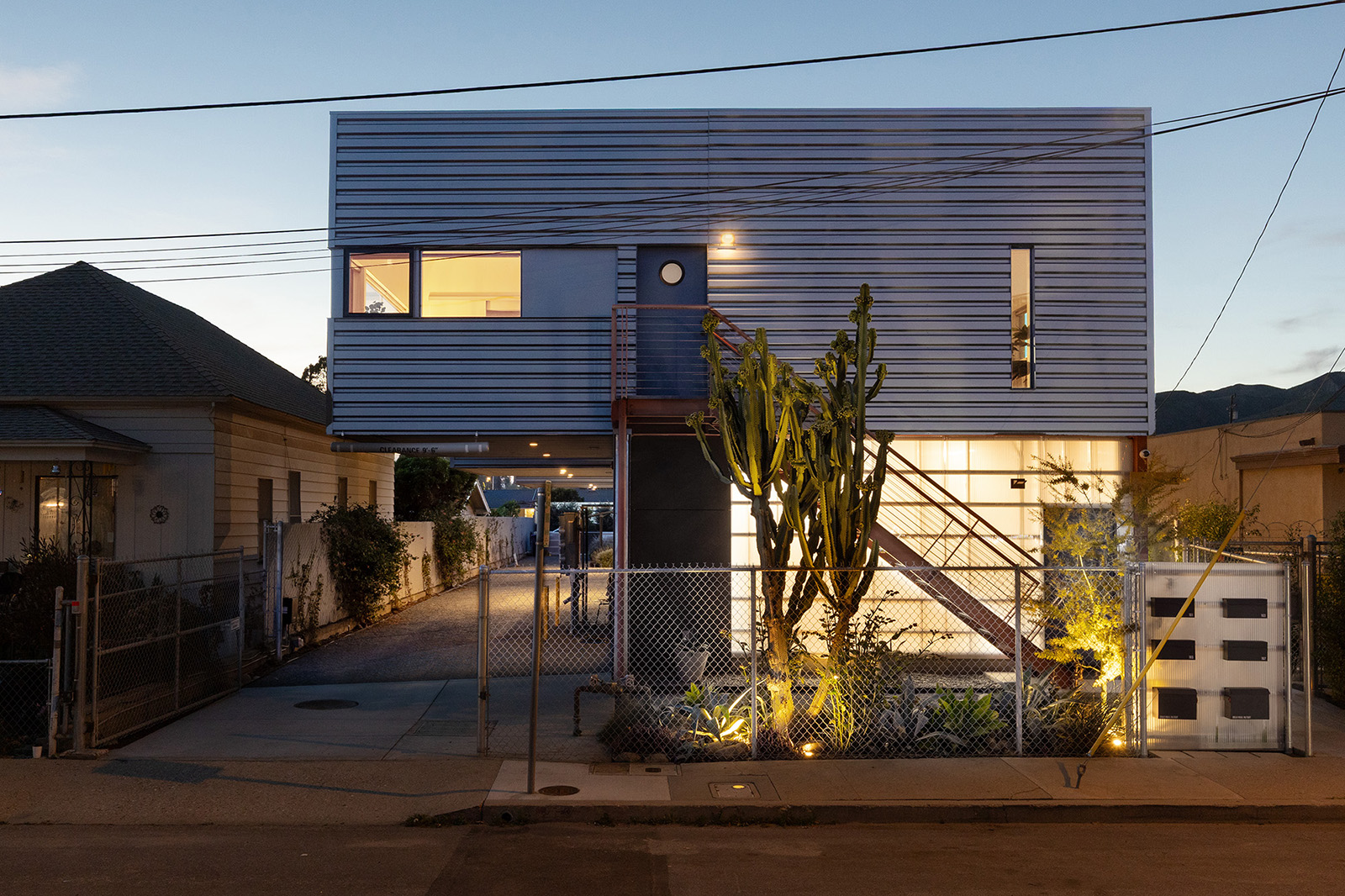
Energy efficiency, but make it inspiring. Wrapped in thick cork, this formerly cold, leaky, unassuming 1970s house in South Tottenham has been transformed into a warm, energy-saving family home by Nina Woodcroft. Co-founder of design practice Nina+Co, Woodcroft collaborated with architects at ROAR to create the unusual design using local, recycled and natural materials.
The New Olympia: A Sneak Peek Tour
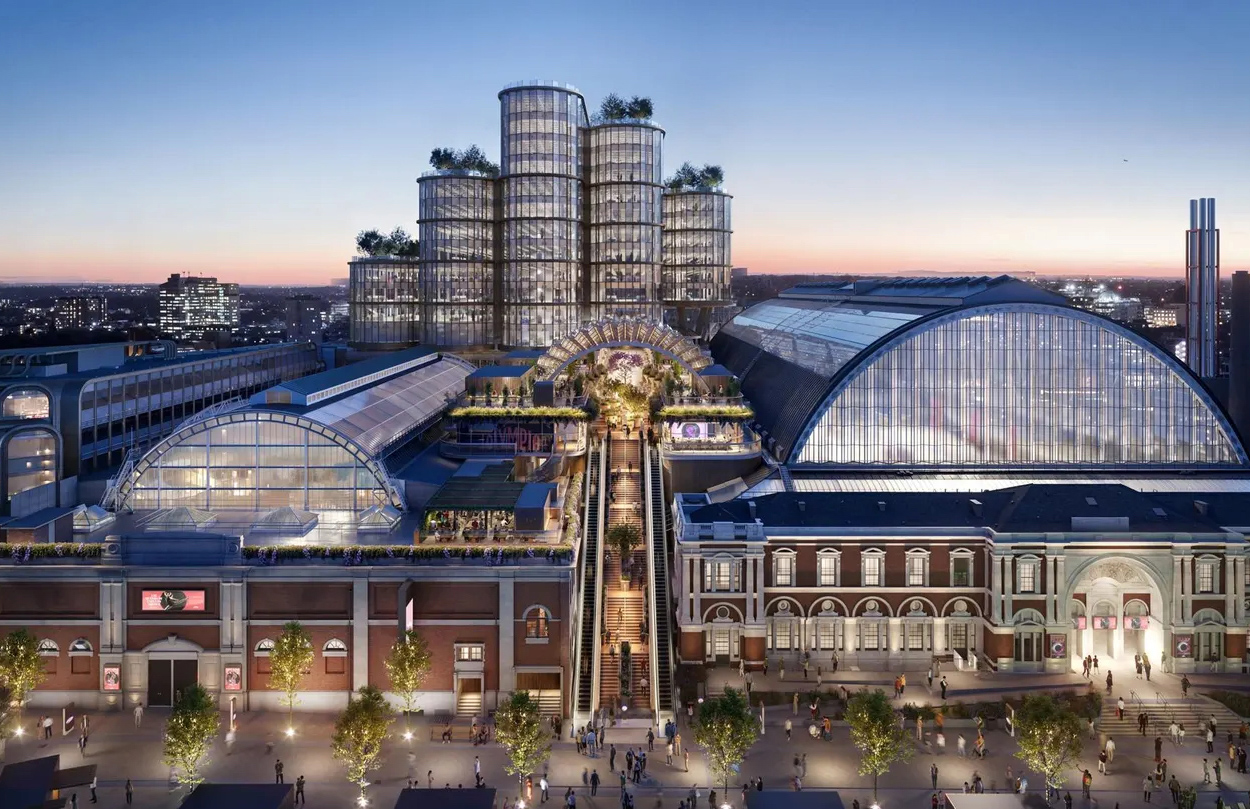
A true one-off: the team behind the £1.3bn redevelopment of London’s famed West London exhibition venue will fleetingly open Olympia to the public ahead of its official reopening later in the year. This is a rare opportunity to get a first-look at the new exhibition halls, including the 4,000-capacity music venue and 1,575-seat theatre — the largest built in London since 1976.
The Lock House
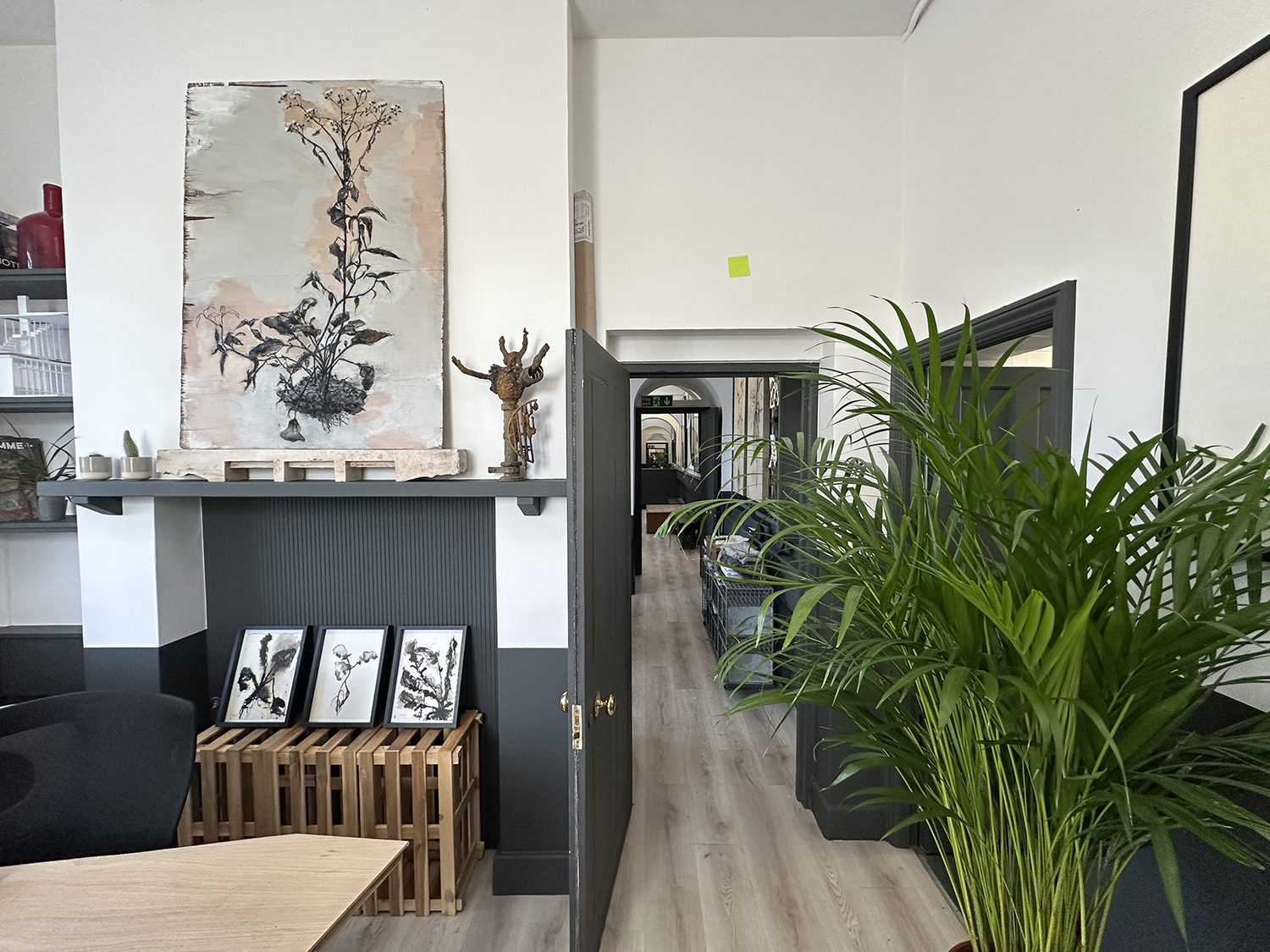
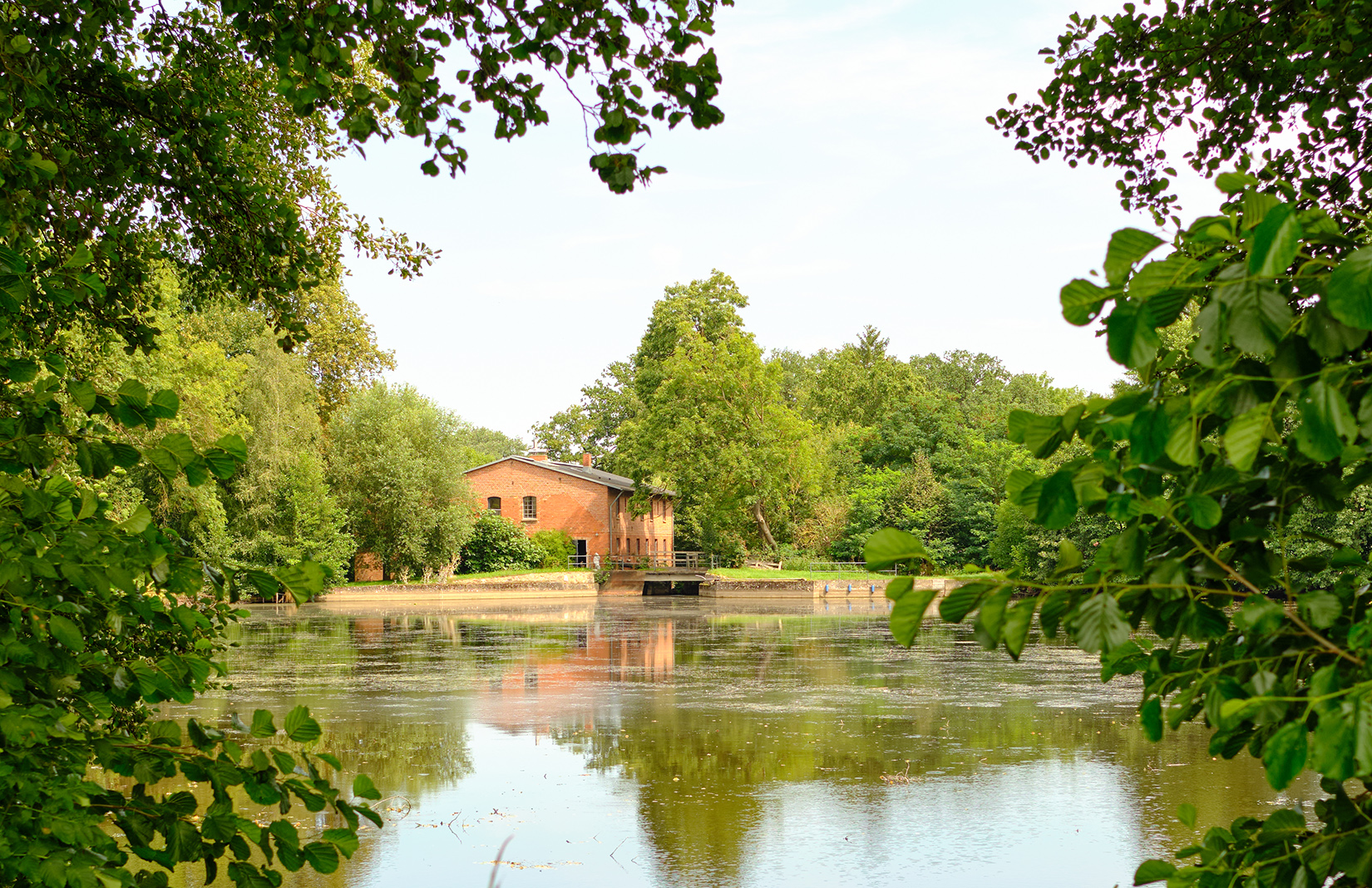
A pocket of riverside history on the bank of the Thames, the Lock House was originally home to Richmond Lock & Weir’s resident lock-keeper. It’s now the headquarters of Astronaut Kawada, a team of architects and designers. The interior refurbishment is a masterclass in working with unusual structures while remaining true to a longstanding heritage.
The Poppy Factory
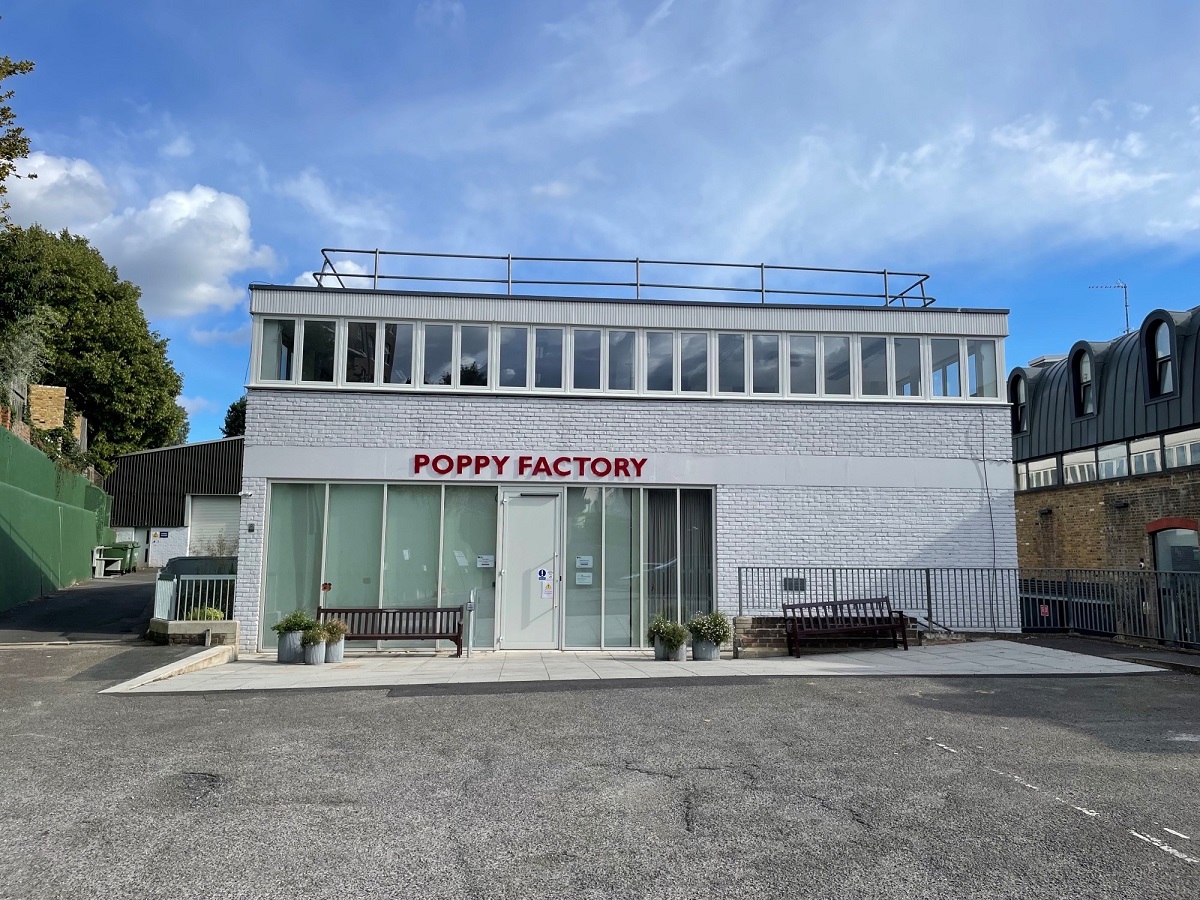
An Art Deco gem originally based in Old Kent Road, the Poppy Factory will mark 100 years in Richmond upon Thames in 2026. Founded by First World War-veteran Major George Howson in 1922, the factory is operational to this day and is now home to a small team who make Remembrance wreaths by hand.
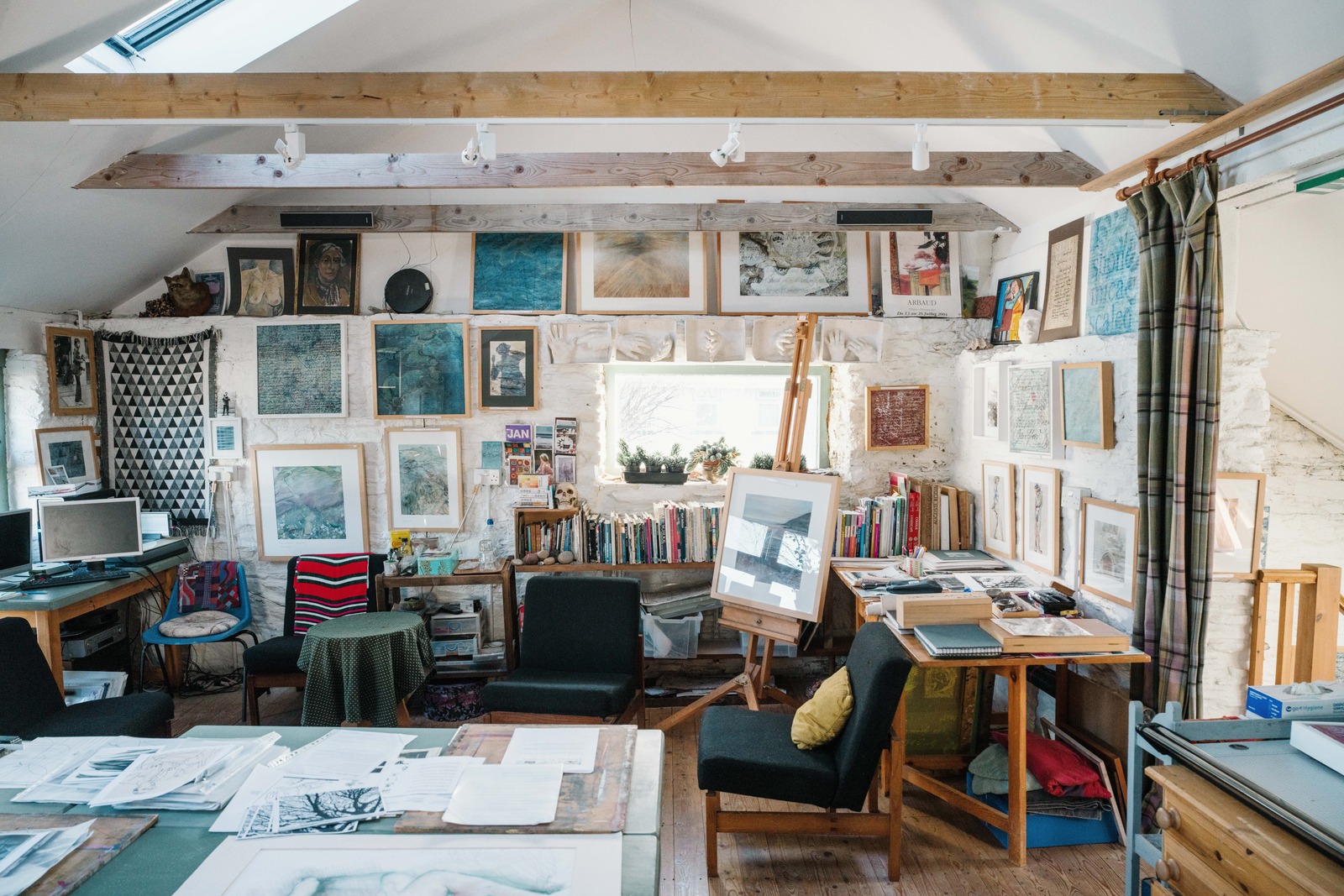
Studio for a Potter
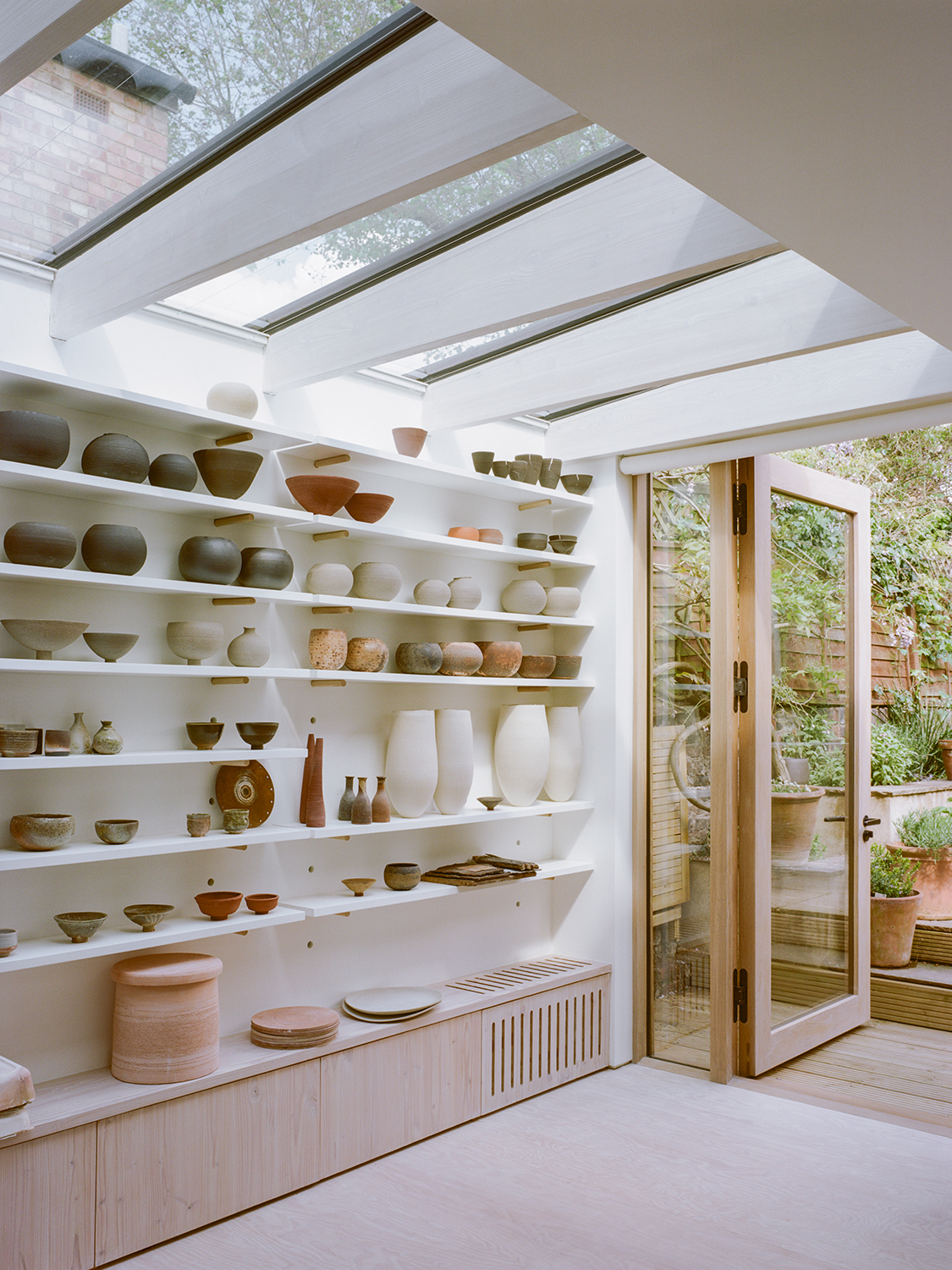
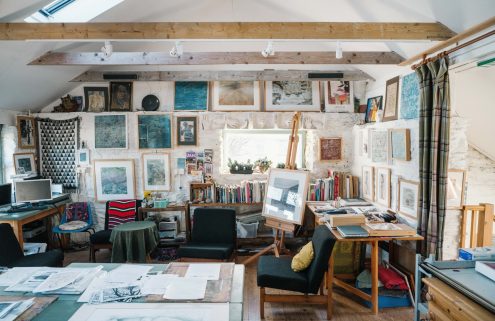
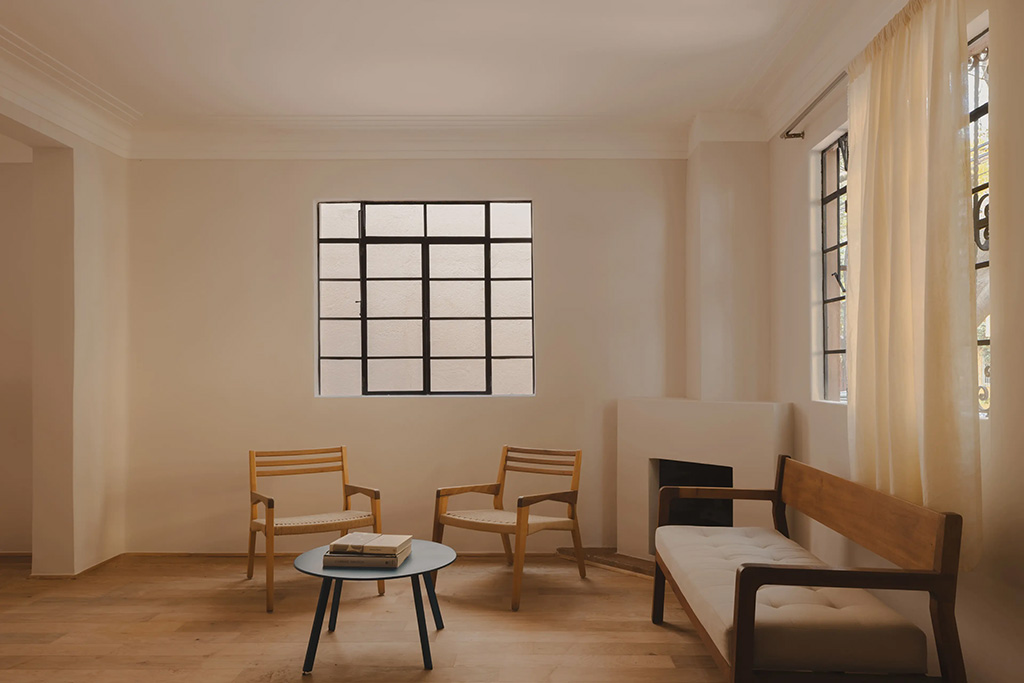
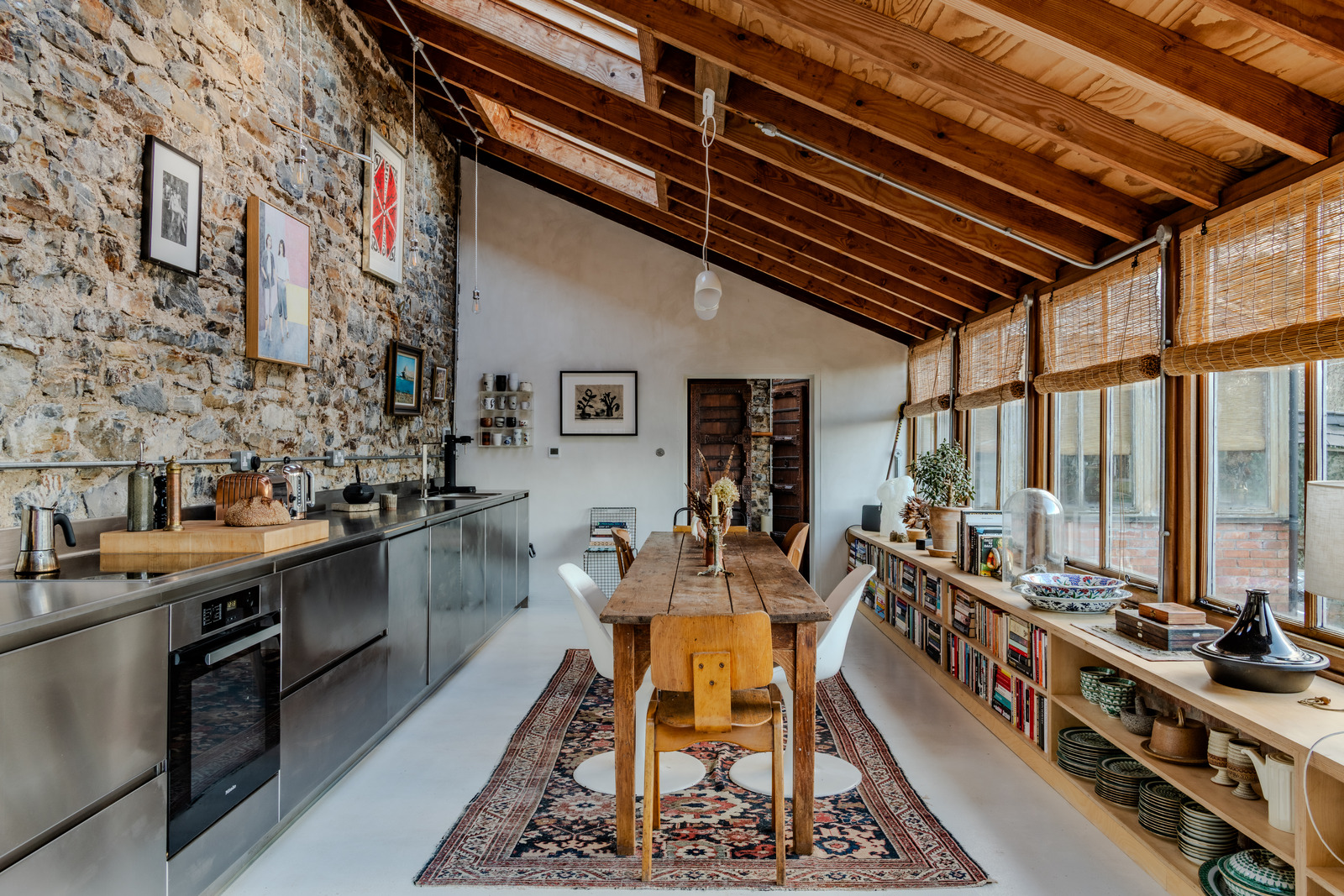
In 2024, Clementine Blakemore Architects led the transformation of this 1840s Grade II-listed Kentish Town house into a ceramics studio for potter Tanya McCallin. The calm, creative space showcases the architects’ lean, low-carbon approach to structural and thermal alterations.
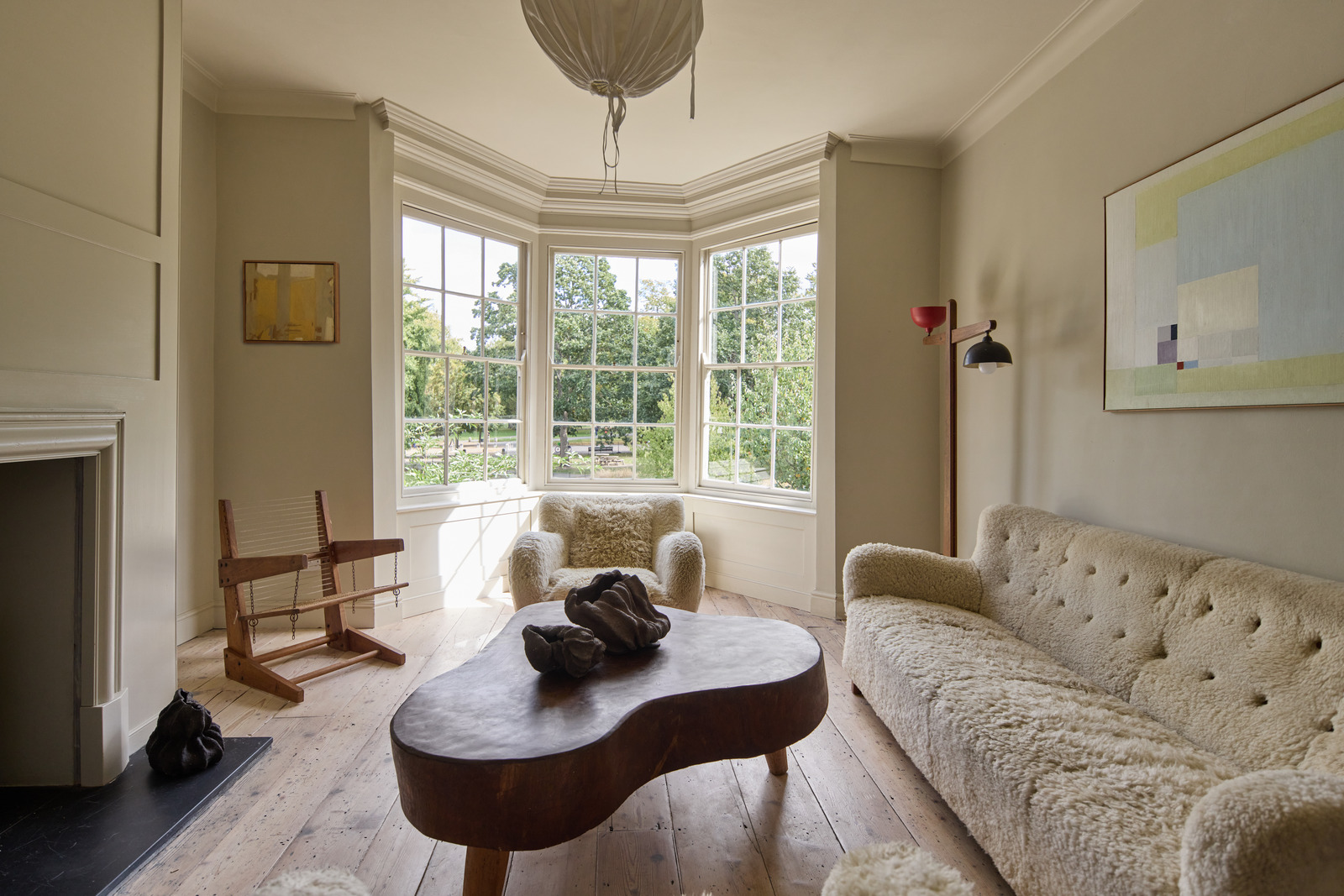
A Living Wonderland
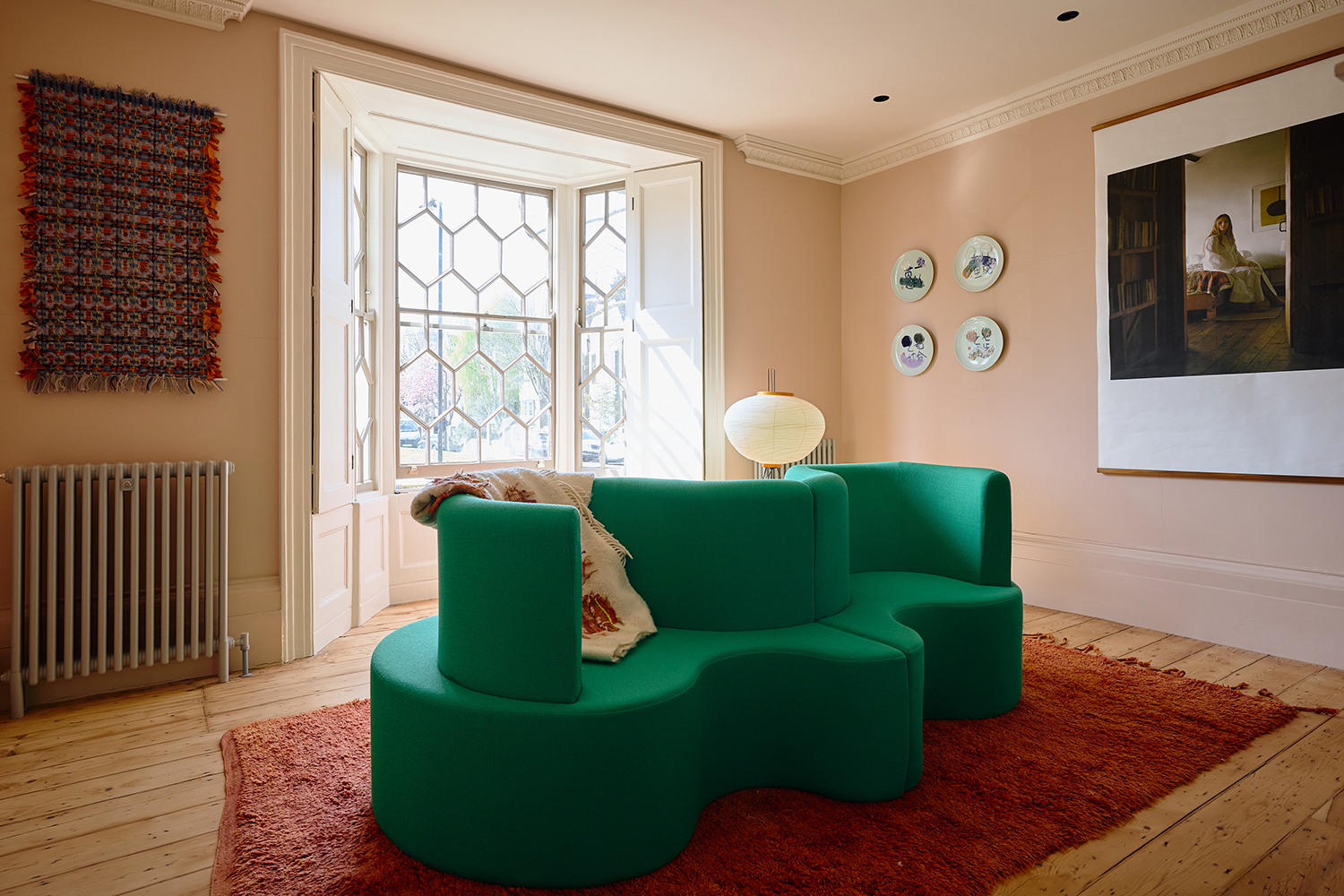
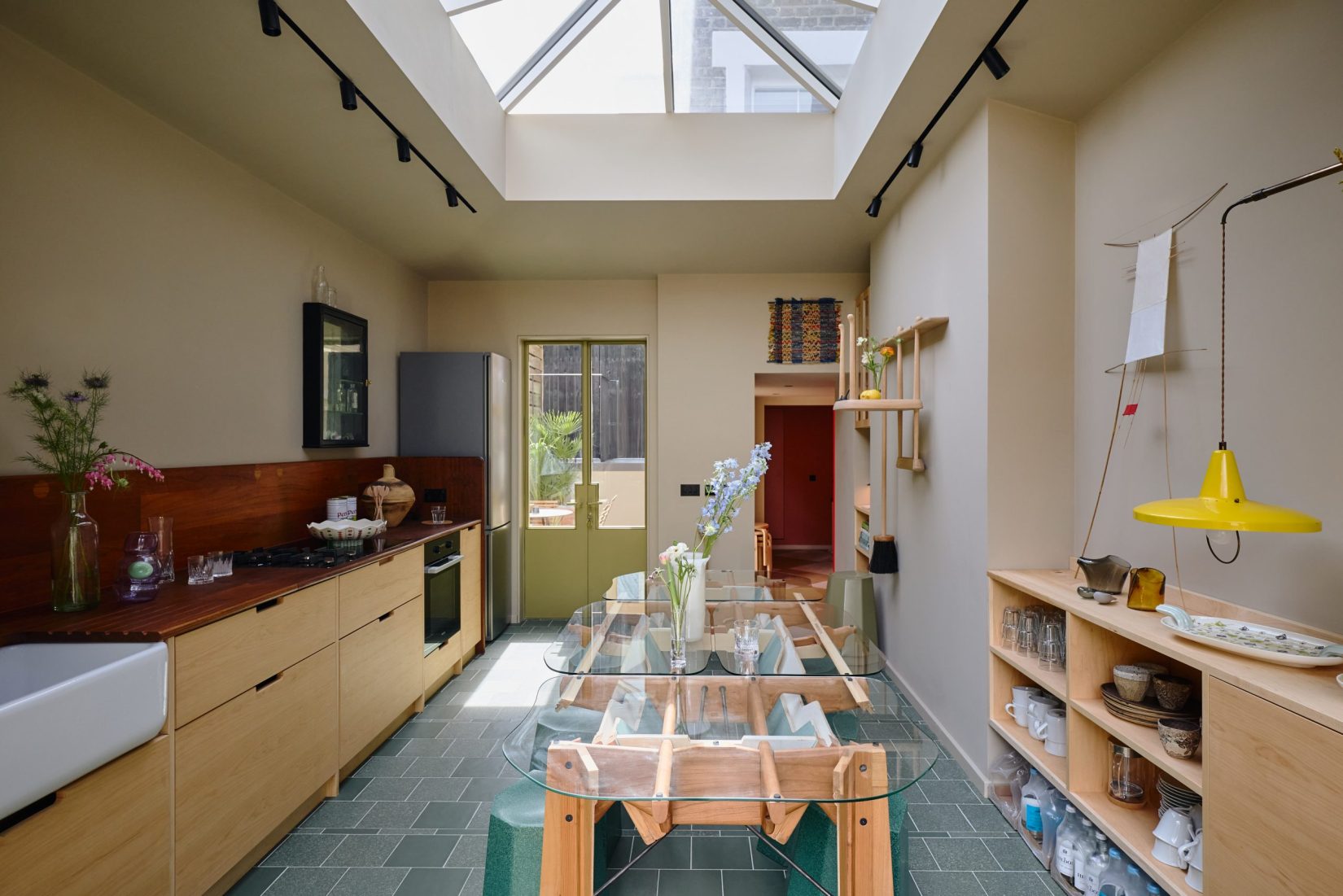
Fun, quirky and subtly unexpected, this once abandoned property in De Beauvoir Town is a playful reimagining of a period home. Designer-curator Irenie Studio made sure no period features were removed during renovations; the building’s ‘decaying charm’ became an inspiration throughout the restoration.
Chelsea Physic Garden
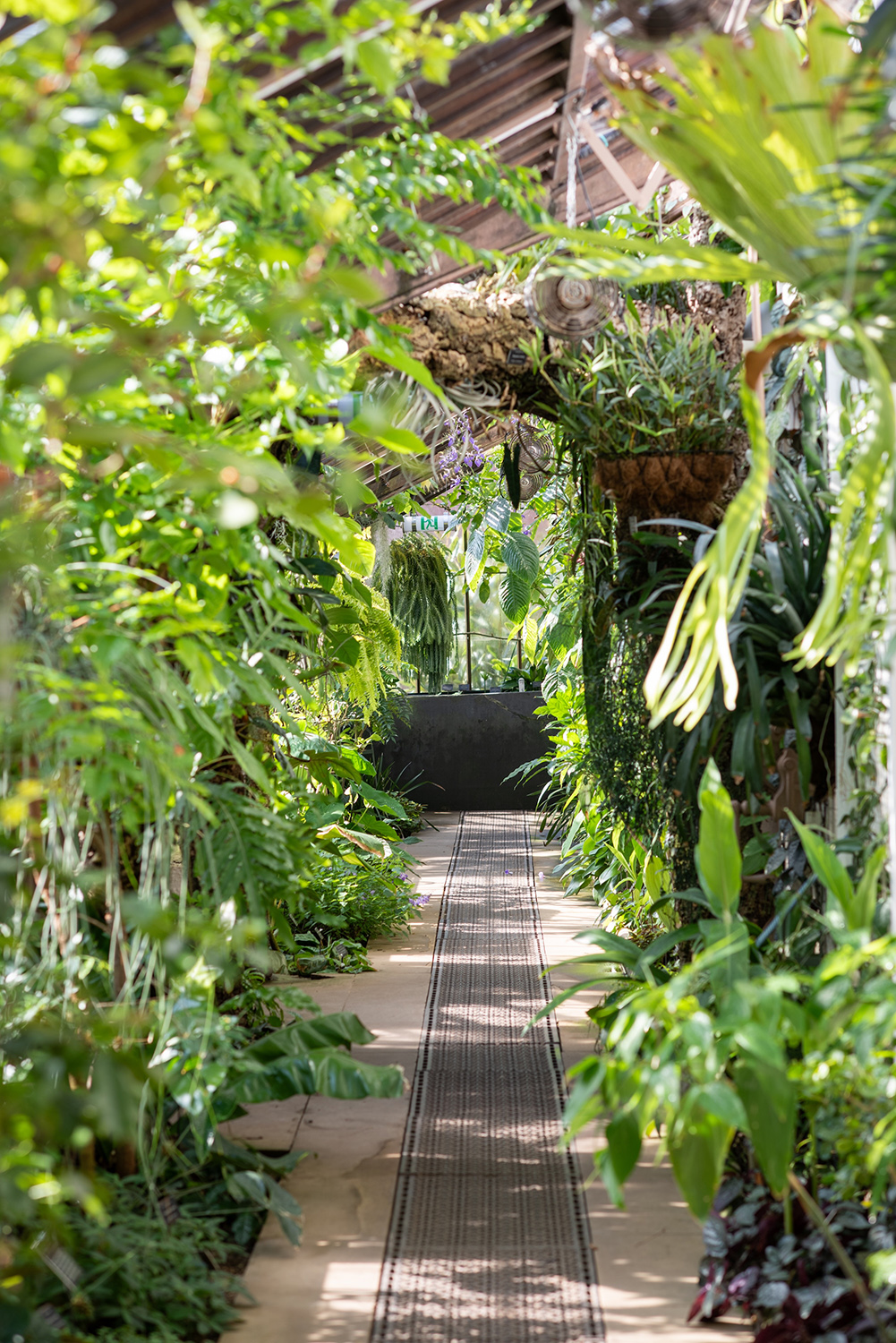
London’s oldest botanical garden is one for green space-lovers and an opportunity to enjoy Open House in the fresh air. Established in 1673 by the Worshipful Society of Apothecaries (and part of the Chelsea Heritage Quarter), the four-acre property is home to more than 4,500 medicinal and edible plants.
The Battle of Britain Bunker: The Generator House
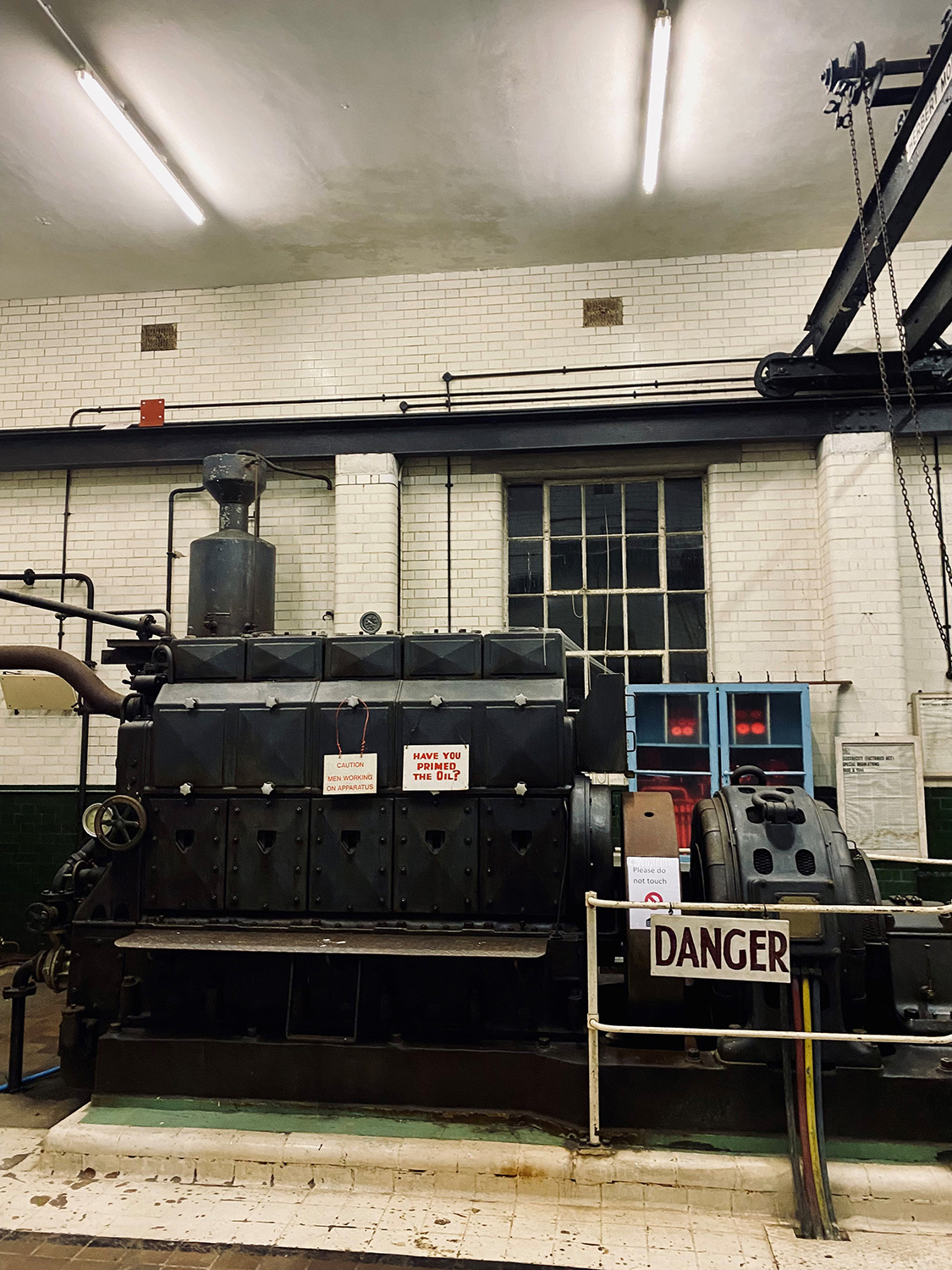
Strictly off-limits to the public as a rule, the Generator House at RAF Uxbridge’s Battle of Britain Bunker will be accessible throughout this year’s festival. This is a rare glimpse into wartime engineering, featuring the preserved 1930s standby generator that powered the command operations for RAF Fighters in the Second World War.