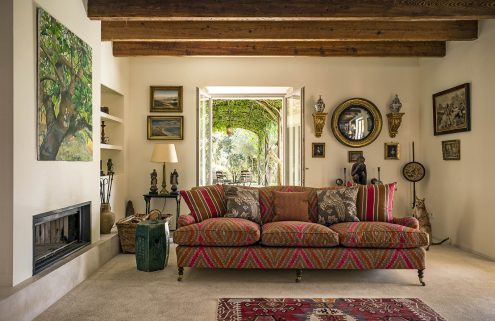
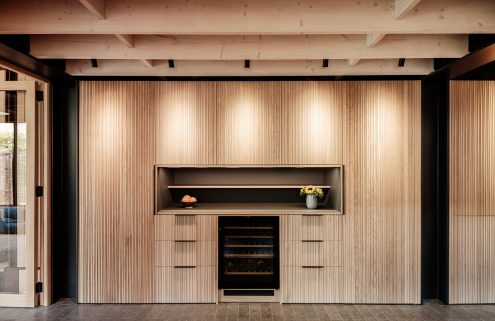
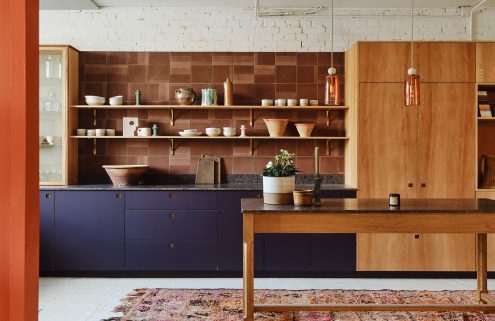
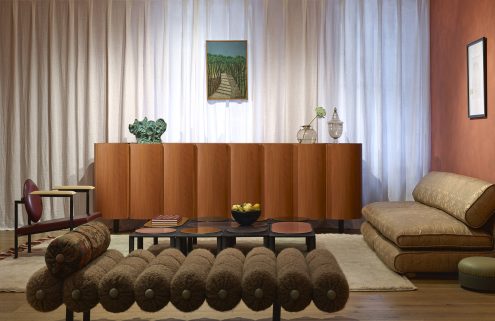
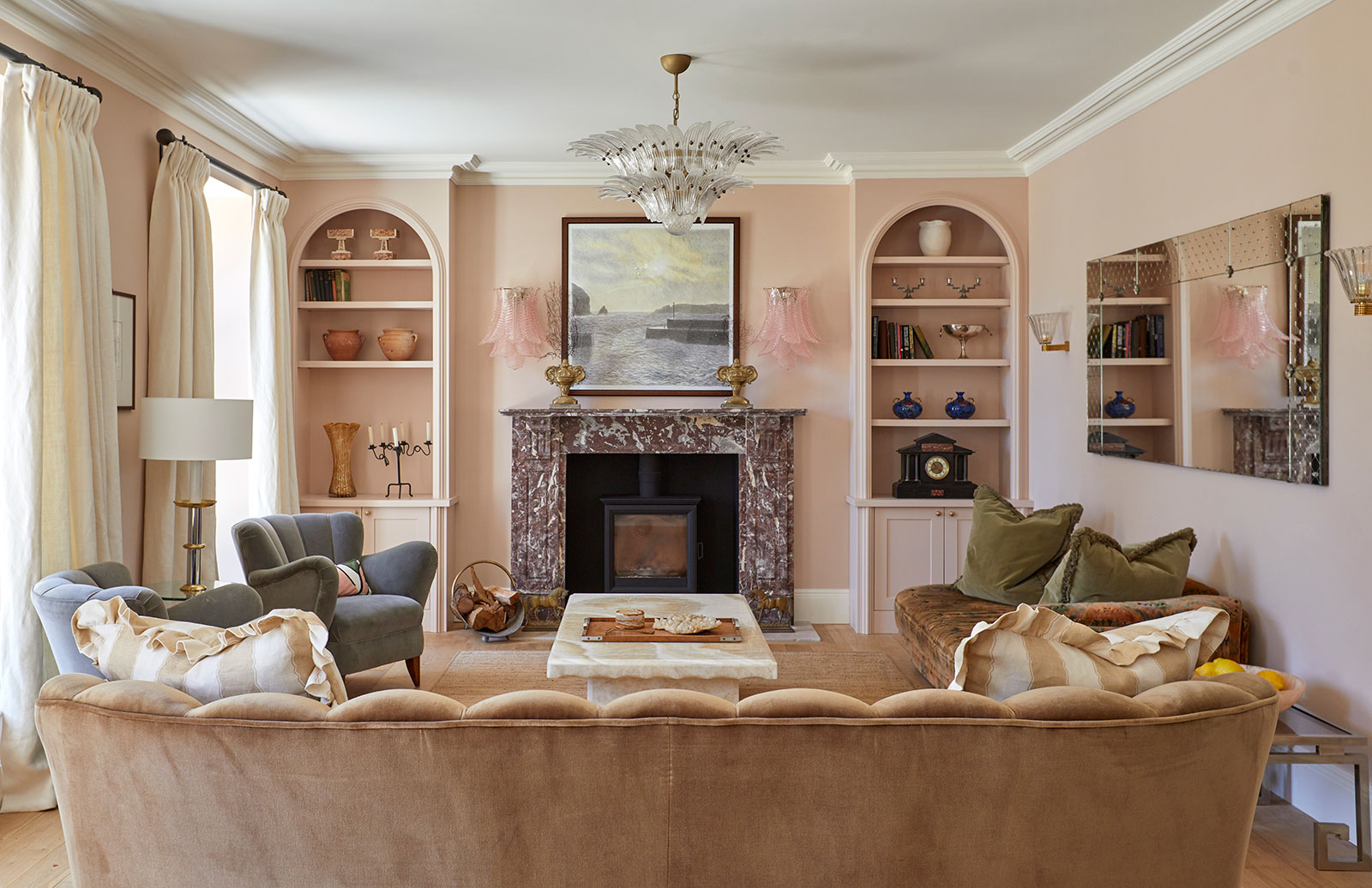
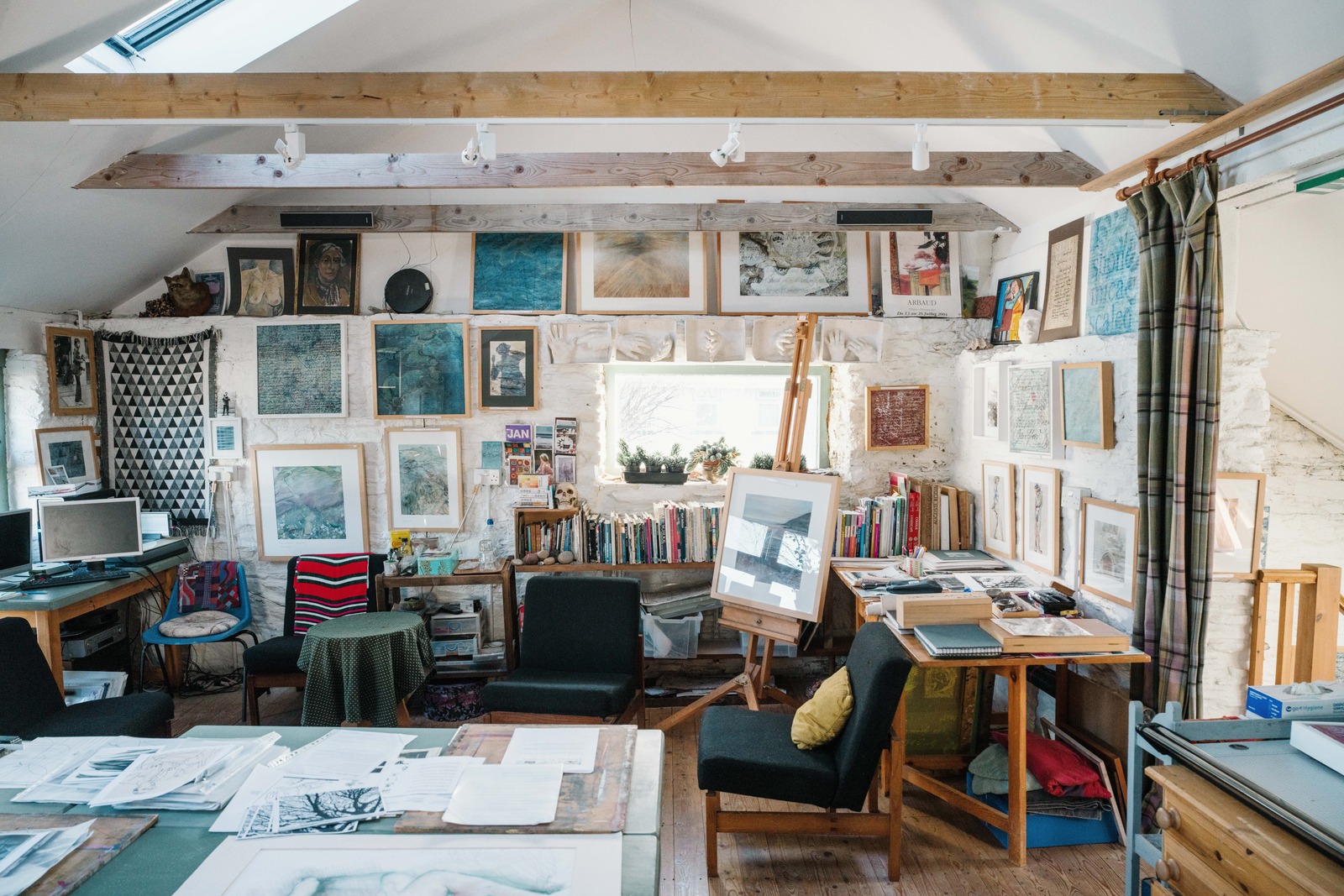
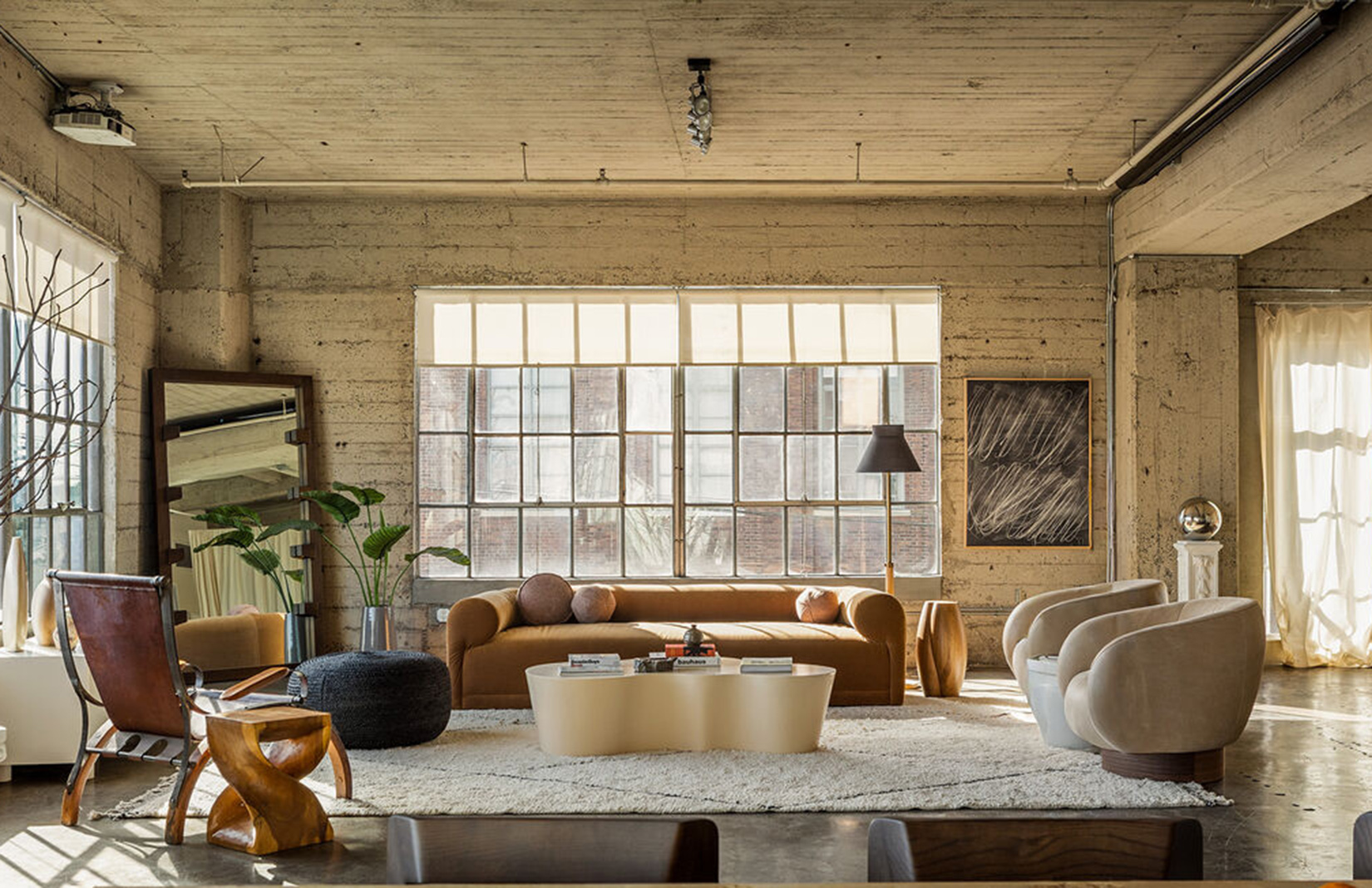
Maximalism is back. And in 2025 it’s anchored by a deep-rooted sense of purpose. Modern maximalism — or ‘intentional clutter’ as it’s been coined — is all about layering bold colours, fabrics and patterns with items that hold authentic meaning. From the nostalgic cosiness of randomly, but not chaotically, curated antiques and objects d’art to tangled styles masterfully thrown together in one emotionally engaging space, the resurgent design trend celebrates audacious individuality with a nod to the past.
Whether a reaction to the clinical pandemic years or a collective need for self-expression, the movement is gaining traction fast. The latest Pinterest Predicts Trend Report, released in December 2024, anticipated a rise in the aesthetic. It reported a 215% increase in the search term ‘eclectic maximalism’ and a 260% surge in ‘vintage maximalism’ searches across the site, year on year.
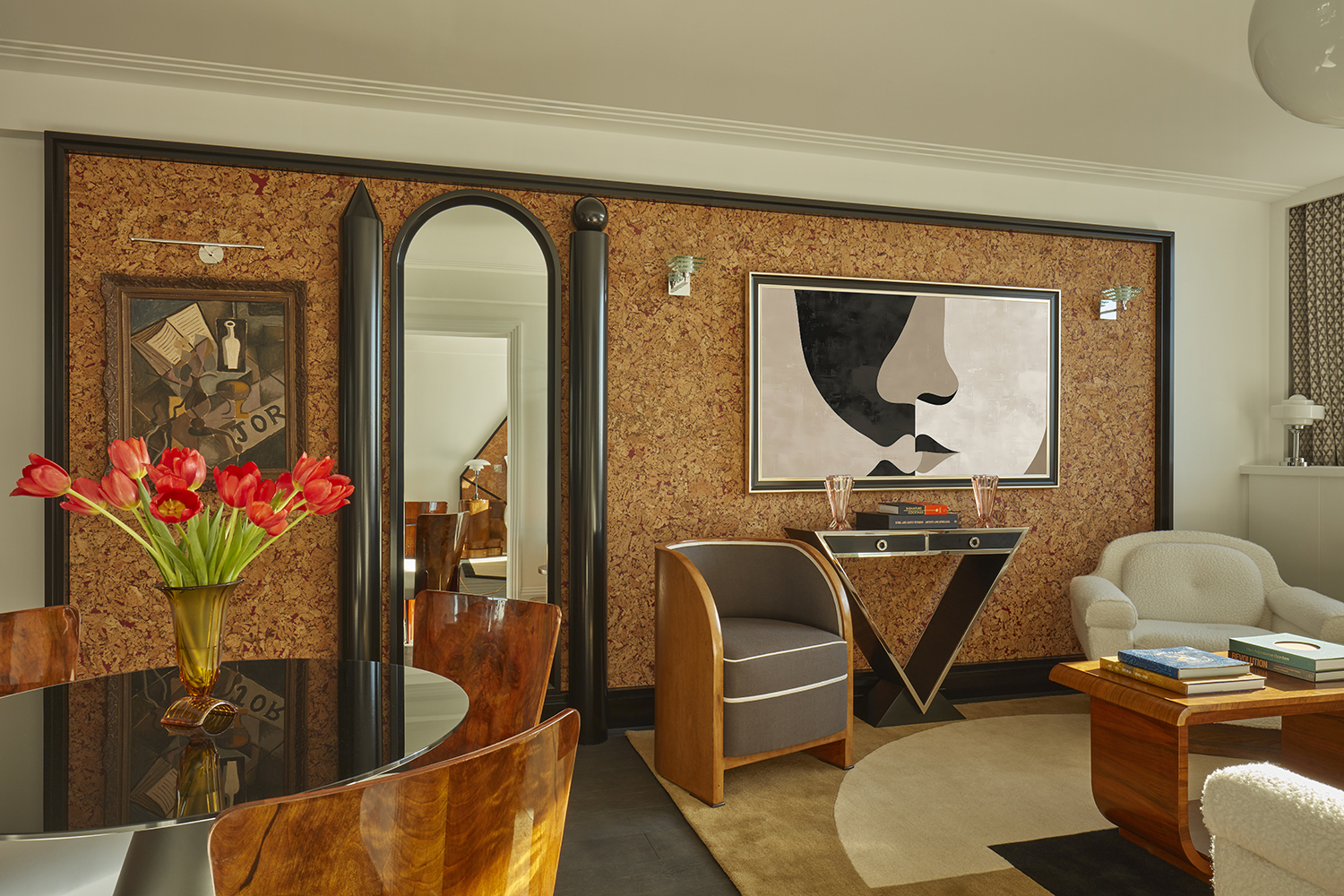
That said, maximalism in its finest form demands a carefully considered, deeply personal curation. ‘Maximalism, when it works, isn’t about excess for the sake of it,’ says Jacu Strauss, design and creative director at Lore Group, where a more-is-more philosophy informs hotels like London’s One Hundred Shoreditch and the Pulitzer in Amsterdam. ‘It’s about richness, narrative and joy. It’s about creating layered interiors that tell stories, where pattern, colour, art and objects all hold their own but come together as something greater.
The key is intention. ‘Every piece should have a reason to be there, whether it sparks a memory, showcases craftsmanship, or simply adds warmth and tactility.’ In short, it’s a process, an artform, a skill to be mastered rather than a bandwagon to be jumped on.
So how can maximalism be done well, and how do you avoid crossing the line from eclectic into overwhelming?
Keep it classy
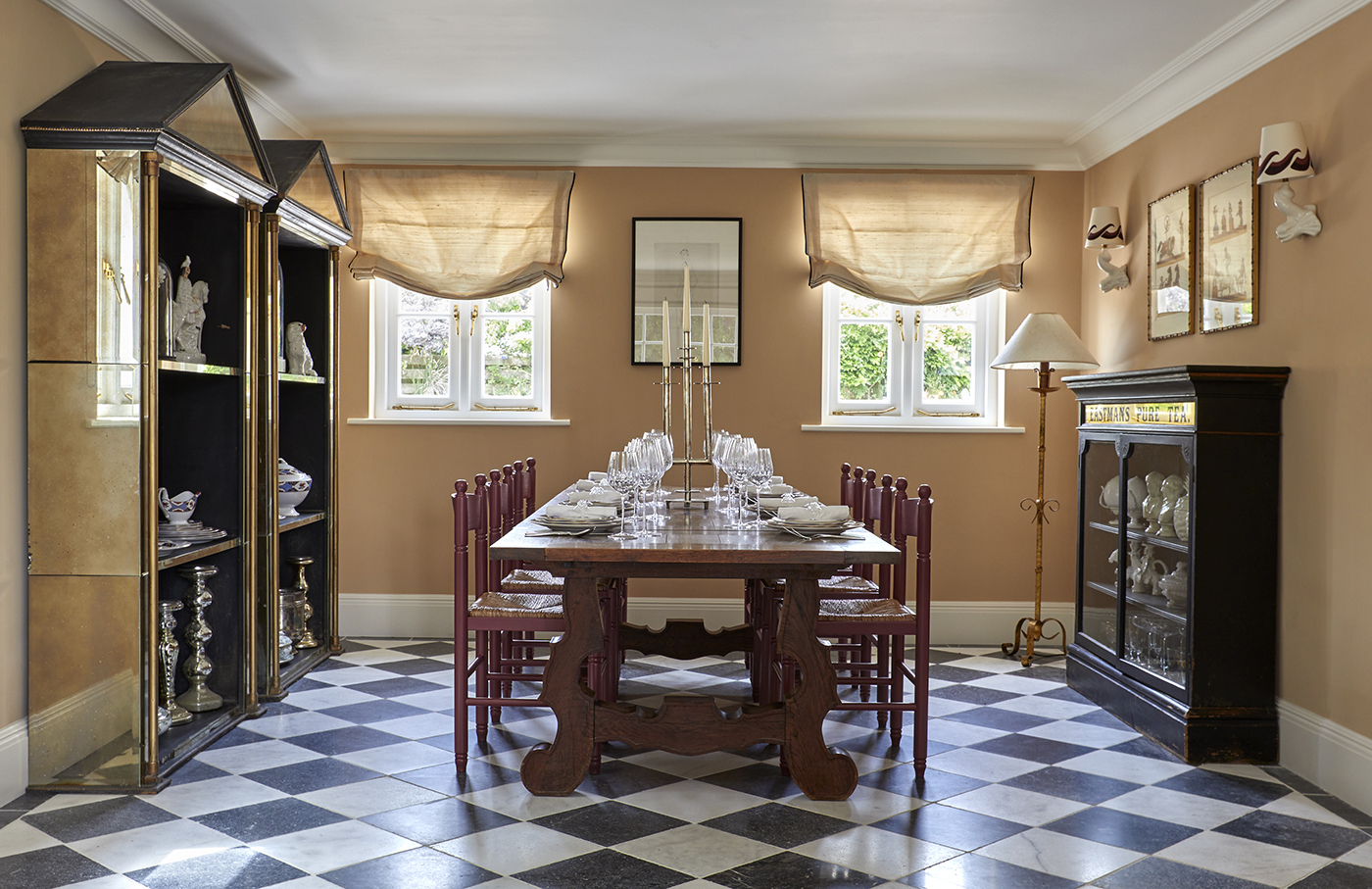
Vintage shouldn’t veer into kitsch, not when you’re clustering objects at volume. Every item you add to a space should hold meaning, even if it represents a single memory.
Once everything has passed the intentional test, keep it playful and have fun, say Rose Hanson and Charlie Tilbury, founders of UK interior design practice Penrose Tilbury. And keep in mind that more doesn’t mean too much.
‘A maximalist look is a wonderful way to inject a little playfulness as well as create a space that’s full of life and vibrancy,’ they say. ‘But filling rooms with too much can look messy and make a space feel chaotic.’ Instead, the duo suggests showing off vintage pieces against an eye-catching colour palette, textured fabrics and bold pattern. ‘There should always be a mix of textures and pattern in a scheme to avoid everything feeling a bit flat,’ they say. ‘Classic patterns like gingham and stripes and the introduction of contrast piping or braiding play a key role in a maximalist look and can really elevate a room.’
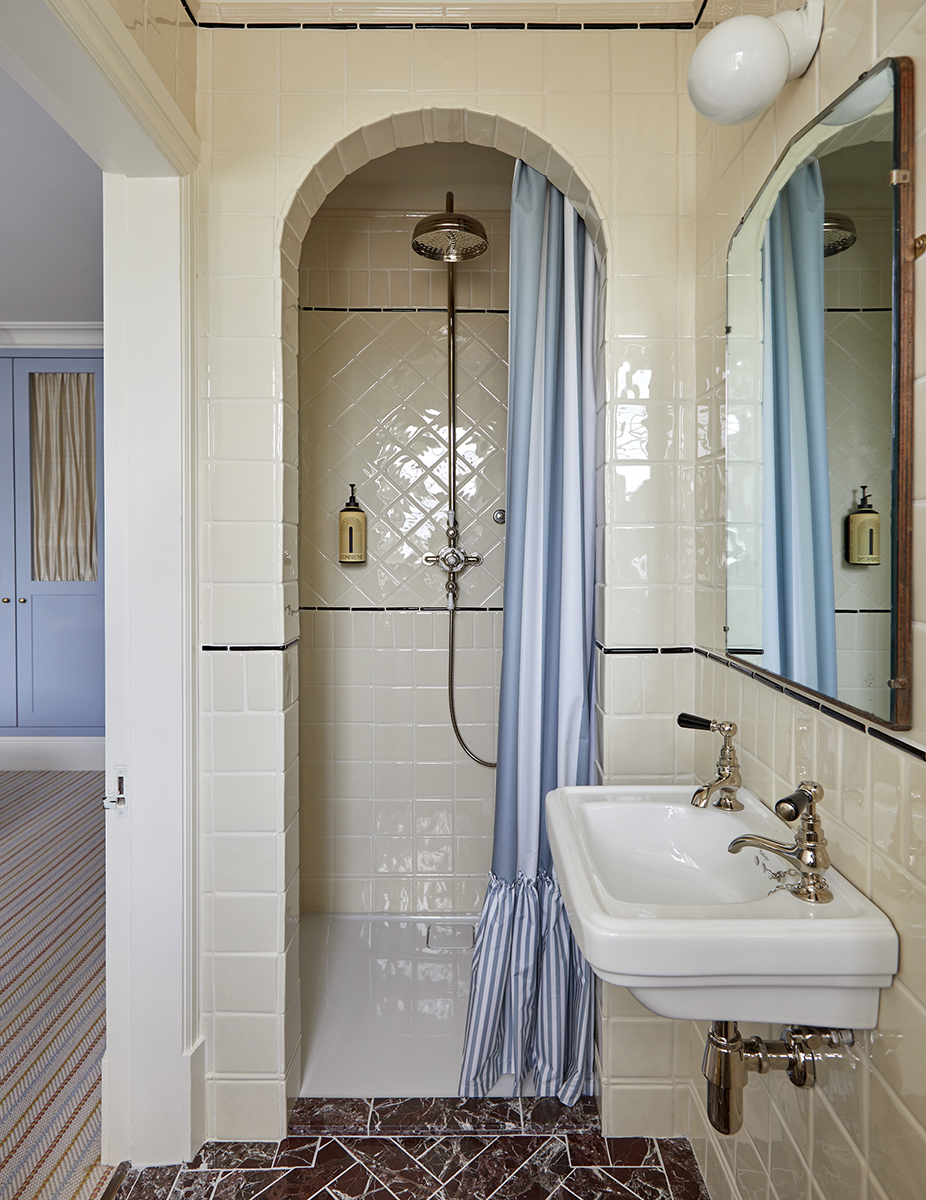
Creative bathroom design is a great way to inject maximalism into a home without committing to a whole-house theme, they add. Experimenting with statement tiles and fabric shower curtains in a bold stripe, block colour or with decorative trim are simple ways of achieving the look. Pairing an elaborate chandelier or decorative wall light with a statement wallpaper is another.
Make it personal
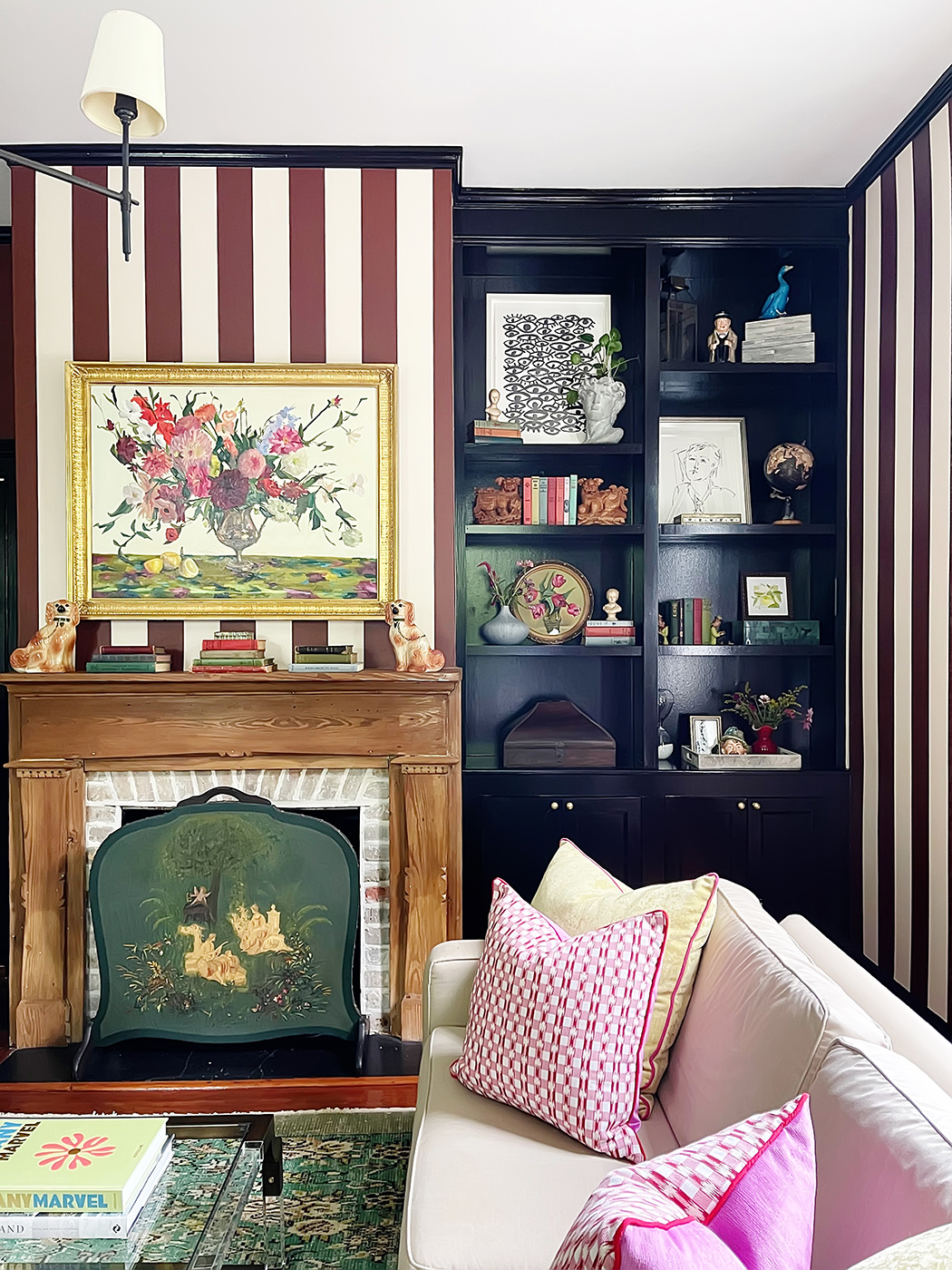
‘Intentional clutter’ is not for everyone. ‘For us, maximalism is not about clutter, it’s about character,’ says Chelcie Eastman of Gray Benko Home. ‘We are not here to create chaos. We are here to create personality, individuality and rooms that tell a story.’
The goal, she says, is ‘not to look like we have been hoarding since 1997’ but rather to make a home feel like it has been curated over time. Every layer, pattern or object should have a reason to exist, she says. And that reason can be as simple as making you feel happy. ‘What people are really responding to right now is not a mess,’ says Eastman. ‘It’s meaning — homes that feel thoughtful, confident and full of your life. They prove that more can be more when it is done with care and intention.’
Embrace a theme
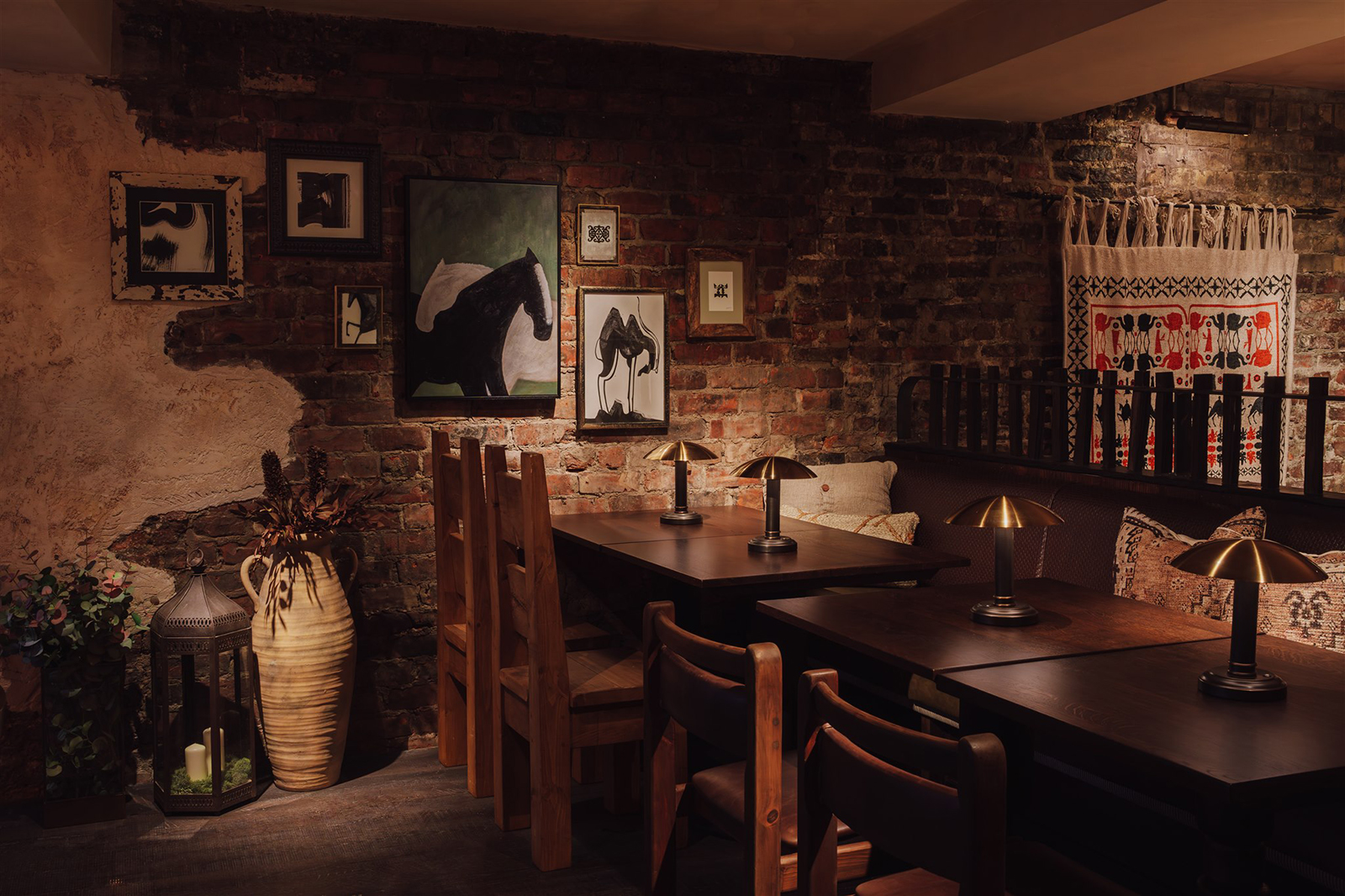
With a design style as exuberant and impactful as maximalism, having a thread or story can help avoid veering into ‘overwhelm’. A theme can also ensure the all-important intention behind each object, pattern and texture.
Lessons can be taken from the hospitality sector; bars, restaurants and hotels often have a heritage or personality to work with. When design practice Run for the Hills outfitted Persian-inspired restaurant Dood in Newcastle, they went all in with an immersive experience for guests by creating a world inspired by the Silk Route.
‘Maximalism has to embrace everything,’ says founding creative director Chris Trotman. ‘You can’t hold back. Everything in Dood, from the tiles in the bathroom featuring our nomadic travellers to the furniture and art on the walls, speaks to a time of trade, storytelling and cultural exchange. The silk hangings on the ceilings and bespoke rugs were all designed to add drama and evoke a sense of place.’
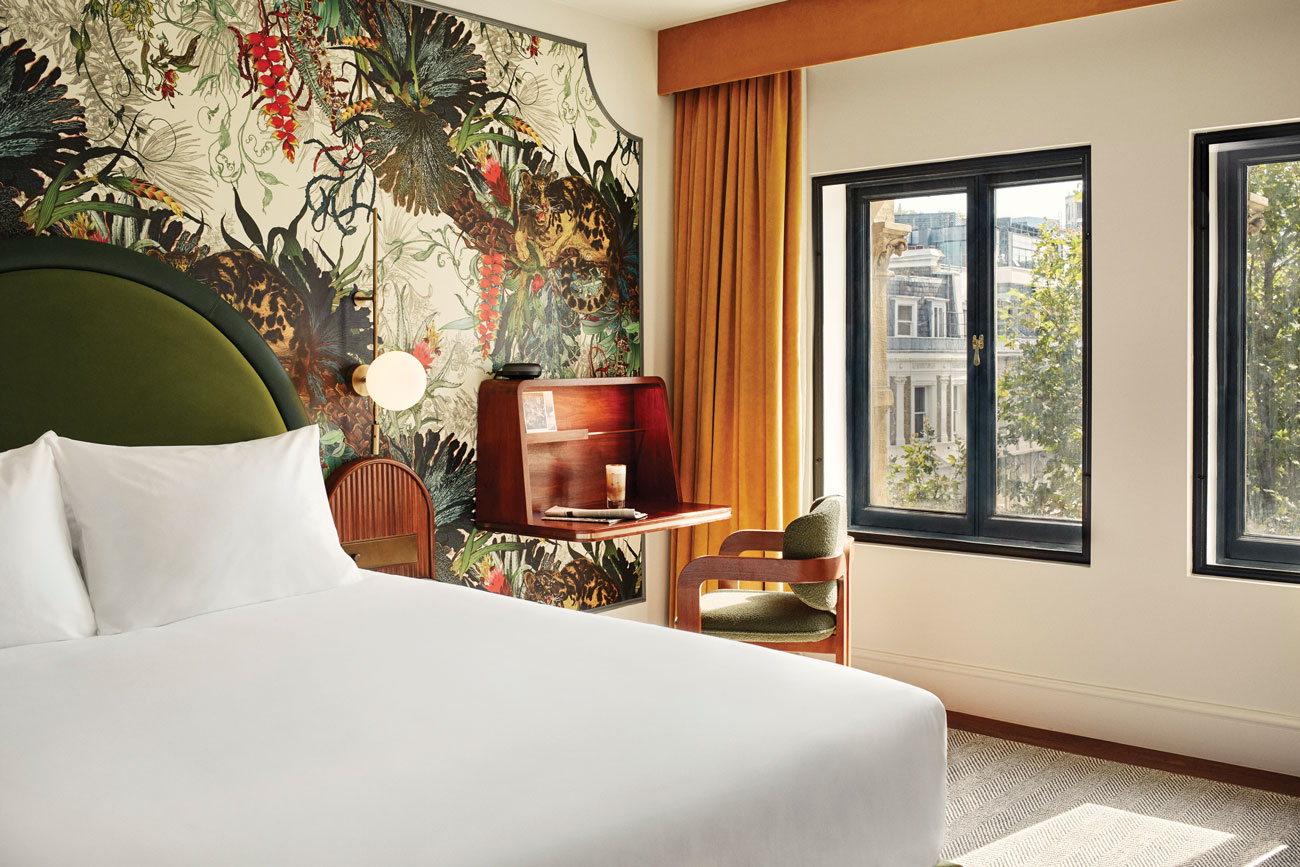
‘In hospitality, maximalism works best when it has a narrative anchor,’ adds Elena Verdera Pastor, associate at architecture practice Studio Moren, which designed Shangri-La at the Shard and Hyde London City. ‘Whether that’s a hotel’s heritage, a neighbourhood reference or even a playful nod to a brand’s personality, the maximalist approach should feel intentional rather than chaotic.
‘The trick is to balance richness with rhythm. Think bold wallpapers paired with sculptural lighting, or vintage finds against custom joinery – but always with points of contrast and calm that allow the eye to rest.’
Stay in touch
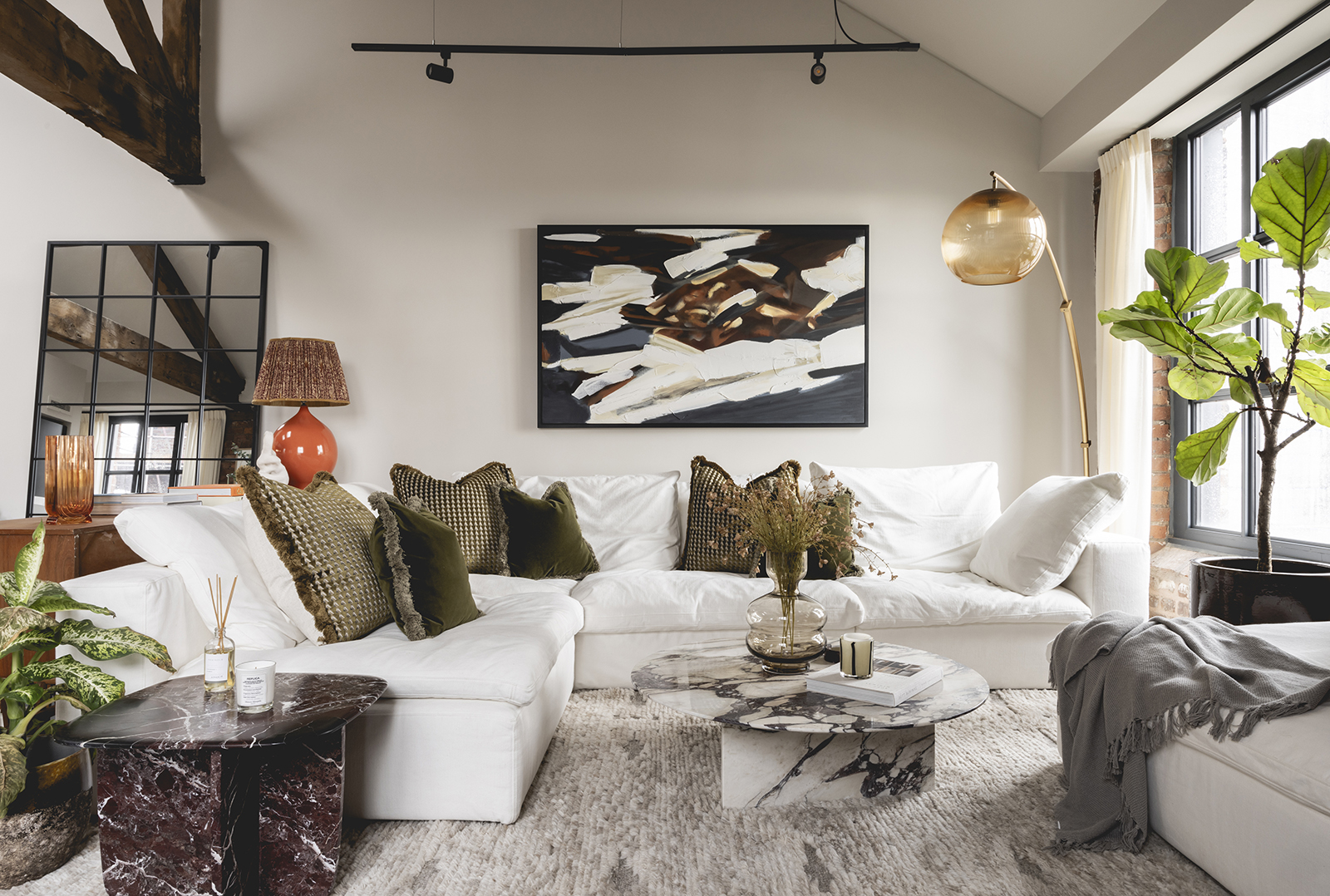
Literally. Considering how a design feels to the touch is an important part of the process and particularly relevant for bold schemes where there is more to engage with and more opportunity to create tactility to draw people in.
‘Maximalism isn’t about filling a room — it’s about designing spaces that feel alive and tactile,’ says Franky Rousell, founder of interior design practice Jolie. ‘Maximalism is about how materials, patterns and lighting interact to shape the experience of a room. Fabrics that shift under your fingers, sculptural furniture that punctuates a corner and lighting that creates pools of warmth all work together to guide movement, rhythm, and focus.’ Done well, she adds, maximalism transforms interiors into fully lived-in environments, where every detail is intentional, and every moment engages the senses.