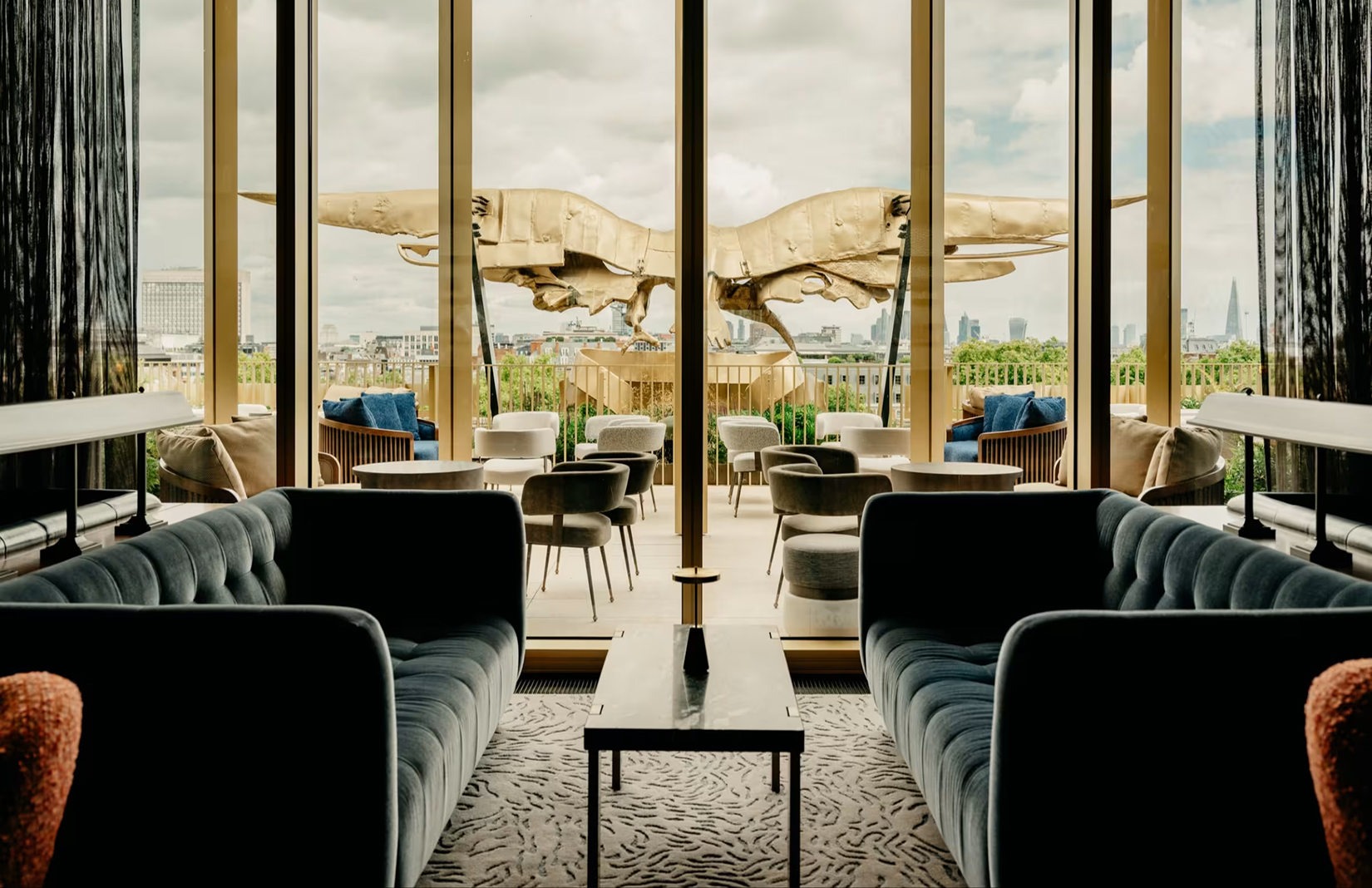
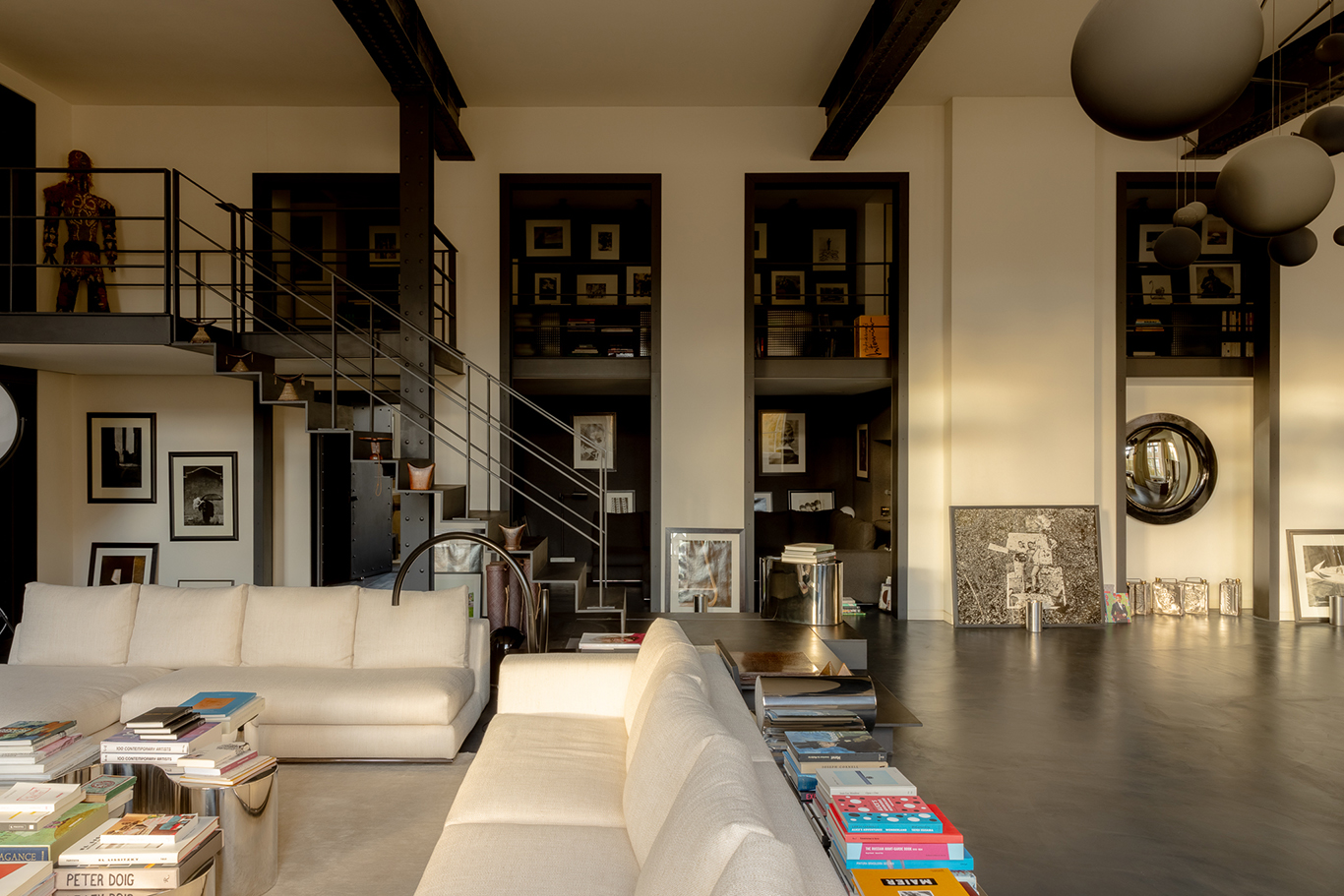
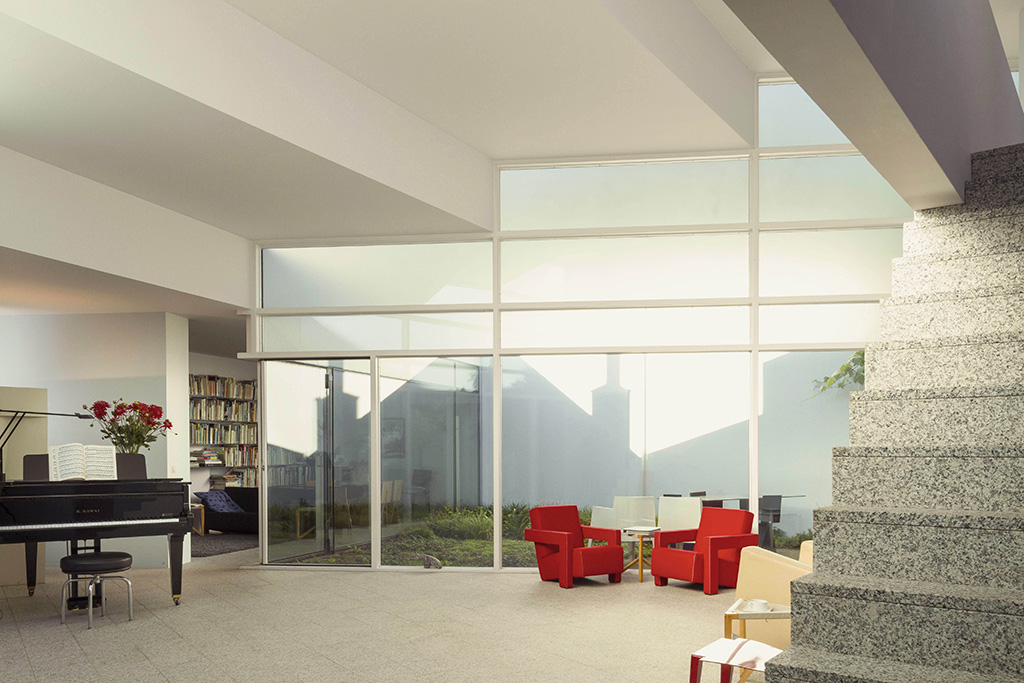
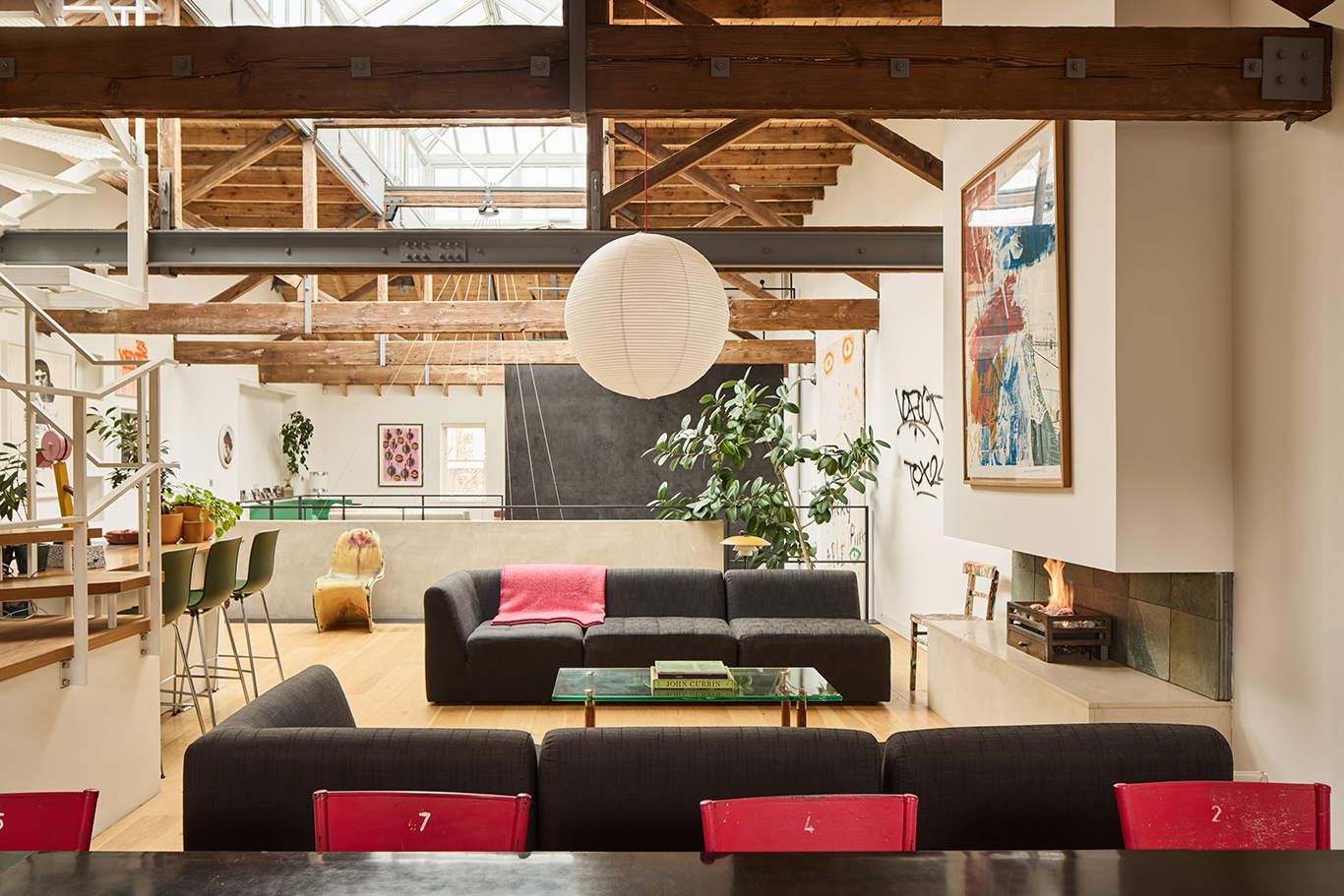
With over 20,000 top-tier rooms battling for occupancy across the UK capital, original features, antiquity and one-off backstories all hold value. From a historic government building in Whitehall to a former embassy and a repurposed department store, new properties are demonstrating the power of architectural significance in adaptive reuse, capturing hearts, minds and reservations.
That’s not to say the road to reclamation has been easy. It is famously challenging to reimagine heritage architecture for the hospitality sector, where original character must coexist alongside facilities and modern standards for luxury hotel guests. ‘The constraints can be tough,’ says Mark Goodbrand, hospitality lead at engineering practice Elliott Wood, who finessed the Old War Office into a flagship for Raffles. ‘But working with existing fabric forces us to think differently — respecting what’s already there while designing for entirely new experiences.’
Demand for those new experiences, and indeed the buildings that facilitate them, is showing no sign of slowing. ‘As investment increasingly breathes new life into old spaces, there’s a real sense of optimism about what these sorts of projects — which work so well as hotels because of their story and grandeur — can bring to cities like London,’ says Goodbrand.
Here, we shine a spotlight on five new additions to London’s high-end hotel scene, proving tradition and opulence are far from mutually exclusive.
Six Senses London, Bayswater
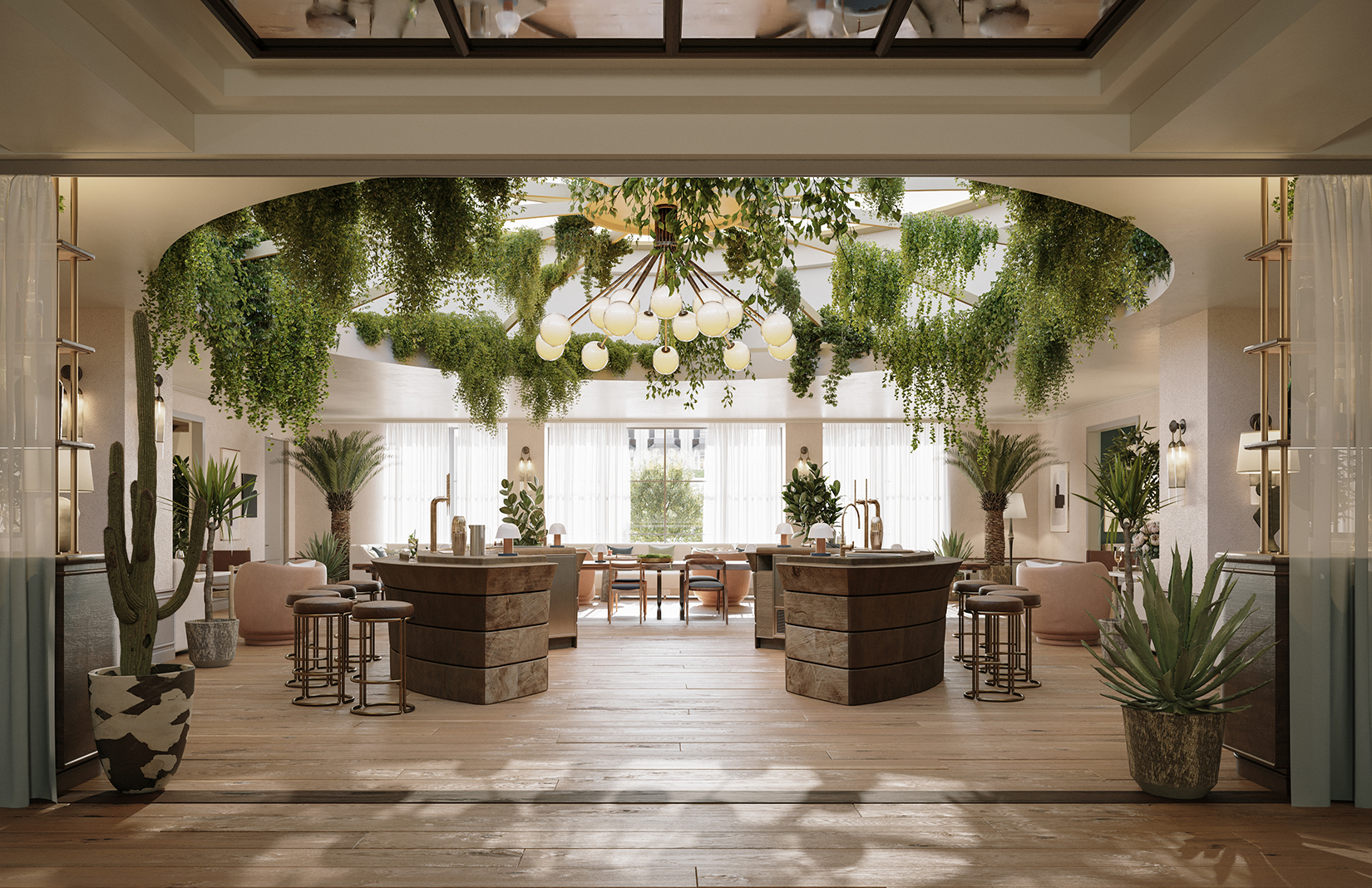
When it opens next year, Foster + Partners’ £1.5bn redevelopment of Whiteley’s, the venerated Queensway department store, will include the hotly anticipated Six Senses Hotel, the brand’s first London foray. On top of 109 standard rooms, the property will offer 14 branded residences — all of which were designed by AvroKO in collaboration with EPR Architects, a practice known for transforming historic buildings into hotels. The spa will have flotation pods, cryotherapy chambers, a longevity clinic and London’s first magnesium pool, the most modern facilities working alongside history and tradition. Six Senses Place, a private members’ club focussed on wellness, will take over the hotel’s upper floors, set behind the building’s iconic Art Deco façade.
The Chancery Rosewood, Mayfair
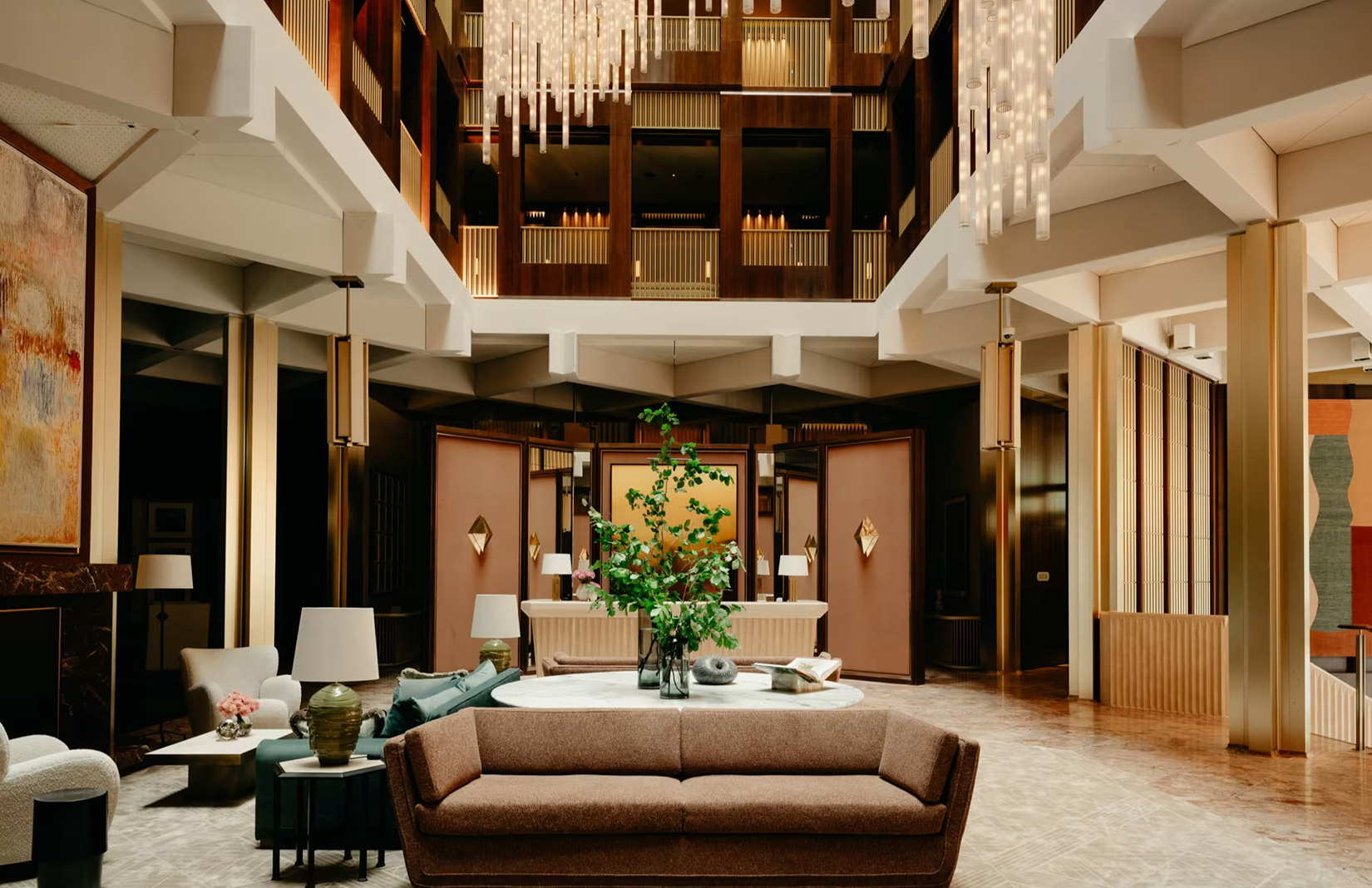
The Grade II-listed US Embassy building on Grosvenor Square reopened as a Rosewood this autumn, following a much publicised restoration and redesign by David Chipperfield and executive architects ReardonSmith. The building’s history and former role was a major factor in determining the size of the 144 suites. ‘There was a decision to be made around whether they should incorporate two windows from the existing façade or three,’ says ReardonSmith co-founder Patrick Reardon. ‘They went for three and now those rooms are whopping.’ The extensive layout of the property also constitutes a considerable public amenity, accommodating eight restaurants, a 12,000sqft spa and a ballroom. ‘The hotel itself doesn’t start until halfway through the first floor,’ says Reardon. ‘The rest is all retail and restaurants… It’s basically placemaking.’
Raffles London at the OWO, Whitehall
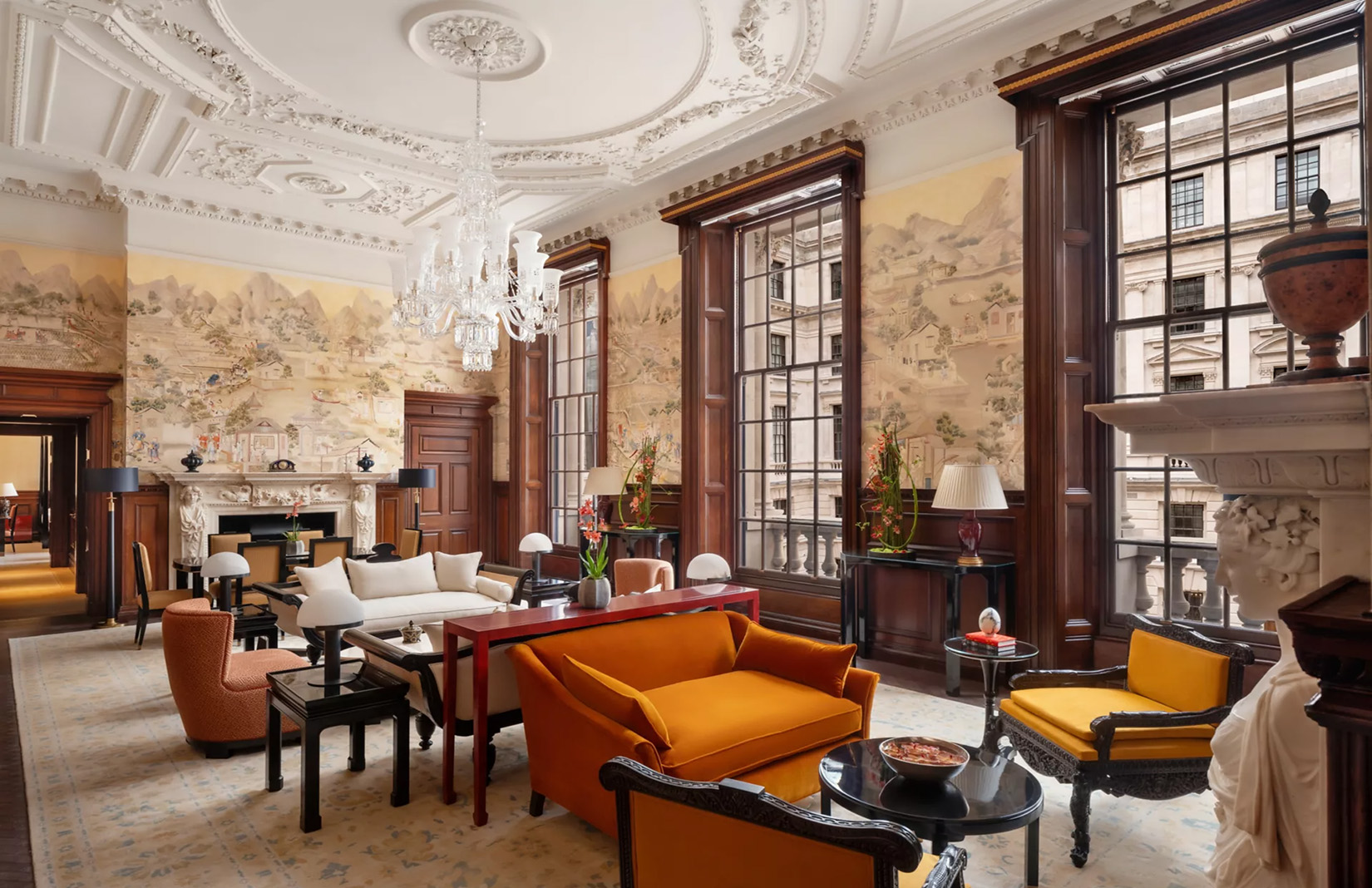
It took eight years and £1.4bn to transform the historic Old War Office in Whitehall into a luxury hotel. Described as a living museum, it repurposes ministerial offices and staterooms as some of the 124 guest rooms. There were constraints aplenty. The project required ‘significant internal reconfiguration of the existing building’, says Elliott Wood’s Goodbrand. This included excavating 20m beneath the structure and creating four new levels of basement to increase floor area by 31%. These now accommodate one of London’s largest luxury hotel spas, along with the double-height Whitehall Ballroom and the Spy Bar, an Ian Fleming-inspired speakeasy in what once contained high-security vaults.
Hyde London City
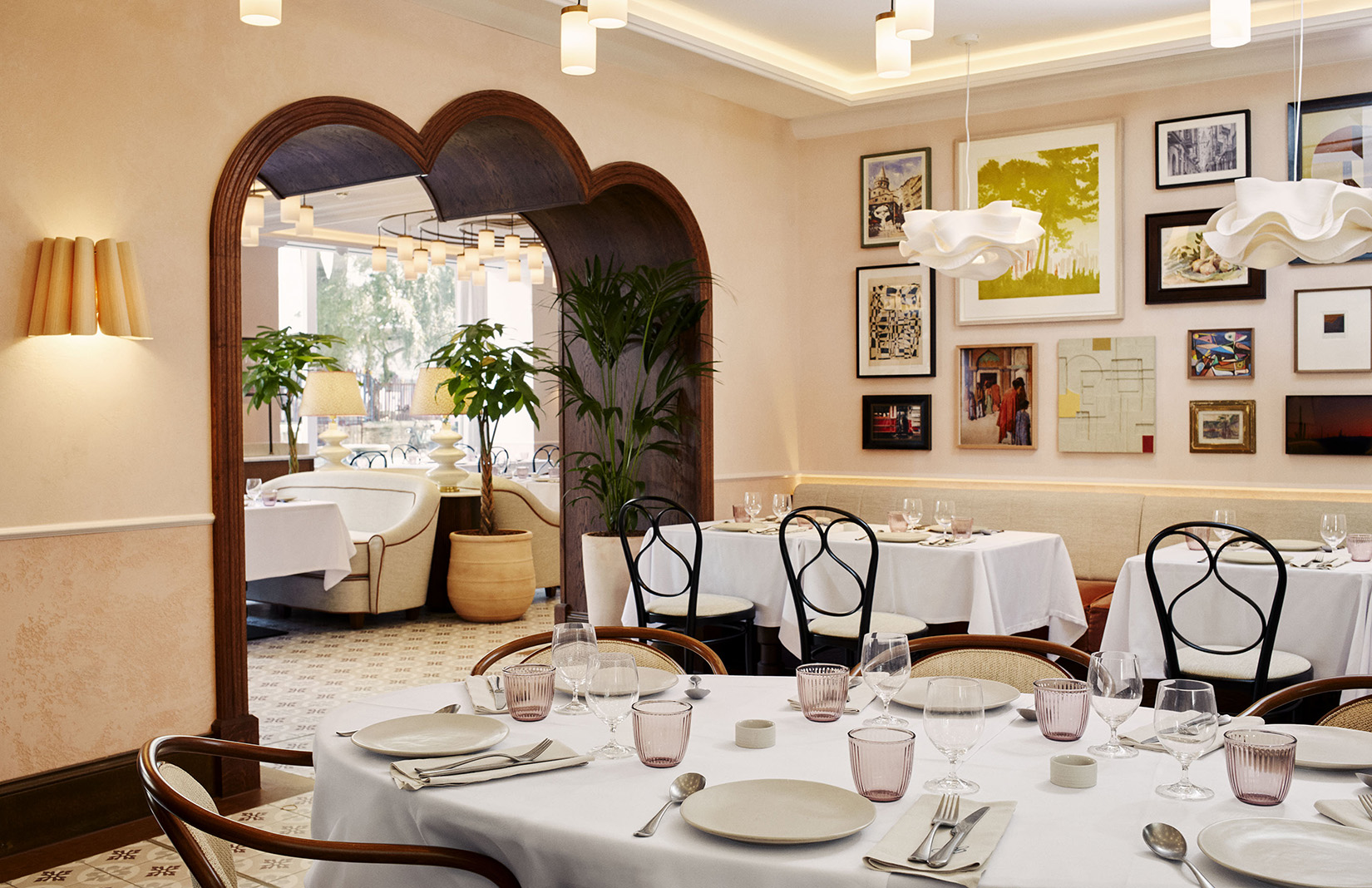
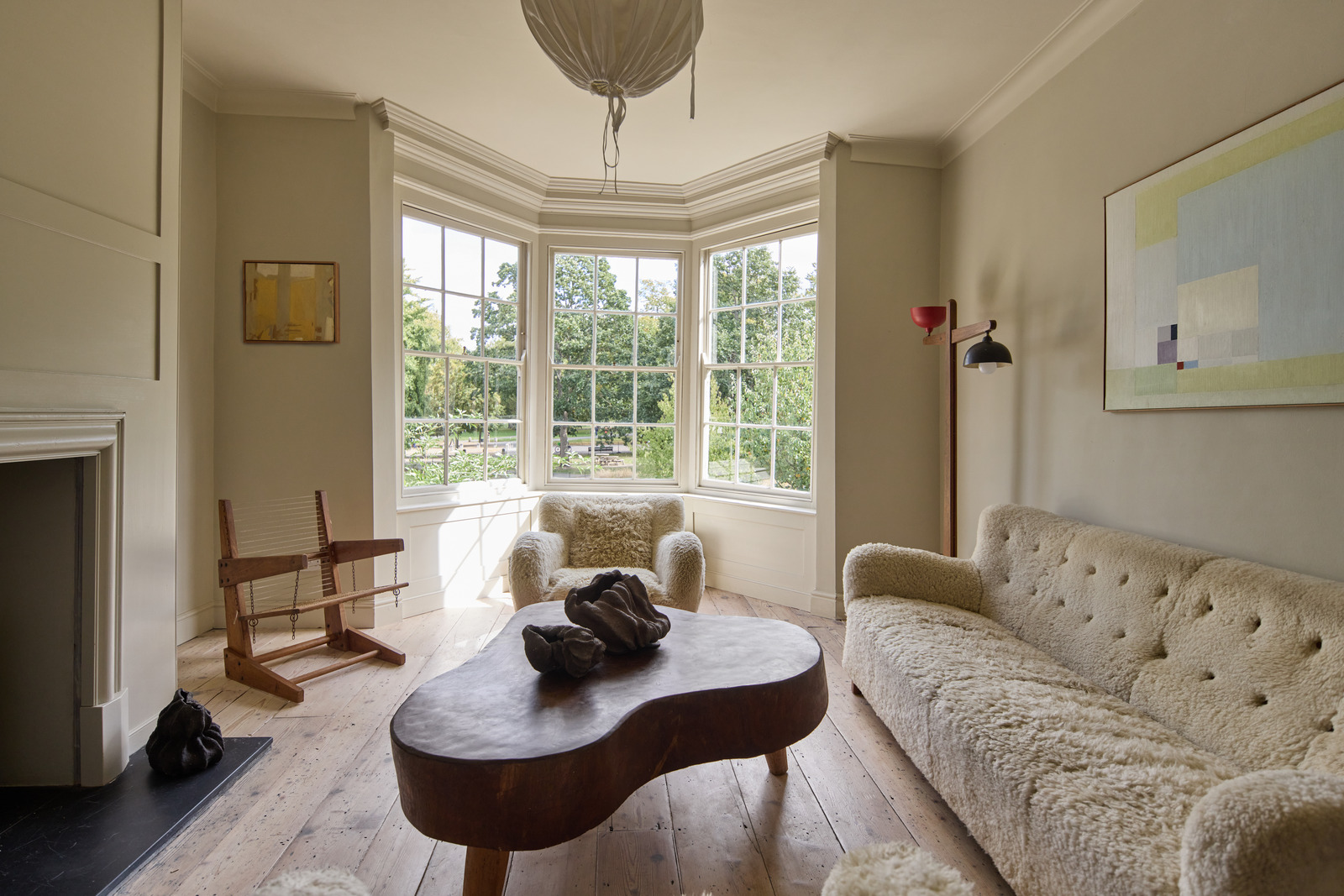
Another Grade II-listed landmark — this one in the City, from 1874 — survived a lacklustre 1980s internal reconstruction that diluted its Victorian charm before Studio Moren was charged with reinstating its heritage elements. Apart from retaining and preserving the original façade of the now 111-room hotel, the designers reintroduced Victorian cornicing, high skirting and timber floors. ‘Adaptive reuse isn’t just about preserving history,’ says associate Ed Murray. ‘It is about reimagining it for a new generation.’ The challenge at Hyde, he says, was honouring the heritage character and backstory while infusing it with bold design. ‘Every move needed to work with the existing structure, rather than against it, balancing heritage with operational efficiency and guest expectations.’
Bertrand’s Townhouse, Bloomsbury
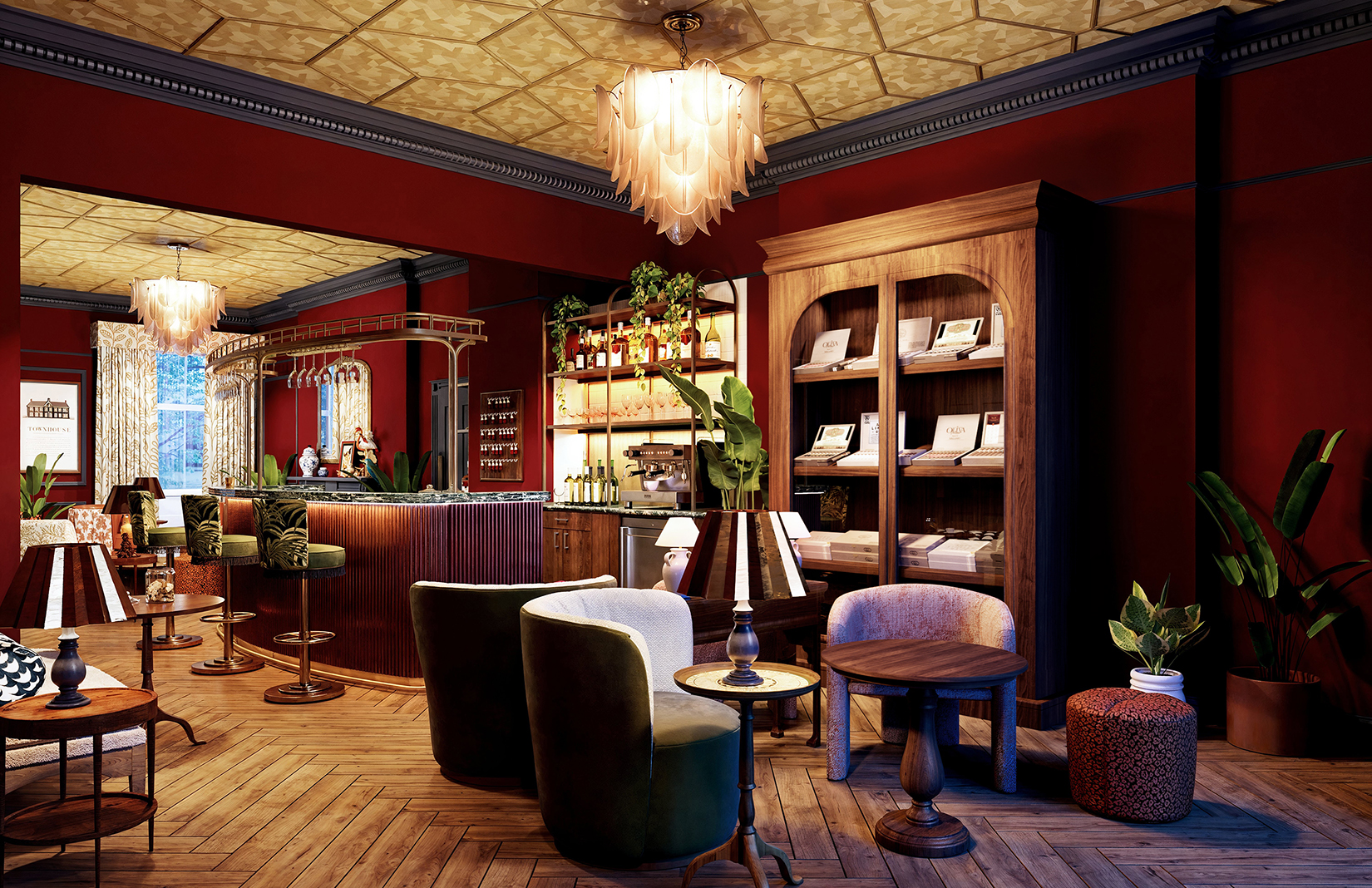
Three historic Georgian townhouses in Bloomsbury have been painstakingly converted into one: Bertrand’s Townhouse, a 43-room luxury boutique hotel set to open this winter. Leaning into backstory and provenance, the property was named after Bertrand Russell, the Bloomsbury Set intellectual and scion of the Dukes of Bedford who developed the enclave. The interior design (like Hyde London, it’s also by Studio Moren) focuses on heritage fixtures including original cornicing and decorative fireplaces. Meanwhile bold colours and prints, natural wood touches, brass furnishings and unique art work together in spaces that inspire modern-day creative spirits.