Have you ever dreamed of self-building a radical home in Vermont? Or imagined how it feels to look at Earth from space? Or perhaps wondered what it actually takes to design a community garden? Each of these experiences are explored in the transportive line-up of films at the fourth Architecture and Design Film Festival, hosted this weekend by the Chicago Architecture Center.
Set in cemeteries, spacecrafts, mountains, city streets and living rooms, the lineup shows how architecture and design touches us, through large-scale global and urban issues right down to the nuances of our daily routines.
‘Film is yet another way to invite folks into a conversation about how designers shape our world,’ says festival director Adam Rubin, senior director of public engagement at the Chicago Architecture Center. ‘Plus, it’s February in Chicago — what better time to go to the movies?’
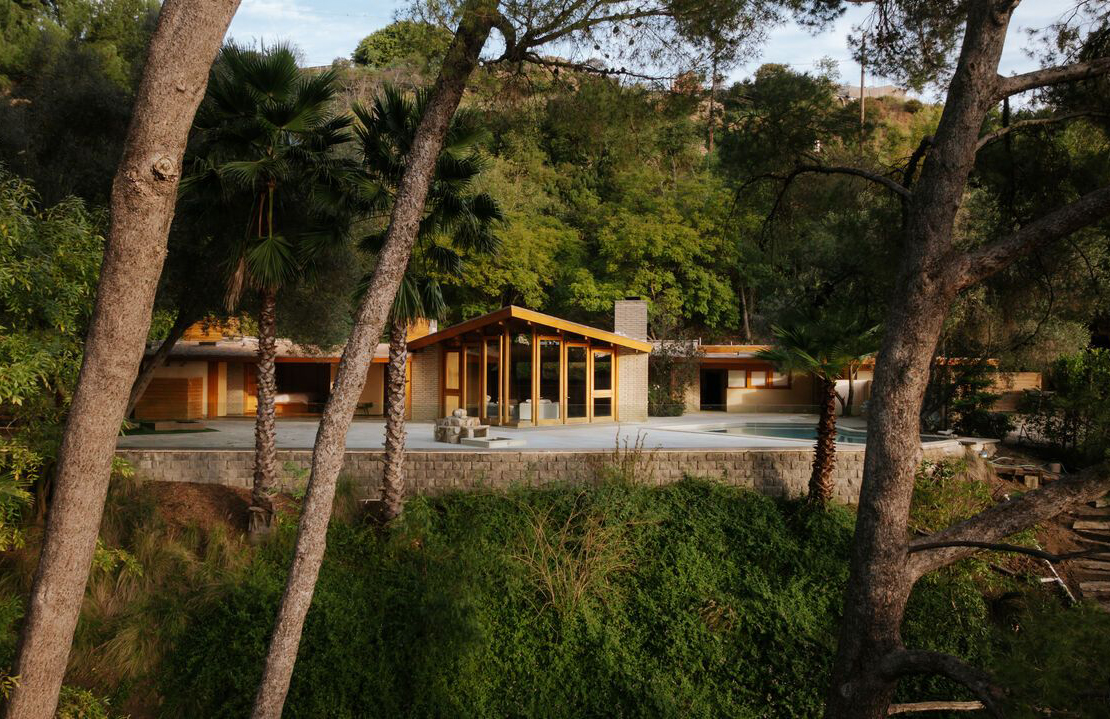
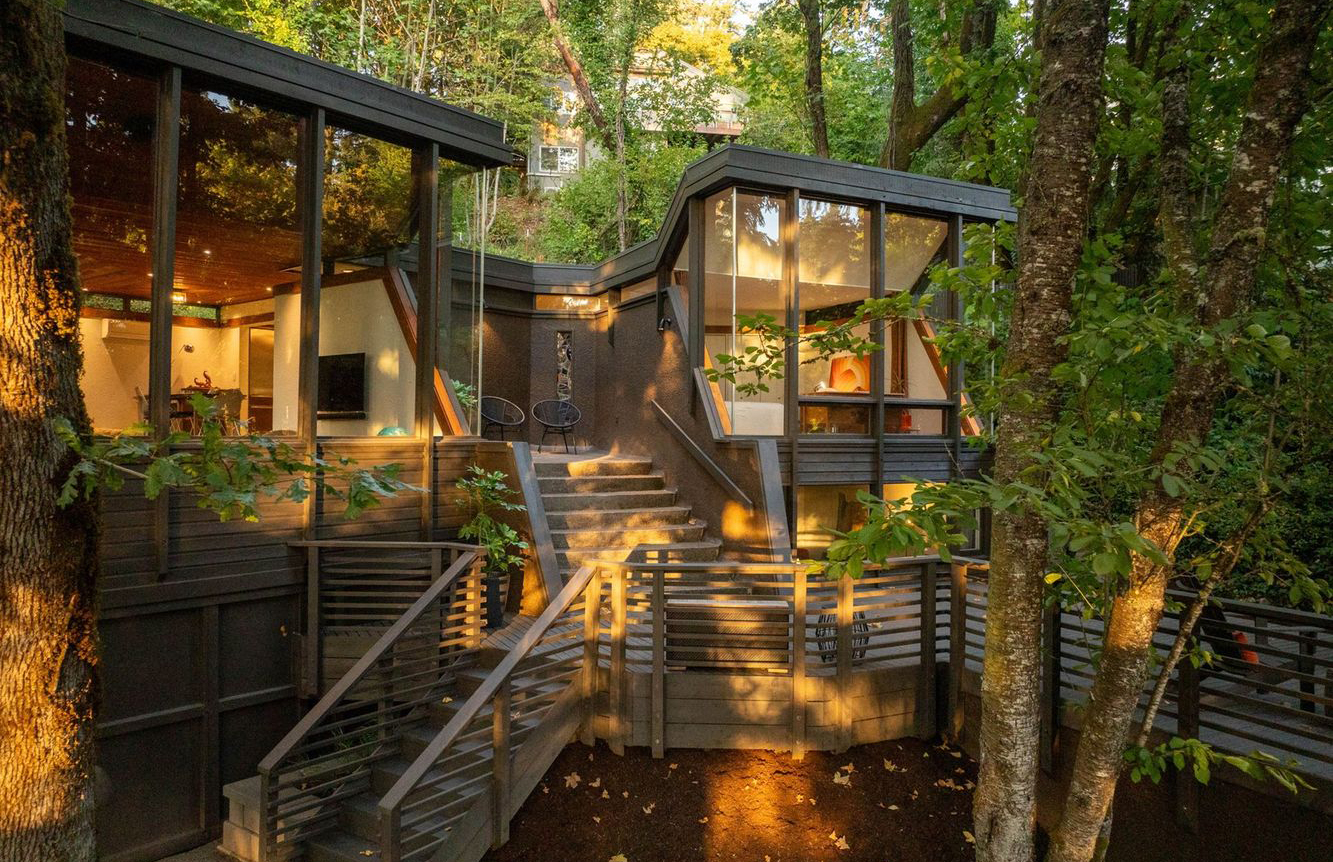
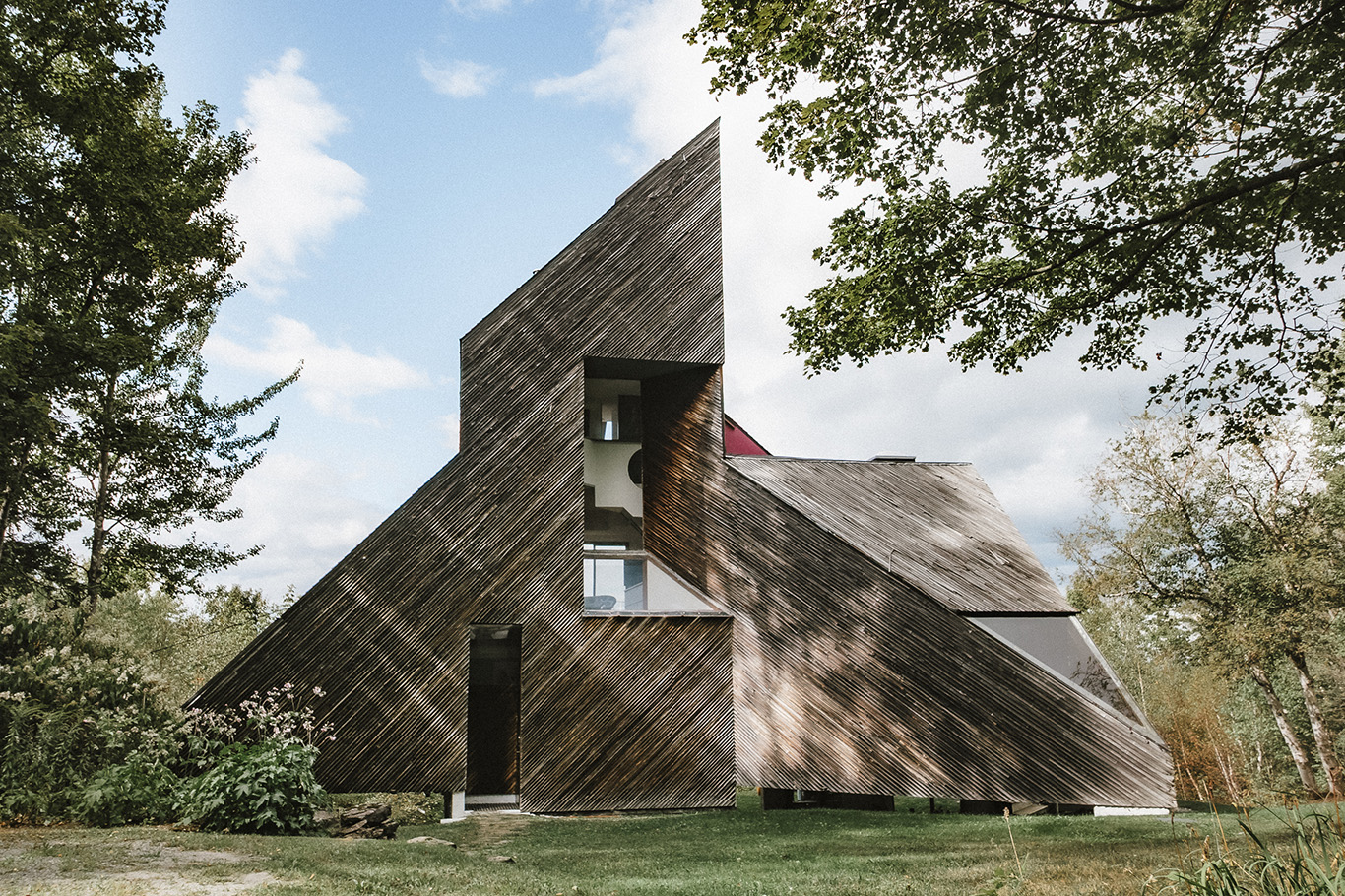
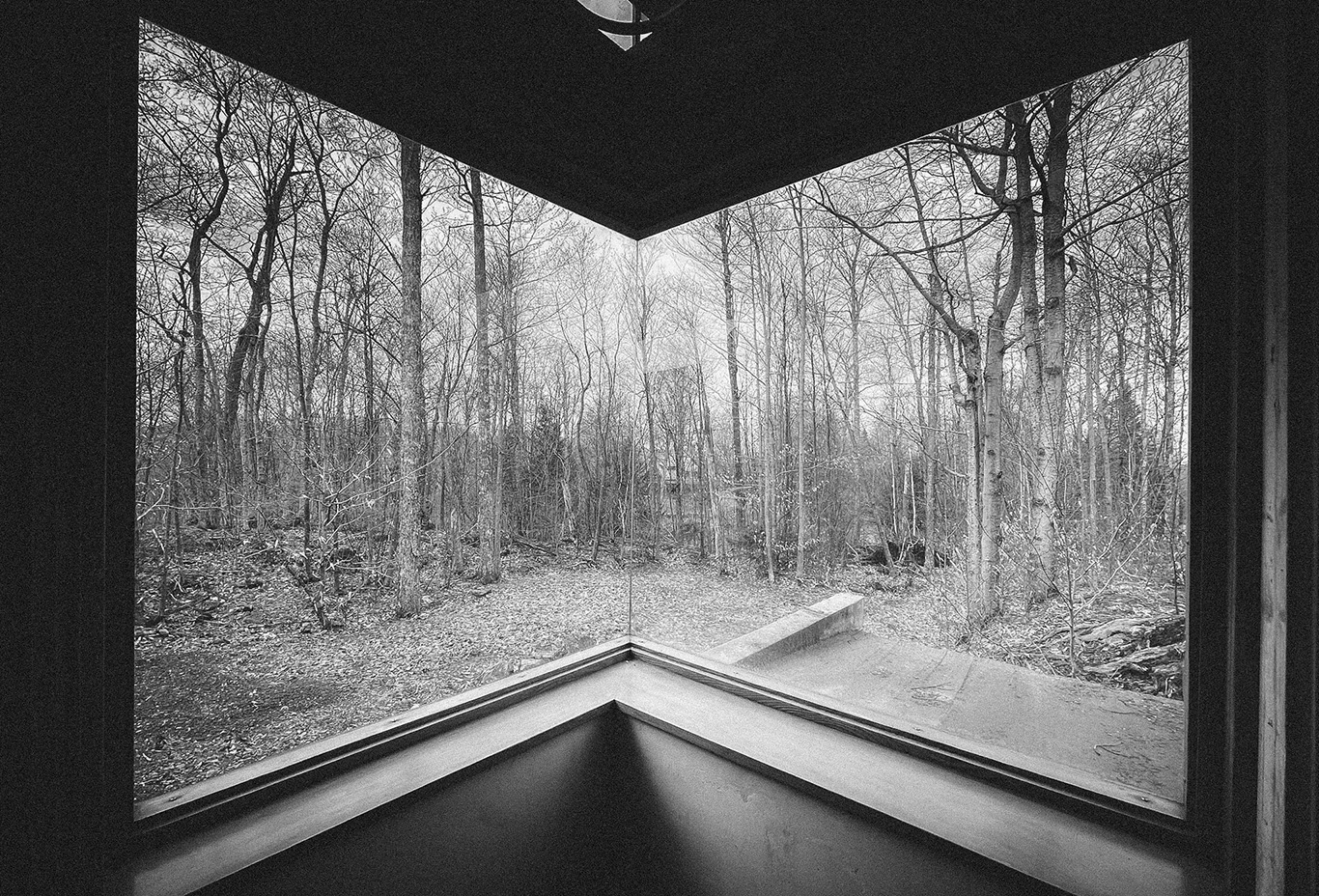
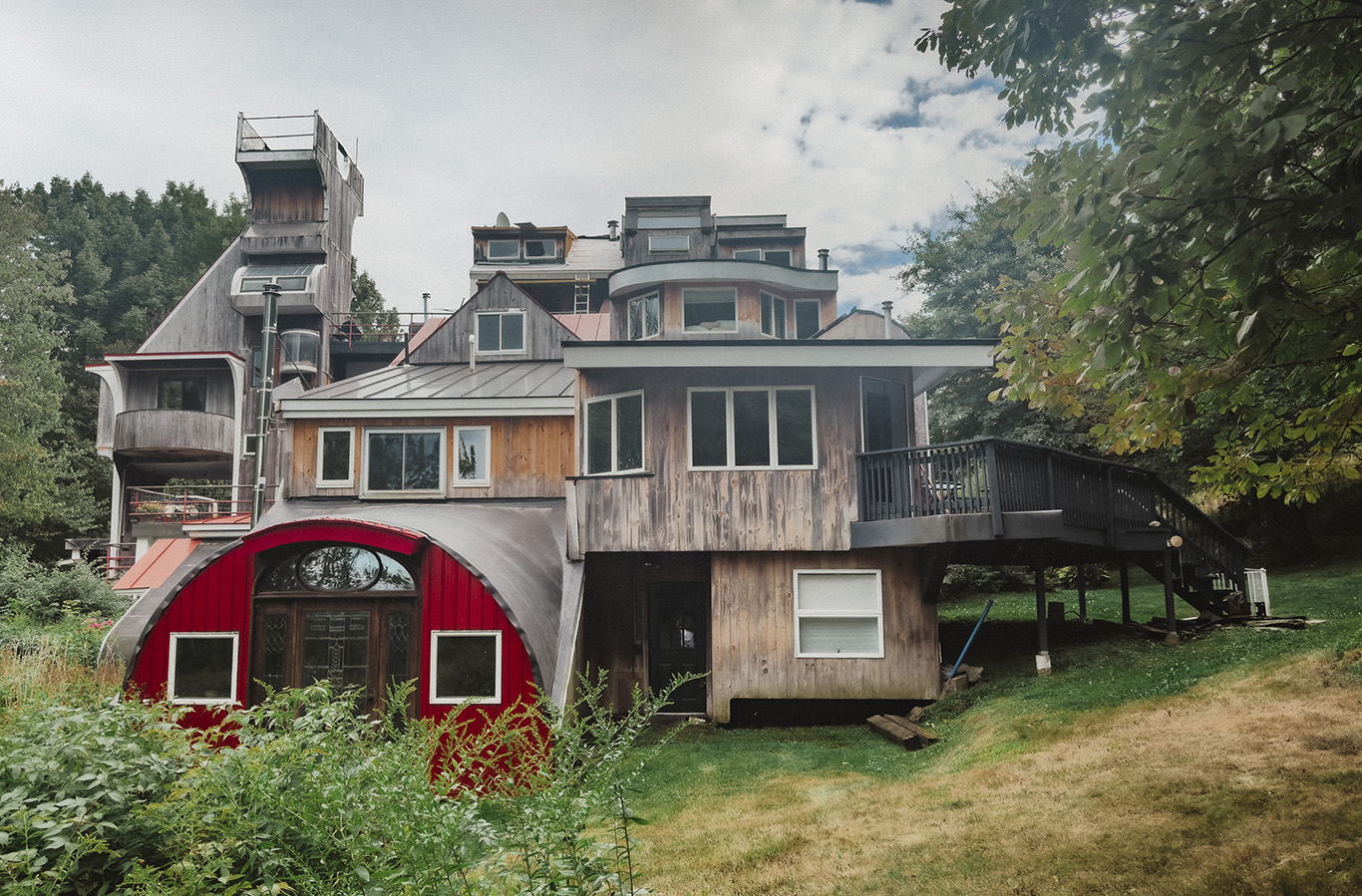
Opening night kicks off with a screening of ‘Prickly Mountain and My Design-Build Life’, the story of a community in Warren, Vermont, self-built by a group of Yale-trained architects in the ’60s with dreams to escape the city. Filmmaker Allie Rood, who grew up in Warren and returned to design and build her own home there, recounts childhood memories of exploring their constructions, and reflects on values of architectural freedom and empowerment.
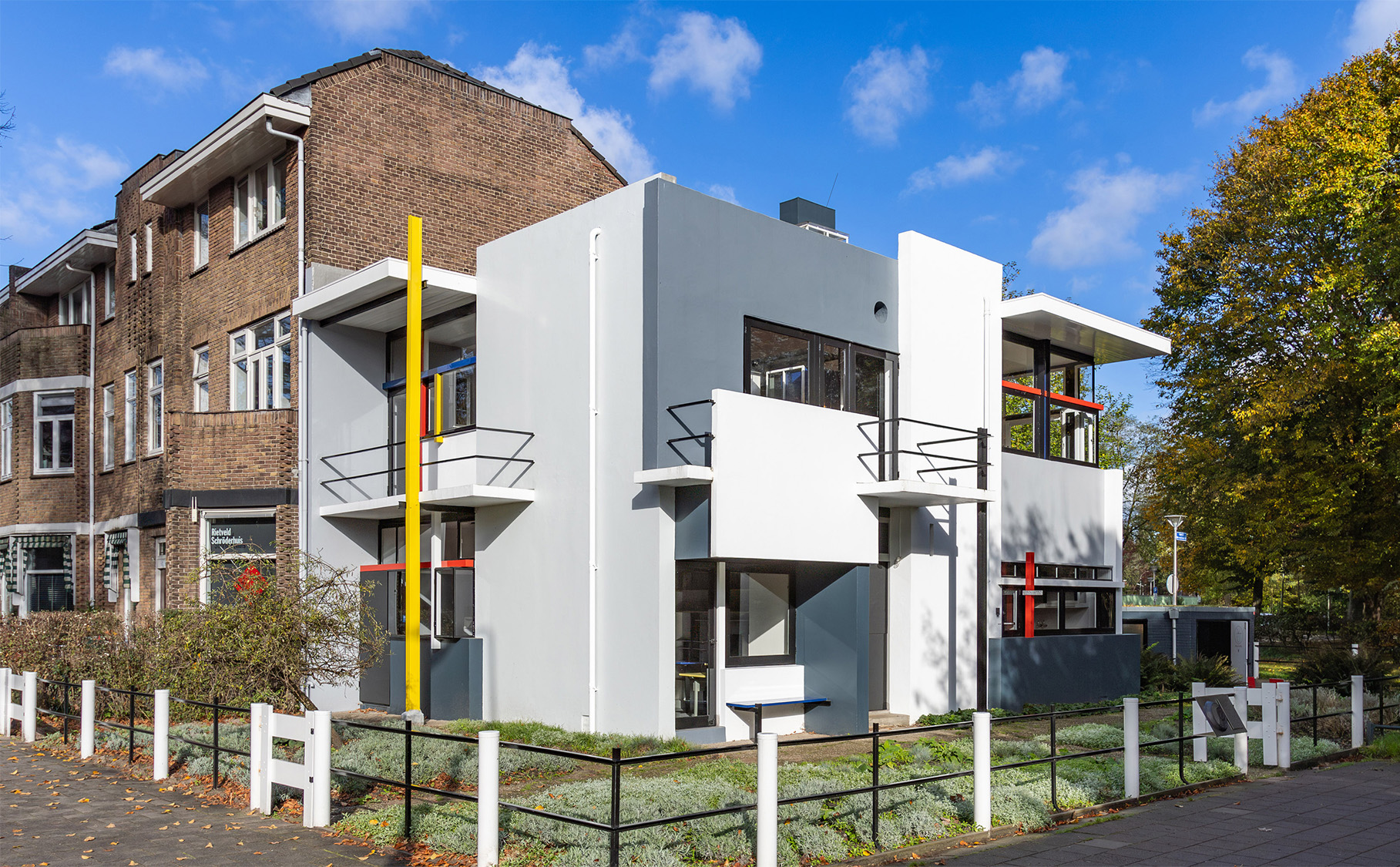
You can see a through line between the mavericks of Warren and director Lex Reitsma’s portrait of the Rietveld Schröderhuis, a modernist triumph designed by Gerrit Rietveld in 1924 for a pharmacist and her two children. ‘Living in a piece of furniture: Gerrit Rietveld’s Houses’ is a reflection on the tactile nature of houses, following a group of Rietveld denizens as they carefully restore and maintain their homes by hand.
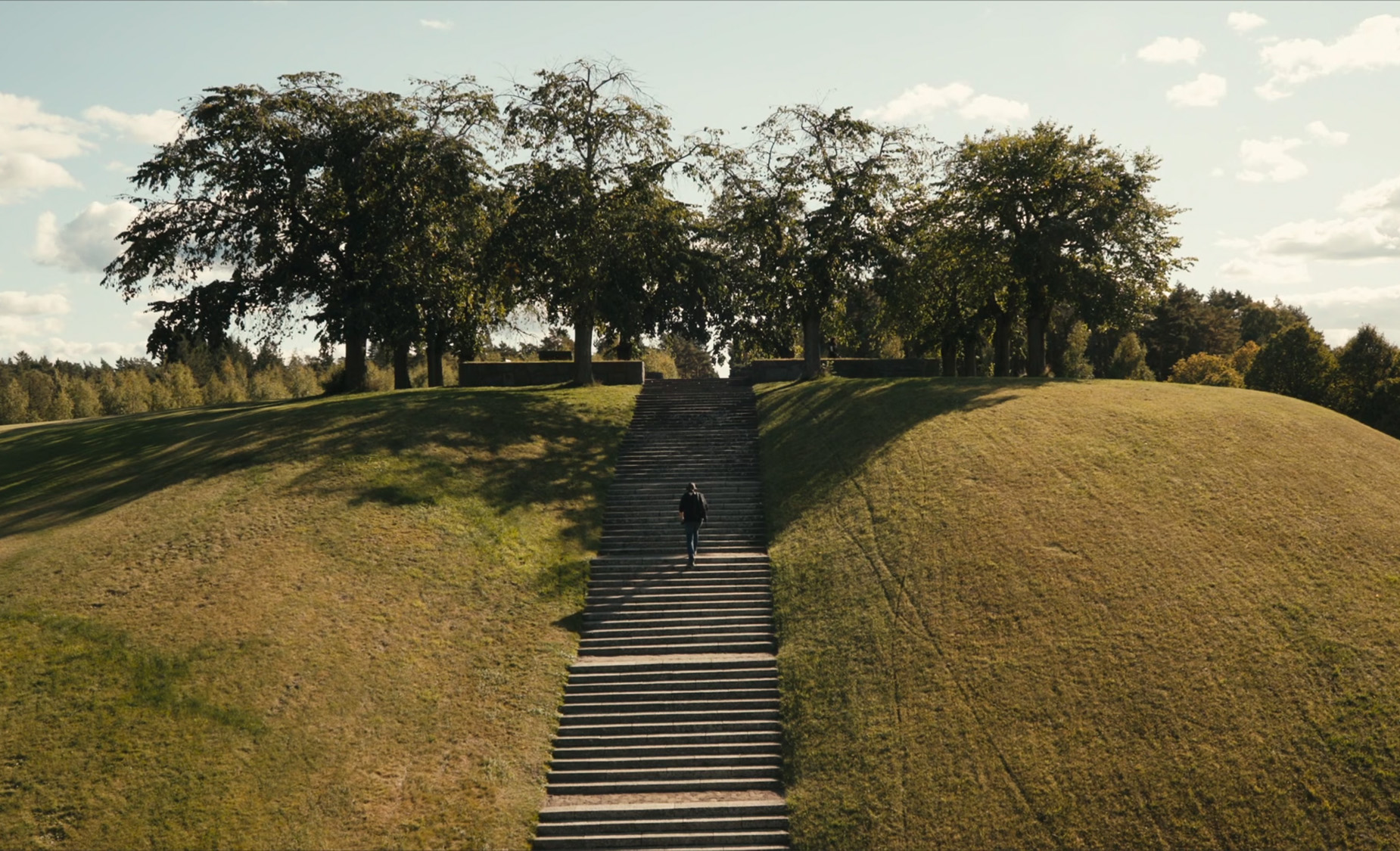
Surrounded by the soaring skyscrapers of Chicago, it could be easy to forget that 20th-century modernism was based upon humanist values as well as industrial efficiency. In ‘Lewerentz Divine Darkness’, directed by Sven Blume, the qualities of poetry, light and shadow in architecture are illuminated – emerging from a dusty box of black-and-white film depicting personal moments between Swedish mid-century architect Sigurd Lewerentz and his friend Bernt Nyberg.
‘The great thing about ADFF is the humanity behind these design stories, which makes them immediately relatable,’ says Rubin. As well as exploring domestic worlds, many films offer insights into universal challenges that also affect us today, he explains, ‘from the need for increased safety measures for cyclists and pedestrians in car-centric cities [Changing Lanes, directed by Ben Wolf] to the urgency to mitigate climate change as told by a NASA architect.’
‘The Space Architect’, directed by Rebecca Carpenter, captures the reflections of Constance Adams four days before her death in 2018 from cancer, at the age of 53. She’d left behind a career designing skyscrapers to imagine prototypes for lunar and Martian habitats, yet during her final career chapter returned her focus to Earth and its sustainable innovation. It’s a cinematic tribute that reminds viewers to refocus purpose and distill their perspectives toward what truly matters.
Change for the better is often complex to enact at scale, yet two films show how architecture, design and landscaping can bring joy, collaboration and nature to urban communities. ‘At the Garden’s Pace’, directed by Juan Benavides, traces the construction of a pavilion in a botanical garden in Hilversum, Netherlands, meeting each local character who contributes as a custodian to the environment in their own way.
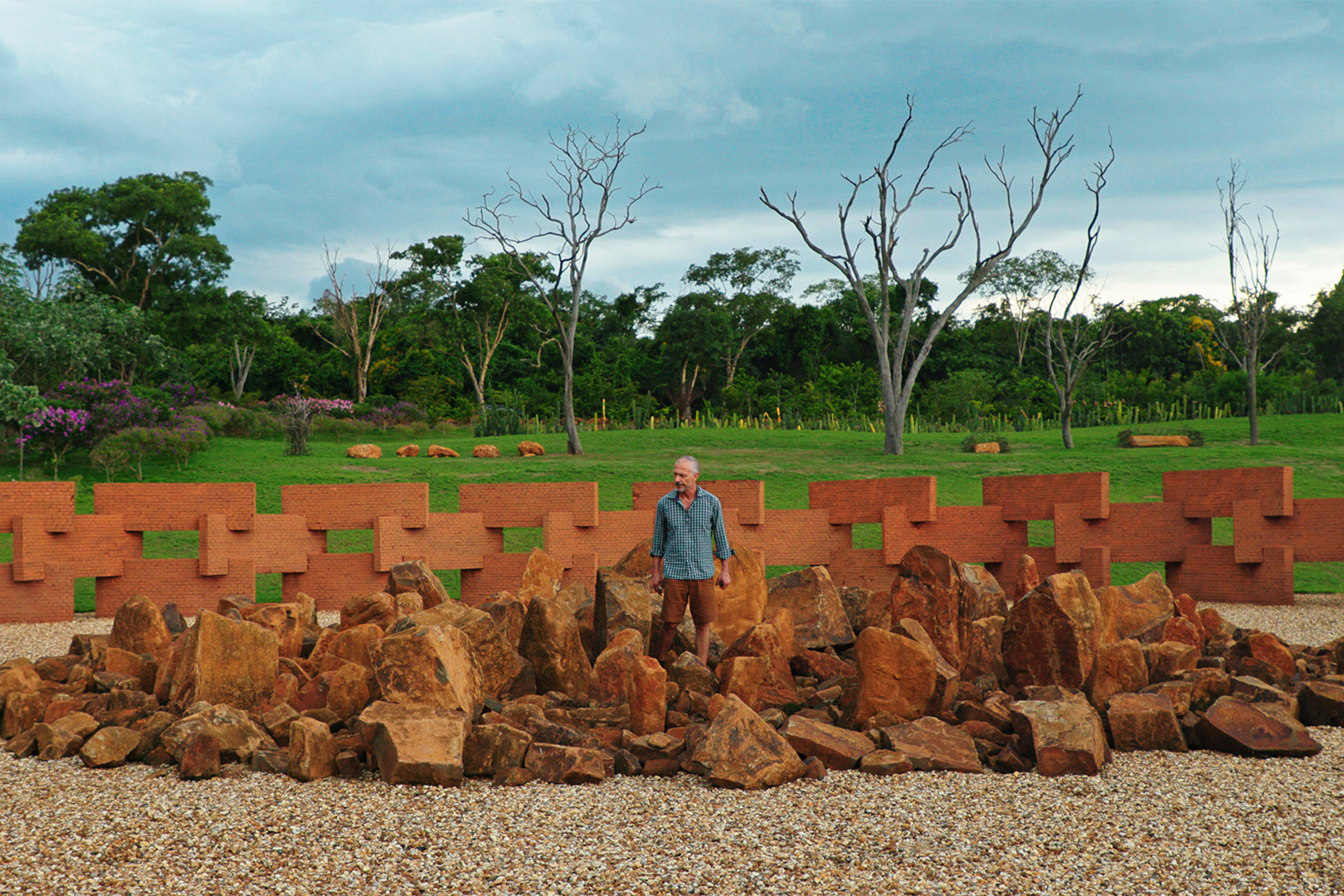
On the other side of the world, in another urban garden, director Francesca Molteni explores the creation of the Parque Campana in São Paulo, the vision of Brazilian brothers Fernando and Humberto Campana. In ‘We the Others’, Humberto reflects on his father’s background as an agronomist, declaring nature as the art of the 21st century. ‘Nature is our Louvre! People must see this richness,’ he says.
‘These topics urge us to rethink how we improve our communities, how we live together on Earth and how we think about the individual people and places that shape our lives,’ says Rubin. For him, the festival is a platform for the Chicago Architecture Center that is all about people, from the Q&As on stage (with Allie Rood, Sven Blume and Erik Summerfield of the Colorado Building Workshop) to the new audiences it attracts each year.
So for those hunkering down at home looking for cinematic inspiration beyond Netflix, why not brave the cold to sit side-by-side with others. There is much to relate to this weekend in Chicago, and to be inspired by.