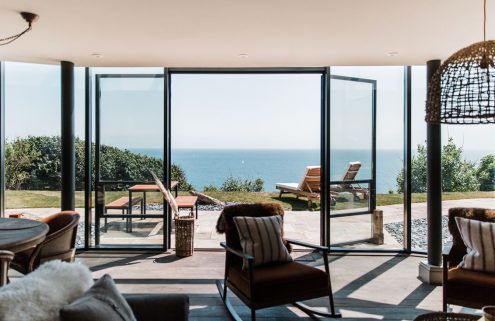
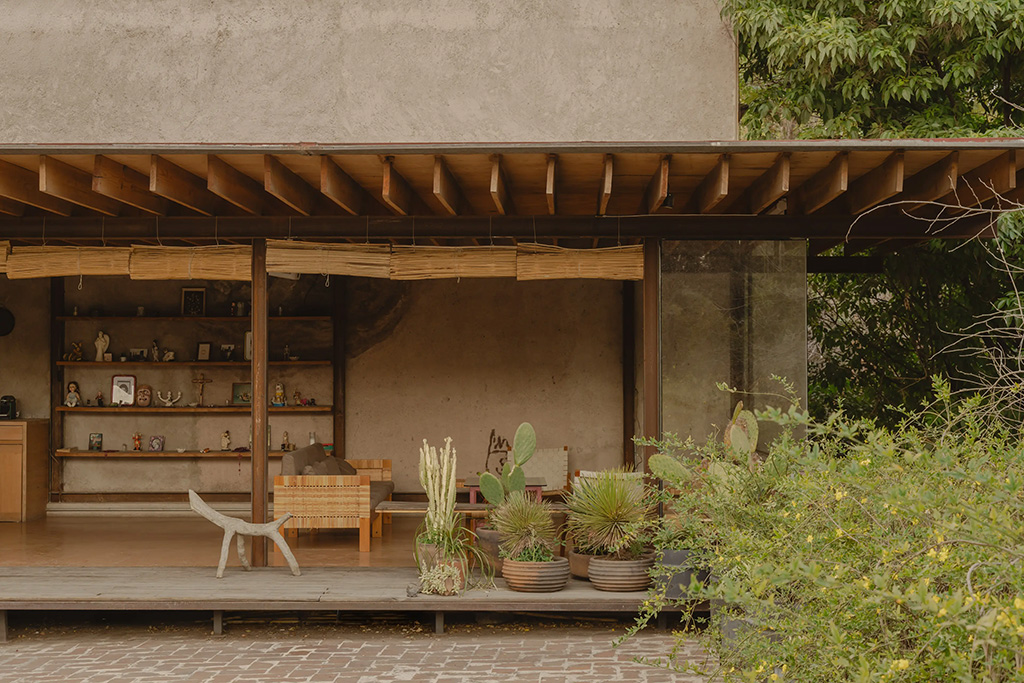
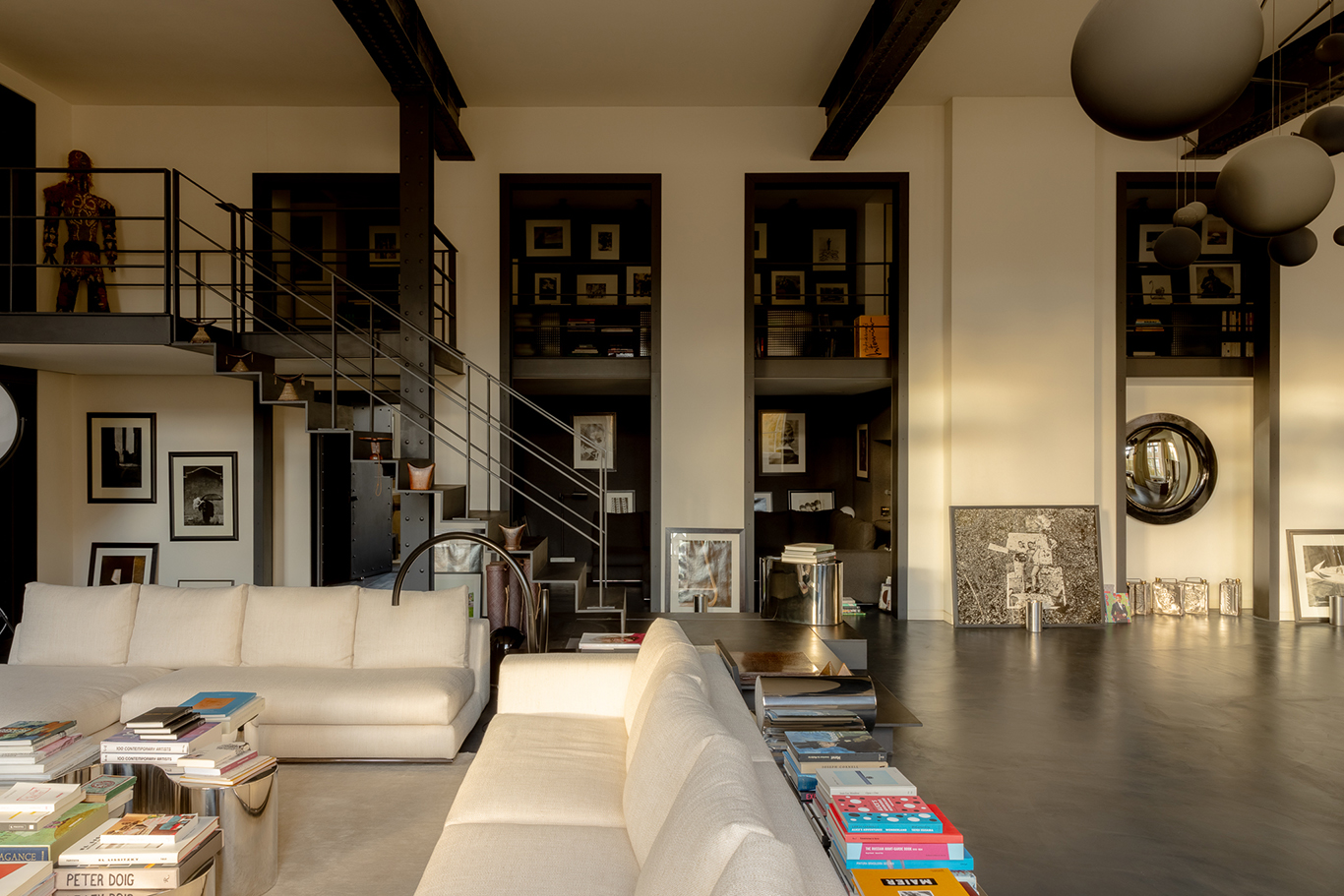
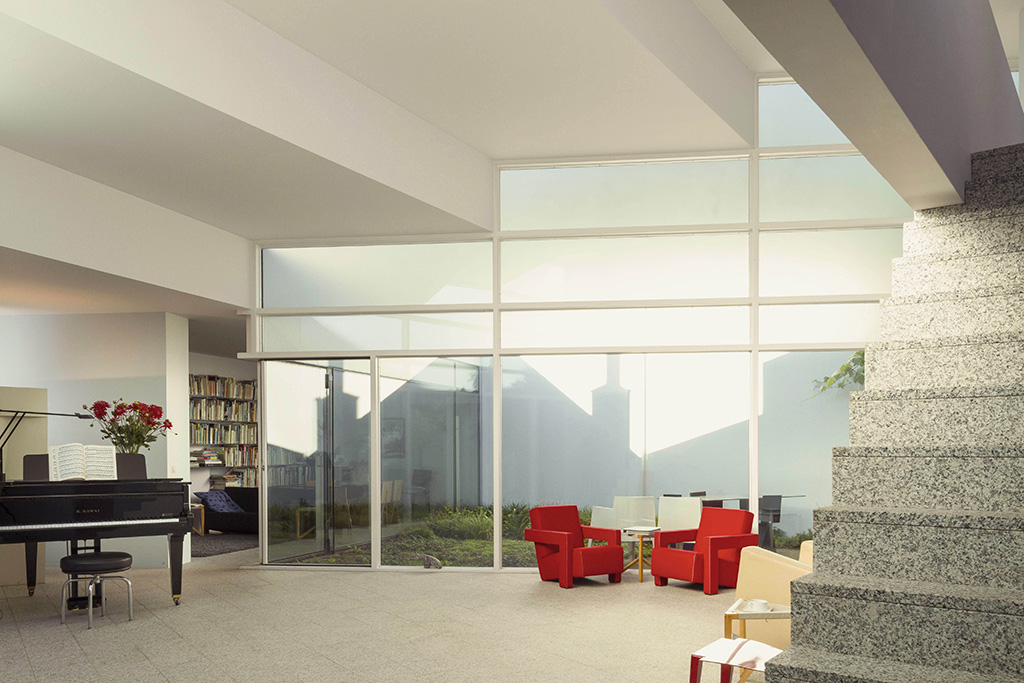
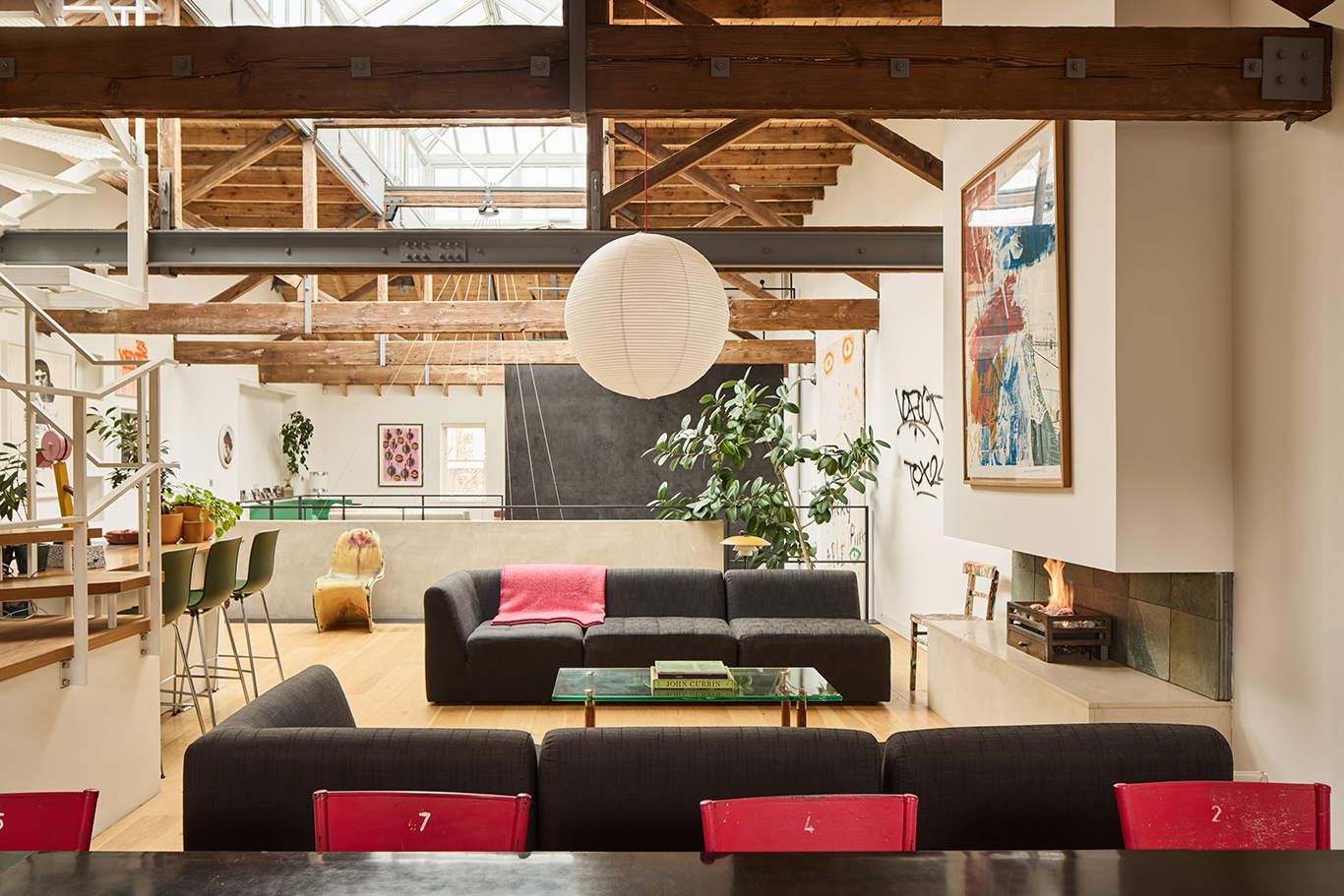
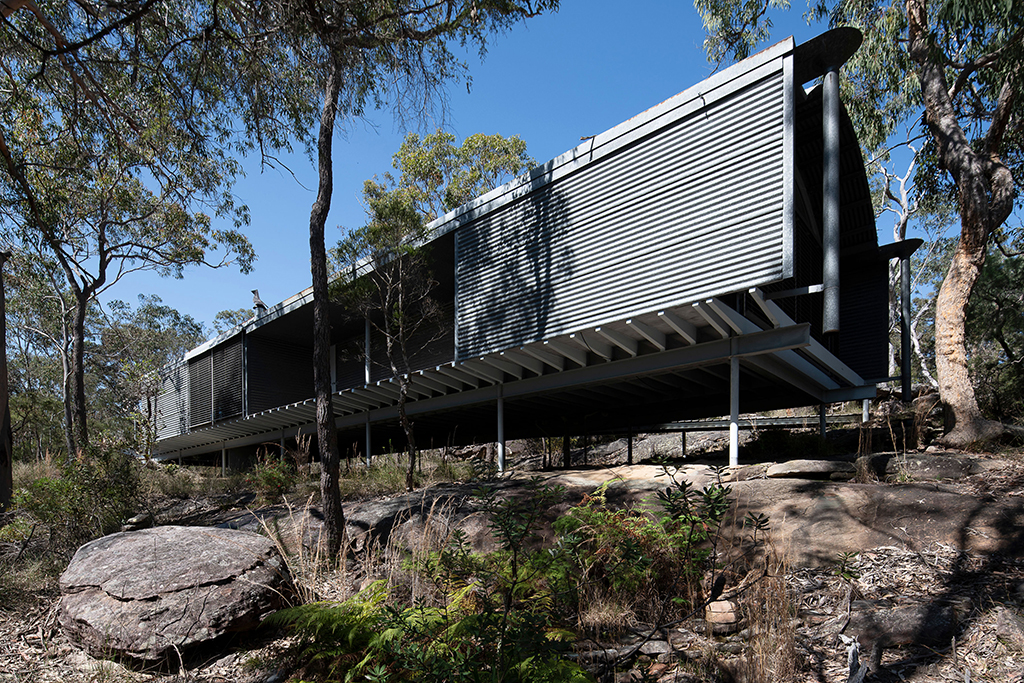
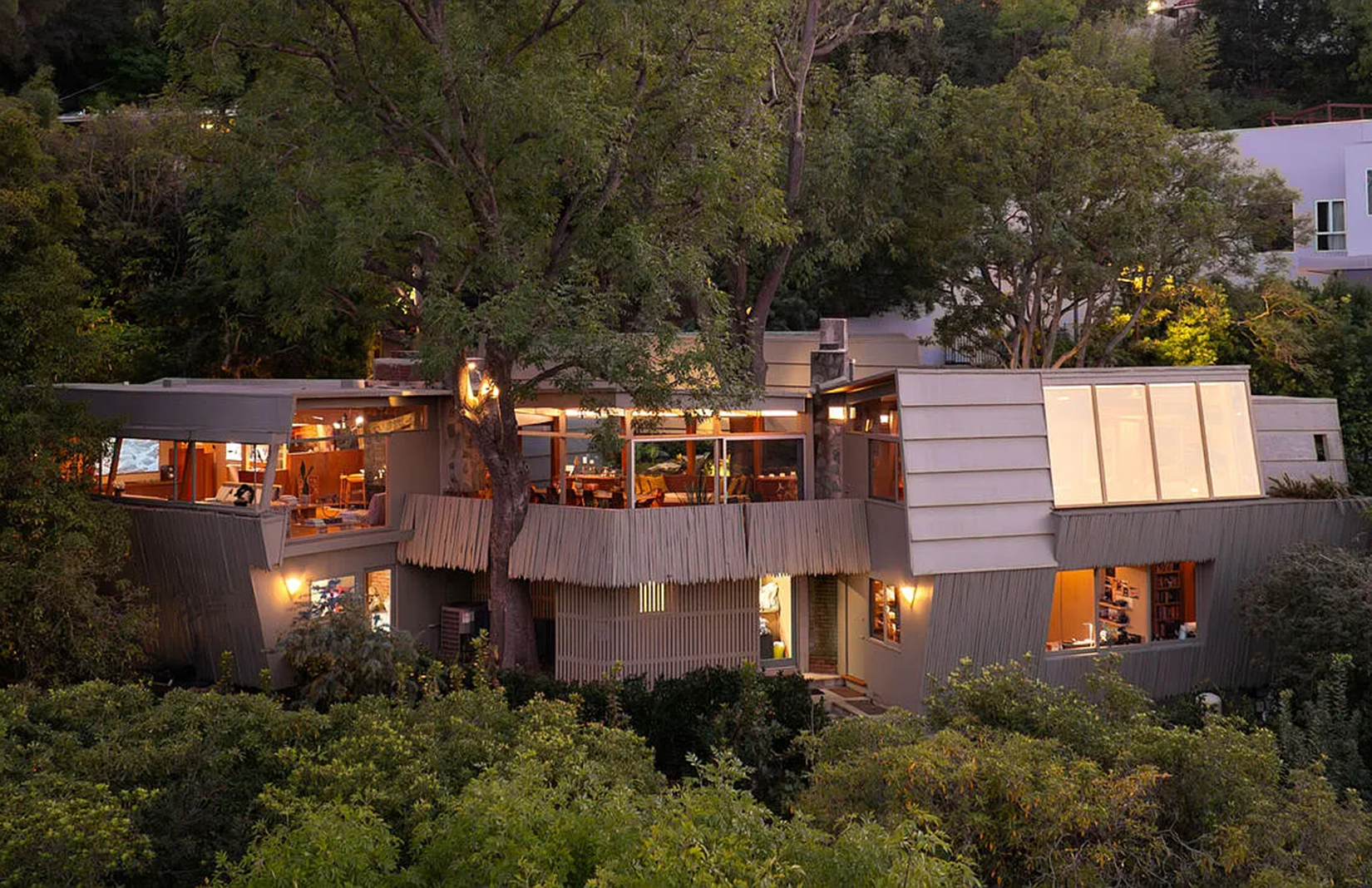
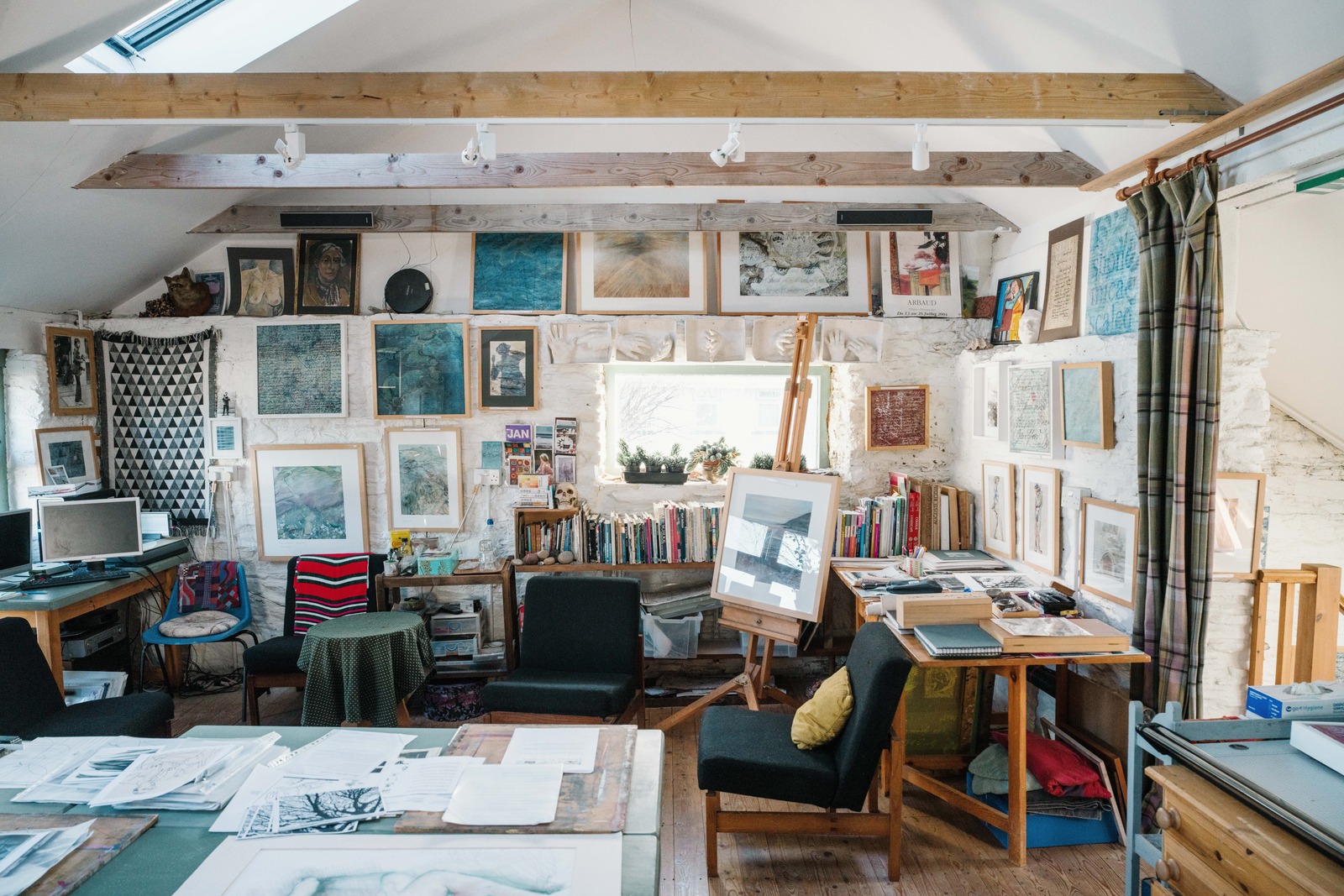
Anglophiles may still visit the Cotswolds for honey-stone villages and meadow walks, but somewhere in the past decade the regional style has leapt ahead centuries. Guesthouses are as likely to look like Hyll than farmhouse-twee, as design-led galleries and restaurants pull focus from the capital.
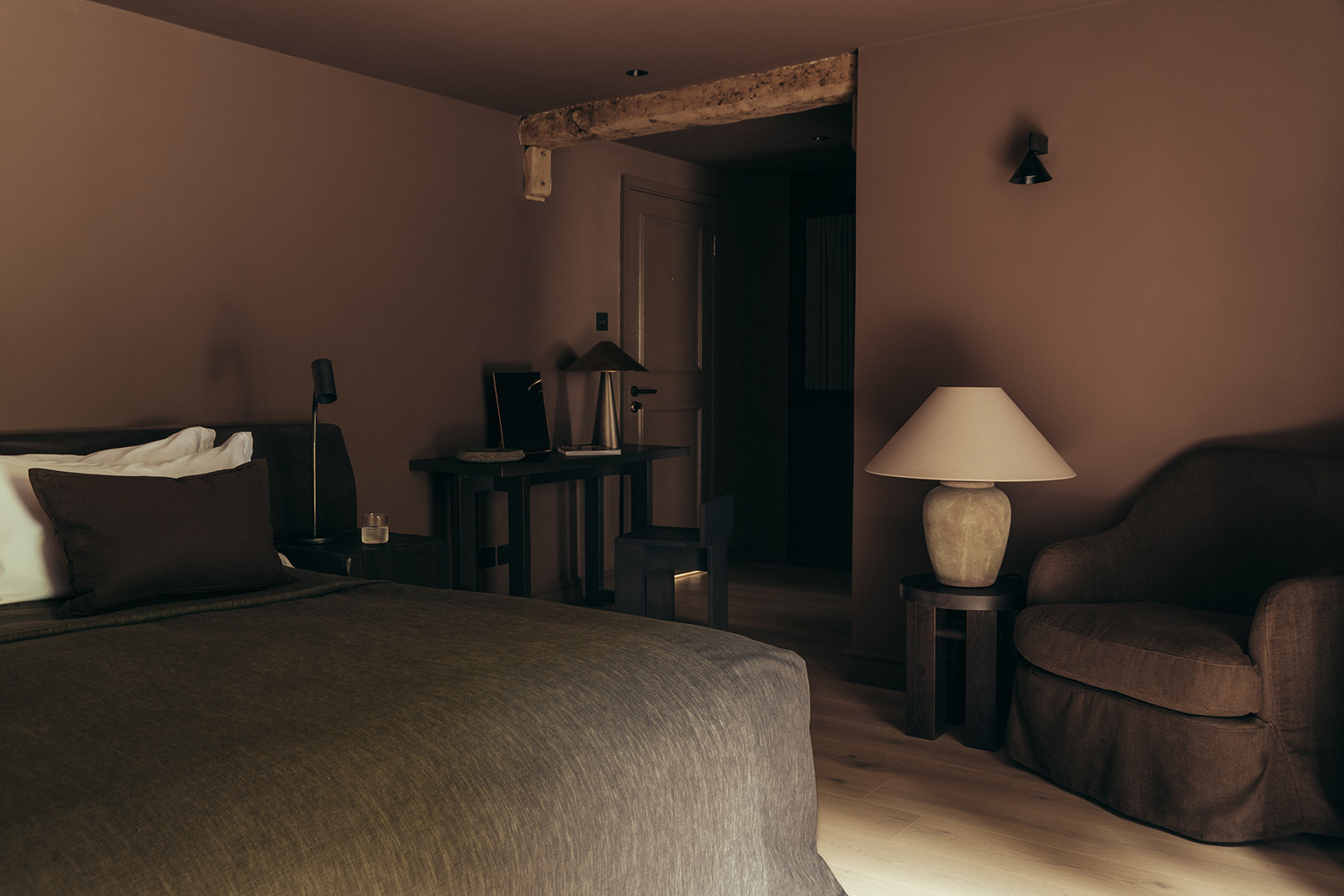
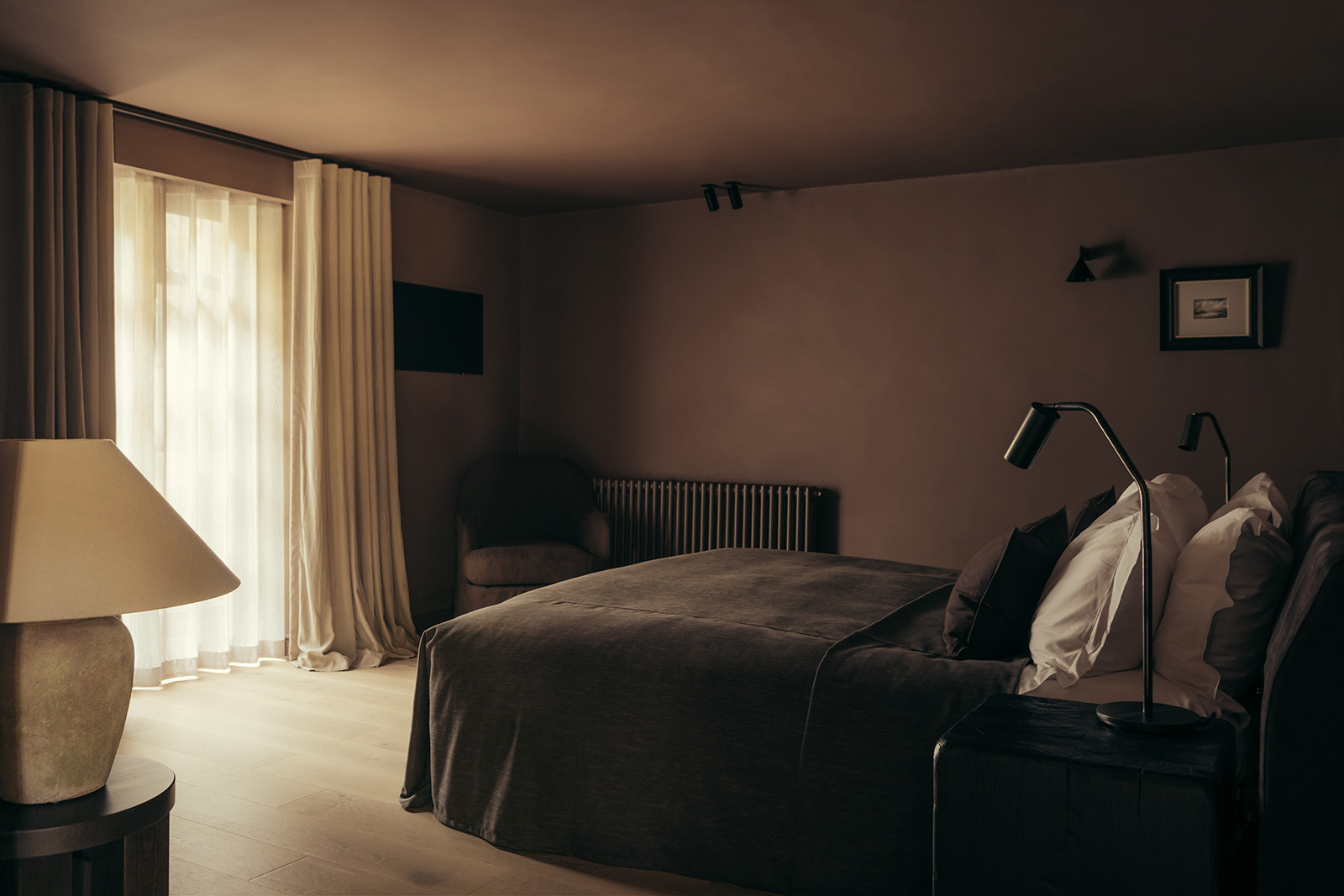
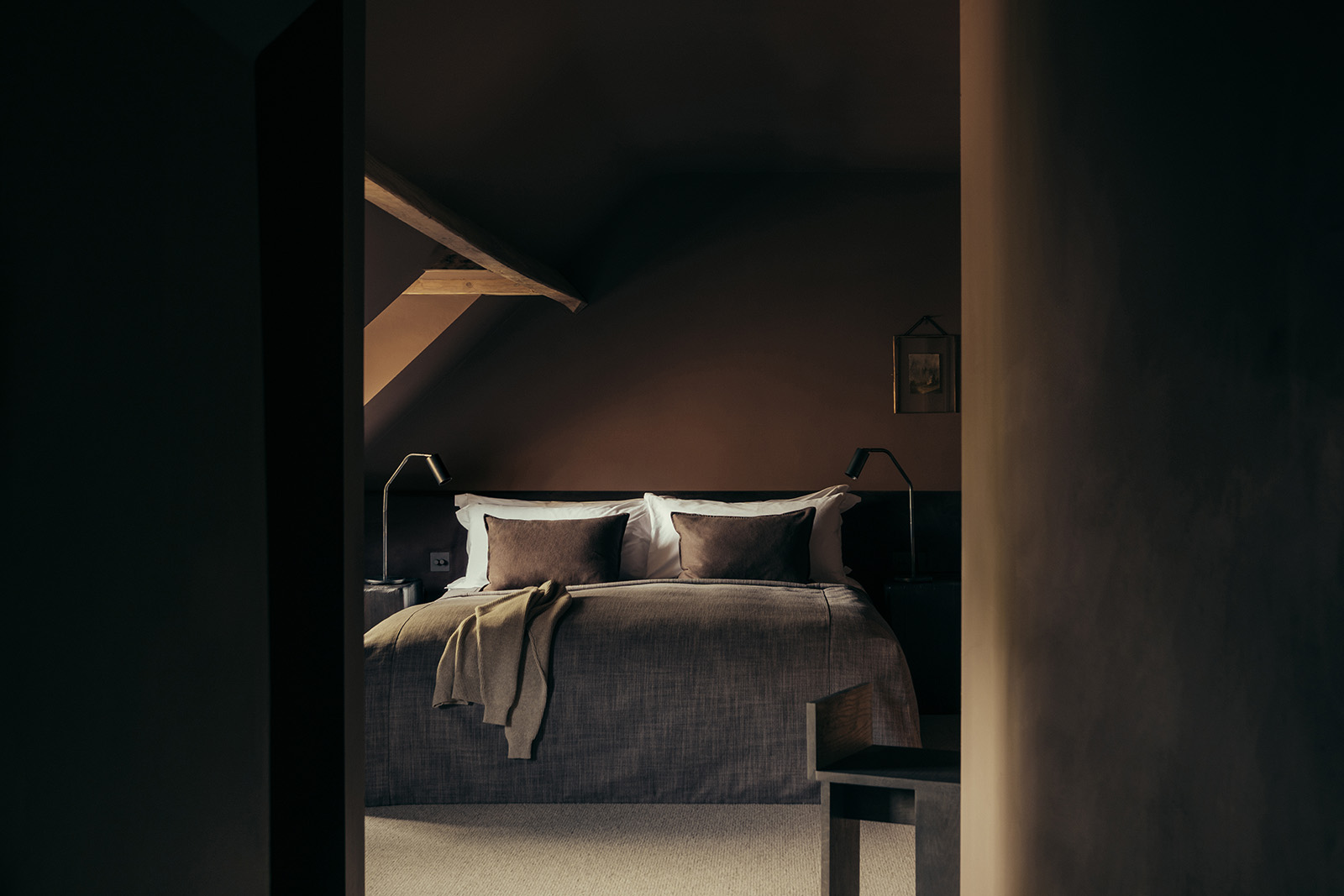
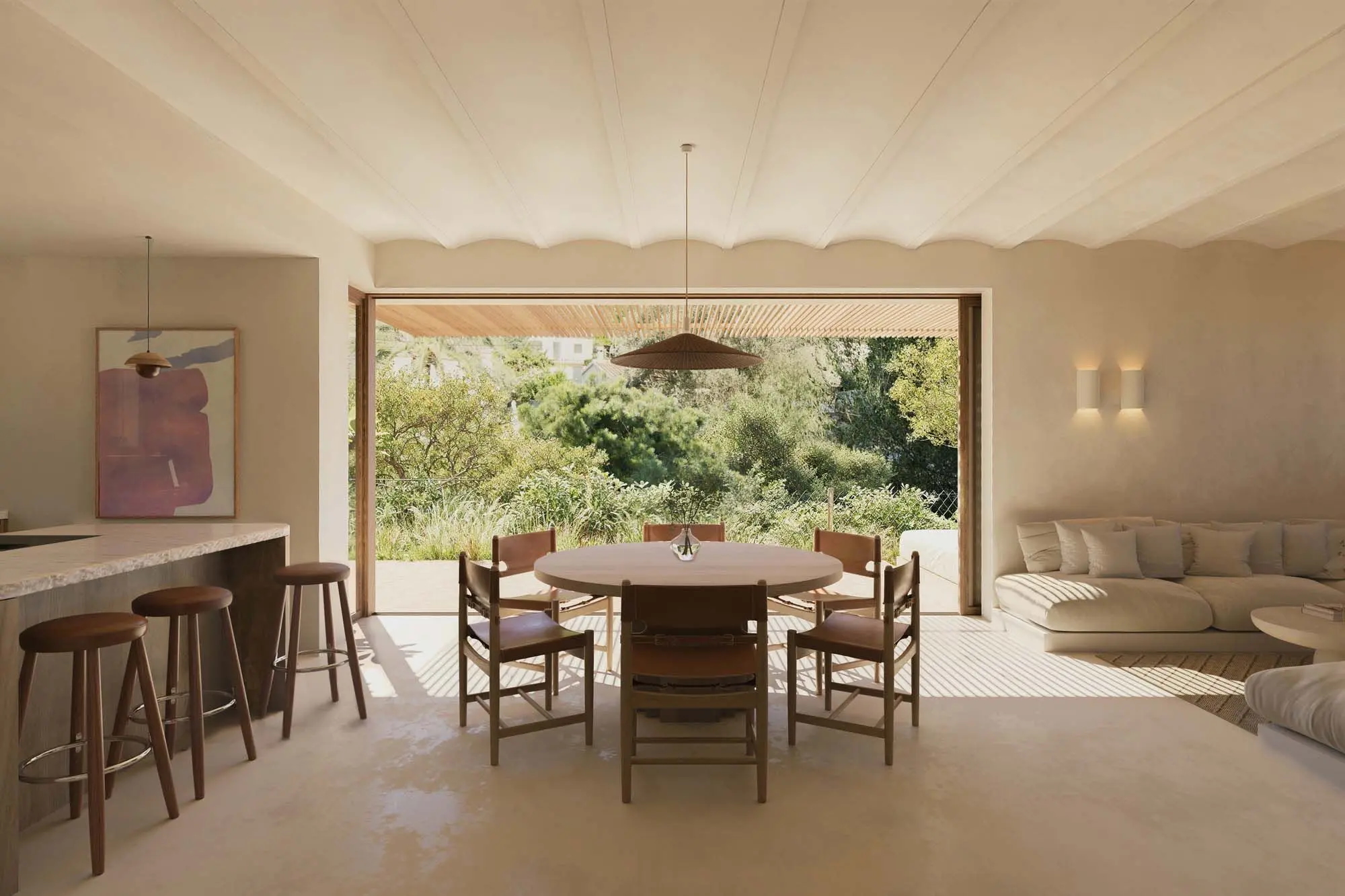
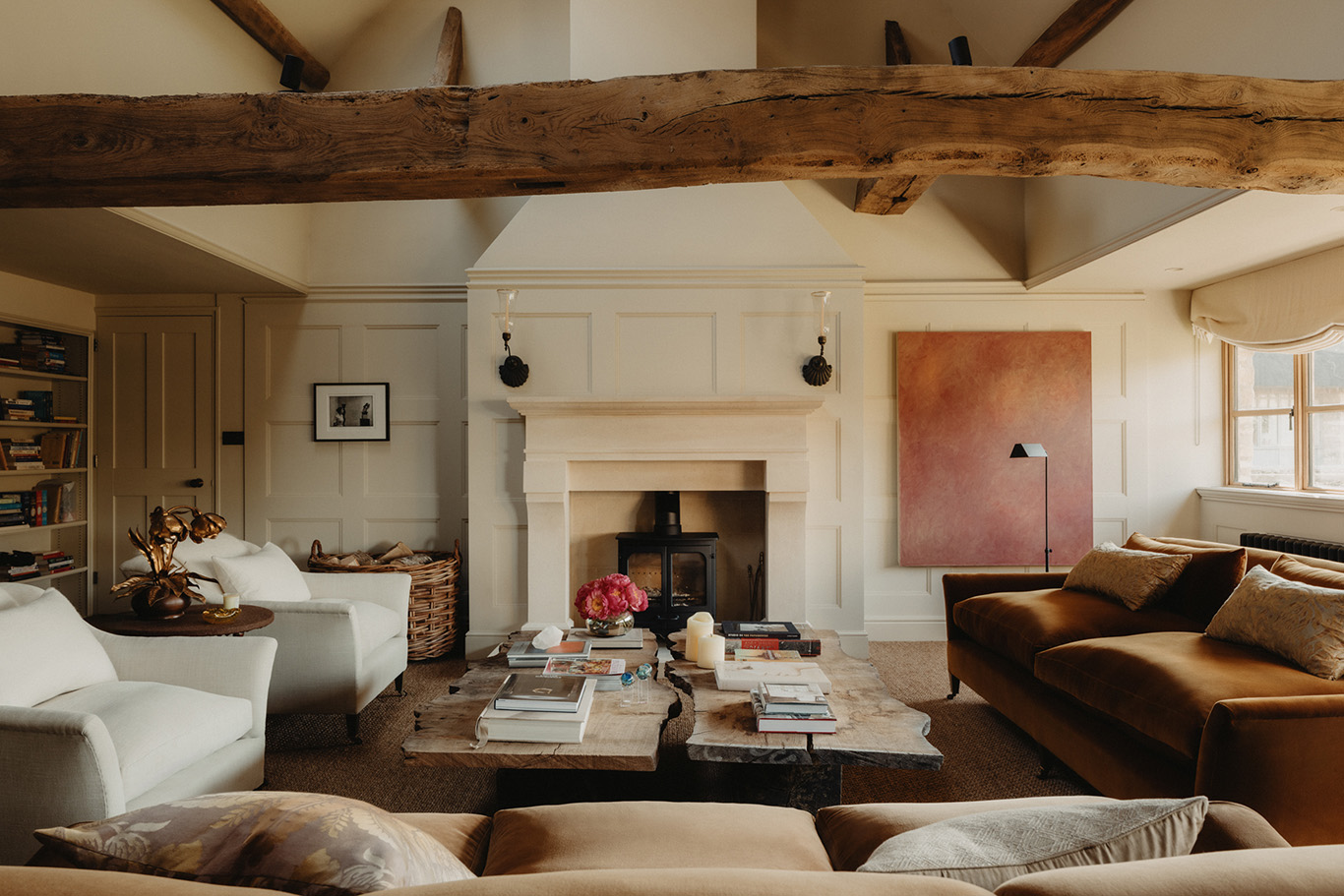
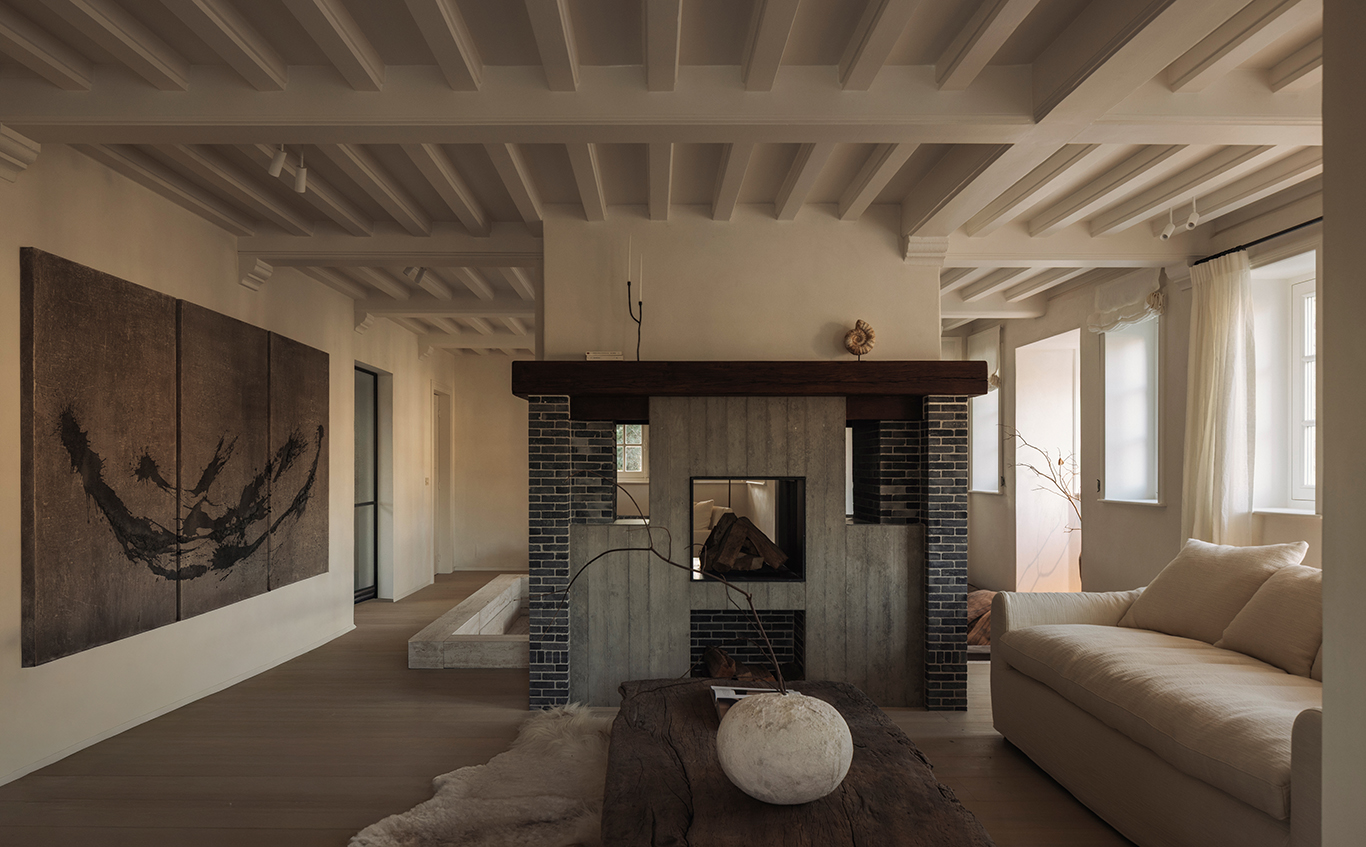
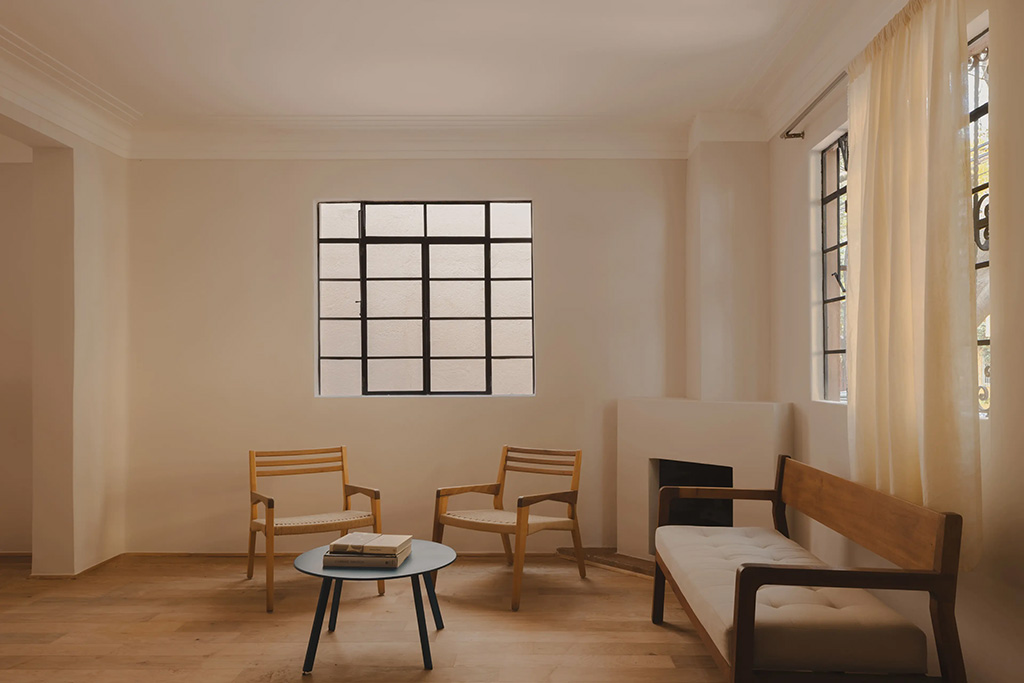
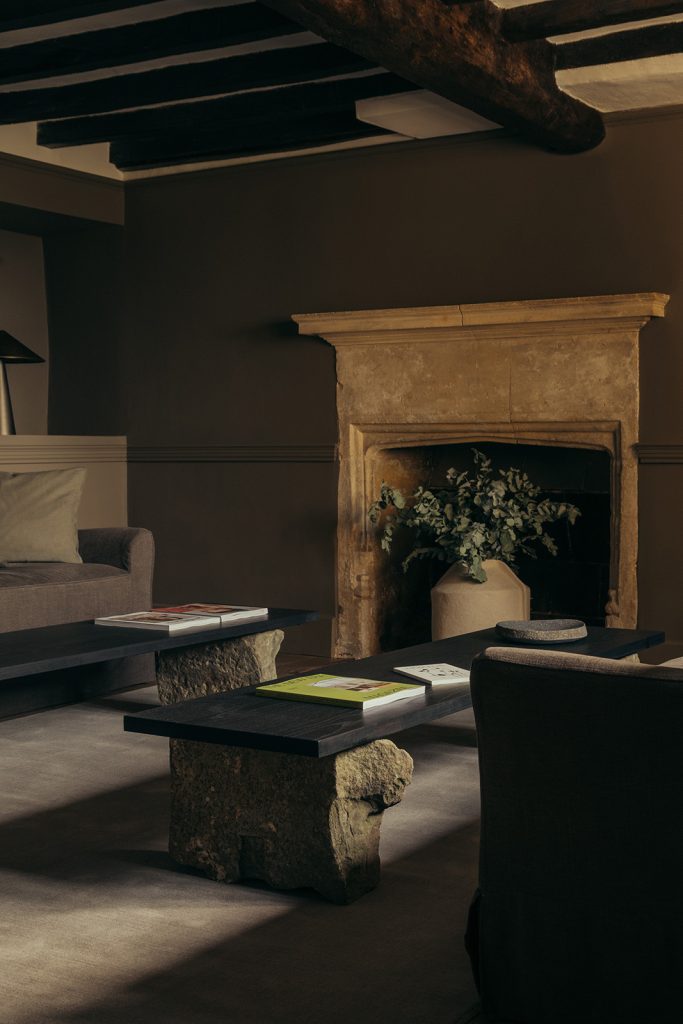
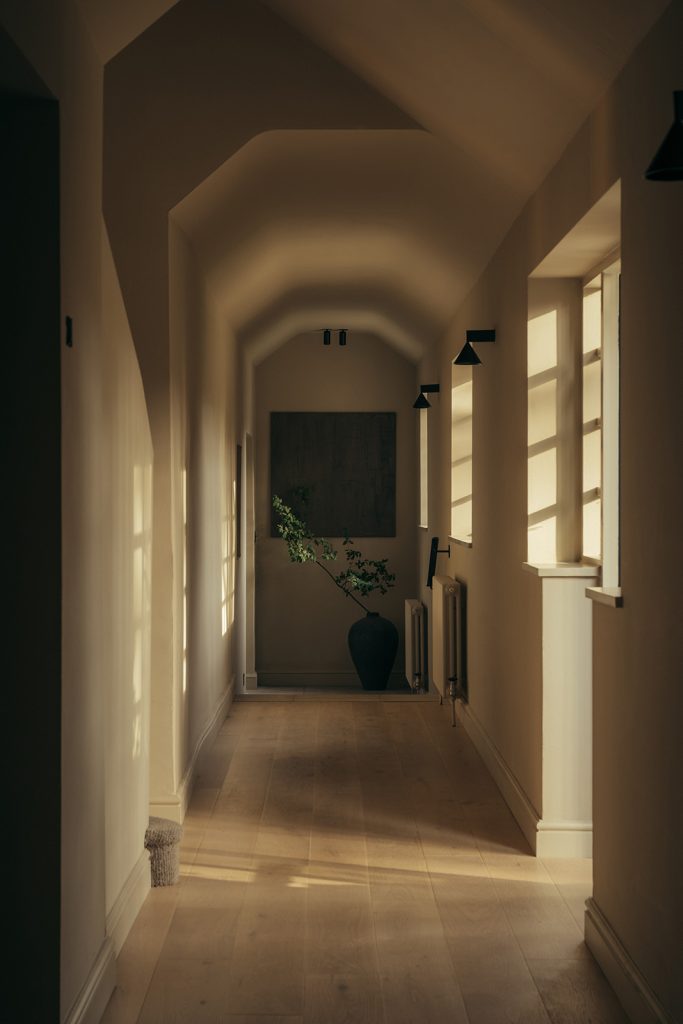
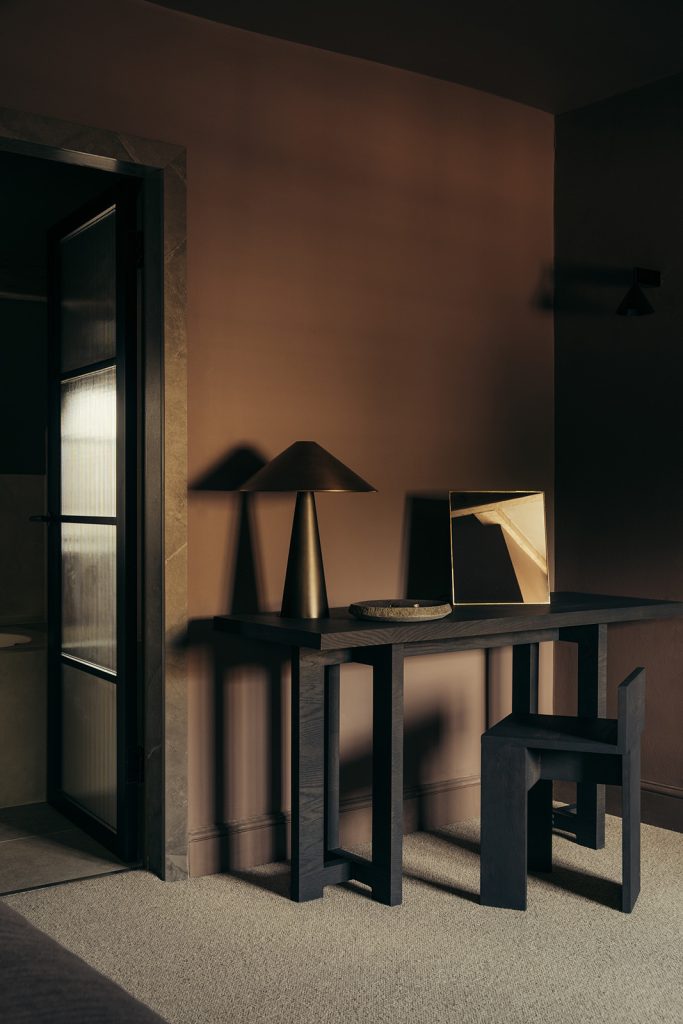
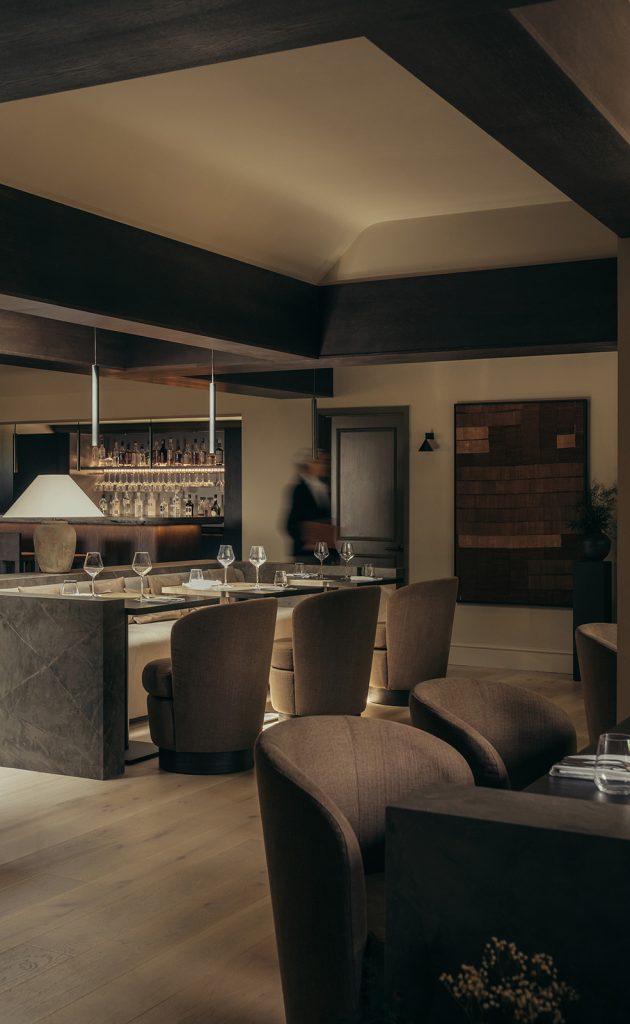
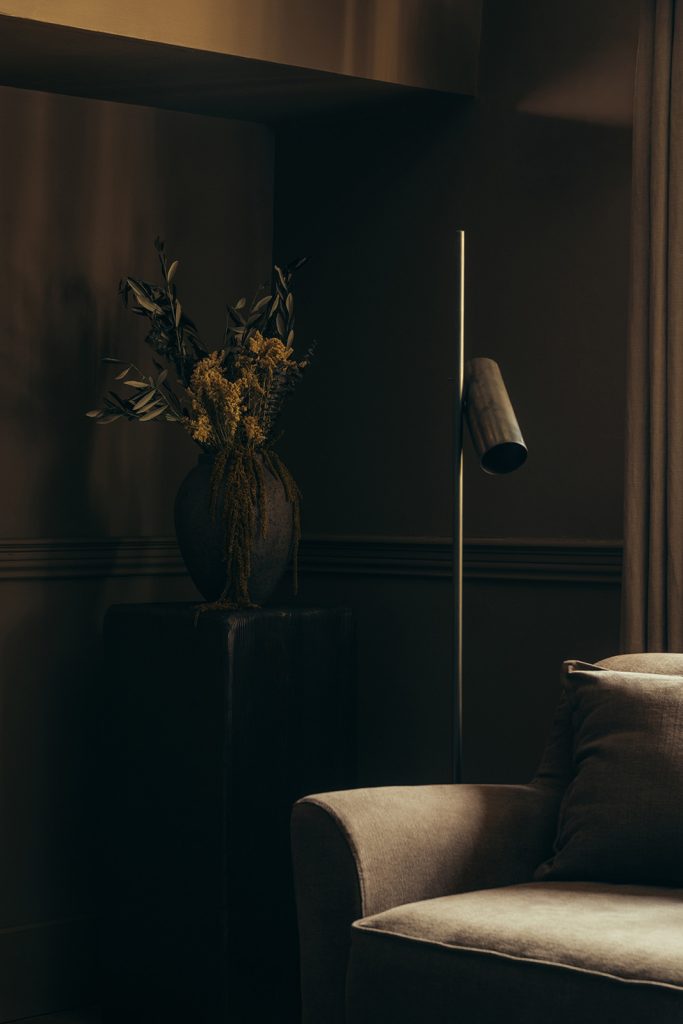
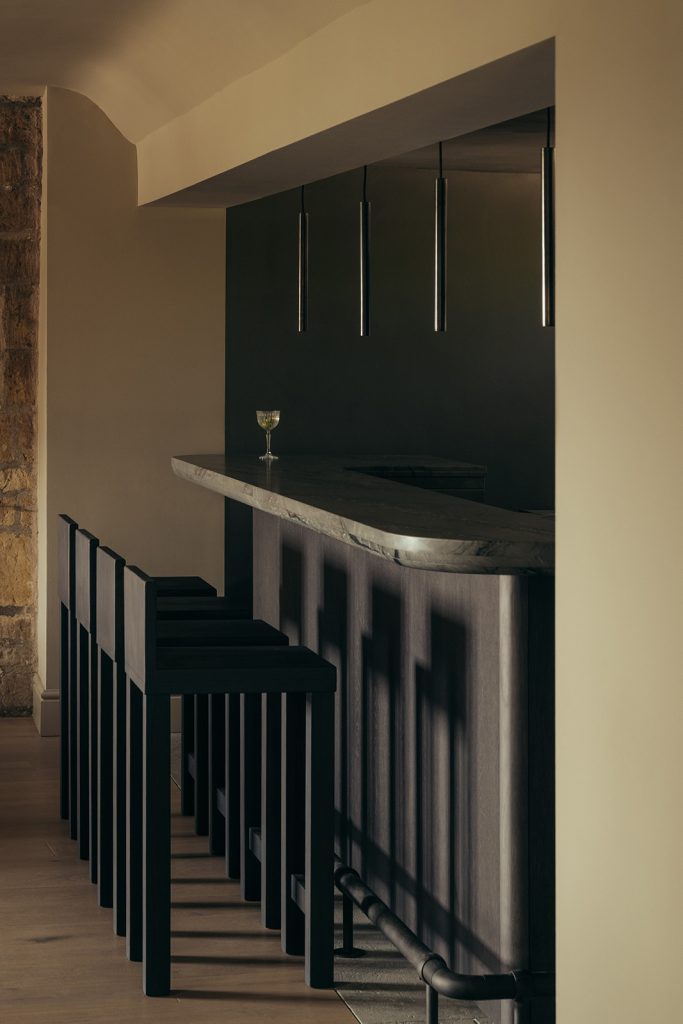
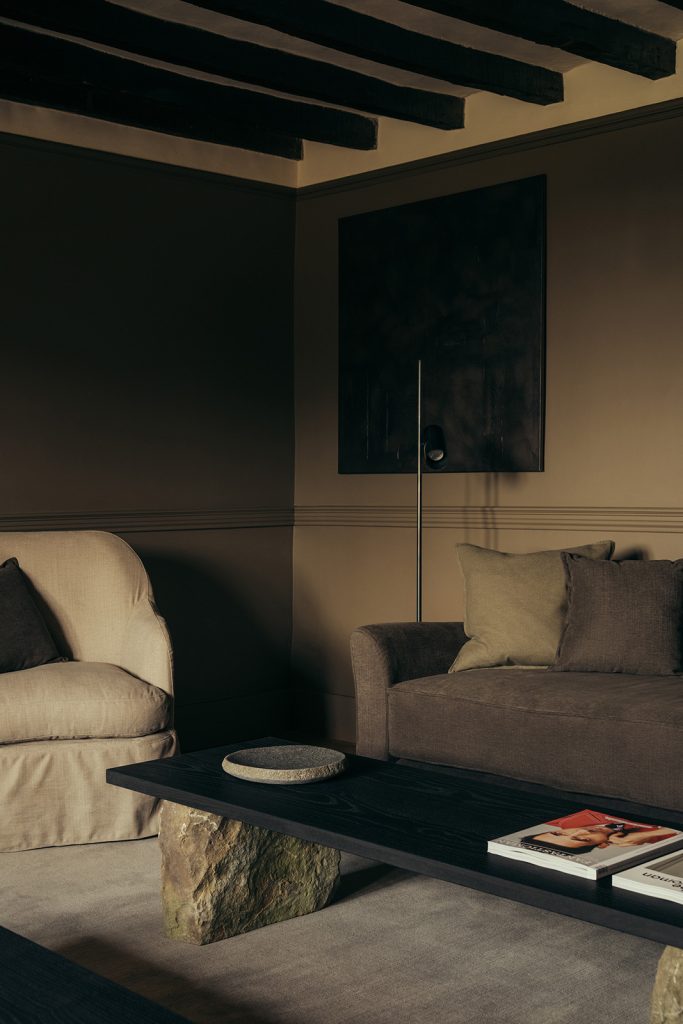
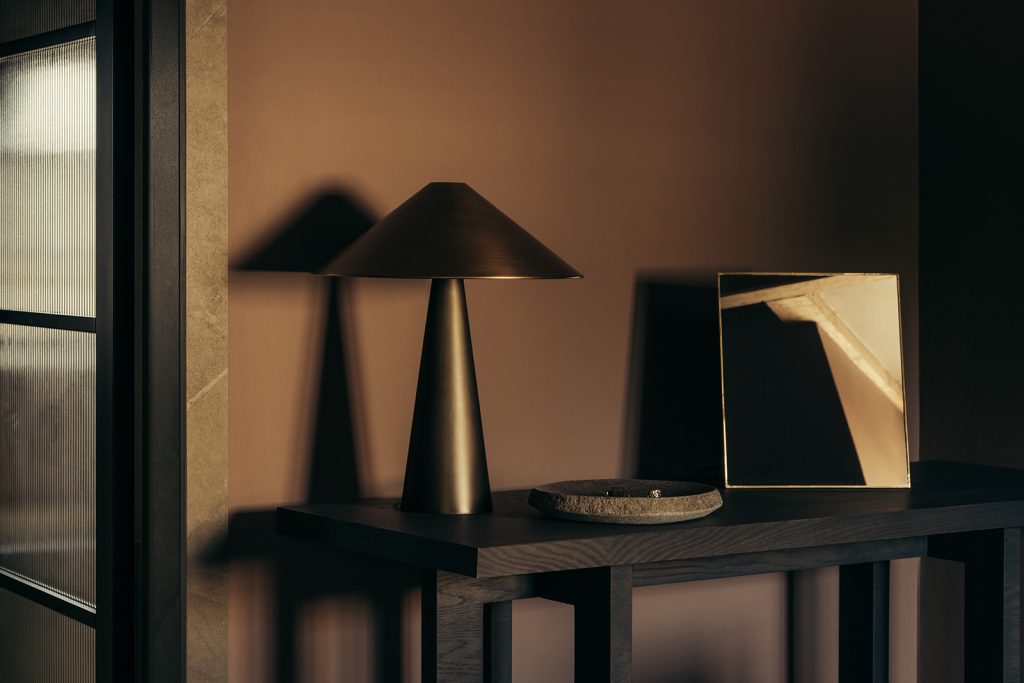
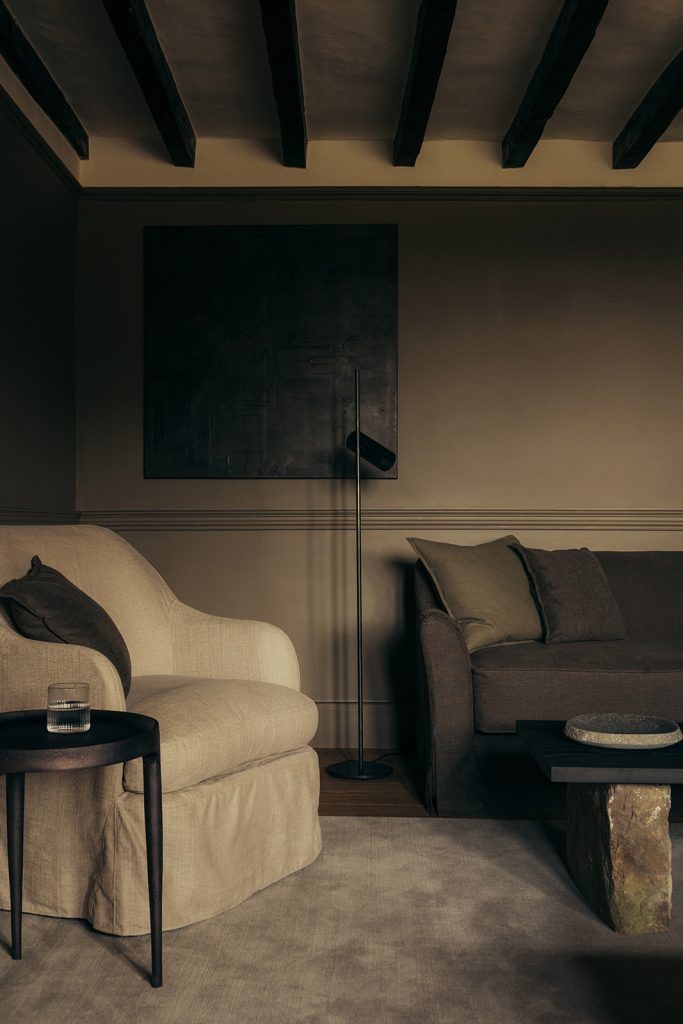
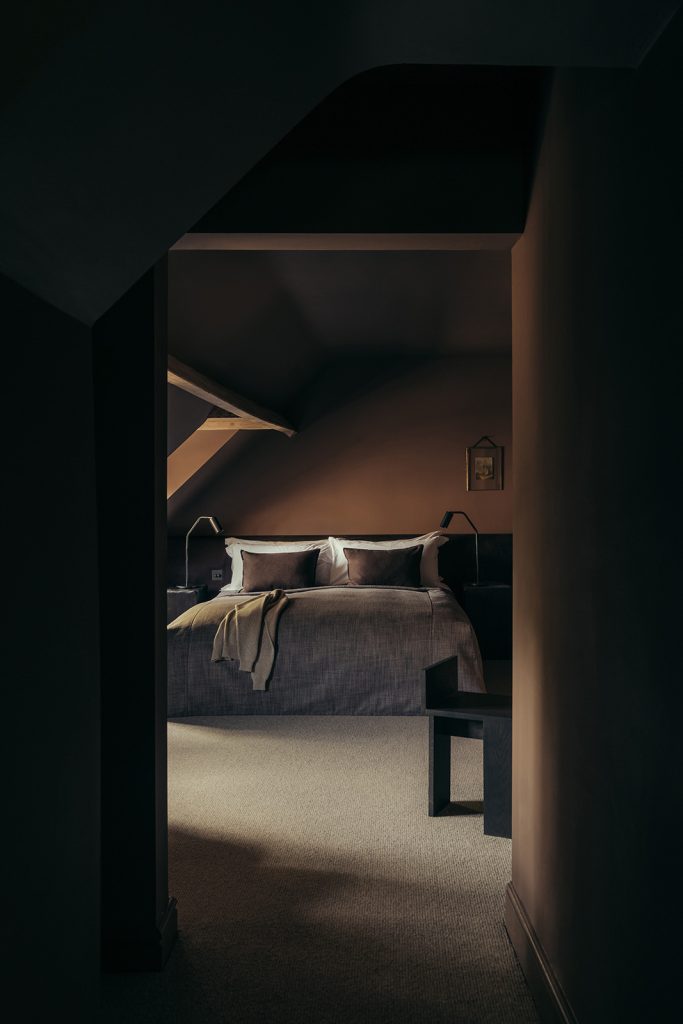
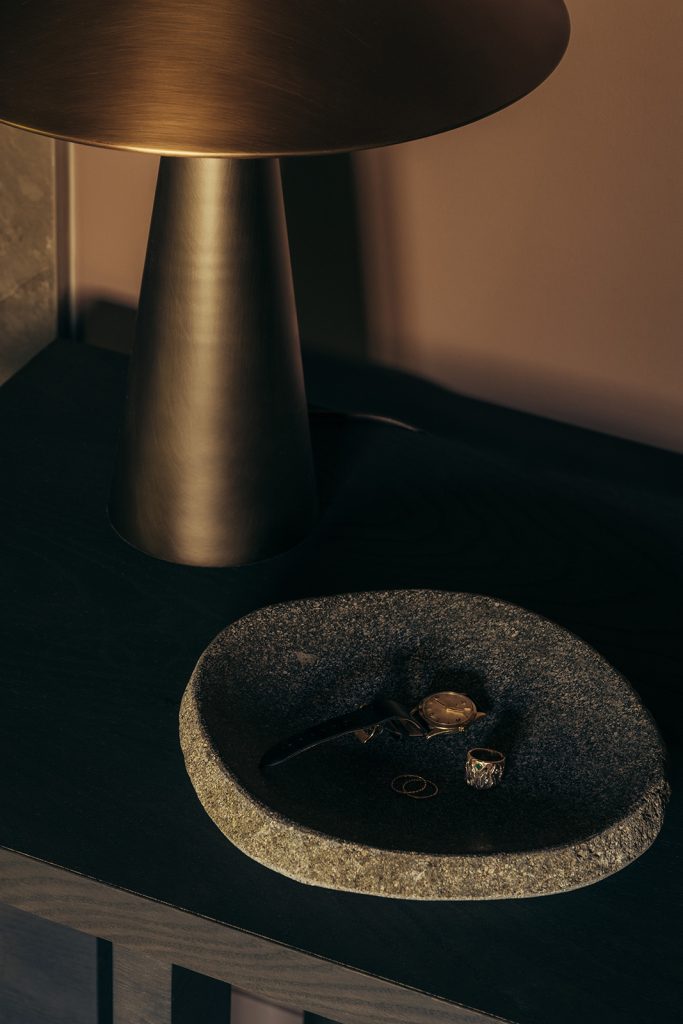
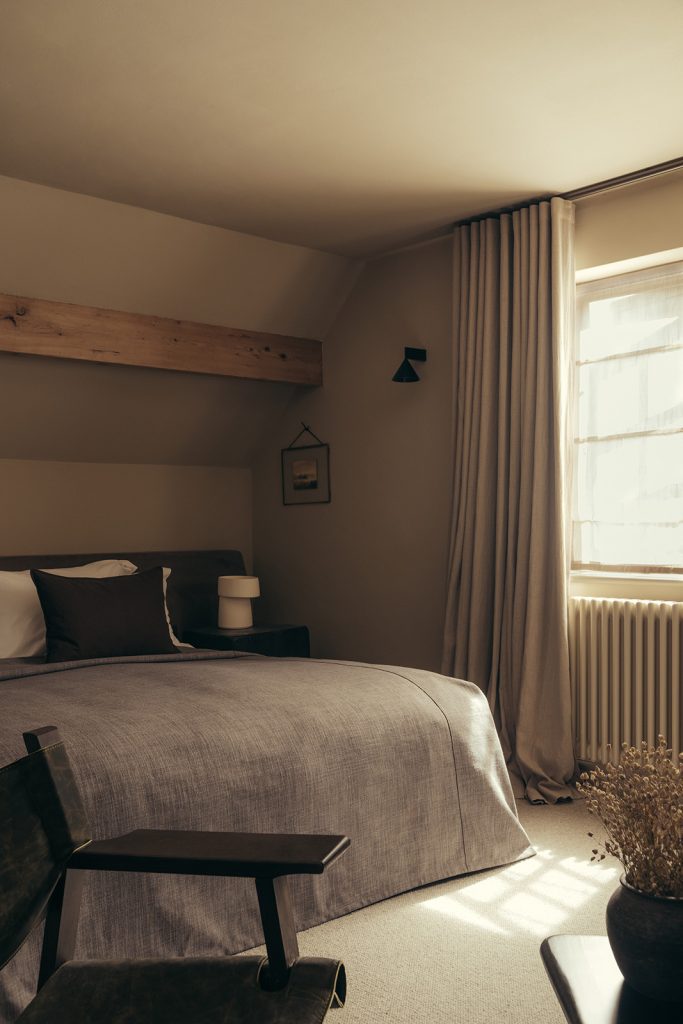
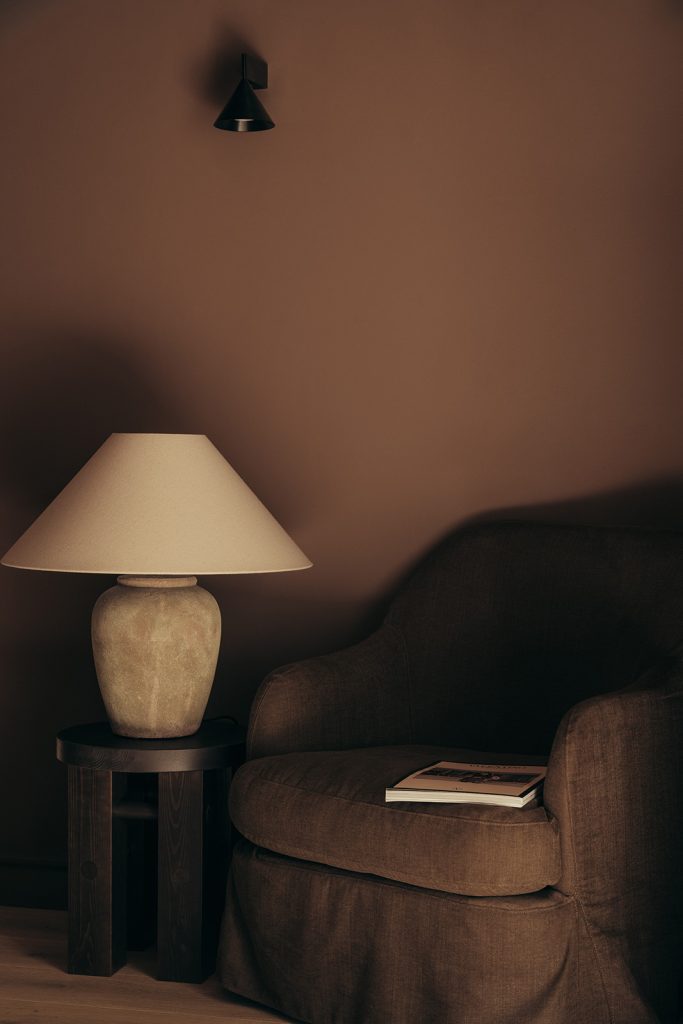
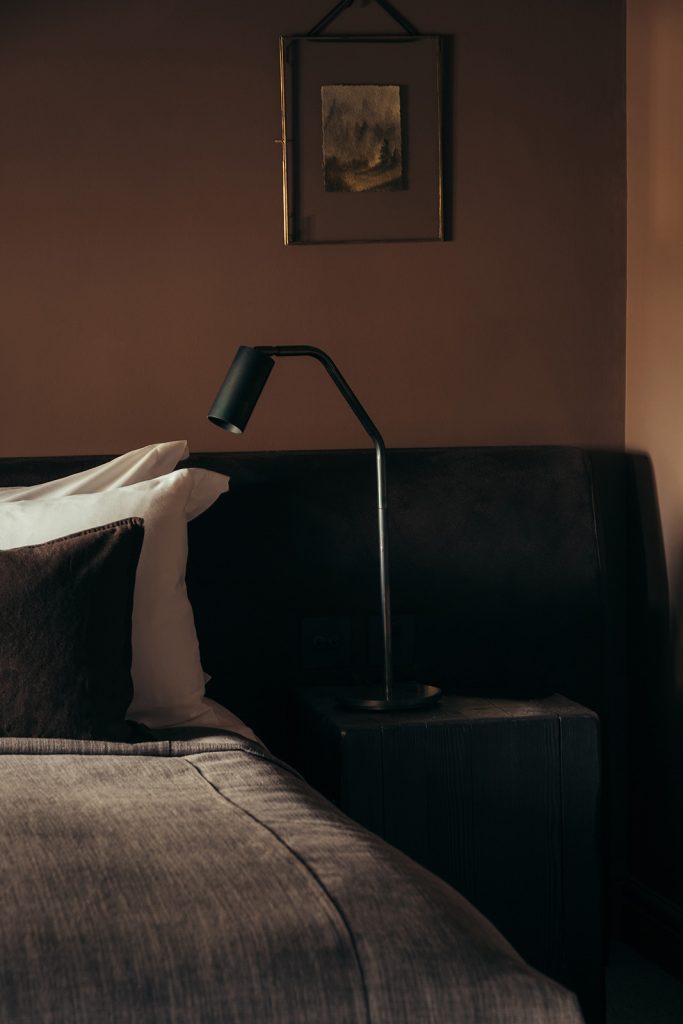
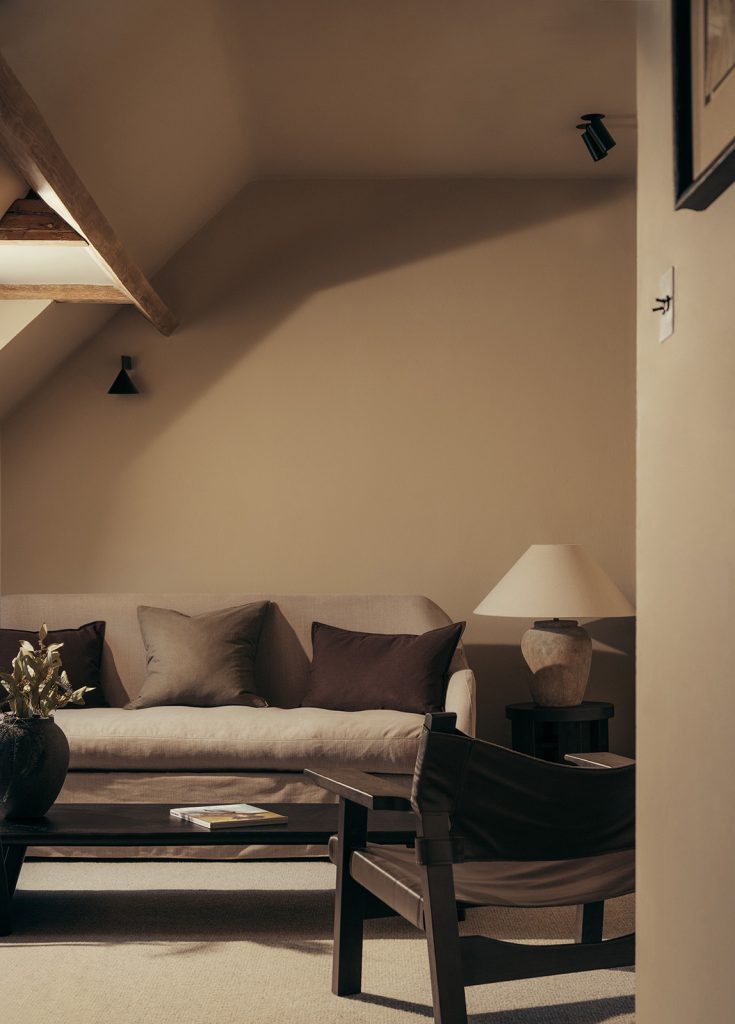
Hyll is the product of Manchester architect Tim Groom in collaboration with Oliver Collinge and Liam McGroarty of the Manchester design practice Youth. And though the 14th-century Manor House maintains a tight connection with its bucolic setting, inside the slate has been wiped clean. The team exercised the utmost restraint in outfitting rooms in muted limestone, moody charcoal and weathered timber that will continue to age gracefully. They designed monolithic fireplaces and custom plinths in timber and stone, and finished walls in hand-textured plaster. Each component feels as though it has always belonged, shaped by restraint and material honesty. In challenging the conventions of a country house hotel, they’ve created a decidedly unfussy and un-fusty retreat.
Photography Murray Orr.
Photography Murray Orr.
Photography Murray Orr.
Photography Murray Orr.
Photography Murray Orr.
Photography Murray Orr.
Photography Murray Orr.
Photography Murray Orr.
Photography Murray Orr.
Photography Murray Orr.
Photography Murray Orr.
Photography Murray Orr.
Photography Murray Orr.
Photography Murray Orr.
Photography Murray Orr.
Photography Murray Orr.
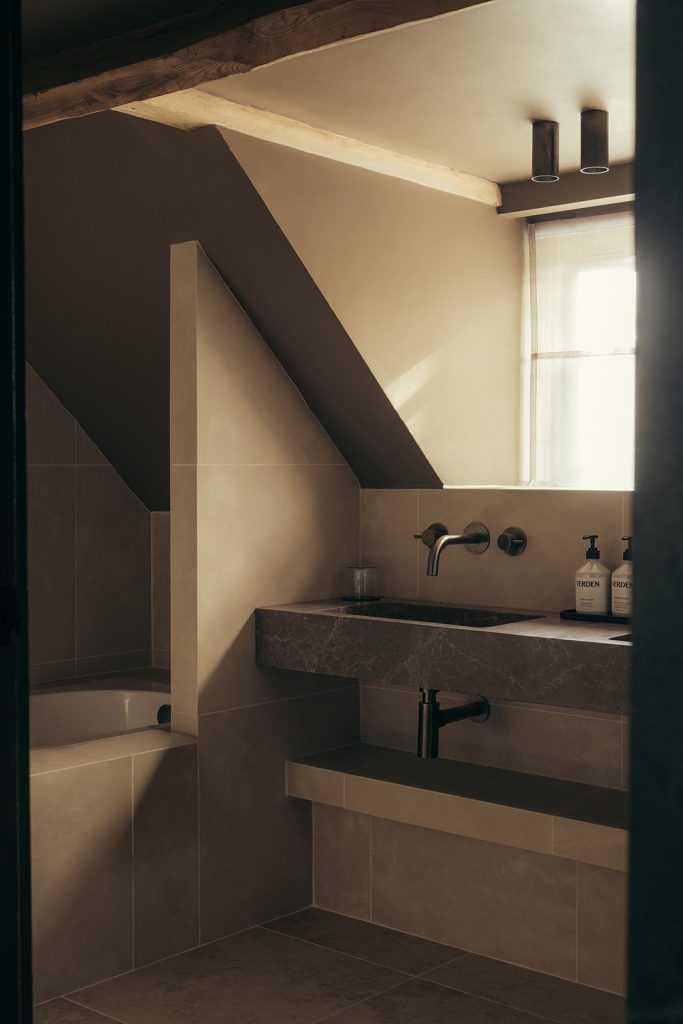
Photography Murray Orr.
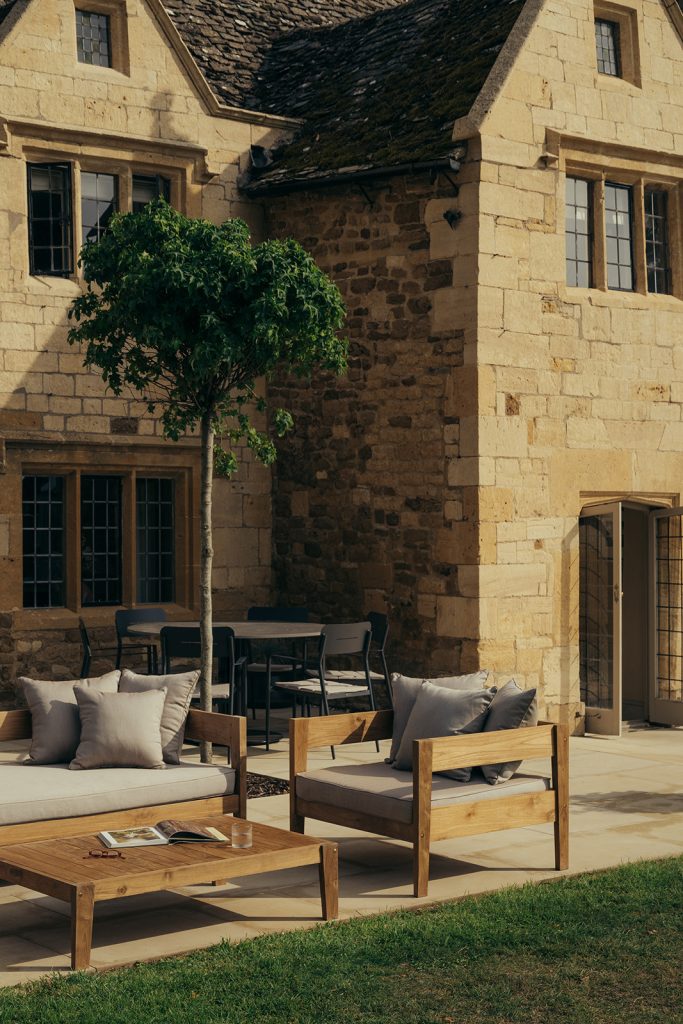
Photography Murray Orr.
‘A shared understanding of materiality, atmosphere and the quiet power of spatial storytelling led to Hyll,’ says Collinge. ‘Our intention was to create a retreat that strips away the noise of the modern world, favouring a raw, sensory-driven approach.’
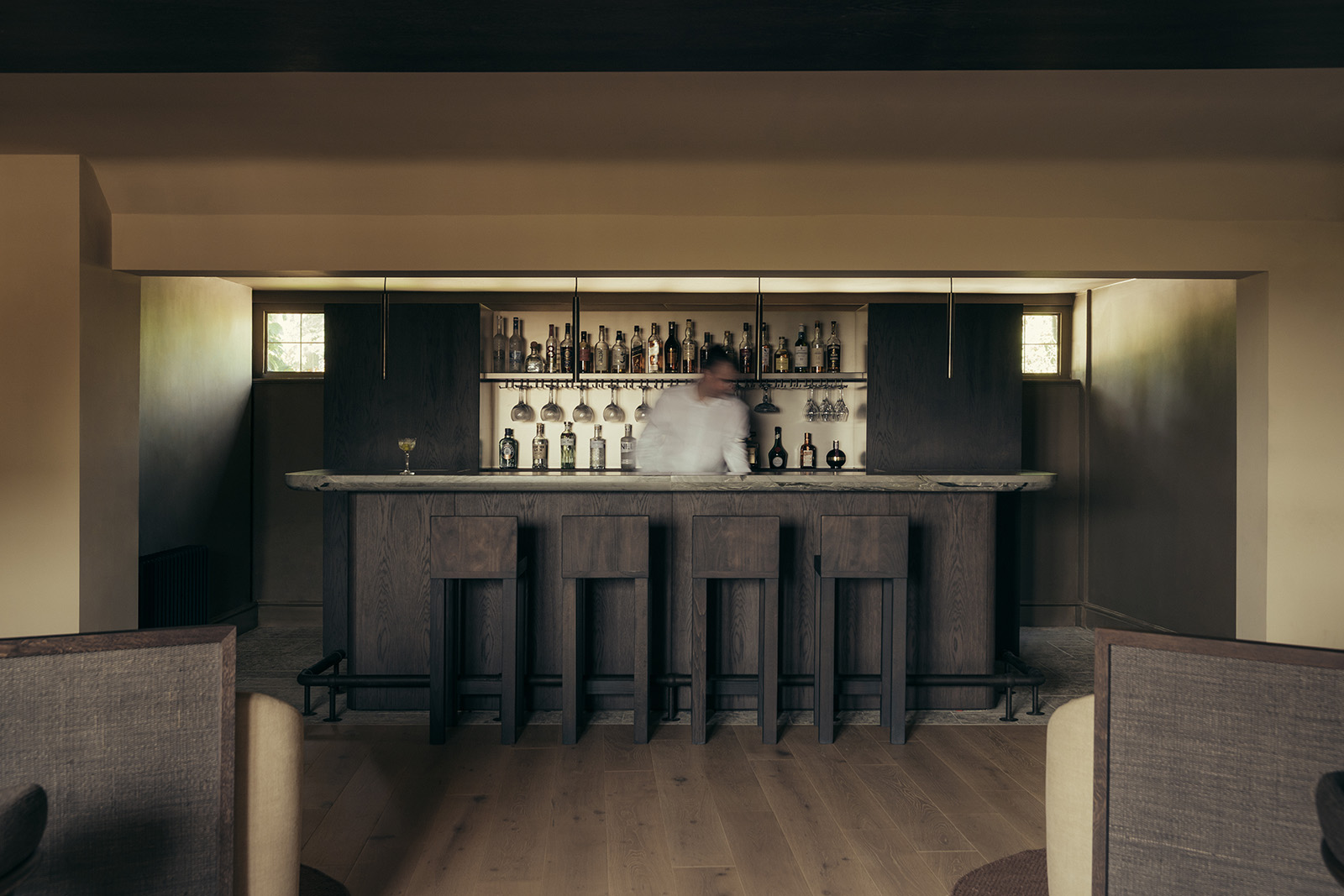
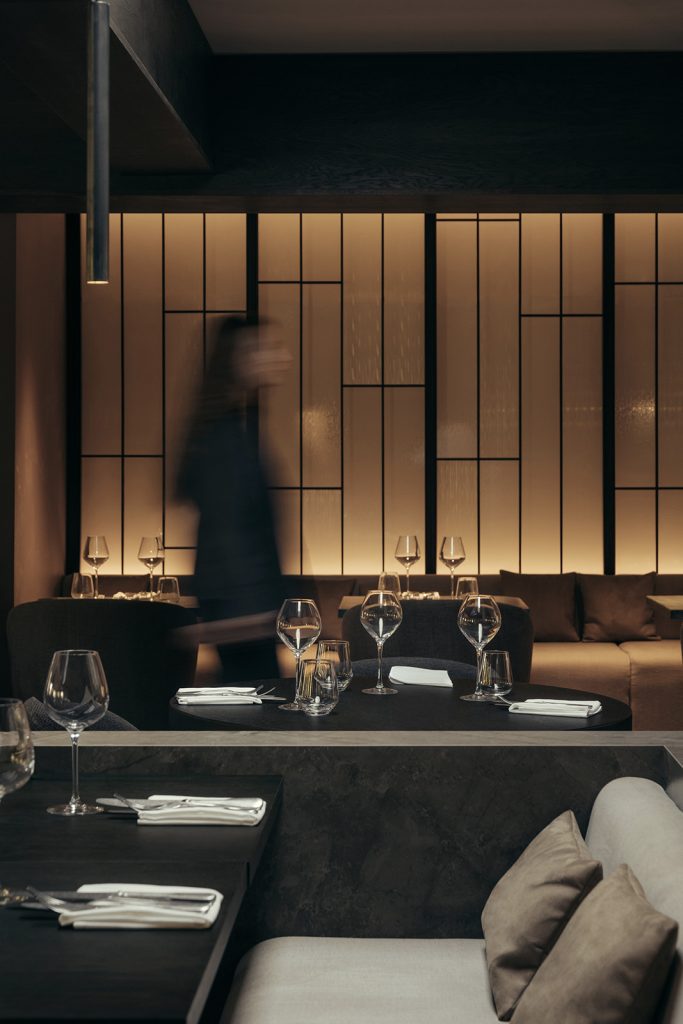
Aside from furnishing the 18 guest rooms with stained-oak wardrobes and charred-timber tables, the designers worked up a new restaurant and lounge along with spaces for private dining, another hallmark of 2020s hospitality. The landscape and materiality of the Cotswolds was the primary inspiration as they dismantled the ‘picture postcard’ stereotype in favour of raw, weathered, Gothic elements that ground the scheme. The brief emphasised subtraction rather than addition.
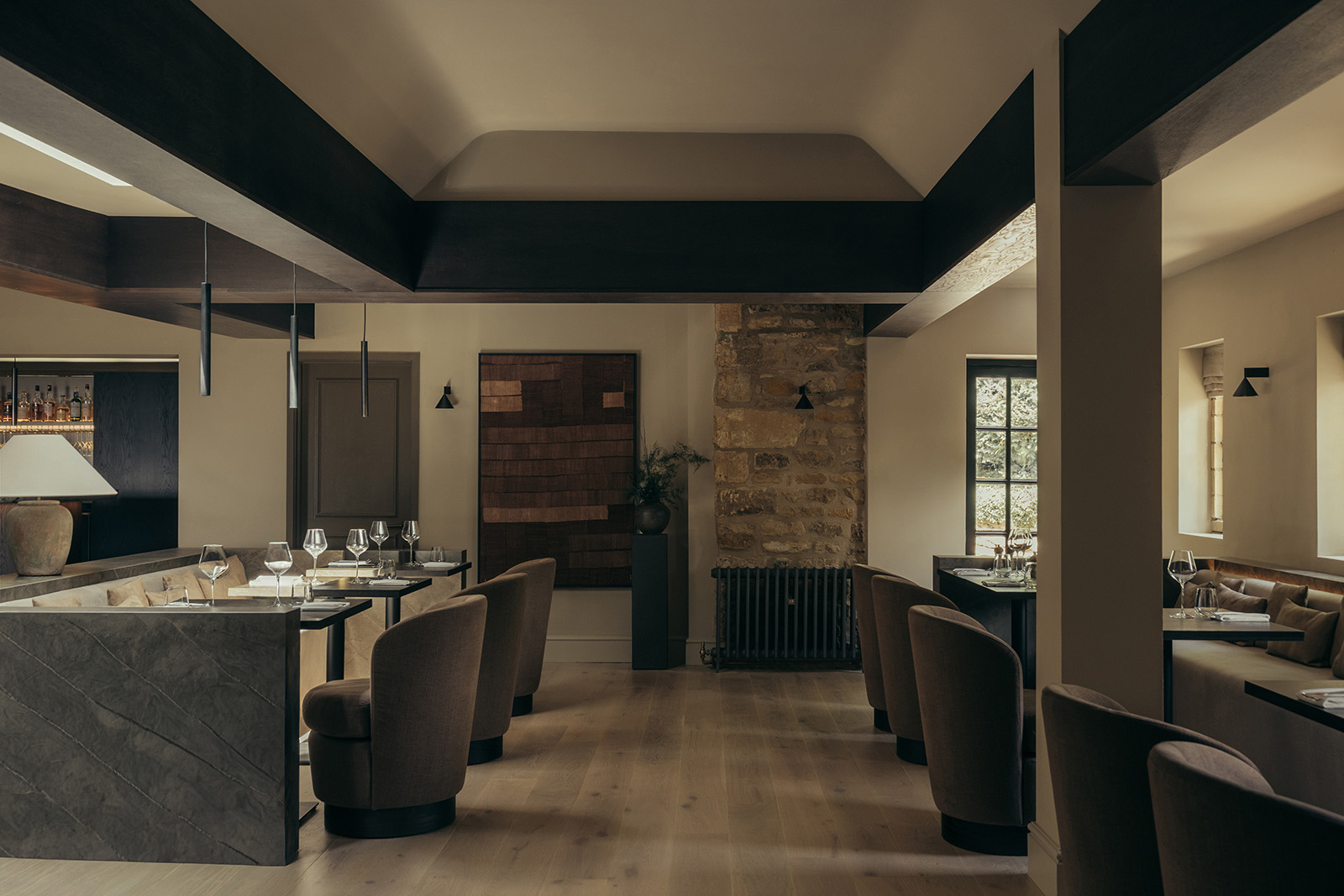
‘Our design for Hyll is a response to the rugged natural landscape of the Cotswolds — raw, simple, and aligned with our studio’s ethos,’ says McGroarty. ‘The interiors are intended to create a tangible shift in pace for guests, offering an experience that resists the conventions of a typical country house hotel.’
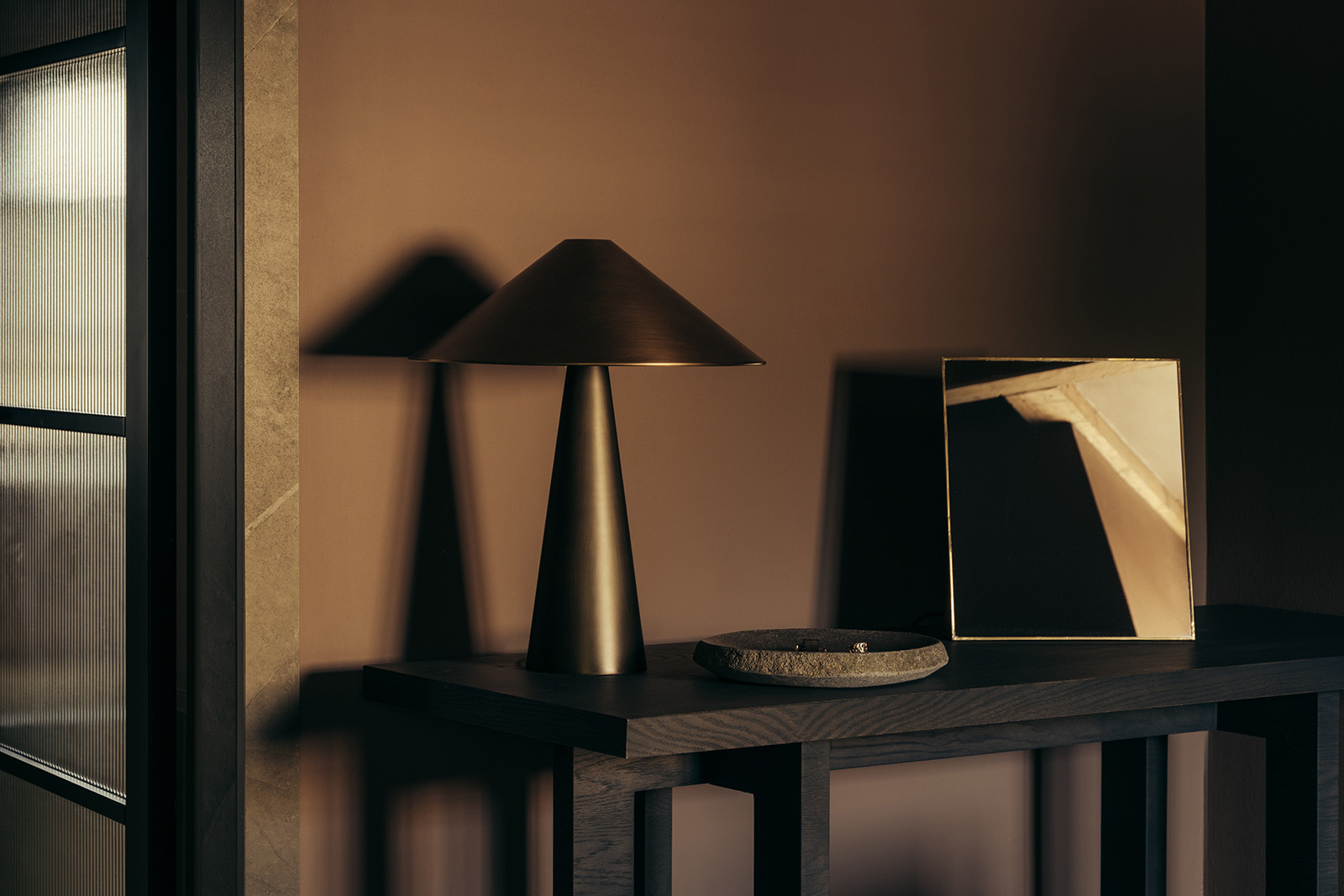
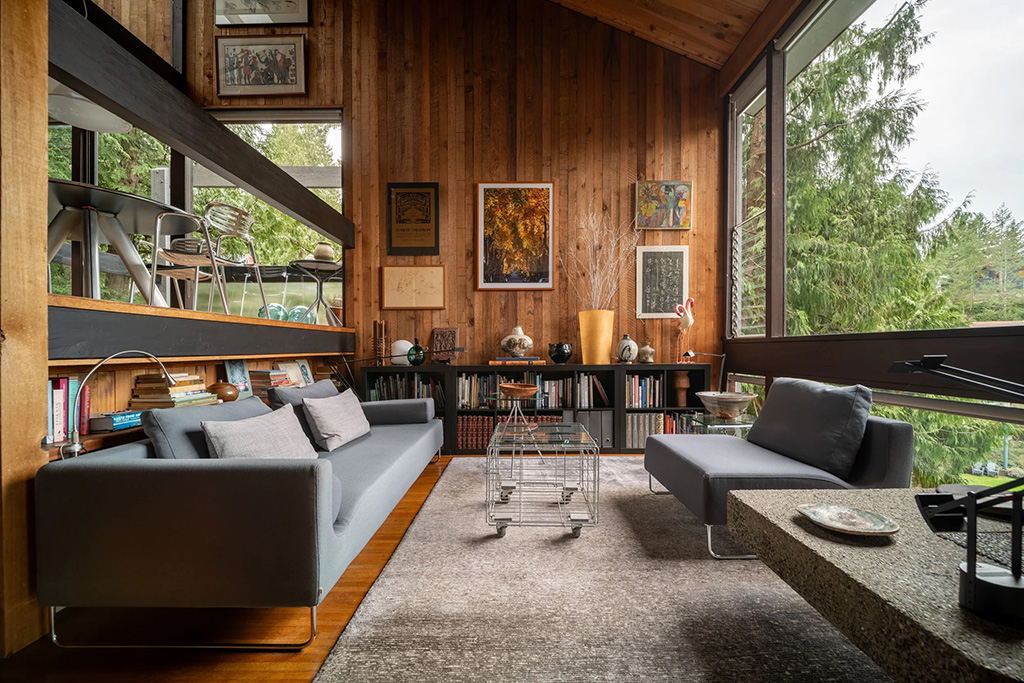
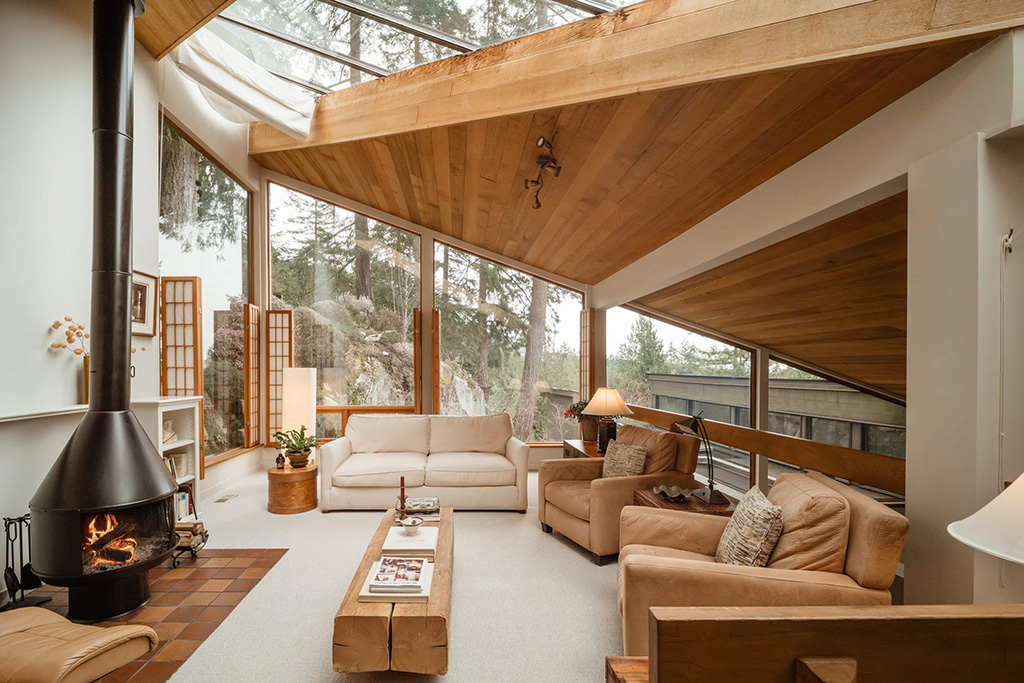
Soft transitions guide visitors through generous thresholds to quiet corners and seats with a view. Aged-metal lighting glows low and warm like candlelight. Materials are celebrated for their tactility, honesty and the way they hold light. In fact every element is conceived to blur boundaries between the built and the natural.
‘Hyll is not about escape – it is about reconnection,’ says Collinge. ‘The architecture frames moments of reflection, while the interiors move you gently through spaces that feel purposeful and present.’
In early 2026, Hyll plans to launch an event space on the property called the Bower, in a building timber-framed designed by Groom in dialogue with the hotel proper.