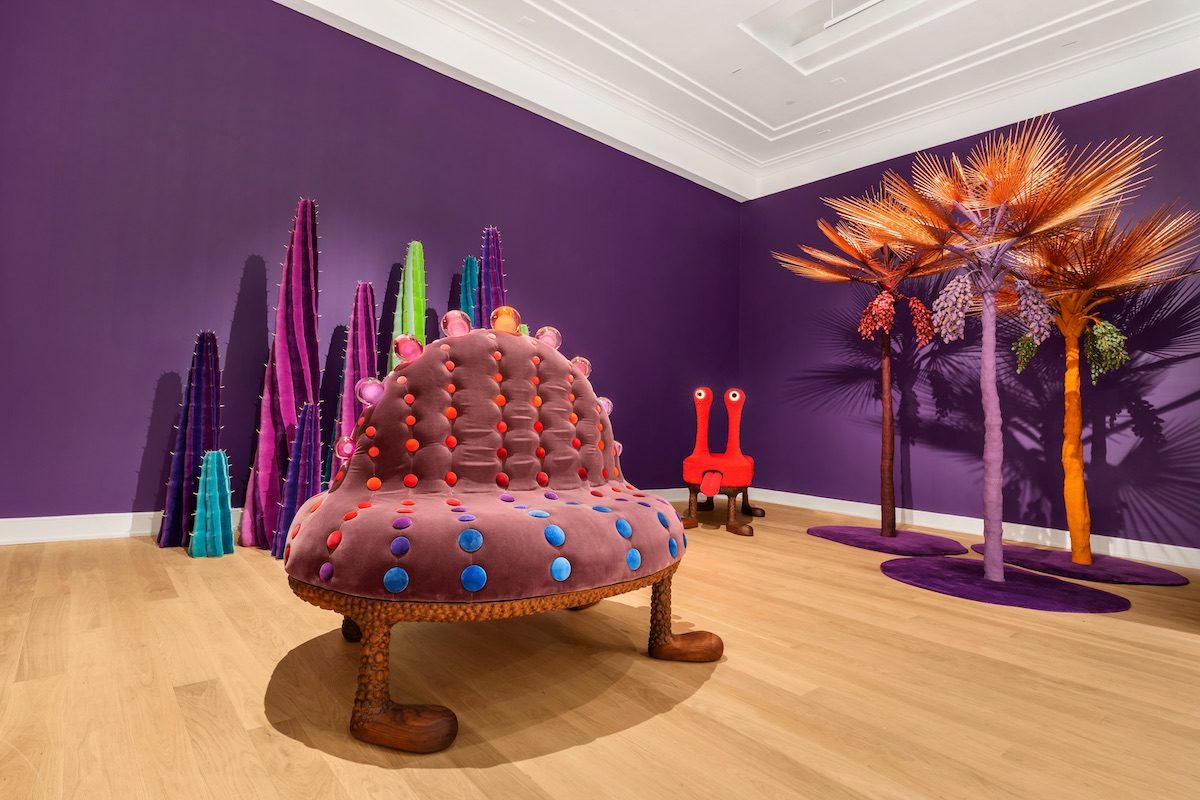
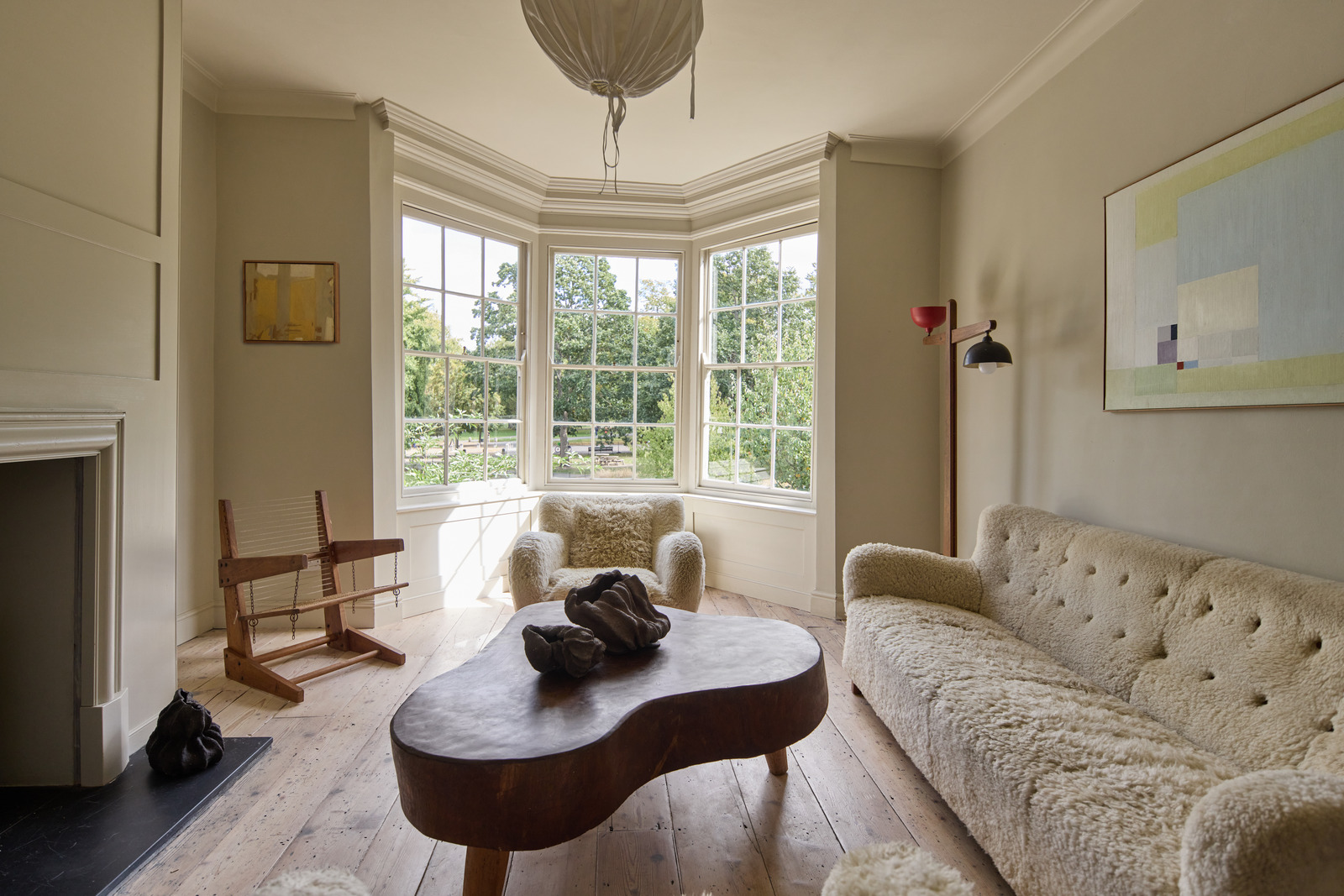
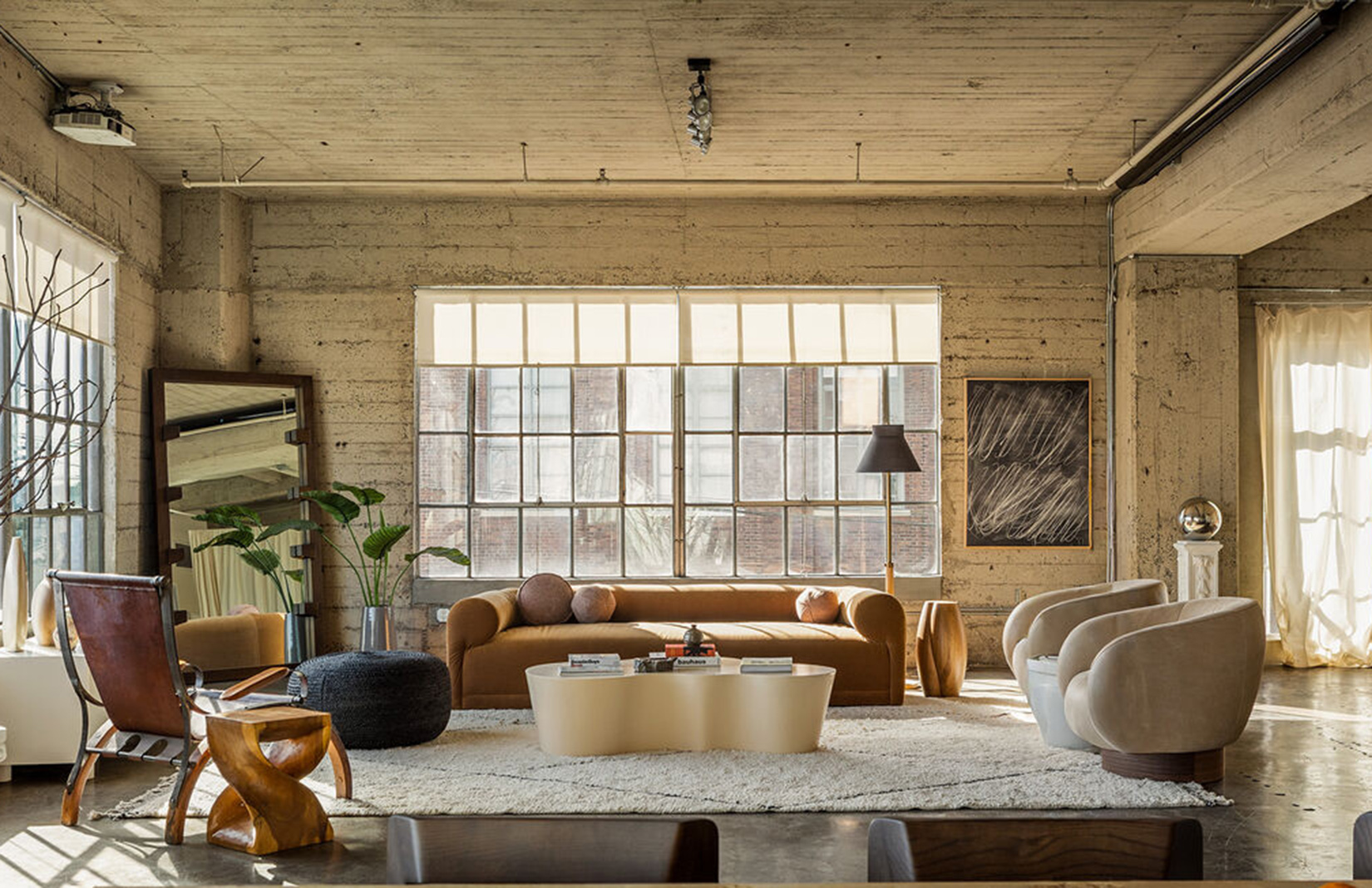
If every era has its anti-fashion, the same can be said for interior design. So just as furry footwear replaces stilettos and bow-legged trousers force new silhouettes, furniture is sticking a tongue out from the safe parameters of so-called good taste. Palettes are shifting from creamy whites to maximalist tones of rust and green. Bathroom tiles clash. Bony statement chairs channel heroin chic. Some sofas are stuffed beyond their frames; others have a hairy, almost zoomorphic quality. The most compelling interiors are so bad they’re good.
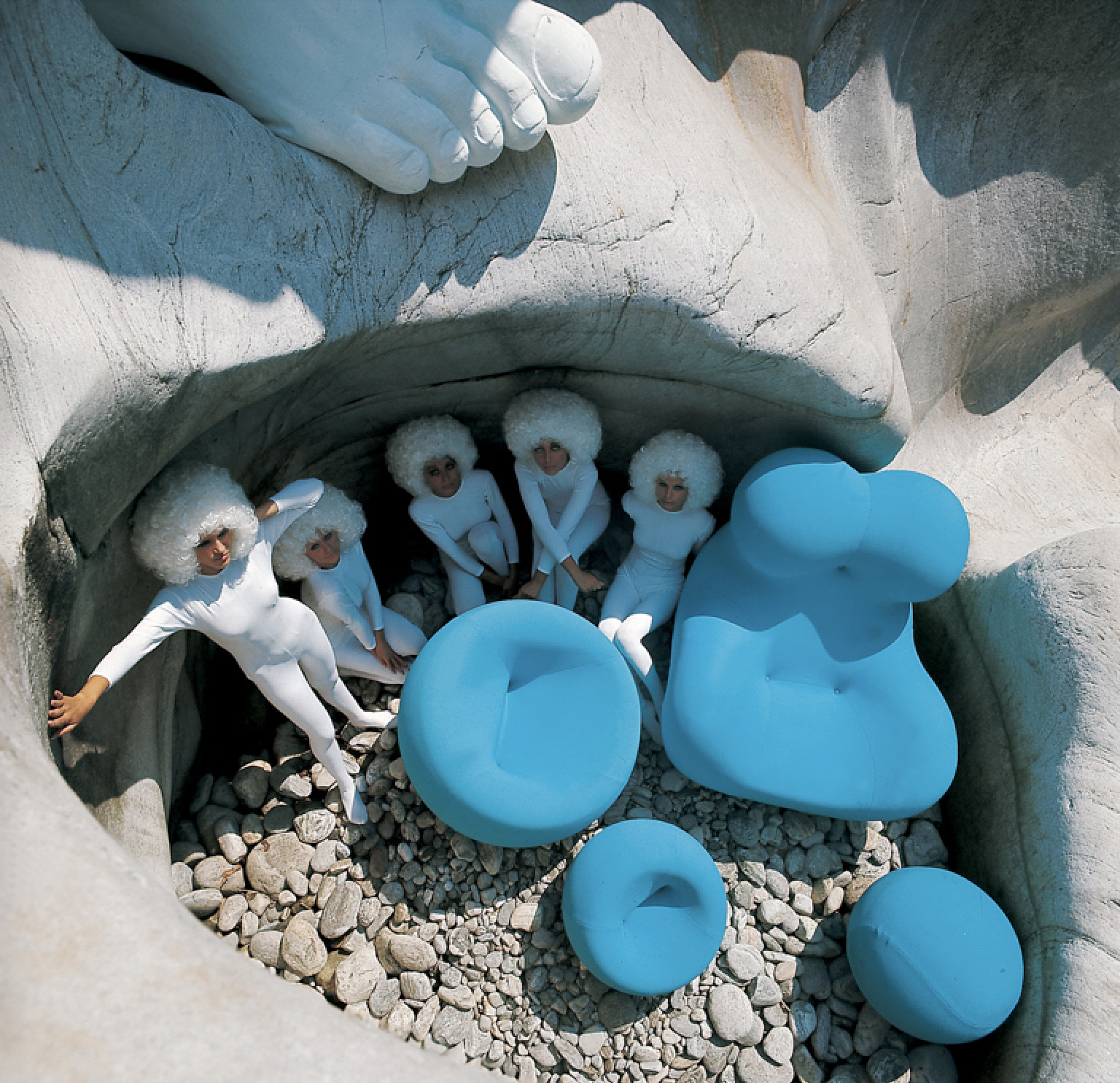
Jolie laide design first reared its head in the mid 20th century. Monolithic brutalist sideboards and raw bronze decoration were alluring to a subset of avant garde aesthetes in Europe and America. But the Italians took it to another level. Not to be minimised, Italian expressionism railed against established beauty standards with metallics, synthetics and eccentric shapes that invited you to look longer, think deeper and, more importantly, sit down. Design radical Gaetano Pesce became a legend for his bulbous seating and amorphic homewares that appeared to almost breathe — and after his death in 2024, galleries around the world planned exhibitions to showcase them.
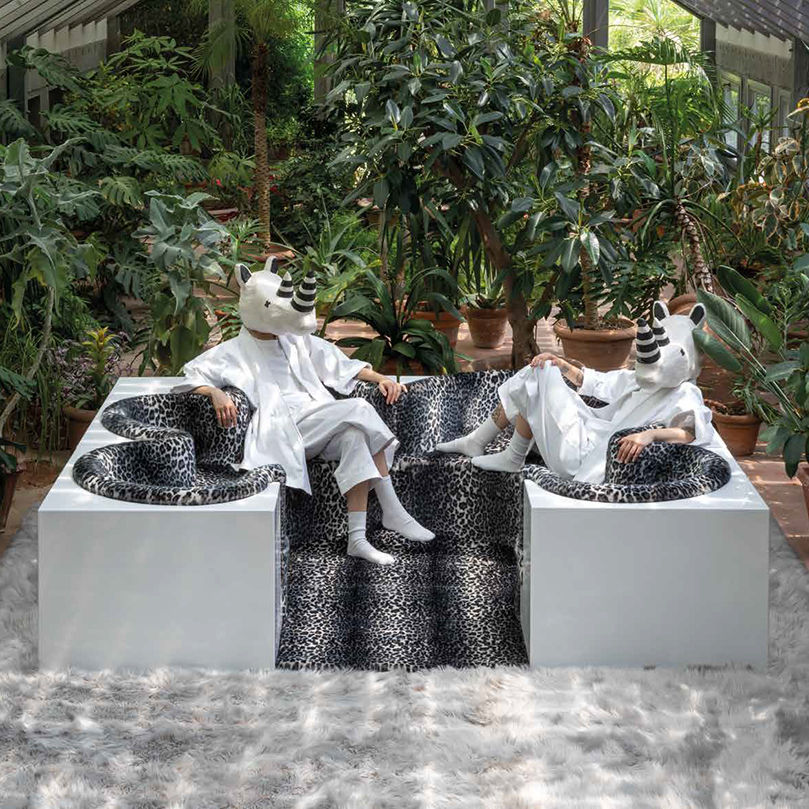
When we wrote recently about the resurgence of Poltronova’s flamboyant Safari sofa by Archizoom, the company’s head archivist Elisabetta Trincherini told us the work ‘arose from a radical critique of bourgeois taste, domestic conventions and the ideological foundations of post-war consumer society. What may superficially appear as “kitsch” is, in reality, a conscious and intellectually grounded strategy… intentionally designed to question the very categories through which “good design” was defined in the 1960s.’
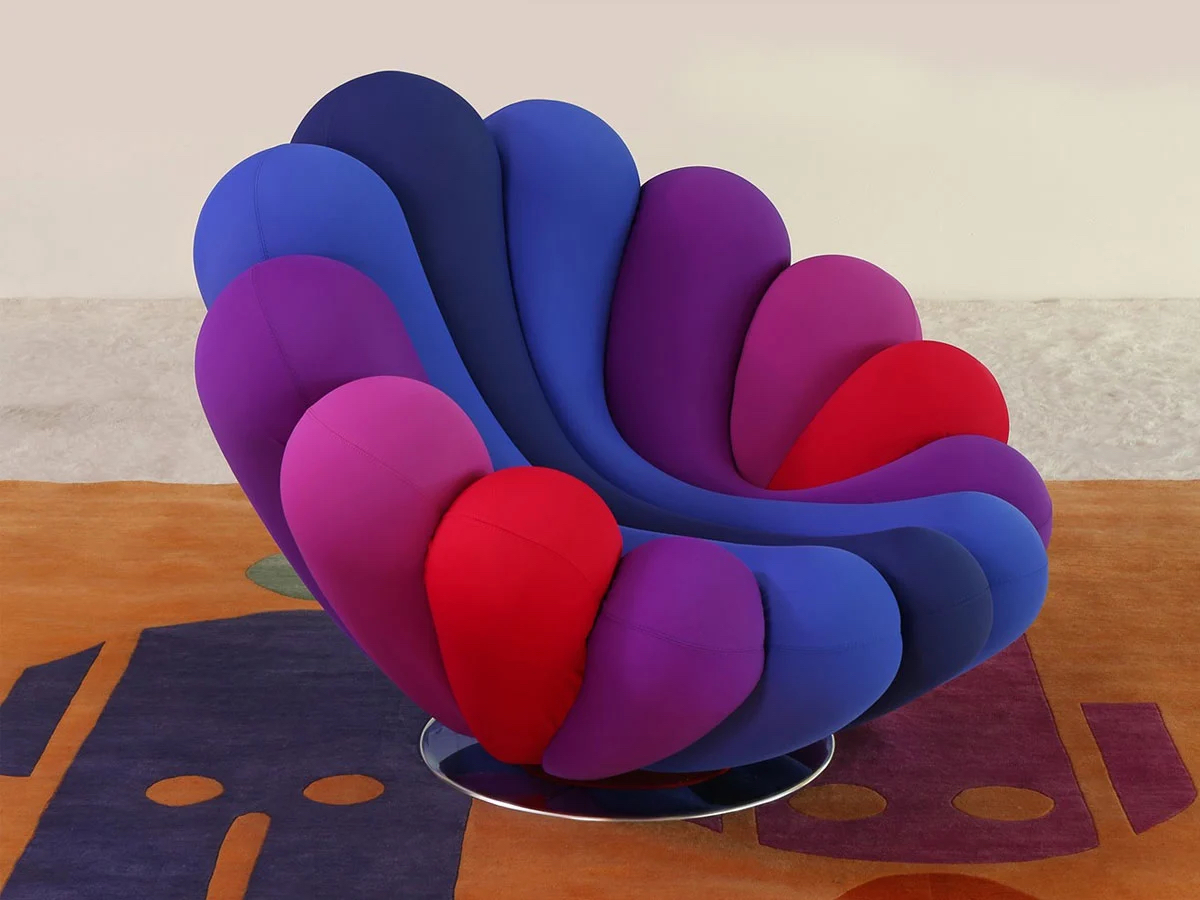
For many years the French were as adept as their Italian neighbours at challenging design norms. Who can forget Jean-Pierre Laporte’s modular Anemone chairs from 1969, hangovers from the designer’s friendship with French renegade Pierre Paulin? The full-bloom shape challenged established precepts of French good taste, and was imitated by dozens — most notably Giancarlo Zema, who designed his own Anemone for Italian manufacturer Giovannetti.
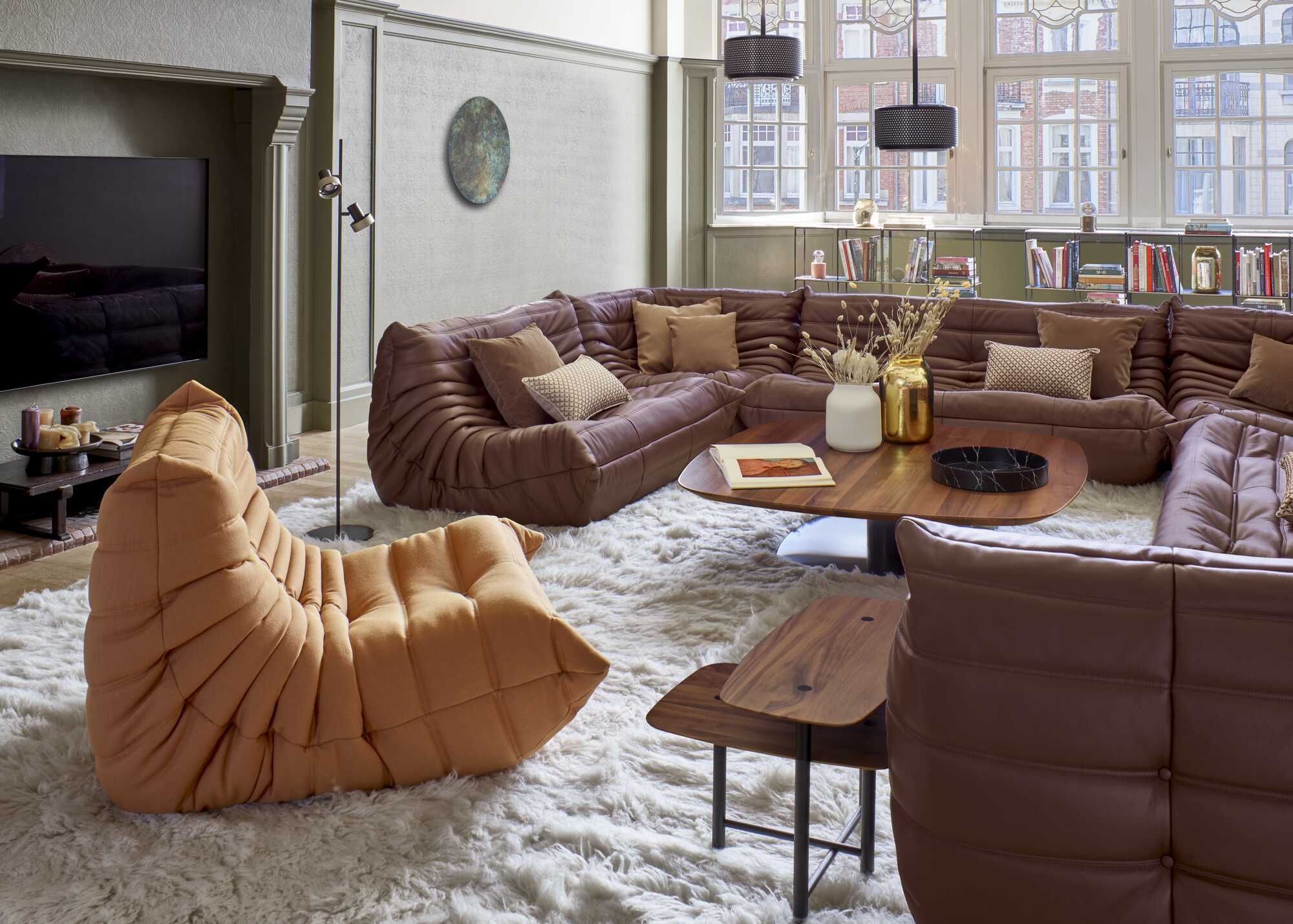
Some would say ugly design never really disappears. How could it hide? Ligne Roset’s evergreen Togo sofa, designed by Michel Ducaroy in 1973, is a case in point. Reissued annually in the upholstery du jour, it is a rare ugly design that goes with everything. It looks as if it could swallow a man whole, yet like Pesce’s Shadow armchair and Paulin’s Tongue lounger, it is undeniably comfortable.
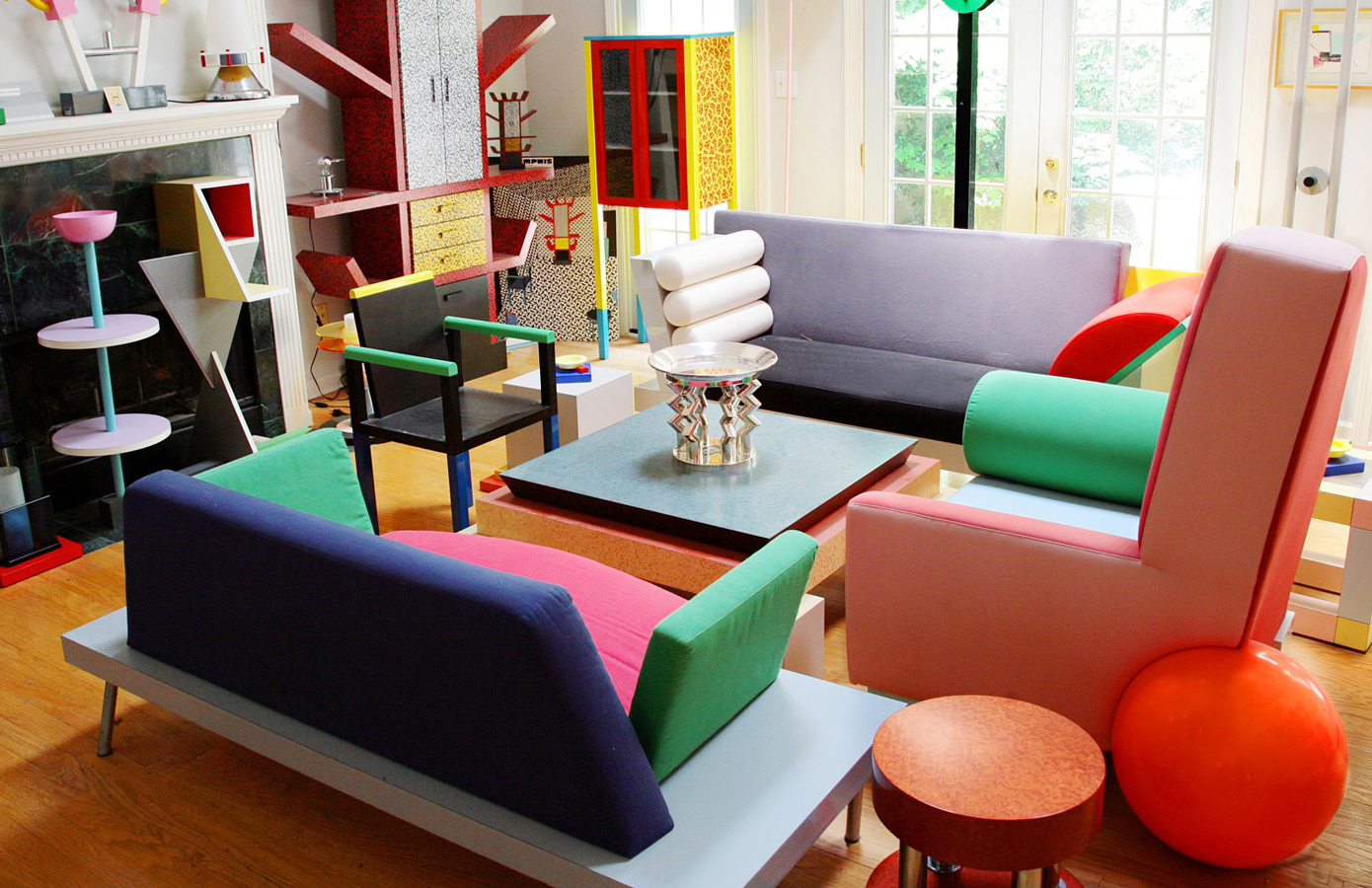
Many devotees of Memphis Design — the shouty po-mo style developed by Ettore Sottsass in 1980s Milan — remained faithful through the sleek, minimalist ’90s, when its primary colours and quirky gesticulations might be considered vulgar. Five years ago, London’s Design Museum saluted a Memphis resurgence with a blockbuster exhibition, and asked visitors what they thought: ‘Awful or awesome?’ Today those primary colours are ubiquitous in home decor.
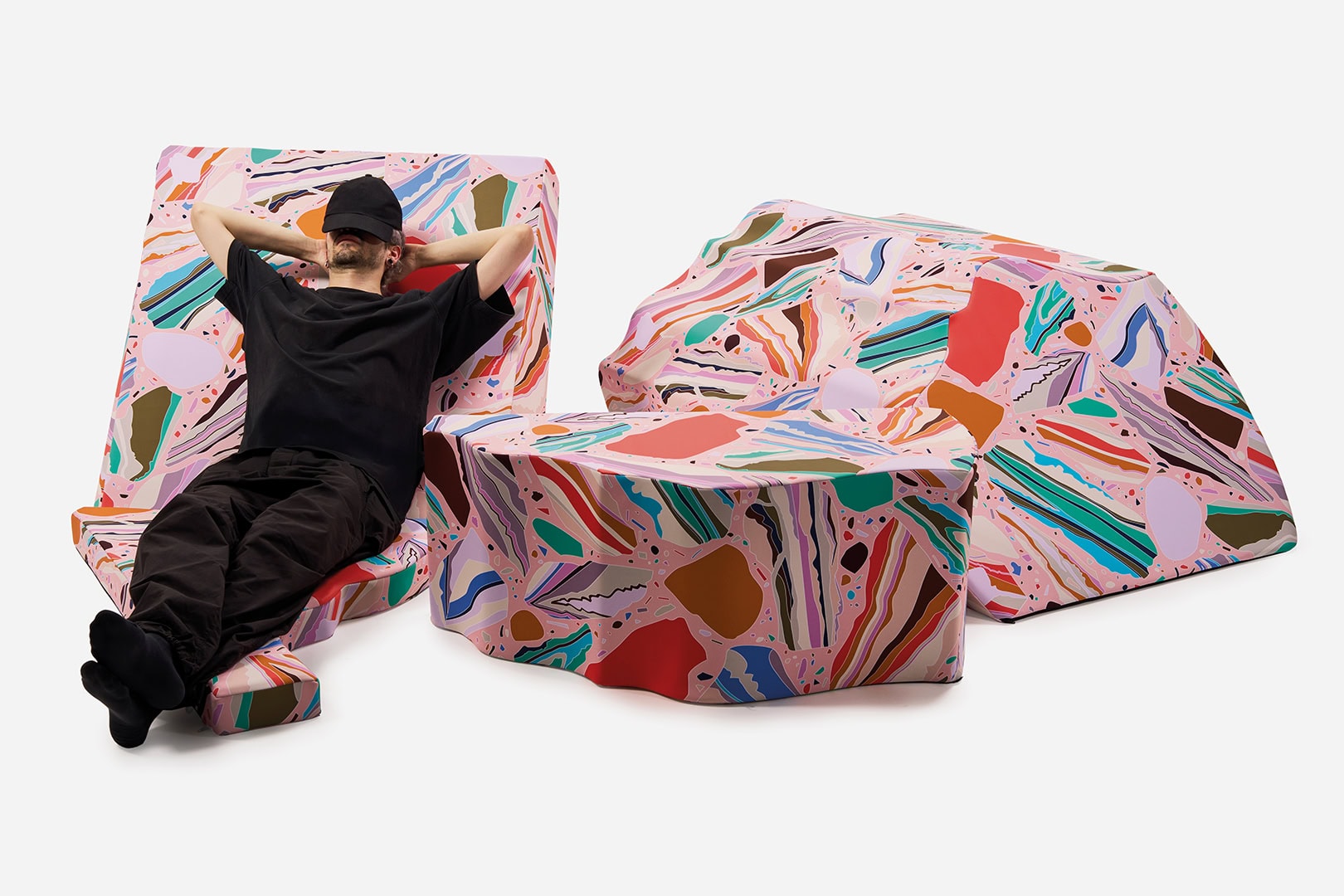
In the ’90s and 2000s, a lot of envelope-pushing design would have fallen under the umbrella of ‘kitsch’. But with the benefit of hindsight, collectors began to emerge. Renewed appreciation for ‘collectible design’ turned the craft of Pesce and his ilk into antiques. And it gave rise to limited-edition work by young surrealists like the Campana Brothers, from Brazil. Nikolai and Simon Haas, from LA, recently released a monograph of their biomorphic work monograph with the publisher Phaedon.
Today, after a long period of Scandinavian dominance, many aficionados are looking beyond white walls and plywood. With the entire history of design available in the digital domain, we can all claim to be design savvy. But it takes a special talent to look beyond the sameness that’s plagued home interiors since the advent of social media. A popular outlier is Bethan Laura Wood, currently showing her circus-inspired maximalist sculpture and textiles at the Design Museum.
And in Mexico the designer Maye Ruiz is popularising a brand of naïvete that elicits emotional reactions. ‘It speaks more to the senses, to nostalgia and, above all, to surprise… In a world where it feels like we’ve seen everything, creating surprise is both challenging and incredibly valuable,’ she says. ‘I love self-built houses, where proportions are technically “wrong” yet the creativity behind them is incredible.’ Ruiz’s most recent project, Bekeb bar in San Miguel de Allende, has a pattern of terracotta growths on the walls and a material palette of brown sheers and faux fur. ‘There are subtly playful, ugly-beautiful elements that disrupt the space in an unexpected way, yet they continue and enrich the narrative of the place.’
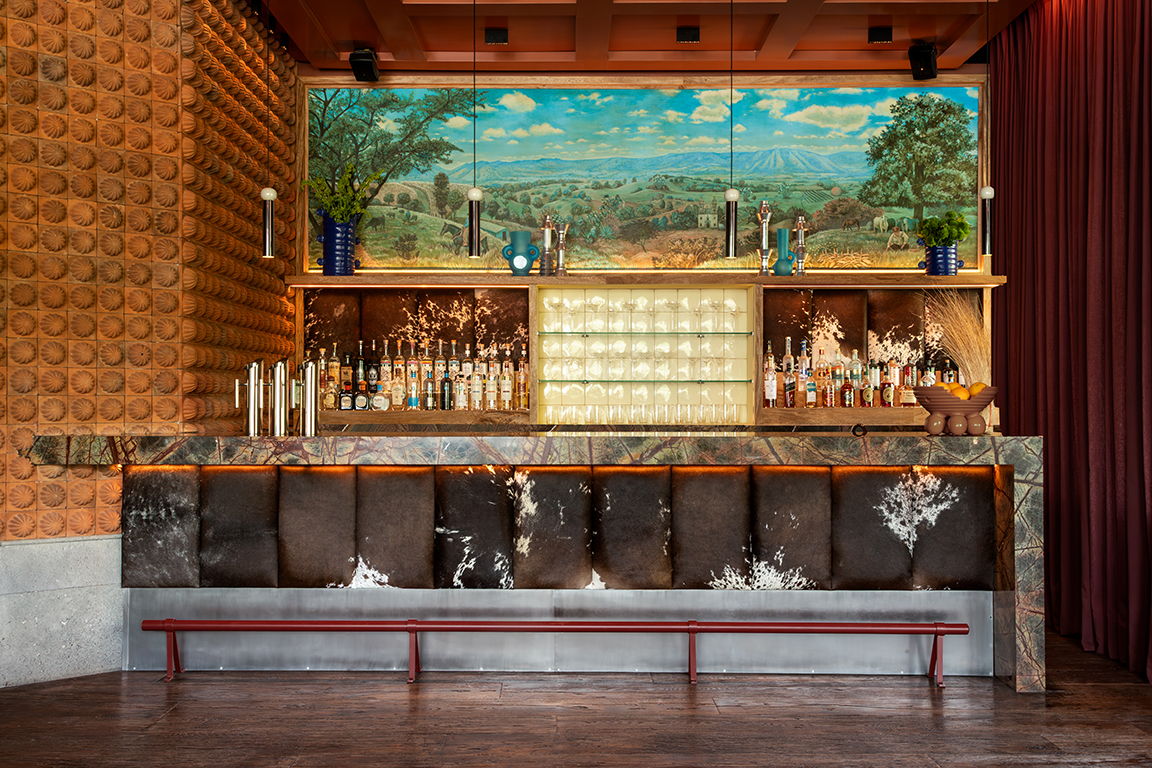
The most shocking revelation from 70-odd years of jolie-laide design is how much of it has endured. The biggest successes not only encapsulate an era but redefine the definition of ‘classic’. Is beauty in the eye of the beholder? Probably. But the beholders have learned to think outside the box.