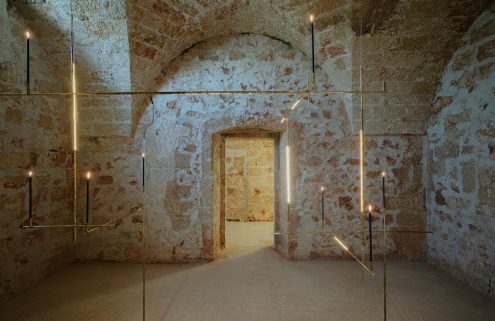
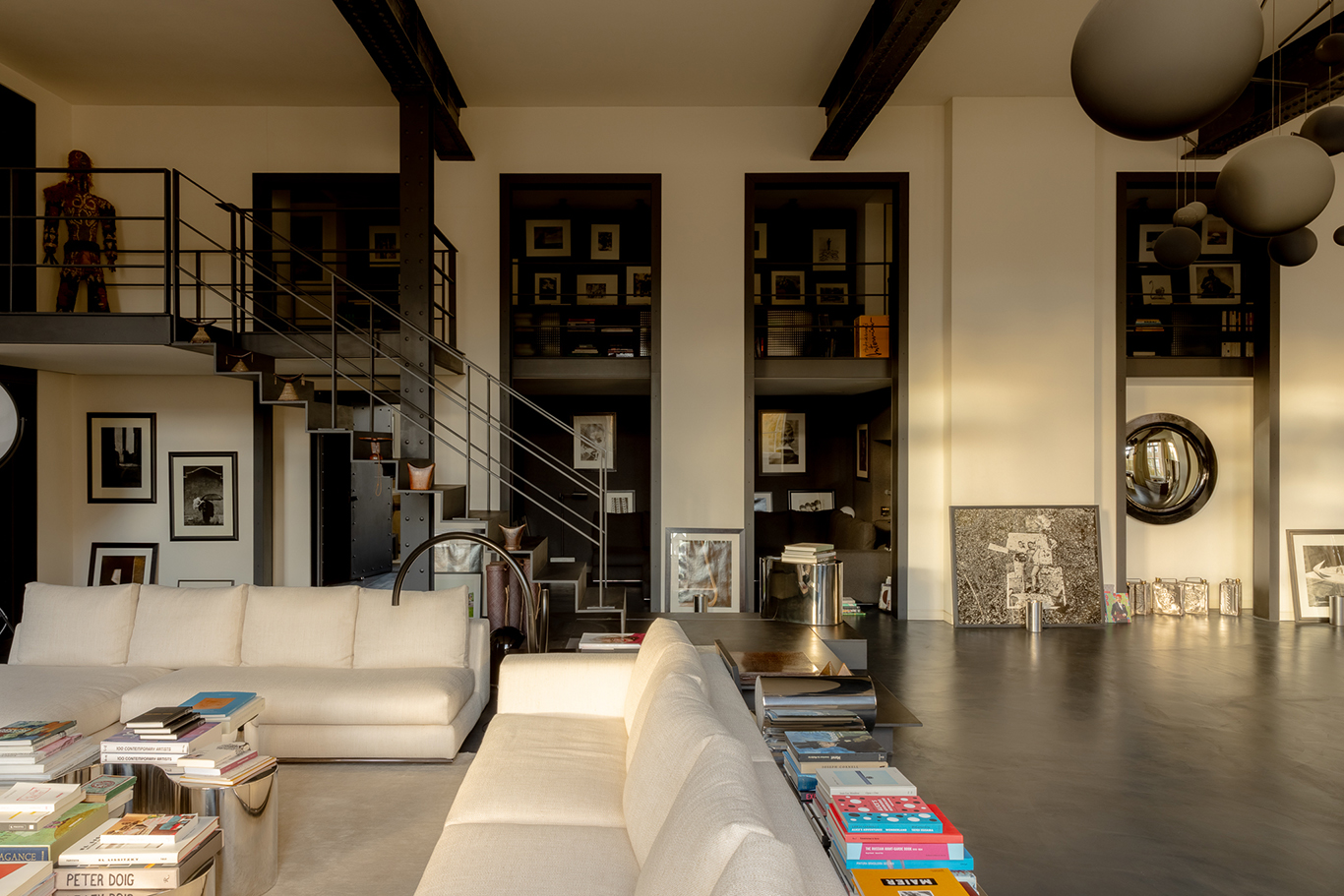
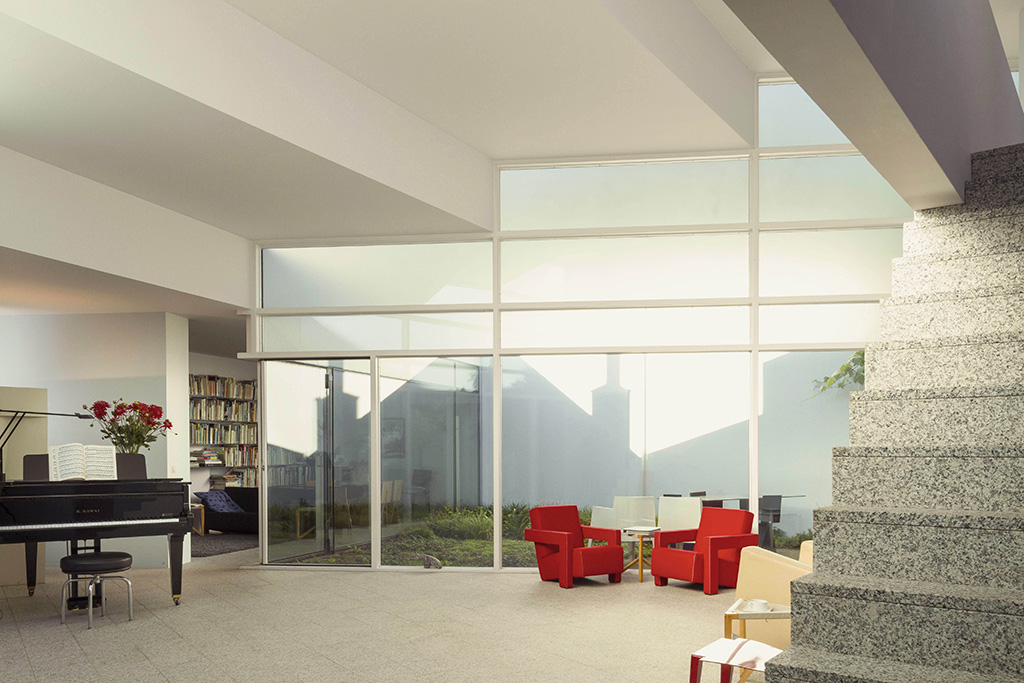
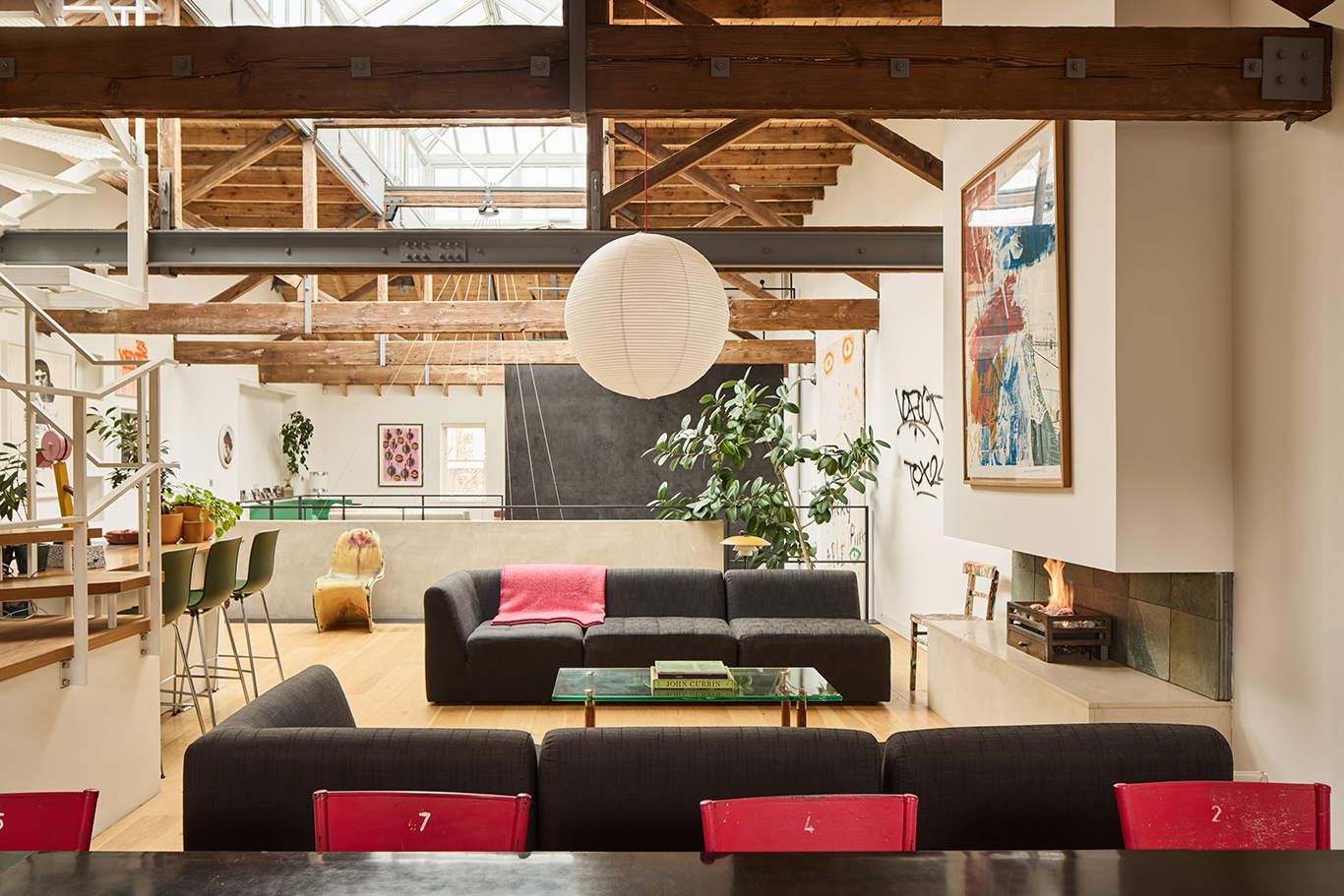
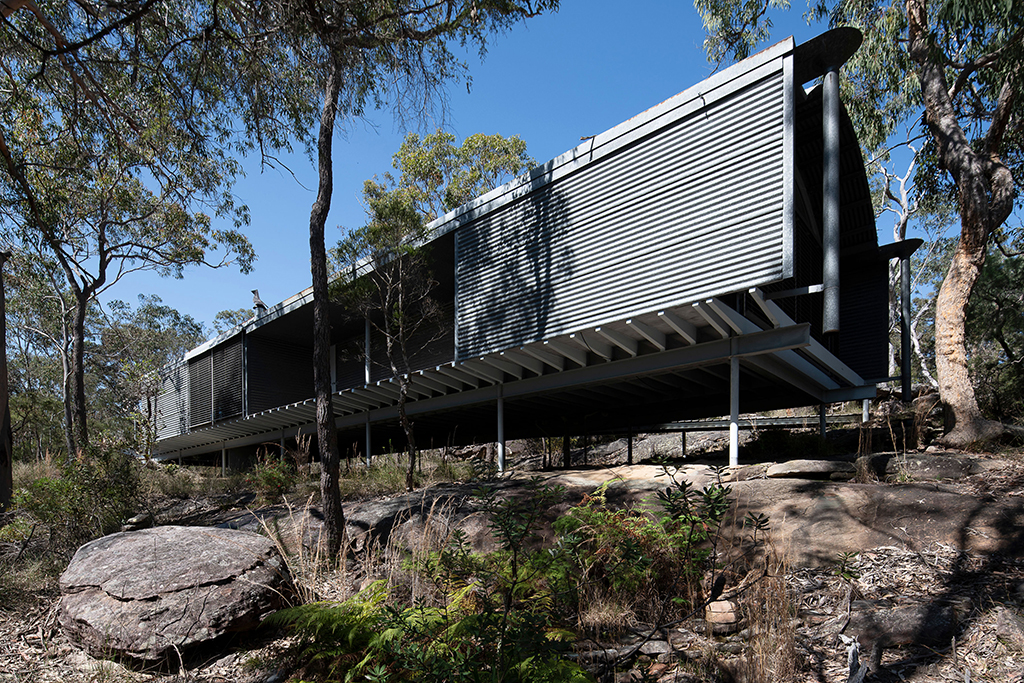
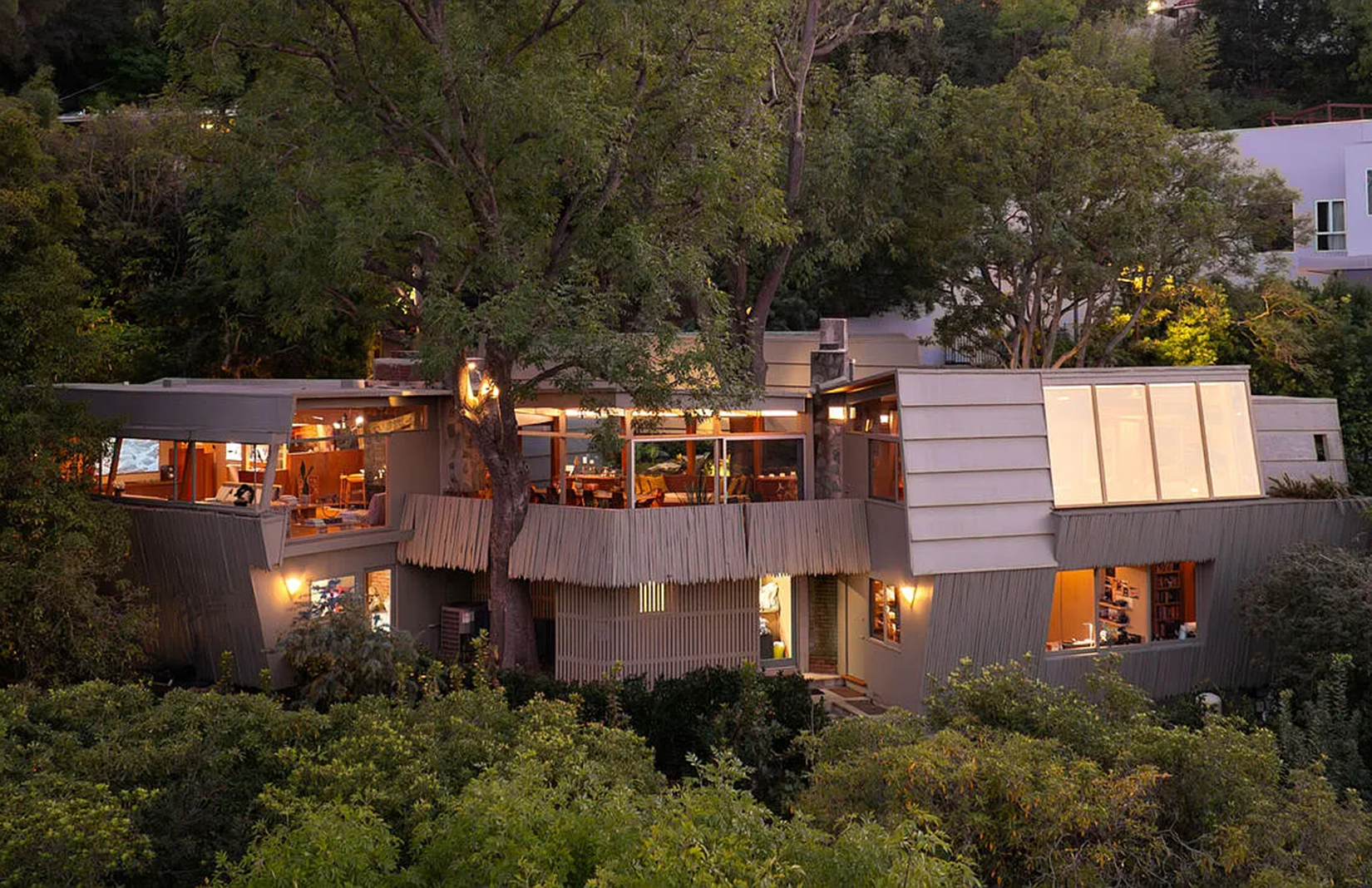
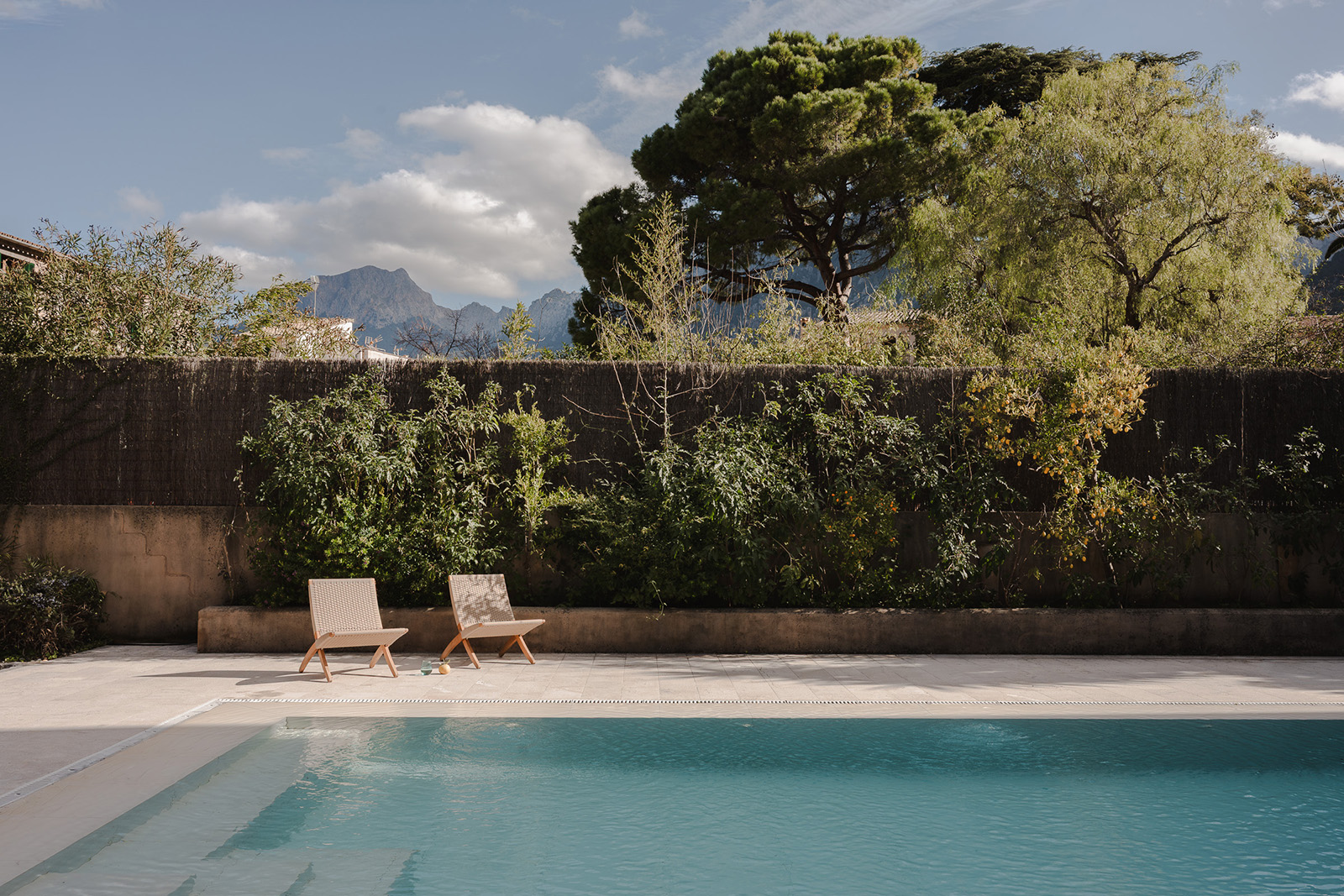
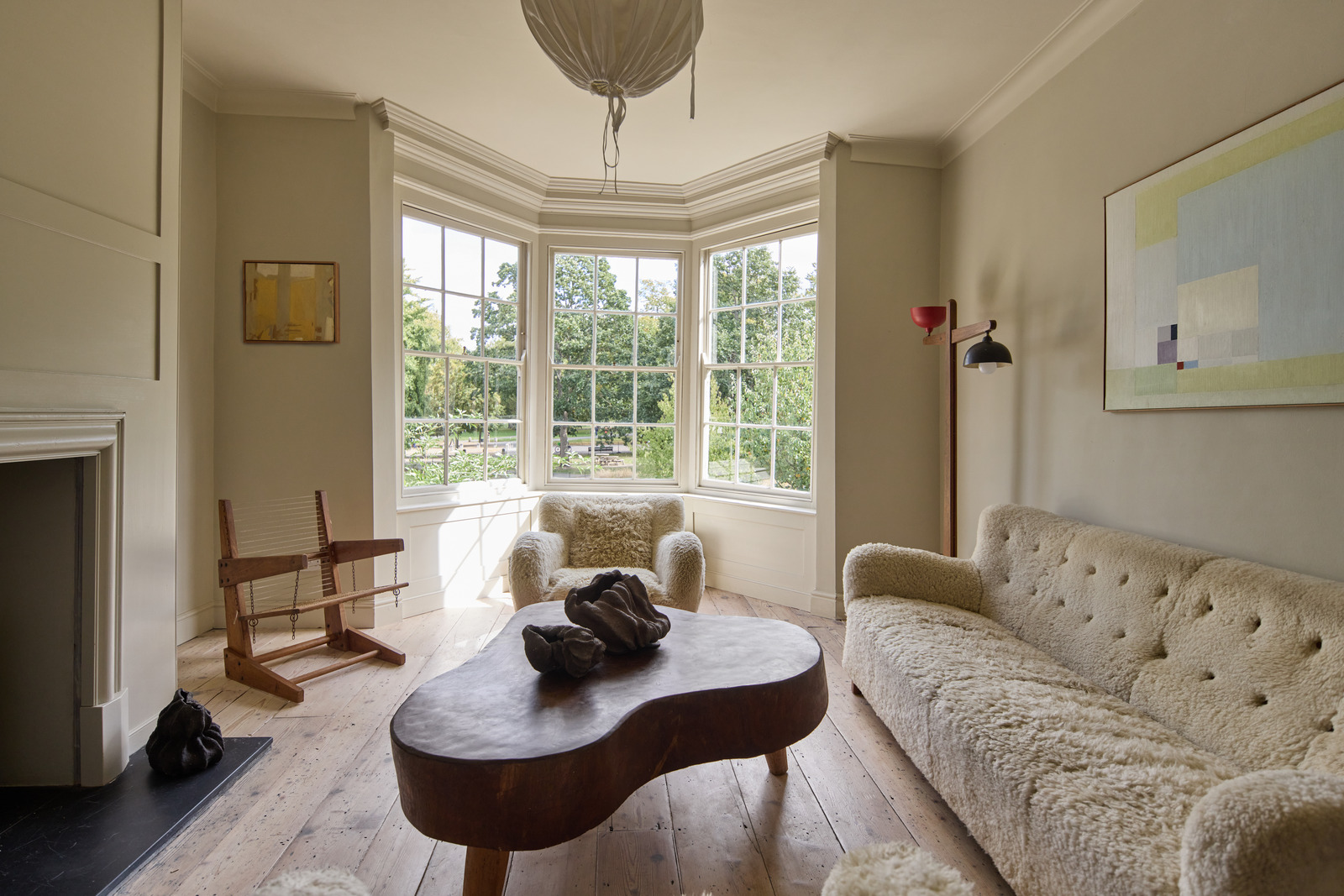
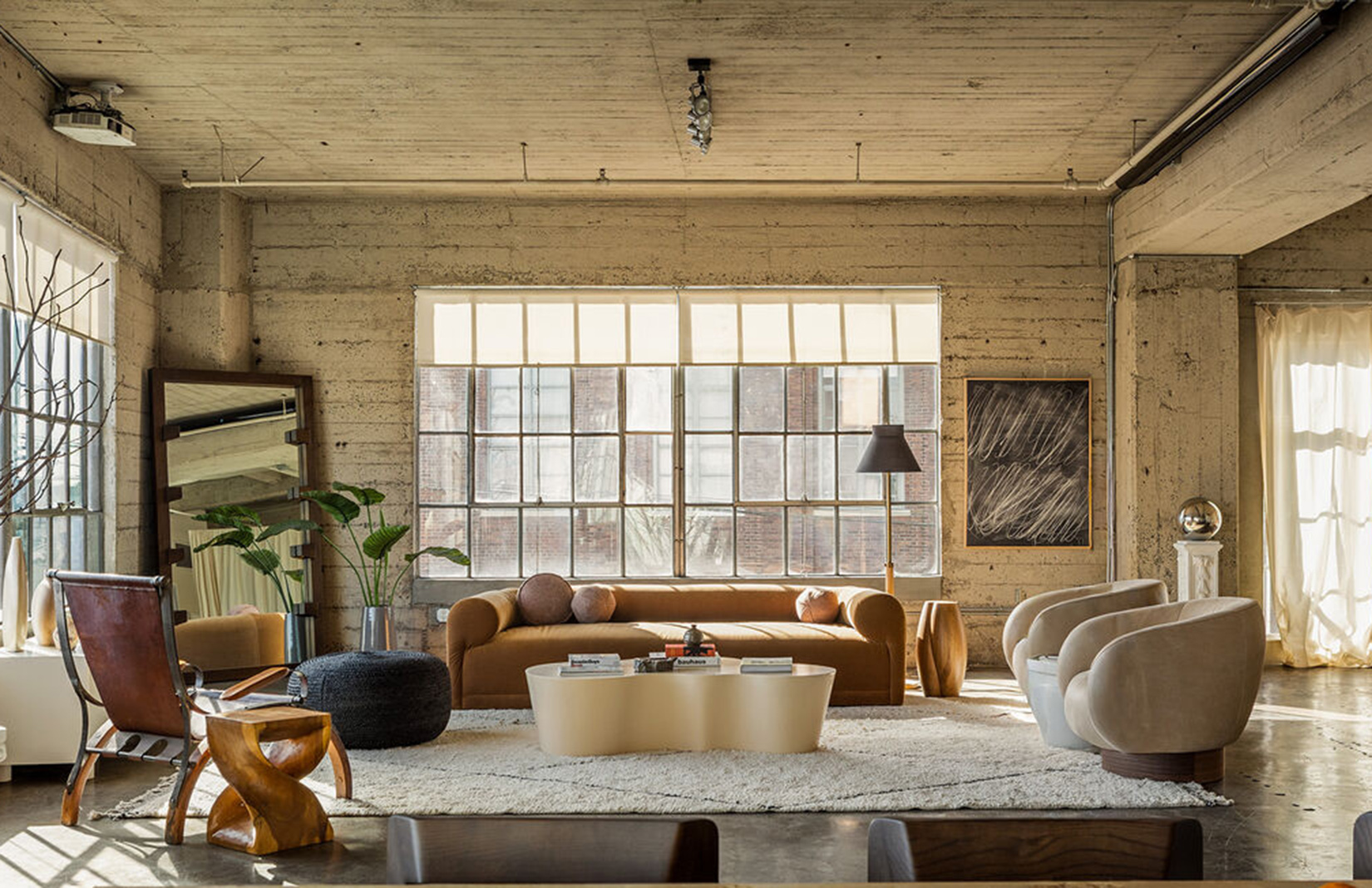
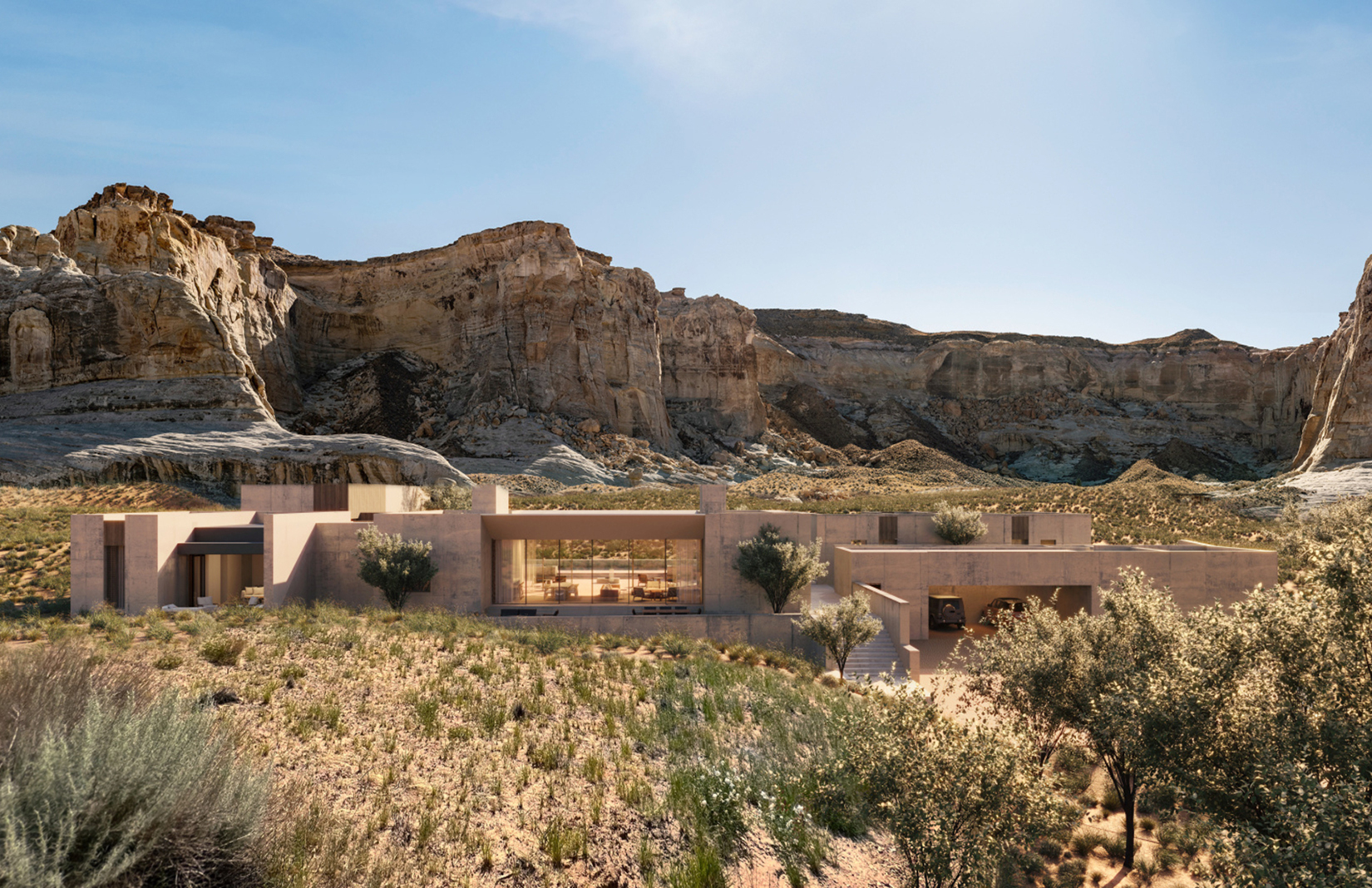
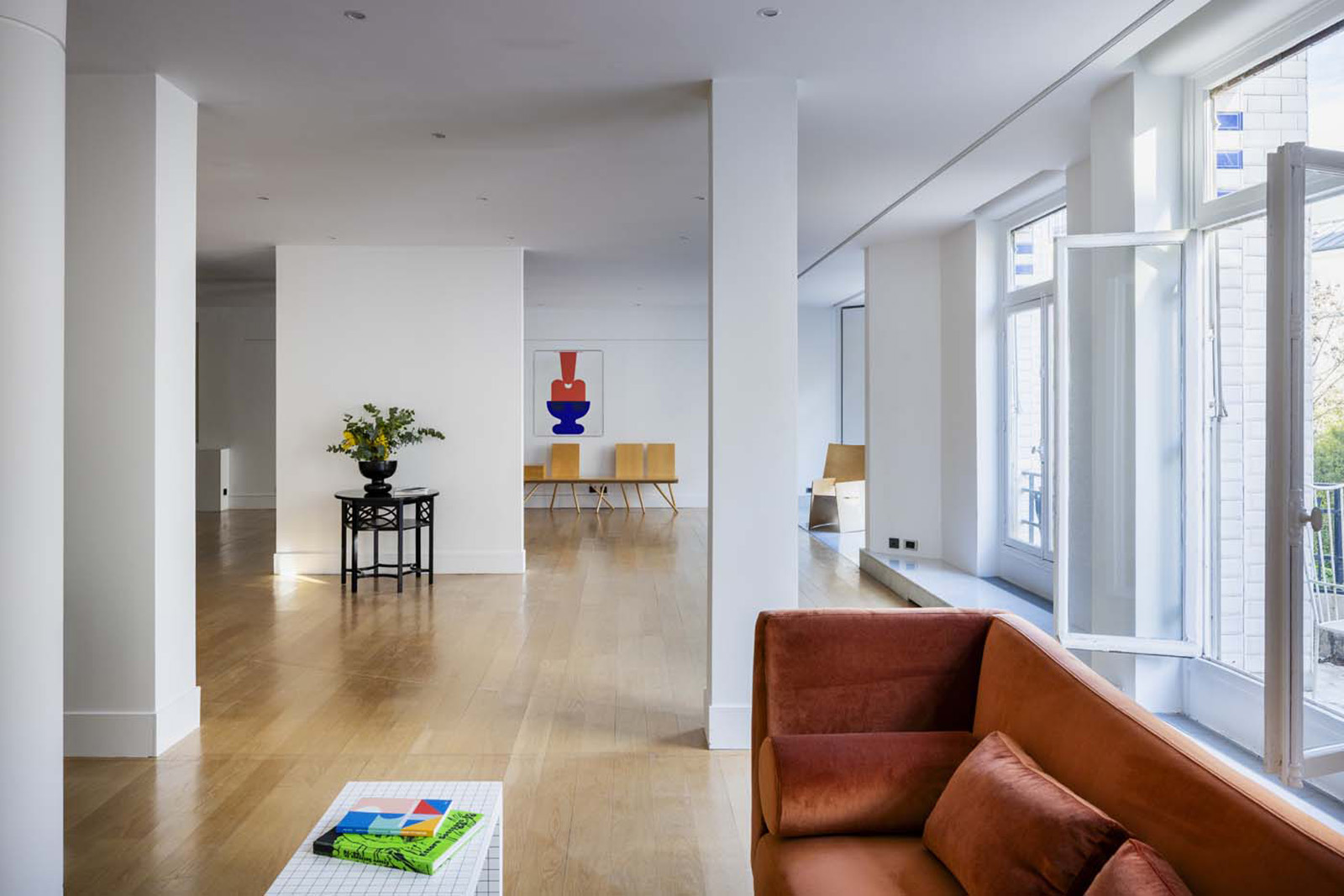
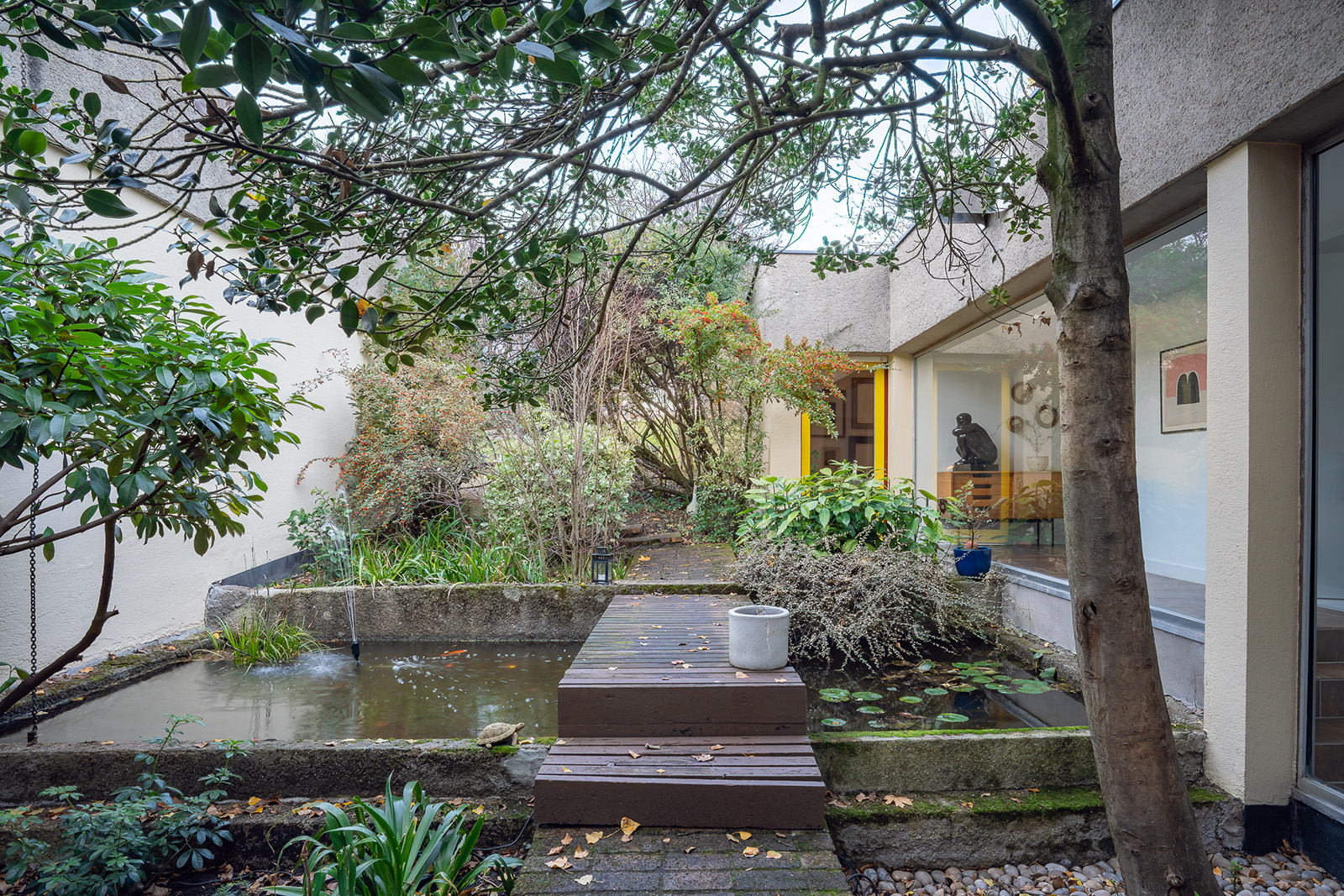
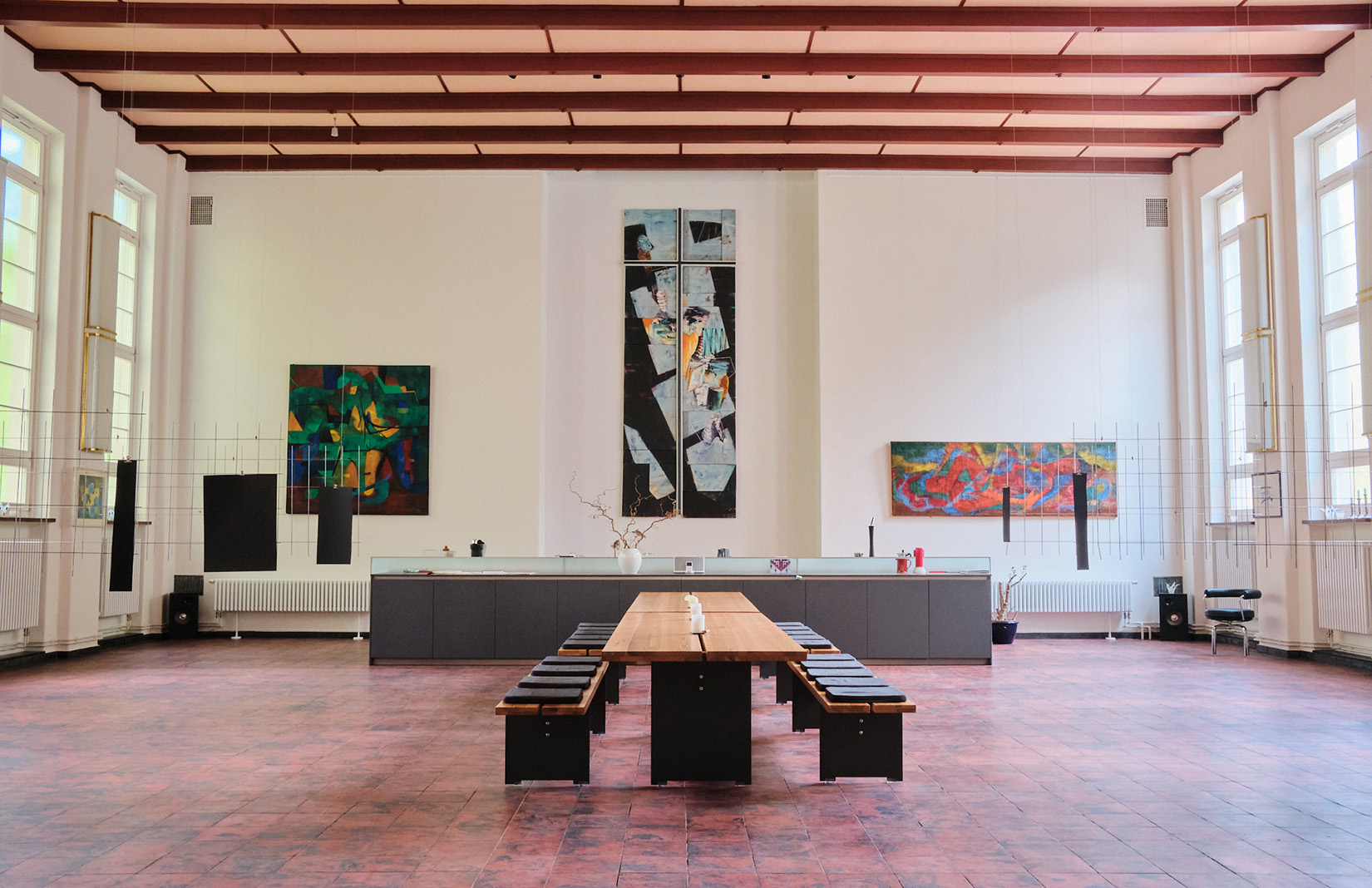
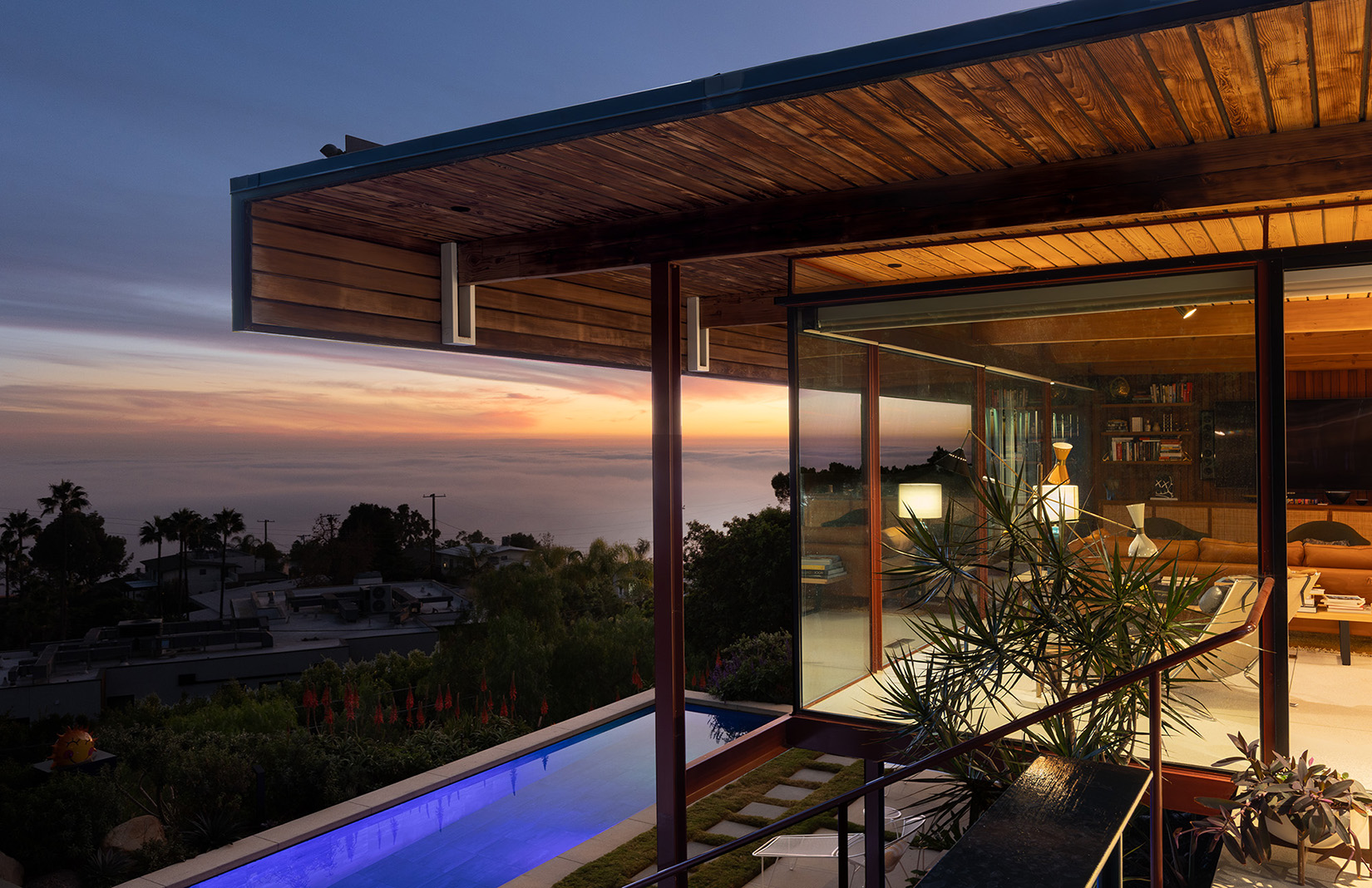
On the edge of a quiet commune near Brescia, in Lombardy, Villa Caffetto stops you dead in your tracks. A piece of living sculpture that juxtaposes brutalist ideals with oblique geometries, earthy greys with primary colour, it represents the creative force that gripped northern Italy in the 1970s, when functionalism, deconstructivism, postmodernism and high tech cross-pollinated to mesmerising effect. The design was brought to life by local architect Fausto Bontempi, a protégé of the celebrated Venetian Carlo Scarpa, and the interiors were lovingly nurtured by the architect’s client, artist Claudio Caffetto.
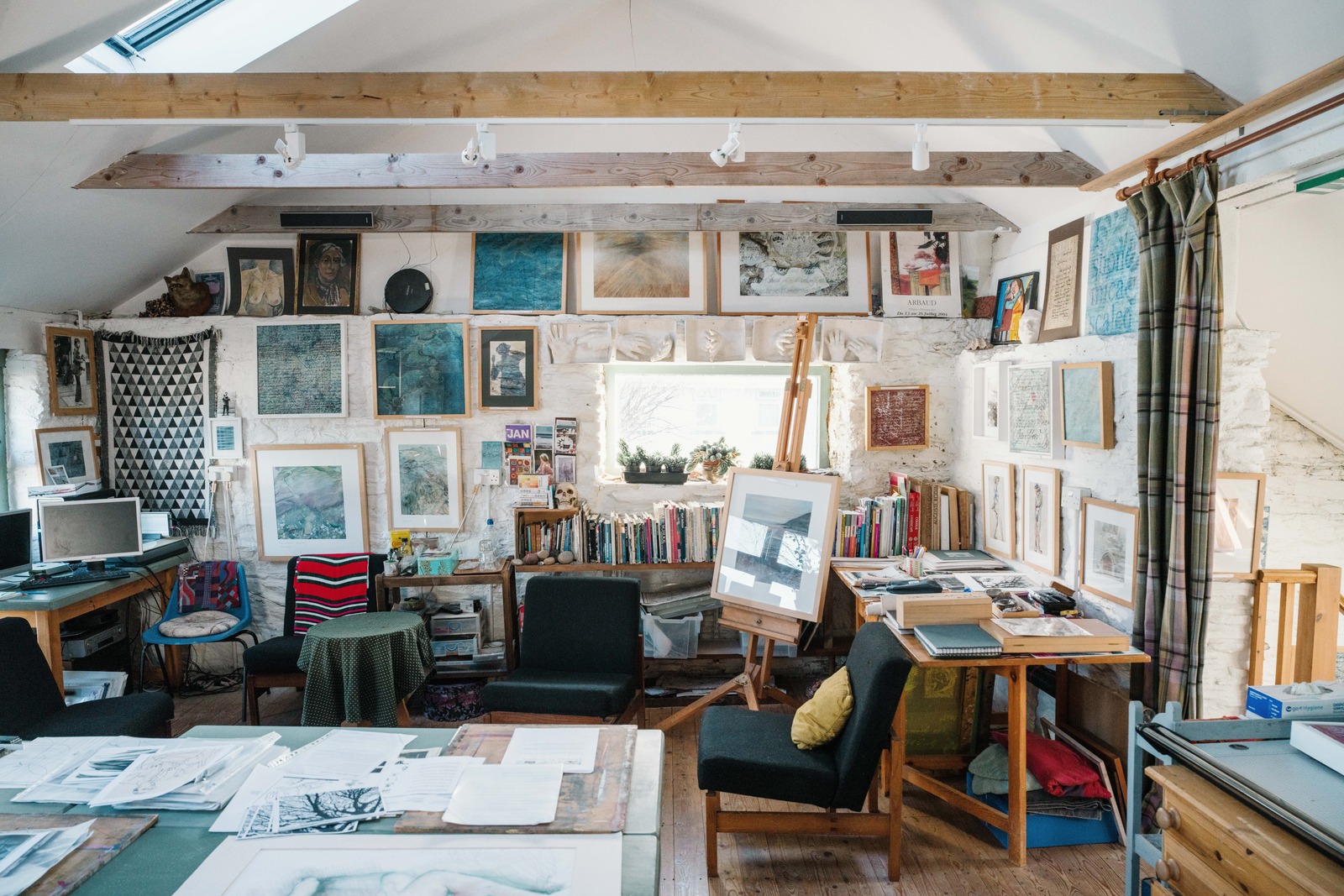
For years the villa served as an experimental platform for the sculptor and his contemporaries. A generation of his artist peers exhibited their works in the home’s studio and gallery, pieces that fused bronze, aluminium, copper and pewter, a speciality of Caffetto himself. After his death in 2022, the villa was preserved and updated by Metilde and Giovanna Caffetto, Claudio’s daughters, and now it is entering a creative renaissance. It kicked off its new life with an intervention by Nick Ozemba and Felicia Hung, founders of the American lighting studio In Common With.
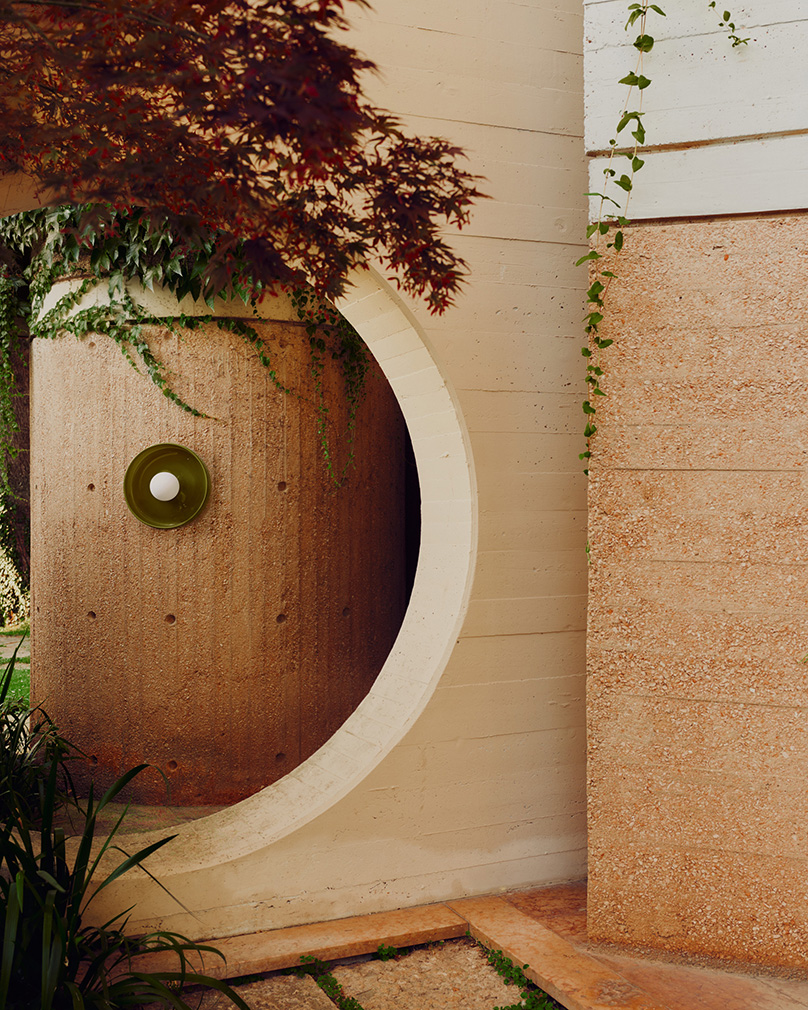
Photography: courtesy of In Common With.
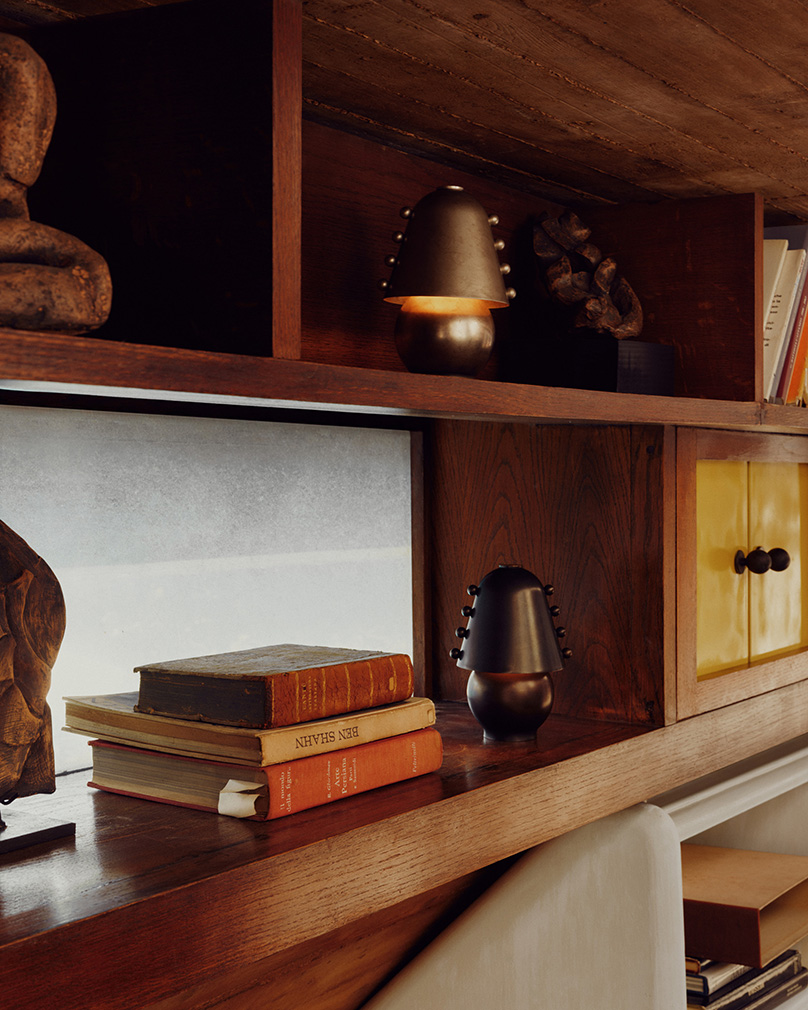
Photography: courtesy of In Common With.
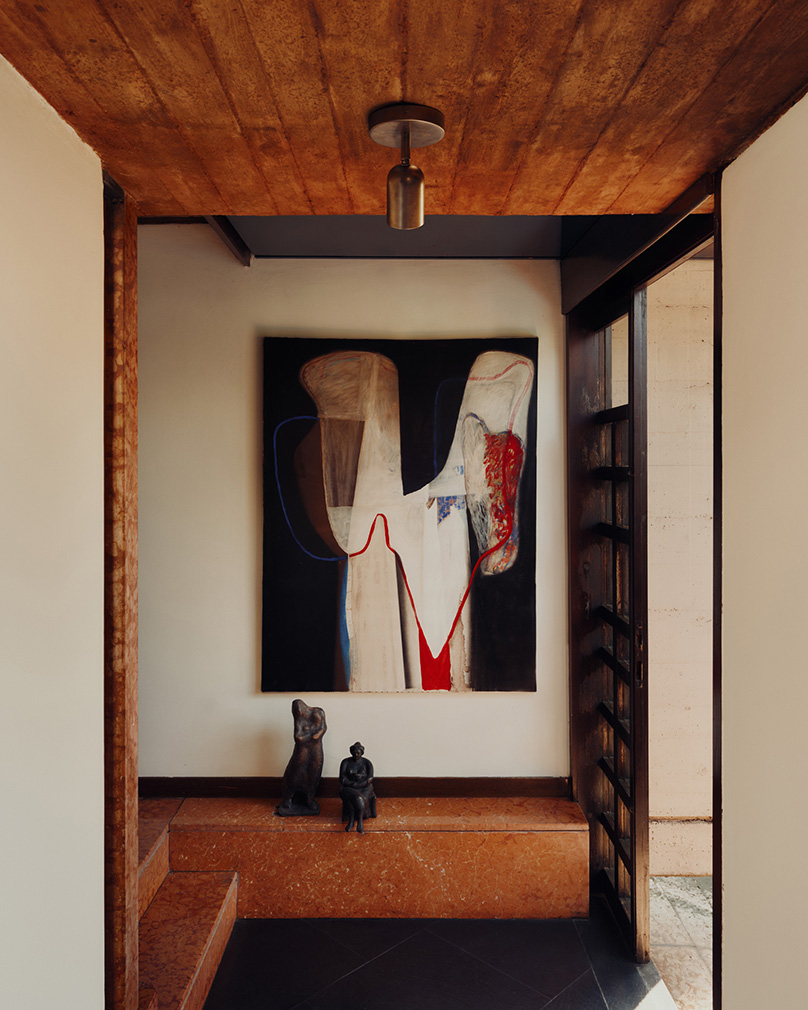
Photography: courtesy of In Common With.
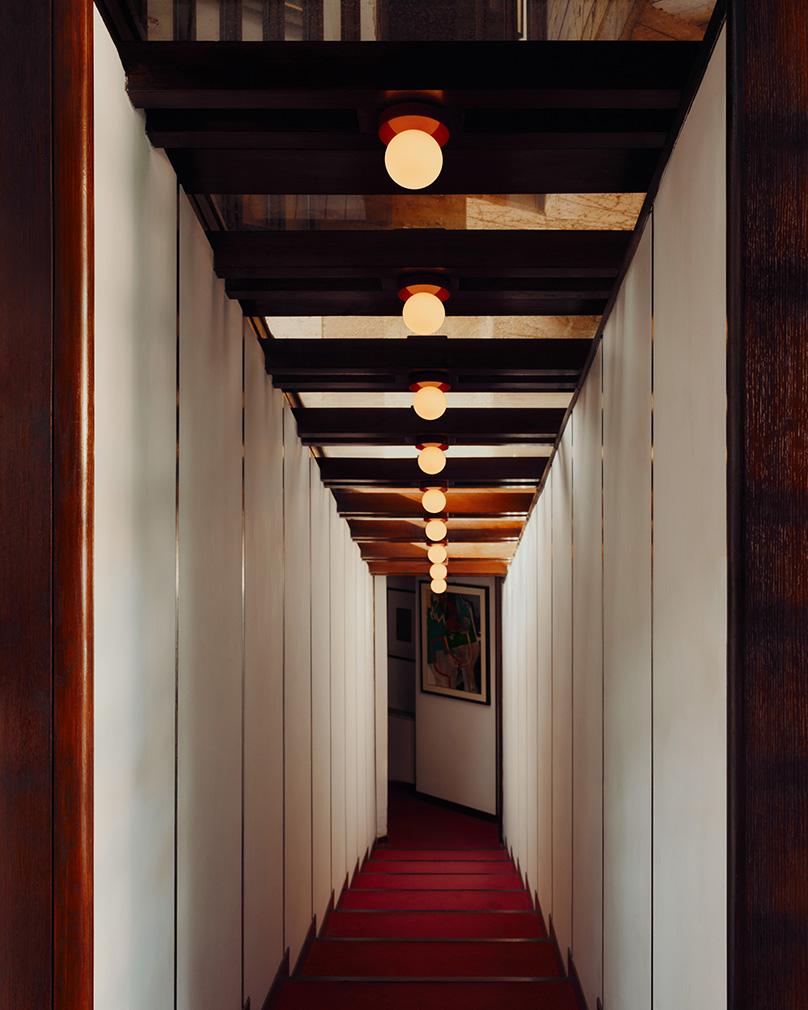
Photography: courtesy of In Common With.
Photography: courtesy of In Common With.
Photography: courtesy of In Common With.
Photography: courtesy of In Common With.
Photography: courtesy of In Common With.
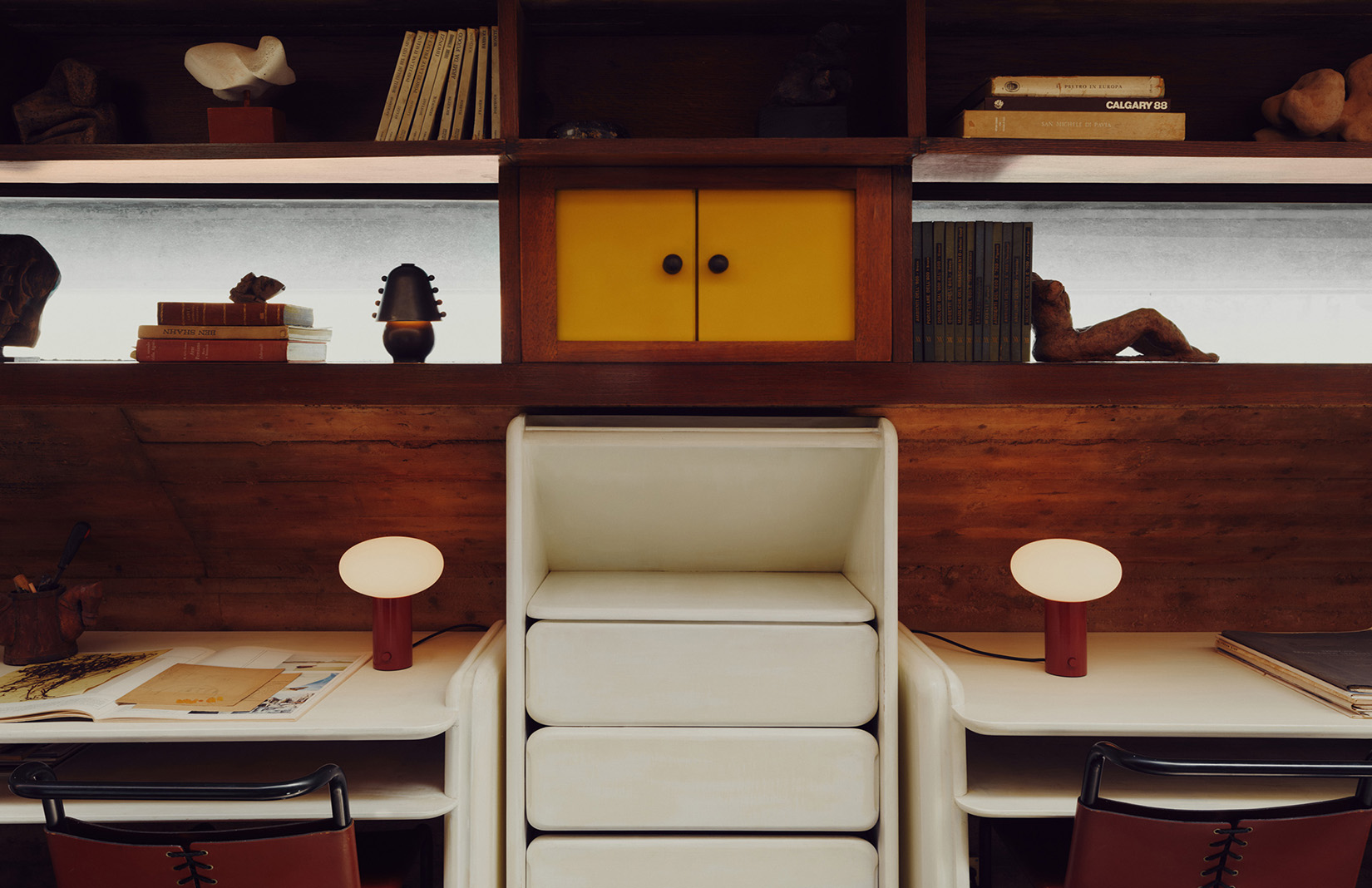
Longtime admirers of Scarpa and of the eccentric villa he inspired, Ozemba and Hung wanted in on the creative collaboration that was the Caffetto family’s lifeblood. Having designed their New York showroom Quarters in the manner of a private home, they sought the family’s blessing to do the same in Italy: accessorise the residence with sculptural pieces that would set off its original features.
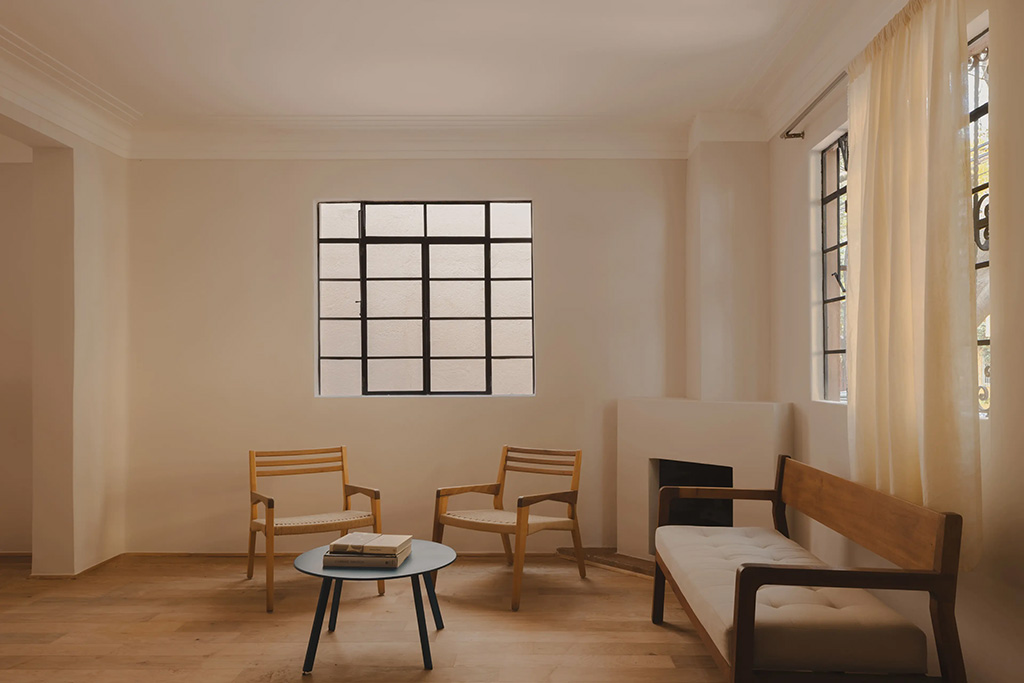
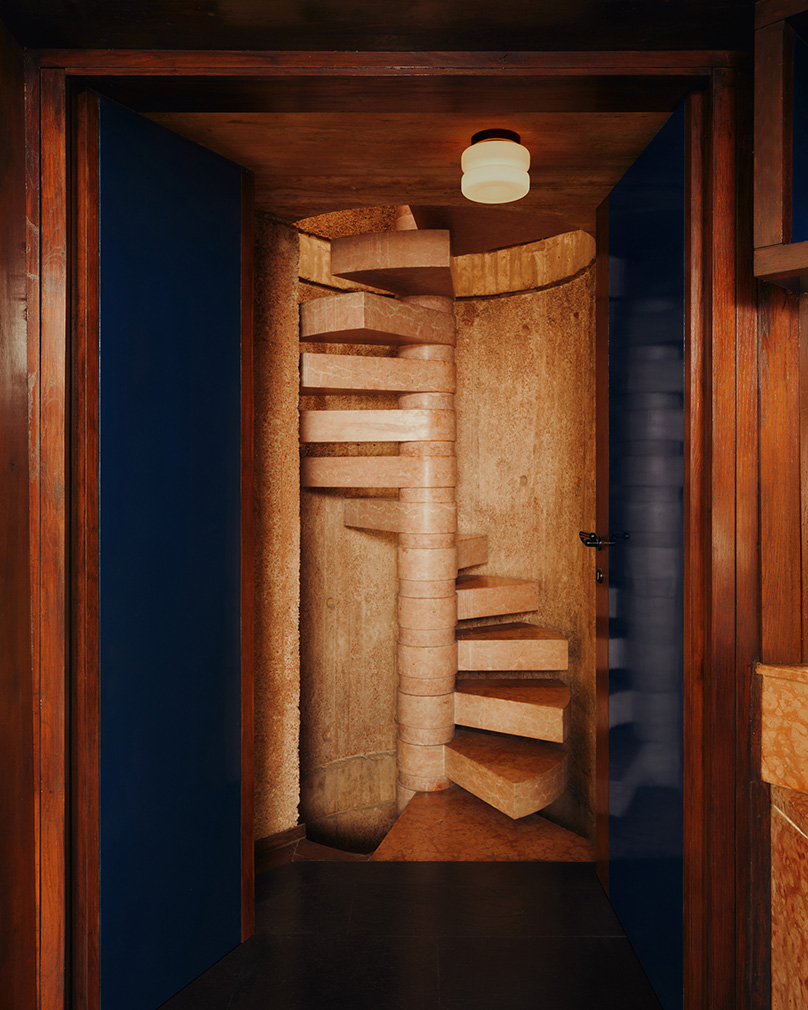
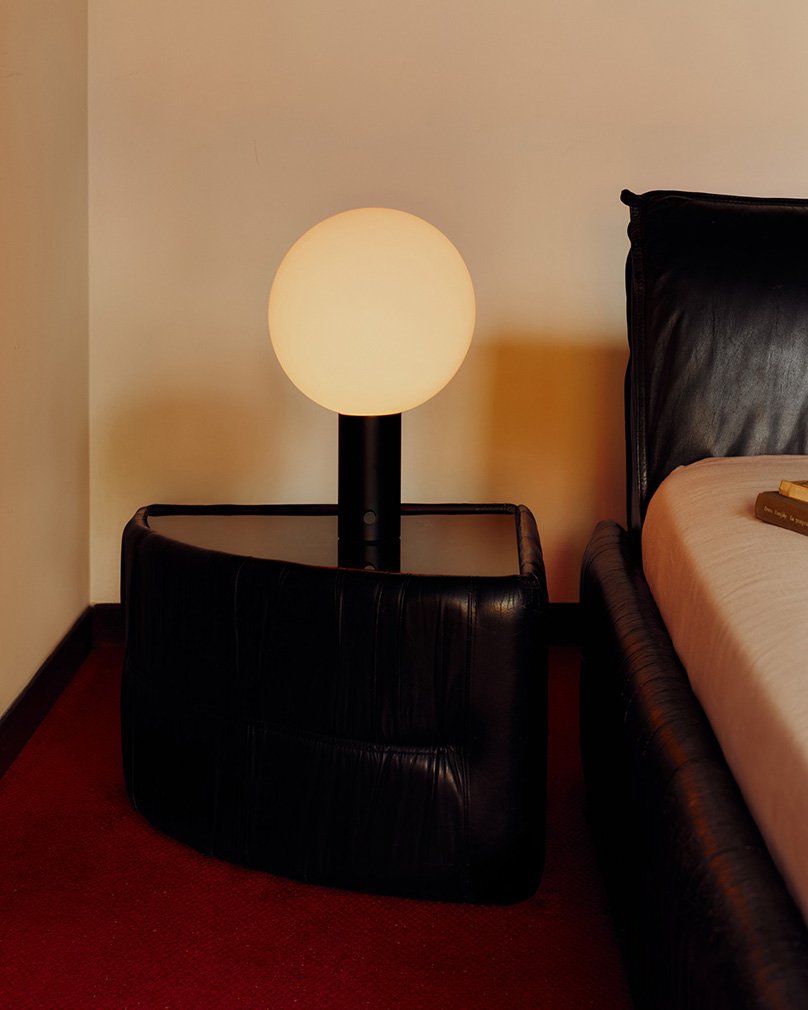
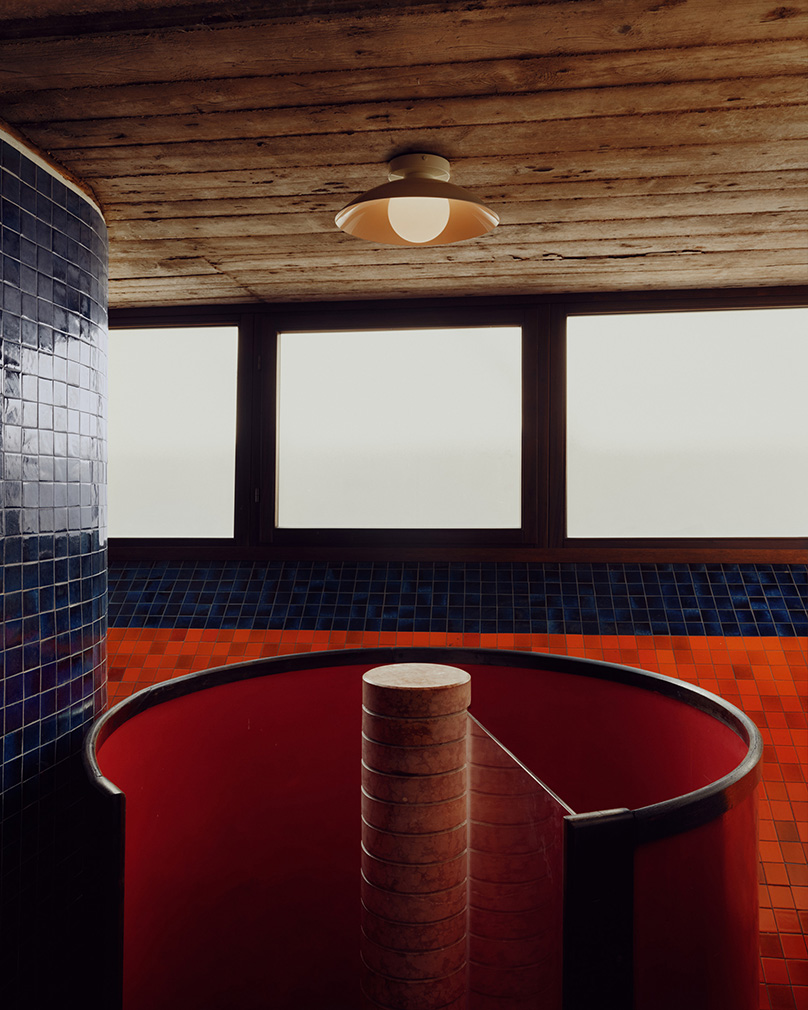
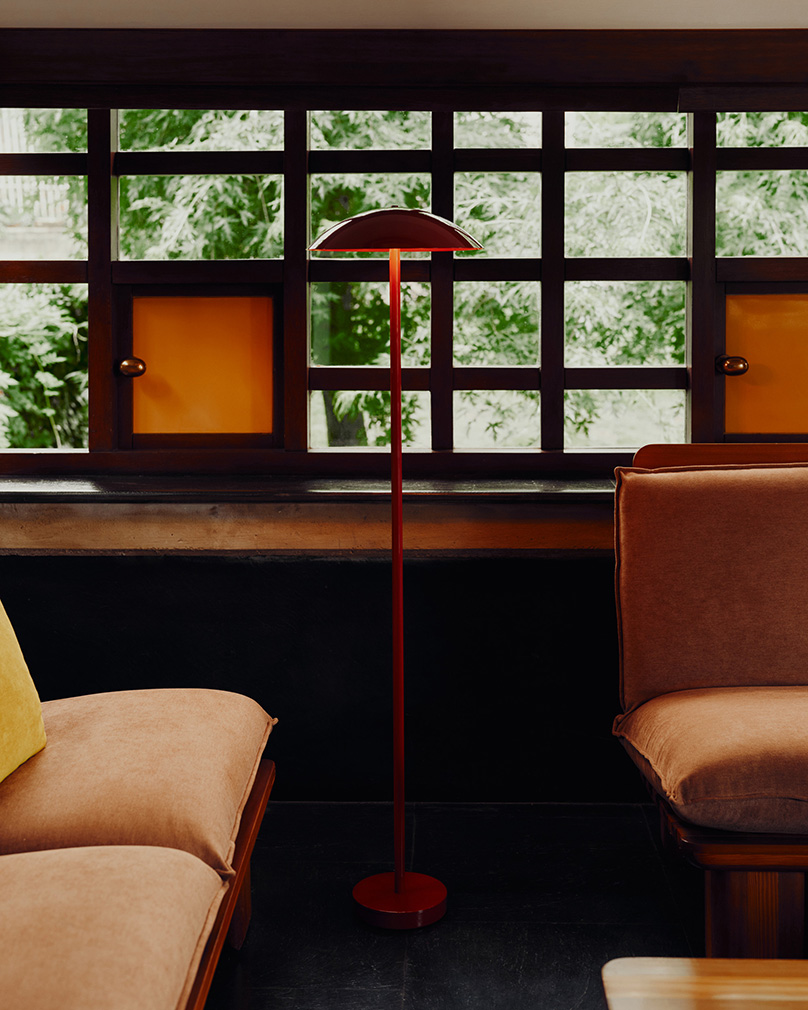
Allowing the villa’s unusual twists and turns to direct the narrative, they dove into their archives for pieces to light the hallways, stairwells and expressively angled rooms, echoing the elements of restraint in what they call ‘a love letter to the architecture and interiors that have shaped our practice’. Objects enter into conversation with the home’s existing geometries and forms, as in the slow-slung lounge, where the designers inserted their Arundel lamps — a top-down pendant in bone-white and a standing lamp in oxide-red. Two surface-mount designs light the spiral stairwell, one in the concave Arundel style, another stacked from the Puck collection. And Orb lights pop up in various forms, by a bedside and down a staggered stair with complementary red carpet.
Over the coming year, the Caffettos will be expanding the property’s schedule of guided tours, exhibitions and cultural events. The hope is that creative curiosity and experimentation will return a radical 1970s vibe to the property once again.