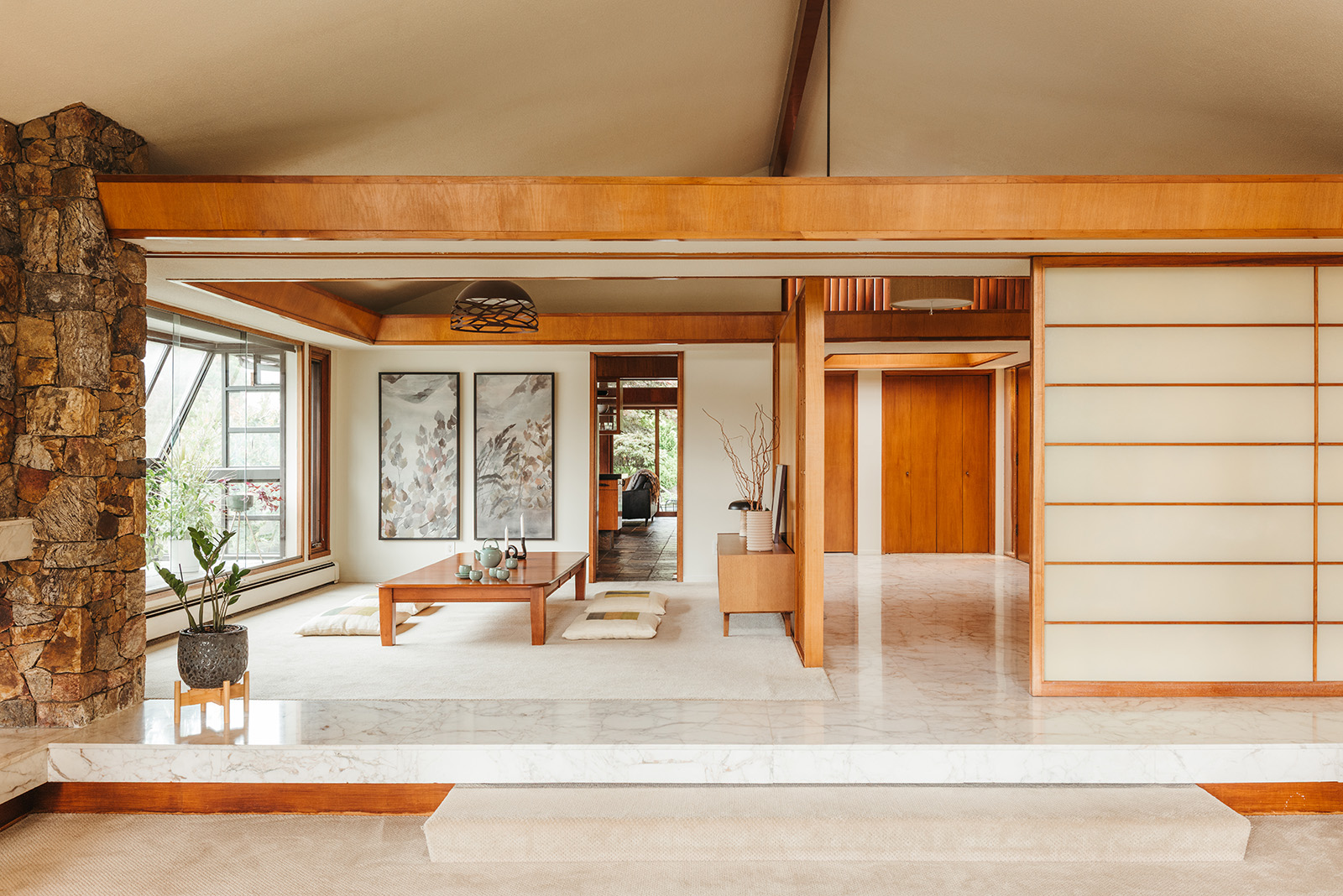
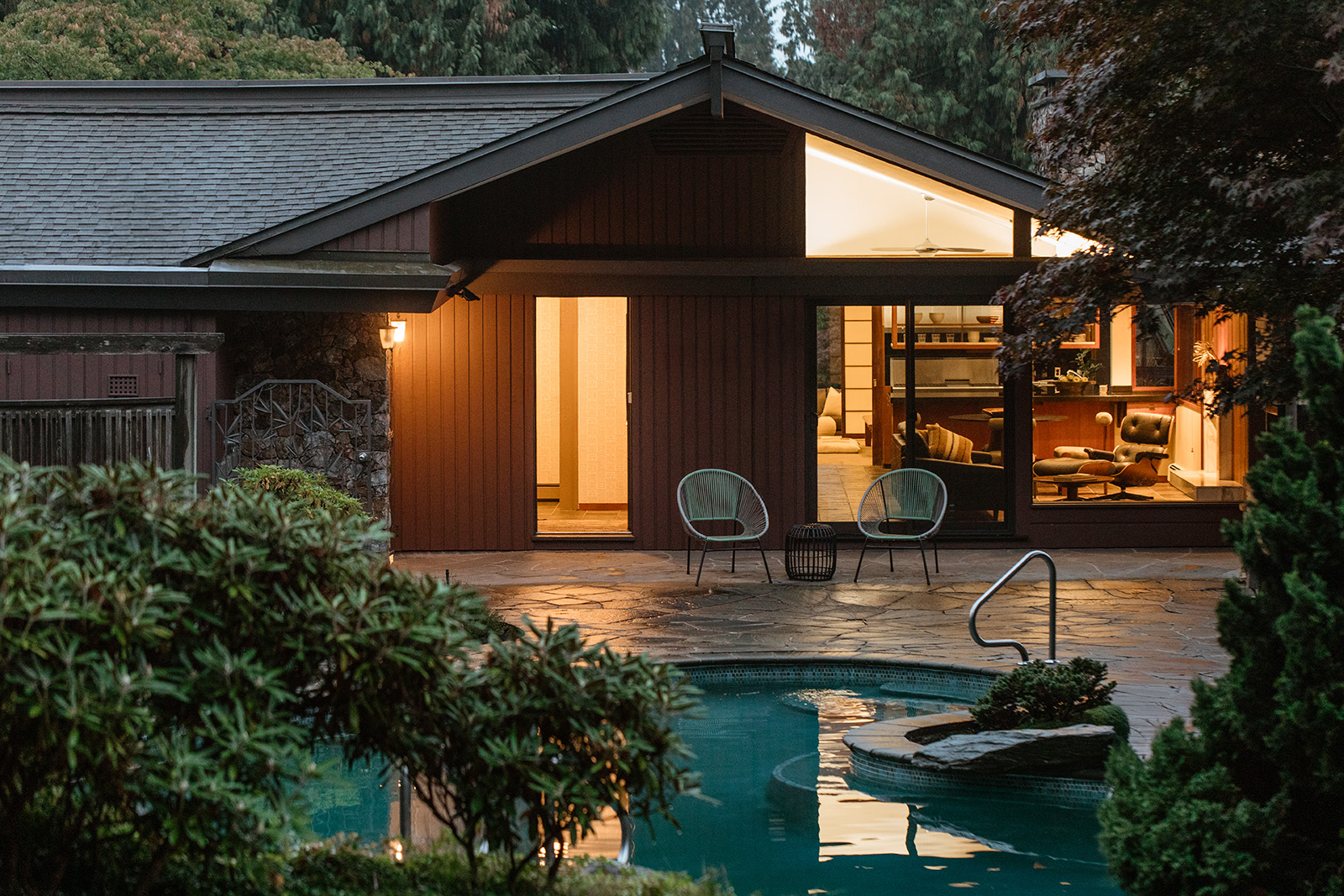
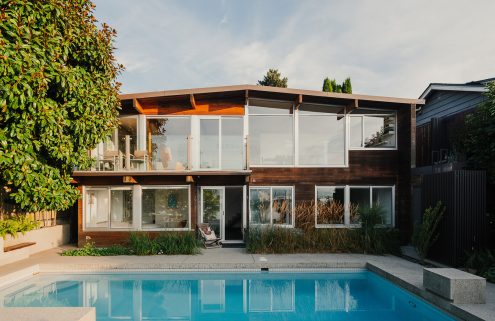
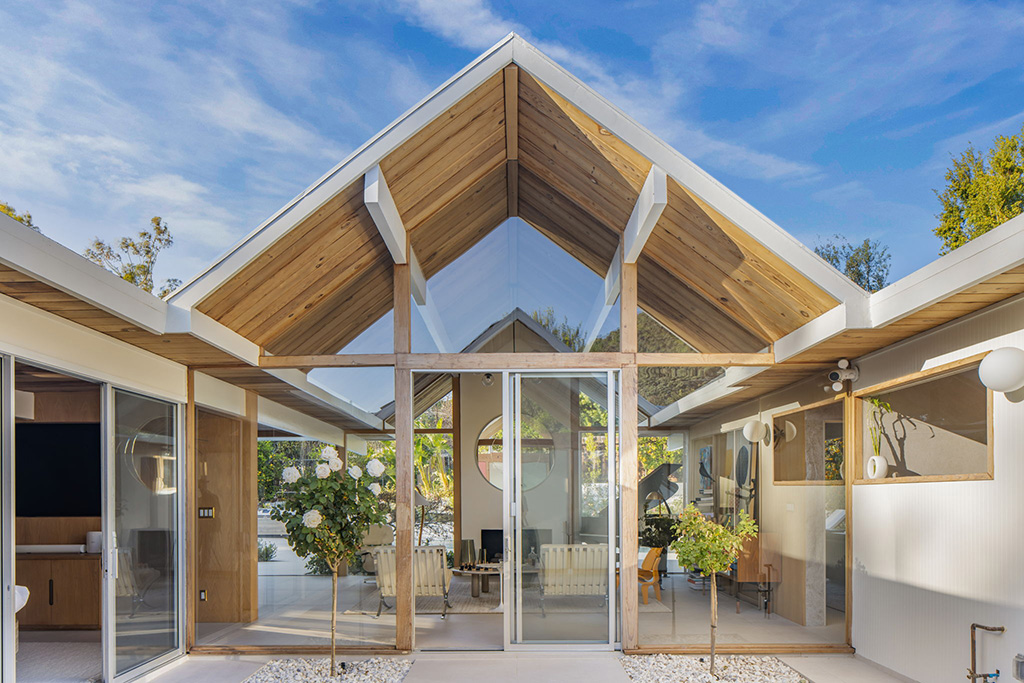
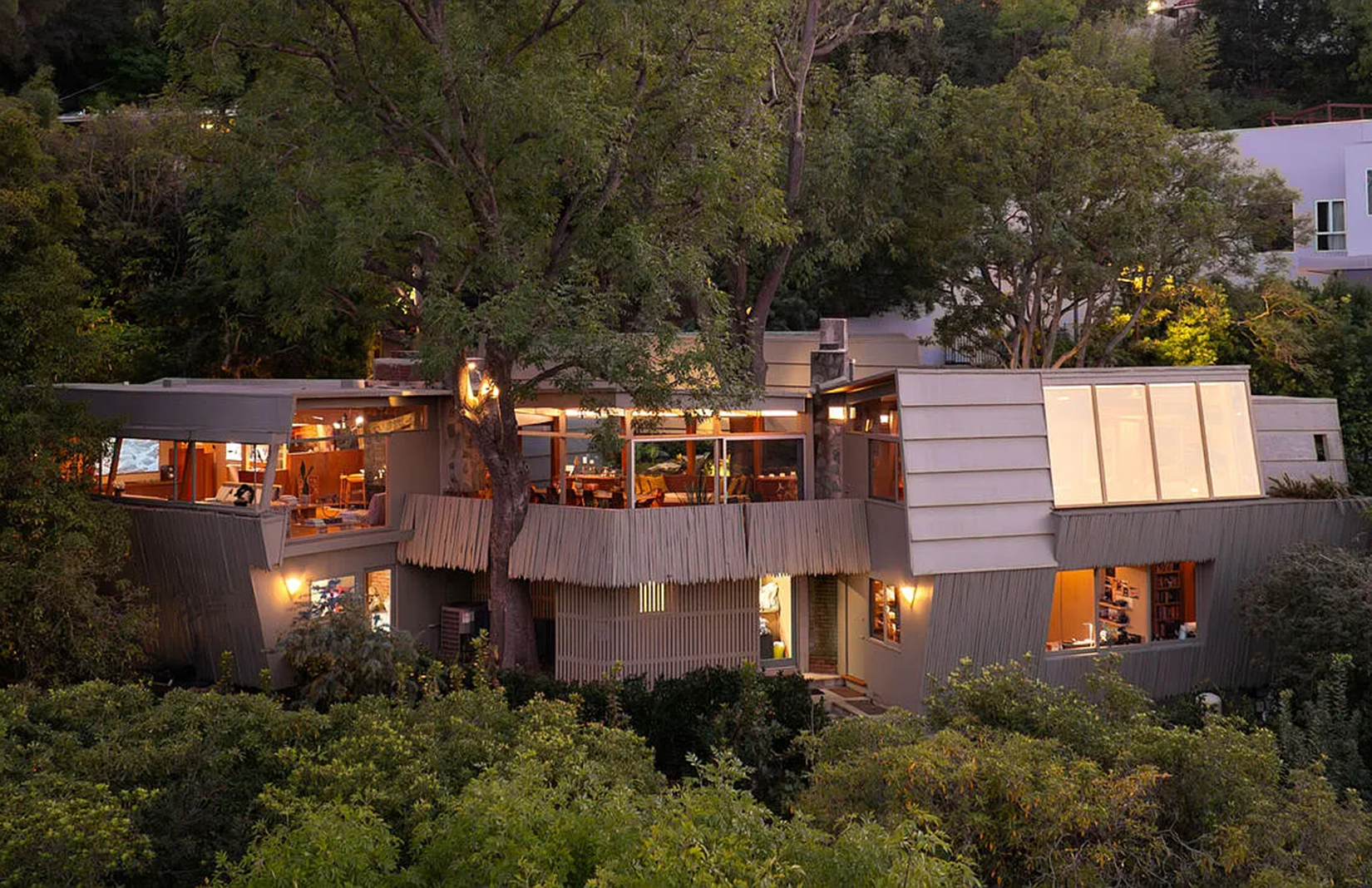
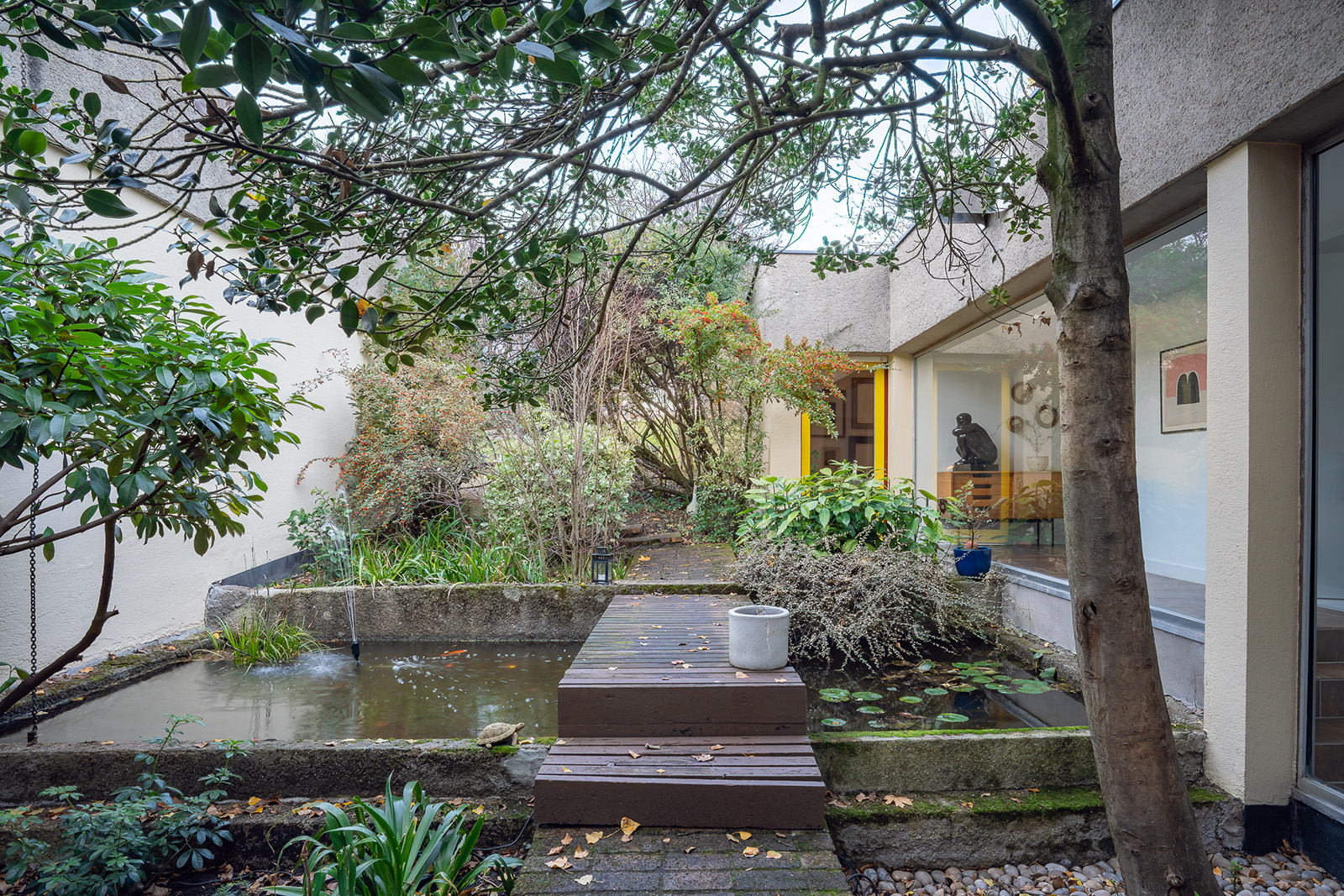
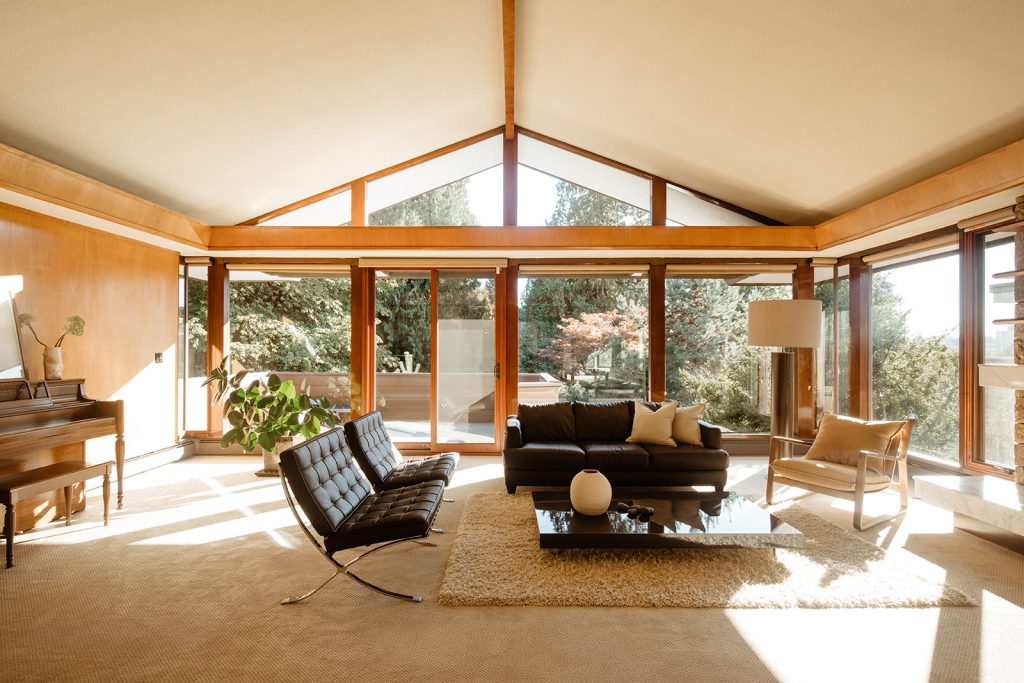
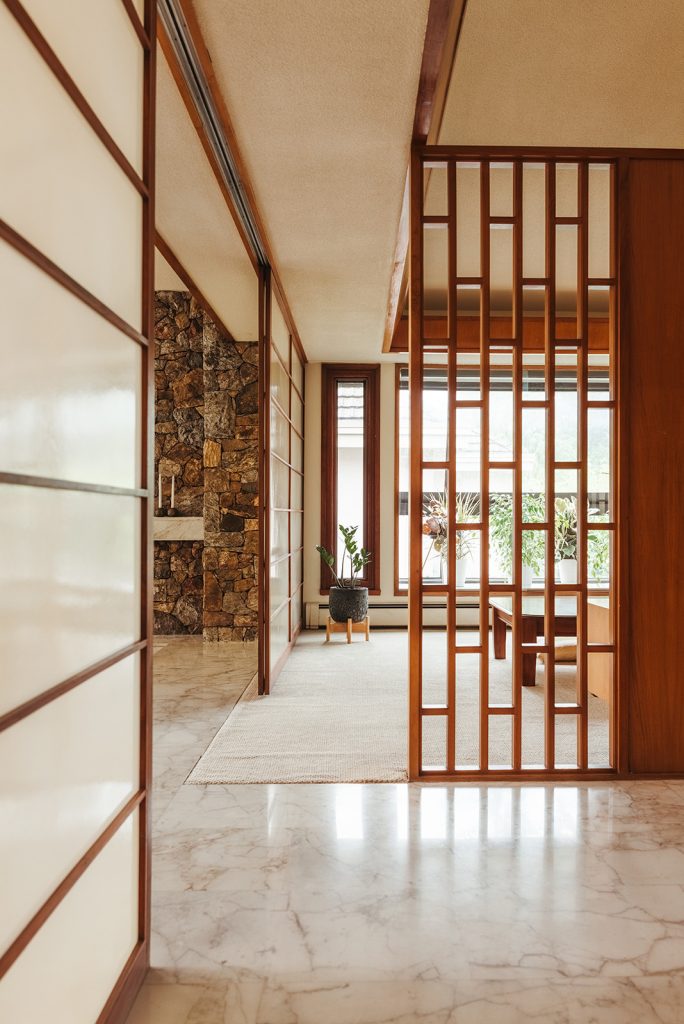
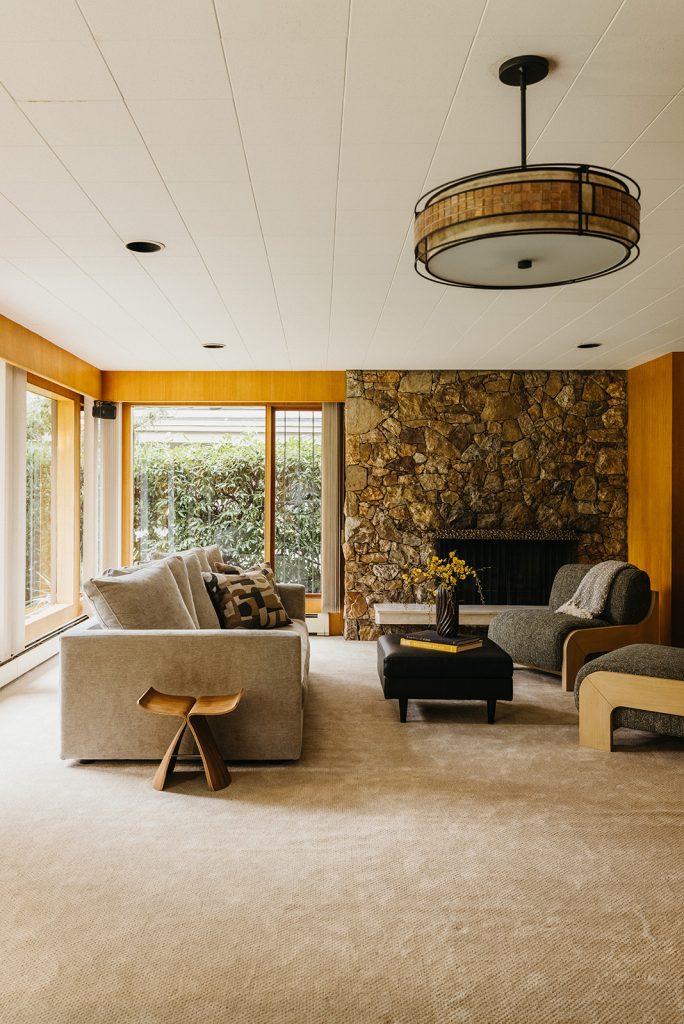
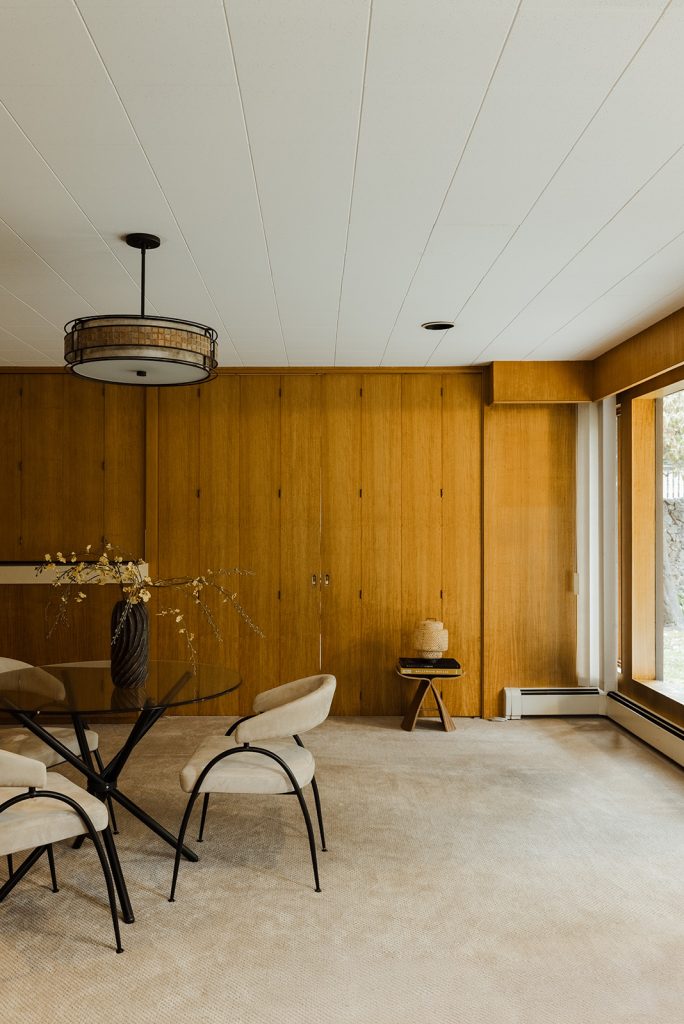
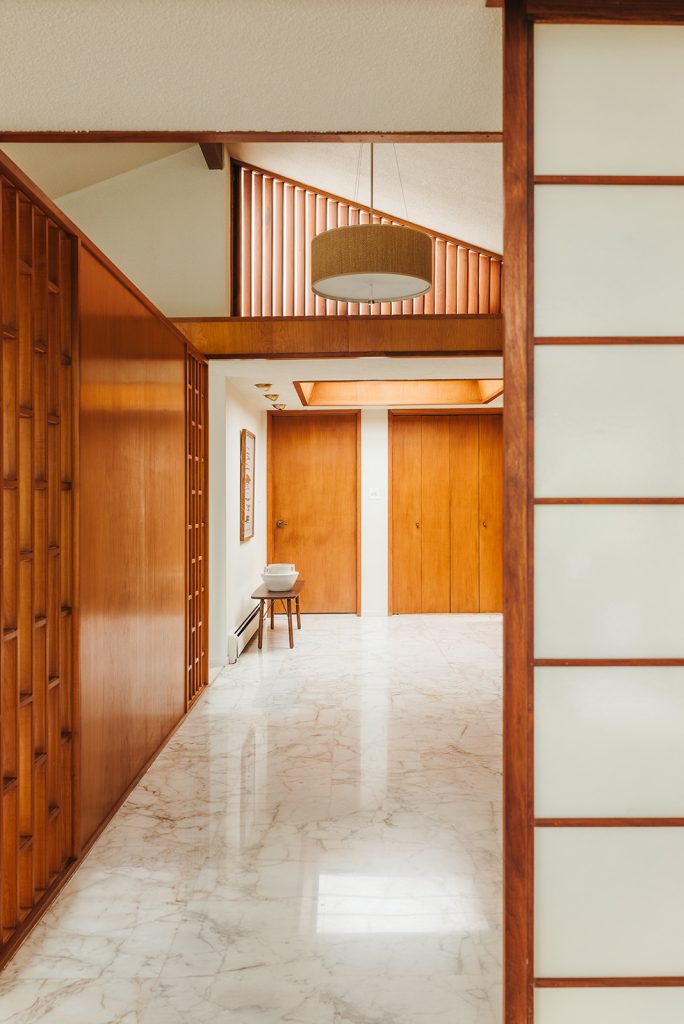
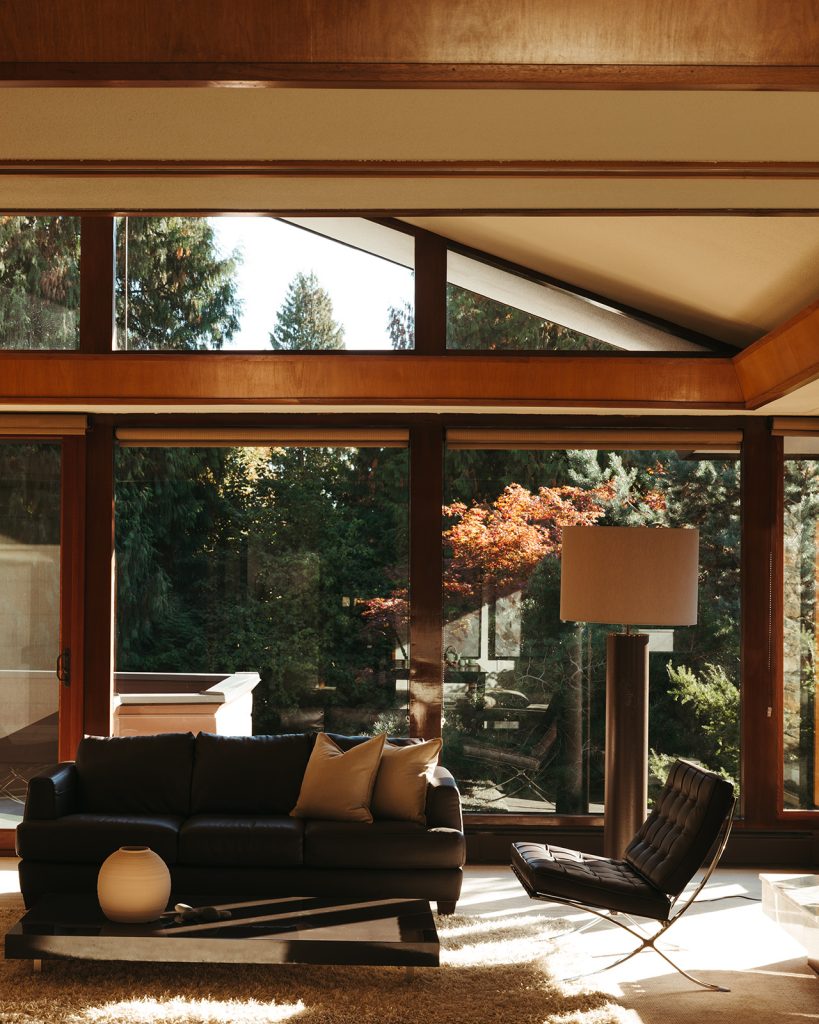
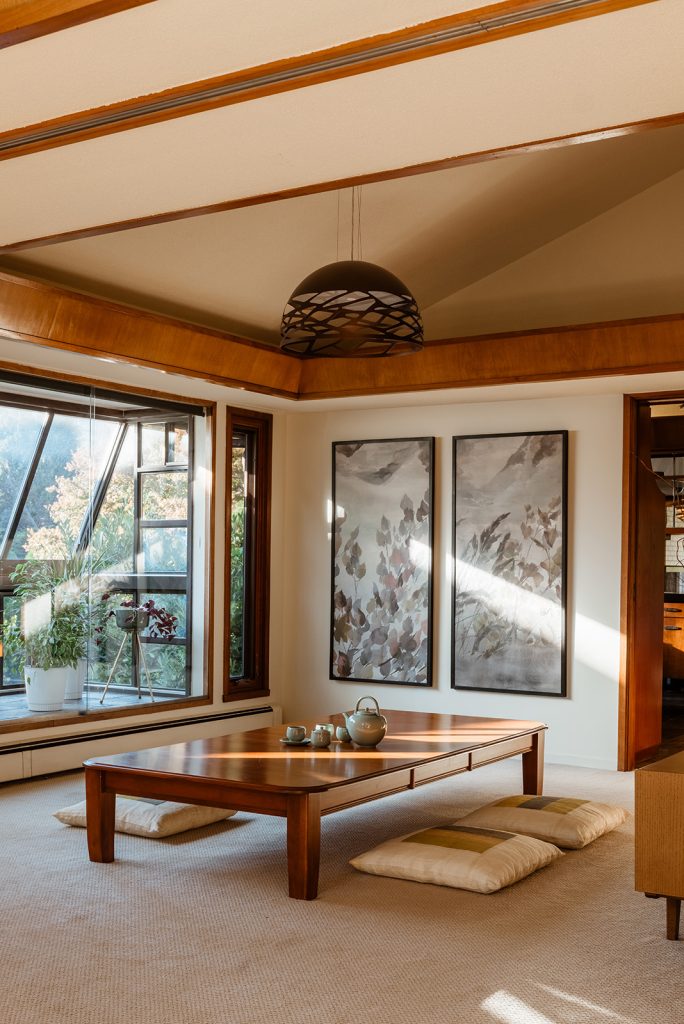
Tucked among forested hills in Coquitlam, British Columbia — half an hour from downtown Vancouver — the Sakura Estate stands as one of the region’s purest examples of West Coast Modernism. Designed in 1963 by architect G Douglas Wylie, the cedar-and-glass residence was named for the cherry blossoms that bloom on a 60-year-old tree in the courtyard, symbolising the meeting of Japanese restraint and Pacific light.
Photography: James Han.
Photography: James Han.
Photography: James Han.
Photography: James Han.
Photography: James Han.
Photography: James Han.
Photography: James Han.
Photography: James Han.
Photography: James Han.
Photography: James Han.
Photography: James Han.
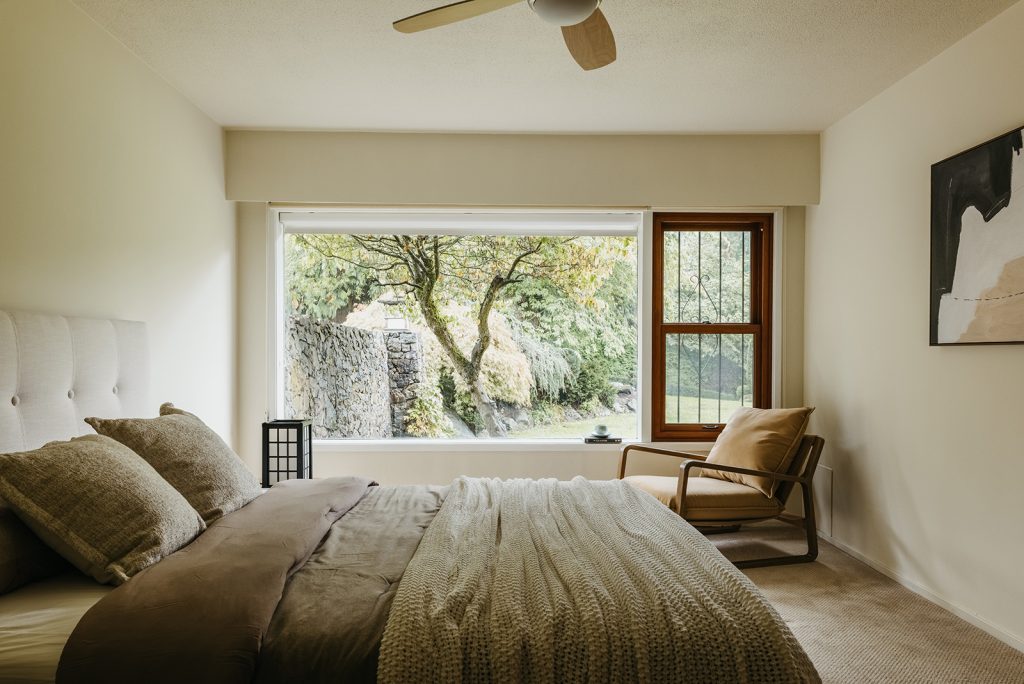
Photography: James Han.
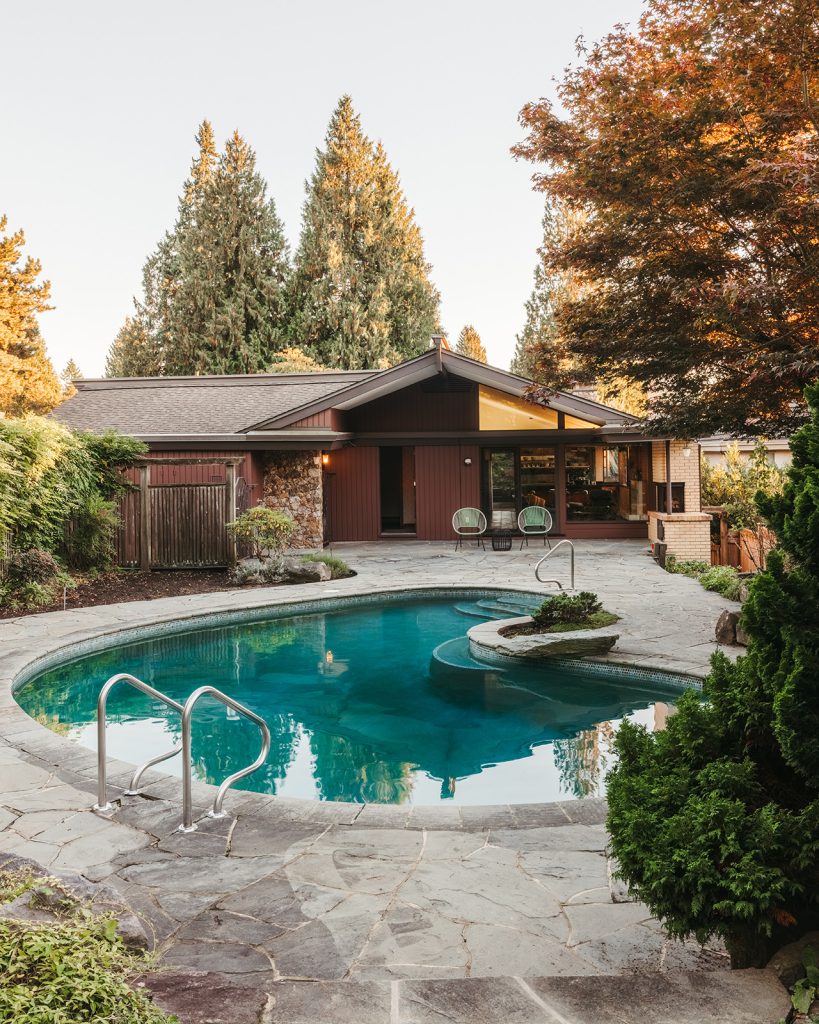
Photography: James Han.
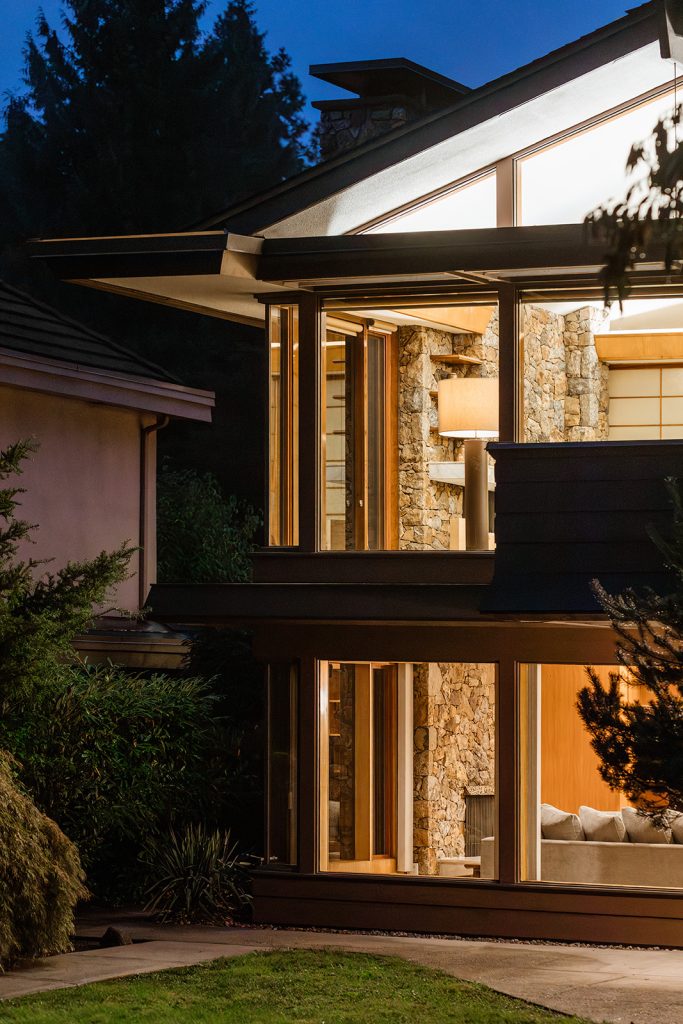
Photography: James Han.
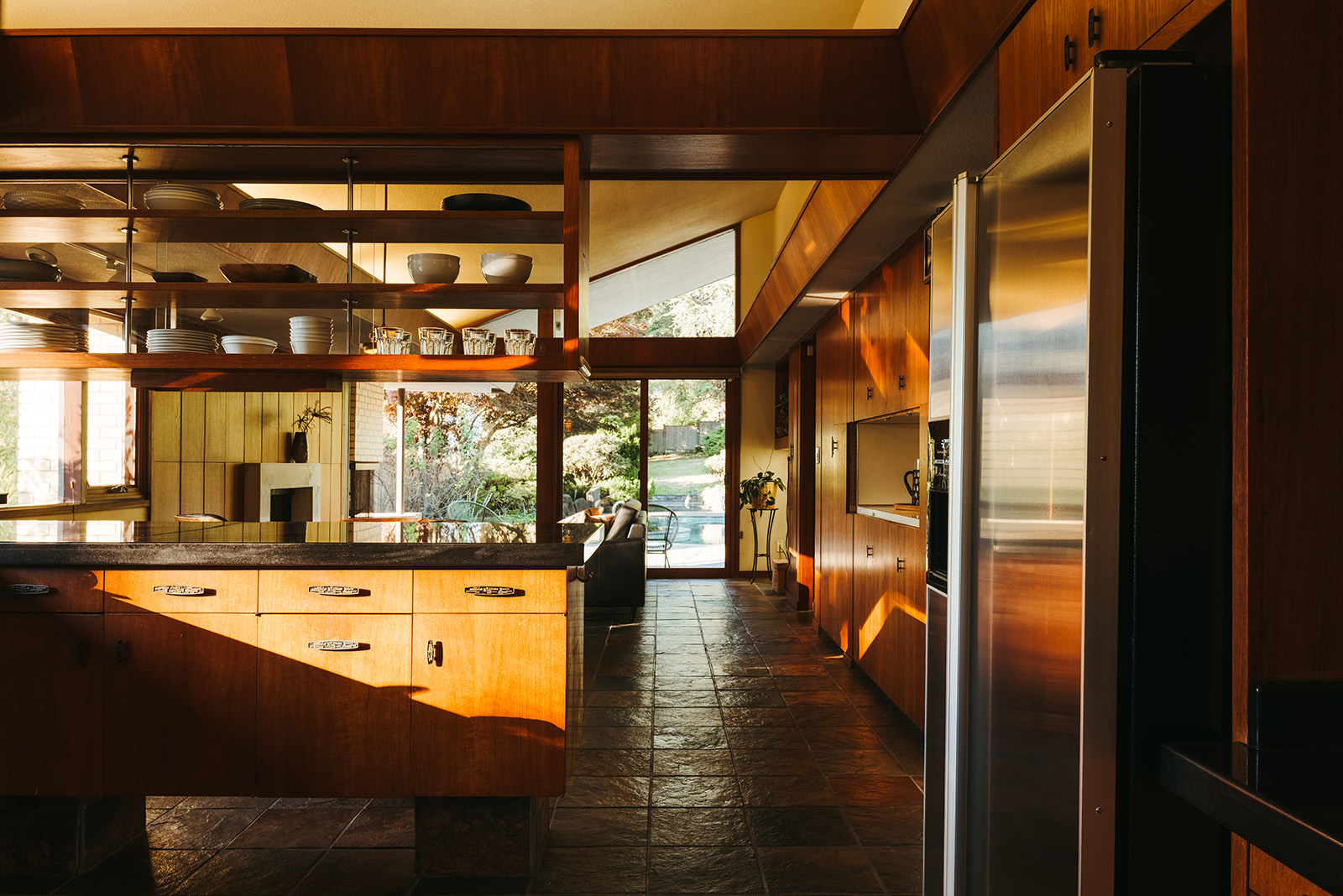
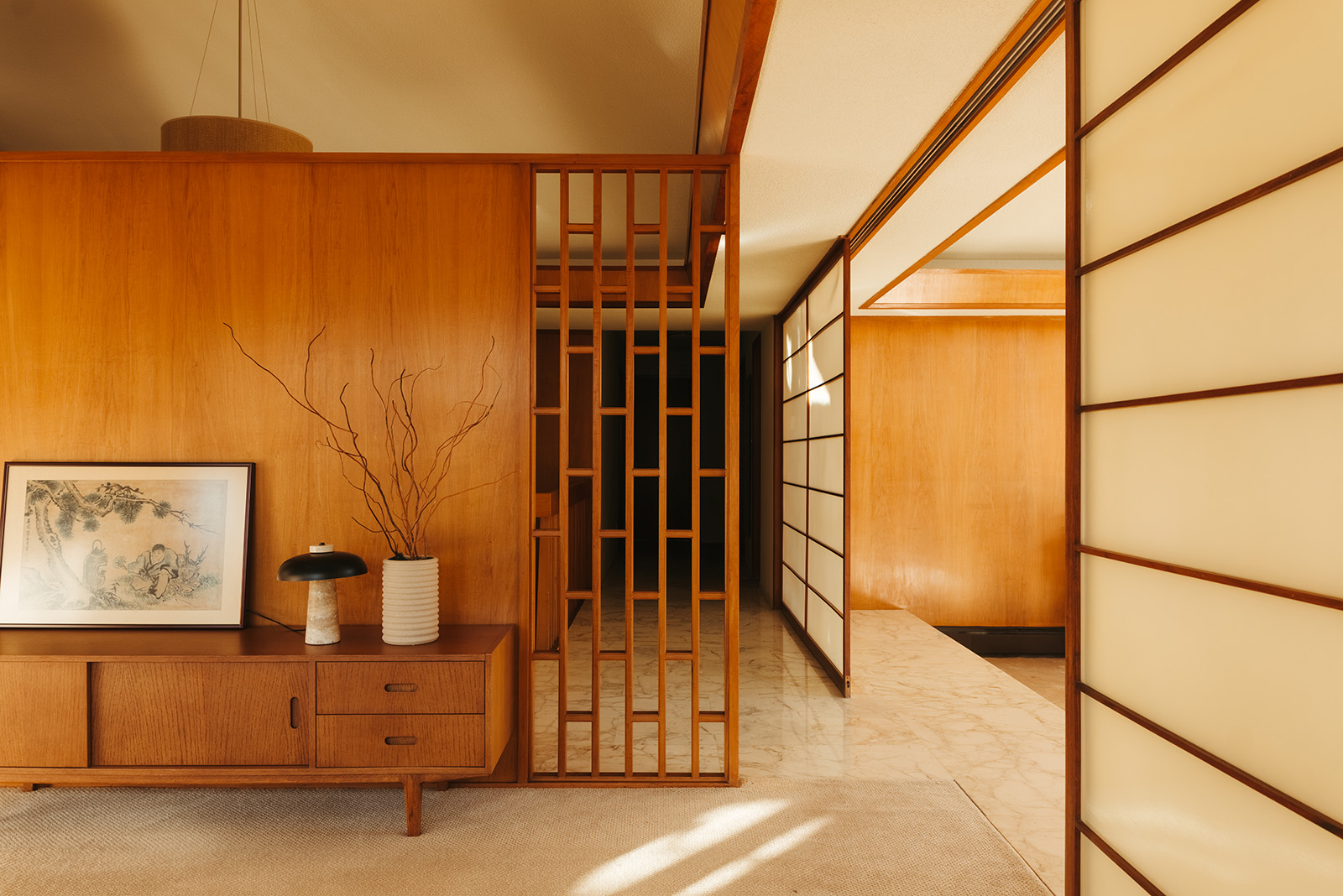
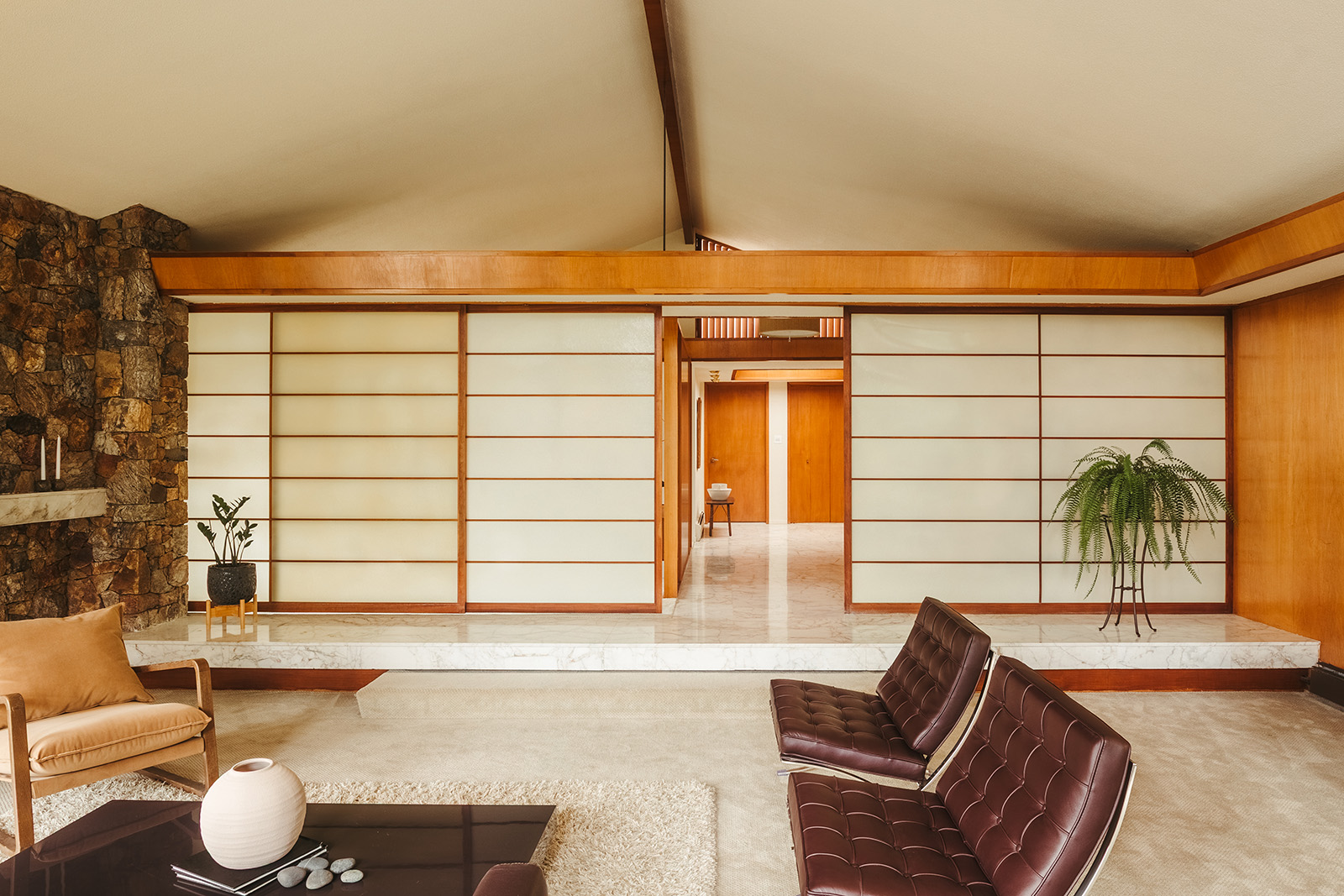
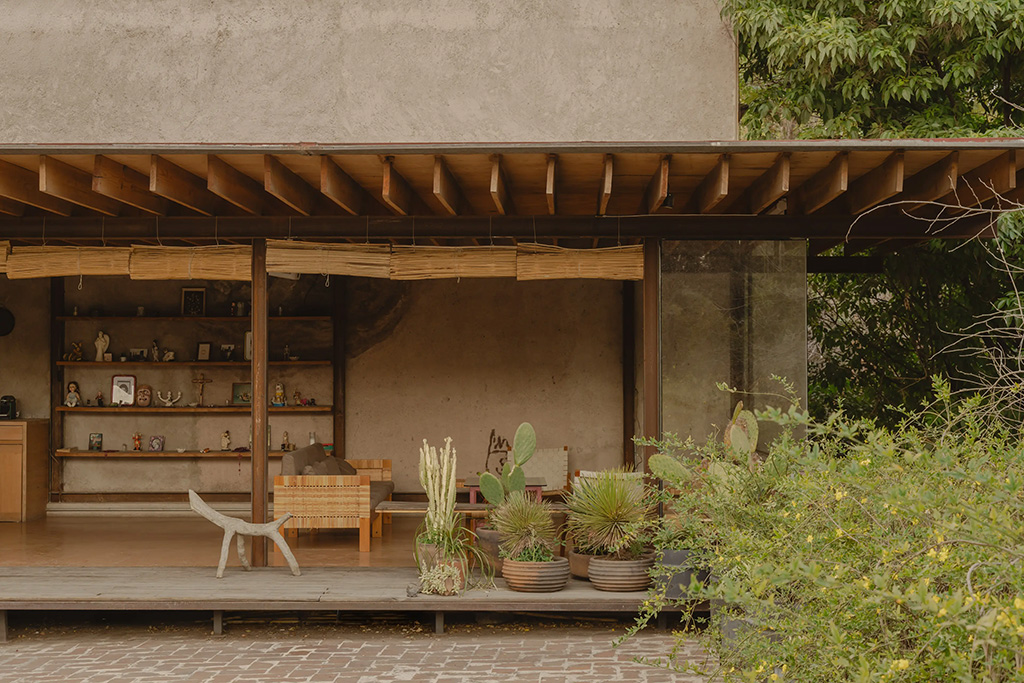
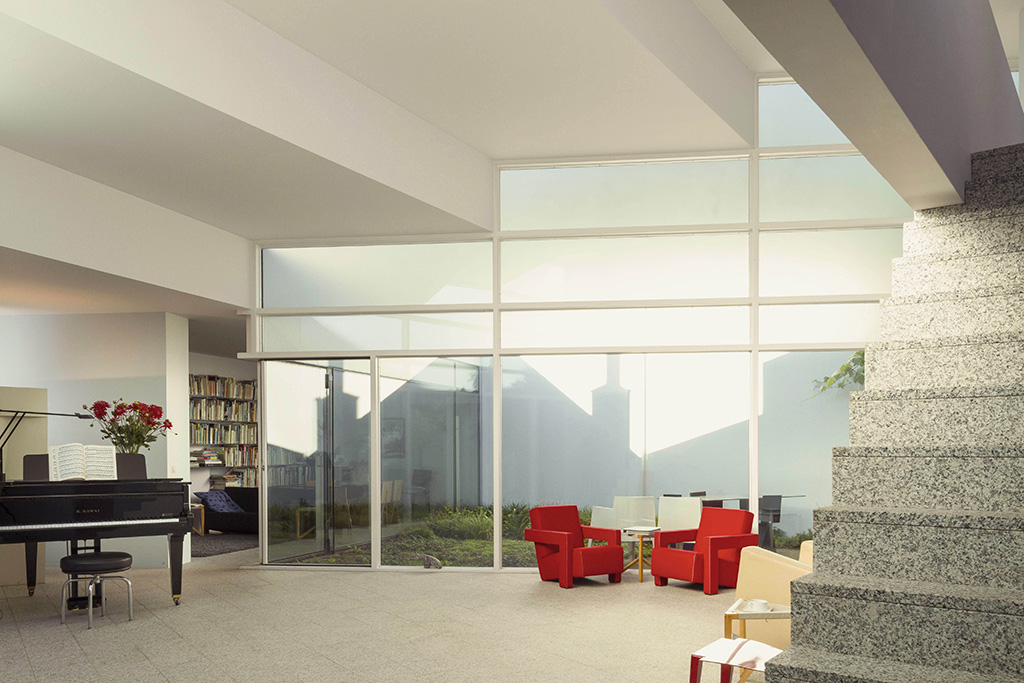
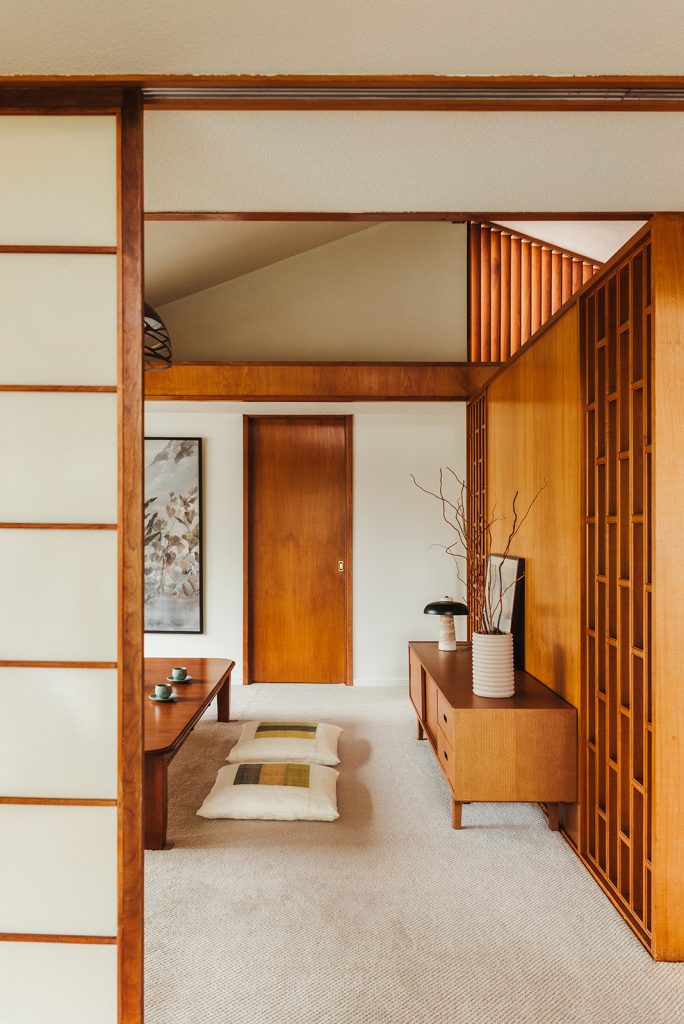
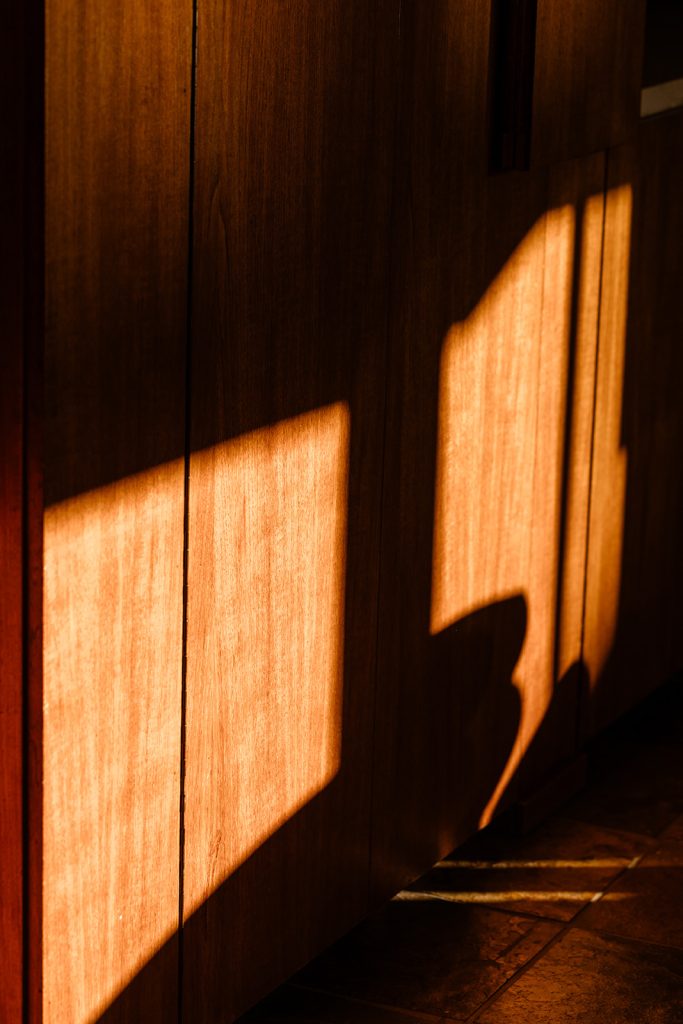
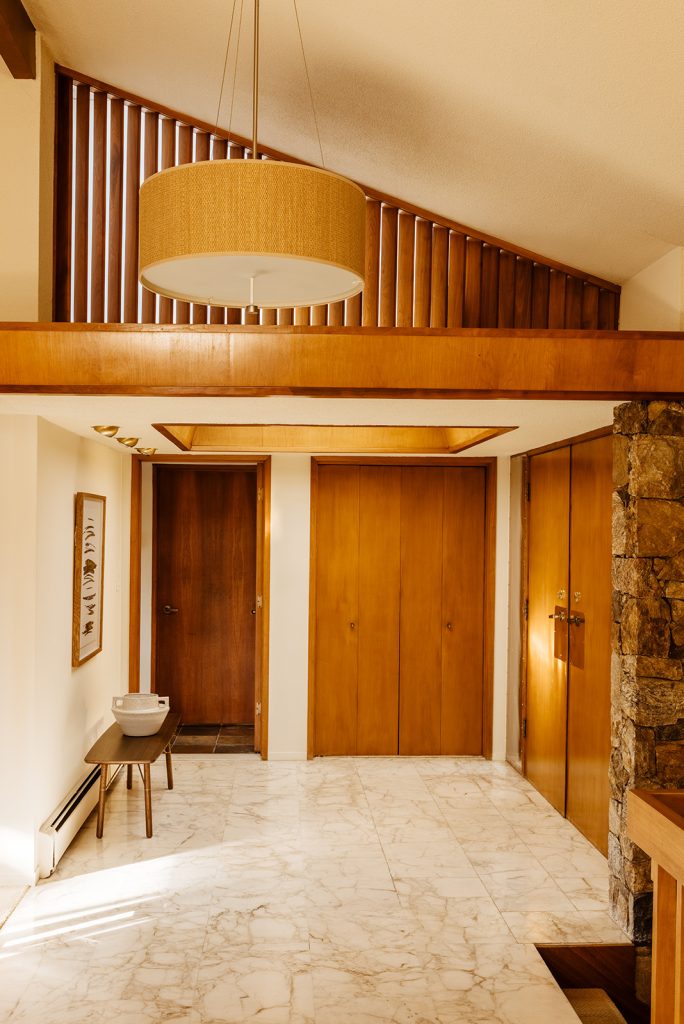
Set behind twin motor-court gates and largely hidden from view, the 5,000sqft home unfolds across low rooflines that echo the horizon. Shoji-like glazing and timber planes invite a dialogue between interior and landscape, while the upturned eaves of its carport nod to pagoda forms. Hand-set Squamish granite, mahogany doors and lily-pad paving stones express a meticulous honesty of material and form.
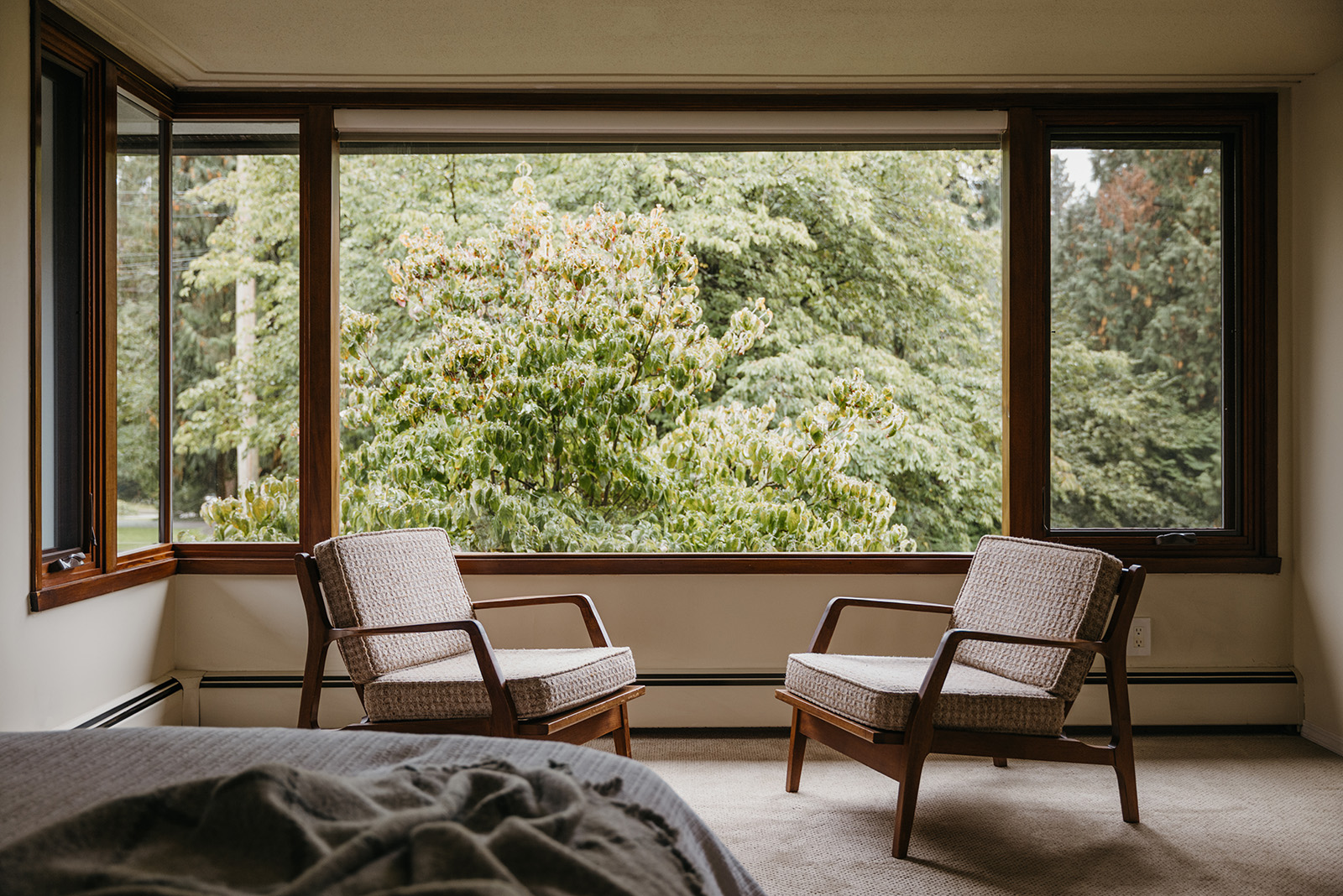
Wylie’s work channels the same spirit that shaped post-war West Coast architecture — truth to materials, reverence for site and connection to nature. At Sakura Estate, those ideas find a rare clarity. Light filters through trees and petals from the namesake cherry tree drift across the granite warmed by dusk. In a suburb now dominated by new development, the house endures as a serene study in proportion, philosophy and time.
It’s on the market with West Coast Modern. Price on application.