Photography: Italy Sotheby's International Realty.
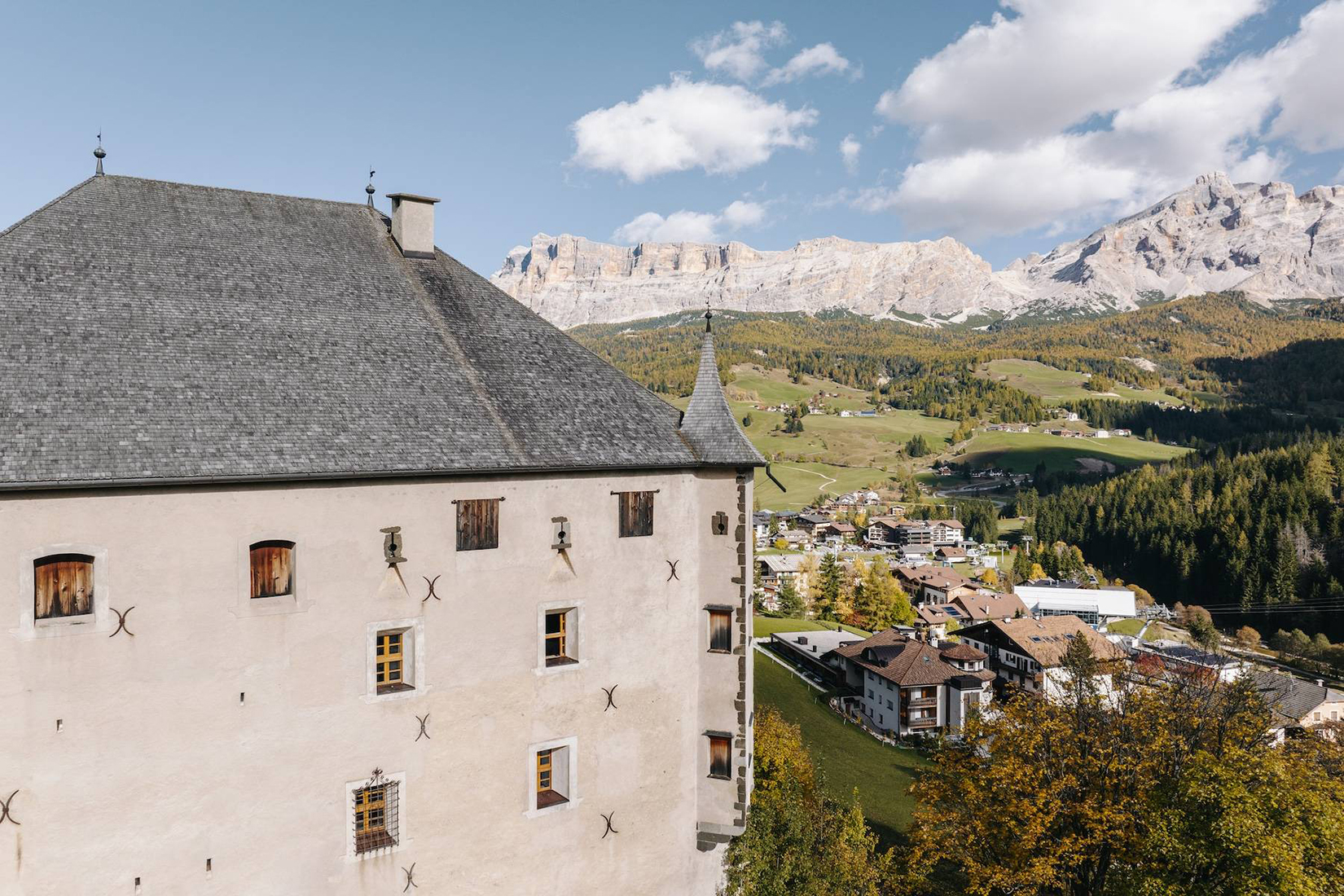
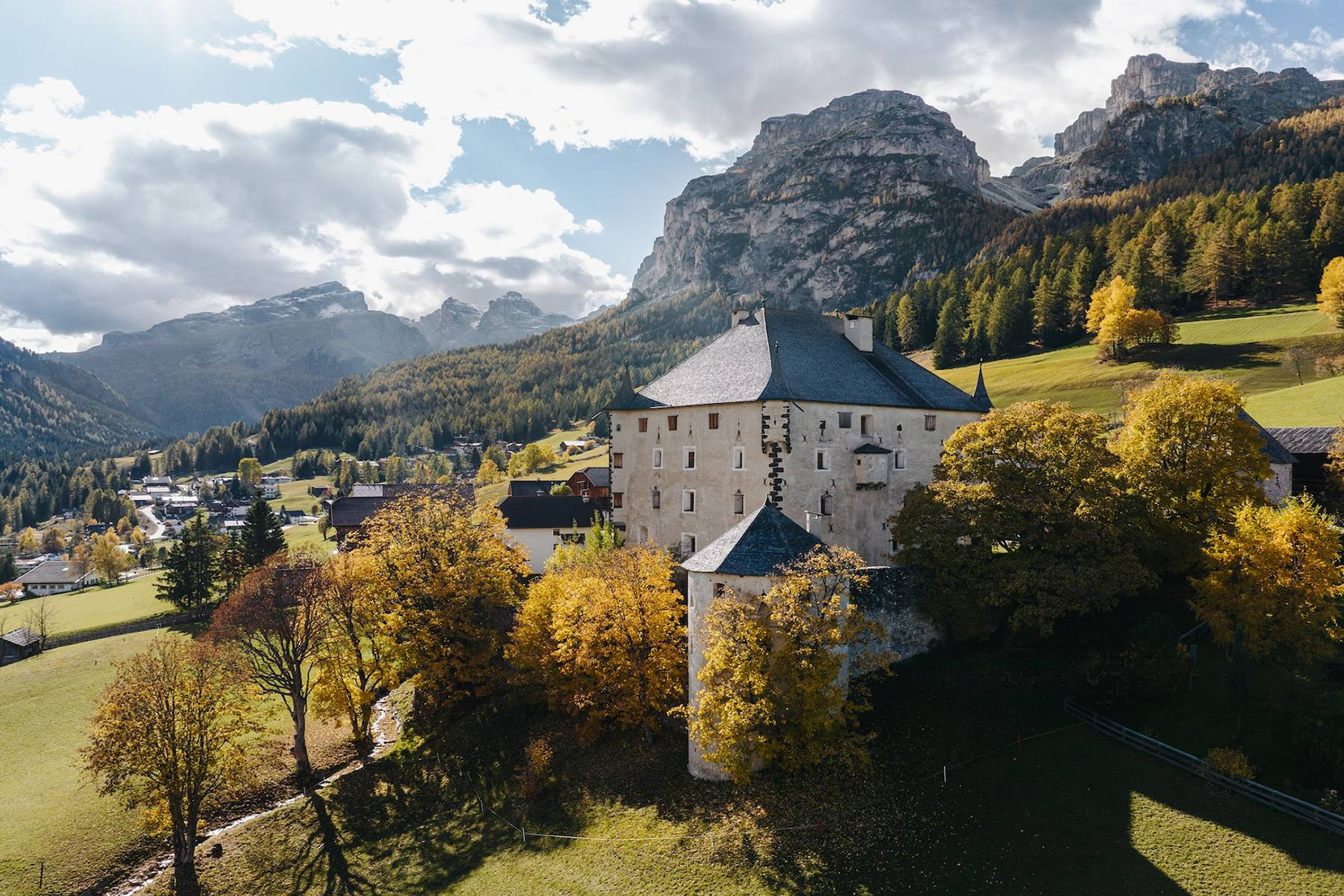
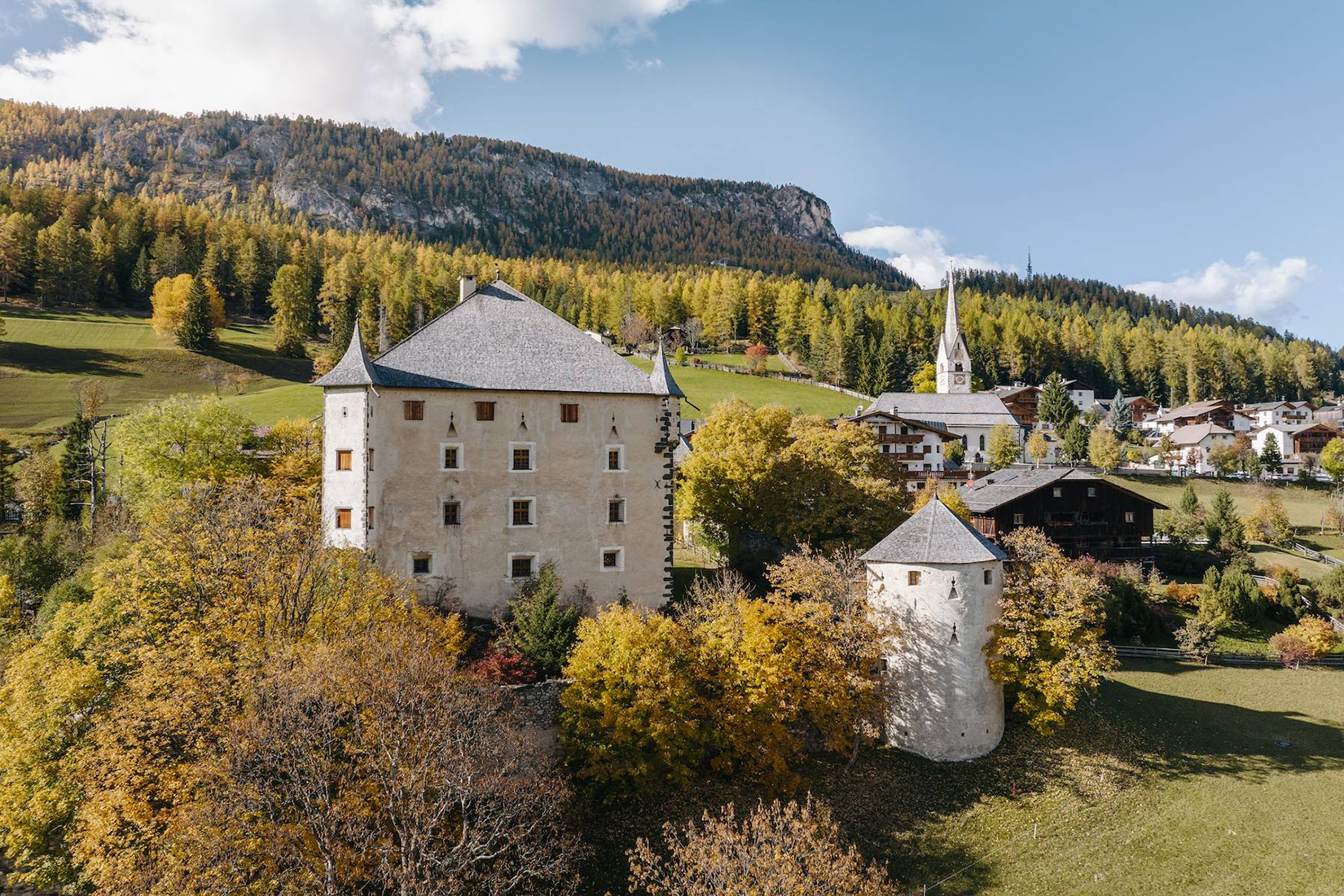
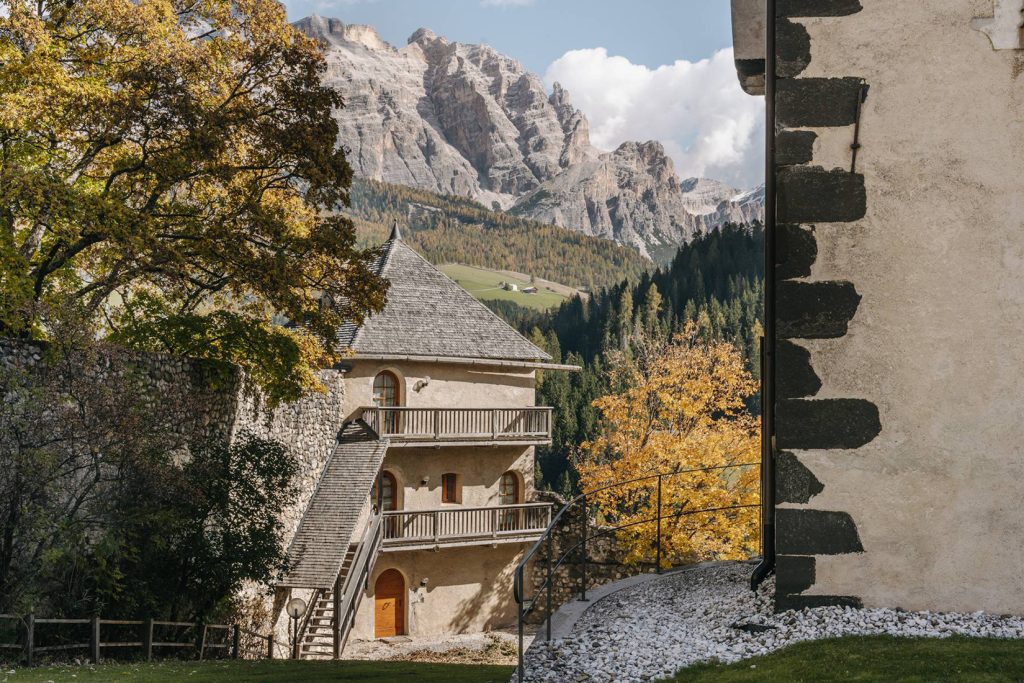
Castel Colz introduces itself through its stone massing — compact towers, fortified volumes and a profile cut sharply against the Italian Dolomites. Commissioned in 1536 by Hans von Rubatsch with approval from Emperor Ferdinand I, the stronghold was completed within a year, establishing its long connection to the Colz family and to Alta Badia’s Ladin community. Known in the local language as ‘Gran Ciasa’, meaning ‘great house’, it’s held symbolic weight in the valley for generations, lording over La Villa from high ground.
Photography: Italy Sotheby’s International Realty.
Photography: Italy Sotheby’s International Realty.
Photography: Italy Sotheby’s International Realty.
Photography: Italy Sotheby’s International Realty.
Photography: Italy Sotheby’s International Realty.
Photography: Italy Sotheby’s International Realty.
Photography: Italy Sotheby’s International Realty.
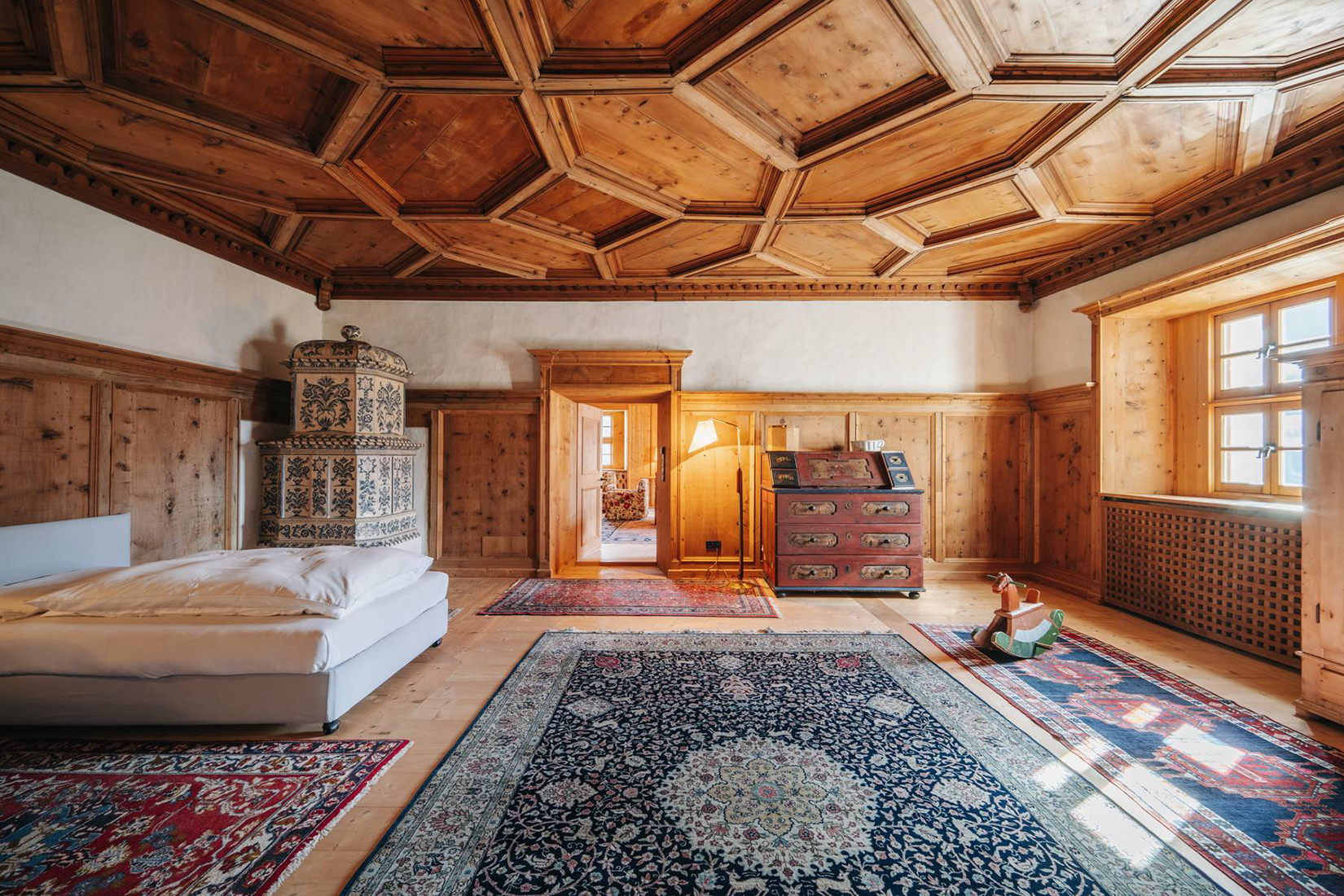
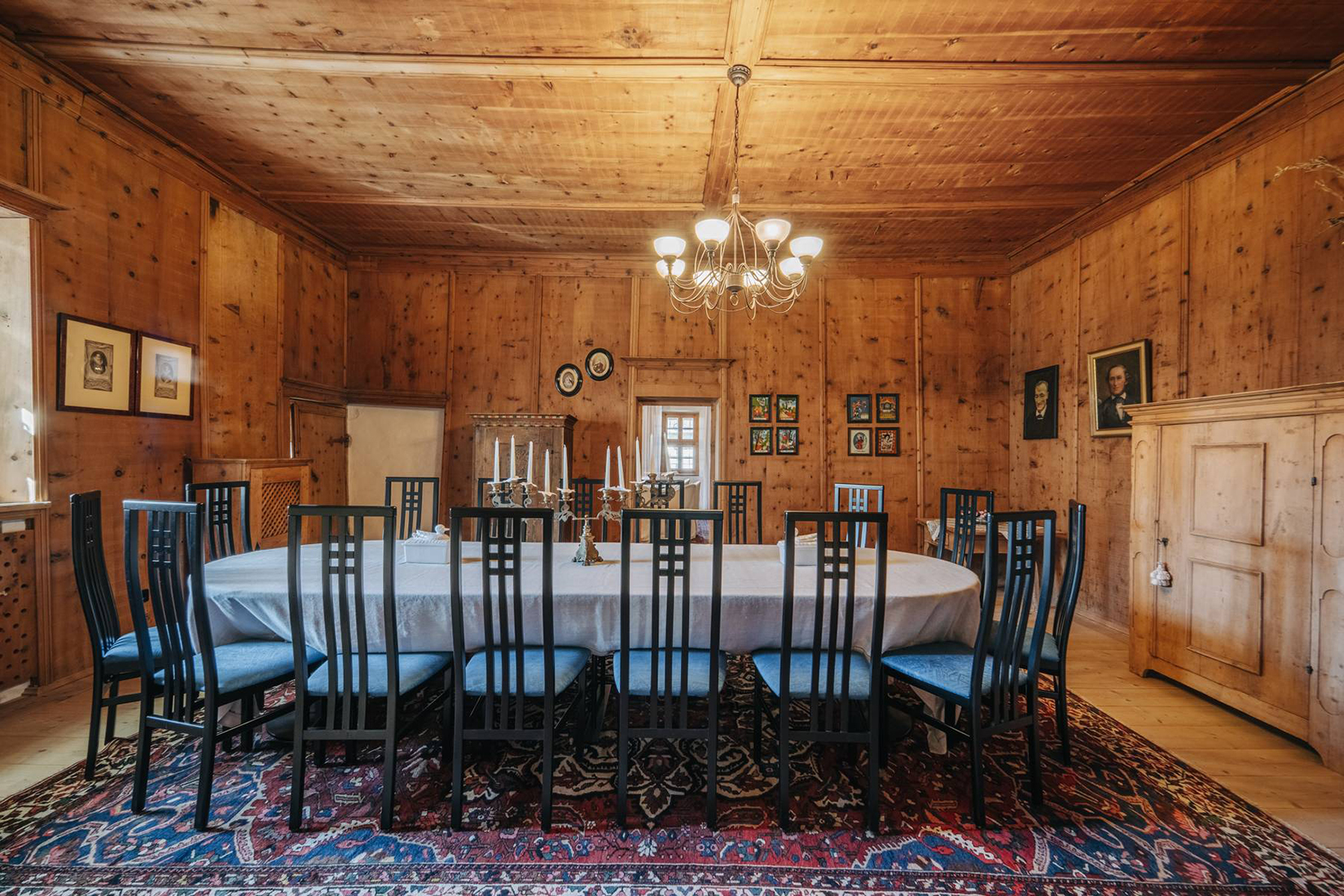
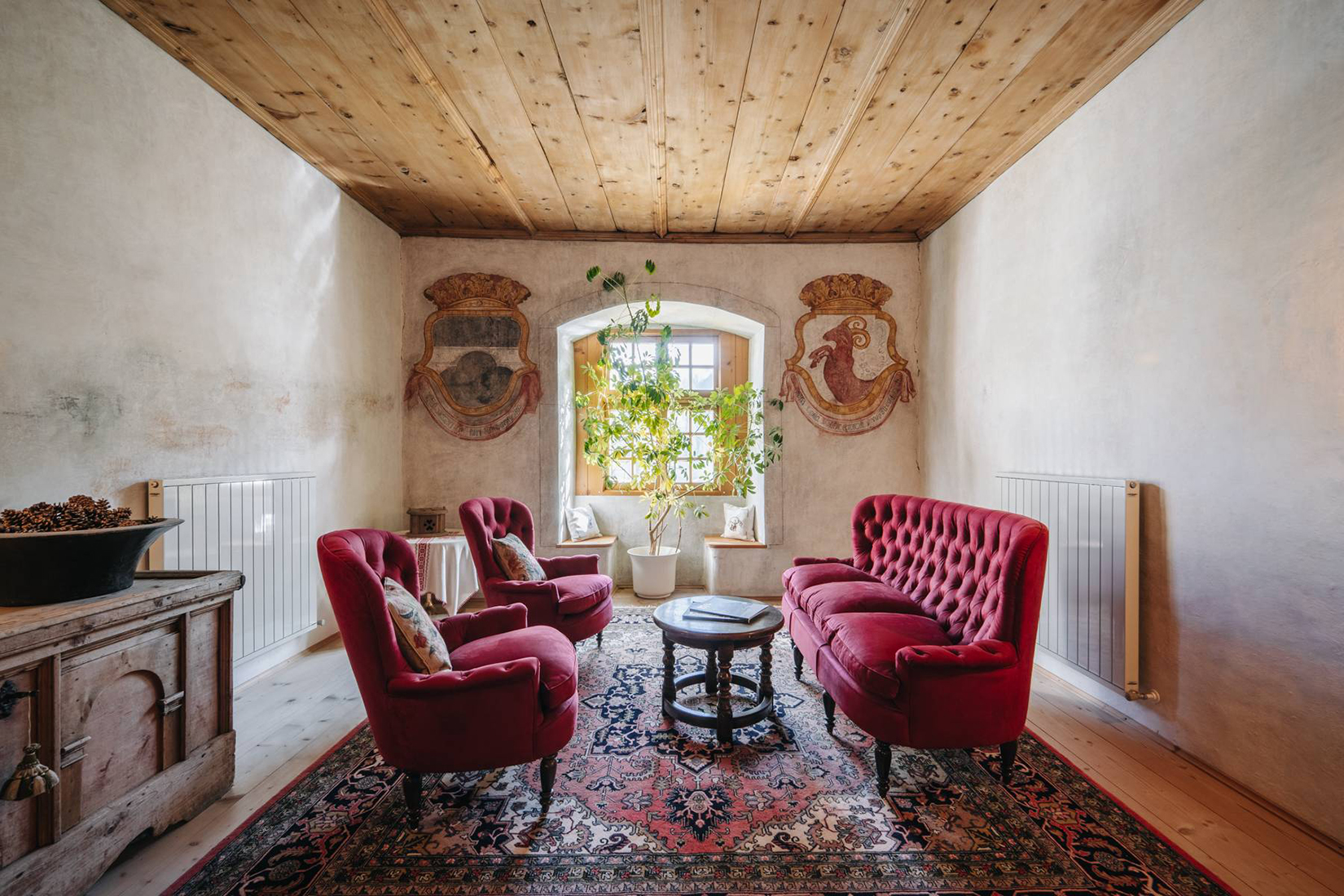
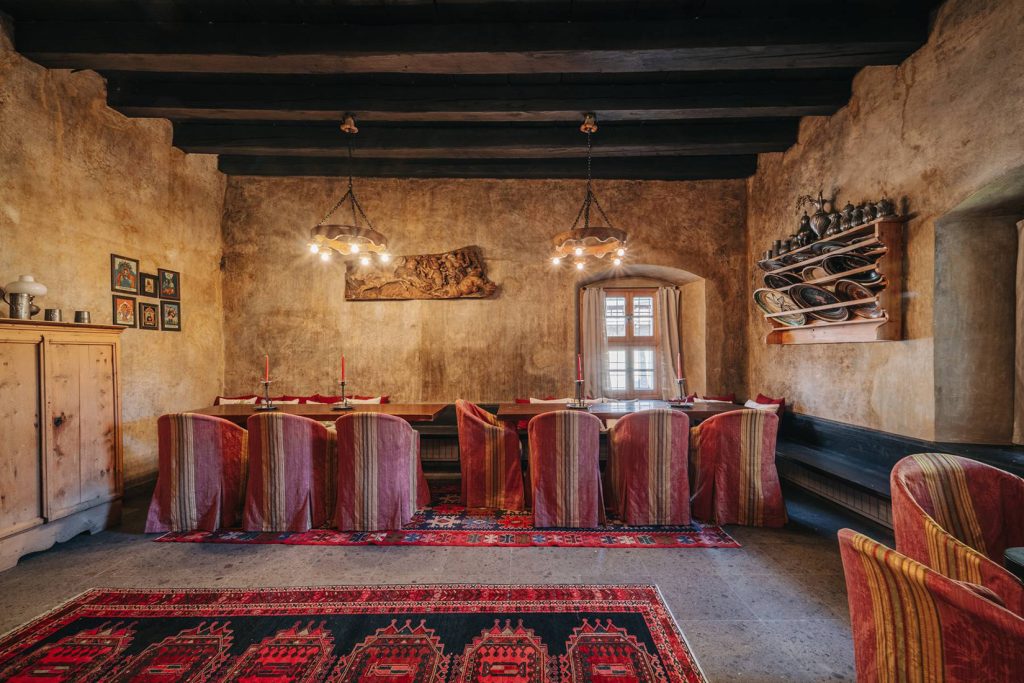
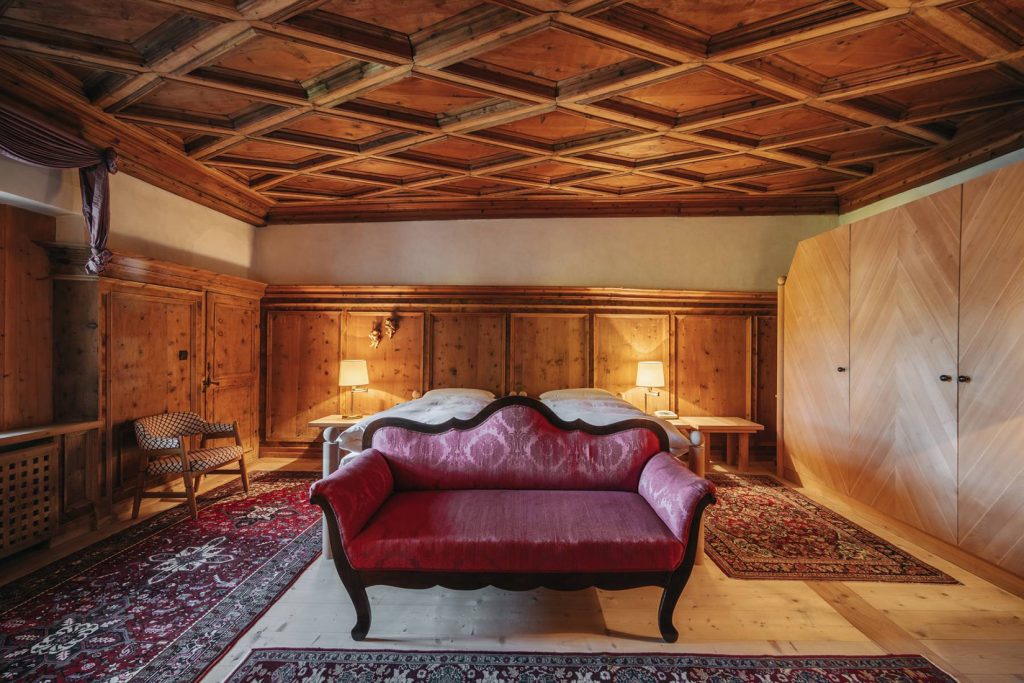
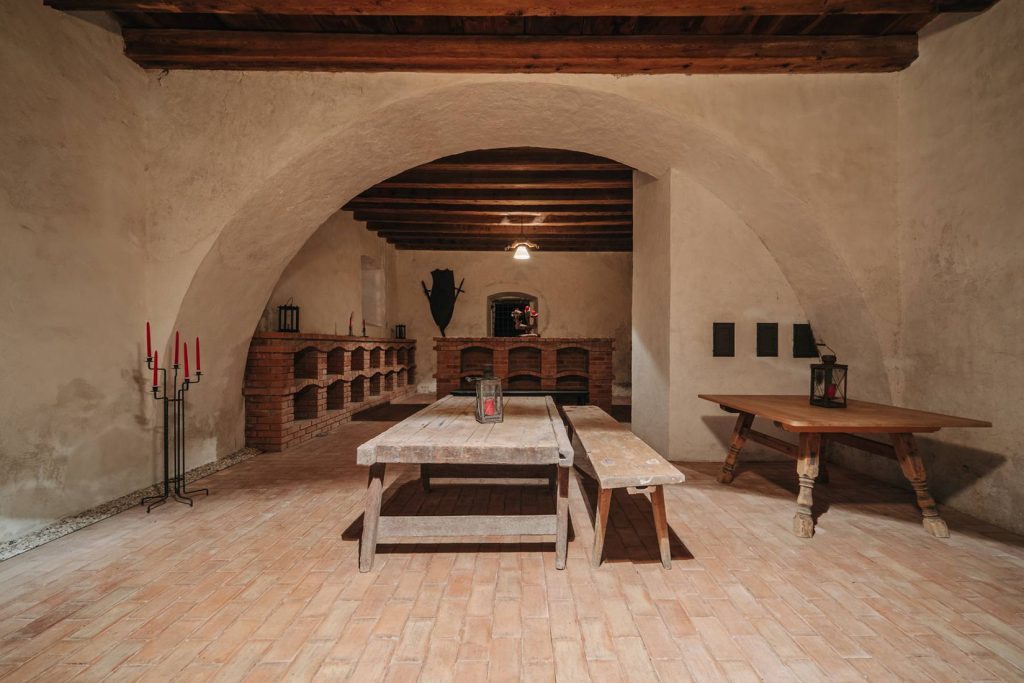
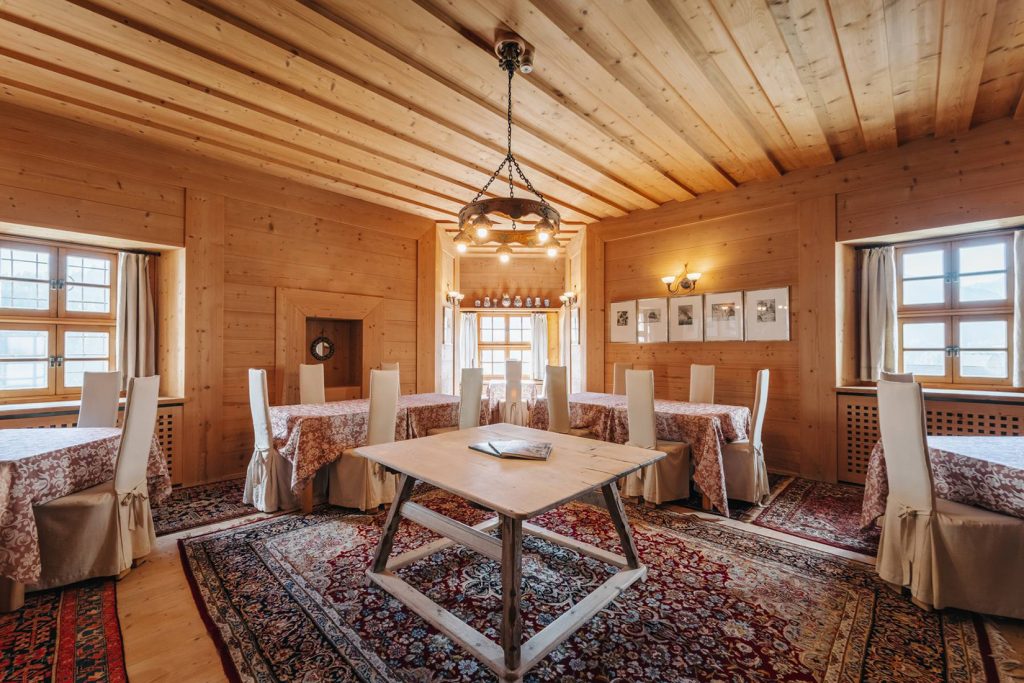
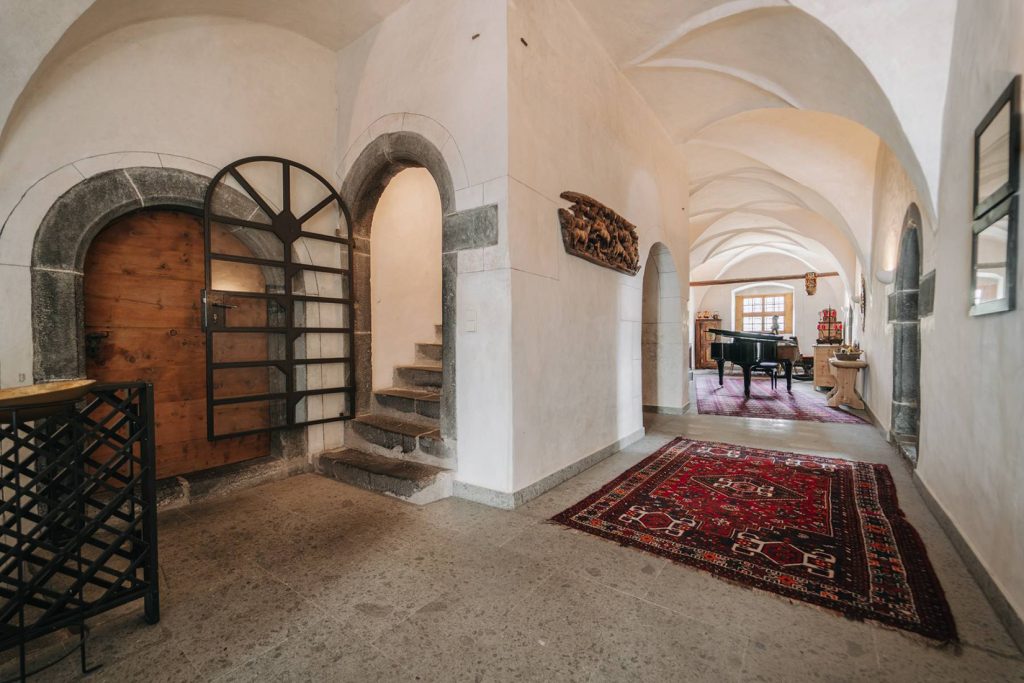
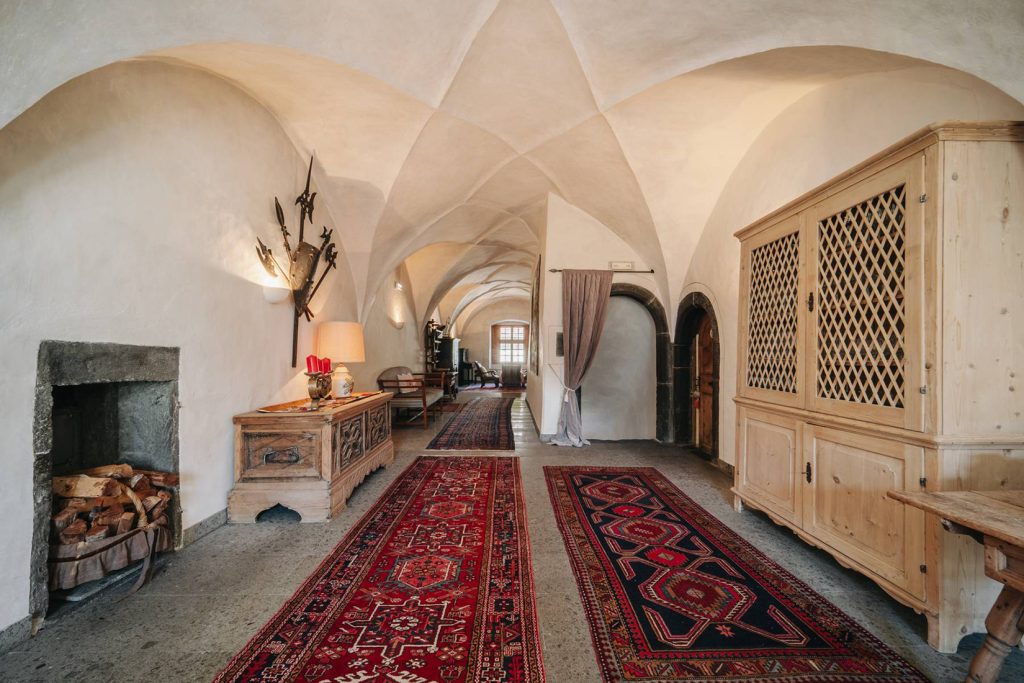
Inside, the castle preserves the integrity of its Gothic Renaissance design. Vaulted ceilings, carved timber panelling and period furnishings convey an Alpine sensibility rooted in local craftsmanship. Decorative elements survive in situ, giving each room a distinct narrative while maintaining the building’s overall coherence. Across roughly 2,070sqm of interior space, eight bedrooms and 12 bathrooms are distributed through a plan shaped by centuries of incremental change rather than modern intervention.
A conservative restoration has strengthened the structure without diminishing its historic character, allowing the castle to remain a cultural anchor in the UNESCO-listed Dolomites. External grounds of around 3,680sqm frame the property within the broader Alta Badia landscape. It is offered — price upon request — through Sotheby’s in Italy.