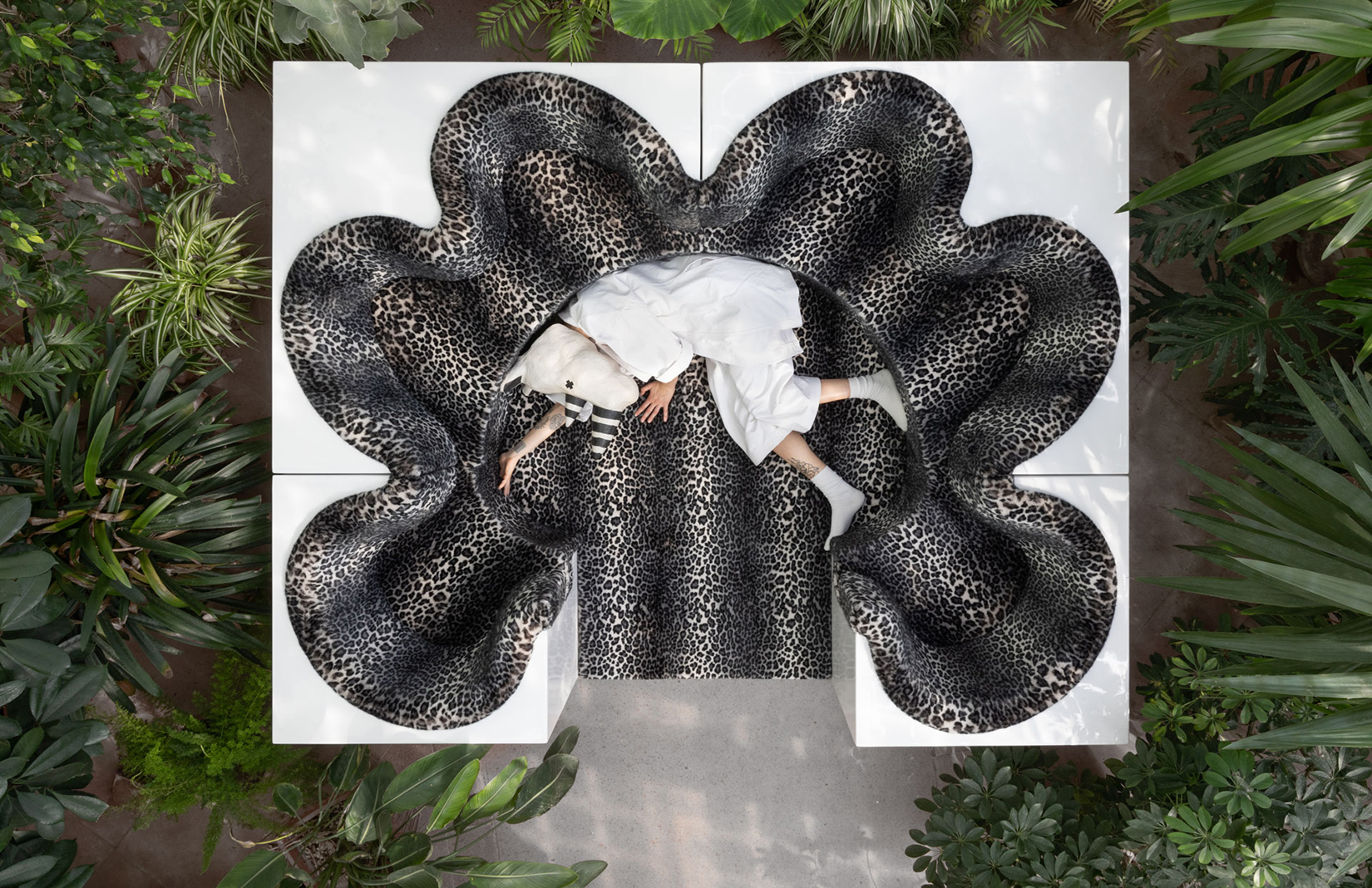
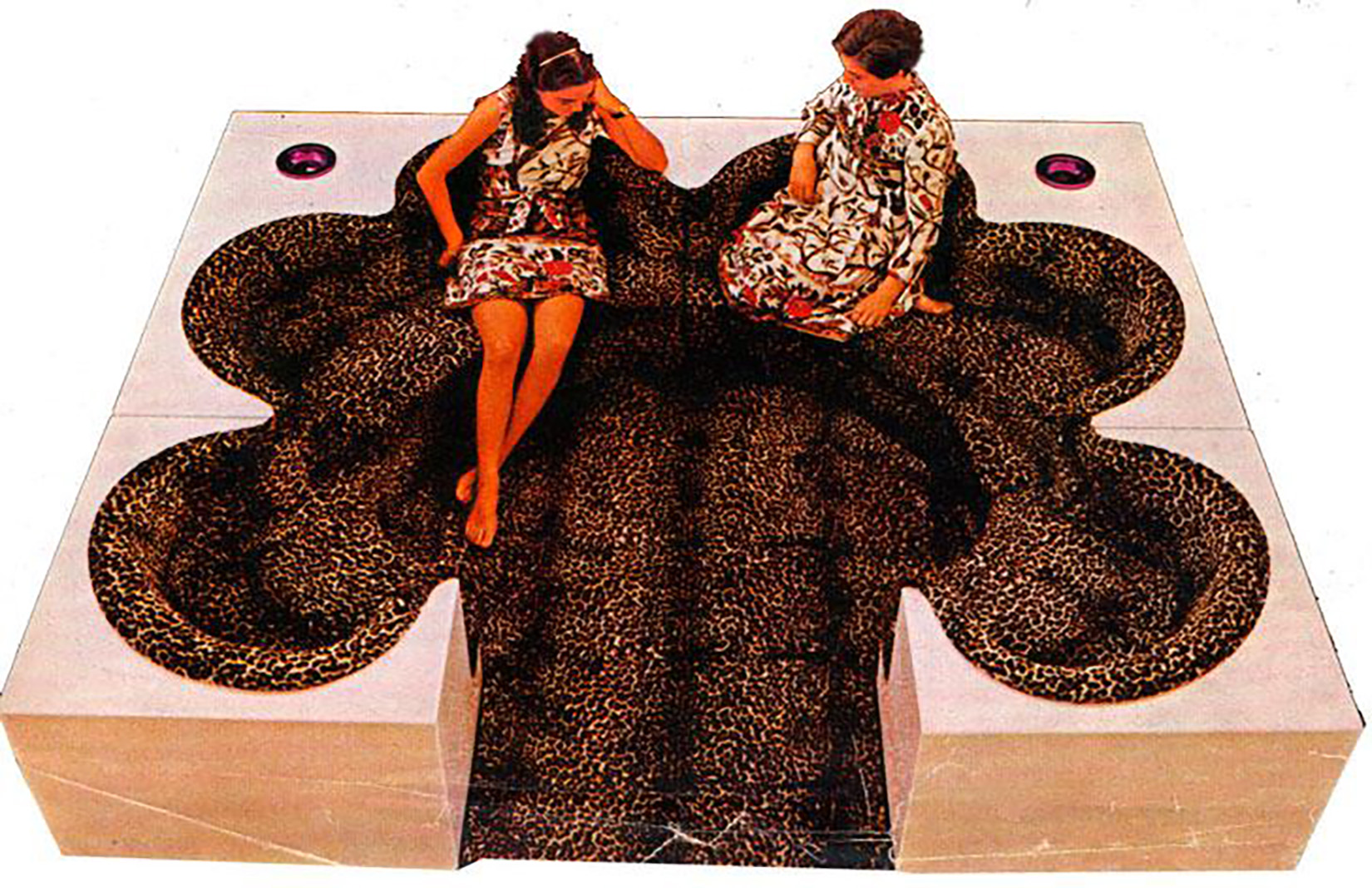
In 1968, a new Italian sofa with a revolutionary fibreglass frame, upholstered in polyurethane foam and a raunchy faux fur leopard print, upended established precepts of ‘good design’. But the history behind the Safari sofa is even more radical than that.
Designed by Archizoom Associati, the six-component piece brought into physical permanence the concept of the sit-in, inspired by non-violent protests in early-1960s America and taken up by Italian university students later in the decade. Archizoom’s young founders Andrea Branzi, Gilberto Corretti, Massimo Morozzi and Paolo Deganello had graduated from architecture school in Florence into a scene of student and worker revolt. ‘The inspiration for the Safari sofa came from the student assemblies that were a constant feature of the occupied universities in Italy in 1968,’ says Dr Elisabetta Trincherini, who interviewed the designers in her role as head of the historical archive at Centro Studi Poltronova, the Safari’s manufacturer. ‘During these assemblies, it was common for participants to sit in a circle, on the floor.’
Engaged ideologically and physically in the tumult of the era, they resolved, says Trincherini, ‘to design a sofa on which people could sit in a circle, but comfortably’.
To that end, the Safari became an emblem for what would be the Radical Design movement — not to mention a job creator for working-class Italians. The moulding technique, using fibreglass employed primarily for boat hulls, was intended to embody the ideal of democratic design production. And in terms of easy, faithful replication, it was. But Poltronova received fewer orders than expected. ‘It was a product that was considerably “over the top” for the design logic of the time,’ says Trincherini, ‘and it also required a substantial amount of space.’ The company is far better known for the Ultrafragola mirror, designed by Ettore Sottsass in the 1970s and still in production.
High production costs and a hesitant market pushed the Safari out of the realm of affordable design and toward Pop Art, until only the professionally provocative could spare the cost and space. For many years a few rare specimens existed, in the figurative captivity of a private home or office — modularity made it perfect for a lobby. Montreal tobacco magnate David M. Stewart owned one with his wife Liliane, and it became a linchpin of their collection when they established the city’s Museum of Decorative Arts in 1979.
The design world moved on from anti-consumerist voices like those of Archizoom’s founders, who disbanded a few years after releasing the Safari into the world. Ironically it took a few capitalists — mainly non-Italians — to save the piece from falling into shoulder-shrugging kitsch. It found its way into collections at the Centre Pompidou, MoMA and Triennale Milano and, thus, back into the canon and the conversation. Original Safaris still change hands at auction for well into the five figures, between collectors still enchanted by its powerful statement and eternal practicality.
‘The bold, even revolutionary lines raise important questions about the relationship between aesthetics, comfort and design,’ says Philippe Halbert, curator of decorative arts and design at Montreal’s MMFA. ‘It inspires us to use our imaginations to test the limits of physical space and to explore the possibilities of our own innate human creativity. Taken as a whole, that combined challenge and creative potential have helped to ensure the sofa’s continued success nearly 60 years after its initial debut.’
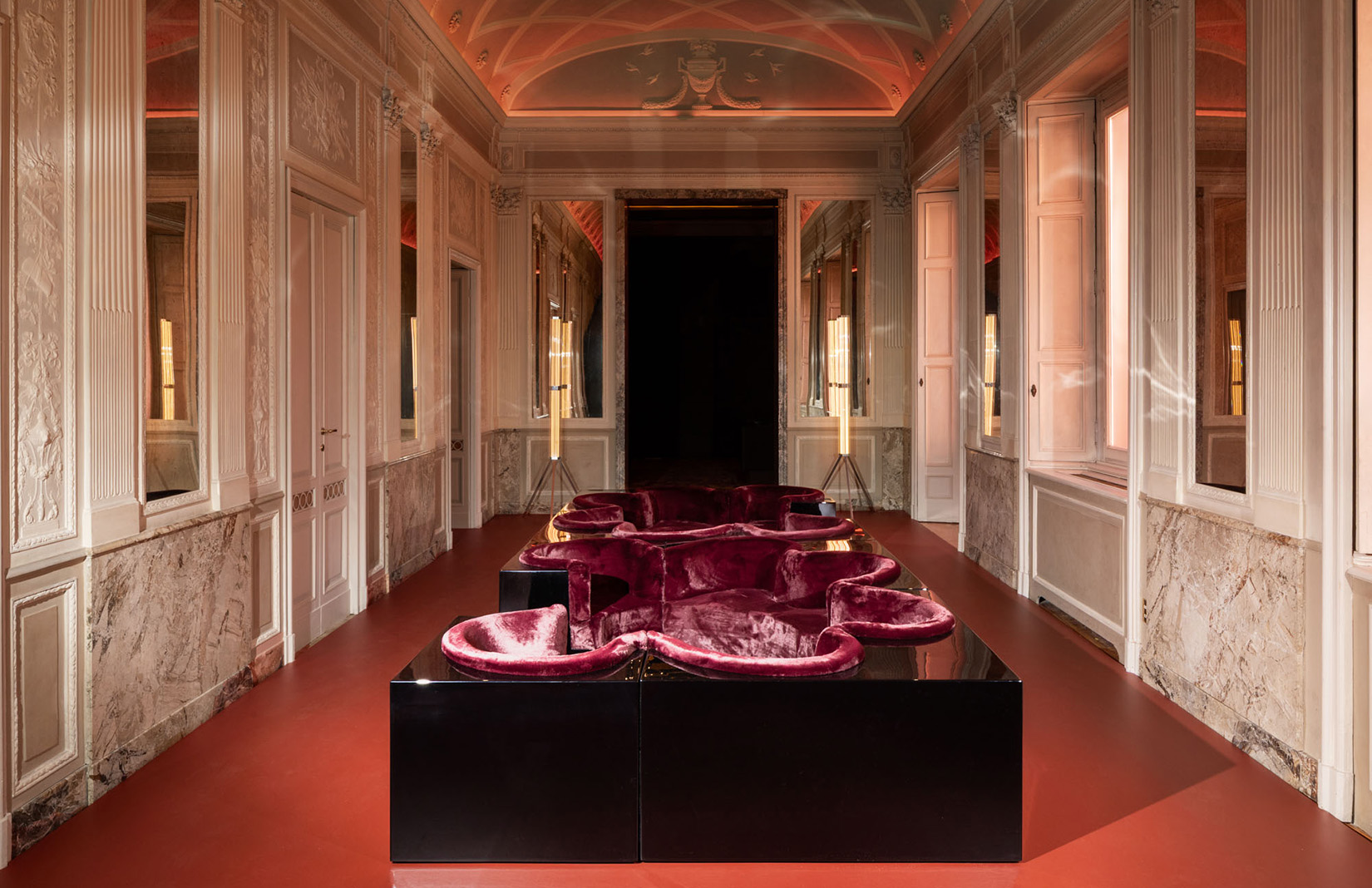
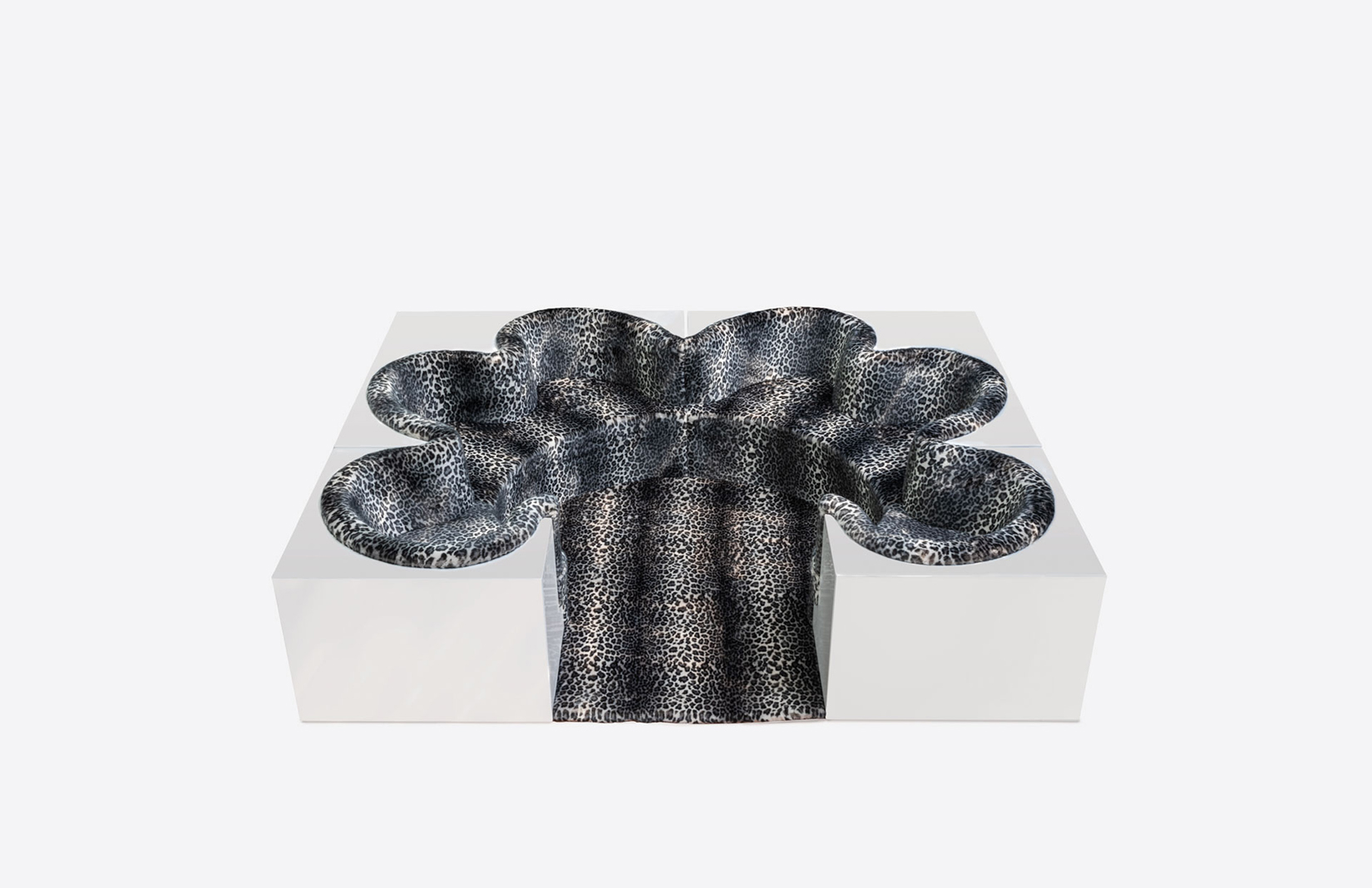
In 2022, Poltronova reissued the Safari using archival fabrics. The moulds are costly to produce even today, yet their mere existence revives a quaint argument that creativity, conviviality and engagement begin in a circular formation. In The Spaces office, our original Safari remains a favourite spot for brainstorming and for casual work lunches free of screens. And while today the piece can be customised with contemporary fabrics (the Chloé showroom in Paris has a leather version), we cherish the synthetic leopard for its flagrant pooh-pooh to conventional design standards.
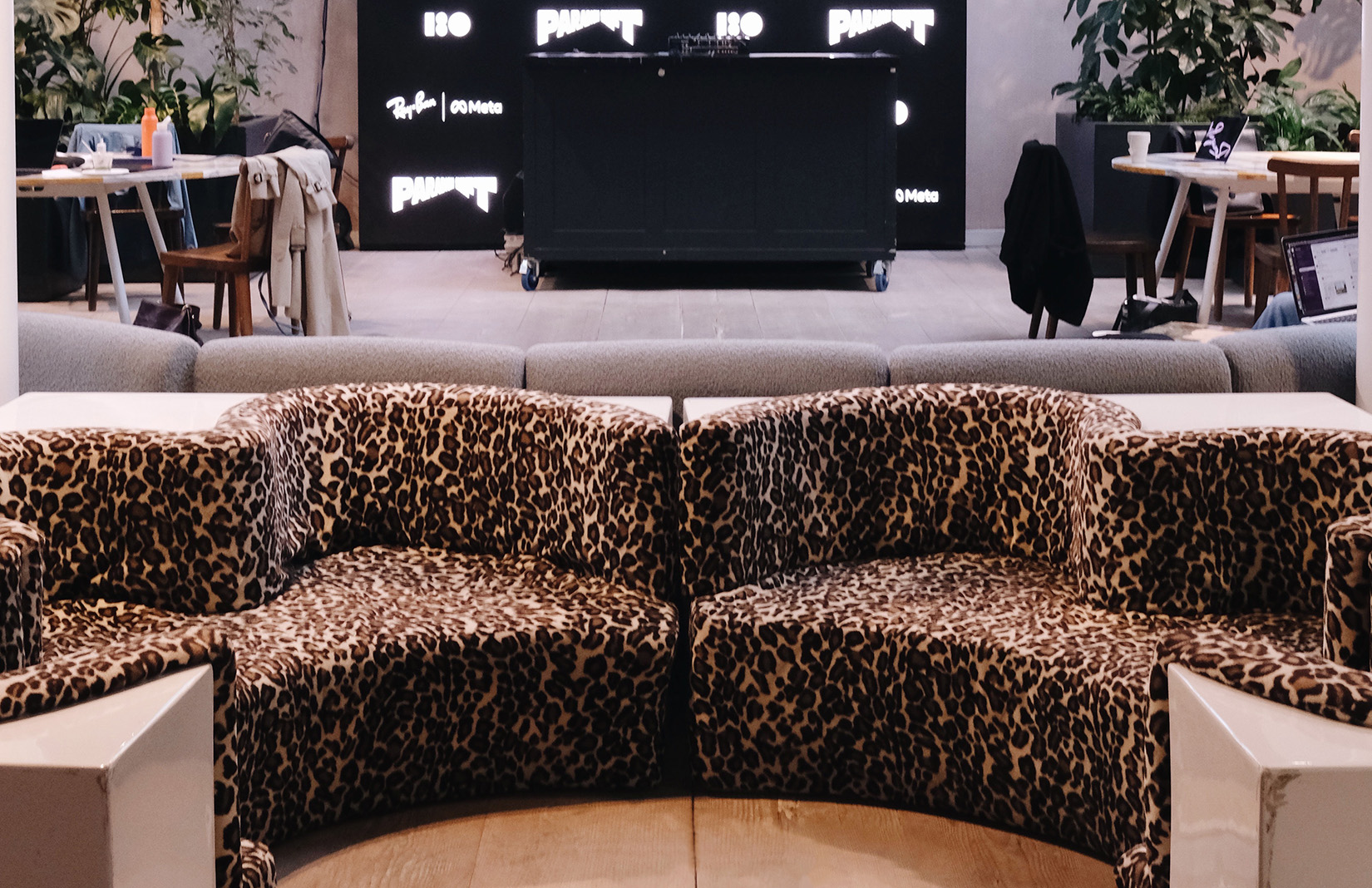
Though comfort was a critical precept of the original — and the old foam maintains its integrity even today — the Safari was never about mere decoration. It belonged to the polemic against bourgeois taste, conventions and post-war consumerism. Younger generations might call it ‘intentional’: design that subverts modernist codes and posits new modes of interaction.
The ideals are remarkably current. ‘The critical issues it raised — social behaviour, the politics of space, the performativity of furniture — have become central themes in contemporary design discourse,’ says Trincherini. ‘Its status as a classic derives precisely from its capacity to remain conceptually sharp, culturally meaningful and formally unforgettable.’
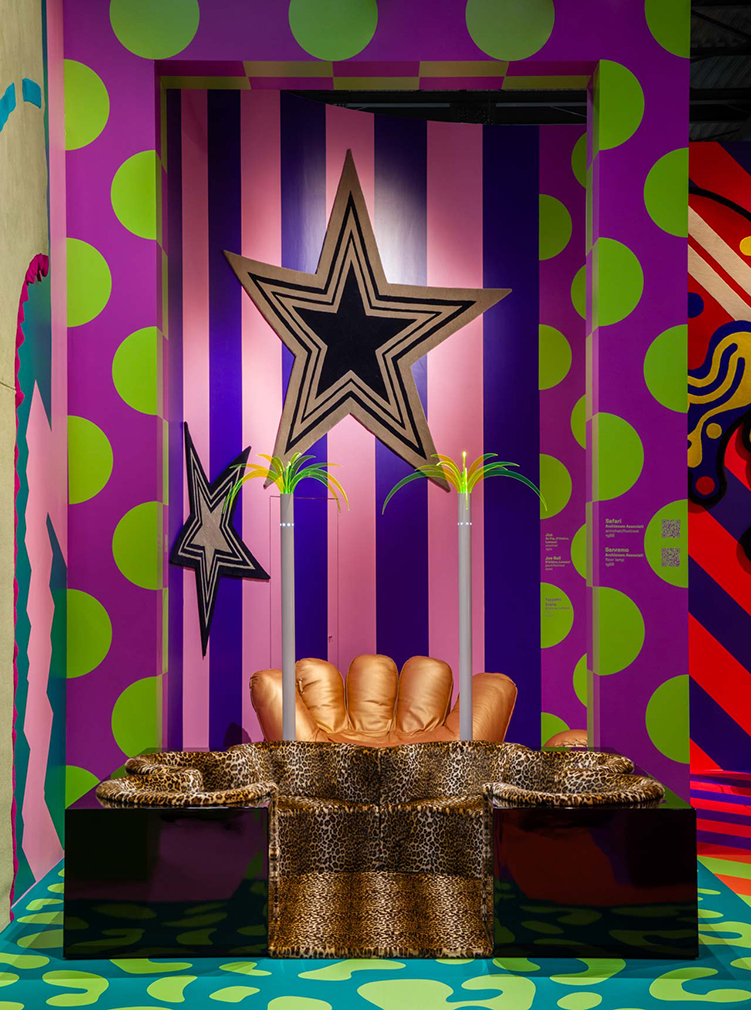
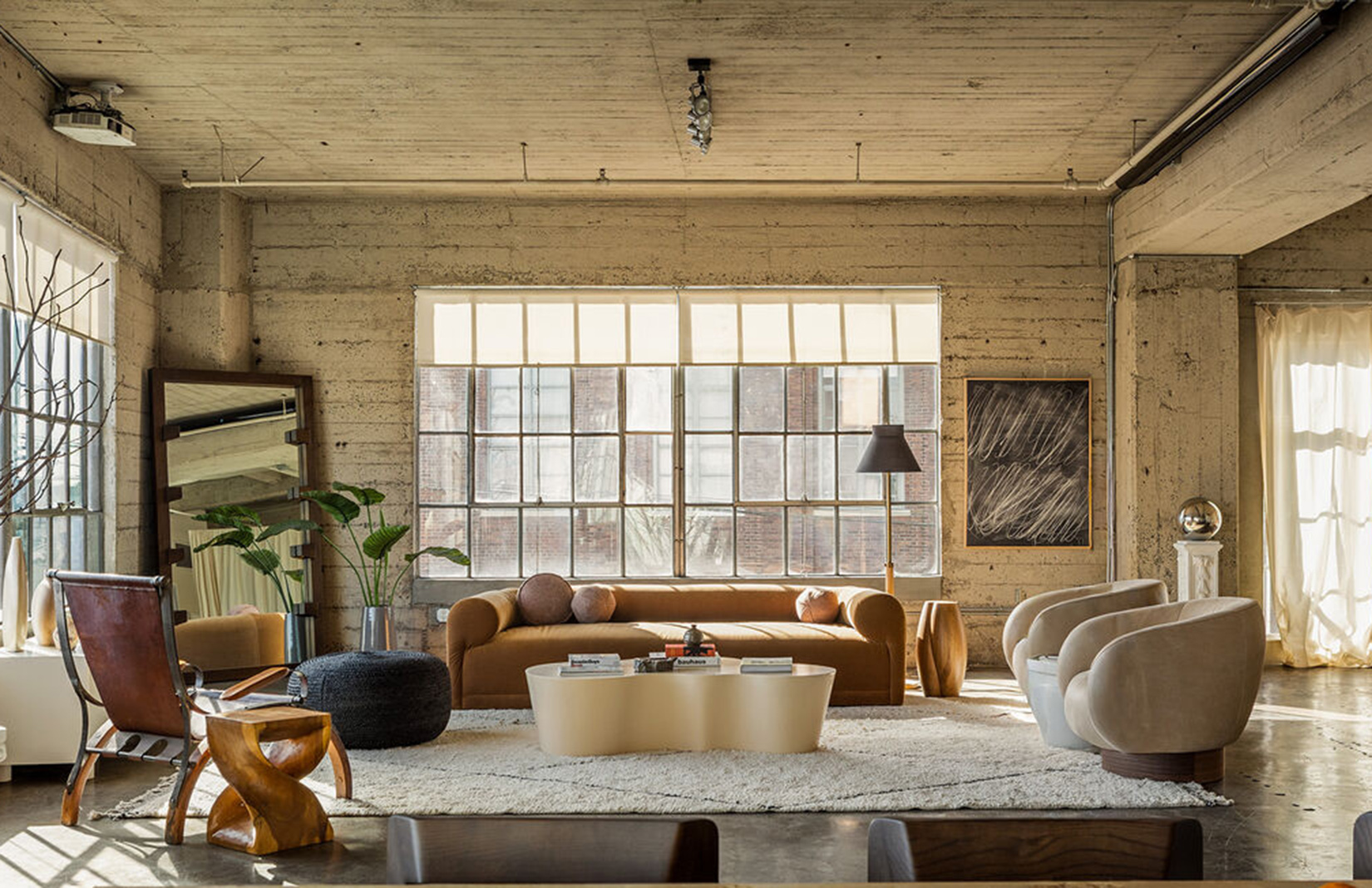
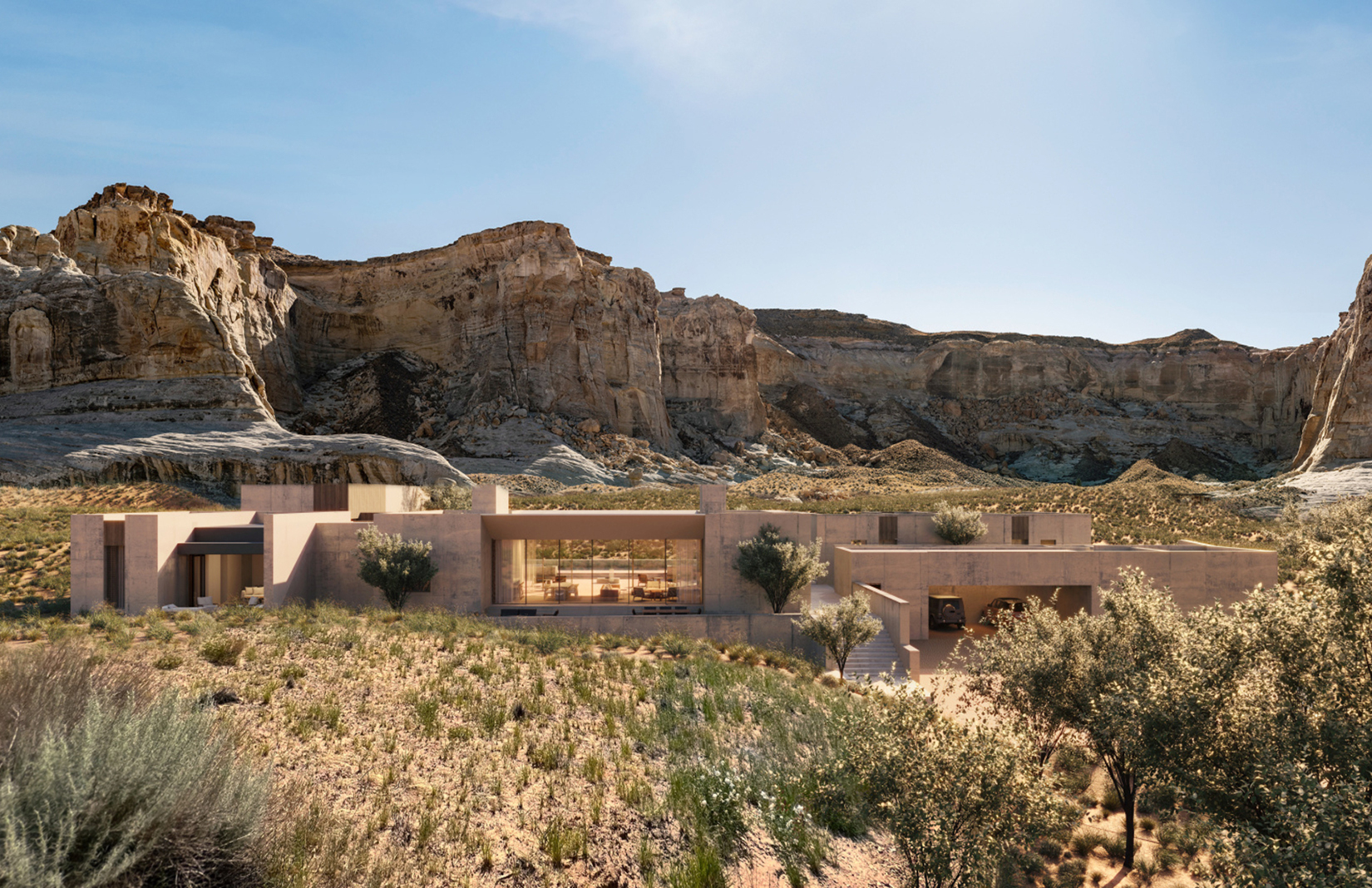
The Safari sofa today. Photography: Serena Eller.
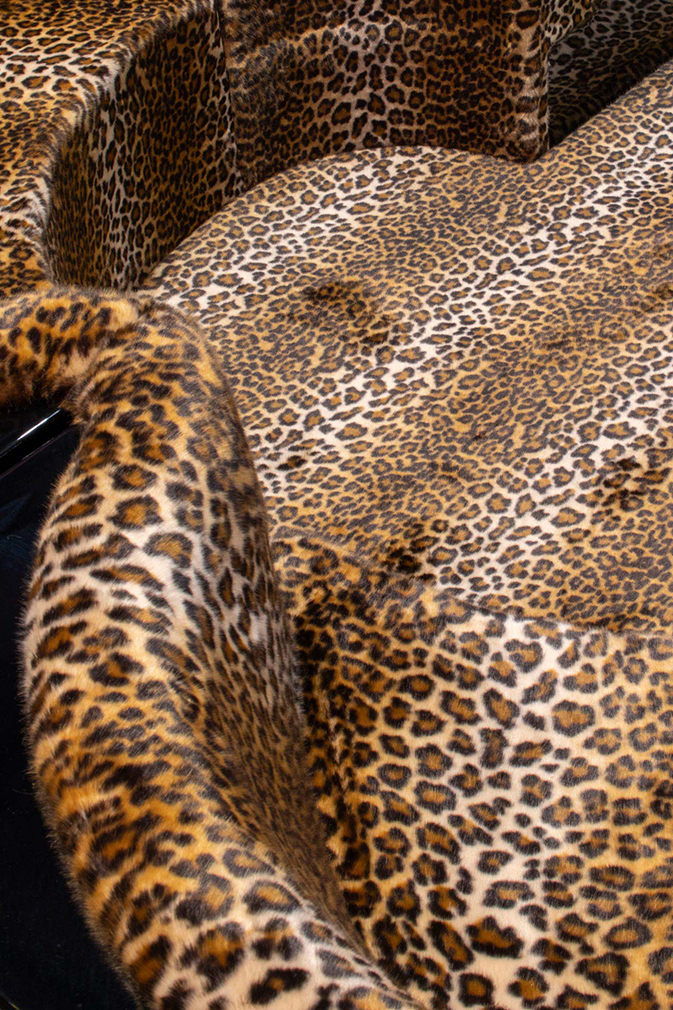
A Safari sofa in its original leopard-print faux-fur. Photography: Serena Eller.
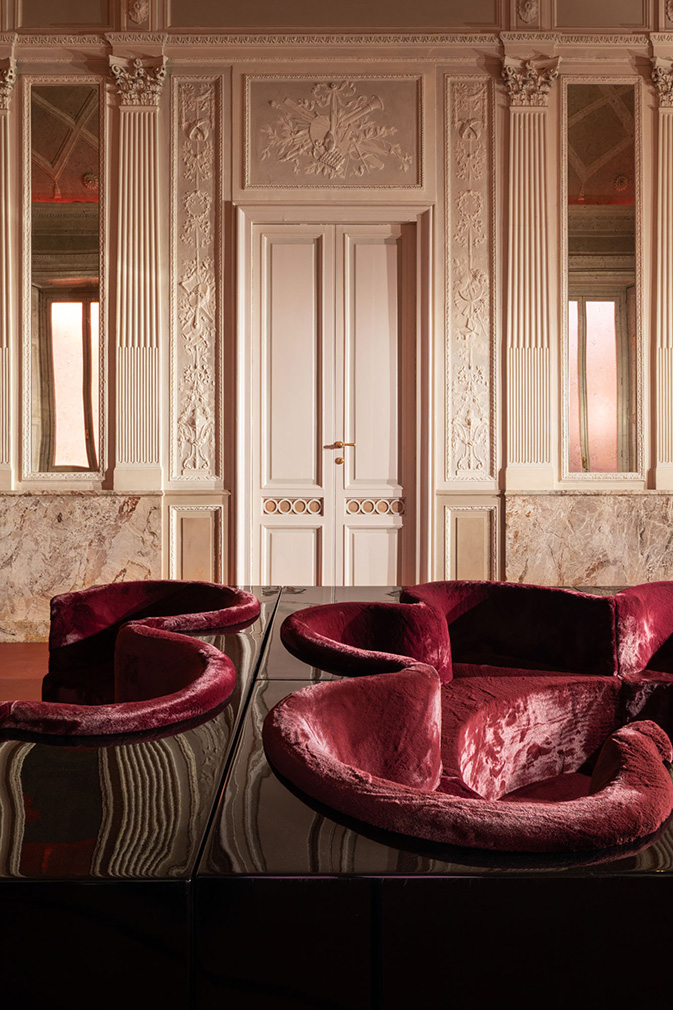
A contemporary iteration of the Safari. Photography: Serena Eller.
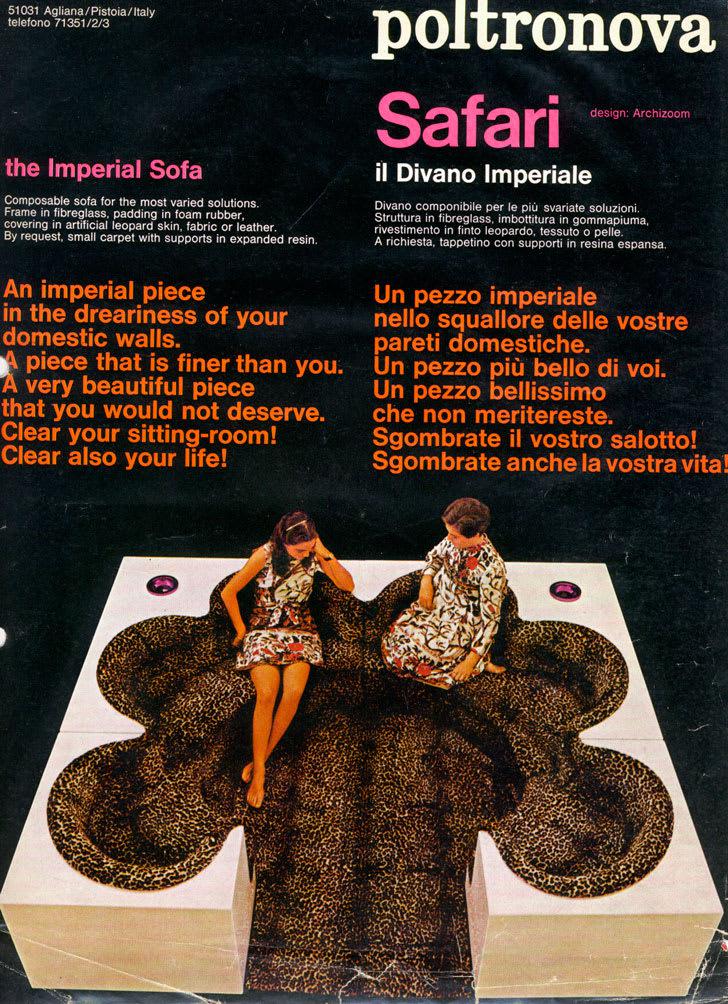
A Safari ad from the 1960s. Image courtesy of Paolo Deganello.