The transformative power of public art should not be underestimated. Fragments of creative expression, whether sculptures, murals or mosaics, public artworks can evoke a sense of community, promote well-being and facilitate shared experiences. The right piece in the right place can pack such a punch in terms of social impact, developers are increasingly integrating accessible artworks into their schemes. In fact many UK councils now require it as part of a planning application.
Yet impactful public art needs to be fuelled by more than a sense of obligation. To create something meaningful and longstanding requires passion — from developers as much as artists.
‘Where it really works is when we see a proactive approach from the developers,’ says Richard Wolfstrome, a public-art consultant who helps real estate companies integrate pieces to enhance the overarching value of a scheme. The trick, he adds, is to deliver art not just for the people living or working there, but for passers-by. Or, better yet, people who are prepared to travel out of their way just to catch a glimpse. ‘We know of projects that people are visiting just to see the public art,’ he says.
Take Moda Living’s residential scheme in Hove, near Brighton, anchored by the multi-hued ceramic sculpture Cascade by architect-turned-artist Adam Nathaniel Furman. So alluring is Cascade, Wolfstrome says people purposefully detour just to experience Furman’s bold use of colour. That’s good for the area, the developer and, above all, the public.
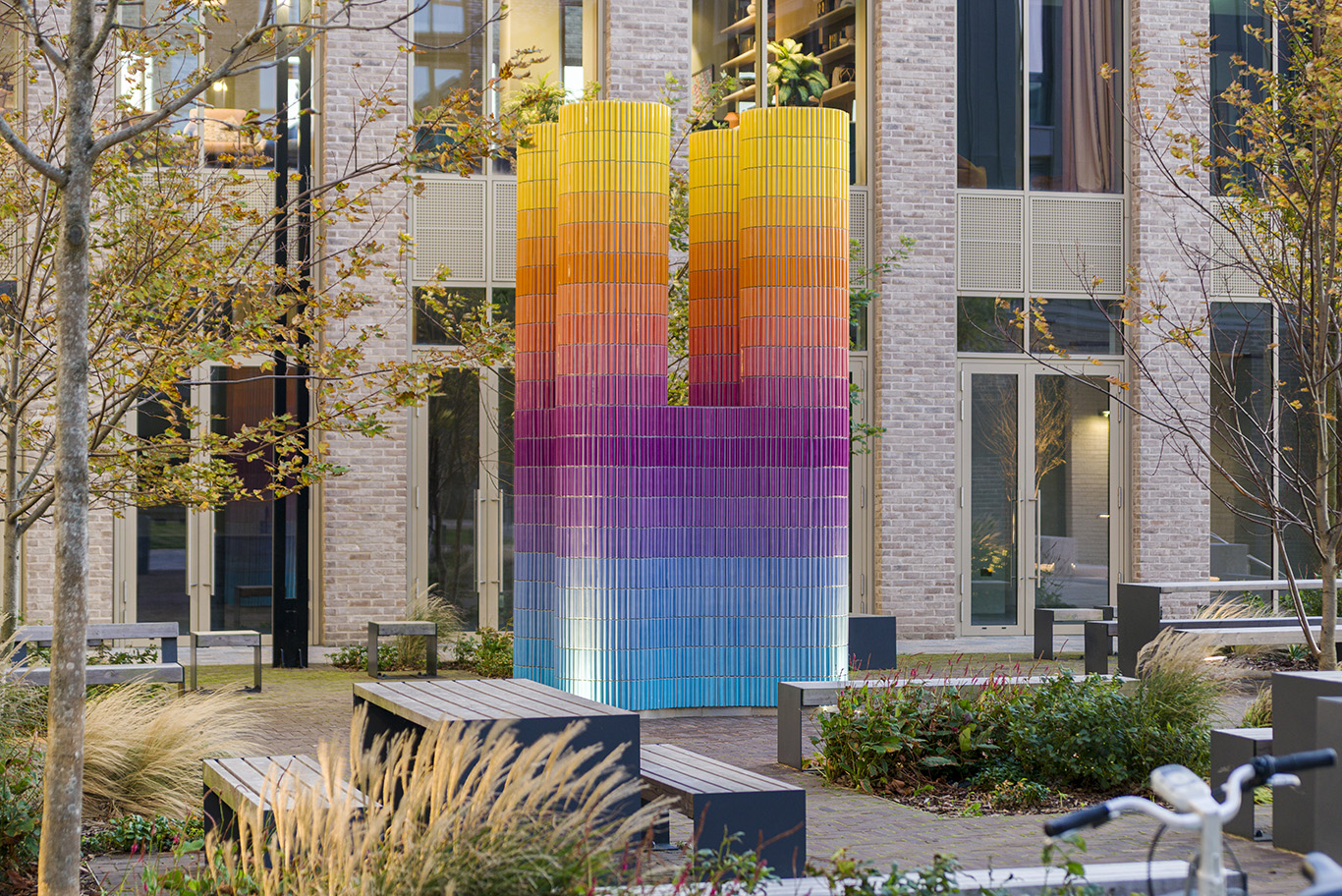
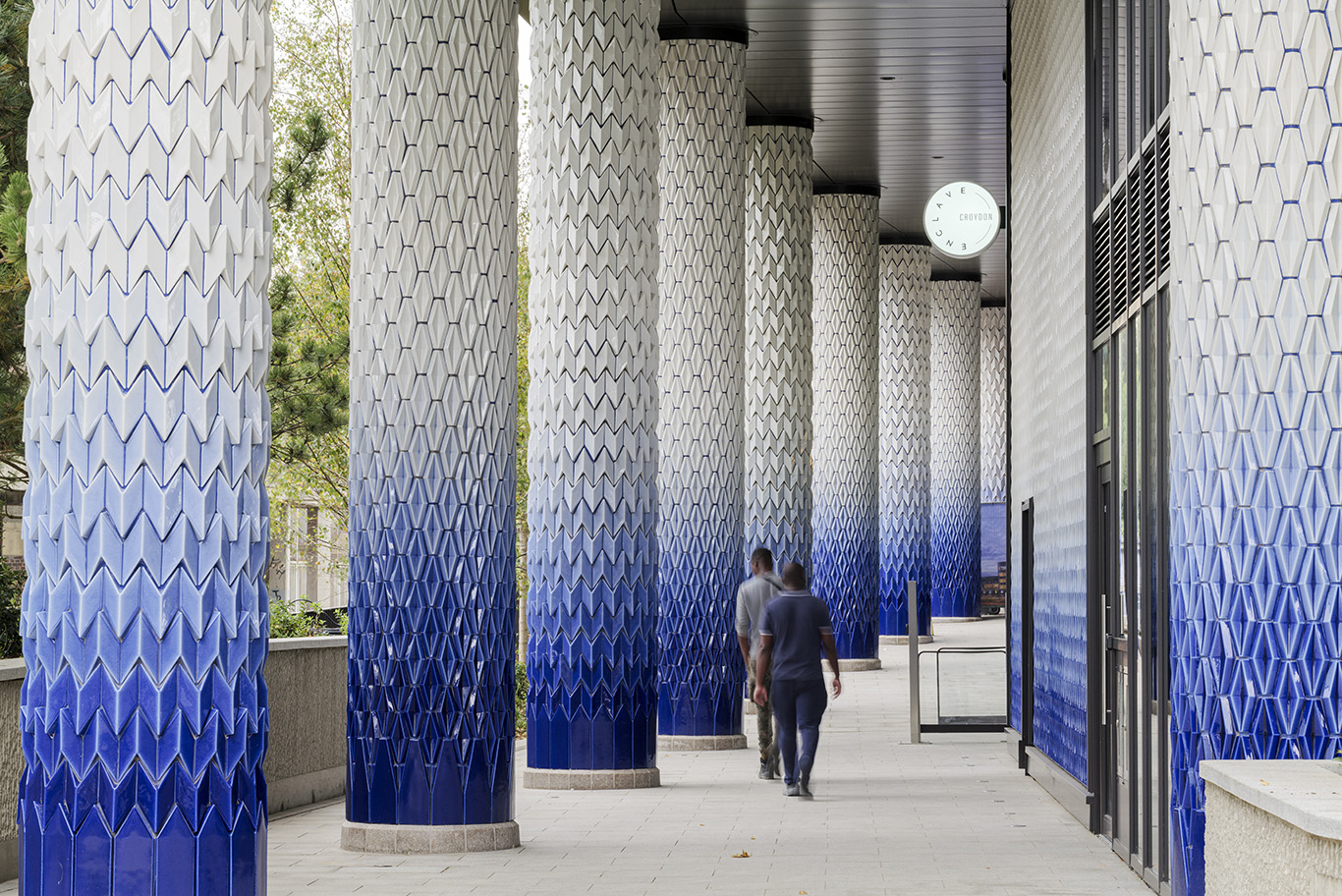
‘We like art for the same reason we like nature,’ says Furman, whose other public artworks include the pedestrian thoroughfare Croydon Colonnade and a vivid 50-metre curved metal wall in Paddington called Abundance. ‘It allows us to escape and feel calmer. The right public art can take you out of yourself for a minute, and there is so much value in that.’
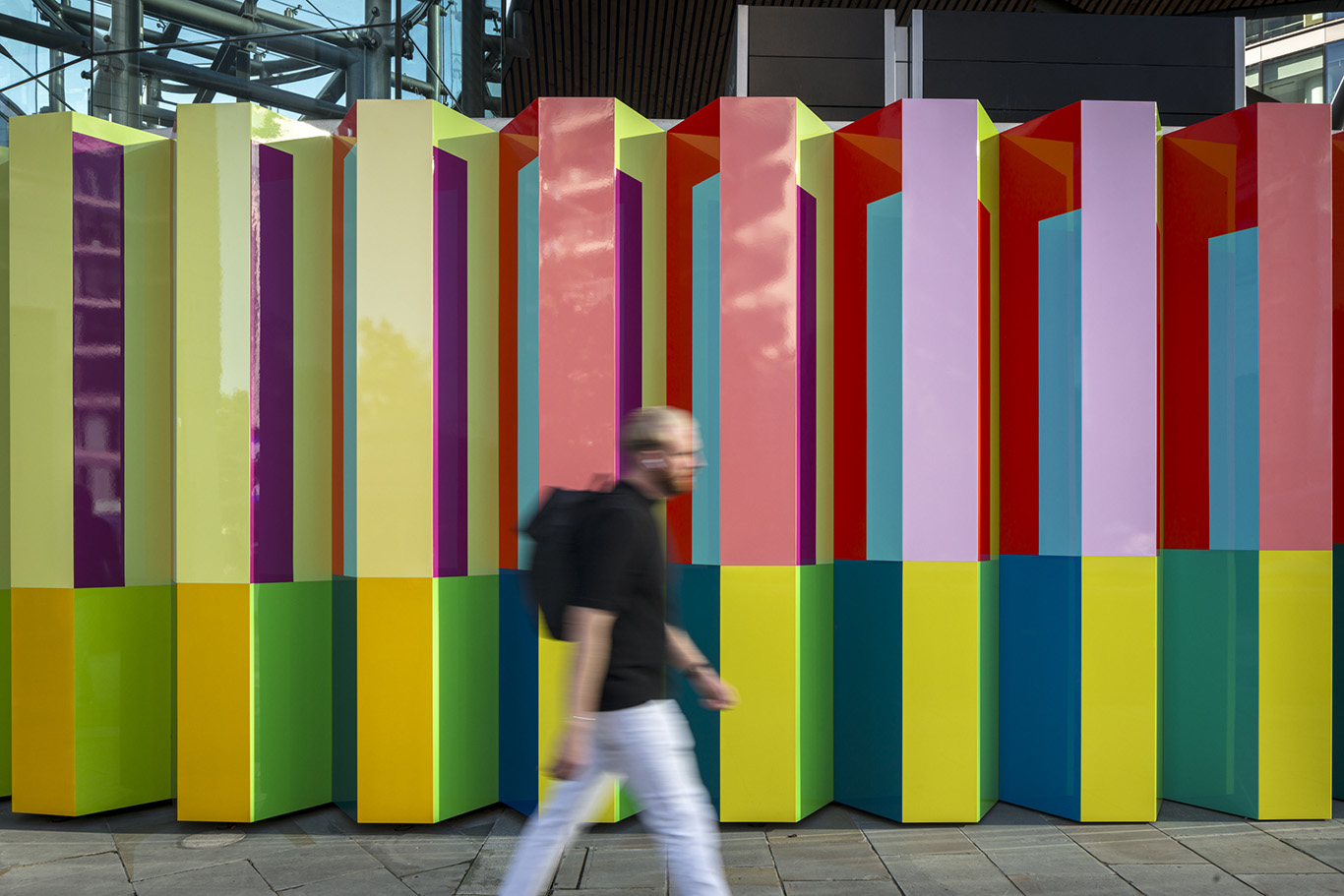
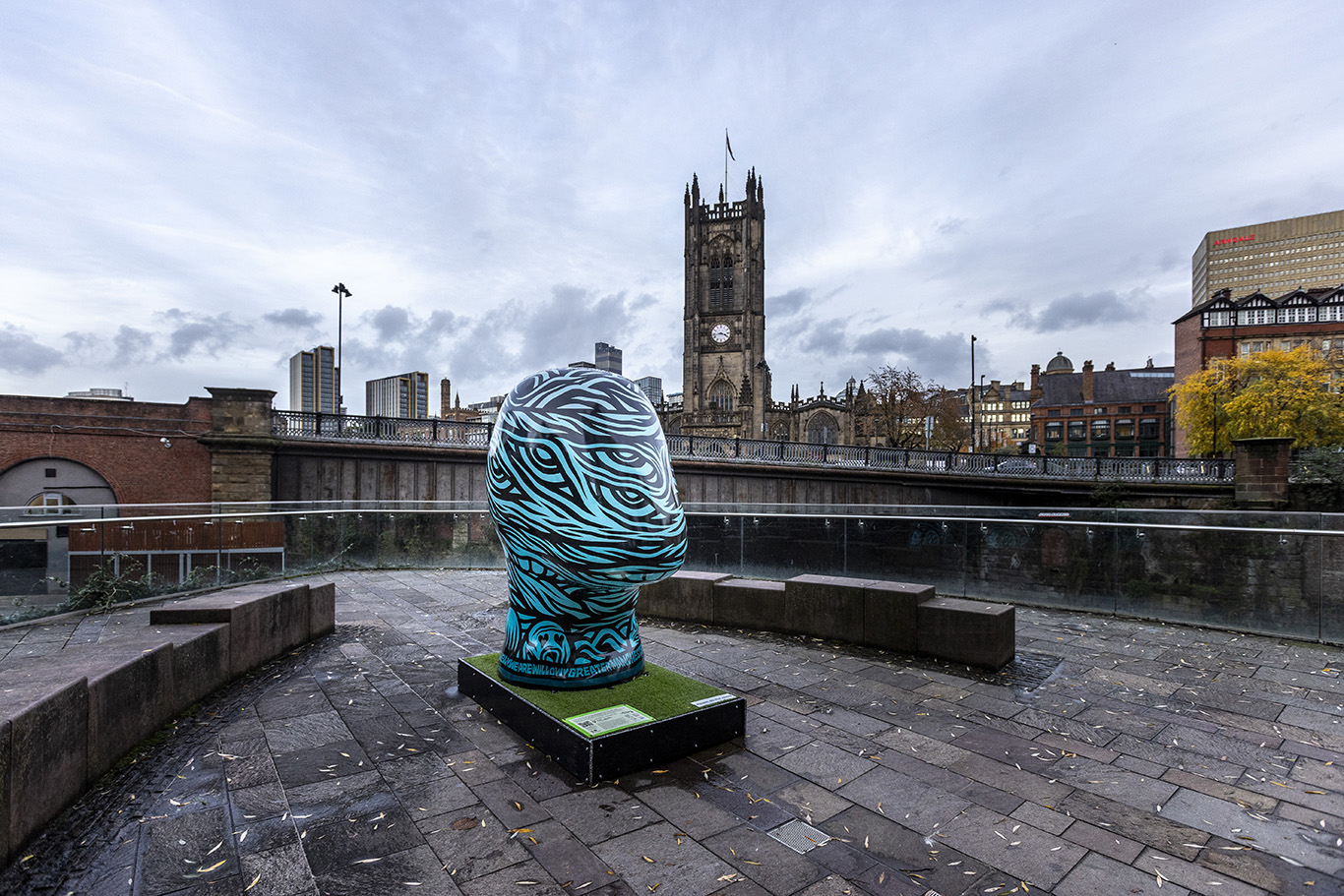
This is the value developers need to embrace. ‘Public art might be one of the smartest investments we can make in a scheme,’ says Martyn Evans, creative director at Landsec, whose redevelopment of a 24-acre brownfield site with a 6.5-acre park at its heart is a hive of public art. Called Manchester Mayfield, it also has an art trail aimed at promoting wellbeing and mental-health awareness called Six Places In a Different Light. ‘Pieces like these should be seen as a gift to the people,’ says Evans. ‘Art is what makes a place truly memorable. It’s what people Instagram. It’s what they tell their mates about. It’s the landmark they use when giving directions. And yet, too often we treat it as a bolt-on. When we developers take art seriously, though, it can change everything.’
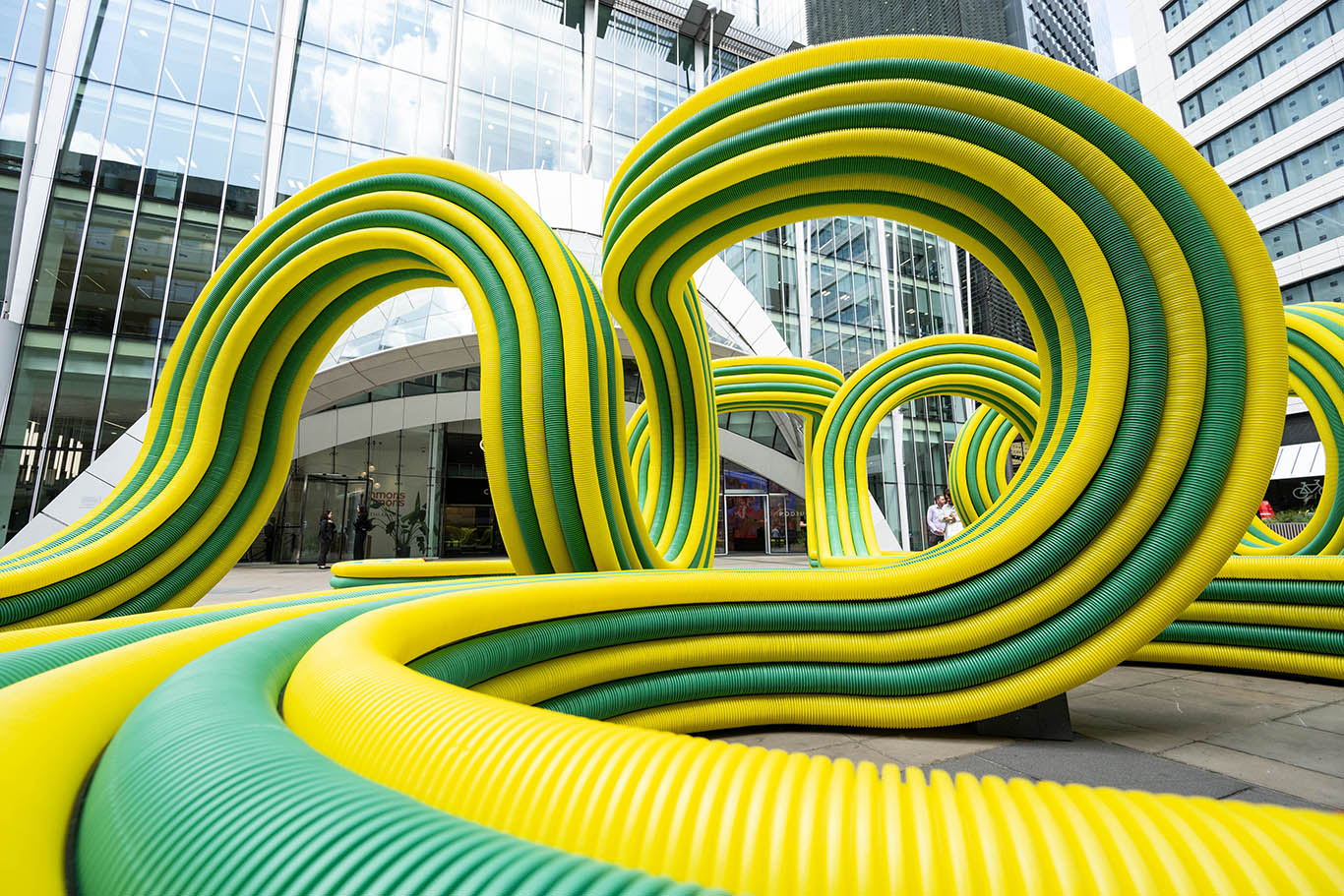
It’s a concept not lost on Brookfield Properties. The developer behind towers throughout London takes public art so seriously, it employs an in-house curator. With over 15 years’ experience in the field, curatorial director Saff Williams programmes art and culture across Brookfield’s 5,000,000sqft office portfolio. ‘In London,’ she says, ‘our buildings sit in the heart of the Square Mile and thousands of people come past them every day. Our job is to create moments of connection, curiosity and community.’ When art is approached as a late add-on, she says, it can feel disconnected from its surroundings. When embedded from the start, a narrative can be shaped that links the artist, building and community.
A great example is Squiggle, a family favourite by the design practice NEON, installed outside Citypoint tower. ‘It always amazes me when we see kids who gravitate toward works designed primarily for adults,’ says Williams. ‘There’s clearly a demand for something more playful and accessible in the City.’
The power of public art goes beyond elevating a much-used building or well-trodden area. It can also breathe life into vacant or derelict spaces. Forefront, a platform designed to bring art into empty buildings, was founded by Sadie Morgan, of design practice Drmm, and Dicle Guntas, director of developer HGG. Forefront’s launch exhibition, Living Cornice, featured lumino-kinetic sculptures by Jason Bruges Studio in the still-empty ground floor of a new building in Shoreditch. ‘We believe design, development and culture are more powerful when they work together,’ says Guntas. ‘Our ambition is to show that cultural experimentation can add demonstrable social, economic and communal value.’
Indeed, those returns don’t have to be linked to yields, rental income and capital value alone. There is much to be said for ‘the kind of value you can’t measure in pounds per square foot, but which pays off a thousand times over,’ according to Landsec’s Evans. Art makes an address more desirable, spaces stickier and streets busier. It ultimately drives footfall, which makes areas safer.
‘It can be a natural security measure,’ says Serra Ataman, director of public art at MTArt Agency. ‘And there is some really interesting research that shows how introducing public art can make certain areas safer for women, particularly at night.’ In terms of social impact, this is a significant return on investment, she says. And one she makes clear to the property developers she works with. ‘When done right, public art is a brilliant way to keep a place alive.’
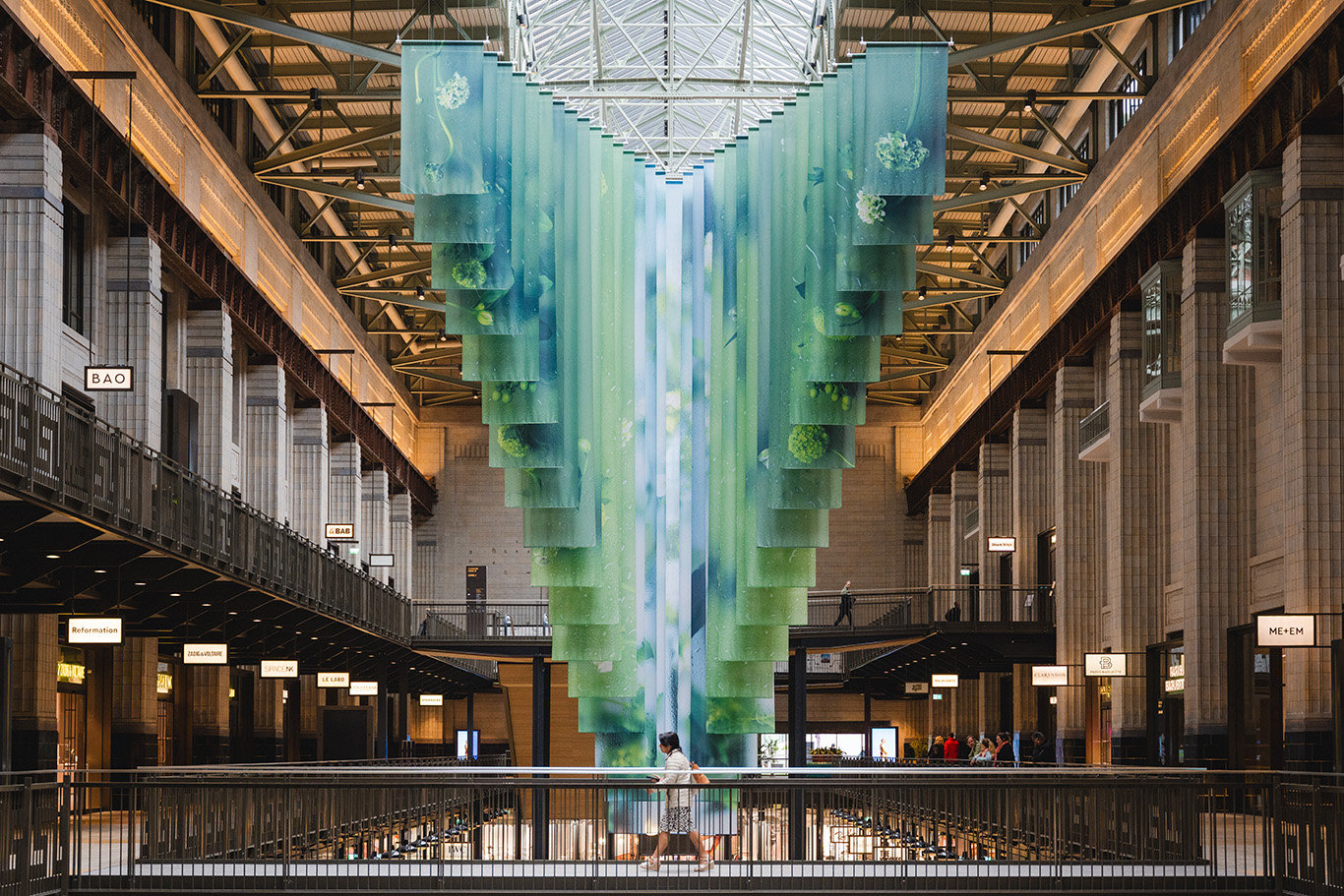
MTArt Agency, 2024.
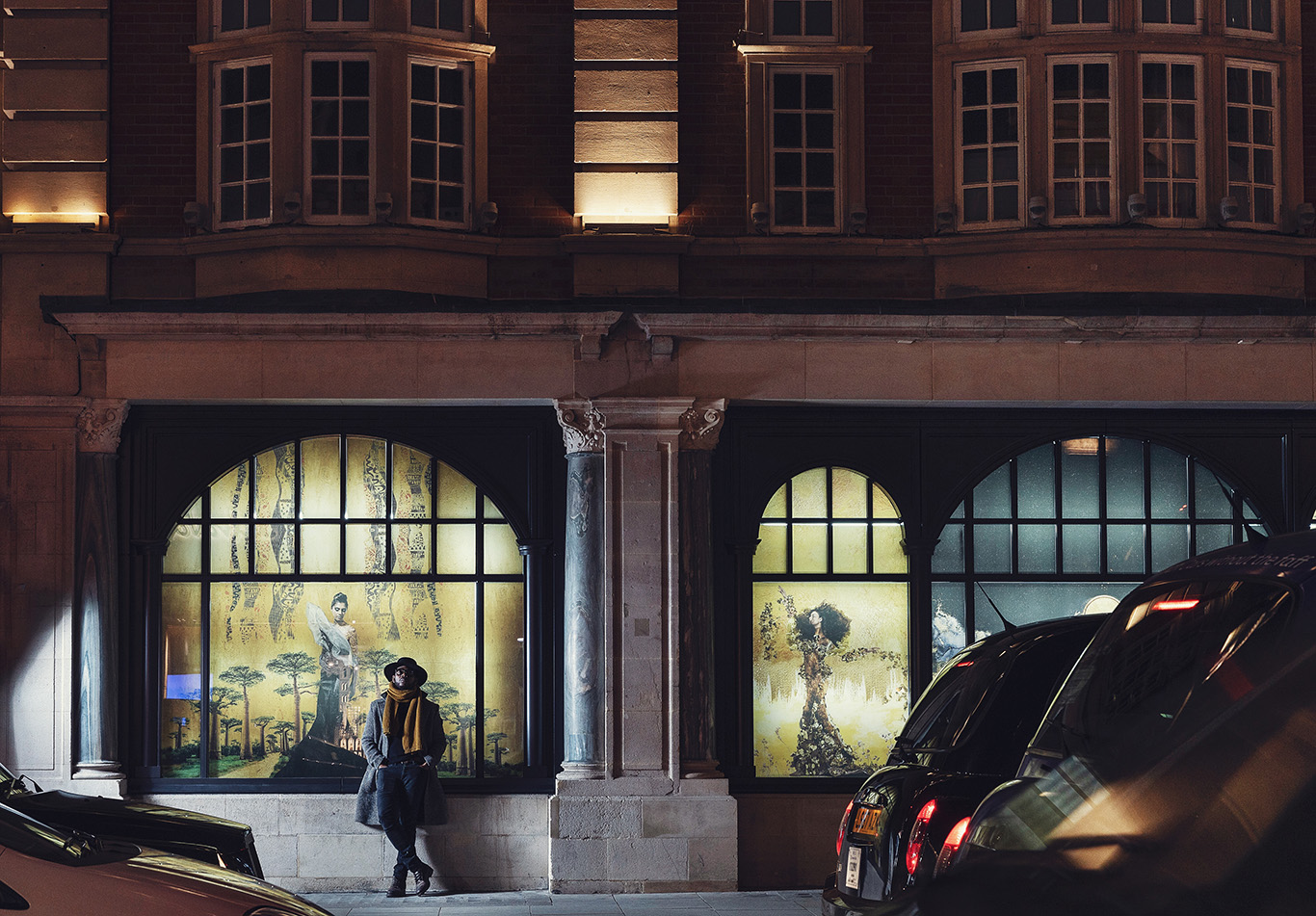
Ataman also worked with the Knightsbridge Estate to commission art for a series of vacant retail units undergoing restoration. The project, by British-Nigerian artist Àsìkò, combined fashion photography and symbolic collage, and set a precedent for transforming in-transition spaces with art by up-and-comers.
But that’s the thing about successful public art. It sparks conversation, challenging social norms and bringing people together through shared experience. ‘Buildings alone don’t create legacy,’ says Landsec’s Evans. ‘Places do. And places need art to make them feel richer, warmer… odder. To give them moments of delight and surprise.’