When, midway through the last century, a disparate group broke out of art’s established parameters and explored a world in 3D, they were unwittingly inventing a genre. In California, Robert Irwin was using light to expand, literally and figuratively, the definition of art. Ditto Dan Flavin, New York’s neon maestro. Sam Gilliam, in Washington DC, ripped free vast canvases doused in colour from their stretchers and suspended them out from the wall to create spaces within spaces, like a child might build a fort.
In the late-1950s, the artist and critic Allan Kaprow put a name to the un-genre. ‘Environments’, he reckoned, defined artworks that required active viewer engagement. He was inspired by Jackson Pollock’s dynamic lashes of paint: environments emerging off the paper. But according to the Smithsonian’s Hirshhorn museum in Washington DC it was Gilliam who gave the term material form. His ‘Light Depth’, from 1969, kicks off the museum’s latest exhibition Big Things for Big Rooms, the second half of its 50th-anniversary celebration that began last year, on view until mid-2027. Taking up, like all other pieces in the exhibition, an entire gallery room, it’s considered the finest of his Drapes series of colour-washed canvases. ‘It doesn’t invite people to touch it,’ says Evelyn Hankins, the show’s curator, ‘but it engages the body. Gilliam was responsible for creating that bridge between art and installation, representing a broader shift in what we define art to be.’ As with other cultural shifts of the ’60s and ’70, she says, ‘viewers were ready’.
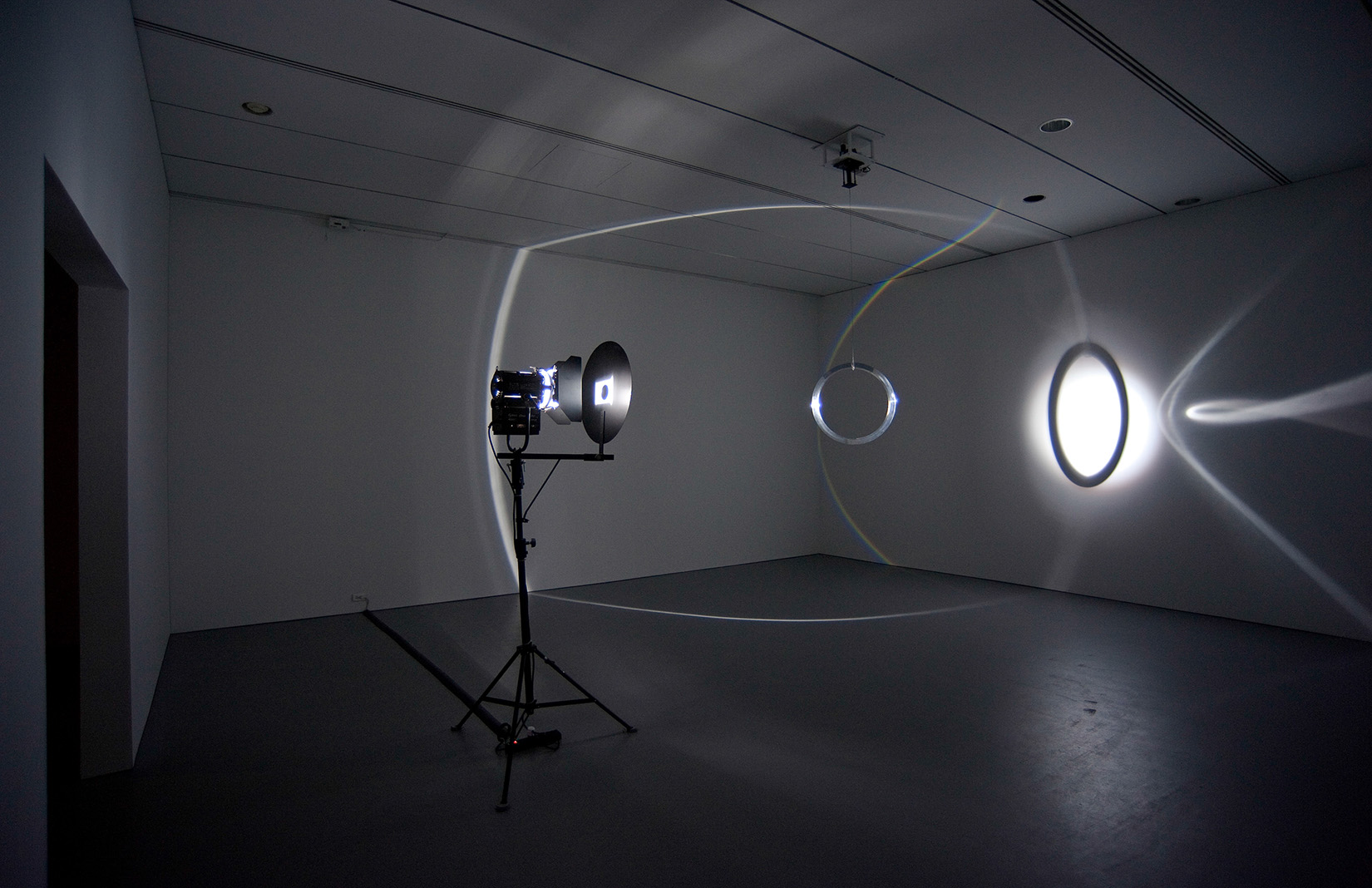
On paper, the 10 large-scale artworks chosen by Hankins appear to have little in common — save for their power to immerse and their determination to push at the boundaries of art. When viewed in succession, they recount the evolution of environmental artwork from the 1960s to the present day. ‘A lot of them extend the space in different ways,’ says Hankins.
A Robert Irwin scholar, Hankins creates a cavernous space for his cantilevered disc in blow-molded acrylic, spotlit from four directions. ‘You walk along it and envision yourself taking the path of the artist,’ she says. The artwork is not the hard material, she says, but the light. This segues into Richard Long’s marble-paved ‘Carrara Line’, which blazed a 40-foot trail when the English artist first laid it in 1985; the Hirshhorn purchased it for the gardens nearly 20 years ago. Next is Flavin’s ‘‘monument’ for V. Tatlin’, his ode to Russian expressionism that reaches the senses with its tubular fluorescent girders.
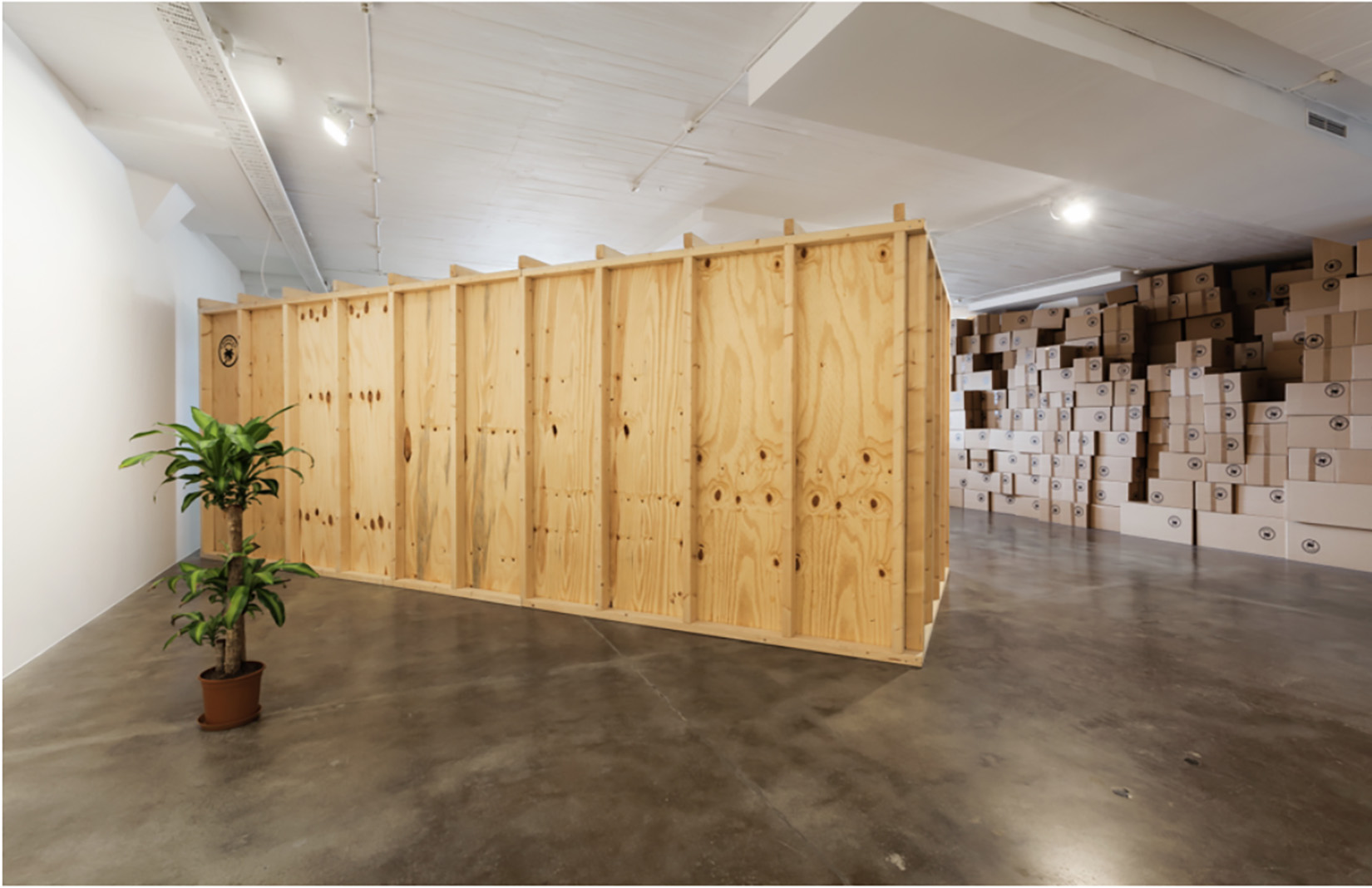
The museum had the foresight to acquire most of these works over the decades — including, more recently, Mika Rottenberg’s ‘Tropical Breeze’ from 2004, a raw wood shipping container concealing a screening room that has never been shown publicly. Rashid Johnson builds a historic composition of books, ceramics, living plants and barely solid shea butter, arranged in a sculpture that is strikingly minimalist in form. Paul Chan projects light and shadow across his gallery — and across a replica of the table in Leonardo’s The Last Supper — to explore themes of creation, time and transcendence. ‘All of these works are kind of groundbreaking in their own ways,’ Hankin says.
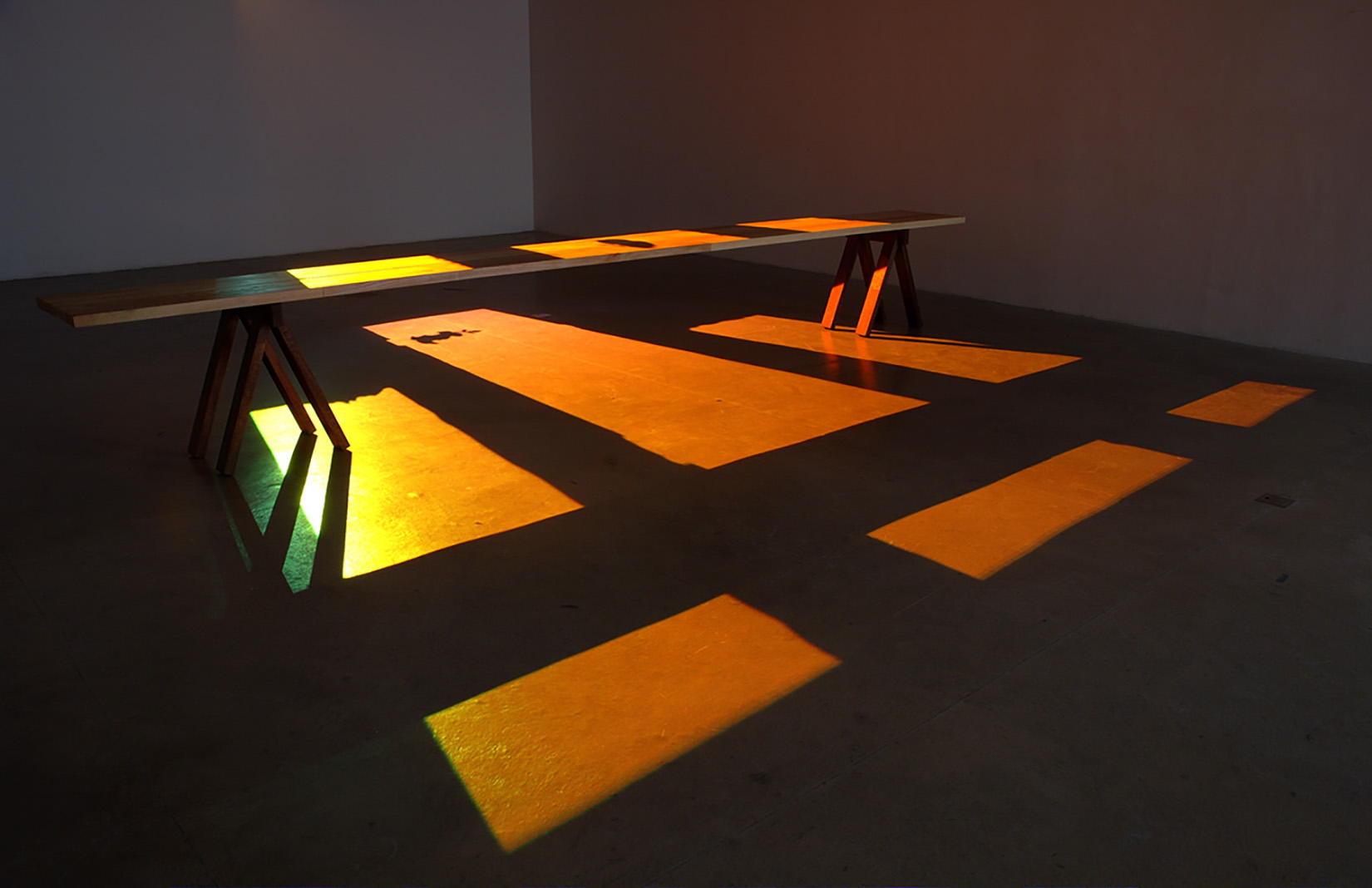
The show ends with Chan’s light extravaganza but visitors can go on to examine the Hirshhorn’s building, which is itself an environment worthy of contemplation. Gordon Bunshaft, the late Pritzker Prize–winning architect who designed the space-age atrium and surrounding cylinder, spoke about it as ‘elevated sculpture’. ‘In the 1970s when the building was opened it was criticised brutally,’ says Hankins. ‘I just love the idea that it’s incredibly strong and sculptural and each gallery has its own presence. Despite its strong characteristics it really allows these works to shine. And it challenges the artists.’