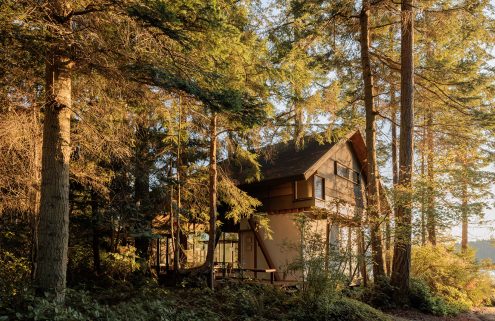
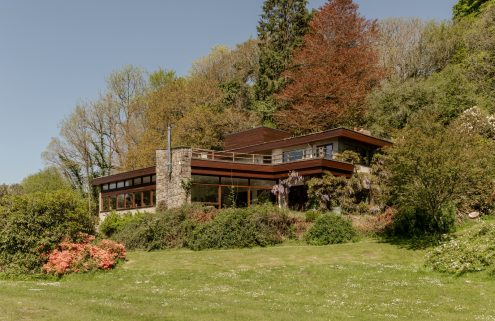
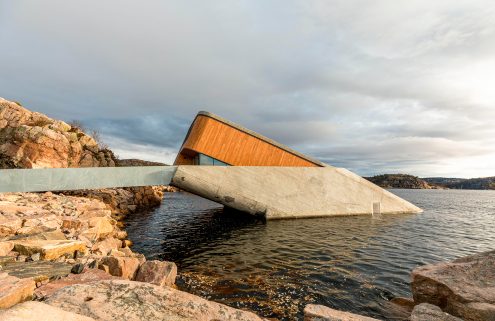
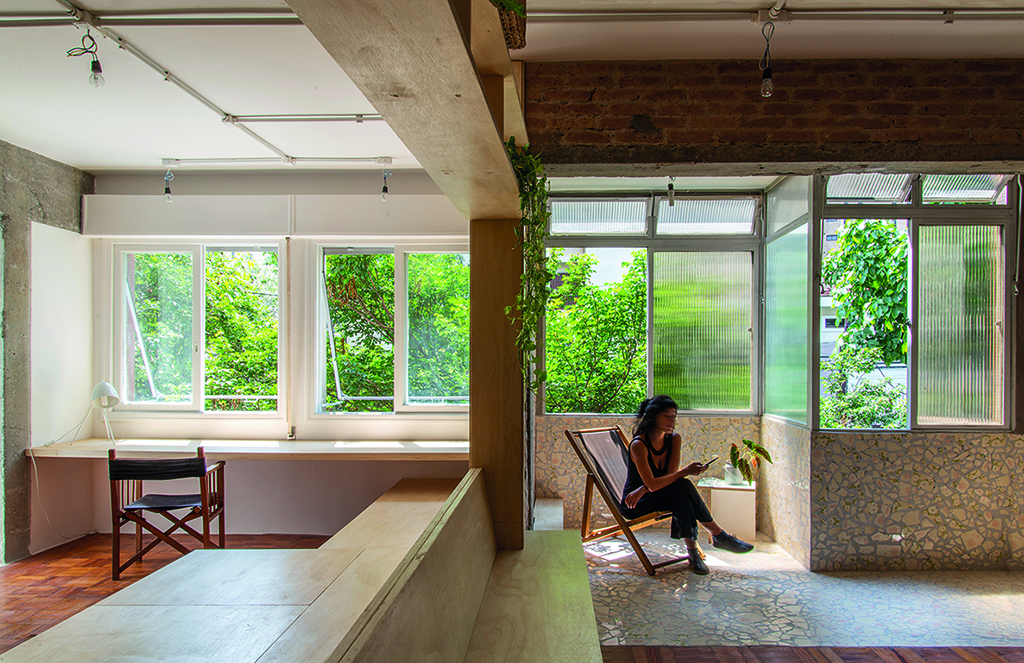
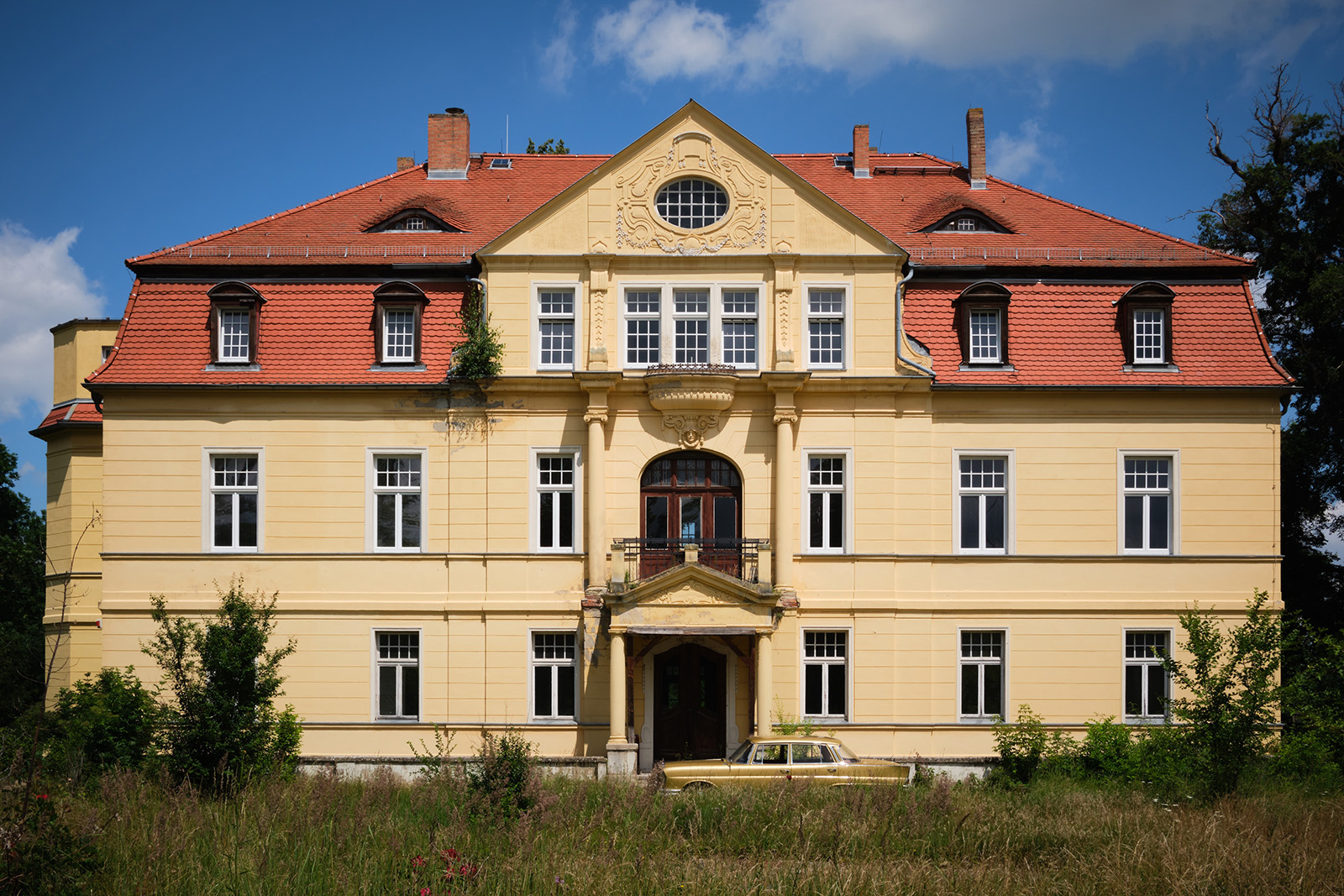
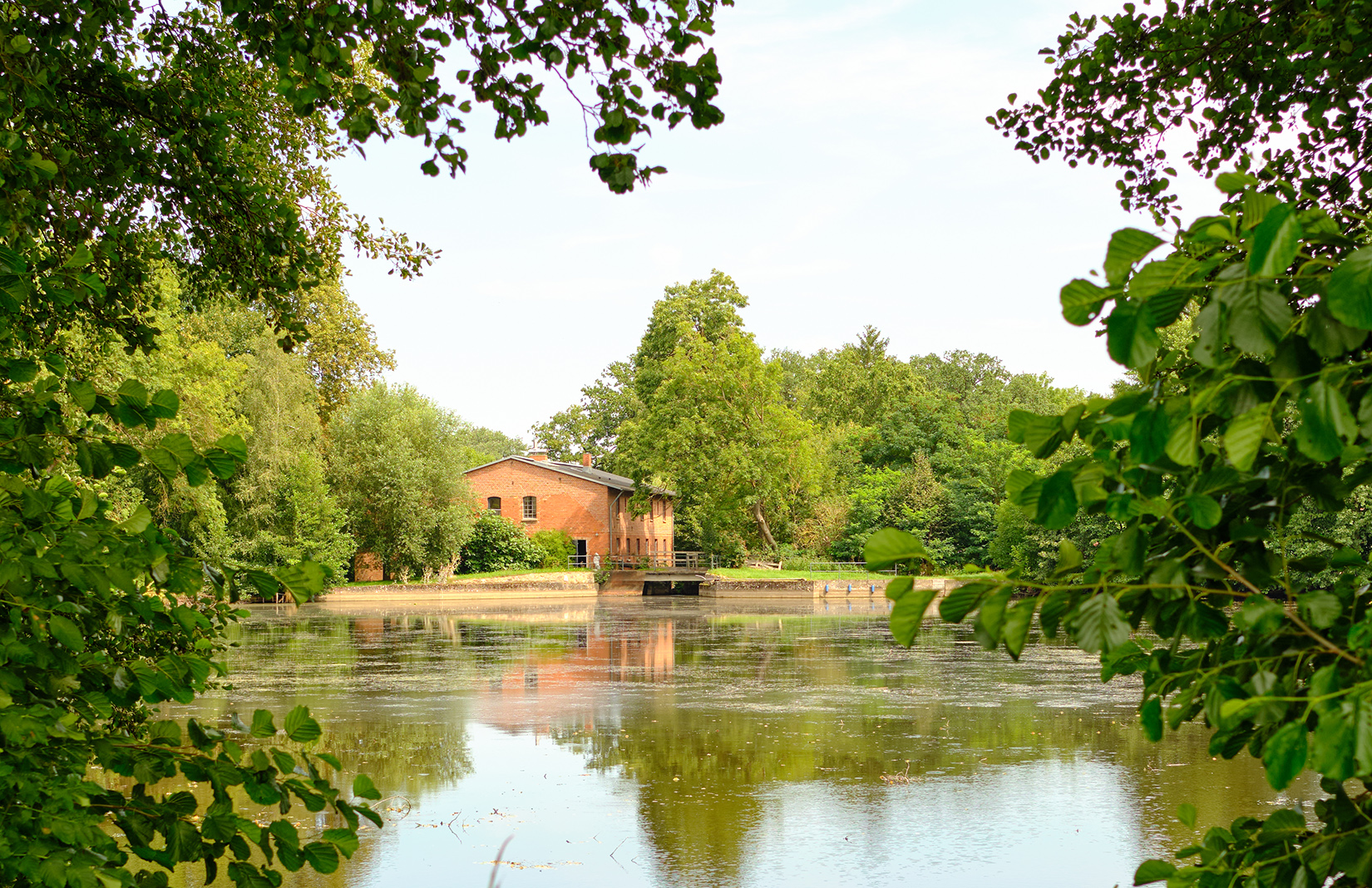
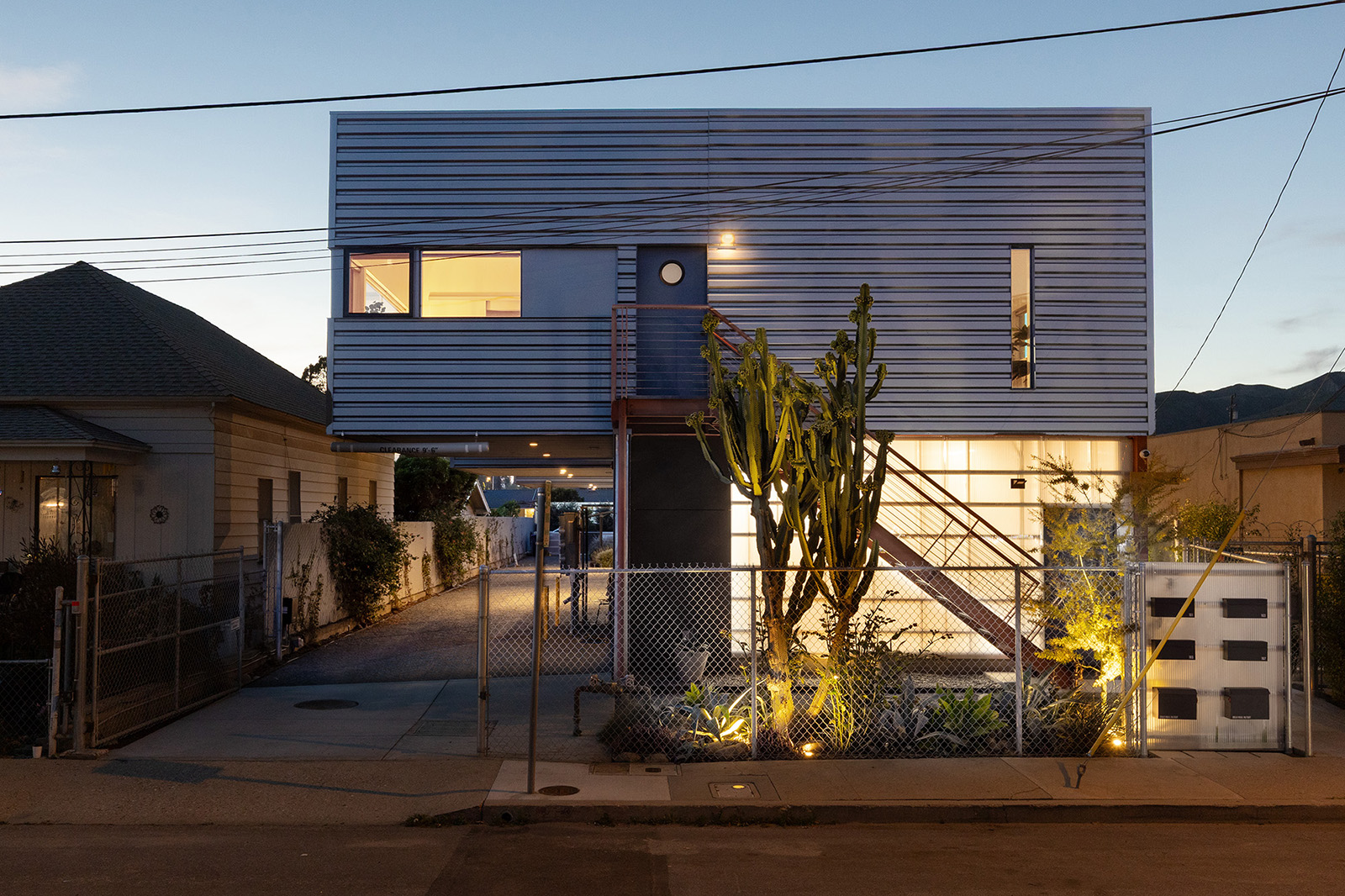
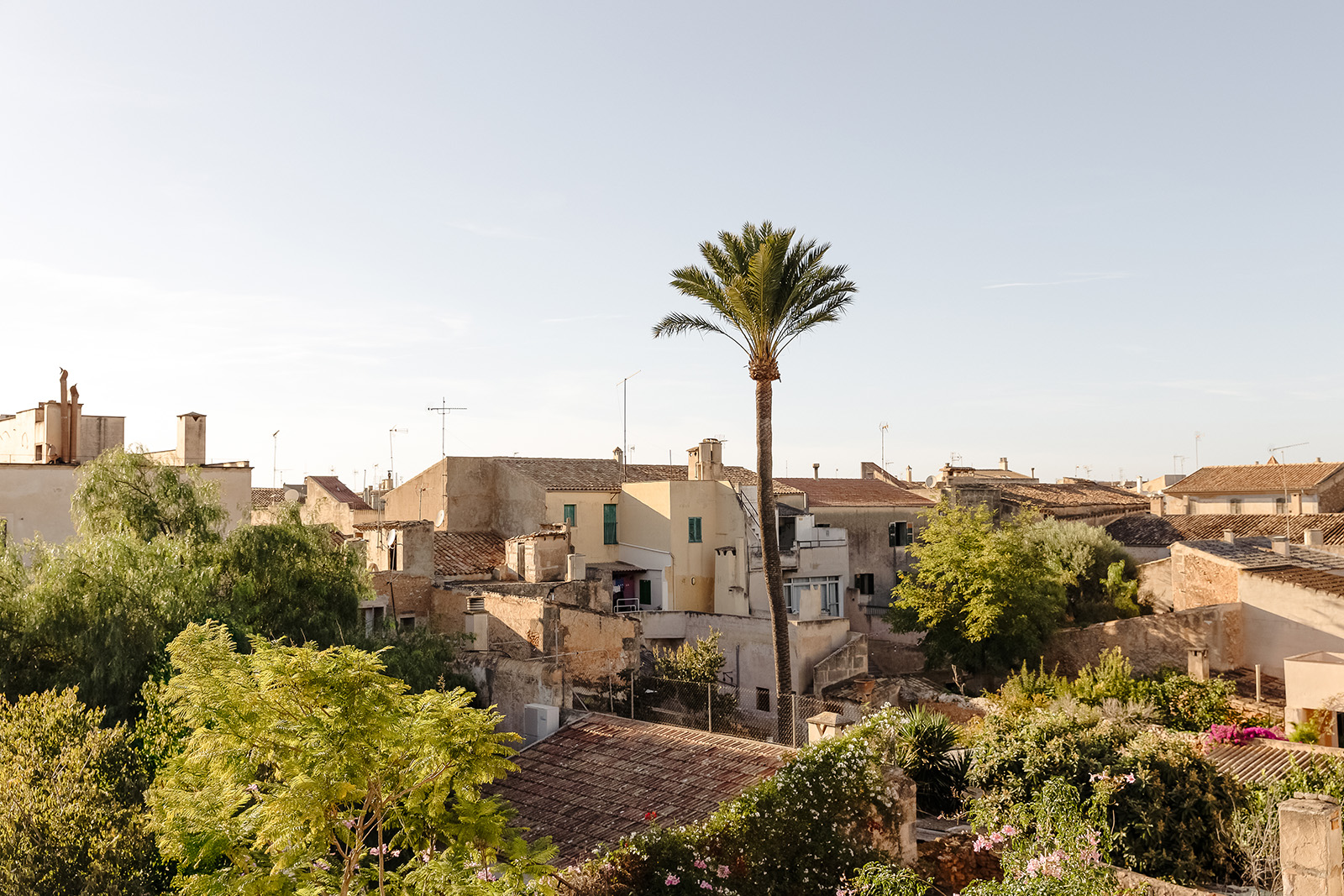
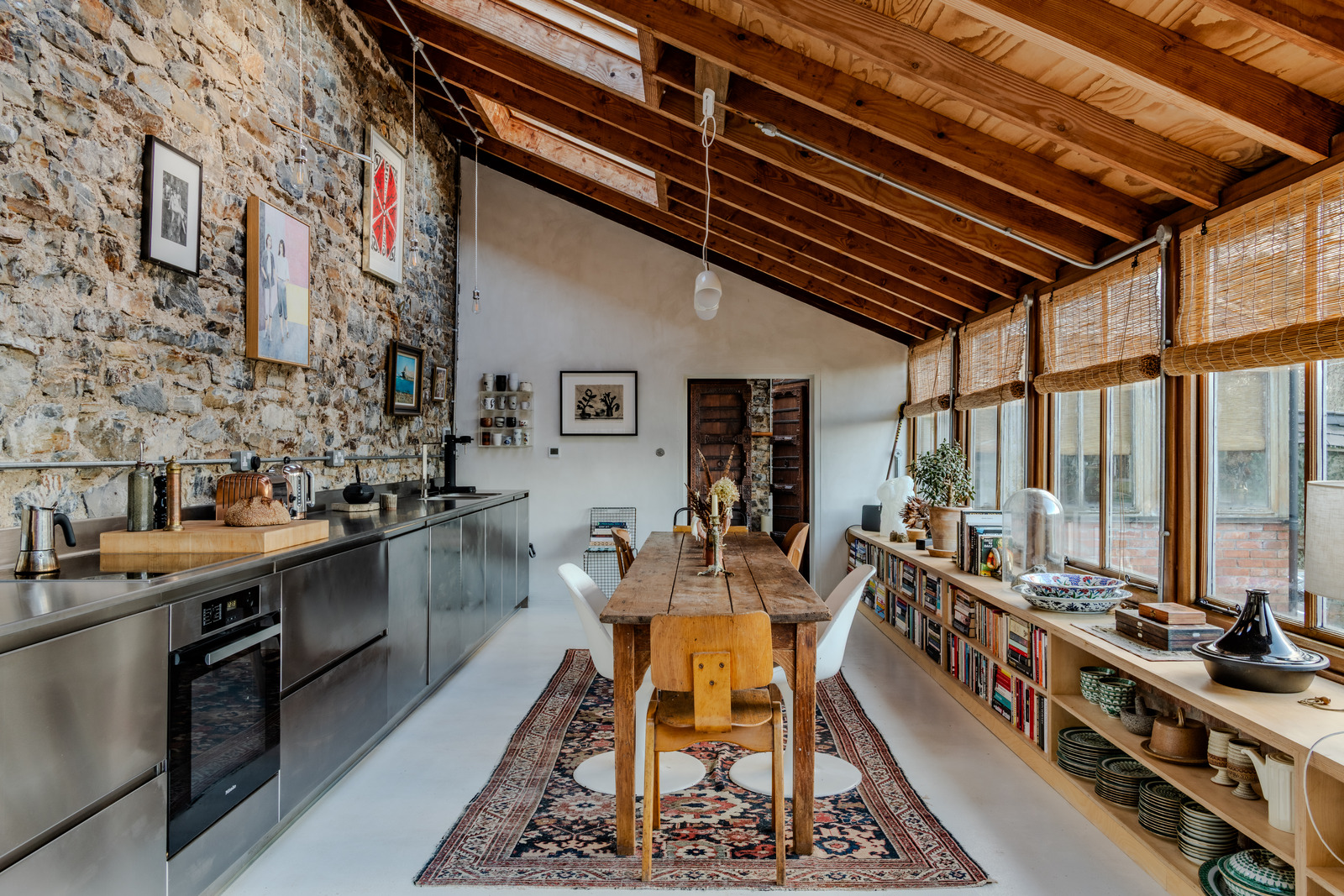
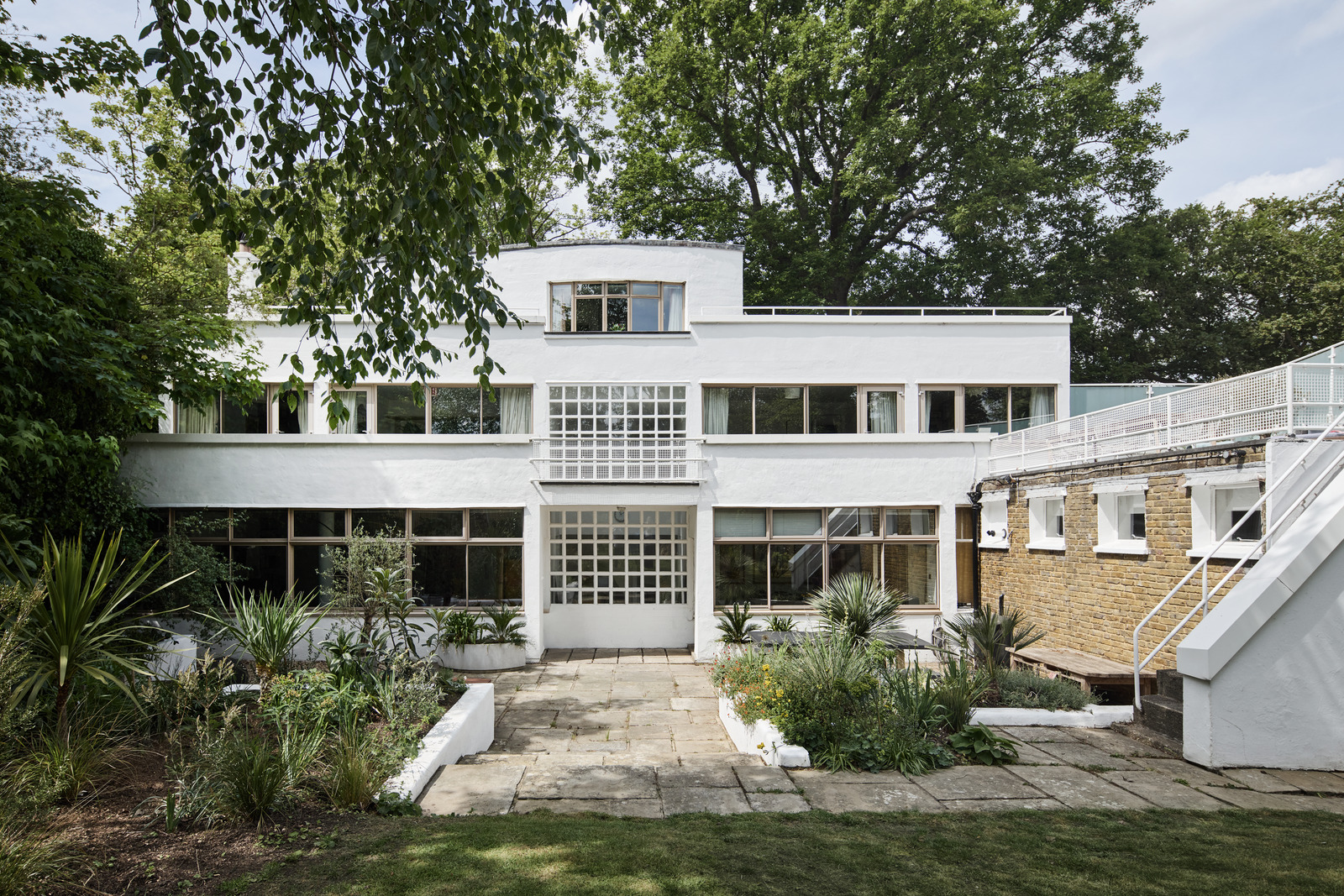
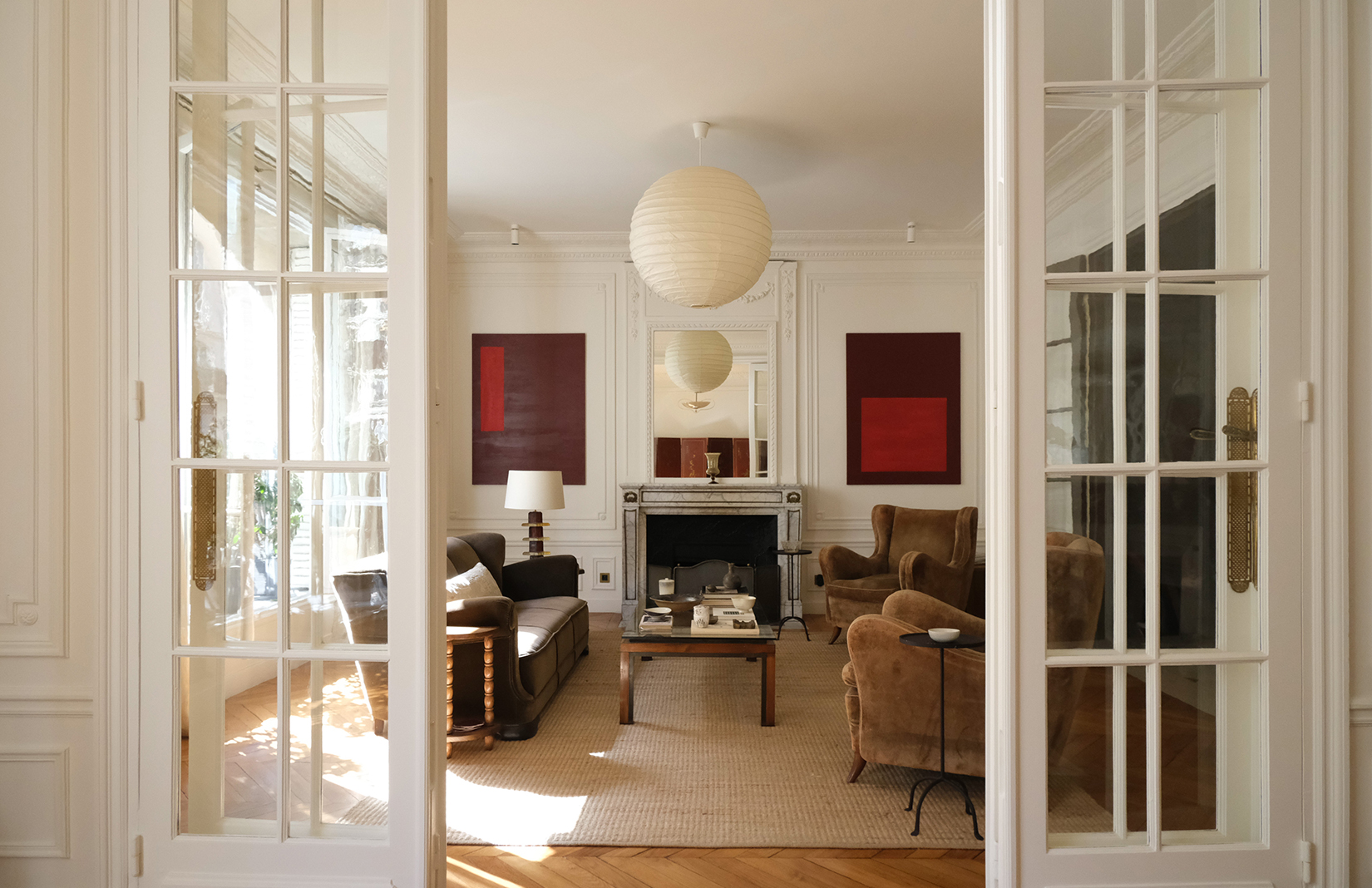
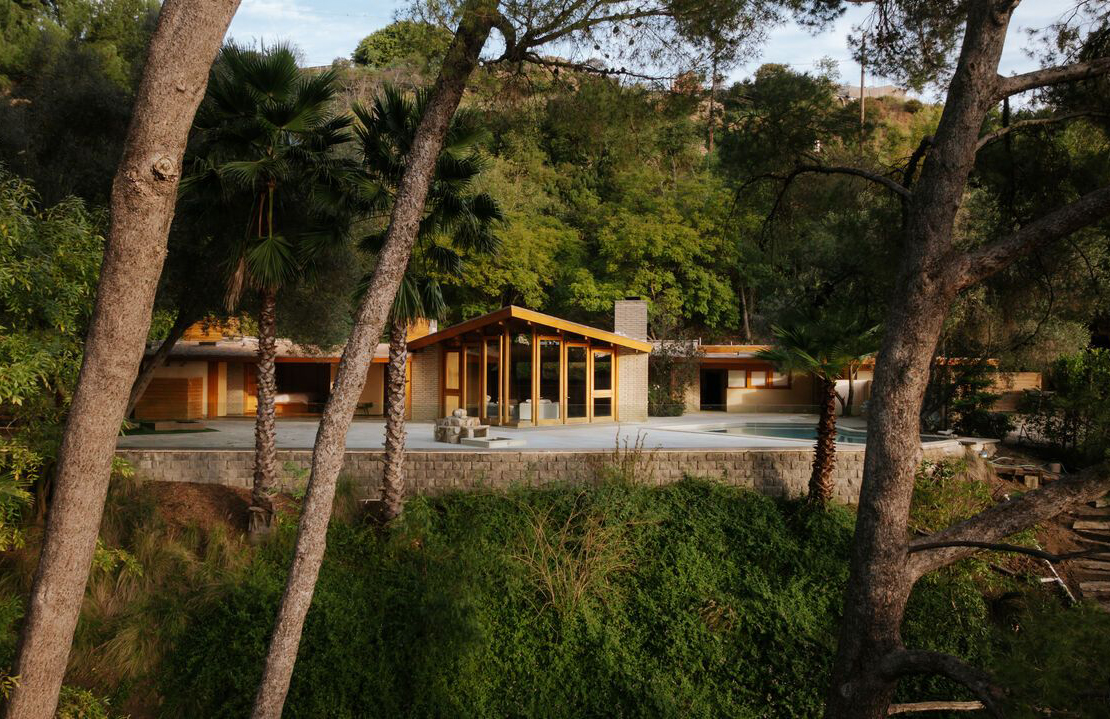
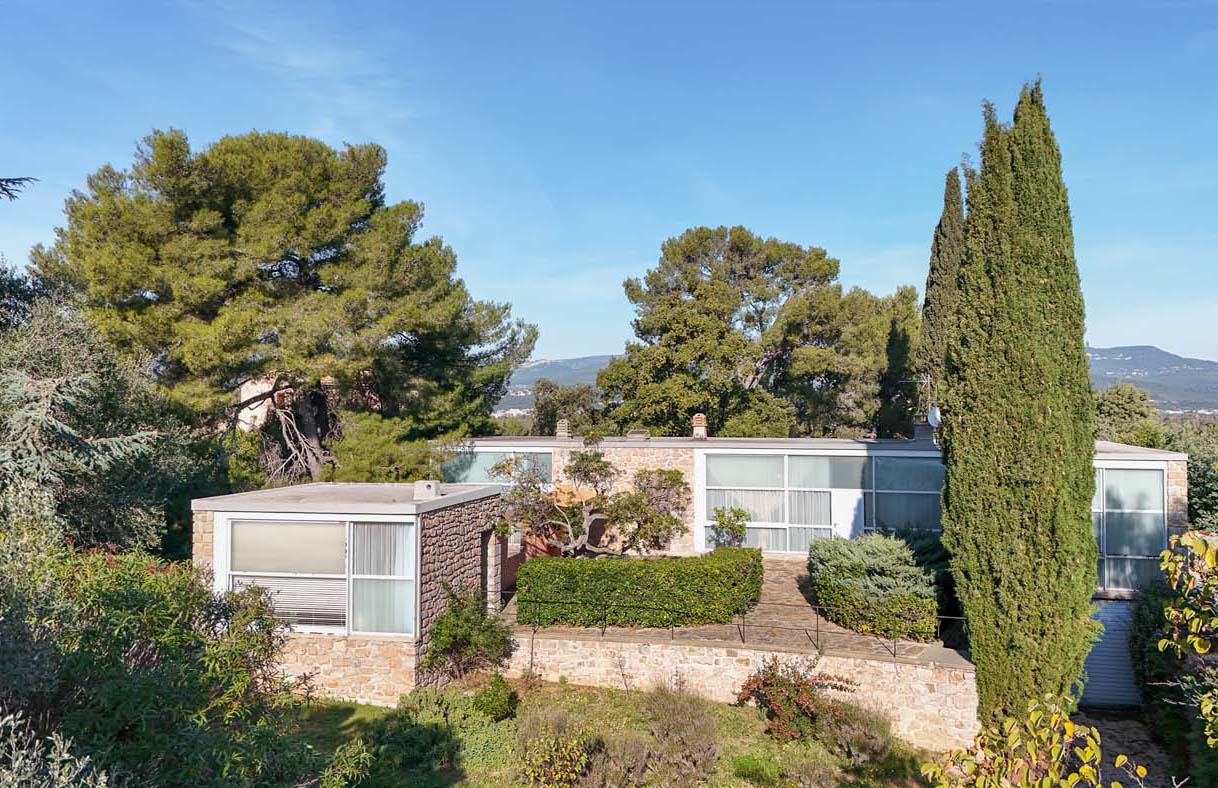
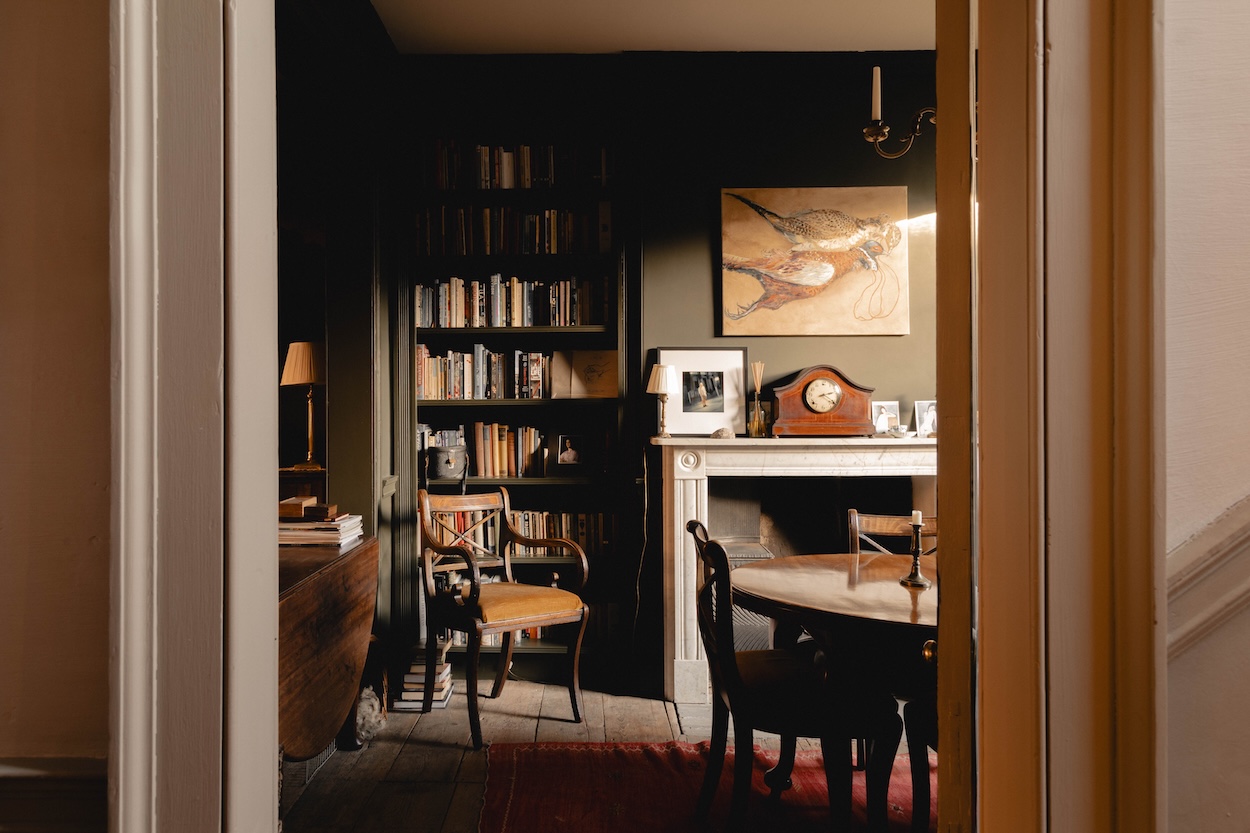
What will our future homes look like? How will they keep up with evolving design standards? What defines ethical, responsible domestic architecture in the modern world? The answers to these questions might not be as radical as you think, according to Ellie Stathaki, architecture and environment editor at Wallpaper magazine. And she should know, as she addresses them in her latest book, Future Homes: Domestic Architecture in a Changing World.
Pulling together a selection of projects from across the globe by established and emerging architects, Future Homes shines a spotlight on residences that showcase fresh approaches to sustainability, materials, energy consumption and wellness. It also touches on the role AI looks set to have on design and architecture. We caught up with Stathaki, herself a trained architect, to find out more about her take on next-generation living.
Emily Wright What inspired you to curate and write a book about homes so firmly focused on the future?
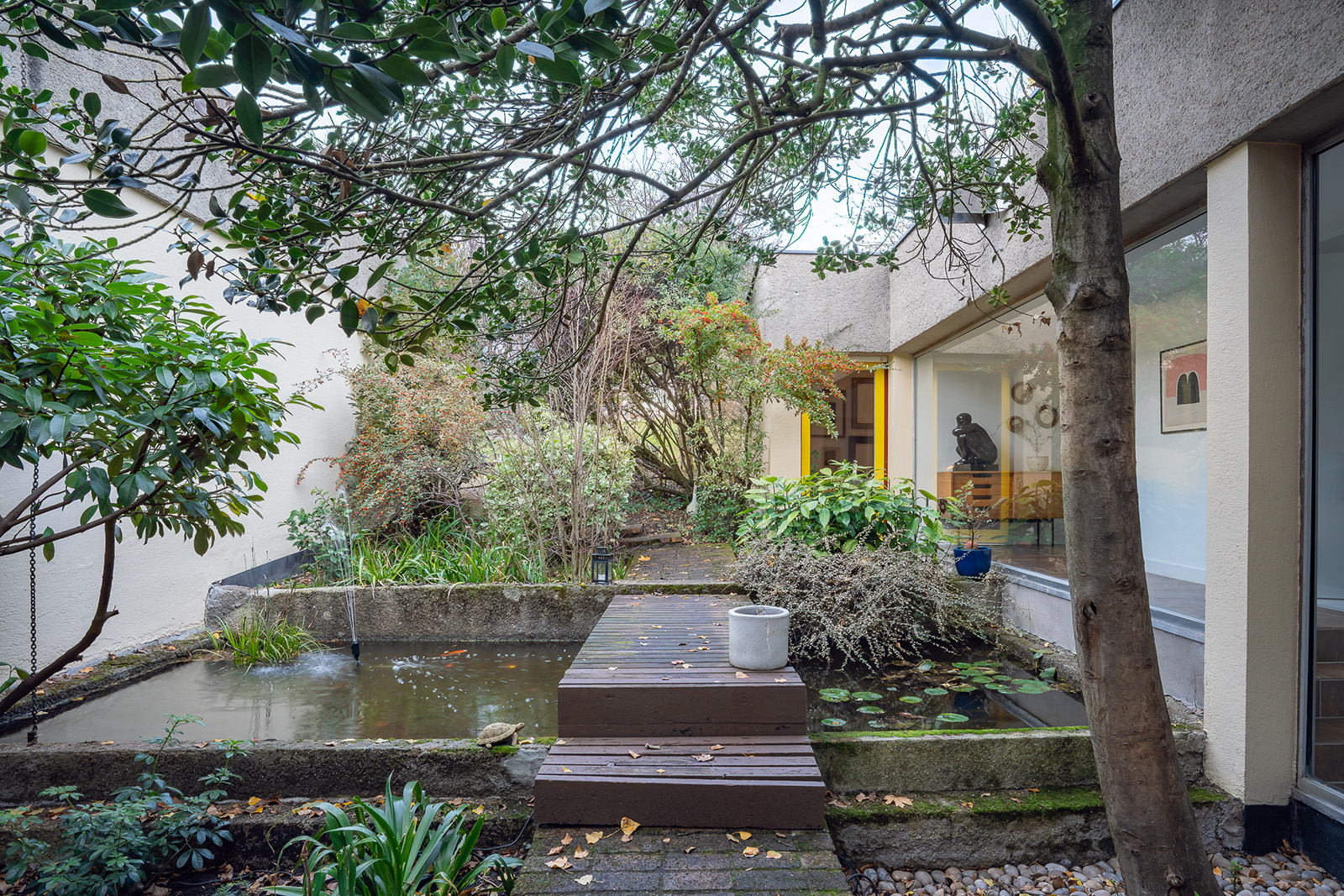
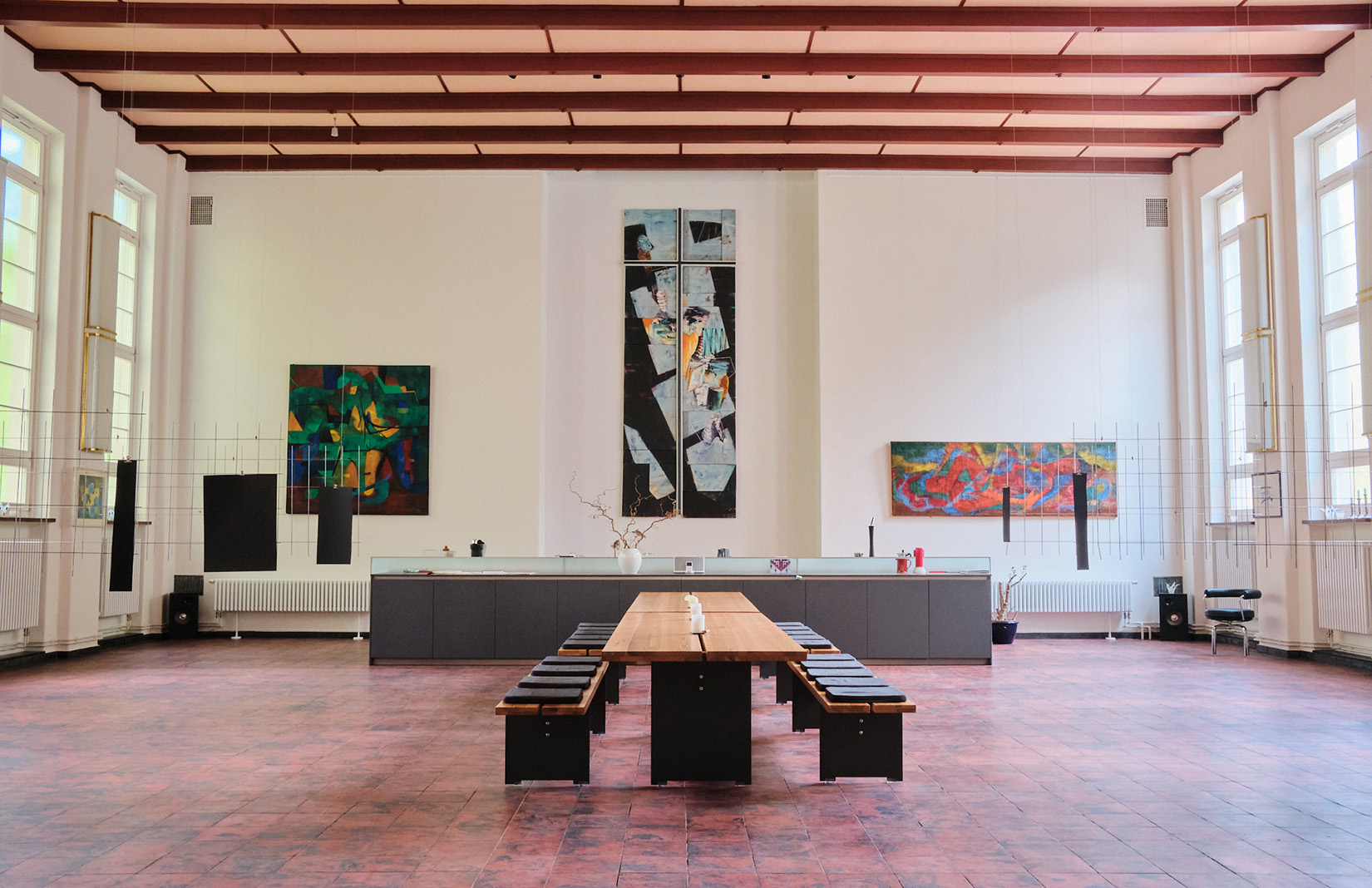
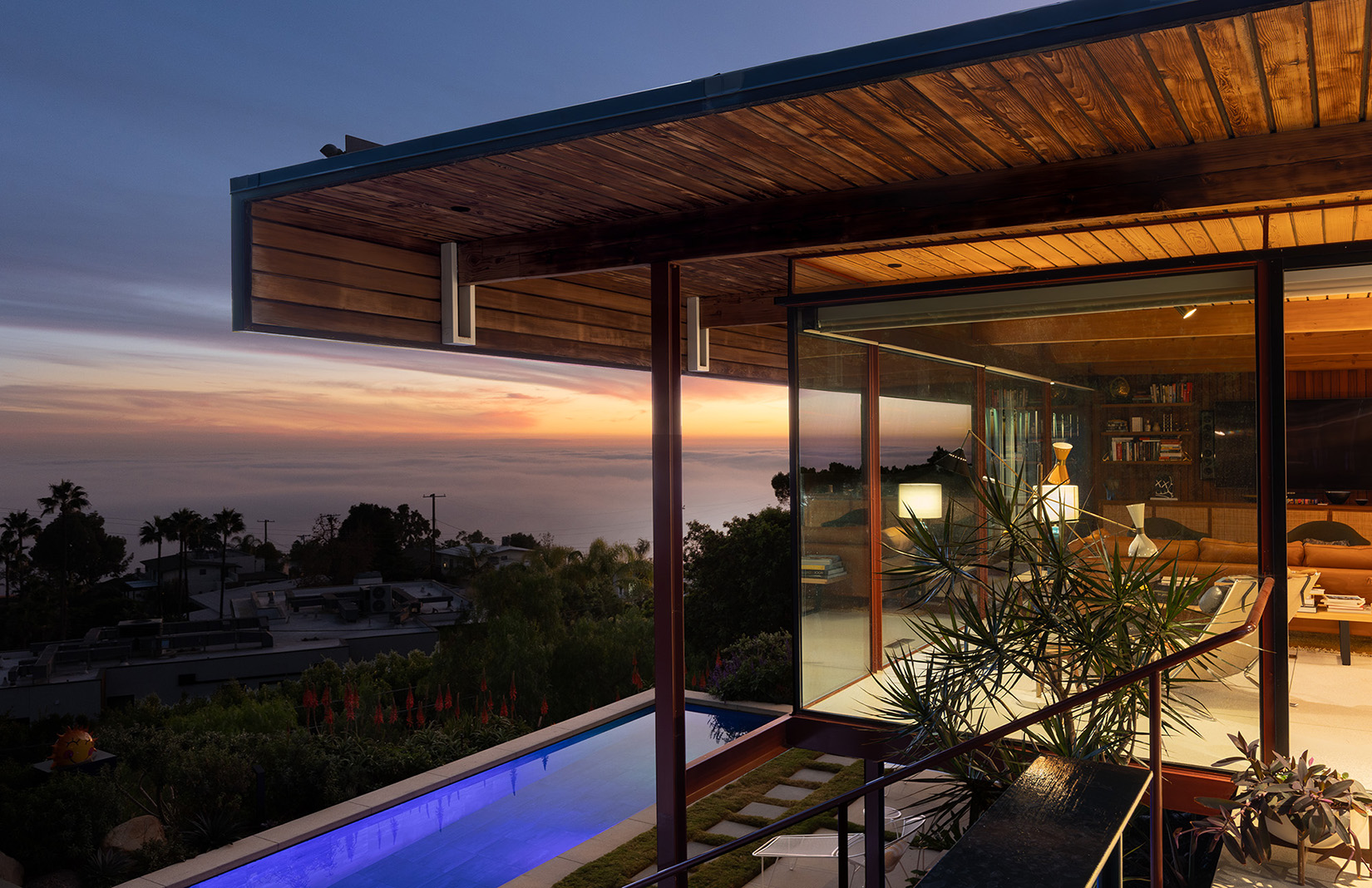
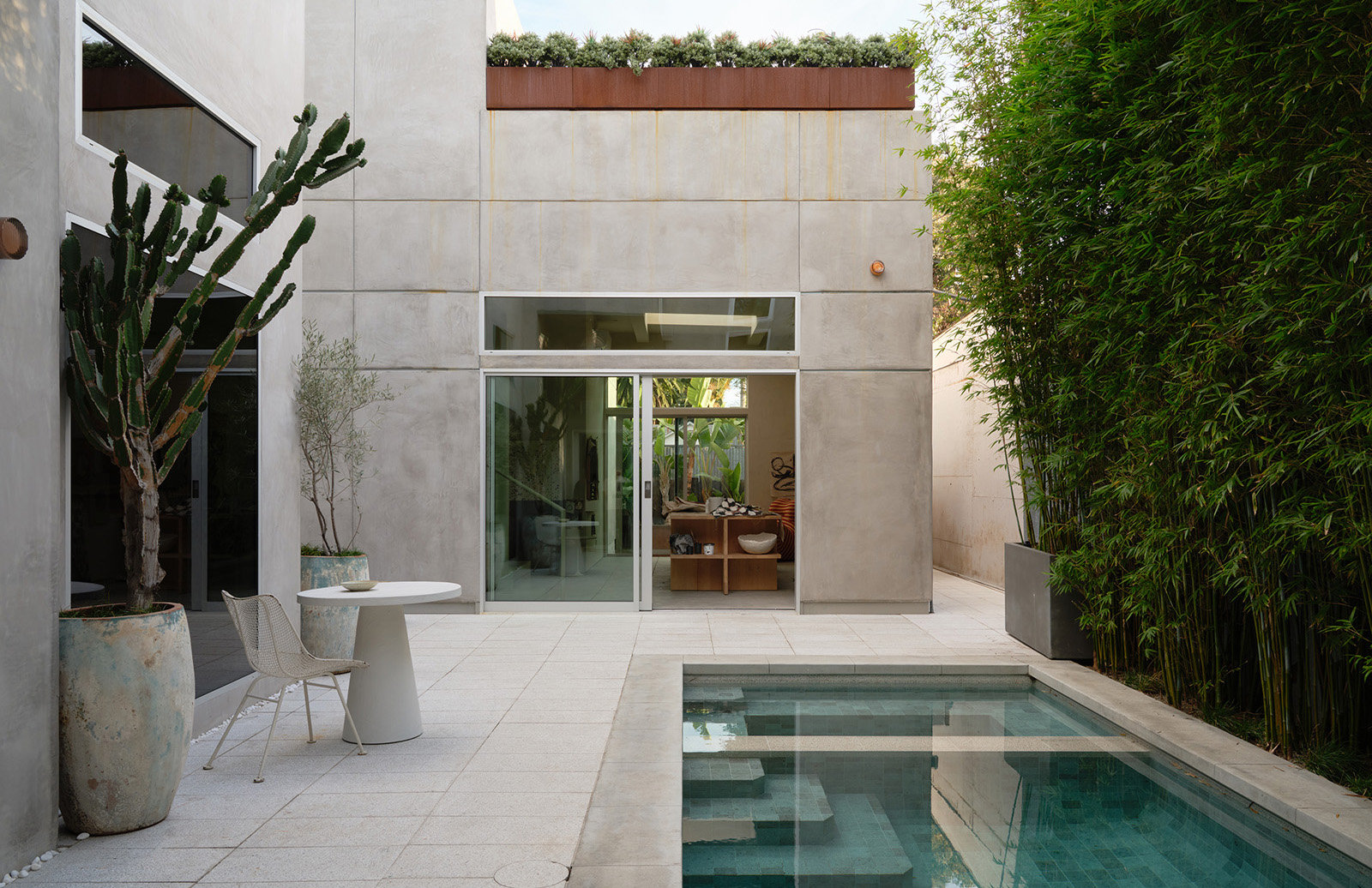
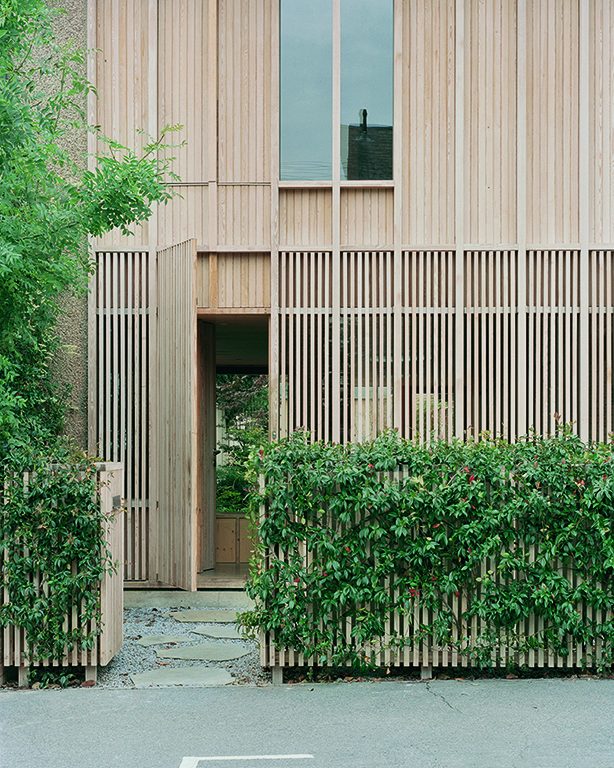
Ellie Stathaki I’ve always loved writing about houses. It stems from an interest in people. The typology of homes is directly influenced by the way we live and what our aspirations and needs are so, on one hand, it’s very personal. At the same time, housing is part of much larger debates around social and sustainability issues. Everything that is part of the current architectural discourse links to houses somehow. As for the focus on the future, some people might think of sci-fi-type houses. But the point of the book is to show that ‘the future’ can be very subtle, like a material swap or small changes that suddenly create an entirely different space.
EW Did you have strict criteria for the homes you wanted to include?
ES I’ve tried to create a good balance by having broad chapters that cover issues
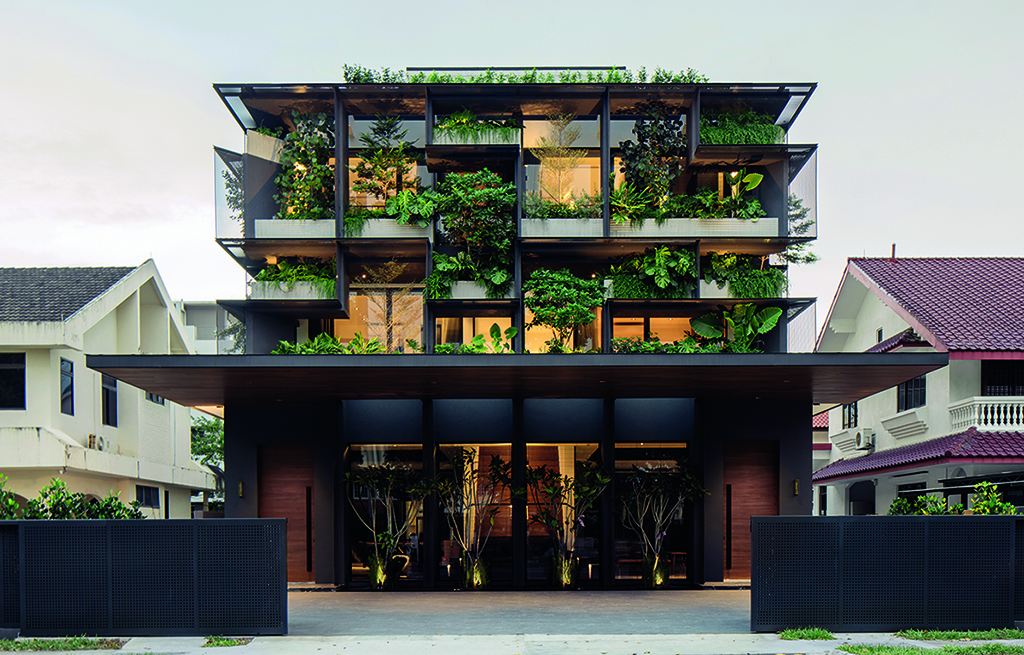
such as wellness, sustainability and materials. Each chapter showcases around five projects to avoid getting lost in choice. I wanted to find schemes that were launched within the past few years. Then, I wanted to be as broad as possible with the territory. There is good representation here in the UK, but we show off projects in Paraguay, India, Vietnam… it’s very international.
EW Would you like to see a future where all homes encompass the criteria you’ve earmarked as valuable?
ES Yes, in an ideal world a house would be sustainable, use incredible materials, have low levels of energy consumption, be socially minded and promote wellness. It would look amazing as well. Realistically most homes focus on one key element. I see this book as a starting point, where you can be inspired to push the envelope.
EW What about the role AI plays in home design? How have you tackled that?
ES I haven’t included a house that was produced using AI or uses AI systems as far as I know. That technology wasn’t built when I was making my selection, but it would be fascinating to pull on that thread now. I imagine that when it comes to AI, there are architects who love it and others who hate it. People are right to be suspicious, but it could be dangerous to ignore it. It’s not going anywhere so the community needs to engage, with parameters and rules in place.
EW What inspires you about the future of homes? And is there one thing you would love to see more of?
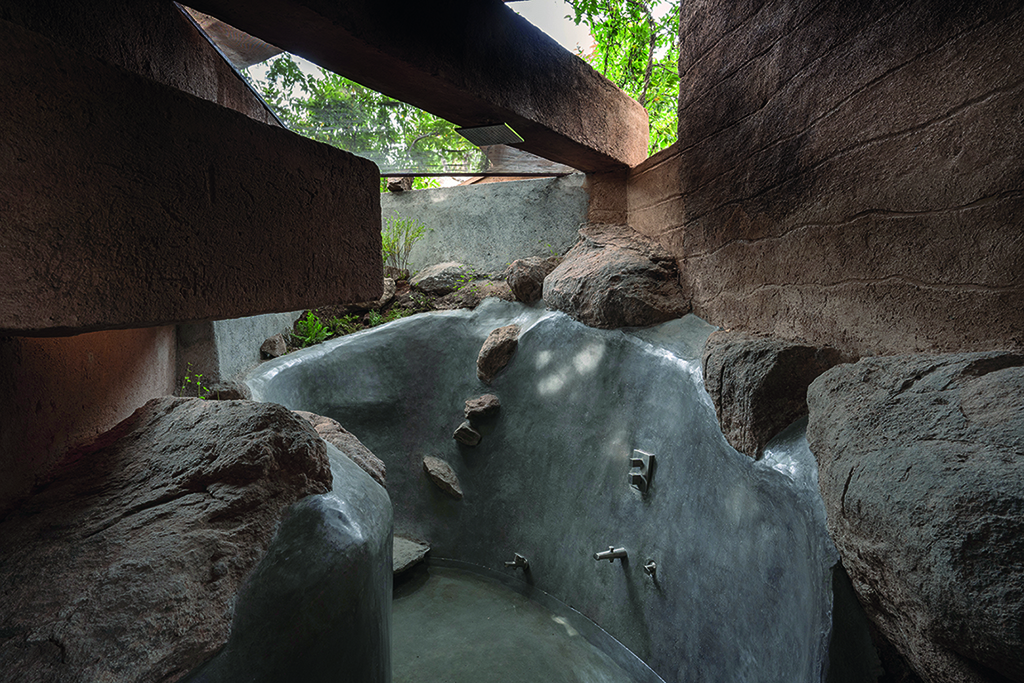
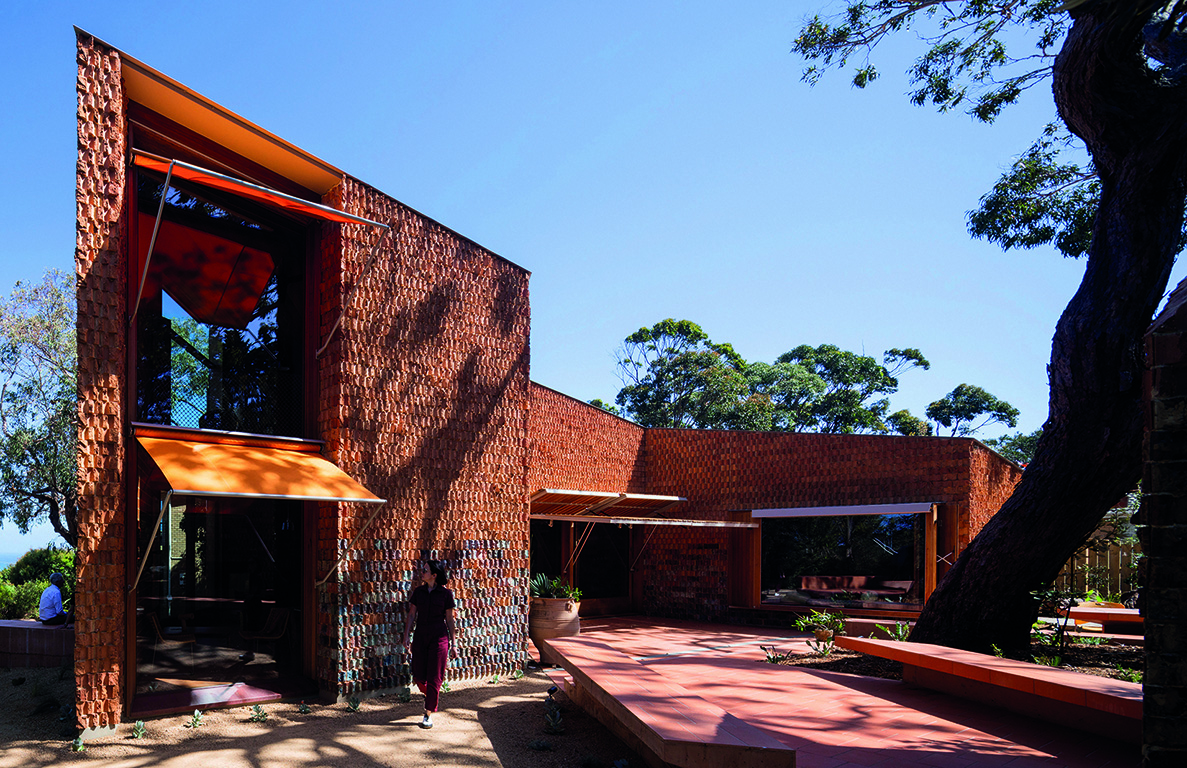
ES I like things that surprise me. I love designs that stop you in your tracks and make you go ‘What?!’ Like building with earth — people have been doing it for centuries but some designs feel so contemporary, so relevant to the here and now.
EW Is there anything you’d happily see phased out of home design?
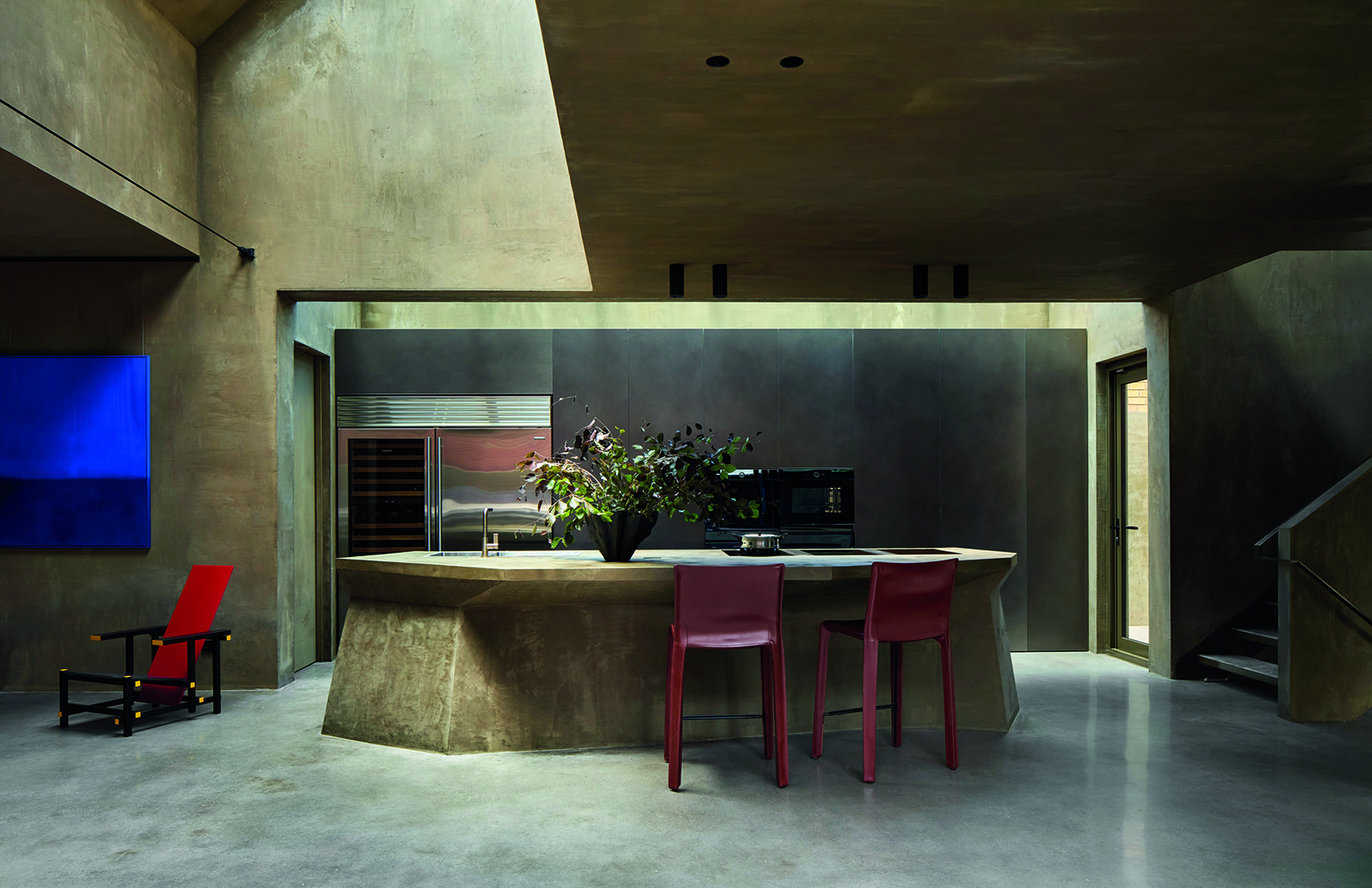
ES I wouldn’t be sad to see the concrete aesthetic go in the sense that we all know concrete is very carbon heavy. There are ways of achieving that aesthetic without using so much concrete. And there are different types of concrete these days, some more sustainable than others, so it’s worth considering alternatives.
EW If you could move into one of the houses you have included in the book, which would you pick?
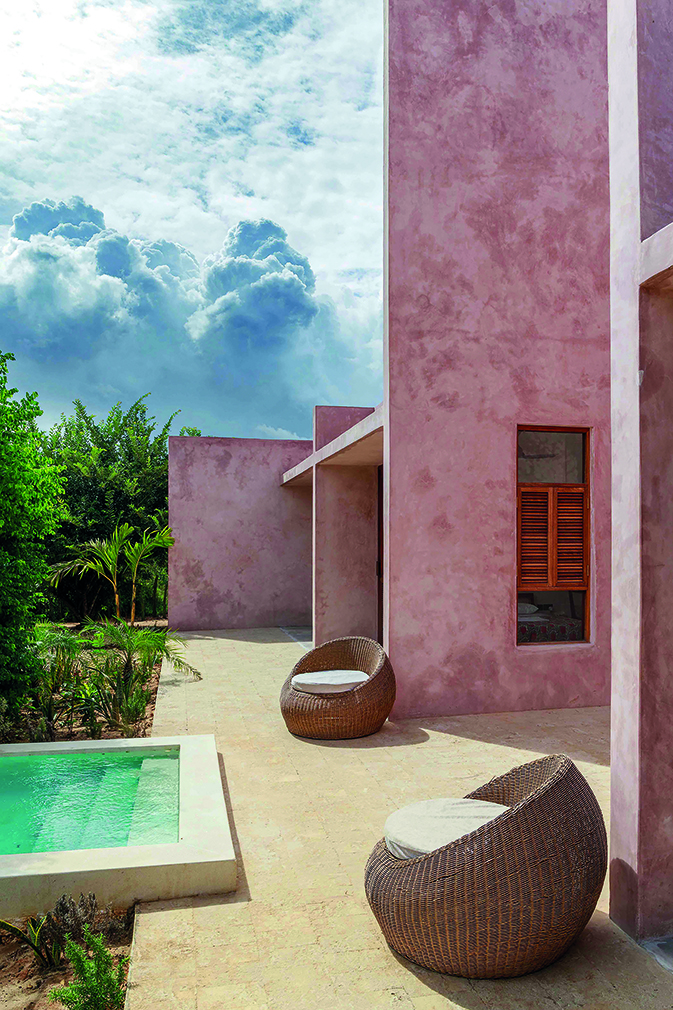
ES It is hard to pick a single house. They are all gorgeous in their own way. I love the Kenya house, as it brings this combination of escape and good design — it feels down to earth, somehow, and it’s also luxurious, which is, I think, the point the architect wanted to make, about creating elevated everyday architecture. I love how it combines indoors and outdoors too. It speaks to my roots and experiences, coming from a hot country. But I would happily move into every single one in the book.
EW If you were researching from scratch, is there anything you would do differently?
ES I would include that chapter on technology, or lack thereof. Is it about more AI? Is it about going back to basics and becoming more analogue? It would be good to explore. Also, houses on the moon. I’m not saying there should be, but is that worth exploring? Maybe I would have added a crazy, pie-in-the-sky chapter.