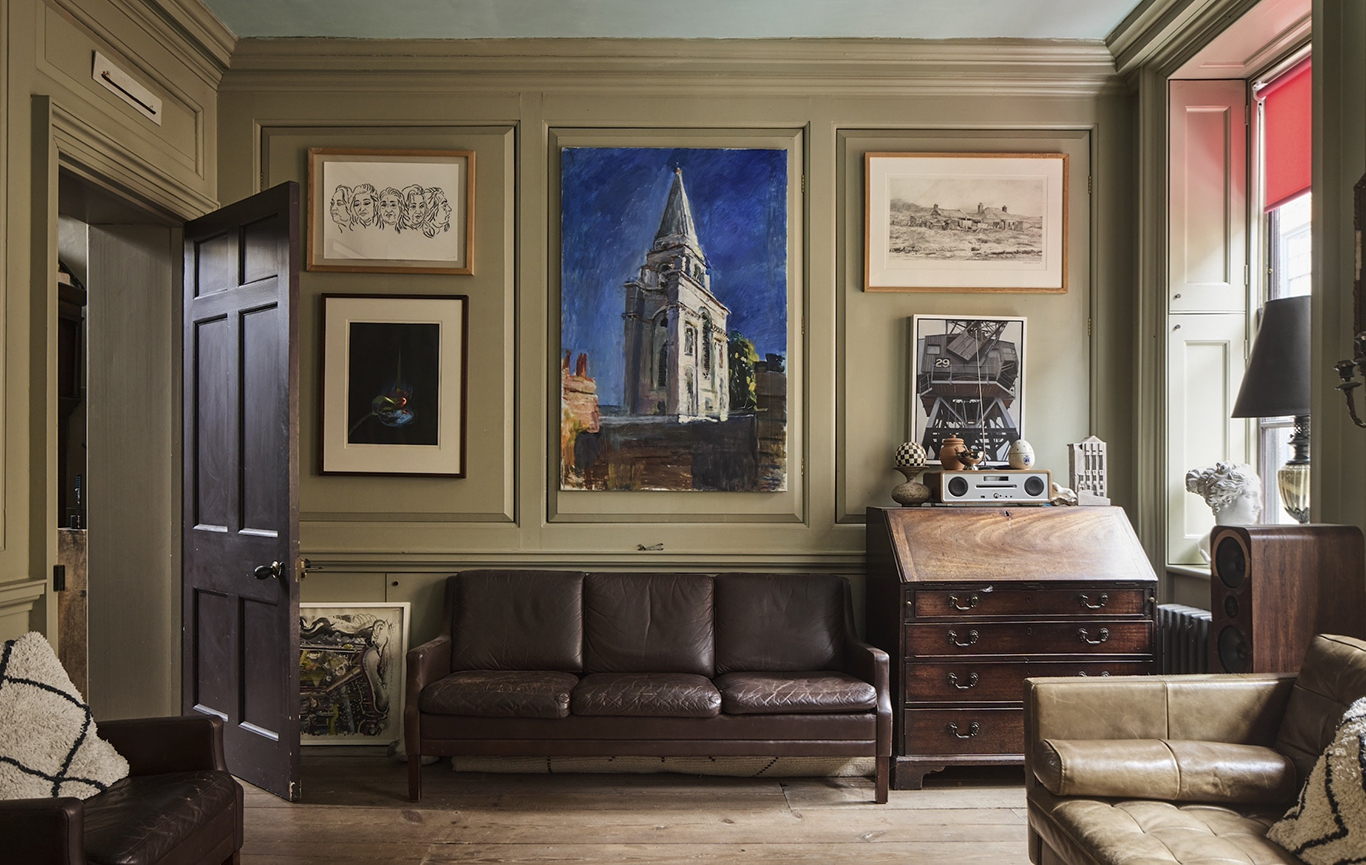
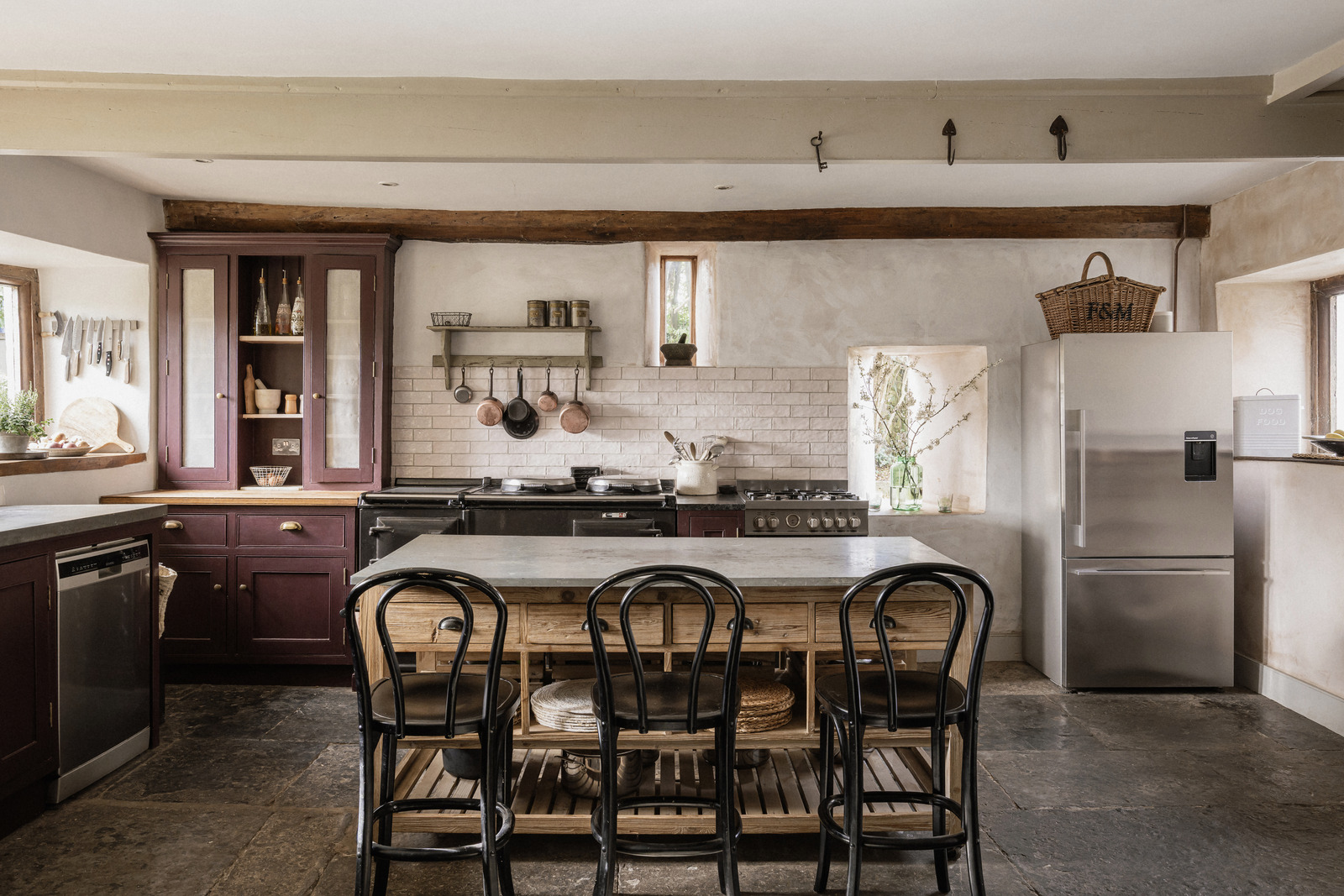
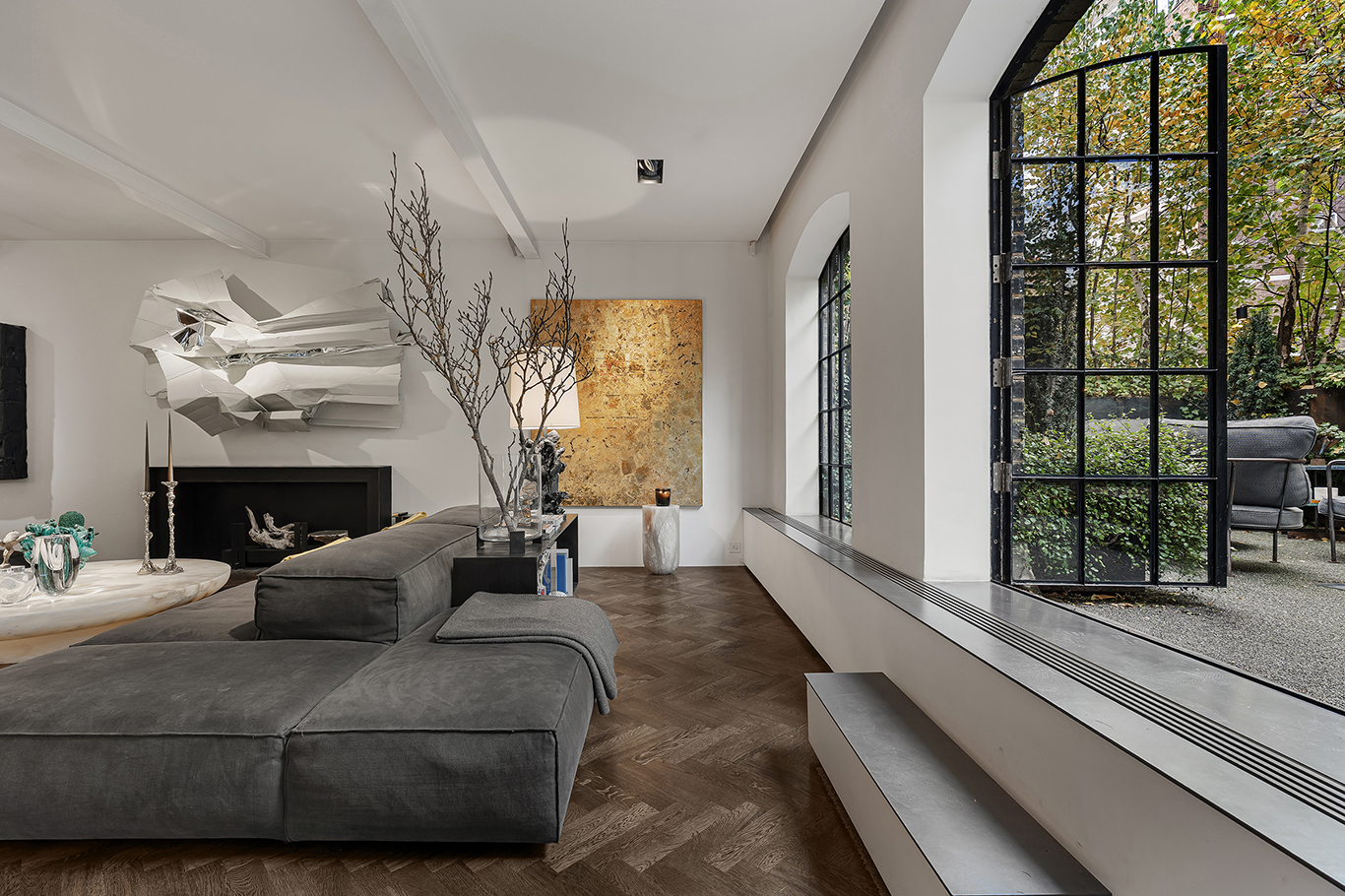
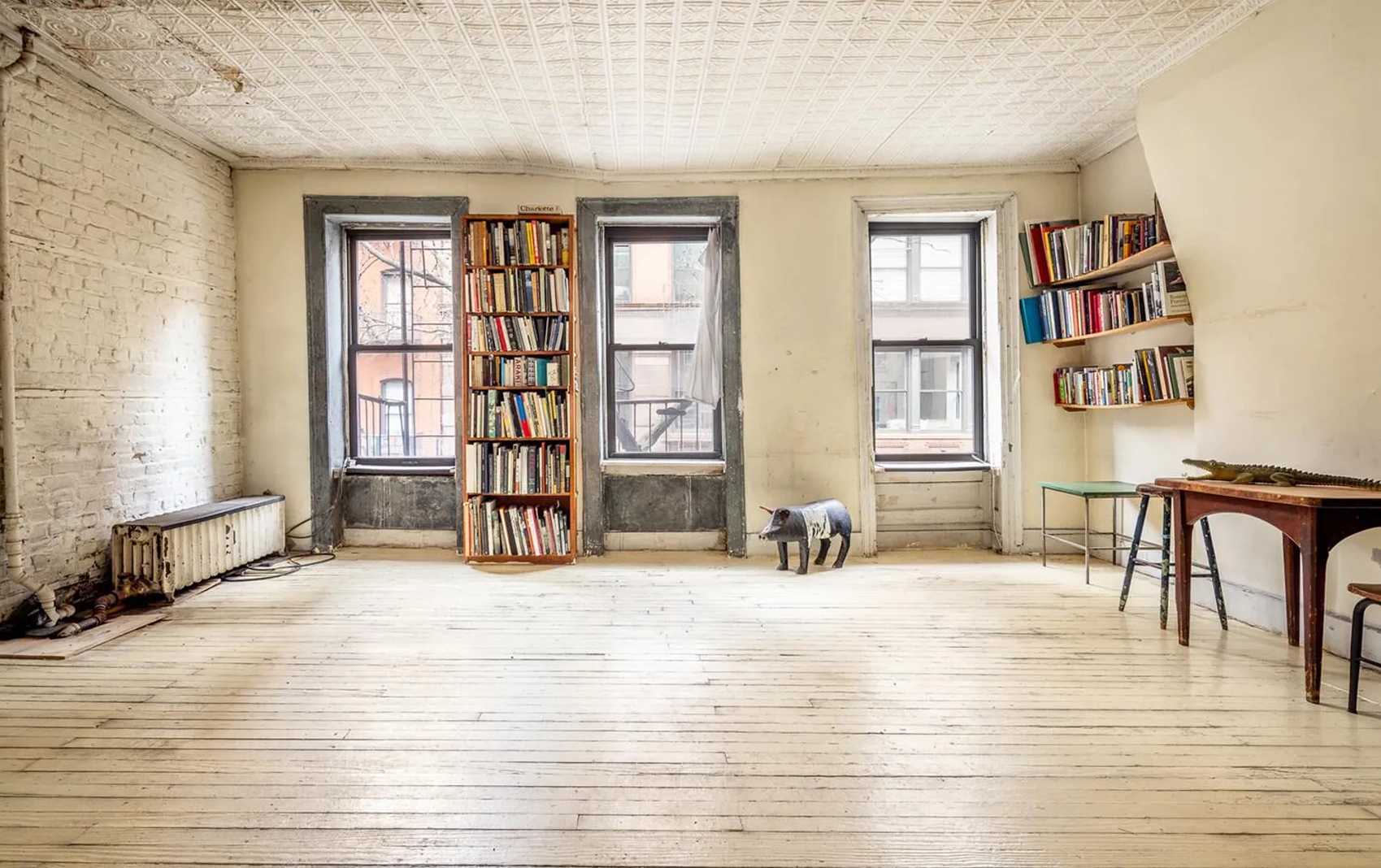
A master of eclectic layering and complex colour mixing, Geoffrey Bennison rose to prominence in the 1970s and early 1980s with a theatrical, curiosity-led approach to British style. The godfather of country-house maximalism didn’t live to see how enduring and relevant this style would become — he passed away in 1984, at the age of 63. Yet at a time when imperfect, elegantly knackered homes bursting with texture and personality are capturing our interest once more, Bennison’s career-long defiance of convention lives on… albeit with a modern twist.
Bennison’s style was more than a rejection of sparsity. It was a celebration of life, joy and romance. Lured by the postwar boldness and evocative colour that captivated mid-century Europe, he began to make his name as an antiques dealer after a spell at the Slade School of Art in Oxford. Moving into home decoration and interior design, he set up shop on Pimlico Road, bringing his unique take on stately grandeur to southwest London. His clients included English actor Terence Stamp, publisher and philanthropist George Weidenfeld and the Rothschild family, all of whom were drawn to his seemingly unreserved ‘upper class’ aesthetic. That aesthetic was, in fact, highly curated. And it defined English style for decades.
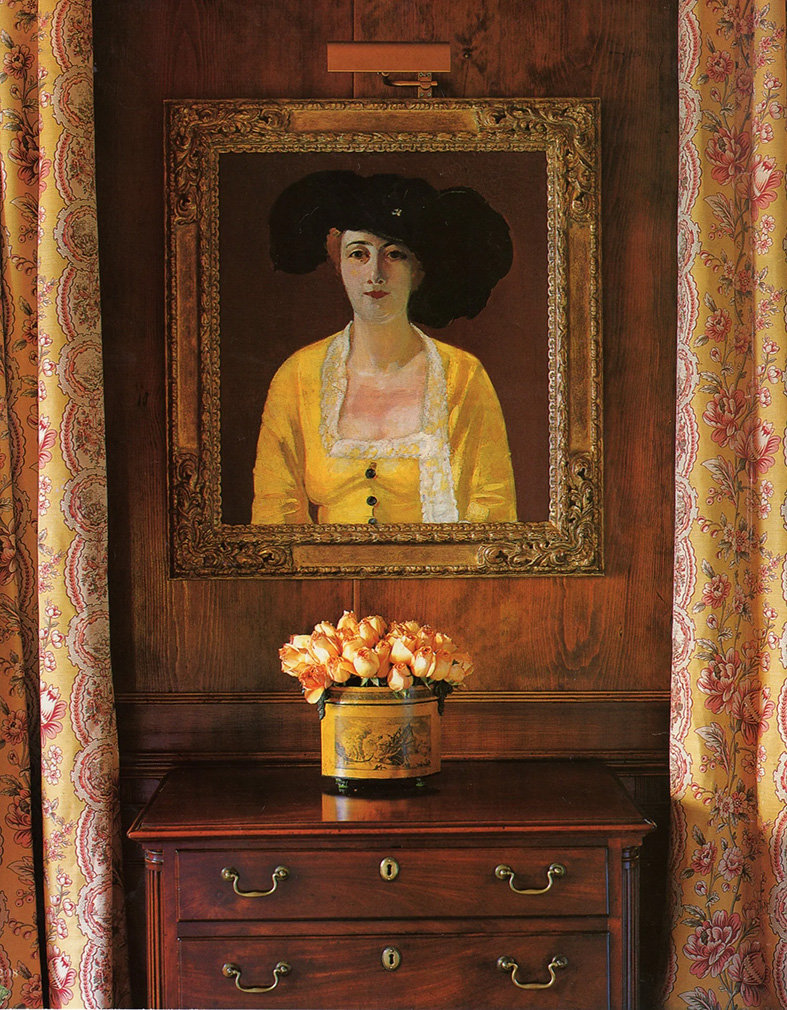
French Twist fabric in yellow. Photography: courtesy of Town & Country and Geoffrey Bennison.
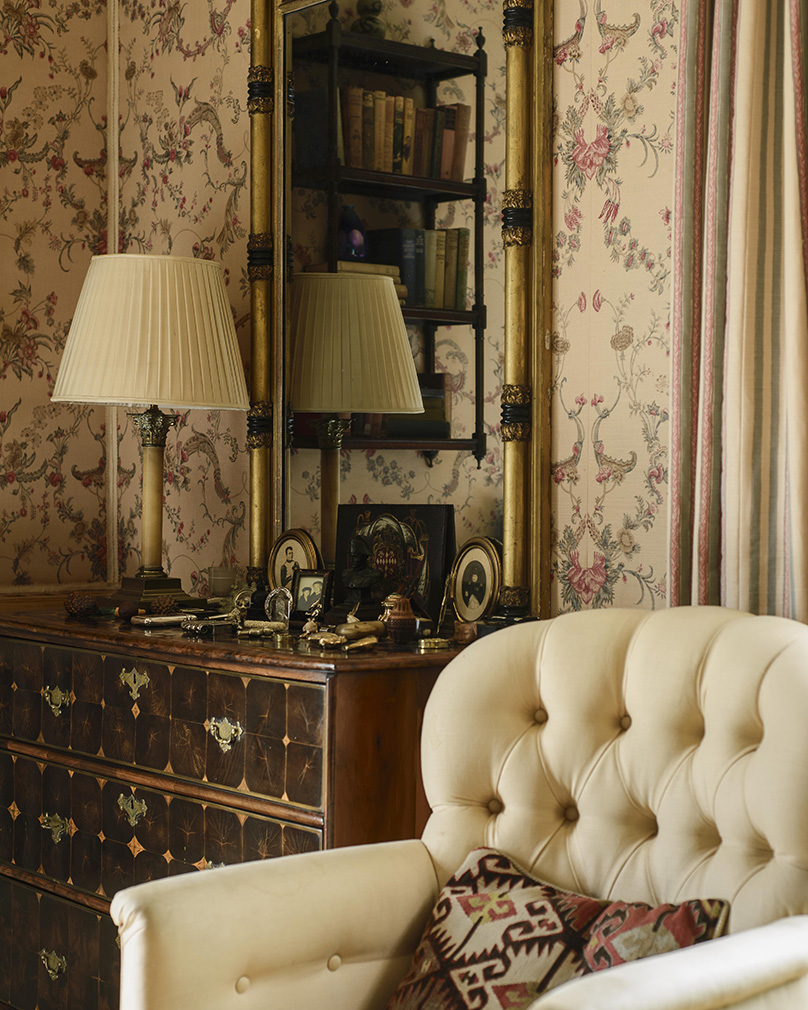
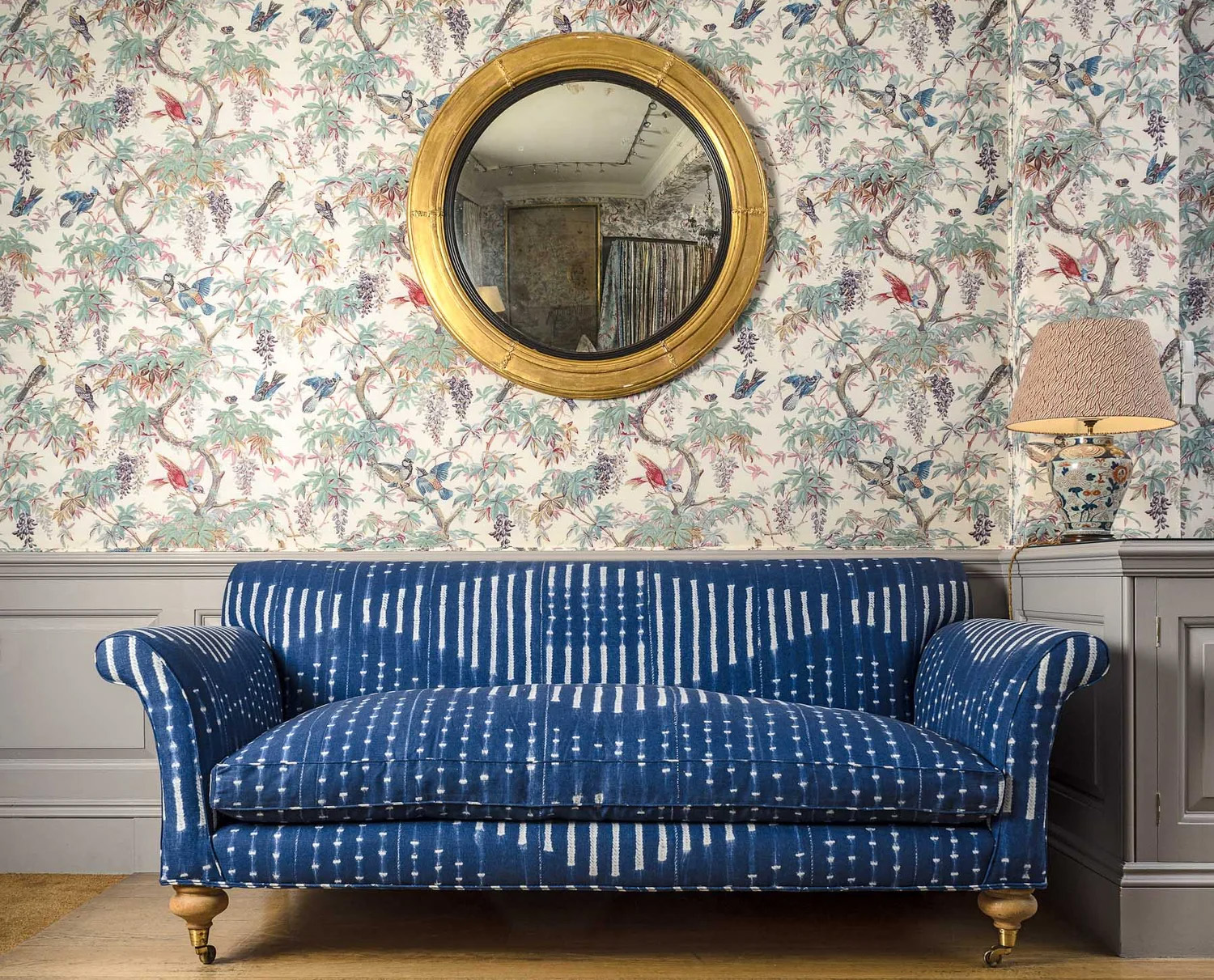
Walls in Bennison Shangri La linen and a chair in English Oakleaf. Photography: courtesy of Bennison Fabrics.
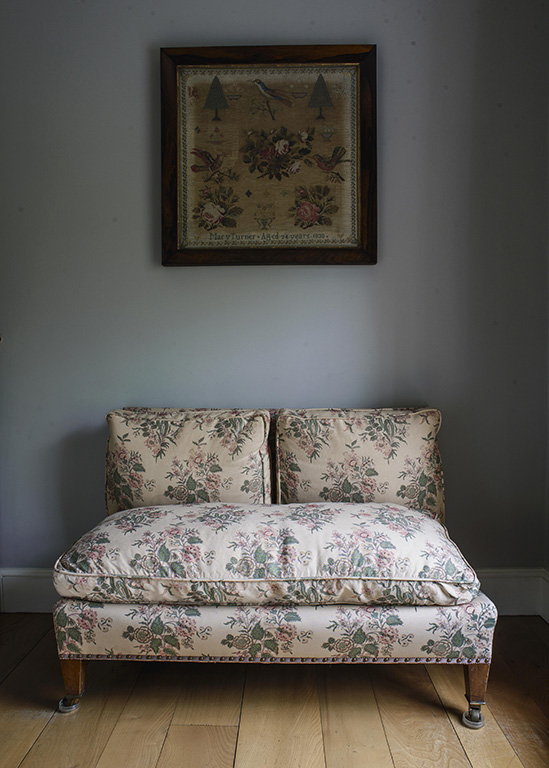
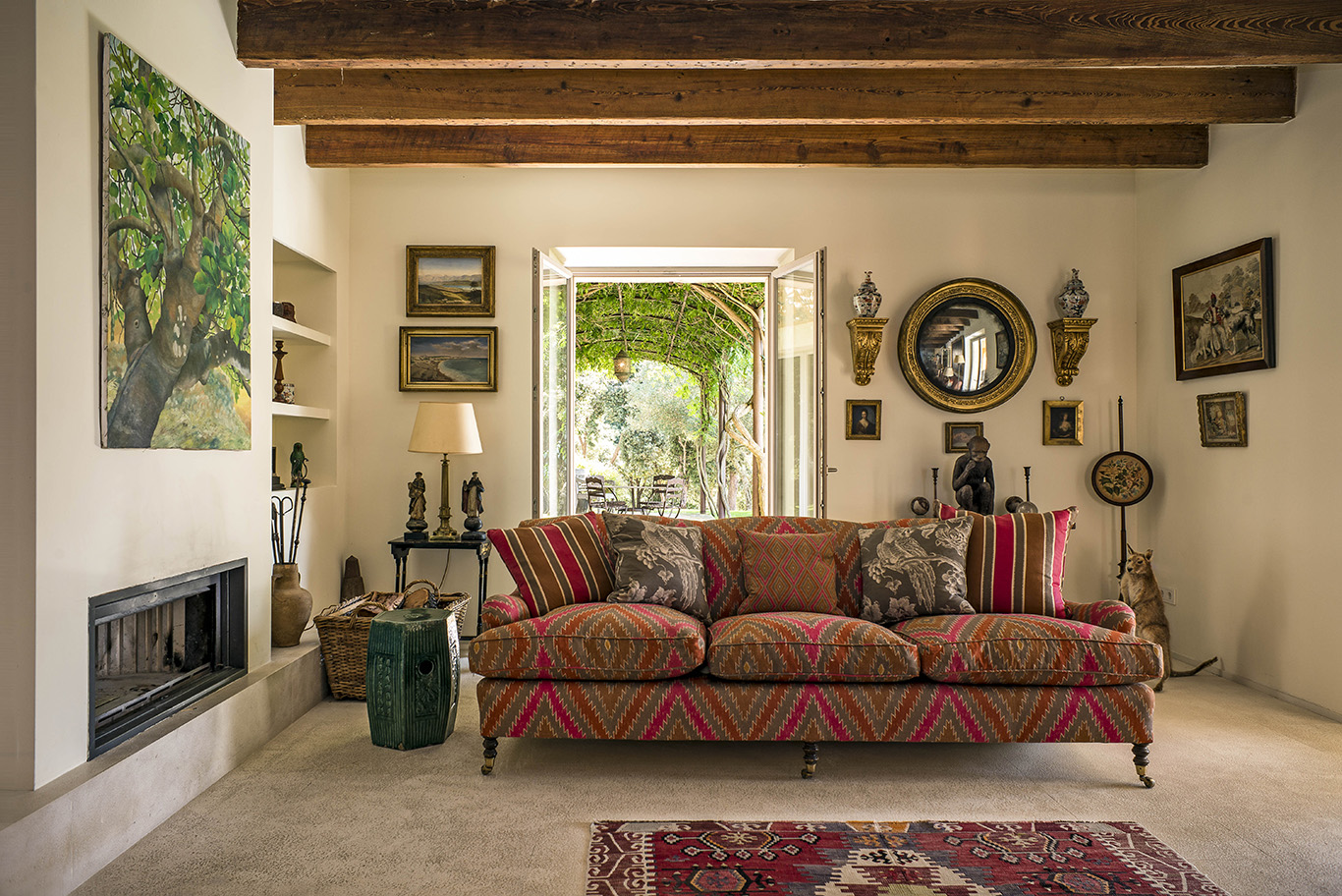
Photography: courtesy of Bennison Fabrics.
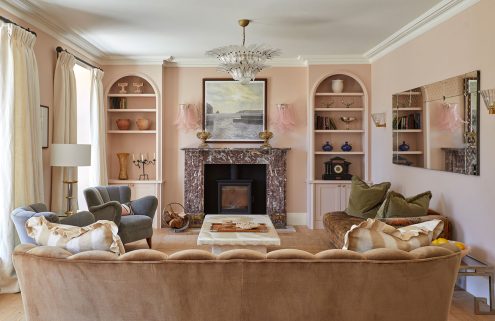
Projects like Lord Weidenfeld’s Chelsea Embankment flat and the Paris apartment of Princess Firyal of Jordan, completed in the early 1980s, showcase how Bennison balanced drama with practical liveability. Both homes layered antiques, textiles and decorative objects to create an eclectic, lived-in look without veering into the realm of cluttered chaos. His ‘relaxed grandeur’ featured rich colour choices. Famously a fan of a storybook crimson hue coined Red Riding Hood, Bennison used it liberally between antiques — notably in the Marrakech palace of Baroness Marie-Helene de Rothschild, as well as her Manhattan duplex.
His designs were, above all else, anchored in the power of the old. And if something didn’t look timeworn enough? He had ways and means for correcting that. He famously dyed his trademark fabrics in Assam tea to achieve just the right aged hue — manufactured, yes, but so eccentrically effective it became a technique that only boosted his brand. And it’s a brand that lives on today.
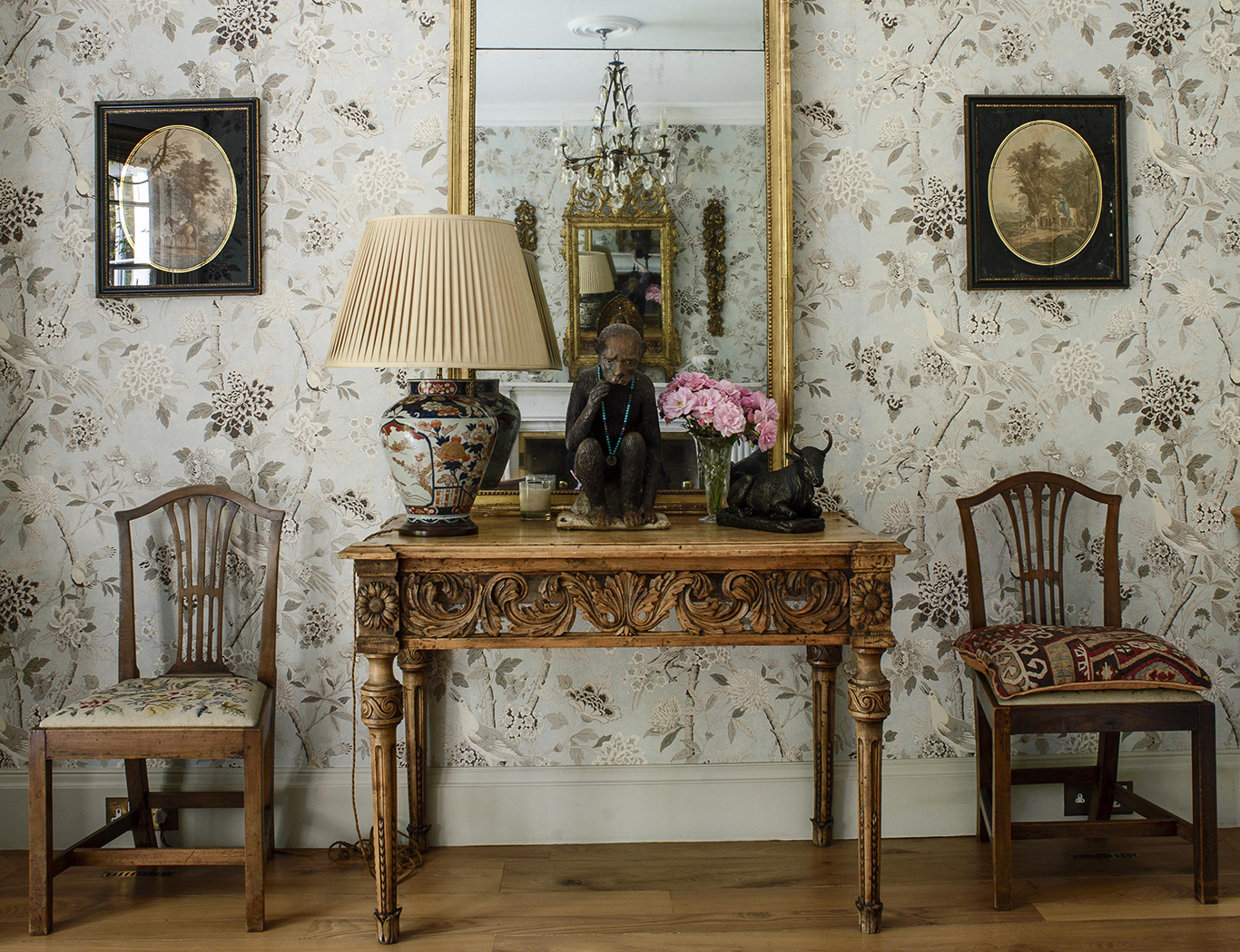
Set up in 1985 by Bennison’s former assistant, Gilly Newberry, and her husband Geoff, Bennison Fabrics is known for small-batch prints on linen and silk. Headquartered in London with offices in New York, it has become as renowned as Bennison’s living, working legacy. In 2015 Newberry also published ‘Geoffrey Bennison: Master Decorator’ — an insight not only into Bennison’s life and career, but also the last word on her mentor’s distinctive, enduring style.