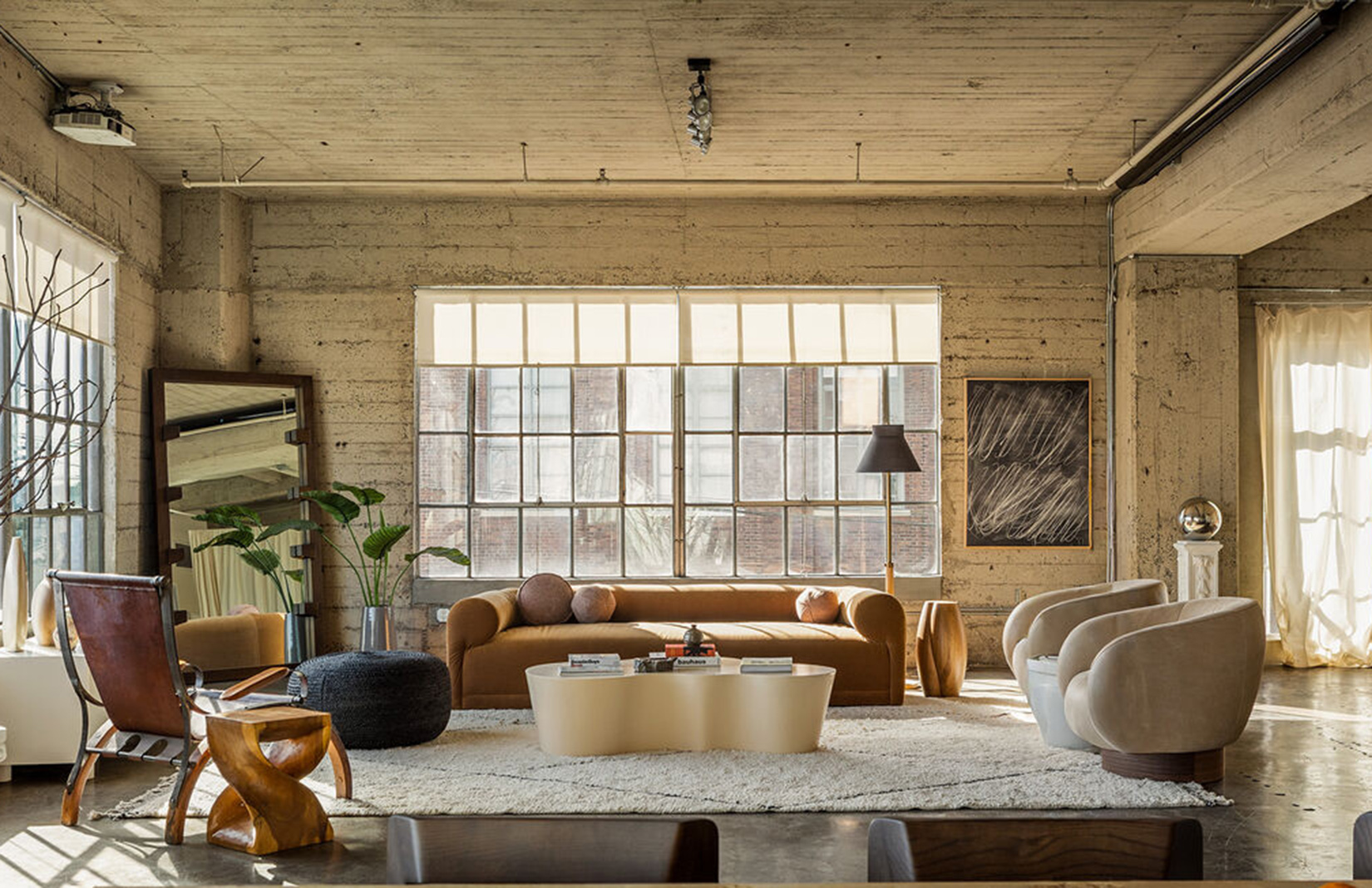
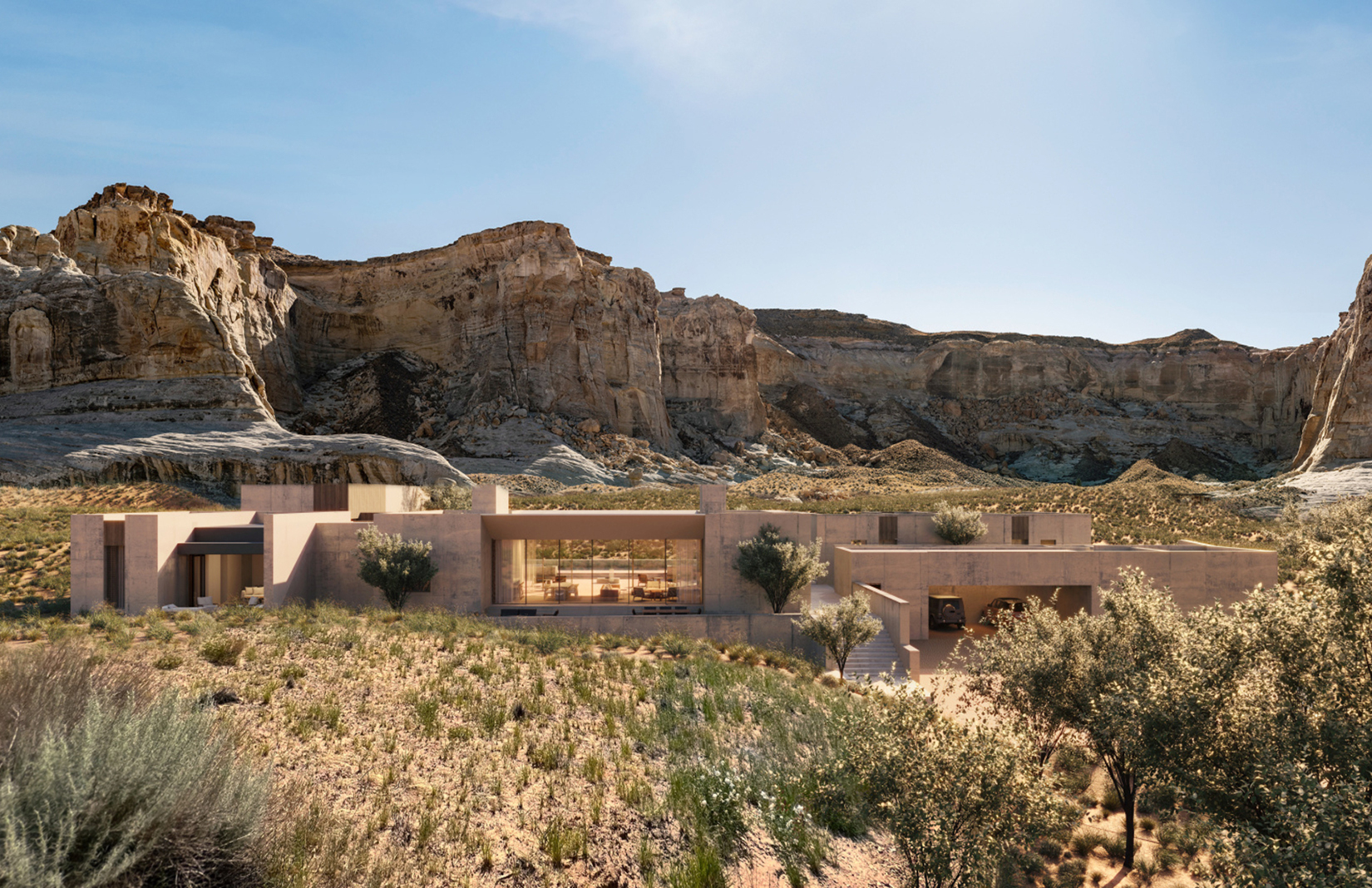
History is grounding. It tells a story and can bring depth to a room where modern style would otherwise prevail. But getting the balance right is a skill that can take years to perfect. You neither want different époques to clash, nor to blend so seamlessly that they get lost amid a bland, unaffecting design.
For those in the know, there are formulas for harnessing the power of the past to bring a space to life. We asked five London-based interior designers to reveal their tips and tricks for creating spaces that are enhanced — rather than overwhelmed — by carefully curated vintage accents.
Spread the love
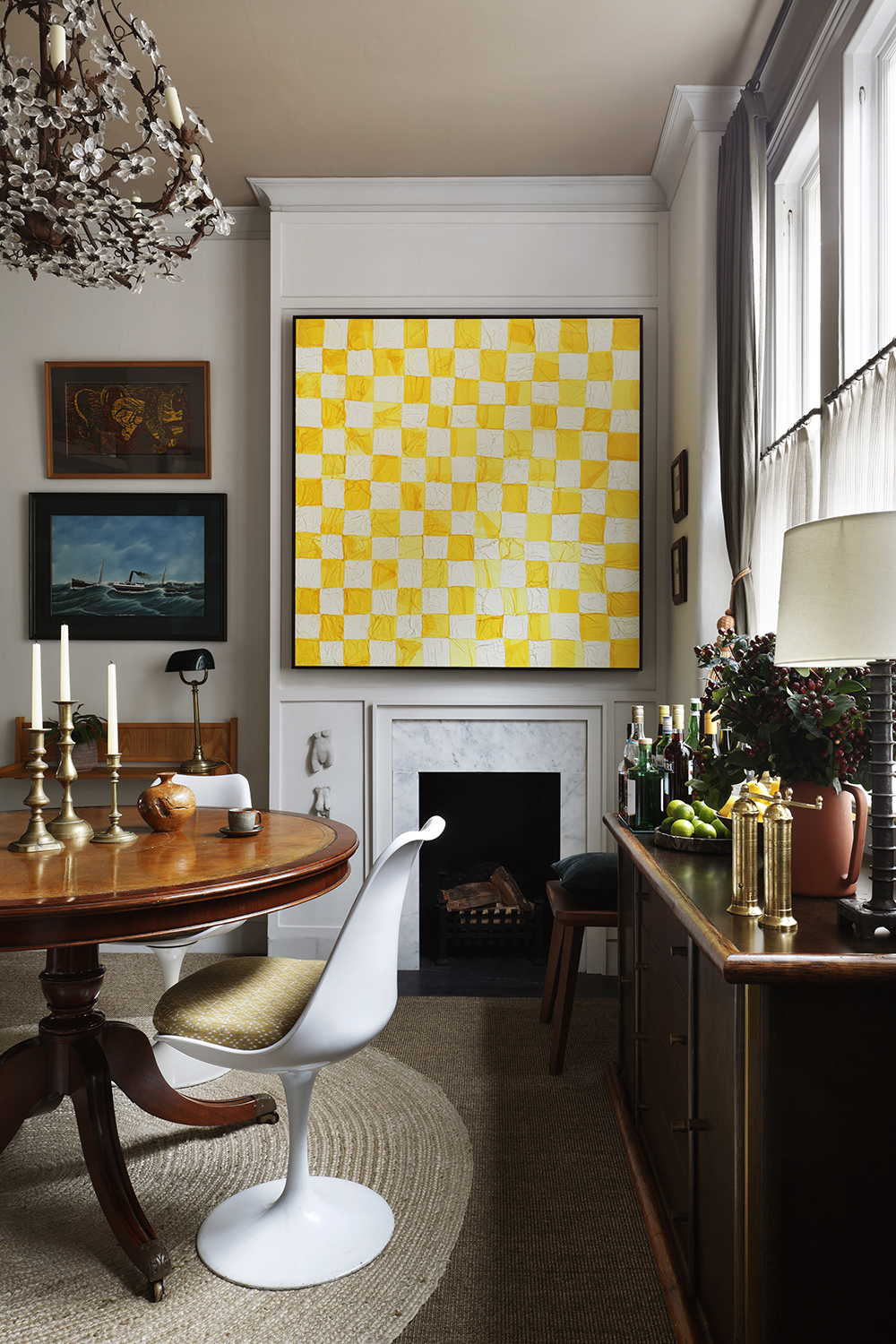
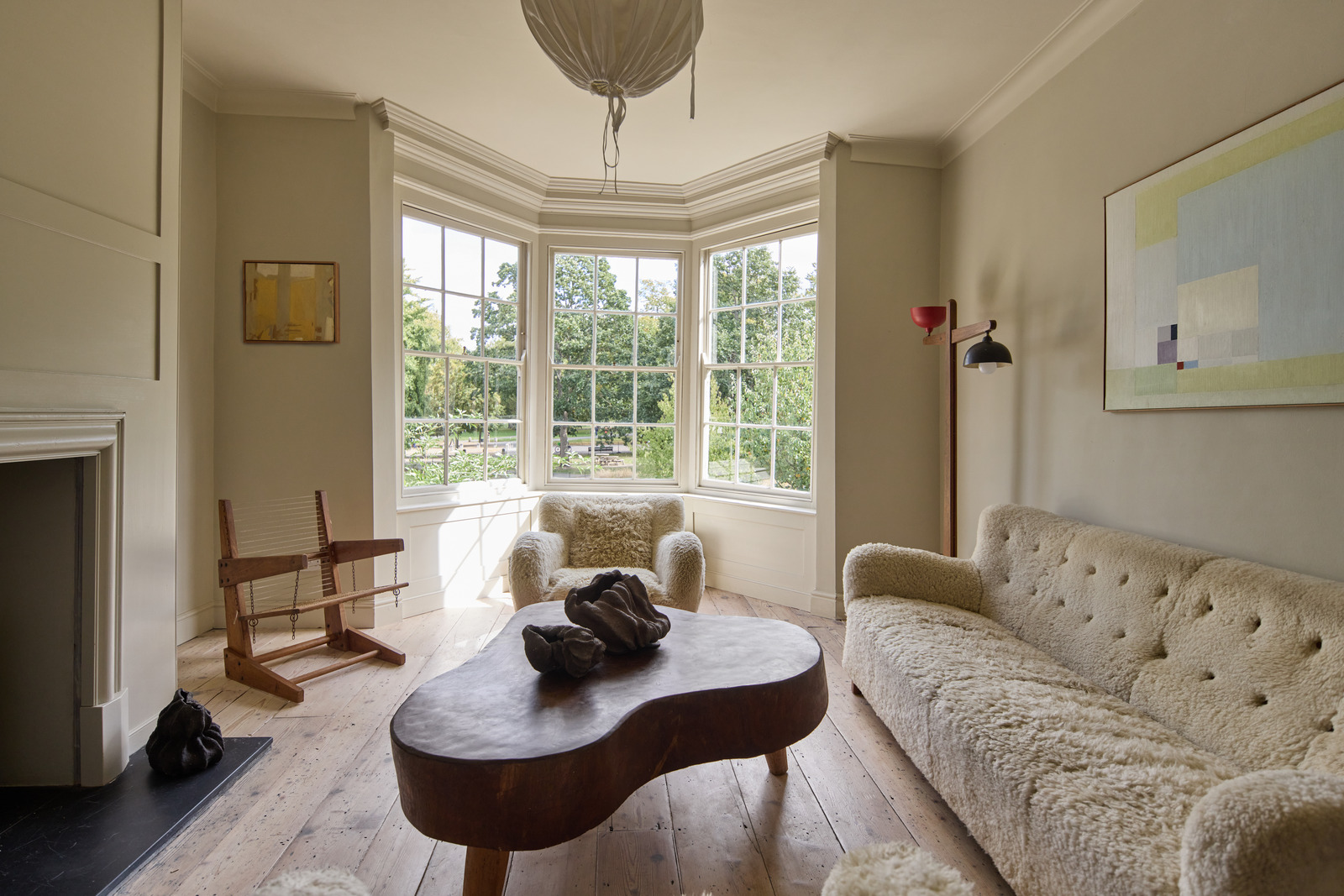
Christian Bense, an interior designer specialising in blending old and new, believes antique or vintage design should take up at least 25% of a room. But clustering pieces together in an attempt to show them off can be a trap, he says. Splitting up older pieces is the most effective way to ensure they are well incorporated into the overall design. ‘I would always suggest dotting the antiques around a room, so they become well blended with the newer pieces,’ says Bense. ‘Grouping them all together makes antiques look like the odd ones out. By pairing an antique with a modern piece multiple times around a room, you allow each one to shine.’ That’s not to say there shouldn’t be a theme linking the pieces. ‘Unless you are going for a completely eclectic room, maintaining a sense of cohesion in your antiques means your room has less chance of feeling confused,’ he says. ‘Sometimes this cohesion could be a common wood tone or metal finish, rather than the style. It allows for a subtle blend.’
Use artistic license
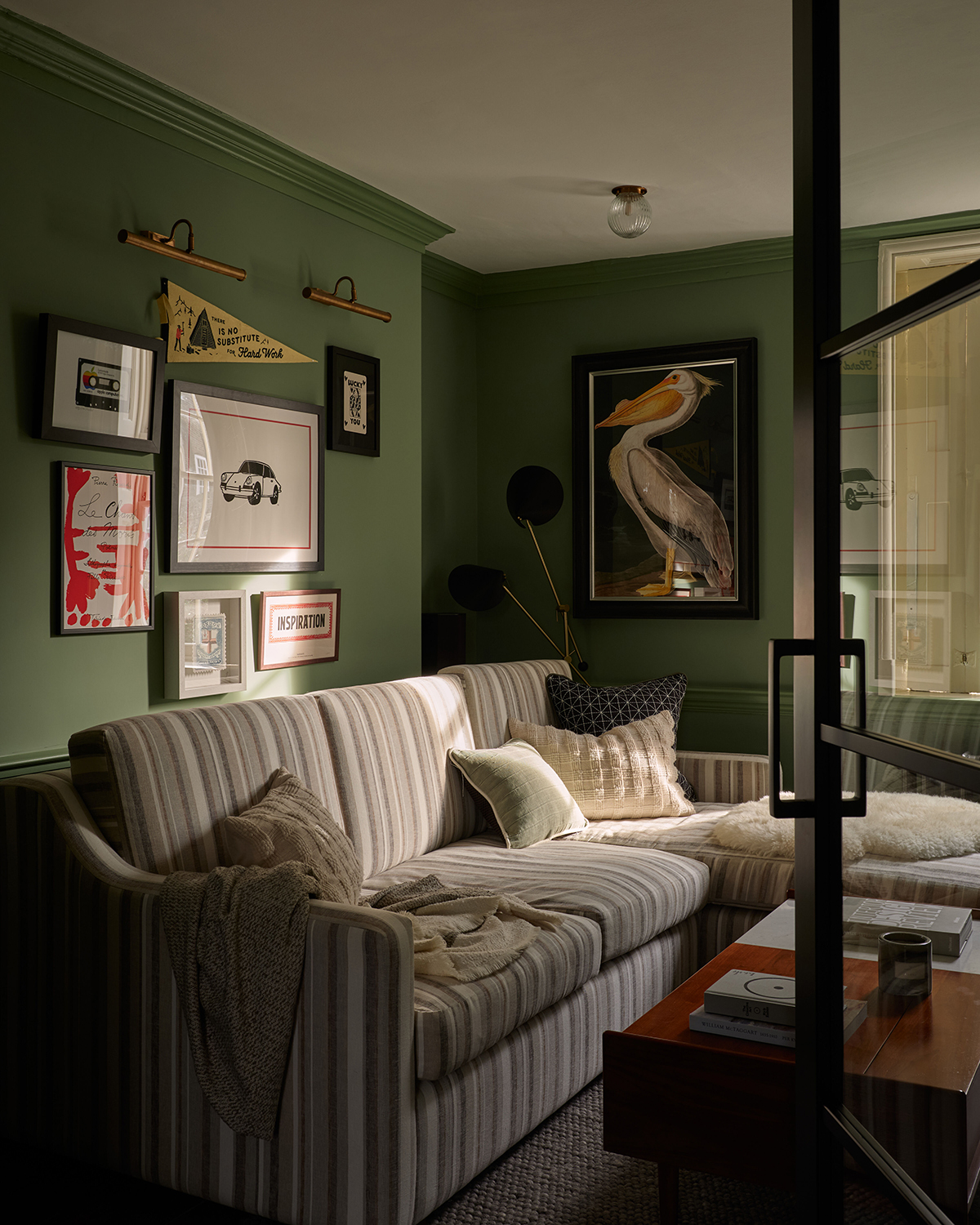
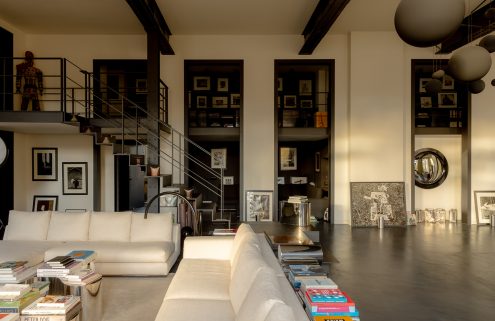
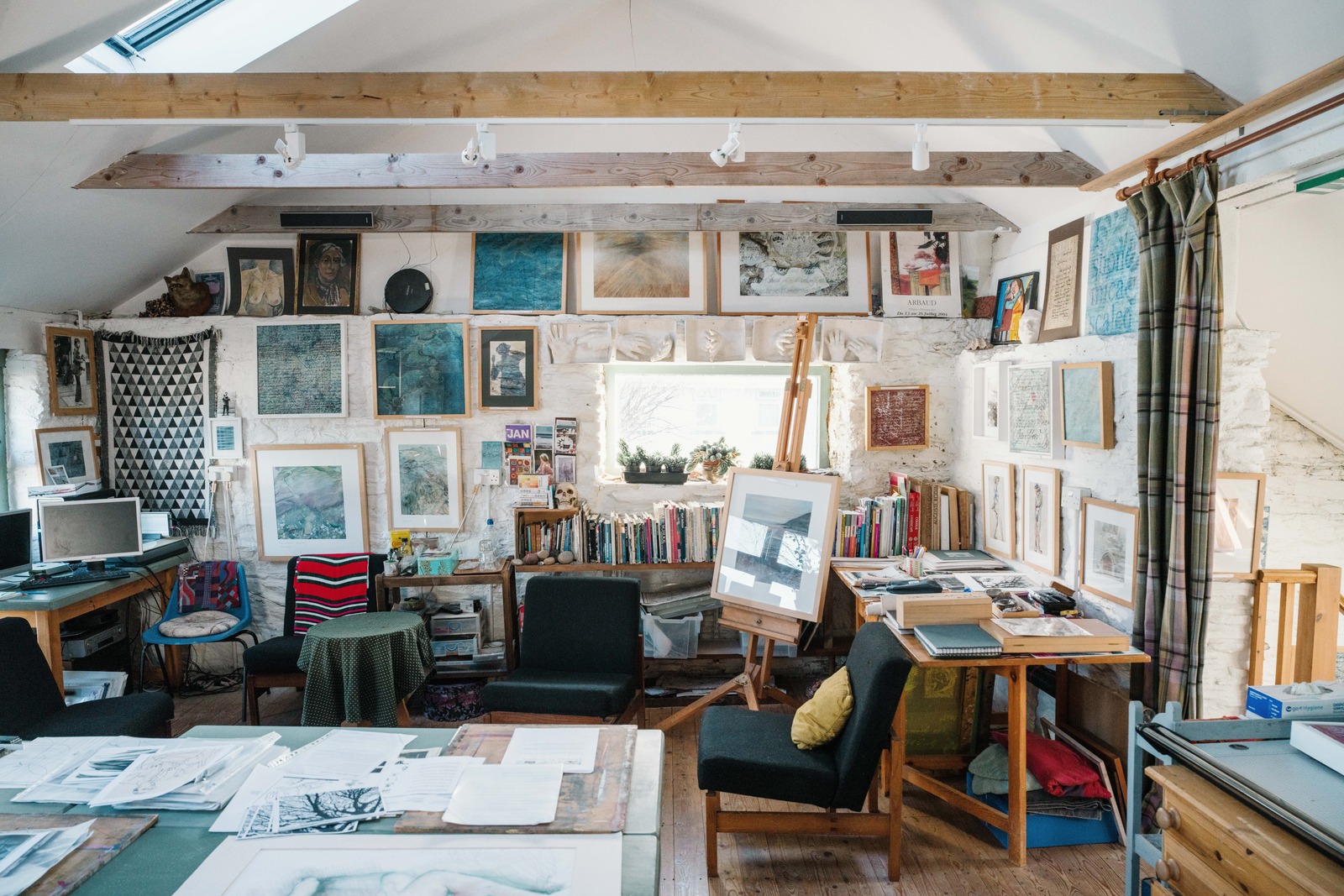
Historic additions don’t have to be limited to furniture and functional design. Antique art and sculpture can play a huge role in enriching a space, particularly when set off by a modern backdrop or mixed in with contemporary pieces. Josie Lywood, co-founder and creative director of interior design and architecture studio Q Design House, has mastered the art of both. She cites a townhouse in Chelsea, Southwest London. ‘This client had a huge collection of African artefacts displayed throughout the property,’ she says. ‘We showed them off by keeping the joinery modern and minimal. LED lighting was integrated into the front or rear of each shelf, which helped give the scheme a more modern look.’ In her own West London home, Lywood mixed old and new on a single wall. ‘Creating a picture gallery display is a great way to mix older artworks into a contemporary scheme,’ she says. ‘They work best with a combination of framing styles and a variety of art mediums, so you can have fun mixing different types of art that you’ve collected over the years.’ To help tie everything together, she recommends reframing a few items with coloured frames or mounts that tie in with other artworks in the scheme.
Do it for the kids
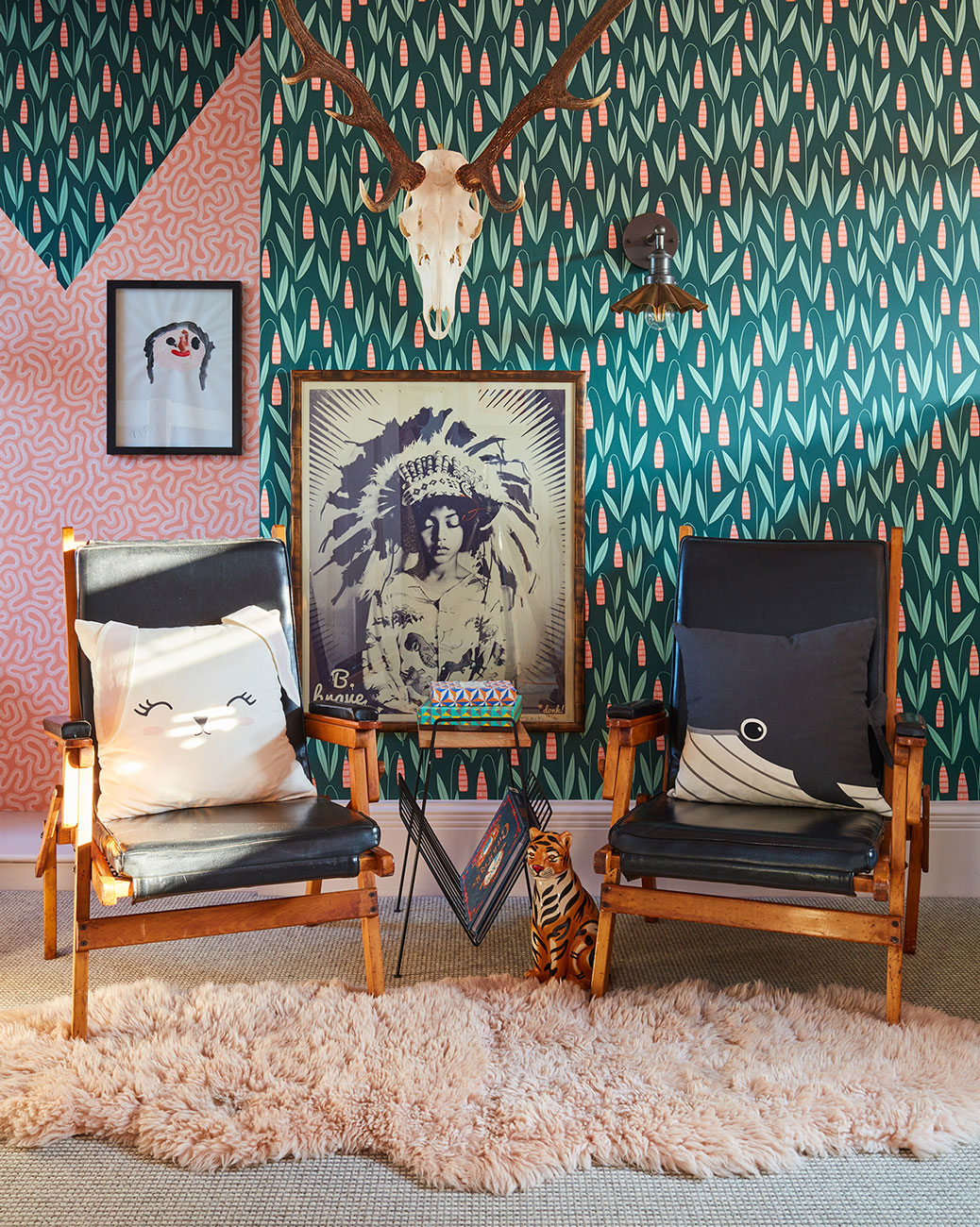
They may not immediately spring to mind when it comes to blending old and new, but children’s bedrooms are some of the best spots for design experimentation, says Anna Burles, co-founder of design practice Run For The Hills. Well known for repurposing antiques in next-generation designs, Burles rolled out the style in her own family home — including her kids’ bedrooms. ‘I went to town,’ she says. ‘Small people’s rooms don’t need to feel overly “young”. By mixing past and present, [you can] create something really unique that can grow with the children.’ Burles mounted light switches within the kids’ reach, and sourced low-slung vintage armchairs that looked adult size but were comfortable for the kids to use — both on their own and with a parent at story time. ‘The horns on the wall are probably not ideal in terms of health and safety, but we’ve managed six years without any accidents.’
Embrace life’s great tapestry
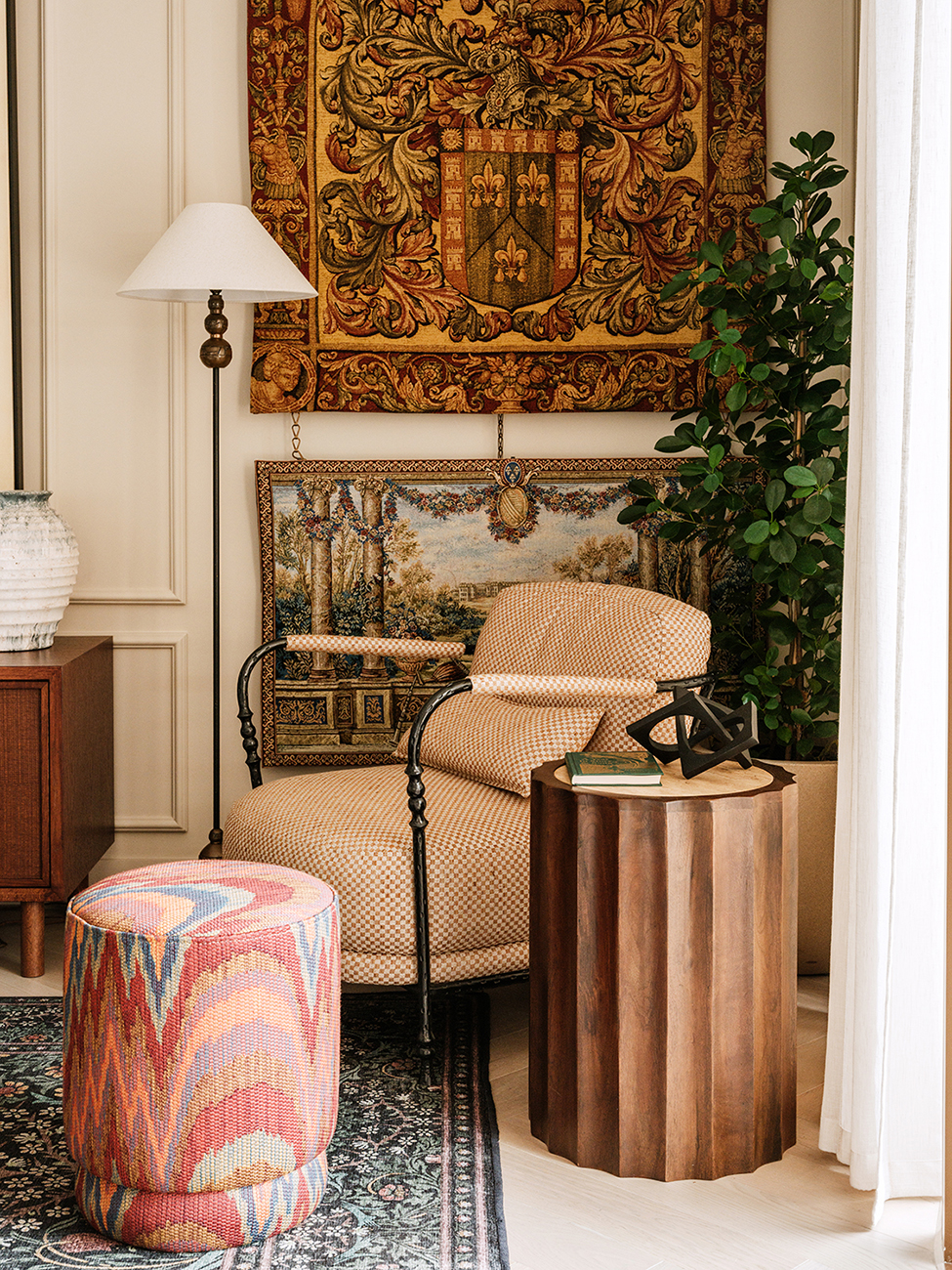
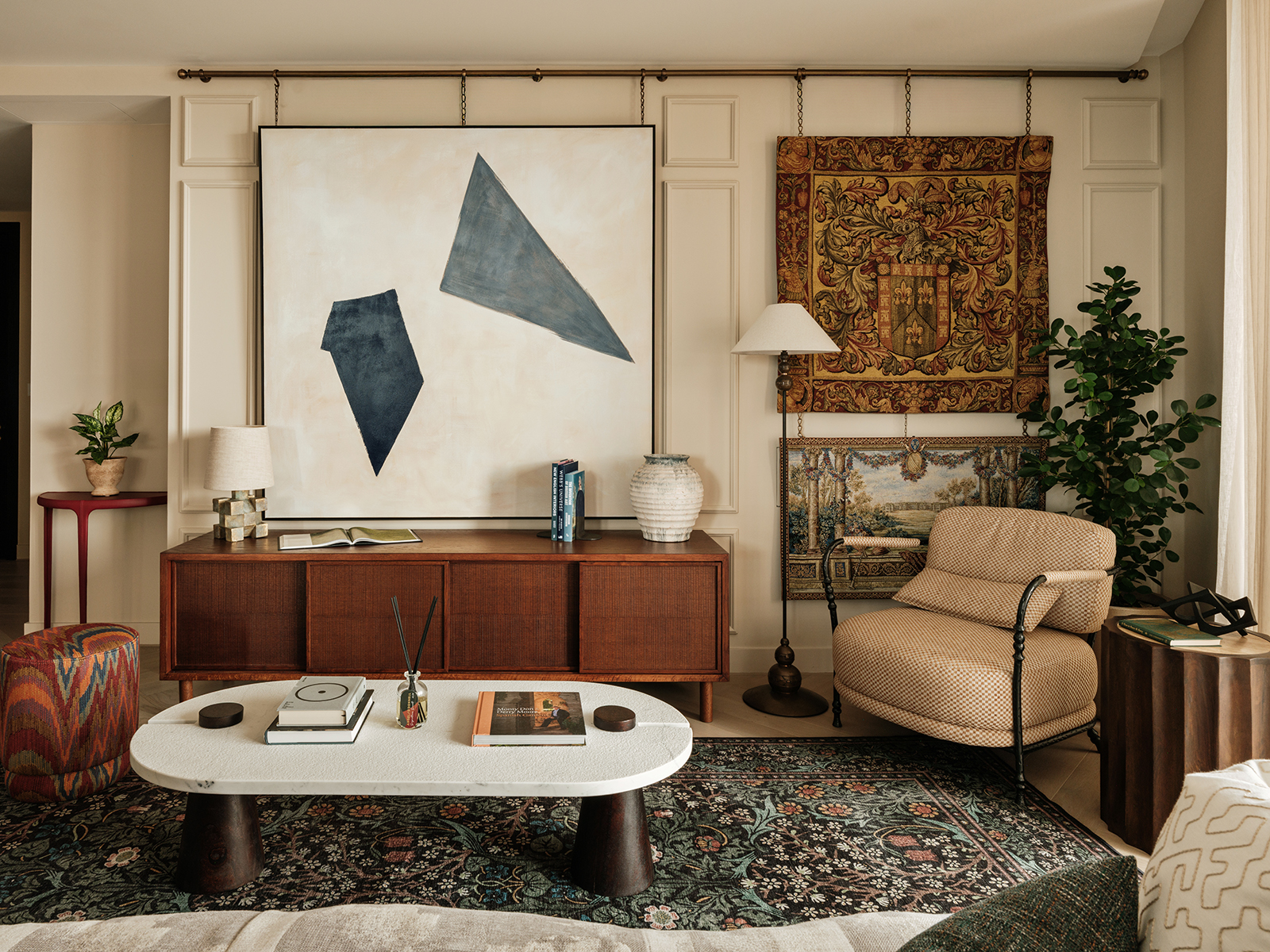
Fabric and texture, often used to soften glossy finishes and sleek, modern design, can be effective tools for mixing old and new. For Ed O’Donnell, co-founder and creative director of interiors practice Angel O’Donnell, working on a large, lateral Thames-side apartment became an opportunity to show how a modern home can be transformed with hardworking threads. In the living room, traditional wood beading on the main wall is paired with woven tapestries, one from 1550 depicting a Basque coat of arms, the other a French royal palace. ‘These historic nods play against a bold, modern abstract painting and a handcrafted contemporary console,’ he says. ‘We added an intricately patterned Arts and Crafts rug, a demilune console in fine leather, a capsule-shaped marble coffee table with conical wooden legs and a flame-stitched footstool — a favourite motif from the 17th and 18th centuries. The scheme works because there’s tonal harmony and a shared visual language between key pieces, such as the ornate tapestries and rug.’
Find neutral territory
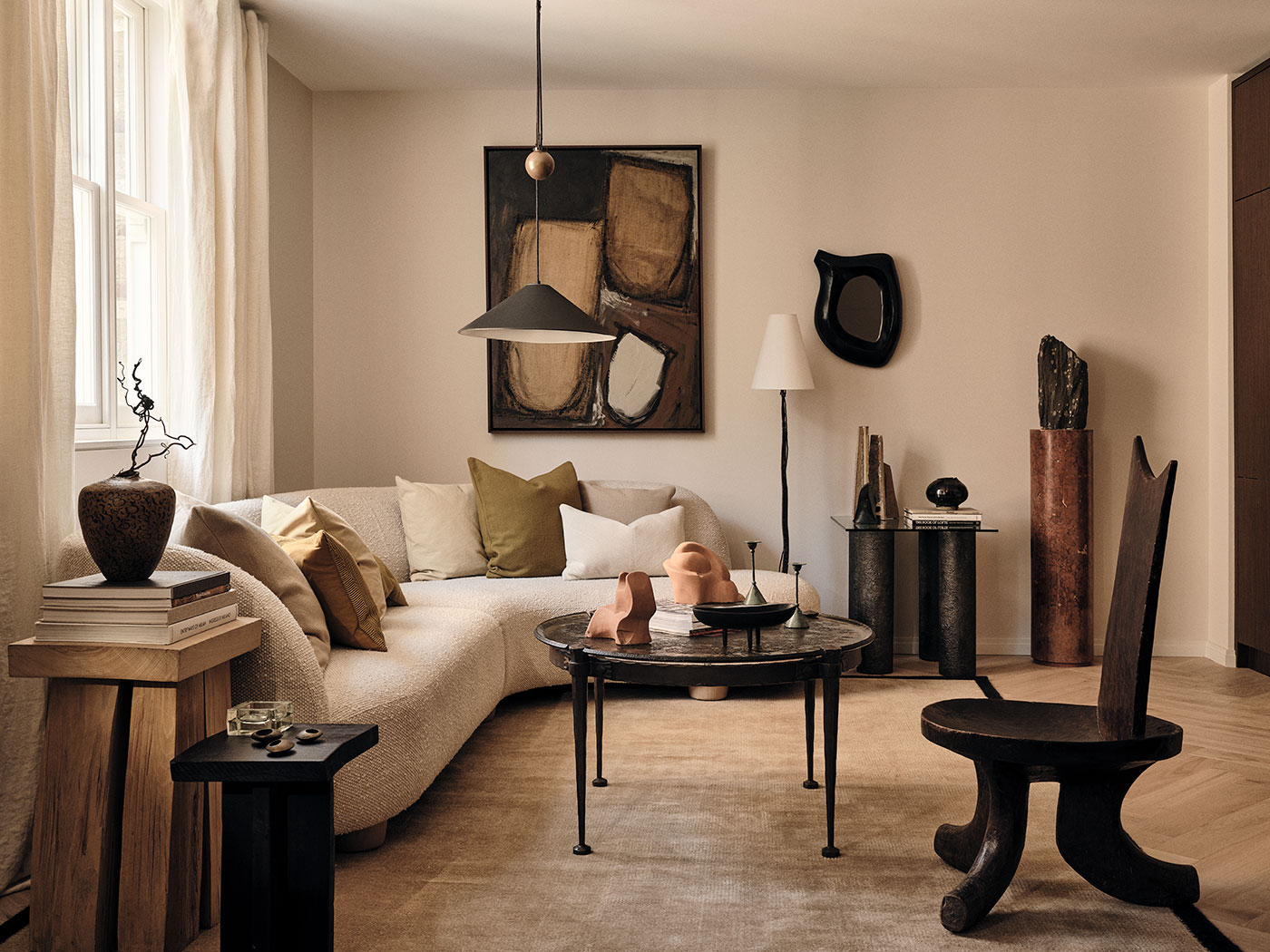
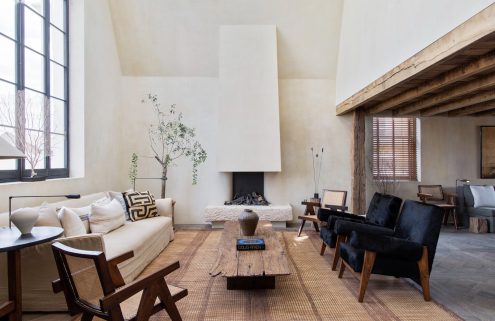
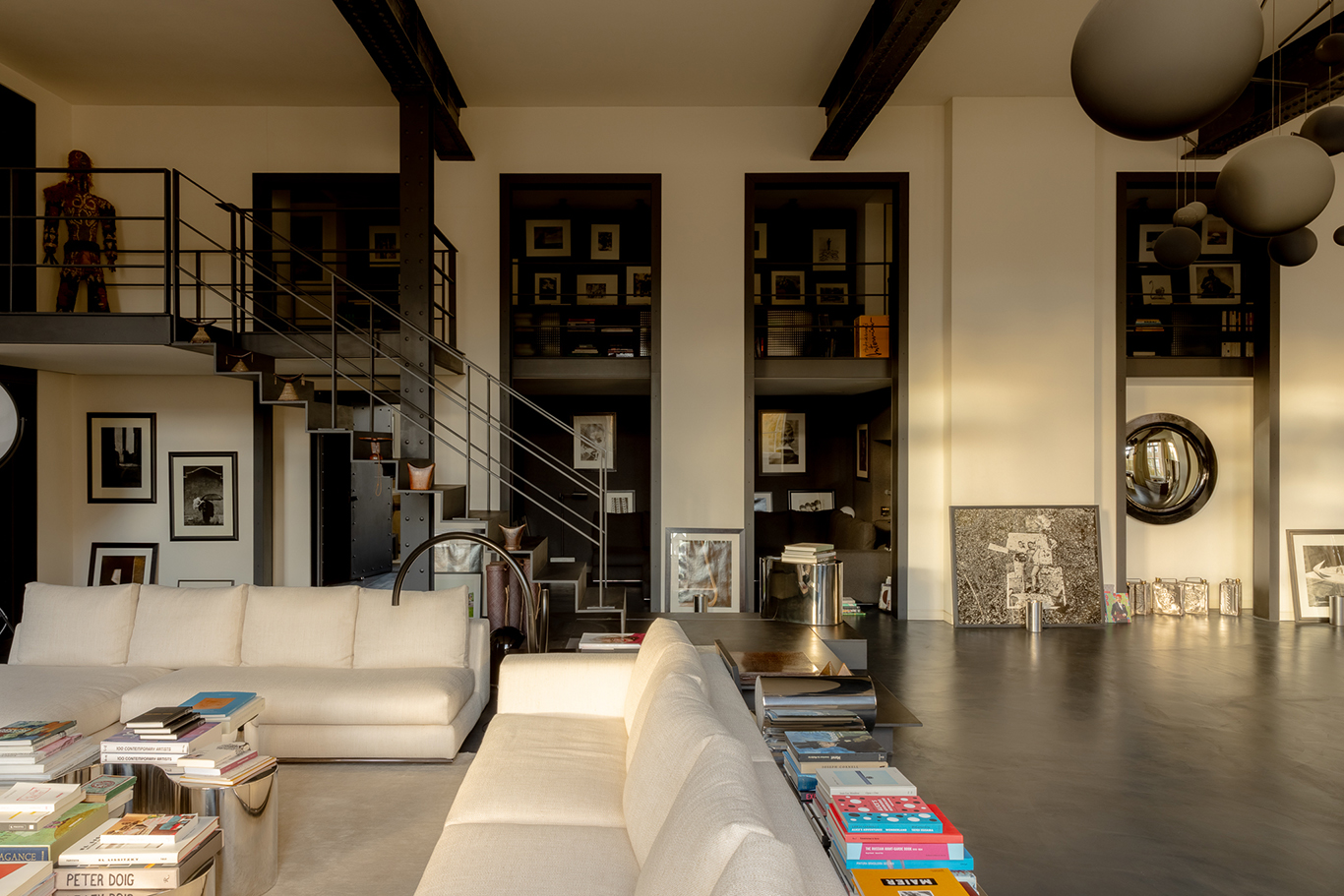
Tension between design features, old furnishings and antique art is an important aspect to blended style, but that doesn’t mean a space has to feel chaotic. This is where an understated background can work wonders, according to Louise East, founder of Studio Est. ‘A neutral base allows statement pieces to shine,’ she says. Designing a home for a passionate collector was more than just arranging beautiful objects for East — it was about creating harmony between the old and new, the personal and architectural. ‘This project was in a former factory stripped of all character, which meant it became a blank canvas,’ she says. ‘I used the building’s industrial past as a framework. Crittall-style windows, copper fixtures and clean lines helped anchor the design.’ From there, she layered the client’s bold global collection, as well as items purchased throughout the years — ‘from modernist pieces to African ceremonial chairs, making sure the space never competed, only complemented.’