With a surge of migratory birds making their way back to the UK and northern Europe, twitching season is upon us. If you’re partial to a spot of ornithological observation, why not explore a stylish approach? We’ve rounded up five striking bird hides just in time for the great return.
Hide Cabin, UK
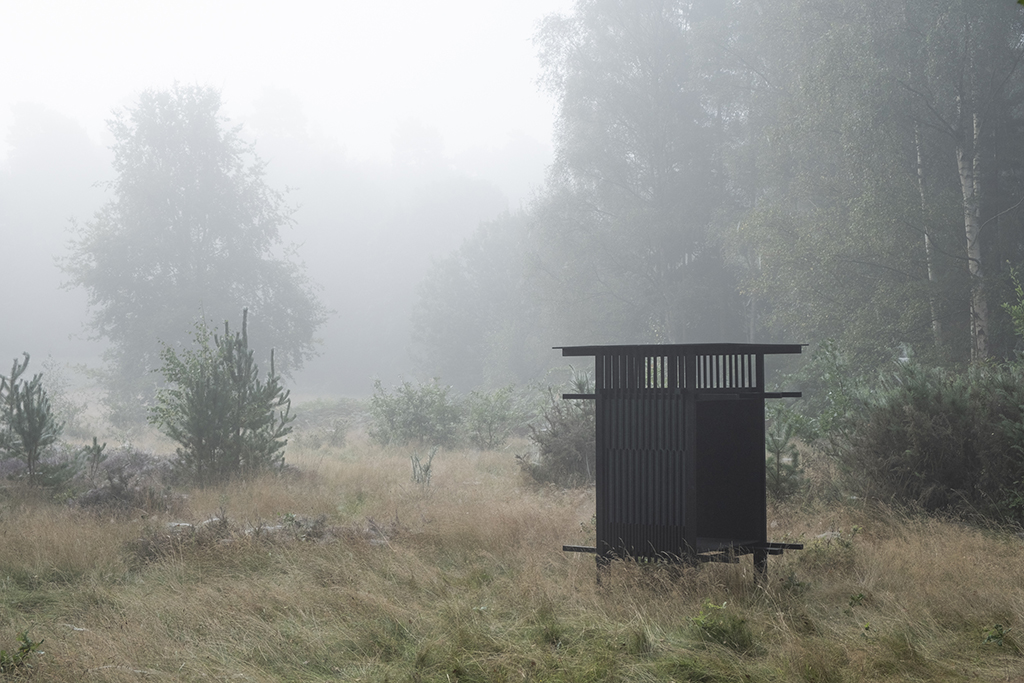
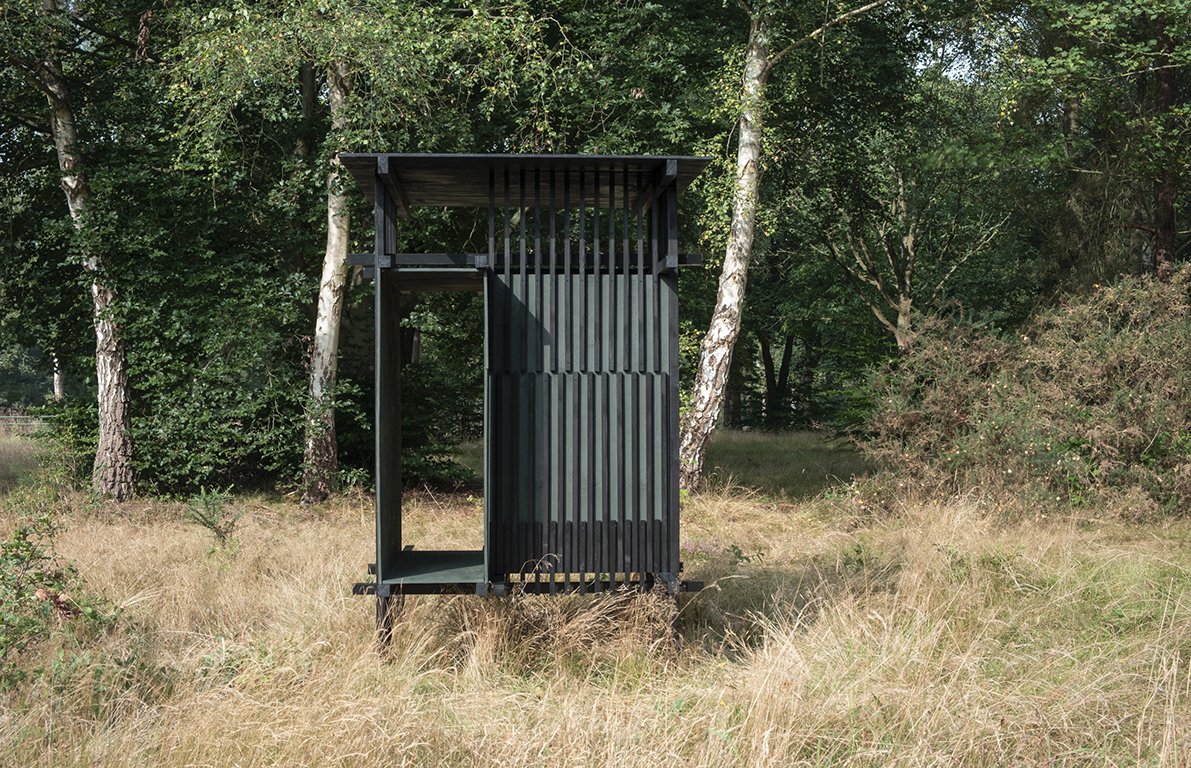
A small, protective space designed by Cambridgeshire-based Inclume Architects, Hide makes an architectural statement without disturbing the natural world. A contemporary timber resting spot for ramblers and bird-watchers alike, the pavilion-like structure makes use of a narrow, horizontal hatch for discreet viewing. Currently situated in Thetford Forest between Norfolk and Suffolk, it is designed to be demounted and relocated to alternative spots in the woodland.
Tij Bird Observatory, Netherlands
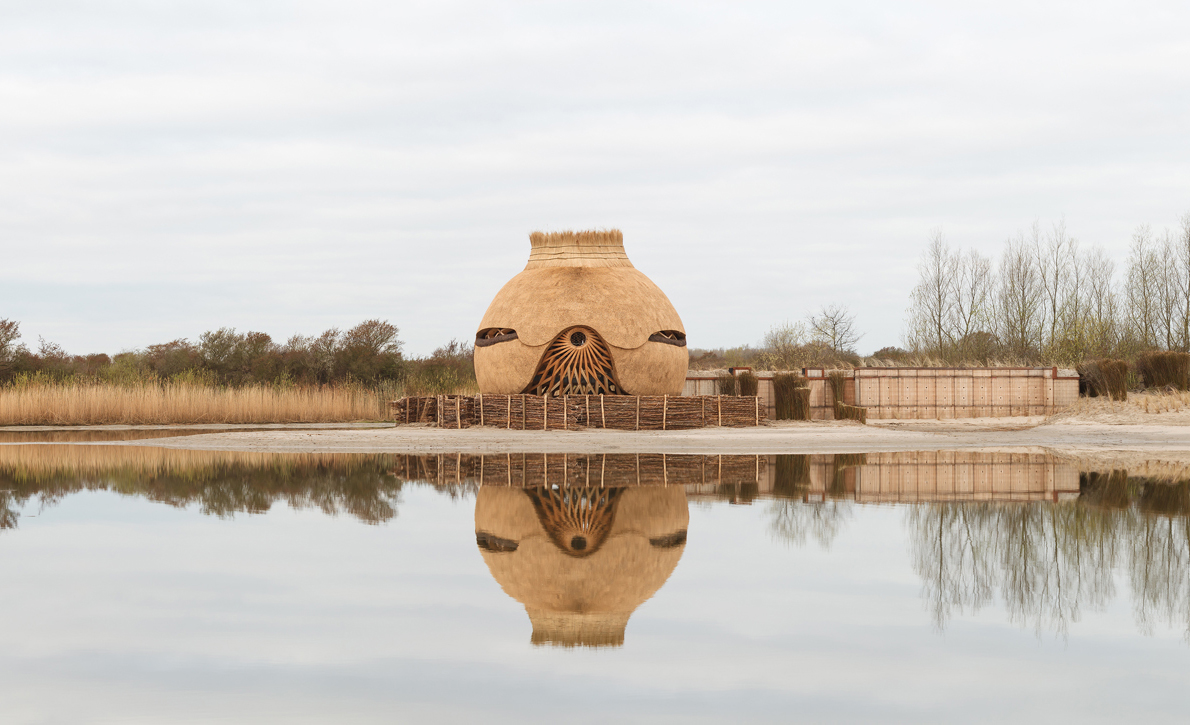
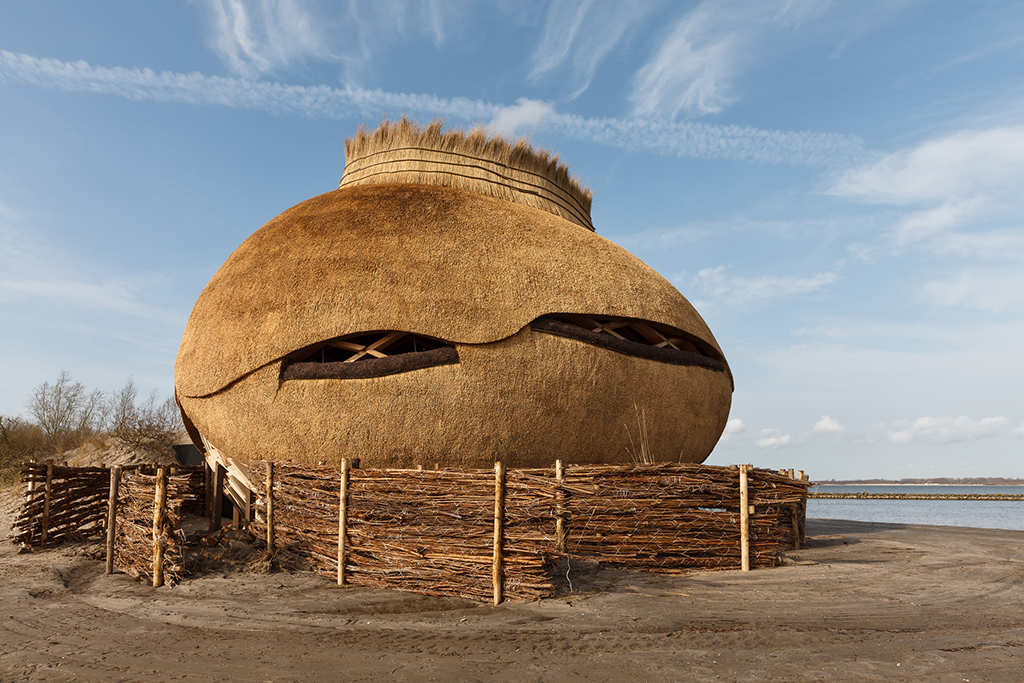
Resembling a large bird’s egg resting in its nest, Tij is one of the best-known architect-designed bird hides in Europe. Designed by RAU Architects and RO&AD Architecten on the Scheelhoek Nature Reserve, the 1,500sqft observatory is constructed almost entirely from natural materials, from its chestnut-pole nest base to the timber lattice shell. Locally harvested reed thatching was used to cover the entire ‘egg’ in a weather-resistant outer skin. Viewing slots are cut into the shell. And thanks to the hide’s reliance on natural materials, it also doubles as a habitat for the local bird population, even incorporating a sand martin nesting wall.
Herdla Birdwatching Tower, Norway
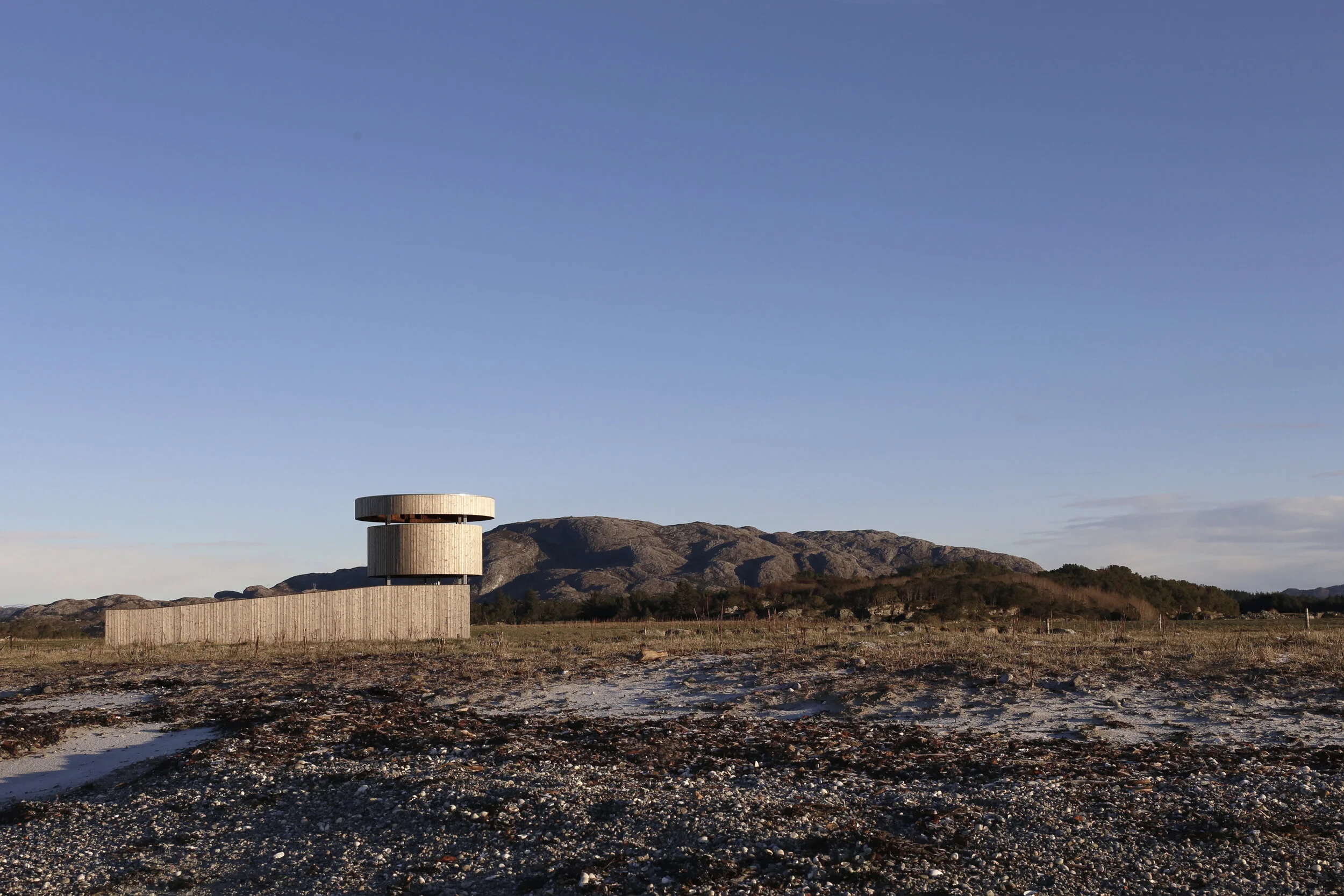
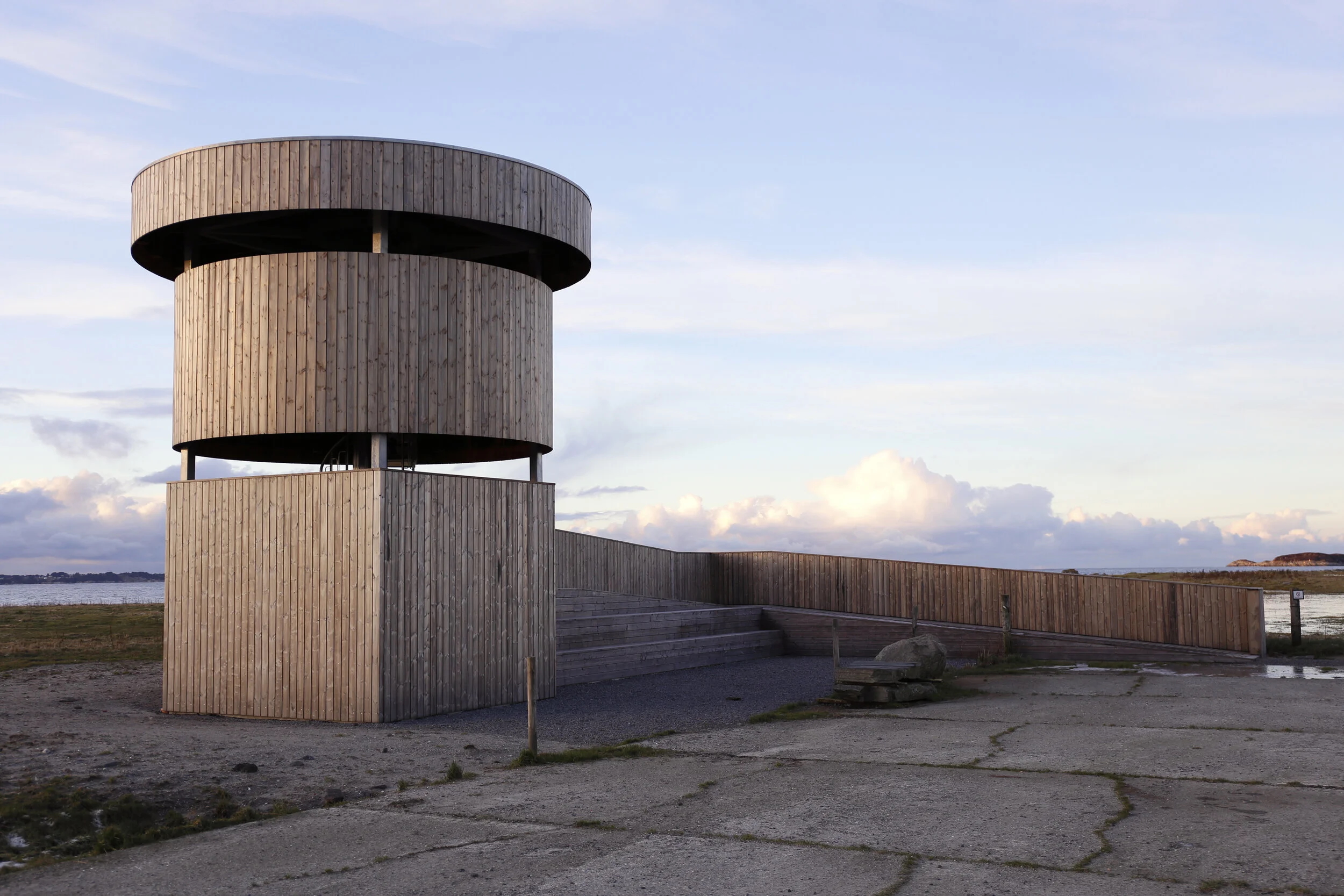
A spiral staircase connects two public floors at this seven-metre timber-clad tower, standing proud on the island of Herdla, just north of Bergen. The island, with its vast expanse of grasslands and freshwater, is famed for its rich birdlife and the upper floor of the hide, designed by Norway architects LJB AS, boasts 360-degree views of wetland, ponds and coastline. A cantilevered roof shelters visitors on both levels and a gentle ramp protected from coastal winds leads up through the structure to ensure accessibility for wheelchair users.
Tipperne Bird Sanctuary Hide, Denmark
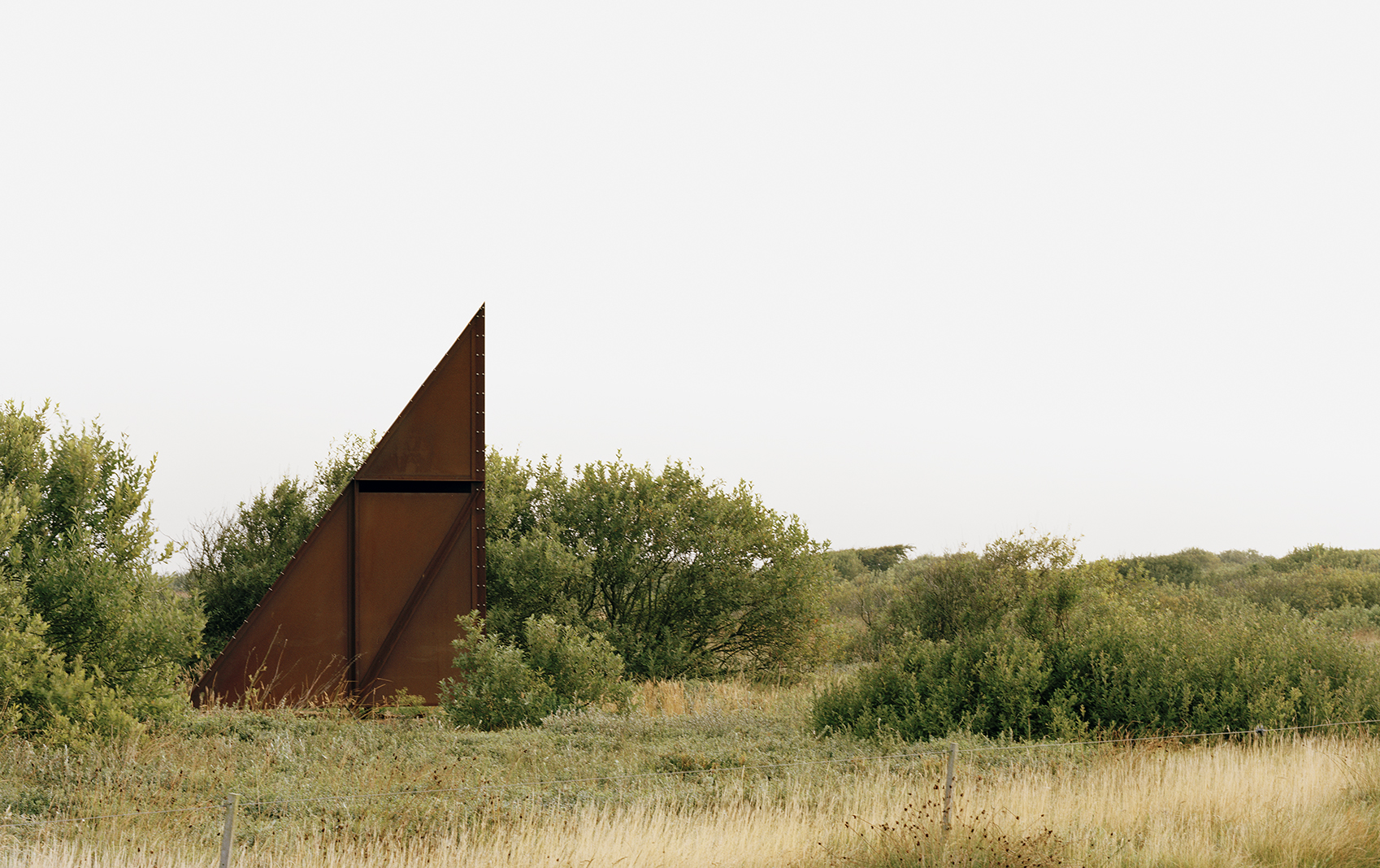
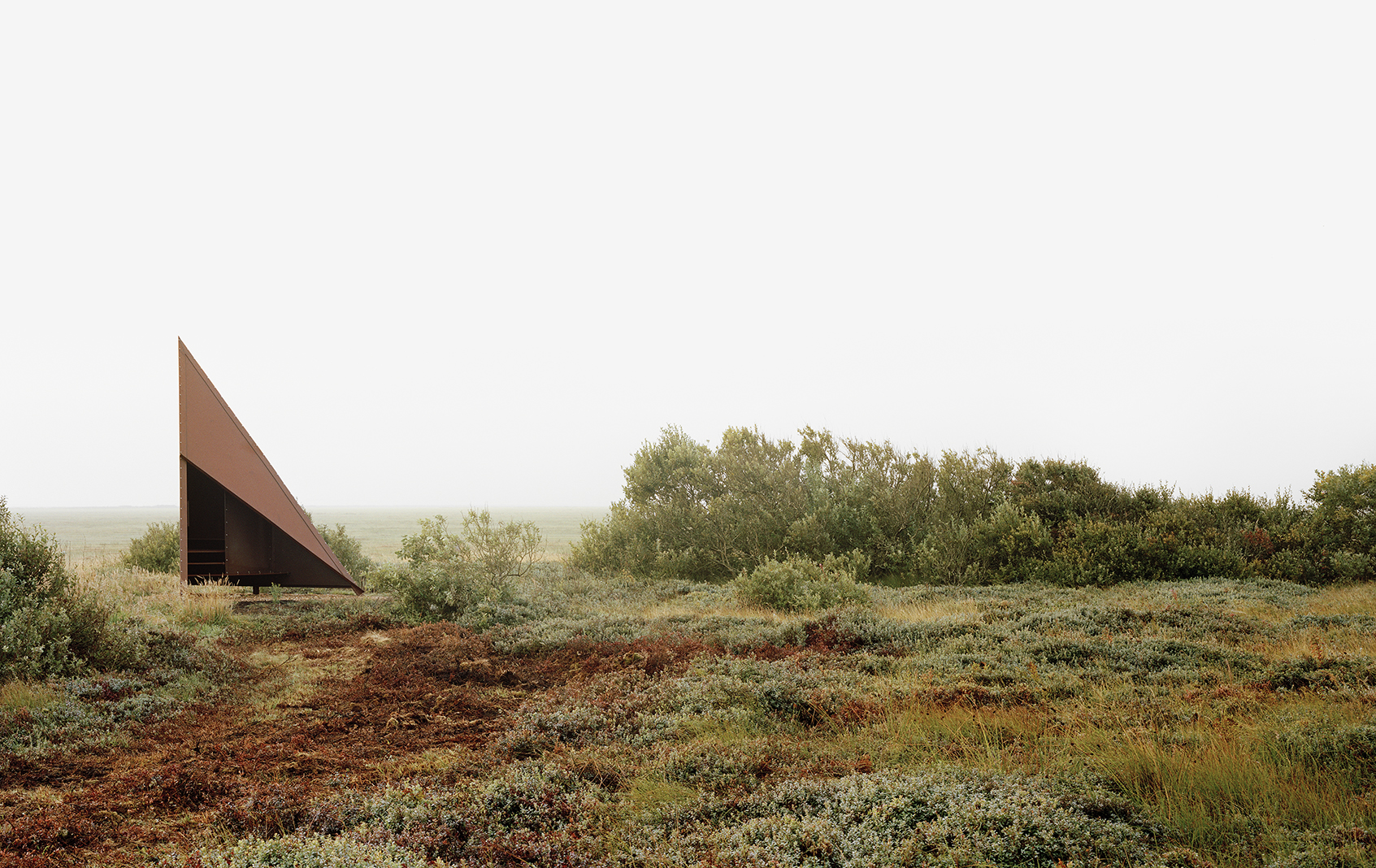
Minimal, geometric and unembellished, this triangular steel hide forms part of a series of bird- and nature-observation structures designed by Copenhagen studio Johansen Skovsted Arkitekter. Set on the long, narrow peninsula of Tipperne in western Denmark, where thousands of wading birds and waterfowl visit each year, the buildings are collectively referred to as ‘instruments in the landscape’ and include an observation tower, workshop and research station. The hide itself — built using 6mm Corten steel plates — blends into the landscape, allowing for particularly close viewing. It may be small and simple, but it’s considered one of the most effective hides in Europe for observing migration and breeding patterns.
Loch Leven Bird Hide, Scotland
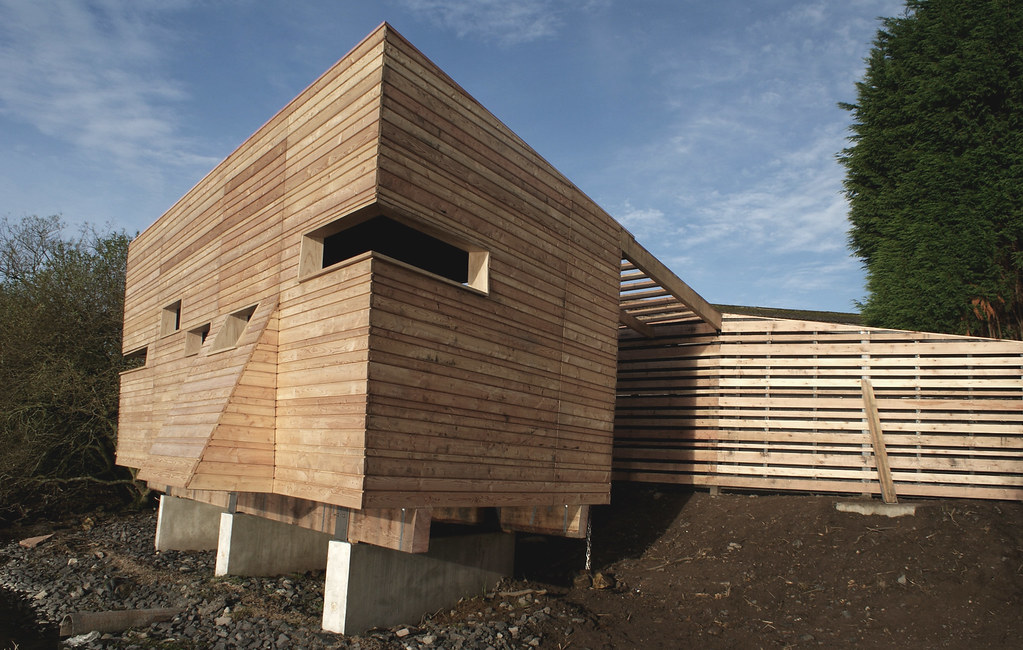
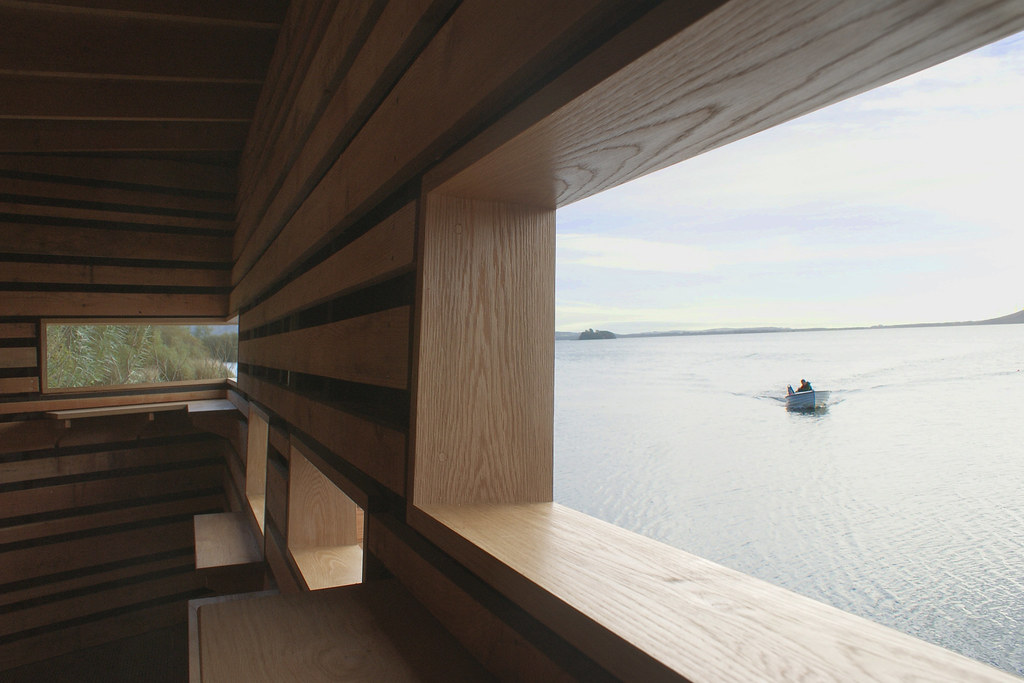
Often referred to as the Pheonix Hide, this serene, unassuming shelter on the west bank of Loch Leven, just south of Kinross, was completed in 2022 to replace Mill Hide, which was destroyed by arson the previous year. Following a £30,000 fundraising appeal, Icosis Architects built the new structure using Scottish Douglas fir and larch. They gave it an outward-sloping panoramic window with unbroken views across the loch.